
Sustainable Fashion: How Indigenous Practices Shape EcoFriendly Brands

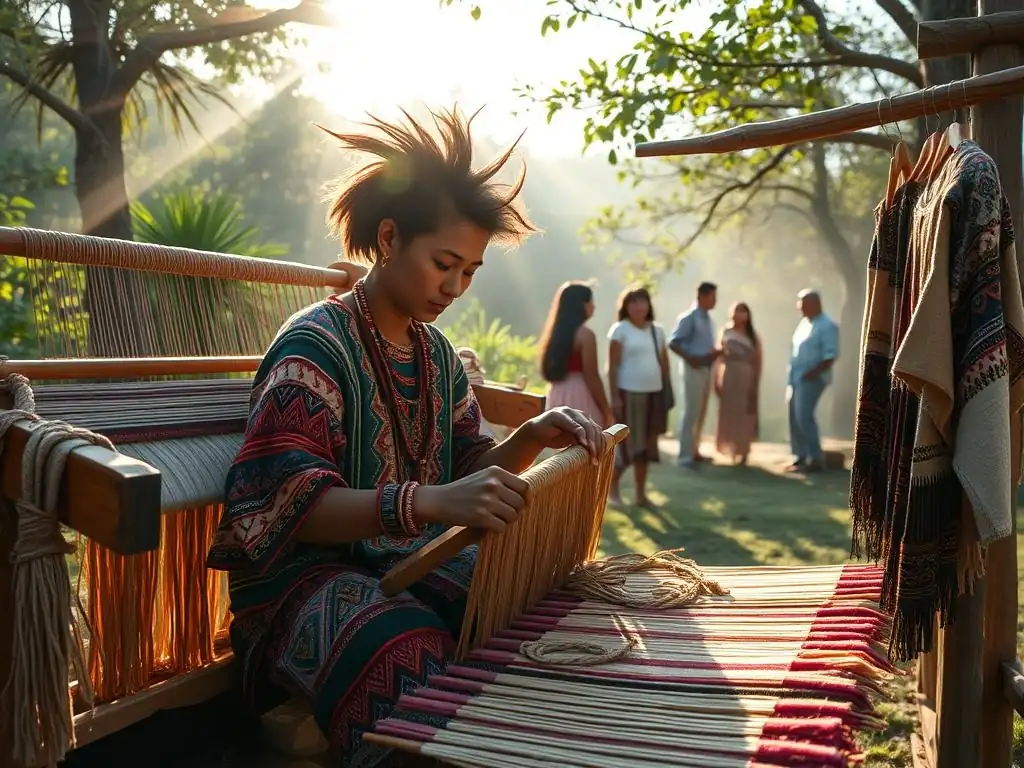
Welcome to Indigenous Civilizations of the Americas, where we invite you to embark on a journey through the rich tapestry of indigenous cultures that flourished long before European contact. Here, you will discover how ancient wisdom and practices are influencing the modern world, particularly in the realm of sustainable fashion.
Our featured article, “ Sustainable Fashion: How Indigenous Practices Shape Eco-Friendly Brands,” delves deep into the innovative ways these time-honored traditions are being woven into contemporary eco-conscious brands. Prepare to be inspired as you explore the profound impact of indigenous knowledge on sustainability and find out how these practices can reshape our approach to fashion today!
Introduction to Indigenous Practices in Sustainable Fashion
In recent years, the fashion industry has begun to embrace sustainability, driven by a growing awareness of environmental issues and a shift towards ethical consumerism. Within this context, Indigenous practices in sustainable fashion have emerged as a vital source of inspiration and innovation. Indigenous cultures across the Americas have long demonstrated a profound relationship with nature, creating clothing and textiles that reflect their values, traditions, and respect for the environment. This article explores how these traditional practices not only contribute to eco-friendly fashion but also honor the rich heritage and knowledge of Indigenous peoples.
By examining the intricate techniques, materials, and philosophies that underpin Indigenous fashion, we can uncover how these practices inform contemporary sustainable brands. From natural dyes derived from local flora to the use of traditional weaving methods, Indigenous artisans are redefining the narrative of fashion to align with ecological principles. This exploration is not merely a trend; it is a recognition of the invaluable contributions made by Indigenous communities and their ongoing impact on the future of sustainable fashion.
The Foundations of Indigenous Practices in Sustainable Fashion
Indigenous practices in sustainable fashion are deeply rooted in the cultural, spiritual, and environmental contexts of various Indigenous communities. These practices are characterized by their sustainable use of local resources, emphasis on craftsmanship, and a holistic approach to fashion that prioritizes ecological balance.
- Natural Materials: Indigenous peoples often utilize materials sourced from their immediate environments. This includes fibers such as cotton, wool, and silk, as well as plant-based dyes created from local flora. The focus on natural materials not only reduces the carbon footprint associated with synthetic textiles but also promotes biodiversity.
- Traditional Techniques: The methods used in creating clothing and textiles are often passed down through generations, reflecting a deep understanding of the land and its resources. Techniques such as weaving, embroidery, and beadwork are not only artistic expressions but also carry significant cultural meanings. These practices emphasize quality over quantity, resulting in durable and timeless pieces.
- Cultural Significance: Fashion in Indigenous cultures is intertwined with identity, storytelling, and spirituality. Each garment can tell a story, convey social status, or signify important life events. By integrating these narratives into modern designs, brands can create a deeper connection between consumers and the cultural heritage behind the garments.
- Community Focus: Many Indigenous designers and brands prioritize community involvement and fair trade practices. This approach not only supports local economies but also ensures that the cultural and artistic contributions of Indigenous artisans are acknowledged and respected.
Through these foundational elements, Indigenous practices in sustainable fashion offer valuable lessons for the industry at large. By learning from these time-honored traditions, brands can create eco-friendly clothing that not only respects the environment but also honors the rich histories and stories of Indigenous peoples.
Case Studies of Indigenous-Inspired Eco-Friendly Brands
Indigenous practices in sustainable fashion have led to the emergence of several eco-friendly brands that prioritize environmental stewardship, cultural heritage, and ethical production methods. These brands often draw inspiration from traditional craftsmanship, using techniques and materials that have been passed down through generations. By integrating Indigenous knowledge and practices, these brands not only create unique fashion items but also promote a deeper understanding of the cultural significance behind them.
Brand Spotlight: Mara Hoffman
Mara Hoffman is a New York-based fashion designer known for her commitment to sustainability and ethical practices. Her brand focuses on using organic and eco-friendly materials, often integrating Indigenous art and techniques into her collections. One of her most notable initiatives is the collaboration with Indigenous artisans to create unique textiles that reflect their heritage.
Hoffman incorporates vibrant colors and patterns reminiscent of Indigenous art, ensuring that the stories behind these designs are honored. By partnering directly with Indigenous communities, she fosters economic opportunities and promotes the preservation of traditional crafts. This approach not only enriches her brand's offerings but also raises awareness about the contributions of Indigenous cultures to the fashion industry.
Brand Spotlight: Oshun
Oshun is a fashion brand that celebrates the beauty and craftsmanship of Indigenous cultures while championing sustainable practices. Founded by Indigenous designer, the brand focuses on creating handcrafted garments that reflect the traditions and stories of Native peoples. Each piece is made using sustainable materials, such as organic cotton and natural dyes, which minimize environmental impact.
The brand emphasizes the importance of storytelling in fashion, with each collection inspired by specific Indigenous narratives. Oshun also collaborates with local artisans, ensuring that traditional techniques are preserved and passed on to future generations. By highlighting the cultural significance of their designs, Oshun not only creates beautiful apparel but also educates consumers about the rich heritage of Indigenous communities.
The Role of Natural Materials in Indigenous Fashion
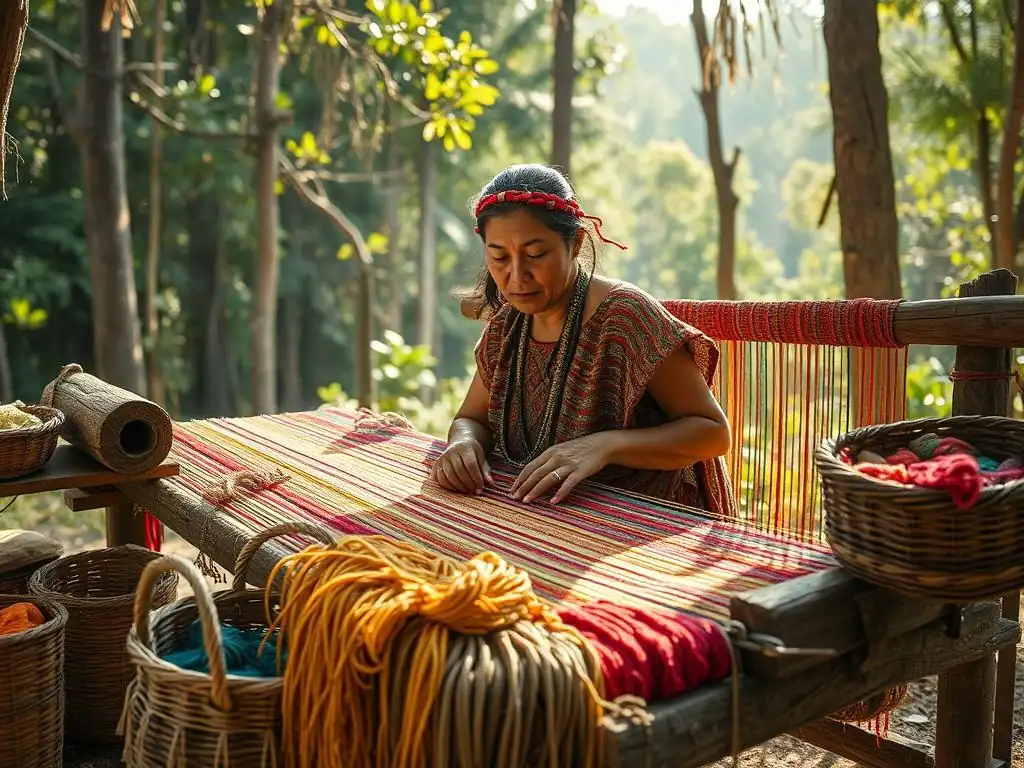
Natural materials play a pivotal role in Indigenous fashion, serving as a foundation for sustainable practices and cultural expression. Many Indigenous communities have long utilized local resources to create textiles, garments, and accessories, ensuring that their methods are environmentally conscious and culturally relevant.
- Sustainable Sourcing: Indigenous designers often source materials from their natural surroundings, utilizing fibers such as cotton, wool, and linen, which are biodegradable and renewable. This practice not only reduces reliance on synthetic materials but also supports local ecosystems.
- Traditional Techniques: Techniques such as weaving, dyeing, and embroidery are often rooted in Indigenous traditions. These processes not only produce unique and high-quality items but also embody the cultural narratives and values of the communities involved.
- Cultural Significance: The use of natural materials often carries deep spiritual and cultural meanings. For example, some Indigenous groups may use specific plants for dyeing fabrics, which can symbolize their connection to the land and ancestors. This connection enhances the storytelling aspect of fashion, allowing consumers to appreciate the cultural importance behind each piece.
Overall, the integration of natural materials in Indigenous fashion not only promotes sustainability but also fosters a deeper understanding and appreciation of the cultural heritage that shapes these eco-friendly brands.
Ethical Production and Fair Trade in Indigenous Fashion
Indigenous fashion embodies a deep-seated commitment to ethical production and fair trade practices. This is rooted in traditional values that prioritize respect for both people and the environment. Many indigenous brands focus on creating products that are not only sustainable but also culturally significant. They often use locally sourced materials and traditional techniques that have been passed down through generations.
By adhering to fair trade principles, these brands ensure that artisans receive fair wages for their labor, promoting economic equity within their communities. For instance, many indigenous fashion brands engage in direct trade practices that eliminate the middleman, allowing creators to retain a more substantial portion of the profits. This model not only supports artisans but also fosters community development, which is crucial in preserving indigenous cultures and practices.
Moreover, ethical production extends to the environmental impact of fashion. Many indigenous designers prioritize eco-friendly materials, such as organic cotton, natural dyes, and recycled fibers, aligning with a holistic approach to sustainability. This practice not only minimizes waste but also reflects a deep respect for nature, a principle that is woven into the fabric of indigenous cultures.
Challenges Facing Indigenous Practices in Sustainable Fashion
Despite the positive strides made by indigenous fashion brands, numerous challenges confront their efforts to integrate sustainable practices. One significant barrier is the appropriation of indigenous designs and techniques by mainstream fashion companies. This often leads to the commodification of sacred symbols and cultural elements without permission or acknowledgment, undermining the original cultural significance and economic benefits for indigenous communities.
Additionally, access to resources and markets can be limited for indigenous designers. Many face difficulties in scaling their operations due to a lack of funding, inadequate infrastructure, and limited exposure to broader markets. This can hinder their ability to compete with larger, established brands that can invest heavily in marketing and production.
Another challenge is the generational gap in traditional knowledge. While many artisans possess invaluable skills passed down through generations, the younger generation might not always have the same opportunities or interest in continuing these practices. This generational shift can lead to a decline in traditional techniques, threatening the cultural heritage that is vital to the identity of indigenous communities.
How Consumers Can Support Indigenous Practices in Sustainable Fashion
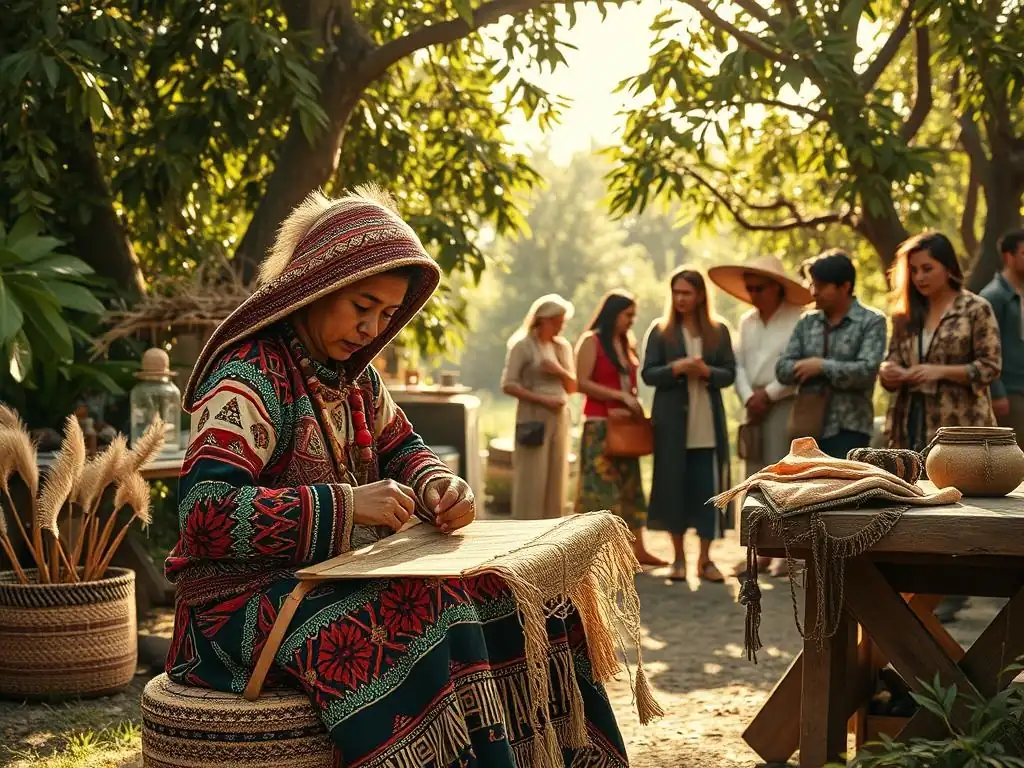
Consumers play a pivotal role in supporting indigenous practices in sustainable fashion. One of the most effective ways is to choose to buy from indigenous-owned brands. By prioritizing these businesses, consumers can directly contribute to the economic well-being of indigenous communities, ensuring that profits remain within these populations.
Education is another essential component. By learning about the significance of indigenous practices and the stories behind the products, consumers can make more informed choices. Sharing this knowledge within their networks amplifies awareness and appreciation for indigenous cultures, fostering a greater understanding of the importance of sustainable fashion.
Consumers can also advocate for ethical practices by holding larger brands accountable. This can be done by demanding transparency in supply chains and supporting policies that protect indigenous rights and promote fair trade. Joining or supporting organizations that work towards indigenous rights can further amplify these efforts.
Lastly, participating in community events, workshops, or forums that celebrate indigenous fashion and culture can help consumers connect with the artisans and the values they represent. Engaging with indigenous communities in this way not only enriches the consumer's experience but also reinforces the importance of preserving and celebrating indigenous practices in sustainable fashion.
Conclusion: The Future of Indigenous Practices in Sustainable Fashion
The integration of Indigenous practices into sustainable fashion is not merely a passing trend; it represents a profound shift towards respecting cultural heritage while promoting environmental stewardship. As more consumers become aware of the ethical implications of their purchasing choices, the demand for fashion that embodies sustainability and cultural authenticity continues to grow.
Indigenous communities, with their deep-rooted knowledge of natural materials and sustainable practices, offer invaluable insights that can guide the fashion industry towards a more eco-friendly future. Brands that collaborate with Indigenous artisans are not only preserving traditional craftsmanship but also ensuring that Indigenous voices are amplified in the global marketplace. This collaboration fosters a reciprocal relationship where both parties benefit—brands gain authenticity and consumers gain access to unique, high-quality products.
The future of Indigenous practices in fashion hinges on continued advocacy for fair trade and ethical sourcing, as well as a commitment to education. By promoting awareness of Indigenous contributions and their sustainable methods, the fashion industry can reshape its narrative, moving away from exploitative practices toward a model of respect and reciprocity. As this trend continues to evolve, we can expect to see an increase in innovative designs that honor Indigenous heritage while appealing to environmentally conscious consumers.
Resources for Further Exploration
For those interested in delving deeper into the relationship between Indigenous practices and sustainable fashion, the following resources offer a wealth of information:
- Books:
- Decolonizing Fashion: Indigenous Resistance and the Politics of Dress by Tessa Laird
- Fashioning the Future: Tomorrow's Wardrobe by Suzanne Lee
- Documentaries:
- The True Cost - A documentary that explores the impact of fashion on people and the planet, touching on ethical practices.
- Inhabit: A Permaculture Perspective - While not exclusively about fashion, this film discusses sustainable living and can inspire eco-friendly design.
- Organizations:
- The Council of Fashion Designers of America (CFDA) - They often feature initiatives that spotlight sustainability and Indigenous artisans.
- Fashion Revolution - An organization advocating for a more sustainable and ethical fashion industry, including Indigenous practices.
- Online Platforms:
- Indigenous Fashion Month - An event that showcases Indigenous designers and promotes awareness of their contributions to the industry.
- The Ethical Fashion Forum - A resource hub for sustainable fashion practices, including Indigenous methodologies.
By engaging with these resources, individuals can gain a deeper understanding of how Indigenous practices are shaping the landscape of sustainable fashion and the importance of supporting these communities in the quest for a more ethical future.
- Introduction to Indigenous Practices in Sustainable Fashion
- The Foundations of Indigenous Practices in Sustainable Fashion
- Case Studies of Indigenous-Inspired Eco-Friendly Brands
- The Role of Natural Materials in Indigenous Fashion
- Ethical Production and Fair Trade in Indigenous Fashion
- Challenges Facing Indigenous Practices in Sustainable Fashion
- How Consumers Can Support Indigenous Practices in Sustainable Fashion
- Conclusion: The Future of Indigenous Practices in Sustainable Fashion
- Resources for Further Exploration
- What are Indigenous practices in sustainable fashion?
- How do Indigenous cultures influence modern fashion brands?
- Why is it important to recognize Indigenous contributions to fashion?
- What role does sustainability play in Indigenous fashion practices?
- How can consumers support Indigenous fashion initiatives?
Frequently Asked Questions
What are Indigenous practices in sustainable fashion?
Indigenous practices in sustainable fashion refer to traditional methods and techniques used by Indigenous communities that prioritize environmental stewardship, resource conservation, and cultural heritage in textile production.
How do Indigenous cultures influence modern fashion brands?
Modern fashion brands often draw inspiration from Indigenous cultures by incorporating traditional designs, techniques, and sustainable materials, which help promote cultural appreciation and raise awareness about ethical fashion practices.
Why is it important to recognize Indigenous contributions to fashion?
Recognizing Indigenous contributions to fashion is crucial for acknowledging their cultural significance, promoting sustainable practices, and fostering economic empowerment through fair trade and respect for traditional knowledge.
What role does sustainability play in Indigenous fashion practices?
Sustainability is central to Indigenous fashion practices, as these communities have long utilized eco-friendly materials and techniques that minimize waste and environmental impact, promoting a holistic relationship with nature.
How can consumers support Indigenous fashion initiatives?
Consumers can support Indigenous fashion initiatives by purchasing from eco-friendly brands, advocating for fair trade practices, and promoting awareness of Indigenous cultures and their contributions to sustainable fashion.
Final Reflection: Embracing Indigenous Practices for a Sustainable Future
The intersection of sustainable fashion and Indigenous practices is more relevant today than ever. As we face escalating environmental crises and a growing demand for ethical consumerism, the wisdom embedded in Indigenous cultures offers invaluable insights into creating a more sustainable future. The call for a shift towards eco-friendly brands is not just a trend; it is a necessity that resonates deeply with our collective responsibility to the planet.
Cultural heritage and sustainable practices are intertwined, influencing not only the fashion industry but also our broader societal values. The integration of Indigenous knowledge into modern fashion serves as a powerful reminder of the importance of respecting the earth and its resources. As we witness a resurgence of interest in eco-conscious brands, we must acknowledge the voices and traditions that have long championed these principles. Indigenous peoples have been stewards of the land for millennia, and their practices offer a roadmap for sustainability that modern society is just beginning to understand.
As we move forward, I invite you to reflect on how you can incorporate the lessons of Indigenous practices into your own life and choices. Consider supporting brands that honor these traditions, educate yourself about the cultural significance behind sustainable practices, and advocate for a fashion industry that respects both people and the planet. Together, we can create a more sustainable future that not only celebrates diversity but also ensures the preservation of our environment for generations to come.
Embrace Sustainable Style: Take Action Today!
Thank you for diving into the world of sustainable fashion and discovering how Indigenous practices are shaping eco-friendly brands. Your interest in this vital topic not only highlights the beauty of these traditions but also underscores the importance of making conscious choices in our wardrobes. Now, let’s put that passion into action!
Here are some steps you can take to support and celebrate Indigenous-inspired sustainable fashion:
- Explore Indigenous Brands: Discover and shop from businesses led by Indigenous people that emphasize sustainable practices. Your purchases can directly support their communities and their commitment to the environment.
- Share Your Knowledge: Spread the word! Discuss the significance of Indigenous wisdom in sustainable fashion with your friends and family. Encourage them to think critically about their own fashion choices.
- Engage with the Community: Participate in online forums or local events focused on sustainable fashion. Connecting with like-minded individuals can inspire you to learn more and contribute to the movement in meaningful ways.
What unique decision will you make today to incorporate sustainable fashion into your life?