
Bridging Cultures: Books That Explore Indigenous Histories and Modern Interpretations

Welcome to Indigenous Civilizations of the Americas! Here, we invite you to embark on a fascinating journey through the rich tapestry of indigenous cultures in America. Our featured article, "Bridging Cultures: Books That Explore Indigenous Histories and Modern Interpretations," serves as your guide to understanding the profound achievements and enduring legacies of these vibrant societies. As you delve into our resources, prepare to be inspired by the stories and insights that shape our understanding of the past and illuminate the present. Join us in uncovering the remarkable narratives that connect us all.
Introduction to Indigenous Cultures in America
The indigenous cultures in America encompass a vast array of societies, languages, and traditions that flourished long before the arrival of European settlers. These cultures, rich in diversity, have made significant contributions to the arts, sciences, and social structures of the Americas. From the sophisticated urban centers of the Aztecs and Incas to the communal living of the Iroquois and the nomadic traditions of Plains tribes, each civilization offers a unique perspective on humanity's relationship with the environment and each other.
Understanding these cultures is not only essential for acknowledging their historical significance but also for recognizing their enduring influence on contemporary society. As we delve into the literary works that explore these themes, it becomes clear that they serve as bridges—connecting past and present, tradition and modernity, Indigenous voices and wider audiences.
In this article, we will highlight a selection of must-read books that illuminate the rich tapestry of indigenous histories, showcasing their achievements and the ongoing impact of these cultures in today's world. We aim to provide resources that not only educate but also foster a deeper appreciation and understanding of the native peoples of the Americas.
Through thought-provoking narratives and scholarly insights, these books invite readers to engage with the complexities of indigenous experiences, challenging preconceived notions and celebrating the resilience of Indigenous cultures. Join us as we explore these essential readings that honor the past and illuminate the path forward.
Must-Read Books on Indigenous Histories
Classic Works on Indigenous Cultures in America
The exploration of indigenous cultures in America has been significantly shaped by classic literature that provides foundational insights into their histories, societies, and achievements. These works often serve as crucial resources for understanding the complexities of these civilizations and their contributions to the broader narrative of American history.
-
"Bury My Heart at Wounded Knee" by Dee Brown
This seminal work, published in 1970, chronicles the systematic displacement and destruction of Native American tribes in the late 19th century. Brown's narrative is driven by firsthand accounts and historical documents, giving voice to the often-silenced perspectives of indigenous peoples. The book is essential for understanding the impact of colonization on indigenous cultures in America.
-
"The American Indian: Prehistory to the Present" by Roger L. Nichols
This comprehensive overview of Native American history highlights the diverse cultures that existed long before European contact. Nichols explores the rich tapestry of indigenous life through archaeological findings and historical records, making it a vital reference for anyone interested in the societal structures and achievements of these civilizations.
-
"Indians of the Americas" by John D. Lewis
First published in the 1950s, this classic text examines the various indigenous tribes across North America. Lewis's work is characterized by its detailed descriptions of tribal customs, social organization, and economic practices, providing readers with a foundational understanding of indigenous cultures in America.
-
"The Native American Experience" by Bruce E. Johansen
This anthology offers a collection of essays and articles that reflect the experiences of Native Americans from pre-contact times to the present. Johansen's work emphasizes the resilience and adaptability of indigenous cultures in America, making it a critical resource for understanding their ongoing narratives.
Modern Interpretations of Indigenous Histories
In recent years, there has been a surge of modern interpretations that reframe and challenge traditional narratives about indigenous cultures in America. These books often blend historical scholarship with contemporary voices, providing nuanced perspectives on the legacies of colonization and the revitalization of indigenous identities.
-
"An Indigenous Peoples' History of the United States" by Roxanne Dunbar-Ortiz
This groundbreaking work reexamines American history from the perspective of indigenous peoples. Dunbar-Ortiz argues that the history of the United States cannot be fully understood without acknowledging the impact of colonialism on native populations. Her analysis highlights the resilience and resistance of indigenous cultures in America.
-
"Braiding Sweetgrass: Indigenous Wisdom, Scientific Knowledge, and the Teachings of Plants" by Robin Wall Kimmerer
Kimmerer's book is a beautiful blend of science and indigenous wisdom, providing insights into the interconnectedness of life. Drawing from her own experiences as a botanist and a member of the Citizen Potawatomi Nation, Kimmerer emphasizes the importance of traditional ecological knowledge and its relevance to contemporary environmental issues.
-
"The Heartbeat of Wounded Knee: Native America from 1890 to the Present" by David Treuer
Treuer's work challenges the notion that Native American cultures have been diminished post-colonization. By weaving together personal narratives, historical events, and cultural analyses, he presents a vibrant picture of indigenous life in contemporary America, emphasizing survival and cultural revitalization.
-
"Our History Is the Future: Standing Rock Versus the Dakota Access Pipeline and the Long Tradition of Indigenous Resistance" by Nick Estes
This powerful book connects the historical struggles of indigenous peoples with current movements for justice and environmental protection. Estes frames the Standing Rock protests as part of a long tradition of indigenous resistance, making it a vital resource for understanding the ongoing challenges and triumphs of indigenous cultures in America.
These modern interpretations not only honor the histories of indigenous peoples but also underscore their relevance in today's societal and environmental contexts. By engaging with both classic and contemporary literature, readers can gain a comprehensive understanding of the rich and diverse indigenous cultures in America.
Comparative Analysis of Indigenous Literature
The exploration of indigenous cultures in America through literature provides a profound understanding of their histories, beliefs, and modern interpretations. By comparing historical narratives with contemporary perspectives, we can appreciate the evolution of these stories and the broader context surrounding them. This section delves into the nuances of indigenous literature, highlighting the interplay between past narratives and present-day interpretations, and examining the role of non-Indigenous authors in this literary landscape.
Comparing Historical Narratives and Modern Perspectives
Indigenous literature is rich with historical narratives that encapsulate the experiences, traditions, and worldviews of various tribes and nations. These narratives often center around oral traditions, myths, and the interconnection between people and the land. Historical texts, such as "Bury My Heart at Wounded Knee" by Dee Brown, present a poignant account of the injustices faced by indigenous peoples during westward expansion, shedding light on their struggles and resilience.
In contrast, modern interpretations often aim to reclaim and reframe these narratives, emphasizing indigenous voices and perspectives. Books like "There There" by Tommy Orange weave together multiple stories that reflect contemporary urban Native American life, illustrating the complexities of identity in a modern context. This juxtaposition highlights how indigenous cultures are not static but are continuously evolving, reflecting both historical trauma and contemporary realities.
Key Differences in Approach
- Historical Narratives:
- Often written by non-Indigenous authors.
- Focus on events from an external viewpoint.
- Emphasize victimization and loss.
- Modern Perspectives:
- Frequently authored by Indigenous writers.
- Incorporate personal experiences and cultural context.
- Highlight resilience, identity, and community.
The shift from historical narratives to modern interpretations illustrates a broader understanding of indigenous cultures in America, showcasing the richness and diversity of their stories. The integration of personal and communal experiences in modern literature allows for a more nuanced representation, inviting readers to engage with indigenous cultures on a deeper level.
Non-Indigenous authors have played a complex role in the representation of indigenous cultures in America. While some works have contributed positively to the understanding and appreciation of these cultures, others have perpetuated stereotypes or misrepresented indigenous histories.
Positive Contributions
- Awareness and Education: Non-Indigenous authors have often brought attention to indigenous issues, informing a wider audience about historical injustices and contemporary challenges. Books like "The Heartbeat of Wounded Knee" by David Treuer provide valuable insights into Native American life today, bridging the gap for those unfamiliar with these cultures.
- Cultural Exchange: Collaborative works, where Indigenous voices are included alongside non-Indigenous perspectives, can enrich the narrative. This partnership can foster mutual understanding and respect.
Challenges and Criticisms
- Cultural Appropriation: Some non-Indigenous authors have been criticized for appropriating indigenous stories without proper understanding or respect for the cultures they represent.
- Stereotyping: Works that simplify or romanticize indigenous cultures can lead to harmful stereotypes that overshadow the complexities and diversities within these societies.
While non-Indigenous authors can play a role in the promotion and understanding of indigenous cultures in America, it is crucial that their work is approached with sensitivity and a commitment to authenticity. The ongoing dialogue between Indigenous and non-Indigenous voices continues to shape the literary landscape, encouraging a more inclusive and accurate representation of indigenous histories and modern identities.
Thematic Exploration in Indigenous Literature
Indigenous literature serves as a vital conduit for understanding the multifaceted experiences and histories of indigenous cultures in America. Through storytelling, poetry, and essays, these works encapsulate the rich traditions, struggles, and resilience of various indigenous communities. Thematic exploration in this literature often reveals a tapestry woven from shared narratives, cultural values, and the impacts of colonization.
One of the most prominent themes is connection to the land, where authors articulate the profound relationship indigenous peoples have with their environment. This theme illustrates how land is not merely a resource but a living entity with spiritual significance. Books such as "Braiding Sweetgrass" by Robin Wall Kimmerer exemplify this connection, blending indigenous knowledge and scientific understanding.
Another significant theme is identity and cultural survival. Many authors address the complexities of maintaining cultural practices in the face of historical oppression and modern challenges. Works like "The Round House" by Louise Erdrich delve into the struggles of indigenous identity in contemporary society, showcasing the ongoing fight for cultural preservation and recognition.
Additionally, the theme of resilience and resistance permeates indigenous literature. Authors often recount stories of perseverance against systemic injustices and the reclamation of narratives. "An Indigenous Peoples' History of the United States" by Roxanne Dunbar-Ortiz is a powerful example, offering a critical lens on American history through the perspective of indigenous peoples.
Key Themes in Books about Indigenous Cultures
Books that explore indigenous cultures in America often touch upon a variety of key themes that resonate deeply with readers. Here are some of the most prevalent themes found in these works:
- Cultural Revitalization
- Emphasizes the importance of reclaiming and revitalizing indigenous languages, traditions, and practices.
- Examples include "The Heartbeat of Wounded Knee" by David Treuer, which discusses the ongoing cultural renaissance among Native Americans.
- Colonial Impact
- Examines the historical and ongoing effects of colonization on indigenous communities.
- "The Other Slavery" by Andrés Reséndez highlights the often-overlooked history of indigenous enslavement in the Americas.
- Intergenerational Trauma
- Addresses the lasting effects of trauma experienced by indigenous peoples and their communities.
- Works like "There There" by Tommy Orange poignantly depict the lives of urban Native Americans grappling with this legacy.
- Self-Determination and Sovereignty
- Focuses on indigenous rights, self-governance, and the pursuit of sovereignty.
- "Our History Is the Future" by Nick Estes articulates the necessity for indigenous movements to assert their rights and agency.
Highlighting Diverse Indigenous Voices
The landscape of indigenous literature is enriched by a multitude of voices that reflect the diversity of indigenous cultures in America. Each author brings unique perspectives shaped by their distinct cultural backgrounds and personal experiences. Recognizing these diverse voices is crucial for a comprehensive understanding of indigenous narratives.
- Contemporary Voices
- Many contemporary authors, such as Tommy Orange and Louise Erdrich, explore the complexities of modern indigenous life, bridging traditional stories with contemporary realities.
- Historical Perspectives
- Authors like Zitkála-Šá and N. Scott Momaday offer insights into the historical experiences of indigenous peoples, often blending autobiography with cultural commentary.
- Poetic Expressions
- Poets such as Joy Harjo and Sherwin Bitsui use verse to convey the emotional depth of indigenous experiences, often incorporating elements of nature, spirituality, and cultural identity.
- Indigenous Feminist Voices
- Works by authors like Leanne Betasamosake Simpson and Kim TallBear challenge patriarchal narratives, advocating for indigenous feminism and the reclamation of women's roles within their cultures.
The thematic exploration in indigenous literature not only illuminates the rich tapestry of indigenous cultures in America but also highlights the diverse voices that contribute to this narrative. These works serve as essential resources for understanding the past, present, and future of indigenous peoples, fostering a deeper appreciation for their enduring legacies.
Conclusion: The Importance of Reading Indigenous Histories
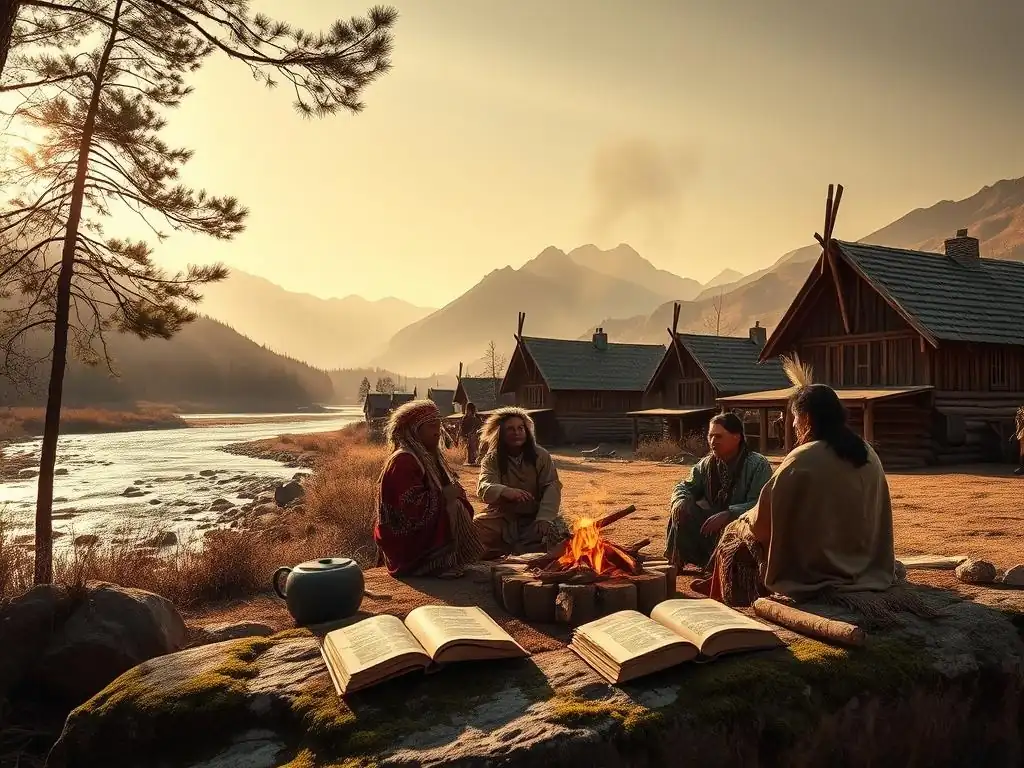
The exploration of indigenous histories is not only vital for understanding the past but also essential for appreciating the rich tapestry of indigenous cultures in America. Books that delve into these histories offer invaluable insights into the diverse societies that flourished long before European contact. They allow readers to engage with the narratives, traditions, and achievements of indigenous peoples, fostering a deeper appreciation for their contributions to the world.
Reading about indigenous cultures serves multiple purposes. It helps to:
- Preserve Knowledge: Many indigenous stories, traditions, and languages are at risk of being lost. Literature plays a crucial role in documenting and preserving this knowledge for future generations.
- Challenge Stereotypes: Engaging with authentic indigenous narratives can dismantle harmful stereotypes and misconceptions that persist in mainstream discourse.
- Promote Understanding: Books that explore indigenous histories encourage empathy and understanding, allowing readers to recognize the complexities of indigenous identity and experience.
Encouraging the Exploration of Indigenous Cultures in America
To truly appreciate the richness of indigenous cultures in America, it is vital to approach the subject with an open mind and a willingness to learn. Here are some key points to consider when exploring these cultures through literature:
- Diverse Perspectives: Indigenous cultures are not monolithic; they encompass a wide array of languages, traditions, and worldviews. Reading a variety of authors from different indigenous backgrounds can provide a fuller picture of their experiences and histories.
- Modern Interpretations: Contemporary indigenous writers often weave traditional narratives with modern contexts, creating a dialogue between past and present. This highlights the ongoing relevance of indigenous cultures in today’s society.
- Critical Engagement: When reading about indigenous histories, it is important to engage critically with the material. Consider the author's background, purpose, and the context in which the work was produced. This can lead to a deeper understanding of the nuances within indigenous cultures.
- Support Indigenous Voices: Seek out works by indigenous authors, scholars, and activists. This not only supports the preservation of their cultures but also ensures that their stories are told authentically and respectfully.
- Community Involvement: Engaging with local indigenous communities can enhance the reading experience. Participating in events, discussions, or workshops can provide context and foster connections that enrich understanding.
By embracing these approaches, readers can develop a more profound comprehension of indigenous cultures in America, contributing to a broader recognition of their significance both historically and in contemporary society. As we continue to bridge cultures through literature, we honor the legacies of indigenous peoples and the vibrant diversity of their contributions to the Americas.
Additional Resources for Exploring Indigenous Cultures
Recommended Reading Lists and Guides
When delving into the rich tapestry of indigenous cultures in America, it's essential to have access to a variety of resources that can provide depth and context. Below is a comprehensive list of recommended reading materials, categorized by thematic focus. These books not only explore historical perspectives but also contemporary interpretations of indigenous experiences.
1. Historical Accounts
-
"1491: New Revelations of the Americas Before Columbus" by Charles C. Mann
This groundbreaking book challenges the notion of a sparsely populated pre-Columbian America, presenting evidence of sophisticated societies with complex agricultural practices.
-
"American Indian History: A Very Short Introduction" by Brian D. Moline
A concise overview that covers significant events and figures in Native American history, offering insights into the diverse cultures across the continent.
2. Cultural Perspectives
-
"The Heartbeat of Wounded Knee: Native America from 1890 to the Present" by David Treuer
Treuer provides a contemporary perspective on Native American life, weaving together personal narratives and cultural analysis to highlight resilience and ongoing challenges.
-
"Braiding Sweetgrass: Indigenous Wisdom, Scientific Knowledge, and the Teachings of Plants" by Robin Wall Kimmerer
This book blends indigenous knowledge with scientific insights, emphasizing the relationship between nature and indigenous cultures through storytelling.
3. Literature and Fiction
-
"There There" by Tommy Orange
A powerful novel that brings together the stories of urban Native Americans in Oakland, California, exploring identity and the complexities of modern indigenous life.
-
"The Round House" by Louise Erdrich
A coming-of-age story that tackles issues of justice and identity in a Native American community, reflecting on the impact of historical injustices.
4. Resources for Educators
-
"Teaching Indigenous Perspectives: A Guide for Teachers" by the National Museum of the American Indian
This resource provides strategies for educators to incorporate indigenous perspectives into curricula, fostering a more inclusive learning environment.
-
"Indigenous Peoples' Literature: A Guide to Resources" by the American Indian Library Association
A comprehensive guide to literature by and about Indigenous peoples, offering educators tools to engage with diverse voices in the classroom.
Conclusion
These recommended readings serve as a foundation for anyone looking to deepen their understanding of indigenous cultures in America. By exploring these works, readers can appreciate the complexity and diversity of indigenous histories, societies, and their ongoing influence in contemporary culture.
Whether you are a student, educator, or simply someone interested in learning more, these resources are invaluable in bridging the gap between past and present narratives.
Frequently Asked Questions
What are the main themes explored in the article?
The article highlights the diverse indigenous cultures in America, their achievements, and their societal structures before European colonization, as well as their lasting impact on modern society.
How does the article address the achievements of indigenous cultures?
The article emphasizes the significant contributions of indigenous cultures in areas such as art, agriculture, and governance, showcasing their sophistication and influence on contemporary practices.
What types of books are recommended in the article?
The article suggests a variety of books that explore indigenous histories and provide modern interpretations, allowing readers to gain a deeper understanding of indigenous perspectives and narratives.
Why is it important to study indigenous cultures in America?
Studying these cultures is vital for recognizing the rich heritage and diversity of the Americas, as well as understanding the historical context of contemporary issues faced by indigenous communities today.
How can one access the resources mentioned in the article?
Readers can find the recommended books and resources linked within the article, which provides pathways to explore indigenous cultures in America through scholarly works and personal narratives.
Final Reflection: Embracing the Tapestry of Indigenous Cultures in America
The exploration of indigenous cultures in America is not just a journey through history; it is a vital conversation that resonates with our present and shapes our future. As we delve into the rich narratives presented in literature, we uncover the complexities and resilience of indigenous communities, reminding us that their stories are integral to the broader American narrative. In a world increasingly aware of cultural diversity, recognizing and honoring these histories becomes essential for fostering understanding and respect.
The impact of indigenous literature extends far beyond the written word; it serves as a bridge connecting past and present, illuminating the ongoing struggles and triumphs of indigenous peoples. Through these narratives, we gain insight into their worldviews, traditions, and contemporary challenges, enriching our cultural landscape. As author and activist Rebecca Solnit poignantly stated, The stories we tell ourselves shape the world we live in.
This underscores the importance of amplifying indigenous voices, as their stories not only reflect their realities but also challenge us to rethink our own perspectives.
As we reflect on the themes presented in this article, I invite you to engage with these narratives actively. Consider how you can incorporate the lessons of resilience, respect, and understanding into your own life. By seeking out and supporting indigenous literature and voices, we can contribute to a more inclusive society that honors the rich tapestry of cultures that make up America. Let us commit to bridging cultures, fostering dialogue, and nurturing a future where every story is valued and celebrated.
Embrace the Journey of Understanding
Thank you for diving into the rich tapestry of Indigenous histories and modern interpretations with us! Your interest in these transformative narratives helps bridge cultures and fosters a deeper understanding of the world we live in. Now, it's time to take action and immerse yourself further.
Here are a few ways you can continue this important journey:
- Explore a new book from our curated selection to gain deeper insights into Indigenous perspectives and stories.
- Share your thoughts on social media about the books you read—let's ignite conversations about these vital narratives!
- Join our community by subscribing to our newsletter for updates on discussions, events, and resources that celebrate Indigenous cultures.
What insights or stories will you uncover next that might transform your understanding of Indigenous histories?