
The Intersection of Music and Art in Aztec Festivals: A Cultural Tapestry

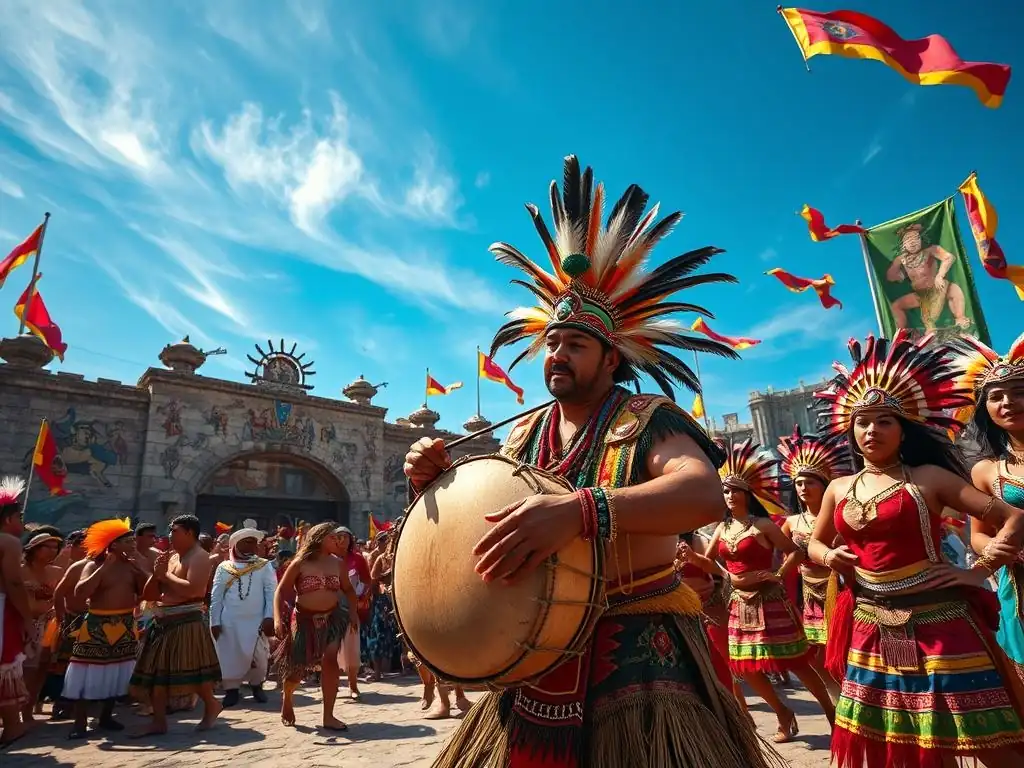
Welcome to Indigenous Civilizations of the Americas, where we invite you to embark on a journey through the vibrant tapestry of pre-colonial cultures. Our exploration begins with a captivating look at Aztec music and art festivals, showcasing the rich traditions that not only celebrated life but also reflected the complexities of Aztec society. What stories lie within the vibrant melodies and intricate artworks of these festivals?
Join us as we delve deeper into the intersection of sound and visual artistry, revealing how these festivals were not merely events, but profound expressions of identity and heritage. Continue reading to uncover the cultural significance that resonates through time.
Introduction to Aztec Music and Art Festivals
The Aztec civilization, known for its rich cultural tapestry, intricately wove music and art into the fabric of its societal celebrations. Aztec music and art festivals were not merely events; they represented a profound expression of identity, spirituality, and community cohesion. These festivals served as platforms for the vibrant display of artistic talents and musical prowess, reflecting the beliefs and values of the Aztec people.
From elaborate ceremonies honoring gods to communal gatherings celebrating harvests, these festivals showcased an array of artistic expressions, including intricate dances, colorful costumes, and haunting melodies. In this article, we will delve into the multifaceted relationship between music and art within the context of Aztec festivals, exploring their significance and the historical roots that shaped them.
Overview of Aztec Cultural Festivals
Aztec cultural festivals were essential components of the civilization's social structure, often tied to agricultural cycles, religious observances, and significant milestones. Each festival had its unique characteristics and rituals, but they shared common elements that reflected the Aztec worldview.
- Religious Significance: Festivals were primarily dedicated to various deities, aiming to appease the gods and ensure prosperity for the community.
- Community Engagement: These events fostered social unity, drawing together individuals from various classes and backgrounds to celebrate shared traditions.
- Artistic Expression: The festivals were venues for showcasing artistic endeavors, from visual arts to musical performances, reinforcing the cultural identity of the Aztecs.
Importance of Music and Art in Aztec Society
Music and art were not simply forms of entertainment in Aztec society; they were intertwined with the spiritual and communal life of the people.
- Spiritual Connection: Music was believed to be a conduit to the divine, with specific rhythms and melodies designed to invoke the presence of gods during rituals.
- Cultural Identity: Artistic expressions, including pottery, sculpture, and painting, conveyed narratives that defined the Aztec identity and history.
- Social Cohesion: Festivals that featured music and art fostered a sense of belonging among participants, reinforcing social bonds and shared cultural values.
Historical Context of Aztec Festivals
Understanding the historical context of Aztec festivals is essential for appreciating their significance in the broader narrative of Mesoamerican history.
Origins of Aztec Music and Art
The origins of Aztec music and art can be traced back to earlier Mesoamerican cultures, which laid the groundwork for the flourishing artistic expressions seen in the Aztec civilization.
- Influence of Predecessors: The Olmec and Teotihuacan civilizations significantly influenced Aztec artistic styles and musical traditions.
- Integration of Ritual and Performance: Over time, the Aztecs developed a unique fusion of music and art that was integral to their religious practices, leading to the creation of distinct forms such as ritual dances and ceremonial songs.
Key Festivals Celebrated by the Aztecs
Several key festivals in Aztec culture exemplify the intersection of music and art, each with its unique rituals and artistic expressions.
- Tlacaxipehualiztli: Celebrated in honor of the god Xipe Totec, this festival involved music, dance, and elaborate ceremonies that showcased the artistic talents of the community.
- Toxcatl: A significant festival dedicated to the god Tezcatlipoca, featuring performances that highlighted the importance of music and visual arts in expressing devotion and reverence.
In exploring these festivals, we gain insight into the vibrant cultural landscape of the Aztec civilization, where music and art played pivotal roles in shaping their identity and legacy.
Elements of Aztec Music in Festivals
Aztec music was a vital component of their festivals, serving not only as entertainment but also as a means to connect with the divine and reflect cultural identity. It was characterized by its rhythmic complexity, melodic structures, and the integration of various instruments, each contributing to the overall experience of the festivities. The music played during these celebrations was often tied to specific rituals, conveying messages of reverence, gratitude, and communal solidarity.
The festivals, which marked significant agricultural, religious, and historical events, were enhanced by the dynamic interplay of music and dance. The lively beats and harmonious melodies created an atmosphere of joy and spirituality, allowing participants to immerse themselves fully in the communal experience. The integration of music and art during these festivals illustrated the Aztecs' profound understanding of the interconnectedness of life, nature, and the cosmos.
Instruments Used in Aztec Music
The Aztecs employed a variety of instruments that enriched their musical landscape. Some of the primary instruments included:
- Huehuetl: A large, cylindrical drum made from a hollowed-out tree trunk and covered with animal skin. It provided the deep, resonant beats essential for many ceremonial performances.
- Teponaztli: A slit drum with two openings that produced high-pitched tones. It was often played in pairs, creating a complex rhythmic pattern.
- Tlapitzalli: A kind of flute, typically made from wood or bone, used to create melodious sounds that accompanied dances and rituals.
- Rattles: Crafted from gourd or clay, these instruments added texture to the music and were often used during ceremonies to invoke spiritual presence.
These instruments were not only functional but also held symbolic meanings, often representing different deities or natural elements, thereby connecting the festivals to the broader spiritual beliefs of the Aztec civilization.
Traditional Music Styles and Their Significance
Aztec music encompassed various styles, each with its unique characteristics and roles within festivals. Some of the notable styles included:
- Ceremonial Music: This type of music was specifically designed for religious and sacred occasions, often featuring chants and hymns dedicated to the gods. It was instrumental in invoking divine favor and protection.
- Dance Music: This lively genre was characterized by upbeat tempos and rhythmic patterns, encouraging movement and participation from festival-goers. It fostered community bonding and celebration.
- Narrative Music: Often used to tell stories or recount historical events, this music style integrated lyrics that conveyed cultural narratives, preserving the oral traditions of the Aztec people.
The significance of these traditional music styles extended beyond mere entertainment; they played a crucial role in the preservation of cultural identity, history, and religious practices, ensuring that the values and beliefs of the Aztec civilization were transmitted through generations.
Role of Music in Rituals and Celebrations
Music served as an essential element in Aztec rituals and celebrations, bridging the gap between the earthly realm and the divine. It was believed that music had the power to communicate with the gods, making it a fundamental part of religious ceremonies. The rhythms and melodies played during these events were carefully orchestrated to align with the spiritual beliefs of the Aztecs.
During rituals, specific musical pieces were performed to honor deities and seek their blessings. For example, during agricultural festivals, songs were sung to ensure a bountiful harvest, while during war ceremonies, music was utilized to inspire courage among warriors. The communal aspect of music in celebrations also fostered a sense of unity and collective identity among participants, reinforcing social bonds and cultural cohesion.
Artistic Expressions in Aztec Festivals
Artistic expressions during Aztec festivals were as vibrant and dynamic as the music that accompanied them. The interplay between visual art and music created a rich tapestry of cultural significance, reflecting the values, beliefs, and aesthetics of the Aztec civilization.
The festivals showcased a plethora of artistic forms, including dance, painting, and sculpture, all of which contributed to the overall ambiance and meaning of the celebrations. These artistic expressions were not merely decorative; they were deeply rooted in the cultural and religious practices of the Aztecs, serving as a medium for storytelling, worship, and communal identity.
Types of Art Displayed During Festivals
During Aztec festivals, various forms of art were prominently displayed, enhancing the festive atmosphere. These included:
- Dance Performances: Dancers adorned in elaborate costumes and face paint performed traditional dances that told stories of creation, mythology, and history.
- Painted Murals: Festivals often featured murals depicting important events, deities, and cultural symbols, which served to educate attendees about their heritage.
- Sculptures and Altars: Intricate sculptures and altars decorated with offerings were present at festival sites, representing a connection between the material and spiritual worlds.
These artistic displays were integral to the festivals, allowing participants to engage visually and emotionally with their cultural heritage, reinforcing their identity as a community.
Symbolism in Aztec Artworks
Aztec artworks were rich in symbolism, with each element often carrying multiple meanings tied to their beliefs and cosmology. Common motifs included:
- Animals: Various animals represented different deities and qualities, such as the eagle symbolizing strength and the jaguar representing power.
- Nature: Elements of nature, like maize and water, were frequently depicted, reflecting their importance in daily life and spirituality.
- Geometric Patterns: Patterns found in textiles and pottery were not merely decorative but often conveyed deeper meanings related to the cosmos and the cycles of life.
This symbolism in Aztec artworks served as a visual language that communicated complex ideas, beliefs, and narratives, making them an essential aspect of the cultural fabric of their festivals.
The Role of Art in Communicating Cultural Values
Art in Aztec festivals played a crucial role in communicating and reinforcing cultural values among the community. Through artistic expressions, the Aztecs celebrated their history, mythology, and identity, ensuring that these narratives were preserved and passed down through generations.
Art served as a means to educate the younger generations about their heritage, teaching them the significance of their customs and beliefs. Furthermore, it fostered a sense of pride and belonging, as individuals could see their culture reflected in the vibrant artistry surrounding them during festivals. The integration of art and music in these celebrations highlighted the interconnectedness of the Aztec worldview, where every form of expression contributed to a richer understanding of their identity and place in the universe.
The Interplay of Music and Art in Aztec Celebrations
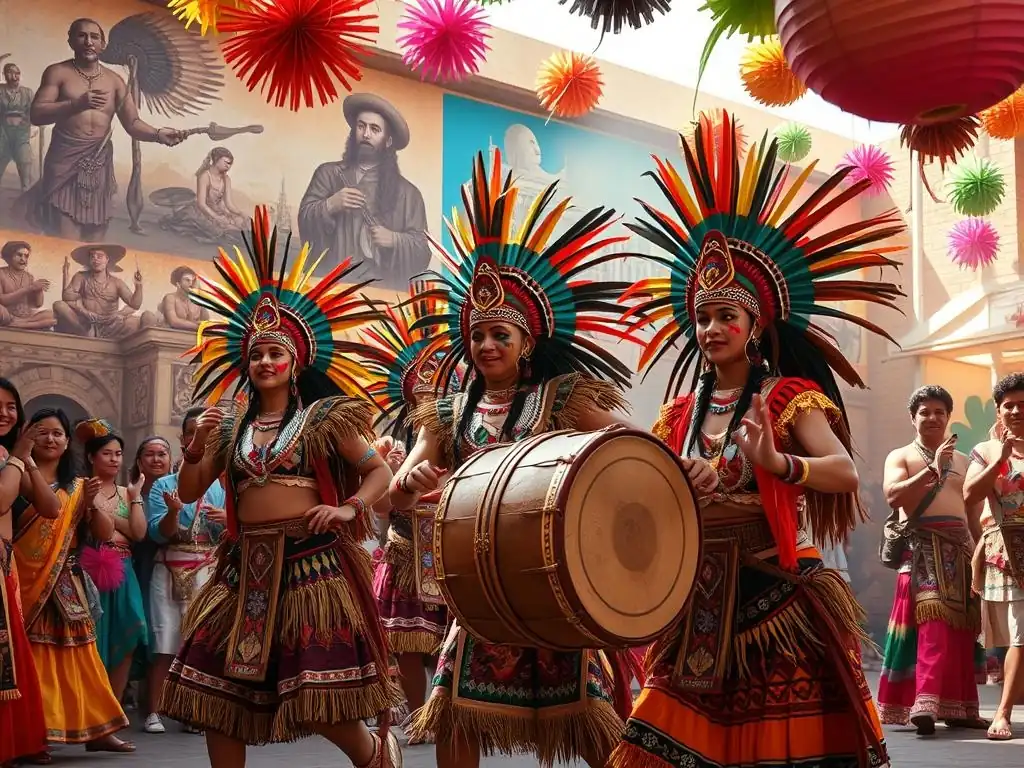
Aztec festivals were vibrant displays of culture, where music and art coalesced to create profound communal experiences. These celebrations served not only as religious observances but also as social gatherings that reinforced communal ties and cultural identity. Music and visual arts, including painting, sculpture, and textiles, were deeply intertwined, each enhancing the other and contributing to the overall atmosphere of the festivities.
During these events, art was not merely decorative; it played an integral role in storytelling and conveying the mythology of the Aztec civilization. For instance, murals depicting gods and historical events often accompanied musical performances, immersing participants in the rich narrative of their heritage. The rhythmic sounds of instruments, such as the teponaztli (a slit drum) and huehuetl (a large drum), complemented the visual spectacles of dancers adorned in elaborate costumes, creating a multisensory experience that engaged the audience on various levels.
How Music Enhances Artistic Performances
Music served as a catalyst for artistic performances during Aztec festivals, elevating the emotional resonance of visual art forms. The interplay between music and art was meticulously choreographed; each note and rhythm was designed to synchronize with the movements of dancers and the unfolding of visual displays. This synergy created an atmosphere of enchantment, drawing festival-goers into a shared emotional journey.
For example, during ceremonial dances, the tempo of the music would often dictate the pace and energy of the performers. Fast-paced rhythms could evoke excitement and exuberance, while slower melodies might inspire reflection and reverence. Instruments such as flutes and rattles added layers of texture to the auditory landscape, enriching the artistic narrative portrayed by the dancers. This harmonious relationship between sound and movement not only captivated the audience but also facilitated deeper connections to the spiritual significance of the celebrations.
Collaborative Art Forms: Dance and Music
Dance and music were inseparable in Aztec festivals, exemplifying a form of collaborative art that amplified the cultural expression of the Aztec people. Each dance was choreographed to specific musical compositions, with movements reflecting the themes and stories conveyed through the music. This collaboration was not merely functional; it was a testament to the creativity and innovation of the Aztec civilization.
The dancers often wore elaborate costumes adorned with feathers, beads, and intricate designs that visually echoed the music's rhythm and mood. The combination of visual spectacle and auditory stimulation created a powerful form of storytelling that engaged the audience both intellectually and emotionally. Moreover, the communal aspect of these performances allowed for collective participation, fostering a sense of unity and shared identity among the Aztec people.
The Emotional Impact of Music and Art Together
The emotional impact of combining music and art in Aztec festivals was profound. Together, they created an immersive environment that invoked a wide range of feelings, from joy and celebration to solemnity and reverence. The layered experiences of witnessing artistic performances while listening to music allowed participants to connect deeply with their cultural heritage and the spiritual world.
These festivals often coincided with significant agricultural cycles and religious observances, where emotions were heightened by the communal nature of the events. The use of music to evoke particular emotions helped to forge a collective memory, reinforcing the cultural narratives that defined the Aztec identity. The interplay of music and art thus became a powerful vehicle for cultural expression, enabling the Aztecs to articulate their beliefs, values, and communal bonds in a dynamic and engaging manner.
Case Studies of Notable Aztec Festivals
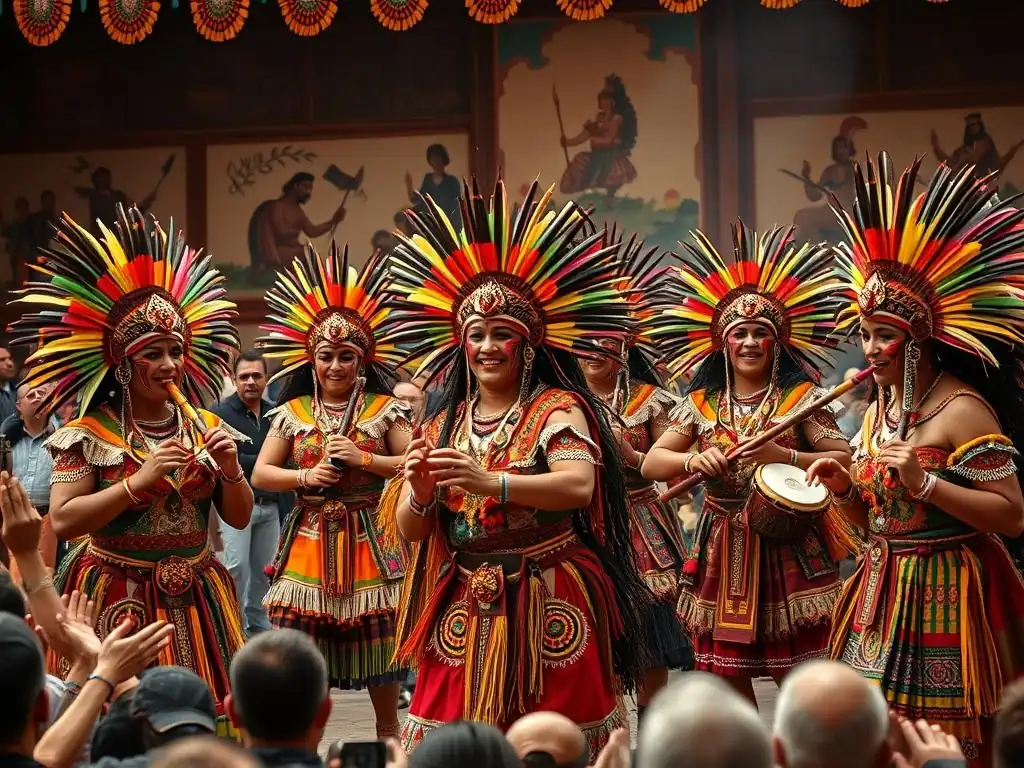
The Festival of the Sun: A Celebration of Music and Art
The Festival of the Sun, known as Toxcatl, was one of the most important Aztec festivals, celebrating the sun god, Huitzilopochtli. This vibrant event featured an elaborate display of music, art, and dance, all centered around the theme of renewal and life. Participants adorned themselves in colorful costumes that symbolized the sun and its life-giving properties, while musicians played an array of instruments, including drums and flutes, to create an atmosphere of reverence and excitement.
The festival culminated in a series of dance performances that narrated the mythological exploits of Huitzilopochtli, embodying the sun's journey across the sky. As the sun reached its zenith, the emotional intensity of the music and the visual artistry reached a peak, creating a profound sense of connection among participants and reinforcing the cultural significance of the celebration.
The Feast of Tlaloc: Artistic Expressions in Rain Rituals
The Feast of Tlaloc, dedicated to the rain god, was another significant festival where music and art played a crucial role in the rituals. This event celebrated the life-giving rains essential for agriculture, and participants engaged in artistic expressions that reflected their gratitude and hopes for a bountiful harvest.
Musical performances during this festival often included songs that praised Tlaloc, accompanied by rhythmic dances that mimicked the movements of rain and water. The visual aspects included vibrant artworks depicting the rain god, adorned with flowers and offerings to invoke his favor. The collaborative nature of music and art during the Feast of Tlaloc fostered a communal spirit, as participants collectively expressed their reverence for nature and its cycles.
The Festival of the Dead: Music and Art in Commemoration
The Festival of the Dead, or Miccailhuitl, was a poignant celebration that honored deceased ancestors. This festival showcased the powerful intersection of music and art as participants engaged in performances that reflected themes of remembrance and reverence.
During the festival, altars were adorned with intricate decorations, including calaveras (skulls) made from sugar and vibrant flowers. Musicians played somber melodies that resonated with the themes of loss and remembrance, while dancers performed heartfelt movements that told stories of the departed. The combination of artistic displays and musical performances created an environment that allowed participants to honor their ancestors while celebrating the continuity of life through art and music. This rich tapestry of emotional expression underscored the Aztec belief in the cyclical nature of existence, where death and life were inextricably linked.
The Legacy of Aztec Music and Art Festivals
The Aztec civilization, renowned for its rich cultural tapestry, left an indelible legacy through its music and art festivals. These celebrations were not merely entertainment; they served as vital expressions of religious devotion, social cohesion, and cultural identity. The festivals were deeply intertwined with the agricultural calendar and often centered around the veneration of deities, celebrating the cycles of nature that were essential for survival.
In the vibrant atmosphere of these festivals, music played a pivotal role. Instruments such as the teponaztli (a slit drum), huehuetl (a large drum), and various flutes created a rhythmic backdrop that accompanied dances and rituals. Artwork, including intricate murals and sculptures, adorned temples and public spaces, enhancing the spiritual experience of the festivities.
The Aztecs utilized these art forms to convey stories, beliefs, and the grandeur of their civilization. The legacy of these practices is evident today, as elements of Aztec music and art continue to inspire contemporary artists and musicians, fostering a renewed interest in indigenous cultural expressions.
Influence on Contemporary Indigenous Festivals
The influence of Aztec music and art festivals can be seen in various contemporary indigenous festivals across the Americas. Many of these modern celebrations incorporate traditional Aztec elements, blending them with regional customs and practices. For instance, festivals such as the Danza de los Voladores (Dance of the Flyers) and Día de los Muertos (Day of the Dead) showcase traditional music and art forms reminiscent of ancient Aztec celebrations.
In these contemporary settings, indigenous communities often revive traditional musical instruments and art techniques that date back to the Aztec era, fostering a sense of pride and continuity. This revival aids in connecting younger generations to their ancestral roots and encourages the preservation of indigenous languages and traditions. Furthermore, these festivals serve as a platform for cultural exchange, allowing diverse communities to share and celebrate their unique identities while honoring the legacy of the Aztecs.
Preservation of Aztec Cultural Heritage
The preservation of Aztec cultural heritage is crucial in ensuring that future generations can appreciate and learn from the rich traditions of their ancestors. Efforts to maintain this heritage involve various initiatives, including educational programs, workshops, and cultural festivals that focus on traditional music and art forms. Furthermore, collaboration between indigenous communities and cultural institutions has led to the documentation and archiving of traditional practices and performances.
Modern technology also plays a role in preserving Aztec cultural heritage. Digital platforms allow for the sharing of music, art, and festival experiences with a global audience, fostering a wider appreciation for these traditions. Through these efforts, the essence of Aztec music and art continues to thrive, serving as a reminder of the ingenuity and resilience of indigenous cultures.
The Role of Music and Art in Modern Indigenous Identity
In contemporary society, music and art remain vital components of indigenous identity. For many indigenous peoples, engaging with these elements is a way to affirm their cultural heritage and express their unique perspectives. The incorporation of traditional Aztec music and art into modern practices helps to strengthen community bonds and foster a sense of belonging.
Moreover, artists and musicians often draw inspiration from their cultural history, blending it with contemporary themes to create innovative expressions that resonate with both indigenous and non-indigenous audiences. This synthesis not only preserves traditional forms but also reinforces the idea that indigenous cultures are dynamic and evolving. By celebrating their heritage through music and art, indigenous peoples assert their identity in a world that often seeks to marginalize their voices.
Conclusion: The Cultural Tapestry of Aztec Festivals
Summary of the Intersection of Music and Art
The intersection of music and art in Aztec festivals illustrates the profound significance of these cultural expressions in shaping the identity of the Aztec civilization. These festivals were vibrant showcases of creativity, spirituality, and community, where music and art served to elevate the human experience and foster connections among individuals. The intricate relationship between these forms of expression provided a channel for storytelling, emotion, and cultural continuity, which remains relevant today.
The Importance of Preserving Aztec Cultural Traditions
Preserving Aztec cultural traditions is essential not only for honoring the past but also for empowering present and future generations. As contemporary indigenous communities navigate the complexities of modern life, the revival and maintenance of traditional music and art practices provide a foundation for cultural pride and resilience. By embracing and celebrating their heritage, these communities not only keep the memory of their ancestors alive but also contribute to the rich, ongoing dialogue of cultural diversity and expression in the Americas.
- Introduction to Aztec Music and Art Festivals
- Historical Context of Aztec Festivals
- Elements of Aztec Music in Festivals
- Artistic Expressions in Aztec Festivals
- The Interplay of Music and Art in Aztec Celebrations
- How Music Enhances Artistic Performances
- Collaborative Art Forms: Dance and Music
- The Emotional Impact of Music and Art Together
- Case Studies of Notable Aztec Festivals
- The Legacy of Aztec Music and Art Festivals
- Conclusion: The Cultural Tapestry of Aztec Festivals
Frequently Asked Questions
What role did music play in Aztec festivals?
Music was integral to Aztec festivals, serving as a means of worship, celebration, and community bonding. It accompanied rituals and ceremonies, enhancing the overall cultural experience.
How did art contribute to the cultural identity of the Aztecs?
Art was a vital expression of cultural identity for the Aztecs, reflecting their beliefs, values, and social structure. Through visual arts, they conveyed stories and mythology, which were central to their civilization.
What are some notable Aztec music and art festivals?
Key festivals included the Tlacaxipehualiztli and Toxcatl, which celebrated themes of renewal, agriculture, and the gods. These festivals showcased traditional music, dance, and artistic displays that brought communities together.
How did European colonization impact Aztec music and art?
European colonization led to significant changes in Aztec music and art, as many traditional practices were suppressed or altered. However, some elements were adapted and integrated into new cultural forms, preserving aspects of their heritage.
Are there modern celebrations of Aztec music and art?
Yes, there are modern celebrations that honor Aztec music and art, often featuring traditional performances and exhibitions. These events aim to educate and promote the appreciation of indigenous cultures and their historical significance.
Final Reflection: The Enduring Legacy of Aztec Music and Art Festivals
The vibrant fusion of music and art within Aztec festivals remains a powerful testament to the cultural richness of our shared human experience. Today, as we navigate a world increasingly defined by globalization and technological advancement, the essence of these ancient celebrations serves as a reminder of the importance of cultural heritage and community connection. The rhythms and colors that once echoed through the streets of Tenochtitlan continue to resonate, urging us to honor and celebrate our roots.
The impact of Aztec music and art festivals extends far beyond their historical context; they have shaped contemporary cultural expressions and fostered a sense of identity among descendants and enthusiasts alike. These festivals not only preserve traditional practices but also inspire modern artists and musicians to explore their heritage, creating a dynamic dialogue between past and present. Art is the most beautiful of all lies.
This quote encapsulates the transformative power of artistic expression, reminding us that through creativity, we can bridge the gap between cultures and generations.
As we reflect on the lessons imparted by the Aztec music and art festivals, let us embrace the call to celebrate our own cultural identities and those of others. Consider how you can incorporate the spirit of these festivals into your life—whether by attending local cultural events, supporting artists, or simply taking the time to learn about the rich tapestry of traditions that shape our world. In doing so, we honor the legacy of our ancestors while fostering a more inclusive and vibrant future for all.
Unveil the Rhythm of Aztec Culture Today!
Thank you for joining us on this journey through the vibrant intersection of music and art in Aztec festivals! We hope you gained a deeper appreciation for how these cultural expressions bring communities together and celebrate rich histories. Now, let's take the next steps to immerse ourselves further in this fascinating world.
- Dive into a local event celebrating Indigenous music or art in your area; check local listings or community boards for upcoming festivals!
- Share this article with friends or family who appreciate cultural heritage to spark a conversation about the significance of arts in festival traditions.
- Consider exploring Aztec-inspired art projects at home—whether through painting, crafting, or preparing traditional dishes, let your creativity shine!
How does understanding the role of music and art in festivals enhance your perspective on cultural celebrations today?