
Cultural Algorithms: The Innovative Use of Mathematics in Indigenous Architectural Designs

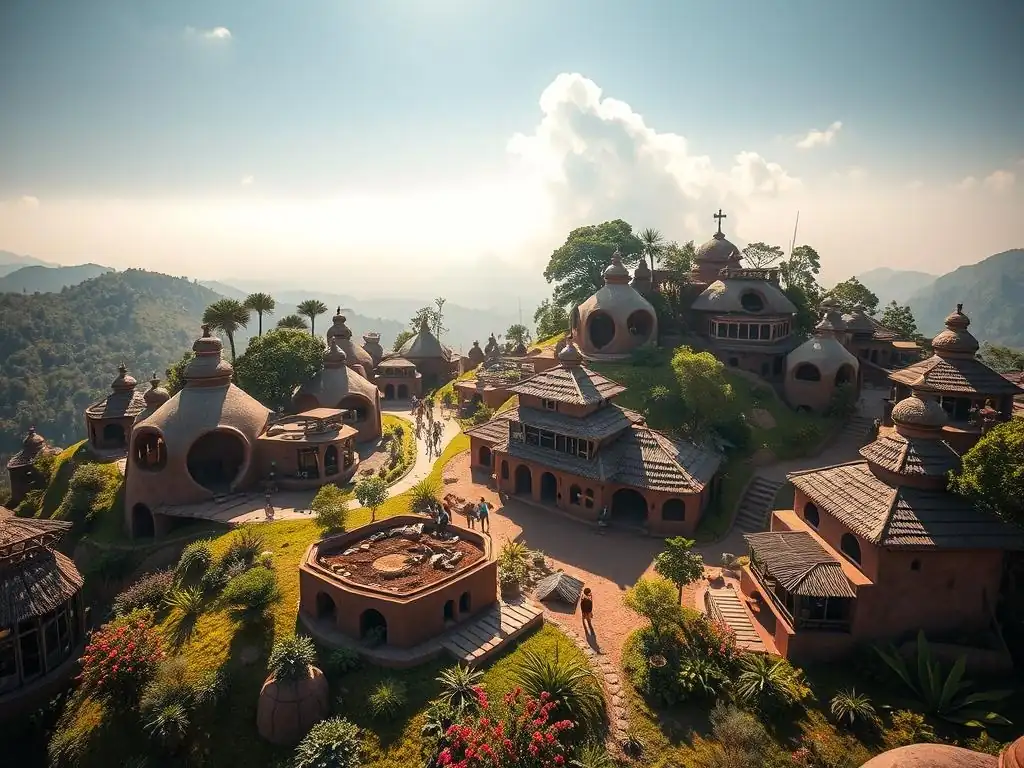
Welcome to Indigenous Civilizations of the Americas, where we embark on a fascinating journey through the rich tapestry of indigenous cultures that flourished across the continent before European colonization. In our featured article, “Cultural Algorithms: The Innovative Use of Mathematics in Indigenous Architectural Designs,” we delve into the remarkable indigenous architectural design innovations that showcase the ingenuity and sophistication of these societies.
Prepare to uncover how mathematical principles shaped structures that not only met practical needs but also reflected deep cultural values. Join us as we explore the profound achievements and enduring legacies of these vibrant civilizations, and discover the stories waiting to be told.
Introduction to Indigenous Architectural Design Innovations
Indigenous architectural design innovations are a remarkable testament to the ingenuity and resourcefulness of the diverse civilizations that once flourished across the Americas. Long before European colonization, these communities developed sophisticated techniques that harmonized their structures with the natural environment, reflecting their deep understanding of mathematics and geometry.
This article delves into the innovative use of cultural algorithms—mathematical principles that guided architectural practices—demonstrating how these indigenous cultures achieved not only aesthetic beauty but also functional excellence in their constructions. By exploring the intersection of mathematics and architecture, we can appreciate the profound impact these designs have had on modern architectural thought and their continued relevance today.
Overview of Indigenous Architectural Achievements
Indigenous civilizations in the Americas, such as the Maya, Inca, and Pueblo peoples, showcased remarkable architectural achievements that are still studied and admired today. These societies constructed impressive structures, including temples, dwellings, and urban centers, often employing local materials and sustainable practices.
- Maya Civilization: The Maya built grand pyramids, such as El Castillo in Chichén Itzá, utilizing advanced knowledge of astronomy and mathematics to align their structures with celestial events.
- Inca Empire: The Incas are renowned for their precision in stone masonry, with structures like Machu Picchu demonstrating their ability to create enduring edifices without the use of mortar.
- Pueblo Peoples: In the American Southwest, Pueblo peoples designed multi-story adobe dwellings that were not only functional but also harmonized with the surrounding landscape.
These achievements highlight a deep understanding of engineering principles and an innovative approach to problem-solving, rooted in the cultural practices and beliefs of each civilization.
Significance of Mathematics in Indigenous Building Techniques
Mathematics played a pivotal role in the architectural practices of indigenous cultures, shaping their designs and construction methods. The application of mathematical concepts such as symmetry, proportion, and geometry not only ensured structural integrity but also imbued their buildings with cultural significance.
- Symmetry and Aesthetics: Many indigenous structures exhibit symmetrical designs that reflect a balance sought in nature and society.
- Geometric Patterns: The use of geometric patterns in floor plans and facades often conveyed cultural narratives or spiritual beliefs, integrating mathematics into storytelling.
- Spatial Awareness: Indigenous architects demonstrated exceptional spatial awareness, allowing them to maximize space and resources efficiently, often leading to the development of intricate urban planning systems.
Through these mathematical applications, indigenous architects created spaces that were functional, sustainable, and rich in cultural meaning.
Understanding Cultural Algorithms in Architecture
Cultural algorithms refer to the mathematical frameworks that govern the design and construction processes within a specific culture. In the context of indigenous architecture, these algorithms encapsulate the unique methodologies and practices that guided builders in their creations.
Definition of Cultural Algorithms in Indigenous Contexts
In indigenous contexts, cultural algorithms encompass the traditional knowledge systems that integrate mathematics, ecology, and spirituality. They serve as a blueprint for architectural practices, reflecting the values, beliefs, and environmental considerations of the community.
- Holistic Approaches: Cultural algorithms often incorporate a holistic view of the environment, ensuring that architectural designs are in harmony with natural landscapes.
- Adaptation and Resilience: These algorithms demonstrate adaptability to local conditions, showcasing resilience in the face of environmental challenges.
Understanding these cultural algorithms allows us to appreciate the profound connection between indigenous architectural practices and the landscapes they inhabit.
Historical Background of Mathematical Applications in Indigenous Designs
The historical application of mathematics in indigenous architectural designs can be traced back millennia, reflecting the rich tapestry of knowledge passed down through generations.
- Ancient Texts and Codices: Civilizations like the Maya recorded mathematical concepts in codices, which provided insights into their architectural innovations.
- Archaeological Evidence: Excavations of ancient sites reveal sophisticated building techniques that relied on mathematical principles, confirming the historical significance of these practices.
- Oral Traditions: Many indigenous cultures maintain oral histories that convey knowledge about their architectural practices, highlighting the importance of mathematics as a tool for cultural expression.
This historical perspective underscores the enduring legacy of indigenous architectural design innovations and their continued relevance in contemporary discussions about sustainability and cultural heritage.
Key Indigenous Architectural Design Innovations
Indigenous architectural design innovations are profound reflections of the unique cultural identities and environmental contexts of various indigenous communities across the Americas. These innovations often utilized advanced mathematical principles, showcasing a deep understanding of geometry and spatial relationships. Many indigenous structures were designed to be in harmony with their surroundings, making use of local materials and climatic conditions to create sustainable living spaces.
One notable innovation is the use of the quincunx pattern in many indigenous designs, which involves five points arranged in a cross pattern. This geometric arrangement was prevalent in the construction of ceremonial structures, gardens, and community layouts. Additionally, the incorporation of sacred geometry—which holds spiritual significance—further emphasizes the connection between mathematics and culture in indigenous architecture.
Furthermore, indigenous societies applied principles of symmetry, proportion, and scale in their building techniques. Structures such as the Inca's Sacsayhuamán fortress exhibit complex stone masonry that required precise geometric calculations, exemplifying an impressive engineering capability long before European influence.
Notable Examples of Indigenous Structures Utilizing Mathematical Principles
Several iconic indigenous structures exemplify the innovative use of mathematical principles in their designs.
- Pyramids of Teotihuacan: Located in modern-day Mexico, these pyramids demonstrate advanced understanding of geometry, featuring precise alignments and proportions that reflect astronomical events.
- Mayan Temples: The Mayans employed intricate calculations to construct temples that align with the solstices and equinoxes, indicating a sophisticated grasp of astronomy and geometry.
- Chaco Canyon: The layout of this archaeological site in New Mexico reflects complex planning and alignment with celestial bodies, showcasing the integration of mathematics in urban design.
- Inca Roads: The vast network of roads built by the Incas illustrates not only engineering prowess but also the mathematical principles of gradient and distance measurement, crucial for navigating the rugged Andean terrain.
These examples highlight the rich tapestry of mathematical application in indigenous architectural practices, proving that these societies possessed advanced knowledge systems that contributed to their architectural legacies.
The Influence of Natural Elements on Architectural Innovations
Natural elements played a pivotal role in shaping the architectural innovations of indigenous cultures. The environments in which these communities thrived greatly influenced their building materials, designs, and techniques.
For instance, in the Northeast Woodlands, indigenous peoples utilized timber and bark to create longhouses that were not only practical but also reflected their social structures. The use of local resources allowed for sustainable practices that ensured their architectural forms were in harmony with nature.
In contrast, Southwestern tribes, such as the Hopi and Pueblo peoples, adapted their structures to the arid environment by using adobe and stone. Their designs often incorporated thick walls and small windows, which regulated temperature and minimized heat exposure, showcasing their innovative responses to climate challenges.
Additionally, the use of water management systems, such as canals and terraces, in agricultural societies like the Maya demonstrates how natural elements dictated architectural adaptations that enhanced agricultural productivity and community resilience.
The Intersection of Mathematics and Indigenous Cultural Identity
Mathematics is not merely a technical tool in indigenous architectural design; it is deeply intertwined with cultural identity and worldviews. The use of mathematical concepts in architectural innovations often reflects spiritual beliefs, social organization, and environmental stewardship.
Indigenous cultures often viewed mathematics as a way to connect with the cosmos. For example, the alignment of structures with celestial bodies was not only a demonstration of mathematical skill but also an expression of cultural beliefs regarding the universe's order. This intersection of mathematics and spirituality is evident in the ceremonial sites of various indigenous communities.
Moreover, the incorporation of mathematical patterns and shapes in art and architecture serves as a means of cultural storytelling, preserving history and traditions through spatial design.
How Mathematics Reflects Indigenous Worldviews
Indigenous worldviews are often holistic, viewing life as interconnected and cyclical. This perspective is mirrored in their architectural designs, where mathematical principles are employed to create spaces that honor both human experience and the natural world.
For instance, many indigenous structures embody the concept of balance—between the built environment and nature, between the physical and spiritual realms. The use of geometric patterns, such as spirals and circles, reflects an understanding of cyclical processes found in nature, emphasizing the importance of harmony and continuity.
Additionally, the significance of numbers in indigenous cultures often corresponds to cultural narratives and cosmologies. Rituals, ceremonies, and social practices are frequently organized around numerical patterns, further showcasing how mathematics serves as a language through which indigenous peoples express their identities and beliefs.
The Integration of Cultural Algorithms in Modern Indigenous Architecture
Modern indigenous architecture increasingly integrates traditional cultural algorithms and mathematical principles, creating a vibrant synthesis of past and present. This revival not only honors ancestral knowledge but also addresses contemporary challenges such as climate change and urbanization.
Contemporary indigenous architects are drawing inspiration from traditional building techniques, employing local materials and sustainable practices that reflect their cultural heritage. For example, the incorporation of passive solar design principles, rooted in indigenous knowledge of climate adaptation, has gained popularity among indigenous communities seeking to create energy-efficient buildings.
Moreover, the resurgence of interest in culturally significant designs has led to innovative projects that celebrate indigenous identity. Buildings that incorporate traditional motifs and mathematical patterns serve as powerful symbols of resilience and cultural pride.
The intersection of mathematics and indigenous architectural design innovations not only highlights the advanced knowledge systems of these cultures but also reinforces their enduring impact on modern architecture. Through a blend of tradition and innovation, indigenous architects continue to redefine their cultural narrative in the built environment.
Case Studies: Indigenous Architectural Innovations
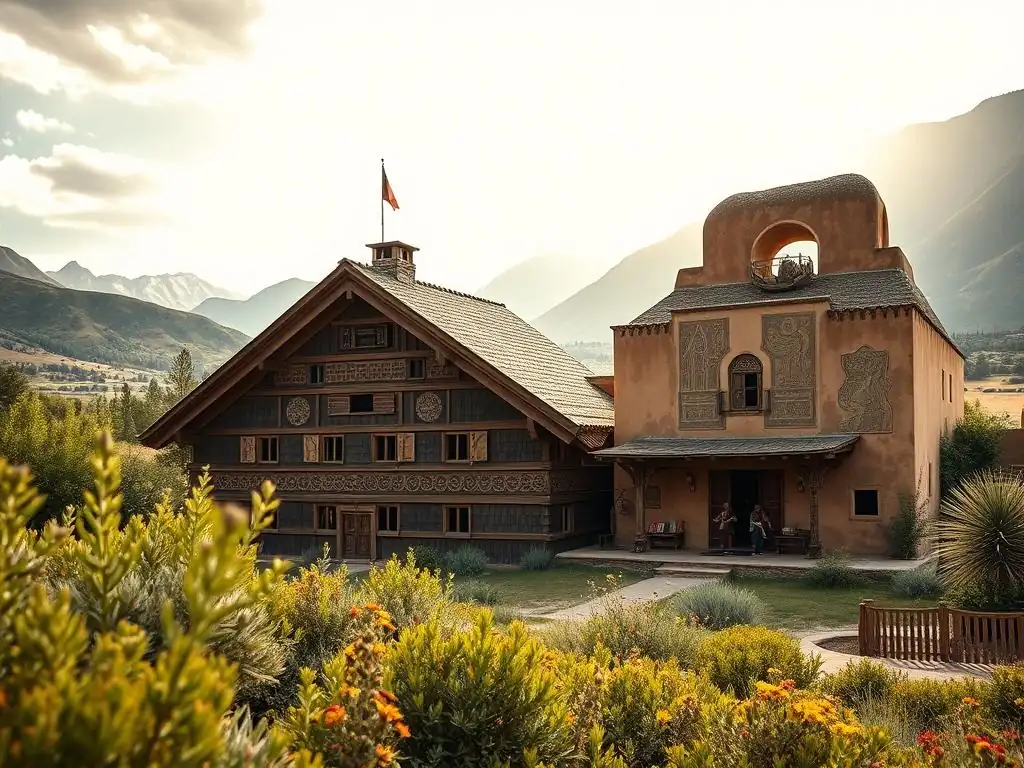
Indigenous architectural design innovations showcase the unique ways in which various cultures employed mathematics and geometry to create functional and aesthetically pleasing structures. These innovations not only reflect the practical needs of their environments but also embody the spiritual and cultural values of the communities. By examining specific case studies, we can gain insight into how these civilizations utilized mathematical principles to enhance their architectural practices.
Case Study 1: Navajo Hogan
The Navajo Hogan is a prime example of indigenous architectural ingenuity. Traditionally, the Hogan is a circular structure made from wood, stone, and earth, designed to harmonize with the surrounding landscape. The layout of the Hogan is rich in symbolism and incorporates geometric principles. The round shape represents the cyclical nature of life and the interconnectedness of all beings.
Mathematically, the Hogan employs principles of symmetry and proportion. The entrance of the Hogan is always oriented towards the east, allowing the first light of dawn to enter, which is significant in Navajo cosmology. The design also utilizes the concept of the golden ratio, as the dimensions of the structure often reflect harmonious proportions, promoting balance and stability.
Furthermore, the construction techniques employed in building Hogans demonstrate an understanding of load distribution and the materials' natural properties, allowing for structures that can withstand the harsh conditions of the Southwestern United States.
Case Study 2: Maori Wharenui
The Maori Wharenui, or meeting house, serves as a vital cultural symbol for Maori communities in New Zealand. These structures are elaborately carved and adorned, representing ancestral lineage and tribal identity. The architectural design of a Wharenui is deeply intertwined with mathematical principles, particularly in the arrangement of space and the use of symmetry in carvings.
The traditional Wharenui is designed to resemble a human figure, with the roof symbolizing the head and the walls representing the body. This anthropomorphic design embodies the Maori belief in the connection between people and their environment. The use of geometry is evident in the triangular shapes found in the roof structure, which not only provides strength but also contributes to the aesthetic appeal of the building.
Additionally, the layout of the Wharenui incorporates the principles of feng shui, ensuring that the space promotes harmony and flow. The careful consideration of natural light and airflow illustrates the application of mathematical concepts to create a comfortable and functional gathering space for the community.
Challenges and Opportunities in Preserving Indigenous Architectural Innovations
The preservation of indigenous architectural innovations faces numerous challenges, particularly in the context of globalization and urbanization. However, there are also significant opportunities for revitalization and cultural resurgence.
The Impact of Colonization on Indigenous Building Practices
Colonization has had a profound impact on indigenous building practices across the Americas and beyond. Many indigenous communities were forcibly displaced from their ancestral lands, leading to the loss of traditional knowledge and techniques. Colonial architecture often overshadowed indigenous styles, with many communities adopting European building practices that did not resonate with their cultural identities.
The introduction of new materials and construction methods disrupted traditional practices, contributing to the decline of indigenous architectural techniques. Furthermore, the lack of recognition and respect for indigenous cultural heritage has led to the erosion of architectural knowledge passed down through generations. This loss not only affects the physical structures but also the cultural narratives and identities tied to them.
Modern Efforts to Revitalize Indigenous Architectural Techniques
Despite the challenges posed by colonization, modern efforts are underway to revitalize indigenous architectural techniques. Many indigenous communities are reclaiming their heritage by integrating traditional practices with contemporary design. This approach not only preserves the unique architectural styles but also fosters a sense of pride and identity within the community.
Organizations and educational institutions are increasingly recognizing the importance of indigenous knowledge systems, offering programs that teach traditional building methods. Collaborations between indigenous architects and contemporary designers have led to innovative projects that honor ancestral practices while addressing modern needs.
Furthermore, the integration of sustainable practices and materials in indigenous architecture aligns with contemporary environmental values, providing opportunities for indigenous communities to lead in sustainable building practices. By embracing their architectural heritage, indigenous peoples can empower themselves, ensuring that their cultural legacies continue to thrive in the modern world.
Conclusion: The Legacy of Indigenous Architectural Design Innovations
The architectural innovations of indigenous cultures in the Americas stand as a testament to the ingenuity and mathematical acumen of these societies. From the sophisticated urban planning of the Aztec and Maya civilizations to the intricate stonework of the Inca, the legacy of these architectural feats continues to influence contemporary design.
These innovations were not merely functional; they were deeply intertwined with the spiritual and cultural practices of the people, reflecting their understanding of the cosmos and their environment. The use of advanced geometric principles, spatial reasoning, and environmental awareness showcases a rich tradition of knowledge that has often been overlooked in the broader narrative of architectural history.
The impact of these indigenous architectural designs extends beyond their historical context. Today, they serve as a source of inspiration for modern architects and designers who aim to integrate cultural significance with sustainable practices. The principles of harmony with nature, community-focused spaces, and resilience against environmental challenges are as relevant now as they were centuries ago. Recognizing and honoring this legacy invites a richer dialogue about the importance of indigenous knowledge systems in shaping our built environment.
The Importance of Recognizing Indigenous Contributions to Mathematics and Architecture
Acknowledging the contributions of indigenous peoples to mathematics and architecture is crucial for a complete understanding of human history. Many indigenous cultures employed sophisticated mathematical concepts long before European colonization, utilizing geometry, symmetry, and spatial relationships in their architectural designs. This knowledge was often passed down through generations, embedded in cultural practices, rituals, and community organization.
By recognizing these contributions, we not only validate the intellectual achievements of indigenous societies but also challenge the often Eurocentric narratives that dominate academic discourse. This acknowledgment can foster greater appreciation for the diversity of thought and creativity that exists across cultures. It also highlights the potential for modern societies to learn from indigenous practices, promoting a more inclusive approach to mathematics and design that values multiple perspectives.
Future Directions for Indigenous Architectural Practices
As contemporary indigenous architects and designers draw upon their cultural heritage, there is a growing movement to integrate traditional knowledge with modern practices. This fusion creates opportunities for innovative architectural solutions that respect cultural identity while addressing current environmental challenges. Future directions in indigenous architectural practices may involve:
- Sustainable building techniques: Utilizing local materials and traditional construction methods that minimize environmental impact.
- Community engagement: Involving local communities in the design process to ensure that new structures meet their cultural and practical needs.
- Cultural education: Incorporating educational programs that teach the mathematical principles and cultural significance behind traditional architectural designs.
- Technology integration: Leveraging modern technology to enhance traditional practices, such as using computer modeling to visualize and plan structures.
These avenues not only preserve indigenous architectural heritage but also promote resilience and sustainability in their communities.
References
- [Specific references pending]
Recommended Reading on Indigenous Architectural Innovations
- "Indigenous Architecture: A Global Perspective": – This book provides insights into the architectural practices of indigenous peoples worldwide, highlighting their innovative approaches to design and sustainability.
- "The Mathematics of Indigenous Architecture" – An exploration of the mathematical principles used in various indigenous architectural styles, examining case studies from different cultures across the Americas.
Further Exploration of Cultural Algorithms in Architecture
- "Cultural Algorithms: Bridging Tradition and Modernity": – This article discusses how indigenous algorithms can inform contemporary architectural practices, emphasizing the symbiotic relationship between culture and mathematics.
- "Reimagining Space: The Role of Indigenous Knowledge in Modern Architecture": – A deep dive into how indigenous perspectives on space and design can influence modern architectural theory and practice, encouraging a more inclusive understanding of architectural innovation.
- Introduction to Indigenous Architectural Design Innovations
- Understanding Cultural Algorithms in Architecture
- Key Indigenous Architectural Design Innovations
- The Intersection of Mathematics and Indigenous Cultural Identity
- Case Studies: Indigenous Architectural Innovations
- Challenges and Opportunities in Preserving Indigenous Architectural Innovations
- Conclusion: The Legacy of Indigenous Architectural Design Innovations
- References
- What are indigenous architectural design innovations?
- How did indigenous cultures utilize mathematics in their architecture?
- What is the significance of cultural algorithms in architecture?
- Can you provide examples of innovative architectural designs by indigenous cultures?
- How did indigenous architectural innovations impact modern design?
Frequently Asked Questions
What are indigenous architectural design innovations?
Indigenous architectural design innovations refer to unique building techniques and structures developed by native cultures in the Americas, showcasing their sophisticated understanding of materials, geometry, and environmental integration.
How did indigenous cultures utilize mathematics in their architecture?
Indigenous cultures applied mathematical principles such as symmetry, proportion, and geometry to create structures that were not only functional but also aesthetically pleasing, enhancing their cultural significance and harmony with nature.
What is the significance of cultural algorithms in architecture?
Cultural algorithms represent the systematic approaches and methods used by indigenous peoples to solve architectural challenges, reflecting their deep knowledge of the environment and community needs in their design processes.
Can you provide examples of innovative architectural designs by indigenous cultures?
Examples include the pueblos of the Southwest, built with adobe bricks, and the longhouses of the Iroquois, designed for communal living, which exemplify sustainable practices and adaptation to local climates.
How did indigenous architectural innovations impact modern design?
Many modern architects draw inspiration from indigenous architectural innovations, integrating sustainable practices and community-oriented designs that prioritize environmental harmony and cultural respect, thereby influencing contemporary architecture.
Final Reflection: Embracing the Future of Indigenous Architectural Design Innovations
The intersection of mathematics and indigenous architectural design innovations is not just a fascinating academic pursuit; it is a vital conversation that resonates deeply in today's world. As we navigate the complexities of modern architecture, the insights gleaned from indigenous practices remind us of the importance of sustainability, cultural heritage, and community-centric design. This synergy between traditional knowledge and contemporary techniques offers a powerful framework for addressing the pressing challenges of our time, such as climate change and urbanization.
The influence of indigenous architectural design innovations extends far beyond their immediate aesthetic appeal; they serve as a testament to the resilience and ingenuity of indigenous cultures. These designs encapsulate a wealth of knowledge that has been passed down through generations, reflecting a profound understanding of the environment and a commitment to harmony with nature. As architect David Adjaye once said, "> Architecture is a reflection of the culture and the people who inhabit it." This sentiment underscores the importance of integrating indigenous wisdom into modern practices, fostering a richer, more inclusive narrative in the architectural landscape.
As we look to the future, I invite you to reflect on how you can incorporate the lessons learned from indigenous architectural design innovations into your own life and work. Consider how these principles of sustainability, community engagement, and cultural respect can inspire your actions and decisions. By embracing this knowledge and advocating for its recognition, we can contribute to a more equitable and sustainable future, honoring the legacy of indigenous cultures while paving the way for innovative solutions that benefit all.
Unveil the Power of Cultural Algorithms in Architecture!
Thank you for exploring the fascinating intersection of mathematics and Indigenous architectural designs with us. You've uncovered the incredible potential that cultural algorithms possess to inspire innovation and creativity in our built environment. Now, it’s time to take that knowledge and turn it into action!
Here are a few ways you can engage further:
- Dive deeper: Research an Indigenous architectural design that resonates with you and explore how cultural algorithms influence its structure and aesthetics.
- Share your insights: Discuss this article with friends or on social media—you never know who might be inspired to create or learn more!
- Connect with local organizations: Get involved with Indigenous communities or architectural firms that integrate cultural algorithms into their projects. Your engagement can support their efforts and help preserve these invaluable traditions.
What Indigenous architectural innovation inspires you most, and how do you envision using cultural algorithms to design the spaces of tomorrow?