
How Radiocarbon Dating Revolutionized the Study of PreColumbian Societies

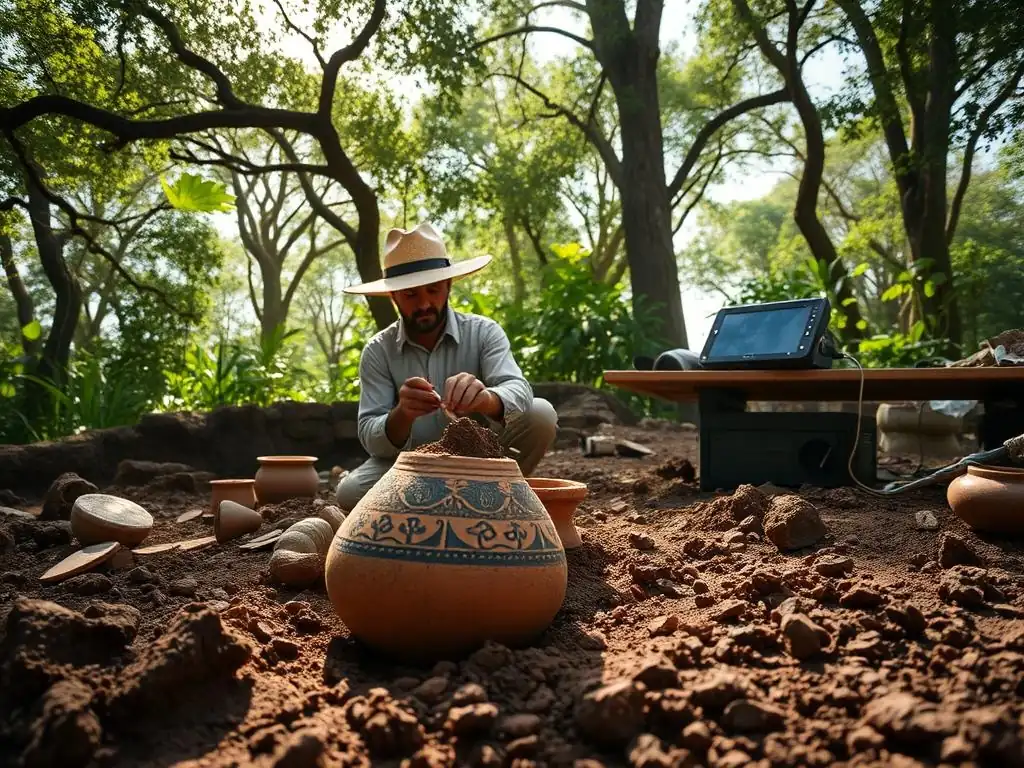
Welcome to Indigenous Civilizations of the Americas, where we invite you to embark on an enlightening journey through the rich tapestry of indigenous cultures that flourished long before European colonization. Here, we delve into their remarkable achievements and enduring legacies, illuminating the profound impact they have had on our world. In our featured article, "How Radiocarbon Dating Revolutionized the Study of PreColumbian Societies," we unravel the pivotal role of radiocarbon dating in reshaping our understanding of these ancient cultures.
Prepare to uncover the mysteries of the past and discover how modern science breathes new life into the stories of those who walked this land long ago. Your exploration starts now!
- Introduction to Radiocarbon Dating and Pre-Columbian Cultures
- The History of Radiocarbon Dating
- How Radiocarbon Dating Works
- Impact of Radiocarbon Dating on the Study of Pre-Columbian Societies
- Contributions to Understanding Pre-Columbian Cultures
- Challenges and Future Directions in Radiocarbon Dating
- Conclusion: The Lasting Legacy of Radiocarbon Dating in Archaeology
-
Frequently Asked Questions
- What is radiocarbon dating and how is it used in studying pre-Columbian cultures?
- How has radiocarbon dating changed our understanding of indigenous civilizations?
- What are some key achievements of pre-Columbian societies that radiocarbon dating has highlighted?
- How do researchers ensure the accuracy of radiocarbon dating results?
- Why is it important to study the impact of pre-Columbian societies today?
- Final Reflection: The Transformative Power of Radiocarbon Dating in Understanding Pre-Columbian Cultures
- Unveil the Secrets of Time – Take Action Today!
Introduction to Radiocarbon Dating and Pre-Columbian Cultures
The study of pre-Columbian cultures has unveiled the rich tapestry of indigenous civilizations that flourished across the Americas long before the arrival of European explorers. Among the various tools that have significantly advanced our understanding of these societies, radiocarbon dating stands out as a revolutionary technique. This method allows archaeologists to determine the age of organic materials, providing invaluable insights into the timeline of human activity, cultural developments, and environmental changes.
By examining the artifacts, remains, and structures left behind by these early inhabitants, researchers can piece together the complex history of pre-Columbian cultures, revealing not only their achievements but also the challenges they faced. In this article, we will explore the fundamentals of radiocarbon dating and its profound impact on the field of archaeology, particularly in relation to the understanding of pre-Columbian societies.
What is Radiocarbon Dating?
Radiocarbon dating, also known as carbon-14 dating, is a scientific method used to determine the age of an object containing organic material by measuring the amount of carbon-14 it contains. Here’s how it works:
- Carbon-14 Formation: Carbon-14 is a radioactive isotope formed in the atmosphere when cosmic rays collide with nitrogen atoms. This isotope gets incorporated into carbon dioxide and, subsequently, into plants through photosynthesis.
- Incorporation into Living Organisms: Animals and humans consume these plants, taking in carbon-14. While an organism is alive, it maintains a steady level of carbon-14.
- Decay After Death: Upon the death of an organism, the intake of carbon-14 ceases, and the existing carbon-14 begins to decay at a predictable rate (half-life of about 5,730 years). By measuring the remaining carbon-14 in a sample, scientists can estimate when the organism died.
- Calibration: Radiocarbon dating results are often calibrated with other dating methods to enhance accuracy, considering fluctuations in atmospheric carbon levels over time.
This method has transformed our understanding of timelines in archaeology, allowing for more precise dating of artifacts and sites associated with pre-Columbian cultures.
Importance of Radiocarbon Dating in Archaeology
The significance of radiocarbon dating in archaeology cannot be overstated. It has fundamentally changed how researchers approach the study of ancient civilizations, particularly pre-Columbian cultures. Here are some key points highlighting its importance:
- Establishing Chronologies: Radiocarbon dating provides a reliable framework for establishing chronological sequences of events. This is crucial for understanding the development and decline of various pre-Columbian societies.
- Cultural Insights: By dating artifacts, tools, and organic remains, archaeologists can gain insights into the cultural practices, technological advancements, and social structures of indigenous peoples.
- Environmental Context: This dating method also aids in reconstructing past environmental conditions. Understanding how climate changes affected pre-Columbian societies helps researchers to interpret human adaptation and resilience.
- Interdisciplinary Connections: Radiocarbon dating has fostered collaborations across disciplines, linking archaeology with anthropology, history, and environmental science, thereby enriching our understanding of the past.
- Revising Historical Narratives: The advancements in radiocarbon dating techniques have led to the revision of established historical narratives, allowing for a more nuanced appreciation of the complexity and diversity of pre-Columbian cultures.
Through the lens of radiocarbon dating, the study of pre-Columbian societies becomes a dynamic exploration of human history, revealing the intricate connections between cultures and their environments over millennia.
The History of Radiocarbon Dating
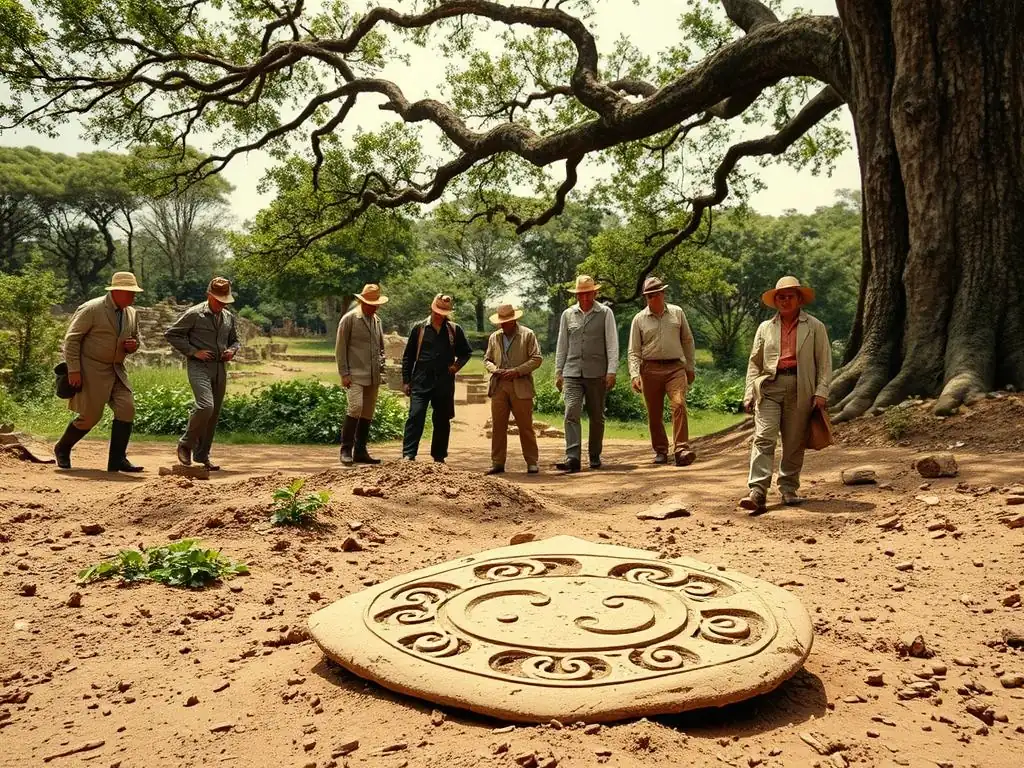
Radiocarbon dating has fundamentally changed our understanding of pre-Columbian cultures by providing a reliable method for determining the age of organic materials. This technique, developed in the mid-20th century, has allowed archaeologists to establish more accurate timelines for the emergence and development of various indigenous civilizations across the Americas. Understanding the history of radiocarbon dating is crucial for grasping its impact on the study of these ancient societies.
Development of Radiocarbon Dating Techniques
Radiocarbon dating, also known as carbon-14 dating, is based on the principle of radioactive decay. Carbon-14 (\(^{14}C\)) is a naturally occurring isotope of carbon that is created in the atmosphere through the interaction of cosmic rays with nitrogen. Living organisms absorb carbon from their environment, including a small proportion of carbon-14. When an organism dies, it stops taking in carbon, and the carbon-14 within its tissues begins to decay at a known rate, with a half-life of approximately 5,730 years.
The development of radiocarbon dating techniques can be outlined as follows:
- Discovery of Carbon-14: In 1940, American chemists Martin Kamen and Samuel Ruben first identified carbon-14. This discovery laid the groundwork for its future application in dating ancient materials.
- First Radiocarbon Dates: In 1949, Willard Libby, along with his colleagues, successfully applied radiocarbon dating to archaeological artifacts. They dated samples from the ancient Egyptian tombs, leading to the method's acceptance within the scientific community.
- Advancements in Measurement: Initial radiocarbon dating relied on gas proportional counters, but advancements in technology led to the development of accelerator mass spectrometry (AMS) in the 1980s. This technique allowed for the dating of smaller samples, significantly enhancing the ability to analyze delicate artifacts and ecofacts from pre-Columbian sites.
- Calibration of Radiocarbon Dates: With the realization that carbon-14 levels in the atmosphere have fluctuated over time, scientists began calibrating radiocarbon dates against tree-ring data and other chronological frameworks. This calibration is essential for providing accurate age estimates, particularly for pre-Columbian cultures in the Americas.
The evolution of these techniques has vastly improved the precision of dating artifacts and has opened new avenues for archaeological research, allowing for a more nuanced understanding of the timelines of pre-Columbian civilizations.
Key Figures in the Discovery of Radiocarbon Dating
Several key figures played pivotal roles in the development and popularization of radiocarbon dating, significantly impacting the study of pre-Columbian cultures:
- Willard Libby: Often referred to as the father of radiocarbon dating, Libby's pioneering work in the late 1940s established the foundation of the technique. His contributions earned him the Nobel Prize in Chemistry in 1960 and laid the groundwork for its widespread application in archaeology and other fields.
- Frederick L. Whipple: A colleague of Libby at the University of Chicago, Whipple worked on refining the measurement techniques and was instrumental in promoting the method within the scientific community.
- Robert F. Heizer: An influential archaeologist, Heizer utilized radiocarbon dating in his research on Native American cultures in California. His work demonstrated the potential of radiocarbon dating to reconstruct the timelines of ancient societies.
- John R. McCarthy: Known for his work in the development of AMS techniques, McCarthy's advancements allowed for more precise dating of smaller samples, revolutionizing the ability to analyze archaeological findings from pre-Columbian contexts.
These individuals, among others, have contributed to making radiocarbon dating an essential tool in archaeology. Their efforts have not only advanced the methodology but have also significantly enhanced our understanding of the rich tapestry of pre-Columbian cultures across the Americas.
How Radiocarbon Dating Works
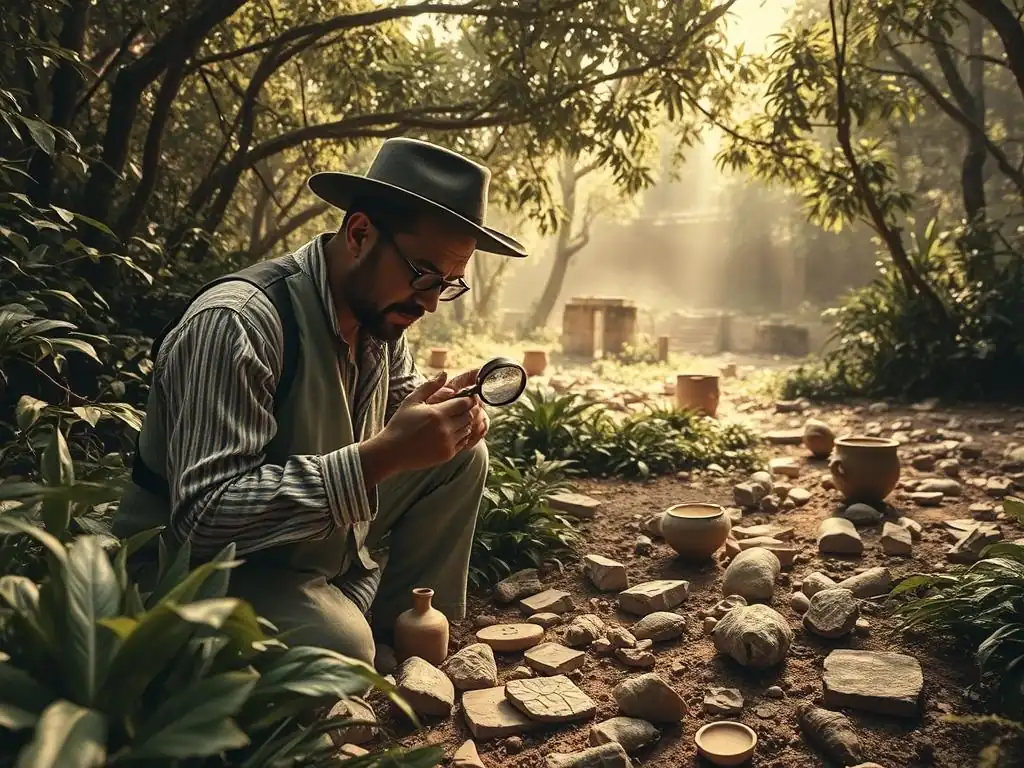
Radiocarbon dating has fundamentally transformed the way archaeologists understand pre-Columbian cultures. By providing a method to date organic materials, it allows researchers to construct timelines that were previously unattainable. This technique relies on the principle of radioactive decay of carbon-14, an isotope found in all living things.
The Science Behind Radiocarbon Dating
Radiocarbon dating is based on the fact that carbon-14 is continuously formed in the atmosphere through cosmic rays interacting with nitrogen. This carbon-14 is then absorbed by living organisms through processes like photosynthesis and consumption. When an organism dies, it stops absorbing carbon-14, and the isotope begins to decay at a known rate, termed its half-life, which is approximately 5,730 years.
The measurement of carbon-14 concentrations in a sample allows scientists to estimate when the organism died. The formula used to calculate the age of a sample is:
\[
t = -\frac{1}{\lambda} \ln\left(\frac{N}{N_0}\right)
\]
Where:
- \( t \) is the age of the sample
- \( \lambda \) is the decay constant of carbon-14
- \( N \) is the current amount of carbon-14
- \( N_0 \) is the original amount of carbon-14
This scientific foundation enables archaeologists to date artifacts, organic remains, and even entire sites, providing a clearer picture of pre-Columbian timelines and interactions.
The Process of Radiocarbon Measurement
The process of radiocarbon measurement involves several key steps:
- Sample Collection: Archaeologists must carefully collect samples from sites, ensuring that they are uncontaminated and representative of the context.
- Preparation: The samples are cleaned and processed to remove any contaminants that could affect the accuracy of the dating. This may involve chemical treatments or combustion to isolate the carbon content.
- Measurement Techniques: There are two primary techniques used for radiocarbon measurement:
- Accelerator Mass Spectrometry (AMS): This method allows for the dating of very small samples, providing precise results. It measures the ratio of carbon isotopes directly.
- Liquid Scintillation Counting: This traditional method detects beta particles emitted from the decay of carbon-14, requiring larger sample sizes and taking longer to process.
- Data Analysis: After obtaining measurements, data is analyzed and calibrated using calibration curves to account for variations in atmospheric carbon-14 levels over time. This process enhances accuracy and aligns the results with calendar years.
Through this meticulous process, radiocarbon dating serves as a vital tool for archaeologists studying pre-Columbian cultures, enabling them to construct accurate chronologies that reveal the complexities of these societies.
Limitations of Radiocarbon Dating in Archaeology
Despite its revolutionary impact, radiocarbon dating has several limitations that archaeologists must consider:
- Age Range: Radiocarbon dating is effective for dating materials up to about 50,000 years old. Beyond this, the remaining carbon-14 is often too minimal for accurate measurement.
- Contamination: Contaminants can significantly affect results. If modern carbon is introduced, it can lead to younger dates, misrepresenting the artifact’s true age.
- Sample Type: Only organic materials can be dated with this method. Inorganic materials such as metals and ceramics require alternative dating techniques, which can limit the context in which radiocarbon dating can be applied.
- Calibration Issues: Variability in atmospheric carbon levels can complicate the calibration process, leading to potential inaccuracies in age estimation.
- Contextual Limitations: Radiocarbon dating provides a date for the last moment the carbon was incorporated into the organism, which may not correlate with the date of human activity, usage, or deposition of the artifact.
Understanding these limitations is crucial for researchers to accurately interpret radiocarbon dating results and to effectively integrate them into the broader context of pre-Columbian cultures. By acknowledging these challenges, archaeologists can refine their methodologies and enhance the reliability of their findings.
Impact of Radiocarbon Dating on the Study of Pre-Columbian Societies
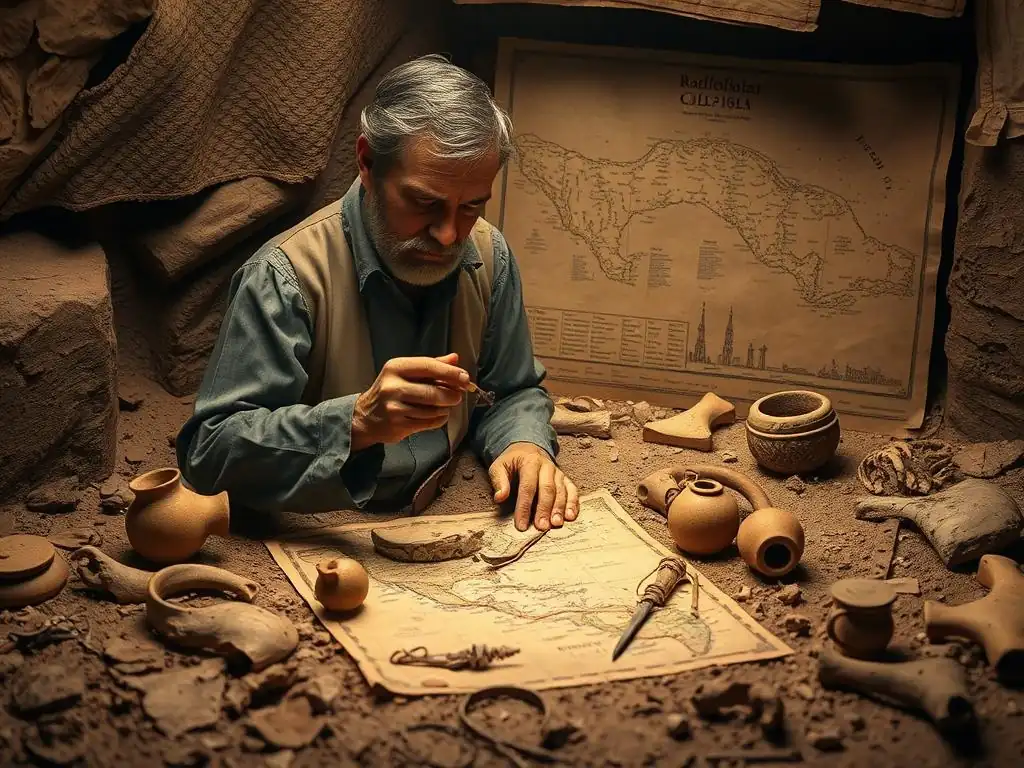
Radiocarbon dating has dramatically transformed the field of archaeology, particularly in the study of pre-Columbian cultures. This scientific method, developed in the late 1940s, enables researchers to determine the age of organic materials by measuring the decay of carbon-14 isotopes. The implications of this technique are profound, allowing archaeologists to construct more accurate timelines, understand cultural developments, and re-evaluate historical narratives about indigenous civilizations in the Americas.
The impact of radiocarbon dating on the study of pre-Columbian societies can be distilled into several key areas:
- Chronological Precision: Radiocarbon dating provides a more precise temporal framework for understanding the sequence of events in pre-Columbian history. This has led to the re-dating of significant archaeological sites and artifacts, allowing a clearer picture of cultural evolution.
- Cultural Interactions: By establishing timelines, researchers can better understand interactions between different indigenous groups. The dating of artifacts can indicate trade networks, migration patterns, and cultural exchanges that were previously unknown or underestimated.
- Challenging Eurocentric Narratives: The ability to accurately date indigenous sites has allowed for a re-examination of the history of the Americas, challenging long-held Eurocentric perspectives that often minimized the complexity and duration of indigenous cultures prior to European contact.
Transformative Discoveries in Pre-Columbian Archaeology
The application of radiocarbon dating in pre-Columbian archaeology has led to transformative discoveries that reshaped our understanding of these societies. Researchers have utilized this technique to date everything from simple artifacts to monumental architecture, revealing previously hidden aspects of indigenous life before European colonization.
Among the notable contributions of radiocarbon dating are:
- Identification of Cultural Phases: Radiocarbon dating has helped define distinct cultural phases across various regions, such as the periods of development for the Olmec, Maya, and Inca civilizations.
- Dating of Ritual Objects: The method has been used to date ceremonial items, providing insights into religious practices and the social significance of these objects within different cultures.
- Establishing Population Dynamics: By dating settlement layers, researchers can infer population changes over time, understanding how societies expanded, contracted, or shifted geographically.
Case Studies: Major Findings from Radiocarbon Dating
Several case studies illustrate the profound impact of radiocarbon dating on our understanding of pre-Columbian cultures. These investigations not only highlight the method’s effectiveness but also showcase the rich histories of indigenous societies.
The Dating of the Moche Civilization in Peru
The Moche civilization, which thrived in northern Peru from approximately 100 to 800 CE, has been a focal point for radiocarbon dating research. Excavations at various Moche sites, including the Huaca de la Luna, have provided invaluable data about their complex society, known for its sophisticated irrigation systems, intricate pottery, and monumental architecture.
- Key Findings: Radiocarbon dating of organic materials found in burial contexts has allowed researchers to accurately place Moche cultural practices within a specific timeframe. For example, the dating of textiles and ceremonial offerings has shed light on their rituals and social hierarchies.
- Cultural Interconnections: Radiocarbon results have also indicated interactions between the Moche and neighboring cultures, revealing a dynamic network of trade and influence that shaped their development.
The Age of the Cahokia Mounds in Illinois
Cahokia, located near present-day St. Louis, Missouri, was one of the largest and most complex pre-Columbian urban centers in North America. The site is best known for its massive earthen mounds, which served various ceremonial and political purposes.
- Chronological Insights: Through radiocarbon dating of organic materials from mound construction, archaeologists have been able to establish that Cahokia flourished between 600 and 1400 CE, challenging previous assumptions about the longevity of urban centers in North America.
- Social Structure and Decline: The dating of artifacts and features associated with the mounds has provided insights into the social structure of Cahokia's inhabitants, as well as factors contributing to its decline, such as climate changes and resource depletion.
The findings from Cahokia serve to illustrate the complexity of pre-Columbian societies and the role of radiocarbon dating in uncovering their histories. As a result, this powerful technique continues to be essential for furthering our understanding of indigenous cultures across the Americas.
Contributions to Understanding Pre-Columbian Cultures
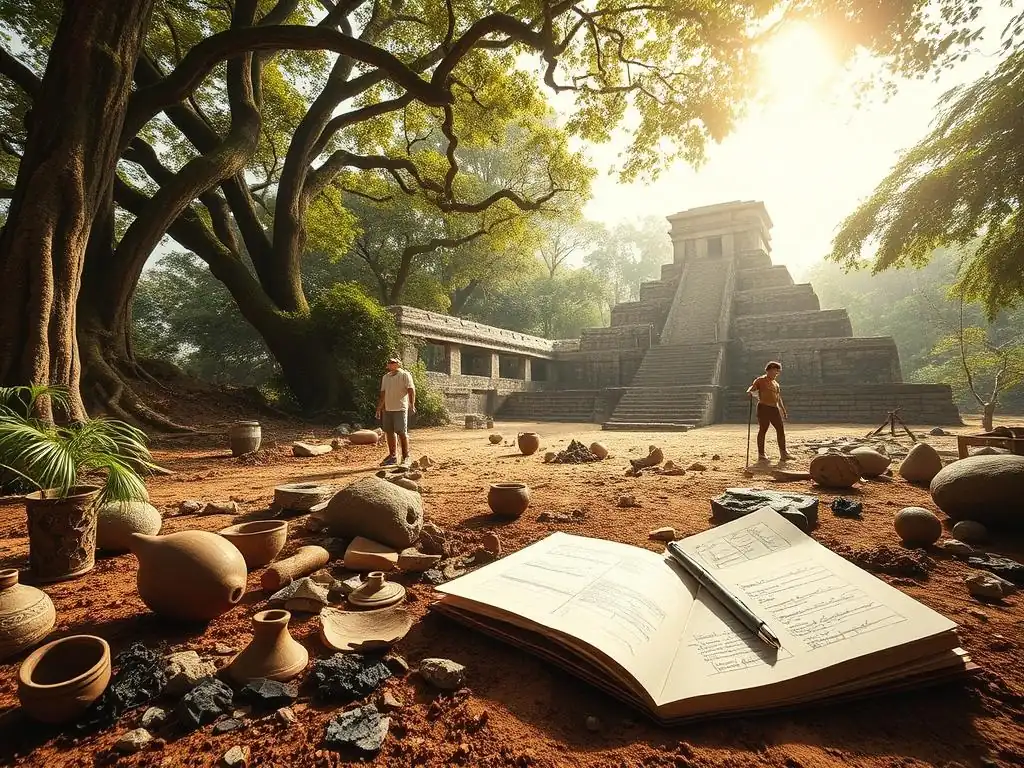
Radiocarbon dating has fundamentally transformed our understanding of pre-Columbian cultures, providing archaeologists with the tools necessary to accurately date artifacts, settlements, and even organic remains. This method allows researchers to construct a clearer picture of the timelines in which various indigenous societies flourished across the Americas. By establishing chronological frameworks, archaeologists can better understand the development of these cultures, their interactions, and the significant events that shaped their histories.
Reconstructing Timelines of Indigenous Societies
One of the most significant contributions of radiocarbon dating is its ability to reconstruct timelines of indigenous societies with greater precision. Prior to the advent of this technology, dating methods were often unreliable, leading to misconceptions about the duration and extent of various cultures. Radiocarbon dating has enabled scientists to date organic materials, such as wood, textiles, and bones, to within a few decades, offering definitive insights into when specific civilizations existed.
For instance, the use of radiocarbon dating in sites like Cahokia, the largest pre-Columbian settlement north of Mexico, has provided clarity on its rise and fall. By dating various layers of artifacts and organic remains, researchers have established that Cahokia thrived from approximately 600 CE to 1400 CE. This precision has allowed for a deeper understanding of urbanization patterns and social organization in North America.
Moreover, radiocarbon dating has facilitated cross-cultural comparisons, enabling archaeologists to align timelines of separate cultures and observe their interactions. For example, the dating of artifacts from the Ancestral Puebloans in the Southwest can be contrasted with those from the Mississippian culture, illuminating trade routes and migratory patterns that were previously unknown.
Radiocarbon dating not only aids in establishing timelines but also offers insights into the social structures and cultural practices of pre-Columbian societies. By accurately dating ceremonial sites, burial practices, and domestic structures, researchers can infer the social hierarchies and cultural norms of these civilizations.
For example, the dating of burial mounds in the Ohio River Valley has revealed significant information about the social organization of the Adena and Hopewell cultures. These mounds, often constructed for elite individuals, provide evidence of complex social structures, indicating that these societies had leaders or chiefs who were significant enough to warrant elaborate burial rituals.
Additionally, radiocarbon dating can shed light on agricultural practices and subsistence strategies. By dating plant remains found in ancient hearths, researchers can determine when certain crops were first cultivated and how agricultural practices evolved over time. Such findings have highlighted the sophistication of pre-Columbian agricultural systems, such as the three sisters farming method utilized by various indigenous groups, which involved the intercropping of corn, beans, and squash.
The Role of Radiocarbon Dating in Debunking Myths about Pre-Columbian Societies
Radiocarbon dating has played a pivotal role in debunking many myths surrounding pre-Columbian societies. For decades, stereotypes portrayed indigenous cultures as primitive or static, lacking the complexity and innovation seen in other parts of the world. However, radiocarbon dating has provided evidence of advanced societies with rich cultural histories and technological developments.
One notable example is the revelation that many pre-Columbian societies had extensive trade networks long before European contact. Dating artifacts found in various regions has shown that goods such as obsidian, copper, and shells were traded over vast distances, indicating a high level of social organization and economic sophistication.
Furthermore, radiocarbon dating has countered the myth of a sparsely populated Americas prior to European arrival. Evidence from multiple sites across the Americas has shown that large, complex urban centers existed, supporting significant populations. This challenges the narrative that indigenous peoples were merely nomadic and highlights their ability to create enduring civilizations with lasting impacts on their environments.
Radiocarbon dating has revolutionized the study of pre-Columbian cultures, providing invaluable insights into their timelines, social structures, and cultural practices while debunking long-held myths. The precision and reliability of this dating method continue to enhance our understanding of the rich tapestry of indigenous civilizations that flourished in the Americas before European colonization.
Challenges and Future Directions in Radiocarbon Dating
Current Limitations and Technological Advances
Radiocarbon dating, while revolutionary, is not without its challenges. The method relies on measuring the decay of carbon-14 isotopes in organic materials, which presents several limitations that can affect the accuracy and reliability of results.
- Sample Contamination: One of the foremost challenges in radiocarbon dating is contamination. When samples are exposed to modern carbon sources, such as soil or water, they can become contaminated, leading to inaccurate dates. This is particularly problematic for archaeological sites that have been disturbed or exposed to environmental changes.
- Calibration Issues: Radiocarbon dates must be calibrated using dendrochronology (tree-ring dating) and other methods to account for fluctuations in atmospheric carbon levels over time. This calibration process can introduce further complexities and uncertainties, especially for samples older than 10,000 years, where the calibration curves become less reliable.
- Material Limitations: The type of material being dated significantly impacts the results. For instance, materials like bone and wood can yield more reliable dates than fabrics or unburned plant remains. Additionally, some organic materials may not preserve well, limiting the available samples from certain archaeological contexts.
Recent technological advances have addressed some of these limitations. For example, the development of accelerator mass spectrometry (AMS) has allowed for the dating of smaller samples with greater precision. AMS can analyze minute quantities of carbon, enabling researchers to date materials that would otherwise be discarded. This advancement has opened new avenues for studying rare artifacts and remains from pre-Columbian cultures.
Moreover, the integration of machine learning in data analysis is showing promise in improving radiocarbon dating methodologies. By analyzing vast datasets of radiocarbon dates and their associated archaeological contexts, machine learning algorithms can help identify patterns and improve calibration models, potentially mitigating some of the existing limitations.
Future Implications for the Study of Pre-Columbian Cultures
Looking ahead, the future of radiocarbon dating holds significant implications for the study of pre-Columbian cultures. As methodologies improve and limitations are addressed, researchers will be better equipped to uncover the complexities of ancient civilizations in the Americas.
- Enhanced Chronological Frameworks: Improved radiocarbon dating techniques will allow for more refined chronological frameworks for pre-Columbian societies. This will enable archaeologists to construct detailed timelines of cultural development, migration patterns, and interactions among diverse groups. For example, understanding the timing of agricultural practices or urbanization can shed light on societal transformations in response to environmental changes.
- Interdisciplinary Research Opportunities: The advancements in radiocarbon dating can facilitate interdisciplinary research, combining data from archaeology, anthropology, and environmental science. By integrating radiocarbon dates with paleoenvironmental data, researchers can explore how climatic shifts influenced the rise and fall of pre-Columbian cultures. This holistic approach will deepen our understanding of how these societies adapted to their environments over time.
- Preservation of Cultural Heritage: As radiocarbon dating methodologies become more precise, there is potential for better preservation strategies for archaeological sites. By accurately dating materials, archaeologists can prioritize conservation efforts on sites of significant historical importance, ensuring that the legacies of pre-Columbian cultures are preserved for future generations.
The challenges currently faced by radiocarbon dating are being actively addressed through technological innovations and interdisciplinary approaches. As these methodologies continue to evolve, they will undoubtedly enhance our understanding of the rich tapestry of pre-Columbian cultures, allowing us to appreciate their achievements and contributions to human history more profoundly.
Conclusion: The Lasting Legacy of Radiocarbon Dating in Archaeology
Radiocarbon dating has fundamentally transformed the field of archaeology, particularly in the study of pre-Columbian cultures. By providing an accurate method for dating organic materials, this technique has allowed researchers to construct more detailed narratives of indigenous societies that existed before European contact. The implications of these findings are profound, revealing the complexity and richness of cultures that once thrived across the Americas.
Summary of Key Points
- Precision in Dating: Radiocarbon dating allows archaeologists to determine the age of artifacts and features with a level of precision that was previously unattainable. This has led to the accurate placement of cultural developments within specific time frames.
- Revising Historical Timelines: Many previously accepted timelines regarding the emergence and decline of various pre-Columbian cultures have been revised due to new data obtained through radiocarbon dating. For instance, the dating of certain agricultural practices has illuminated the early cultivation of crops like maize and beans.
- Connection Across Cultures: The ability to date materials from different regions has facilitated the understanding of trade networks and cultural exchanges among diverse indigenous groups. This has helped to highlight the interconnectedness of pre-Columbian societies that spanned vast territories.
- Contributions to Climate Studies: Radiocarbon dating has also provided insights into how climate change impacted indigenous populations. By dating organic remains in relation to climatic shifts, researchers can better understand how societies adapted or succumbed to environmental pressures.
- Ethical Considerations: As the application of radiocarbon dating continues to evolve, ethical considerations regarding the treatment of indigenous artifacts and remains are paramount. Engaging with indigenous communities in the research process is essential for respectful and accurate representation of their histories.
The Future of Radiocarbon Dating in Understanding Indigenous Civilizations
The future of radiocarbon dating holds exciting possibilities for further uncovering the histories of indigenous civilizations. As technology advances, new techniques such as accelerator mass spectrometry (AMS) are allowing for more precise measurements of smaller samples, potentially revolutionizing the way we approach archaeological sites.
- Integration with Other Technologies: The combination of radiocarbon dating with other scientific methods, such as DNA analysis and isotopic studies, promises a more comprehensive understanding of social structures, migration patterns, and dietary practices among pre-Columbian cultures.
- Expanding Datable Materials: Ongoing research into expanding the range of datable materials, including newer organic compounds, will enable archaeologists to date a wider array of artifacts, further enriching our understanding of indigenous histories.
- Global Applications: While the focus remains on the Americas, the methodologies developed from radiocarbon dating are being applied globally, allowing for comparative studies that can highlight similarities and differences in the development of human societies.
Radiocarbon dating has not only revolutionized the study of pre-Columbian cultures but continues to pave the way for future discoveries that will deepen our understanding of the rich tapestry of indigenous civilizations in the Americas. The legacy of this scientific advancement will undoubtedly influence the field of archaeology for generations to come.
Frequently Asked Questions
What is radiocarbon dating and how is it used in studying pre-Columbian cultures?
Radiocarbon dating is a scientific method used to determine the age of organic materials by measuring the decay of carbon-14 isotopes. It has revolutionized the study of pre-Columbian cultures by providing accurate timelines for their development and decline.
How has radiocarbon dating changed our understanding of indigenous civilizations?
By providing precise dates for artifacts and sites, radiocarbon dating has allowed researchers to chronologically map the rise and fall of various indigenous civilizations, enhancing our understanding of their sophistication and achievements.
What are some key achievements of pre-Columbian societies that radiocarbon dating has highlighted?
Radiocarbon dating has helped uncover significant achievements such as advanced agricultural practices, monumental architecture, and complex social structures, showcasing the rich diversity of pre-Columbian cultures in the Americas.
How do researchers ensure the accuracy of radiocarbon dating results?
Researchers use various techniques to cross-check radiocarbon dates, including calibration with dendrochronology (tree-ring dating) and comparing results with other archaeological evidence to ensure the reliability of their findings.
Why is it important to study the impact of pre-Columbian societies today?
Understanding the lasting impact of pre-Columbian societies is essential for appreciating their contributions to modern cultures and recognizing the historical significance of indigenous peoples in shaping the Americas before European contact.
Final Reflection: The Transformative Power of Radiocarbon Dating in Understanding Pre-Columbian Cultures
Radiocarbon dating has fundamentally reshaped our understanding of pre-Columbian societies, allowing us to connect with the past in ways that were once unimaginable. This scientific advancement has not only provided a timeline for the rich tapestry of cultures that existed before European contact but has also sparked a renewed interest in the complexities and achievements of these civilizations. As we delve deeper into the remnants of their existence, we uncover stories that challenge long-held assumptions and celebrate the ingenuity of human societies.
The impact of radiocarbon dating extends beyond mere chronology; it has influenced how we perceive cultural evolution and interaction among pre-Columbian peoples. By providing a more accurate framework for dating artifacts and sites, this method has illuminated the intricate networks of trade, migration, and cultural exchange that characterized these societies. The past is not a dead thing; it is alive and breathing, shaping our present and future.
This quote resonates deeply as we recognize that understanding our history is essential for appreciating the diverse cultural heritage that continues to inform our identities today.
As you reflect on the insights gained from the study of radiocarbon dating and pre-Columbian cultures, consider how this knowledge can inspire your own exploration of history and identity. Embrace the opportunity to learn from the past, challenge preconceived notions, and engage with the narratives that have shaped our world. Let the stories of these ancient societies motivate you to seek connections in your own life, fostering a deeper appreciation for the rich diversity of human experience that persists across time and space.
Unveil the Secrets of Time – Take Action Today!
Thank you for diving into the fascinating world of radiocarbon dating and its impact on understanding **Pre-Columbian societies**. Your interest in these ancient cultures enriches our collective knowledge and appreciation for their innovations and histories. Now, it’s time to explore further and make your mark!
Here’s how you can engage with this vibrant subject:
- Dive deeper into the past: Explore additional resources on radiocarbon dating and **Pre-Columbian civilizations** on our website to expand your knowledge.
- Share your insight: Discuss this article with friends or on social media – spark conversations that honor these rich cultural histories!
- Join our community: Participate in local history or archaeology groups that focus on **Indigenous cultures** to connect with like-minded enthusiasts.
What aspect of **Pre-Columbian societies** intrigues you the most, and how can we explore that together?