
Indigenous Handicrafts: A Sustainable Model for Modern Economies

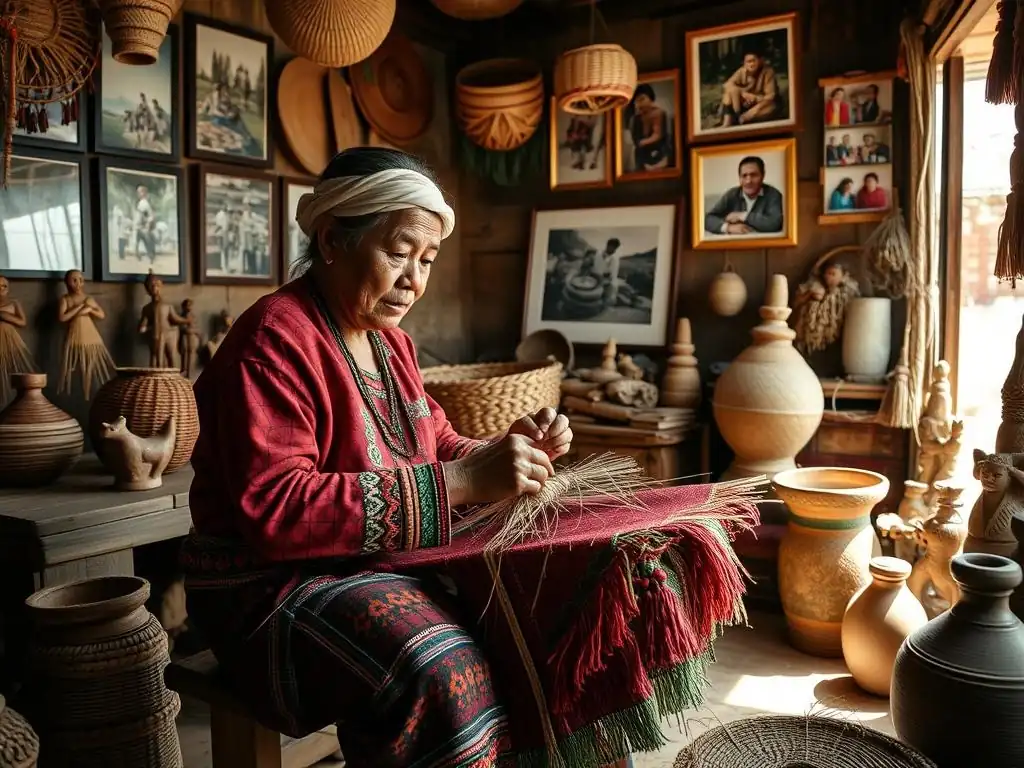
Welcome to Indigenous Civilizations of the Americas, where we embark on a journey through the rich tapestry of indigenous cultures that flourished long before European contact. Here, you will uncover the profound economic impact of indigenous handicrafts—a testament to the ingenuity and resilience of these societies. Discover how traditional crafts not only represent cultural heritage but also serve as a sustainable model for modern economies.
As you delve into this exploration, prepare to be inspired by the stories of creativity and adaptation that continue to resonate today. Join us in unraveling the legacy of these remarkable civilizations and their lasting influence on contemporary life.
Indigenous handicrafts represent a vibrant and essential aspect of the cultural heritage of the Americas. These handcrafted products, often crafted using traditional techniques passed down through generations, encapsulate the artistic expressions, histories, and identities of Indigenous peoples.
As we explore the theme of "Indigenous handicrafts: a sustainable model for modern economies," we uncover not only the aesthetic value of these creations but also their significant economic impact on contemporary society. This article delves into how these handicrafts contribute to local economies, create employment opportunities, and stand in contrast to mass-produced goods, making them a pivotal element in discussions about sustainable economic practices.
Introduction to Indigenous Handicrafts
Definition of Indigenous Handicrafts
Indigenous handicrafts are defined as traditional art forms and products created by Indigenous peoples, utilizing skills and materials native to their regions. These handicrafts often include:
- Textiles: Weavings, clothing, and accessories made from natural fibers.
- Pottery: Handcrafted ceramics with distinct designs and techniques.
- Jewelry: Adornments made from local materials, such as beads, metals, and stones.
- Woodwork: Carvings and functional items crafted from native woods.
These handicrafts not only serve practical purposes but also embody the cultural narratives and values of the communities that produce them.
Historical Significance of Indigenous Handicrafts in Economic Systems
Historically, Indigenous handicrafts have played a crucial role in the economic systems of Indigenous societies. Before European colonization, these handicrafts facilitated trade among different tribes and communities, leading to:
- Barter Systems: Goods were exchanged based on mutual need and value, fostering strong community ties.
- Cultural Exchange: Trading handicrafts introduced diverse techniques and designs, enriching local cultures.
- Sustainability: Indigenous peoples often used local resources sustainably, ensuring the longevity of their crafts and the surrounding environment.
This historical context showcases how Indigenous handicrafts were not merely artistic expressions but integral components of economic resilience.
Overview of Economic Impact of Indigenous Handicrafts
In contemporary economies, Indigenous handicrafts continue to exert a profound economic impact. The following points highlight their significance:
- Market Demand: There has been a growing interest in authentic, handmade products, leading to increased sales and recognition of Indigenous crafts.
- Cultural Preservation: The economic viability of handicrafts supports the preservation of traditional knowledge and practices.
- Global Awareness: Indigenous handicrafts draw attention to the cultural and historical narratives of Indigenous peoples, fostering greater appreciation and respect.
The economic impact of Indigenous handicrafts thus extends beyond mere financial metrics, contributing to cultural sustainability and identity.
The Role of Indigenous Handicrafts in Modern Economies
Contribution to Local Economies
Indigenous handicrafts play a vital role in bolstering local economies, particularly in rural and underprivileged areas. Key contributions include:
- Revenue Generation: Sales of handicrafts provide essential income for artisans and their communities.
- Tourism Development: Handicrafts attract tourists, resulting in increased foot traffic and sales in local markets and shops.
- Community Cohesion: Collaborative craft-making initiatives promote social bonding and collective economic efforts.
Through these contributions, Indigenous handicrafts foster economic independence and resilience within communities.
Employment Opportunities Created by Indigenous Handicrafts
The production and sale of Indigenous handicrafts create numerous employment opportunities. These include:
- Artisan Jobs: Skilled artisans are essential for producing high-quality handicrafts, providing stable employment.
- Support Roles: Jobs in marketing, sales, and distribution emerge due to increased demand for handicrafts.
- Training Programs: Initiatives aimed at teaching traditional crafts can create teaching positions and mentorship opportunities.
By offering diverse employment avenues, Indigenous handicrafts empower communities and promote economic stability.
Comparison with Mass-Produced Goods
Indigenous handicrafts stand in stark contrast to mass-produced goods, emphasizing unique attributes such as:
- Cultural Authenticity: Handcrafted items often carry stories and cultural significance that mass-produced items lack.
- Quality and Durability: Indigenous handicrafts frequently utilize high-quality materials and traditional techniques, resulting in more durable products.
- Environmental Sustainability: Handicrafts are often produced with sustainable practices, whereas mass production can lead to environmental degradation.
This comparison highlights the ongoing relevance of Indigenous handicrafts in a world increasingly dominated by mass production, reaffirming their importance in promoting sustainable economic models.
Cultural Preservation through Handicrafts
Indigenous handicrafts serve as a vital link to the cultural heritage of various communities across the Americas. By engaging in traditional crafting methods, these artisans not only showcase their unique skills but also preserve the stories, beliefs, and values that have been passed down through generations. Handicrafts such as pottery, weaving, and beadwork reflect the history and identity of Indigenous peoples, allowing them to maintain a tangible connection to their ancestors and cultural narratives.
The act of creating handicrafts is deeply intertwined with cultural rituals and practices. For many Indigenous communities, crafting is not merely a means of economic survival; it is a way to express their identity and resilience in the face of colonization and globalization. By continuing to practice these traditions, artisans contribute to the revitalization and continuation of their cultural heritage, ensuring that future generations inherit a rich tapestry of history and artistry.
Importance of Cultural Heritage in Economic Models
Cultural heritage plays a crucial role in shaping economic models that are respectful and beneficial to Indigenous communities. Recognizing and valuing traditional craftsmanship allows for the development of economic strategies that prioritize cultural integrity alongside financial sustainability. The integration of cultural heritage into economic models promotes community pride and identity, enhancing social cohesion and mutual support among artisans.
Moreover, the market for Indigenous handicrafts is increasingly recognized for its potential in promoting sustainable tourism. Tourists are often drawn to authentic cultural experiences, and Indigenous handicrafts provide an avenue for cultural exchange. This not only stimulates local economies but also fosters a greater appreciation for Indigenous cultures within a global context. By intertwining cultural heritage with economic development, Indigenous communities can create models that are both sustainable and empowering.
How Indigenous Handicrafts Foster Cultural Identity
Indigenous handicrafts are a powerful means of fostering cultural identity among Indigenous peoples. Each piece created carries not only aesthetic value but also deep cultural significance, reflecting the beliefs, traditions, and stories of the community. For example, traditional patterns and symbols used in textiles or pottery often tell stories of creation, spirituality, and the natural world, reinforcing a sense of belonging and continuity.
Furthermore, the process of creating handicrafts fosters intergenerational knowledge transfer, where skills and stories are shared between elders and youth. This exchange reinforces cultural identity and ensures that traditional practices are not lost to modernity. Communities that engage in handicraft production often find a renewed sense of purpose and pride, as they see their cultural narratives being celebrated and valued in both local and global markets.
Case Studies of Successful Cultural Preservation
Several case studies illustrate the success of Indigenous handicrafts in cultural preservation. One notable example is the Huichol people of Mexico, who are renowned for their vibrant beadwork and yarn art. These traditional crafts are not only a source of income but also a means of transmitting their spiritual beliefs and cultural narratives. The global appreciation for Huichol art has led to increased demand, allowing the community to thrive economically while preserving their cultural identity.
Another example is the Navajo Nation, where traditional weaving practices have been revitalized through modern initiatives. Programs that support Navajo weavers have helped to ensure that traditional methods and designs are taught to younger generations. This not only preserves the art form but also strengthens community ties and fosters economic independence through the sale of high-quality textiles in broader markets.
Sustainability in Indigenous Handicrafts
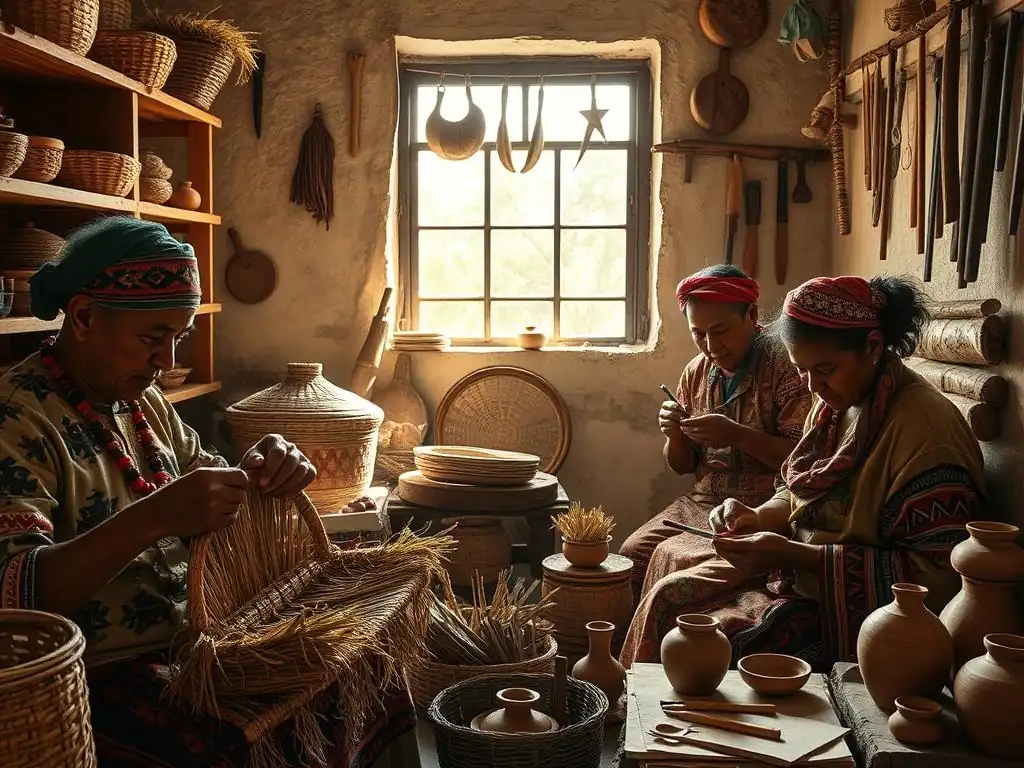
Sustainability is a core principle in Indigenous handicraft production. Many Indigenous communities have long practiced methods that are inherently sustainable, utilizing local resources and eco-friendly materials. This approach not only minimizes environmental impact but also aligns with the cultural values of stewardship and respect for the land.
Eco-Friendly Materials and Practices
Indigenous artisans often rely on locally sourced materials that are sustainable and renewable. For example, many weaving communities use natural fibers such as cotton, wool, or plant fibers, which can be harvested without depleting resources. Similarly, pottery makers frequently use clay that is gathered from the earth, ensuring that their practices do not harm the environment.
Moreover, traditional dyeing techniques often involve the use of natural substances derived from plants and minerals, reducing reliance on synthetic chemicals. By maintaining these eco-friendly practices, Indigenous communities demonstrate a commitment to environmental sustainability while producing beautiful handicrafts that resonate with consumers who value eco-conscious products.
The Concept of Sustainable Production in Indigenous Economies
Sustainable production in Indigenous economies extends beyond the use of materials; it encompasses the entire manufacturing process and the social structures that support it. This model emphasizes community involvement, ensuring that profits remain within the community and contribute to local development. By prioritizing cooperative practices, artisans can share resources, knowledge, and skills, leading to collective economic growth.
This sustainable approach also promotes resilience against external economic pressures. When Indigenous communities establish their handicraft production as a sustainable industry, they become less reliant on volatile markets and more empowered to create their pathways for economic success. Such resilience is crucial for maintaining cultural practices and supporting future generations.
Benefits of Sustainable Practices in Indigenous Handicrafts
The benefits of sustainable practices in Indigenous handicrafts are multifold, encompassing economic, social, and environmental dimensions. Economically, artisans can command higher prices for products that are marketed as sustainable, appealing to consumers who are increasingly concerned about ethical consumption. This shift not only enhances income for artisans but also promotes local job creation.
Socially, sustainable practices foster community cohesion and pride as artisans work together towards common goals. This solidarity strengthens cultural identity and encourages the transmission of traditional knowledge.
Environmentally, sustainable practices contribute to the health of ecosystems, ensuring that materials remain available for future generations. By adhering to sustainable production methods, Indigenous communities can thrive economically while preserving the natural world that sustains them, creating a model that benefits both people and the planet.
Economic Impact of Indigenous Handicrafts
Indigenous handicrafts play a significant role in shaping local economies while preserving cultural heritage. The economic impact of these crafts extends beyond mere financial transactions; it involves community development, sustainable practices, and the promotion of cultural identity. As indigenous artisans create unique products that reflect their traditions, they not only boost their local economies but also contribute to a broader understanding and appreciation of their cultures globally.
Research indicates that the handicraft sector can be a potent driver of economic development, especially in rural areas where employment opportunities may be limited. The production of handicrafts often requires minimal investment, making it accessible for many artisans. As such, this sector can provide a viable means of livelihood for indigenous communities, enabling them to thrive while maintaining their cultural integrity.
Revenue Generation and Economic Growth
The revenue generated from indigenous handicraft production can significantly contribute to local economies. Artisans often sell their products at local markets, fairs, and online platforms, creating a diverse revenue stream. In many cases, this income serves as a primary source of sustenance for families, leading to improved living standards and community development.
For instance, in regions such as Oaxaca, Mexico, the vibrant handicraft industry centered around textiles and pottery has become an essential part of the local economy. According to reports, the handicraft sector in Oaxaca brings in millions of dollars annually, supporting thousands of artisans and their families. By reinvesting their earnings into their communities, these artisans foster economic growth, create jobs, and inspire future generations to continue their cultural practices.
Impact on Tourism and Local Markets
Indigenous handicrafts are often closely tied to tourism, attracting visitors eager to experience authentic cultural expressions. Tourists are drawn to unique handicrafts that embody the artistry and traditions of indigenous peoples, creating a symbiotic relationship between artisans and the tourism industry.
In many indigenous regions, craft markets and festivals have become significant tourist attractions. For example, the annual Santa Fe Indian Market in New Mexico showcases the work of hundreds of indigenous artisans, drawing thousands of visitors each year. This influx of tourists not only provides artisans with a platform to sell their work but also stimulates the local economy through increased spending in restaurants, hotels, and other businesses.
Global Demand for Indigenous Handicrafts
The global demand for indigenous handicrafts has been on the rise, driven by consumers' increasing interest in sustainable and ethically produced goods. Many shoppers are seeking out products with a story, leading to a greater appreciation for the craftsmanship and cultural significance behind indigenous items. This trend has opened new markets for artisans, enabling them to reach a broader audience beyond their local communities.
Platforms such as Etsy and Fair Trade organizations have made it easier for indigenous artisans to showcase their work to global consumers. As demand grows, artisans can benefit from fair prices, fostering economic sustainability and empowering them to invest in their communities. However, this global interest also comes with challenges that need to be addressed to ensure that artisans are fairly compensated for their work.
Challenges Faced by Indigenous Handicraft Producers
While the economic impact of indigenous handicrafts is largely positive, artisans face several challenges that can hinder their success. These issues range from market access to the risk of cultural appropriation, and they require attention and support to ensure the sustainability of this vital sector.
Market Access and Fair Trade Issues
One of the primary challenges facing indigenous handicraft producers is access to markets. Many artisans struggle to reach broader audiences due to a lack of resources, marketing knowledge, and distribution channels. This limitation can prevent them from achieving fair prices for their products, often forcing them to sell at lower rates in local markets.
Fair trade initiatives can help address these issues by providing artisans with better access to international markets and ensuring they receive fair compensation for their work. However, not all artisans are aware of these opportunities or have the means to participate. Building awareness and providing support for fair trade practices is crucial to empower indigenous artisans and enhance their market presence.
Intellectual Property Rights and Cultural Appropriation
Intellectual property rights present another significant challenge for indigenous artisans. Many traditional designs and techniques are at risk of being appropriated by non-indigenous entities without proper recognition or compensation. This appropriation not only threatens the economic viability of indigenous handicrafts but also undermines the cultural significance behind these creations.
To combat this issue, it is essential to establish legal frameworks that protect the intellectual property of indigenous communities. Initiatives aimed at raising awareness about the importance of respecting cultural heritage can help prevent exploitation and promote ethical practices in the handicraft market.
The Impact of Globalization on Indigenous Handicrafts
Globalization has had a dual effect on indigenous handicrafts. On one hand, it has opened up new markets and opportunities for artisans to connect with a global audience. On the other hand, it poses a threat to traditional practices and the authenticity of indigenous crafts as mass-produced alternatives flood the market.
As global consumers increasingly seek unique, handcrafted items, there is a risk that the essence of indigenous handicrafts may be diluted in favor of mass production. To maintain the integrity of their crafts, indigenous artisans must navigate the complexities of globalization while preserving their cultural identity and traditional methods. By fostering collaboration, education, and sustainable practices, indigenous communities can thrive in a globalized economy while staying true to their roots.
Supporting Indigenous Handicrafts for Economic Development
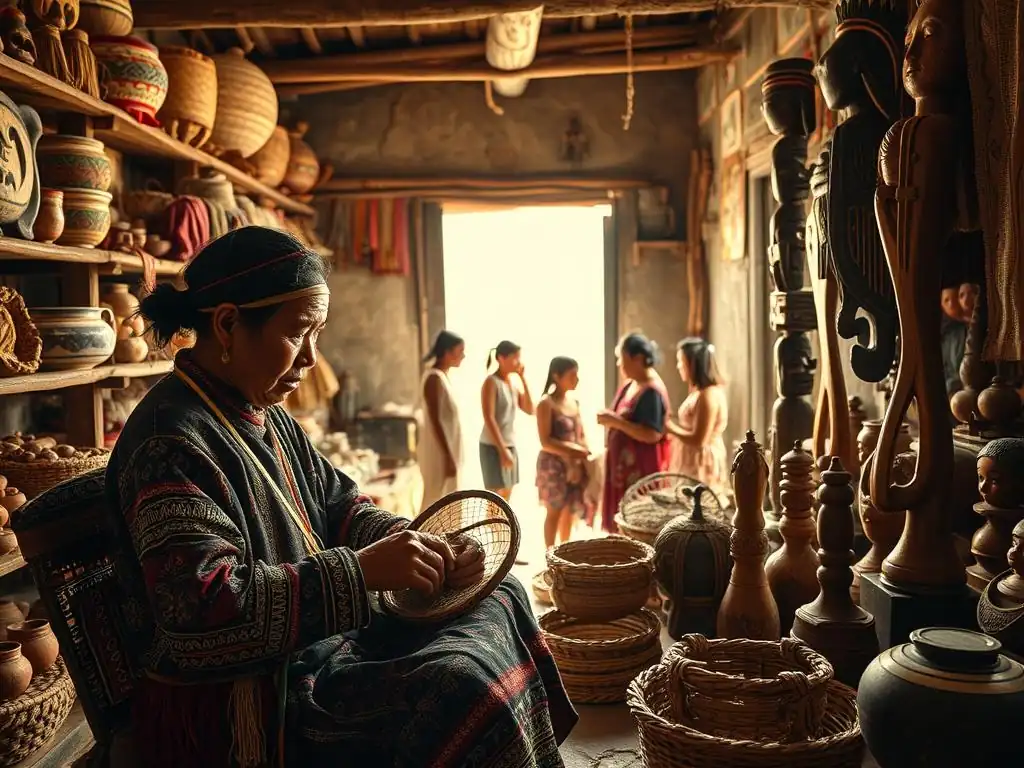
Indigenous handicrafts play a crucial role in the economic development of indigenous communities across the Americas. These crafts not only serve as a source of income but also preserve cultural heritage and promote sustainable practices. By leveraging traditional skills and local resources, indigenous artisans can create unique products that appeal to both local and global markets. This model fosters community engagement, creates jobs, and encourages the passing down of craftsmanship techniques to future generations.
Supporting indigenous handicrafts is essential as they provide economic opportunities in regions where traditional employment options are limited. Additionally, the sale of these handicrafts contributes to the self-sufficiency of communities, allowing them to maintain their cultural identity while integrating into broader economic systems. As demand for ethical and sustainable products rises, indigenous handicrafts are increasingly recognized for their economic potential and cultural significance.
Initiatives and Programs Promoting Indigenous Handicrafts
Various initiatives and programs are in place to promote indigenous handicrafts, enhancing their visibility and marketability. For instance, organizations such as the Indigenous Art Network and Cultural Survival provide platforms for artisans to showcase their work and connect with potential buyers. These organizations often host workshops and training sessions, equipping artisans with business skills and knowledge about marketing and sales.
Moreover, government programs aimed at economic development often include funding and resources for indigenous crafts. For example, the U.S. Small Business Administration offers grants specifically for businesses owned by indigenous peoples, facilitating access to capital for artisans. Additionally, fairs and markets dedicated to indigenous crafts, such as the Santa Fe Indian Market, provide invaluable exposure and networking opportunities for artisans.
These initiatives not only boost the economic prospects of indigenous crafts but also help in preserving traditional techniques and promoting cultural pride among indigenous communities.
Role of NGOs and Government in Supporting Indigenous Economies
Non-governmental organizations (NGOs) and government entities play a vital role in supporting indigenous economies, particularly through the promotion of handicrafts. NGOs often provide essential resources such as training, financial assistance, and marketing support. They advocate for the rights of indigenous artisans and work to ensure fair trade practices that benefit these communities.
Governments can also contribute significantly by implementing policies that protect intellectual property rights and promote cultural heritage. Programs that facilitate access to markets, provide grant funding, and support business development can significantly enhance the economic impact of indigenous handicrafts. Collaboration between NGOs and government bodies often leads to comprehensive strategies that address both economic and cultural sustainability.
By fostering partnerships and creating supportive ecosystems, both NGOs and government organizations help ensure that indigenous handicrafts can thrive in the modern economy while preserving the rich cultural narratives they represent.
Recommendations for Consumers to Support Indigenous Handicrafts
Consumers play a crucial role in supporting indigenous handicrafts and can make a significant impact by following several recommendations:
- Buy Directly from Artisans: Seek out local markets, online stores, or community events where artisans sell their work directly. This ensures that a larger portion of the money spent goes directly to the creators.
- Choose Fair Trade Products: Look for certifications or labels that indicate fair trade practices, ensuring that artisans receive fair compensation for their work.
- Educate Yourself: Learn about the cultural significance of the handicrafts you purchase. Understanding the stories behind the items can enhance your appreciation and connection to the artisans' heritage.
- Promote Indigenous Art: Share your purchases on social media or within your community to raise awareness about indigenous artisans and promote their work.
- Support Indigenous Organizations: Contribute to or purchase from organizations that advocate for indigenous rights and promote handicrafts.
By making informed choices, consumers can contribute to the sustainability of indigenous economies and help preserve cultural heritage.
Conclusion: The Future of Indigenous Handicrafts in Modern Economies
The future of indigenous handicrafts in modern economies is promising, driven by a growing demand for unique, culturally rich, and sustainably produced goods. As consumers increasingly seek out ethical products, indigenous handicrafts are positioned to play a significant role in the marketplace. This trend not only supports the economic development of indigenous communities but also fosters a broader appreciation for their cultural heritage.
Summary of Economic Impact and Sustainability
The economic impact of indigenous handicrafts is multifaceted. They provide direct financial benefits to artisans and their communities while promoting the preservation of traditional skills and knowledge. The sustainability of these crafts lies in their reliance on local materials and practices, which often have minimal environmental impact compared to mass-produced goods. As awareness of the economic and cultural significance of indigenous handicrafts grows, they are likely to become a more integral part of sustainable economic models.
Final Thoughts on the Importance of Indigenous Handicrafts
Indigenous handicrafts are much more than mere products; they embody the rich histories, traditions, and identities of indigenous peoples. Supporting these crafts is essential not only for the economic development of these communities but also for preserving their cultural narratives in an increasingly homogenized world. As we look to the future, it is crucial to recognize and promote the value of indigenous handicrafts, ensuring they continue to thrive and enrich our global society. By embracing these artisan works, we contribute to a more sustainable and culturally diverse economy.
References
List of Sources and Further Reading on Indigenous Handicrafts and Economic Impact
-
"Indigenous Handicrafts in the Americas"
This comprehensive text delves into the history, techniques, and cultural significance of handicrafts produced by various indigenous communities across the Americas. It provides insights into how these practices have adapted to modern economic circumstances while retaining their cultural integrity.
-
"Cultural Economics and Indigenous Handicrafts"
This scholarly article explores the intersection of cultural heritage and economic development, analyzing how indigenous handicrafts contribute to local economies and the preservation of cultural identity. The author emphasizes the importance of supporting these crafts as a sustainable economic model.
-
"The Role of Handicrafts in Indigenous Economic Development"
A detailed study focusing on case studies from different indigenous communities, showcasing how handicrafts serve as a source of income, community cohesion, and cultural pride. It discusses strategies for integrating these handicrafts into broader economic frameworks.
-
"Sustainable Practices in Indigenous Handicraft Production"
This resource highlights various sustainable methods employed by indigenous artisans, such as using locally sourced materials and traditional techniques. It examines the positive environmental impact of these practices and their role in promoting sustainable economies.
-
"Indigenous Artisans and Global Markets"
This report discusses the challenges and opportunities faced by indigenous artisans in navigating global markets. It provides statistical data on economic impact and offers recommendations for enhancing market access while preserving cultural authenticity.
-
"Economic Impact of Indigenous Handicrafts: Case Studies and Insights"
A collection of case studies that illustrate the economic contributions of indigenous handicrafts in various regions. The analysis includes both qualitative and quantitative data, helping to paint a comprehensive picture of the sector's significance.
-
"Handicrafts and Cultural Identity: The Indigenous Perspective"
This book explores the deep connection between handicraft production and cultural identity among indigenous peoples. It emphasizes how economic empowerment through handicrafts can support cultural preservation and revitalization.
-
"Indigenous Handicrafts: A Pathway to Economic Independence"
This article discusses initiatives aimed at fostering economic independence for indigenous communities through handicraft production. It highlights successful programs and partnerships that have emerged to support artisans.
These resources provide a wealth of information on the economic impact of indigenous handicrafts, offering valuable insights for researchers, policymakers, and anyone interested in understanding the role of these crafts in sustainable economic development.
- Introduction to Indigenous Handicrafts
- The Role of Indigenous Handicrafts in Modern Economies
- Cultural Preservation through Handicrafts
- Sustainability in Indigenous Handicrafts
- Economic Impact of Indigenous Handicrafts
- Challenges Faced by Indigenous Handicraft Producers
- Supporting Indigenous Handicrafts for Economic Development
- Conclusion: The Future of Indigenous Handicrafts in Modern Economies
- References
Frequently Asked Questions
What are indigenous handicrafts?
Indigenous handicrafts are traditional art forms created by native communities that often reflect their cultural heritage and identity. These crafts include weaving, pottery, and beadwork, among others.
How do indigenous handicrafts contribute to local economies?
Indigenous handicrafts can have a significant economic impact by providing income opportunities for artisans and fostering entrepreneurship within local communities, thus enhancing their sustainability.
What is the role of sustainability in indigenous handicrafts?
Sustainability in indigenous handicrafts ensures that resources are used responsibly, promoting environmental stewardship and preserving traditional methods while providing economic benefits to communities.
How can consumers support indigenous economies through handicrafts?
Consumers can support indigenous economies by purchasing authentic handicrafts, which helps artisans maintain their cultural practices and promotes the continued existence of their crafting traditions.
What are some challenges faced by indigenous artisans today?
Indigenous artisans face challenges such as market access, cultural appropriation, and the need for preservation of traditional techniques amidst the pressures of modern economic systems.
Final Reflection: The Enduring Legacy of Indigenous Handicrafts in Modern Economies
Indigenous handicrafts are not merely artifacts of the past; they are vibrant expressions of culture that hold significant economic impact today. As we navigate a world increasingly focused on sustainability and ethical consumption, the relevance of these handicrafts becomes even more pronounced. They represent a unique intersection of tradition and innovation, showcasing how indigenous communities can thrive economically while preserving their cultural heritage. The economic impact of indigenous handicrafts is profound, serving as a model for sustainable practices in contemporary markets.
Culturally rich and economically viable, indigenous handicrafts continue to shape our social landscape. The revival and appreciation of these crafts not only empower indigenous artisans but also foster a deeper understanding of their cultural narratives. As consumers become more conscious of their purchasing decisions, the demand for authentic, ethically sourced products grows. This shift is encapsulated in the words of renowned anthropologist Margaret Mead: Never doubt that a small group of thoughtful, committed citizens can change the world; indeed, it's the only thing that ever has.
The ongoing influence of indigenous handicrafts is a testament to the power of community and commitment to sustainability.
As we reflect on the lessons embedded in the art of indigenous handicrafts, let us consider how we can integrate these values into our own lives. I invite you to explore the stories behind the products you choose, to support artisans who are preserving their heritage, and to recognize the economic impact of your choices. By embracing the principles of sustainability and cultural appreciation, we can contribute to a future where indigenous communities thrive, and their crafts continue to inspire generations to come.
Embrace the Beauty of Indigenous Crafts Today!
Thank you for diving into the rich world of Indigenous handicrafts with us! We hope you found inspiration in the sustainable practices that honor tradition while contributing to modern economies. Now, it’s time to take meaningful action!
Here are a few steps you can take to support this vibrant culture and its artisans:
- Explore and purchase authentic Indigenous crafts from local artisans or ethical online platforms—your support helps preserve these invaluable traditions.
- Share your newfound knowledge with friends and family to raise awareness about the significance of Indigenous craftsmanship in our society.
- Participate in workshops or community events that celebrate Indigenous art—gain hands-on experience and connect with the culture on a deeper level.
What’s one craft or tradition from Indigenous cultures that you’d love to learn more about? We invite you to share your thoughts with us!