
Craftsmanship and Culture: The Role of Metallurgy in Indigenous Social Structures

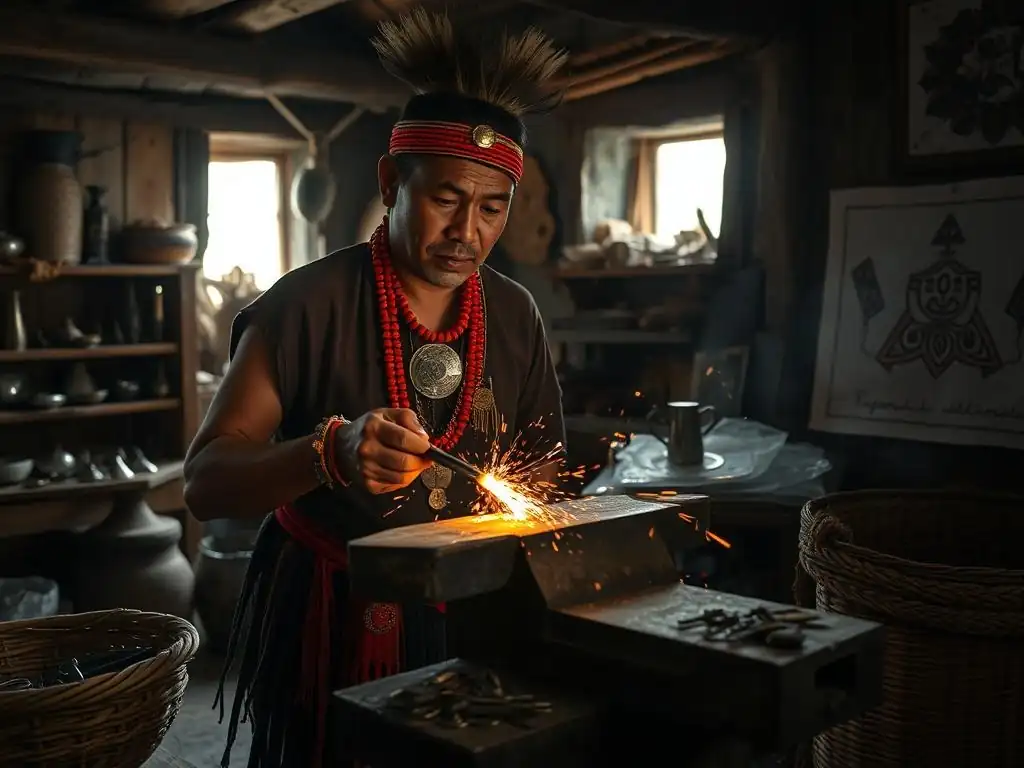
Welcome to Indigenous Civilizations of the Americas, where we delve into the rich tapestry of cultures that flourished long before European contact. Here, you will embark on a journey through the intricate achievements and sophisticated social structures of these remarkable societies. Our featured article, "Craftsmanship and Culture: The Role of Metallurgy in Indigenous Social Structures," unravels the profound influence of indigenous metallurgy on community dynamics and cultural identity. Prepare to be captivated by stories of innovation and resilience that continue to shape our understanding of history. Dive deeper and discover how these ancient practices resonate in today's world!
- Introduction to Indigenous Metallurgy and Social Structures
- Historical Context of Metallurgy in Indigenous Societies
- Types of Metals Used in Indigenous Metallurgy
- Craftsmanship in Indigenous Metallurgy
- The Role of Metallurgy in Social Structures
- The Relationship Between Metallurgy and Cultural Practices
- Challenges and Changes in Indigenous Metallurgy
- Conclusion: The Legacy of Indigenous Metallurgy in Social Structures
-
Frequently Asked Questions
- What is the significance of indigenous metallurgy in pre-colonial societies?
- How did metallurgy influence social structures among indigenous peoples?
- What were some notable achievements in indigenous metallurgy?
- How did the introduction of European metals affect indigenous craftsmanship?
- What lasting impacts did indigenous metallurgy have on contemporary cultures?
- Final Reflection: The Enduring Legacy of Indigenous Metallurgy in Social Structures
- Unleash Your Curiosity: Dive Deeper into Indigenous Metallurgy!
Indigenous metallurgy represents a significant yet often overlooked aspect of the rich tapestry of cultures that flourished in the Americas prior to European contact. This craft not only highlights the technological innovations achieved by these societies but also reveals the intricate connections between metallurgy and the social structures they established. As Indigenous peoples developed their metallurgical practices, they forged more than just tools and ornaments; they also shaped social hierarchies, trade networks, and community identities. This article delves into the role of metallurgy in Indigenous cultures, exploring how these practices influenced social organization and cultural expression across various civilizations.
The Importance of Metallurgy in Indigenous Cultures
Metallurgy played a crucial role in the development of Indigenous cultures throughout the Americas. From the intricate goldwork of the Inca to the copper tools of the Ancestral Puebloans, metallurgy was not merely a means of production; it served as a cultural symbol that conveyed status, identity, and technological prowess.
- Technological Innovations: Indigenous communities developed sophisticated techniques for extracting and working with metals. The mastery of metallurgy facilitated advancements in tools, weapons, and ceremonial objects, which were vital for daily life and spiritual practices.
- Trade and Economy: The production of metal goods often led to the establishment of extensive trade networks. For example, the Muisca of present-day Colombia used gold and emeralds not only for local use but also as items of trade, influencing economic relationships among different tribes.
- Cultural Significance: In many cultures, metal objects were imbued with spiritual meaning. For instance, the intricate designs on metal artifacts often represented tribal identity or depicted important myths and legends, reinforcing community bonds and cultural heritage.
The social structures of Indigenous peoples were diverse and complex, shaped by a variety of factors including geography, resources, and cultural practices. Metallurgy often played a pivotal role in these structures by influencing social hierarchy and community organization.
- Hierarchy and Status: In many cultures, access to metal resources and the skills to create metal goods were indicators of social status. Elite classes often had exclusive control over metalworking, which allowed them to display wealth through ornate items, thus reinforcing their societal position.
- Gender Roles: The practice of metallurgy also intersected with gender roles within various communities. In some cultures, men were primarily responsible for mining and smithing, while women played significant roles in the crafting and decoration of metal objects, creating a dynamic interplay of skills and responsibilities.
- Community Identity: Metallurgical practices frequently served to unify communities, acting as a marker of cultural identity. Shared knowledge of metalworking techniques, symbols, and styles fostered a sense of belonging and continuity among group members.
The exploration of Indigenous metallurgy and its relationship with social structures unveils a deeper understanding of how these cultures innovated and adapted. As we delve further into these topics, we will uncover the fascinating intersections of technology, culture, and society that defined the Indigenous civilizations of the Americas.
Historical Context of Metallurgy in Indigenous Societies
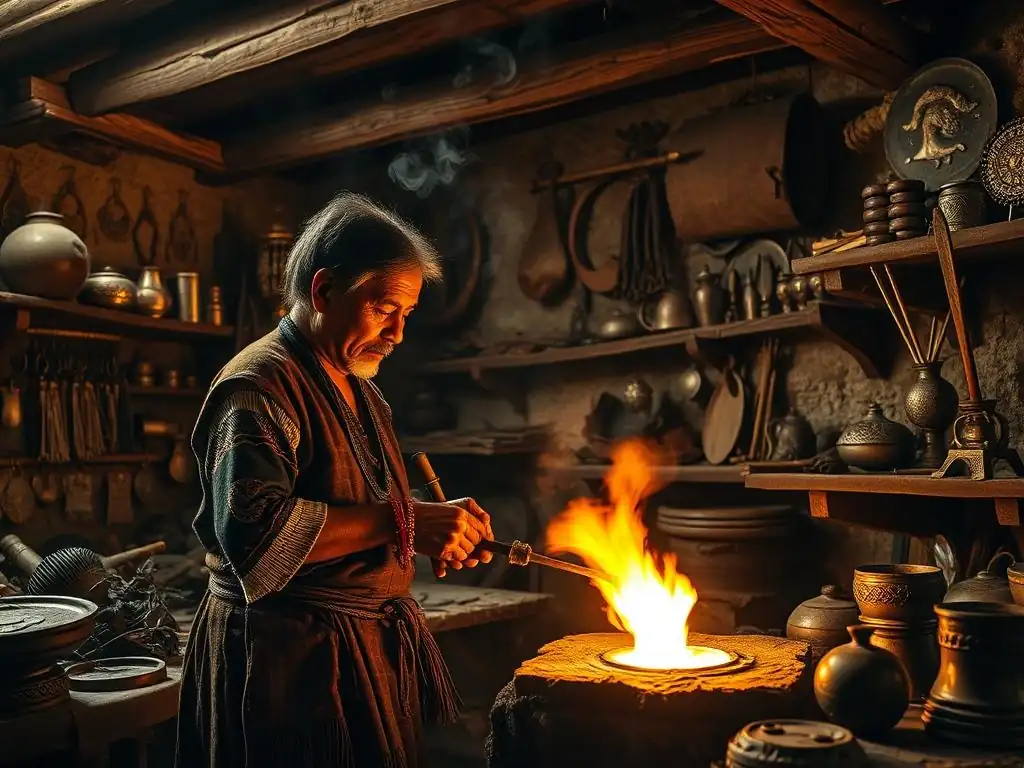
The development of metallurgy among indigenous societies in the Americas is a testament to their innovative spirit and adaptability. Prior to European contact, many indigenous cultures were engaged in advanced metallurgical practices that played a crucial role in their social structures. Understanding the historical context of metallurgy allows us to appreciate its significance in the daily lives, economies, and spiritual beliefs of these communities.
Origins of Metallurgy Among Indigenous Peoples
The origins of metallurgy among indigenous peoples can be traced back to several key developments. Evidence suggests that the earliest use of metals began around 1200 BCE in regions such as South America and Mesoamerica. The discovery and manipulation of native metals, particularly copper, gold, and silver, marked a significant turning point in the technological and cultural evolution of these societies.
- Copper: The earliest metallurgical practices often involved the use of native copper, which could be easily shaped and alloyed. Indigenous peoples in regions like the Great Lakes and the Andes developed techniques for cold-working copper, leading to the creation of tools and decorative items. The use of copper was often associated with social status, as access to this metal was limited.
- Gold and Silver: In contrast, gold and silver were not only used for practical purposes but also held significant cultural and spiritual value. For example, the Moche civilization in Peru created intricate gold and silver artifacts that conveyed status and power. These materials were often used in rituals and burial practices, highlighting their importance in social structures.
The technological advancements in metallurgy also brought about changes in trade networks. As indigenous groups began to produce metal goods, the demand for these items led to an increase in inter-community trade. This exchange of materials and ideas further enriched the cultural tapestry of indigenous societies.
Key Regions of Indigenous Metallurgy Development
Several regions in the Americas became notable centers for the development of metallurgy, each with its unique characteristics and contributions.
- Andean Region
- The Andes Mountains, particularly in modern-day Peru and Bolivia, are renowned for their rich deposits of metals. The Tiwanaku and Inca civilizations mastered the art of metallurgy, producing tools, weapons, and ceremonial objects. The intricate techniques of alloying, such as creating bronze from copper and tin, exemplify their advanced understanding of materials.
- Mesoamerica
- In Mesoamerica, particularly among the Mixtec and Zapotec cultures, metallurgy flourished between 800 and 1500 CE. Artisans created stunning gold and silver jewelry, often adorned with intricate designs that reflected their cosmology and social hierarchy. The use of metallurgy here was closely linked to elite status, as metal objects signified power and wealth.
- North America
- In the Great Lakes region, indigenous peoples, such as the Anishinaabe, utilized copper found in local deposits. They crafted tools, fishing implements, and decorative items, showcasing their skill in metallurgy. The use of metals in these societies was often intertwined with their spiritual beliefs, as certain items were seen as having protective or healing properties.
- Eastern Woodlands
- The indigenous cultures of the Eastern Woodlands, such as the Iroquois, also engaged in the use of metals, though to a lesser extent than their counterparts in the Andes and Mesoamerica. The introduction of European metal tools influenced their craftsmanship and social structures, leading to new forms of trade and interaction.
The role of metallurgy in indigenous social structures is multifaceted, encompassing economic, cultural, and spiritual dimensions. By examining the historical context and key regions of development, we gain a deeper understanding of how indigenous metallurgy shaped the identities and social hierarchies of pre-colonial societies in the Americas.
Types of Metals Used in Indigenous Metallurgy
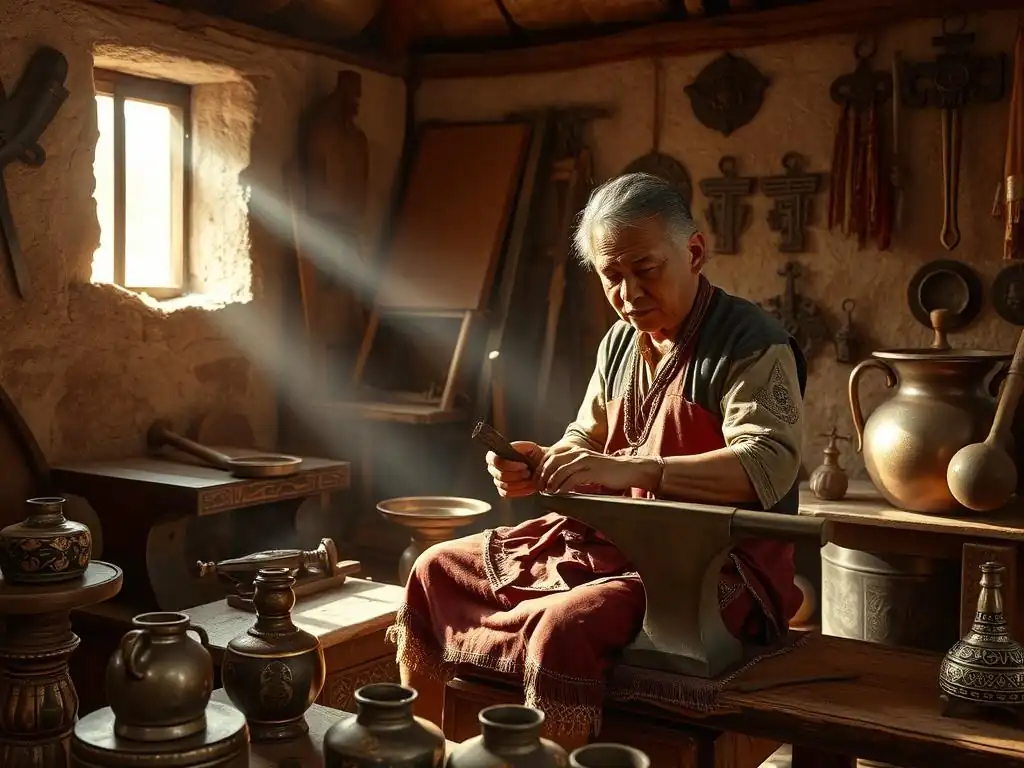
Indigenous metallurgy across the Americas showcases a remarkable diversity in the types of metals and materials utilized by various cultures. Understanding these materials is crucial to appreciate how they influenced social structures and cultural practices. This section explores the predominant metals used in indigenous metallurgy, focusing on copper, bronze, gold, silver, and other alternative materials.
Copper and Bronze: Cultural Significance and Uses
Copper was one of the earliest metals to be utilized in indigenous metallurgy, particularly in regions like Mesoamerica and the Andes. Various cultures developed sophisticated techniques for extracting, smelting, and shaping copper into tools, ornaments, and ceremonial items.
- Cultural Practices: In the Andes, the Moche civilization is renowned for its exquisite copper artifacts, which often held significant ritualistic value. These artifacts were not merely functional but also served as symbols of power and status among elite classes.
- Bronze Alloys: The combination of copper with tin or arsenic led to the creation of bronze, which was more durable and versatile than pure copper. The use of bronze tools and weapons allowed for advancements in agriculture and warfare, thereby reshaping social hierarchies and community interactions.
- Technological Innovations: Indigenous peoples employed various techniques such as casting, forging, and alloying to enhance the properties of copper and bronze. These innovations not only facilitated the production of more complex items but also contributed to the establishment of trade networks, as communities sought out specific alloys for their unique properties.
Gold and Silver: Symbolism and Economic Impact
Gold and silver held profound significance in many indigenous cultures, serving both aesthetic and economic purposes. Their rarity and luster made them desirable not only as precious metals but also as symbols of divinity and power.
- Symbolic Uses: In cultures such as the Inca and Maya, gold was viewed as the "sweat of the sun," embodying life and prosperity. Gold artifacts were often used in religious ceremonies and burials, reflecting the spiritual beliefs of the societies.
- Economic Influence: The ability to craft intricate items from gold and silver facilitated trade both within and beyond indigenous territories. For instance, the extensive trade networks established by the Moche and Inca allowed for the exchange of these precious metals, which played a critical role in the economy and social stratification.
- Artistic Expression: The craftsmanship of gold and silver items was a testament to the advanced metallurgical skills of indigenous peoples. From intricate jewelry to ceremonial masks, these objects not only showcased artistic prowess but also conveyed the social status of their owners, reinforcing the existing power dynamics within communities.
Other Materials: An Overview of Alternative Metals
While copper, bronze, gold, and silver were the primary focus of indigenous metallurgy, various other materials also played a role in the development of tools and cultural artifacts.
- Lead and Tin: In some regions, lead and tin were utilized, although less commonly than copper or gold. Lead might have been used for specific tools or weights, while tin was sometimes alloyed with copper to create bronze.
- Metallurgical Practices: Indigenous cultures often employed a wide range of techniques to manipulate these metals, including hammering, casting, and annealing.
- Ceramics and Composites: Beyond metals, many cultures also used ceramics and composite materials. For example, some indigenous groups combined metal with organic materials to create stronger, more functional tools.
Indigenous metallurgy reflects a rich tapestry of cultural significance, economic impact, and technological advancement. The metals and materials used not only shaped the physical world of these civilizations but also influenced their social structures and cultural identities. Understanding these elements is essential for appreciating the complexities of indigenous societies prior to European colonization.
Craftsmanship in Indigenous Metallurgy
Indigenous metallurgy played a vital role in the social structures of various cultures across the Americas. The craftsmanship involved in metalworking not only reflects the technical skills of these societies but also highlights their complex social hierarchies, trade networks, and cultural practices. From the intricate designs of jewelry to the functional tools that facilitated daily life, indigenous metallurgy was deeply embedded in the fabric of their communities.
Techniques and Tools Used in Indigenous Metalworking
Indigenous metallurgists employed a range of innovative techniques and tools that showcased their advanced understanding of materials. Some notable techniques included:
- Cold Hammering: A common method used to shape metals without the application of heat. This technique allowed artisans to create finely detailed designs on surfaces.
- Casting: Indigenous cultures, particularly in Mesoamerica and the Andes, utilized casting techniques to produce items such as figurines and ceremonial objects. They often used molds made from stone or clay to create intricate shapes and forms.
- Alloying: The ability to mix different metals to create alloys demonstrated a sophisticated understanding of material properties. For example, indigenous peoples in South America created bronze by combining copper with tin or arsenic.
Tools were essential in these processes, and indigenous metalworkers crafted specific implements that included:
- Hammers: Often made from stone or metal, these were used for shaping and refining metal pieces.
- Anvils: Typically fashioned from hard stones, anvils provided a sturdy surface for metalworking.
- Molds: Used in casting, these could be made from various materials depending on the complexity of the desired object.
These techniques not only facilitated the production of metal artifacts but also contributed to social organization by creating specialized roles within communities.
The Role of Artistry in Metallurgical Practices
Artistry in metallurgy among indigenous cultures extended beyond mere functionality; it was a crucial aspect of identity, spirituality, and social stratification. The aesthetic choices made by metalworkers often reflected the cultural narratives and values of their communities.
Symbolism and Spirituality
Many indigenous metal artifacts were imbued with symbolic meaning, often representing deities, ancestral figures, or natural elements. For instance, the intricate designs found in the jewelry of the Muisca people served not only as adornments but also as talismans that conveyed spiritual protection and social status.
Social Hierarchies
The artistry involved in metallurgy could signify social stratification within communities. High-quality, elaborately designed metal objects were often reserved for leaders or individuals of high status, reinforcing their authority and influence. Conversely, simpler pieces were typically produced for everyday use, highlighting the distinctions in access to resources and training among different social classes.
The integration of artistry into metallurgical practices underscores the importance of cultural expression in indigenous societies and serves as a testament to their rich heritage.
Case Studies of Notable Indigenous Metal Artifacts
Examining specific artifacts can provide insight into the technologies and social structures of indigenous metallurgical practices. Here are some notable examples:
-
The Tumbaga Alloy of the Muisca People
Tumbaga, a gold-copper alloy, was widely used by the Muisca civilization in present-day Colombia. Artifacts made from Tumbaga, such as the famous "El Dorado" figurines, illustrate not only their advanced metallurgical skills but also their intricate social systems, as these items were often used in rituals and to signify wealth.
-
Inca Gold Mask
The Inca civilization is renowned for its gold craftsmanship. The ceremonial masks created for their leaders were not merely decorative; they served to reinforce the divine authority of rulers and were often used in important religious ceremonies. The use of gold in these artifacts symbolized power and connection to the gods.
-
Copper Tools of the Great Lakes Tribes
Indigenous groups around the Great Lakes, such as the Anishinaabe, crafted tools and weapons from native copper. These items were essential for survival and trade, demonstrating the integration of metallurgy into their daily lives and the importance of resource management within their social structures.
These case studies illustrate the diverse applications of metallurgy in indigenous cultures and reveal how craftsmanship served as a foundation for social organization, trade, and cultural identity across the Americas.
The exploration of indigenous metallurgy and its social implications unveils a complex interplay of artistry, technology, and culture, highlighting the rich legacy of these civilizations.
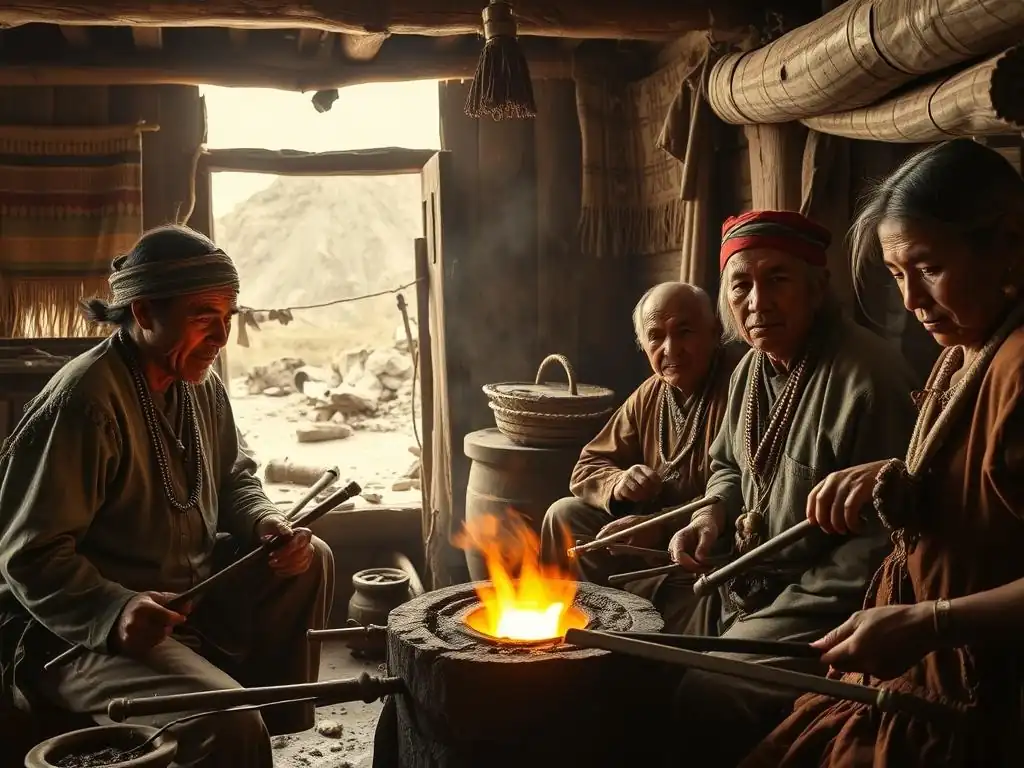
Metallurgy played a pivotal role in shaping the social structures of various indigenous cultures across the Americas. The ability to extract and manipulate metals not only facilitated technological advancements but also influenced the dynamics of power, trade, and identity within these societies. As indigenous peoples developed their metallurgical skills, they created complex social hierarchies and intricate trade networks, which were often intertwined with their cultural practices and beliefs.
Indigenous metallurgy significantly impacted social hierarchies by establishing elite classes associated with the production and control of metal goods. Societies such as the Andean civilizations, including the Inca, showcased how the control over metallurgical resources could translate into power and prestige.
- Craft Specialization: In many indigenous communities, metallurgists became specialized craftsmen, gaining respect and status due to their unique skills. This specialization often led to the emergence of social stratification, where those who excelled in metalworking assumed higher social positions.
- Access to Resources: Control over access to valuable metal ores dictated power dynamics within societies. For instance, communities located near rich deposits of copper or gold often became influential trade hubs, increasing their social standing relative to neighboring groups.
- Ceremonial Significance: Metals were not only functional but also held ceremonial importance. The creation of intricate metal artifacts, such as jewelry and religious symbols, reinforced the status of elites and their connection to spiritual beliefs. These items often served as markers of identity, distinguishing social classes based on the quality and style of metalwork.
The Impact of Metalworking on Trade and Economy
The development of metallurgy had profound implications for trade and economic systems among indigenous peoples. Metalworking facilitated the creation of goods that were not only practical but also highly sought after in trading networks.
- Trade Networks: Indigenous metallurgy allowed for the production of durable and valuable items such as tools, ornaments, and ceremonial objects. These goods became critical commodities in extensive trade networks, linking different cultures and regions. For example, the exchange of copper goods among the Mississippian culture fostered connections across vast distances.
- Economic Exchange: The emergence of metal items led to new forms of economic exchange, where metal goods often held intrinsic value. This trade expanded local economies and allowed for the accumulation of wealth among certain groups, further reinforcing social hierarchies.
- Resource Management: The ability to smelt and forge metals required knowledge and resource management, which contributed to the economic sustainability of communities. Those who controlled the metallurgical processes often gained economic power, influencing community decisions and resource allocation.
Metallurgy as a Marker of Identity and Community Cohesion
Metallurgy served as a vital marker of identity and played a crucial role in fostering community cohesion among indigenous groups. The techniques and styles of metalworking became distinctive cultural expressions that reinforced group identity.
- Cultural Expression: Different indigenous cultures developed unique metallurgical techniques and styles that reflected their values, beliefs, and histories. For instance, the intricate goldwork of the Muisca or the copper artifacts of the Great Lakes tribes served not only practical purposes but also expressed cultural identity.
- Collective Identity: The shared practices in metallurgy helped to unify communities. Participation in metalworking traditions created bonds among individuals, enhancing social cohesion and a sense of belonging. Rituals and celebrations surrounding metalwork often brought communities together, reinforcing their collective identity.
- Resistance and Resilience: In many cases, metallurgical traditions became symbols of resistance against colonization. For indigenous groups facing external pressures, the preservation and adaptation of their metallurgical practices served as a means to assert their identity and heritage, fostering resilience in the face of change.
The interplay between indigenous metallurgy and social structures reveals a complex relationship where craftsmanship not only enhanced technological capabilities but also shaped cultural identities, economic systems, and hierarchical dynamics within diverse communities across the Americas.
The Relationship Between Metallurgy and Cultural Practices
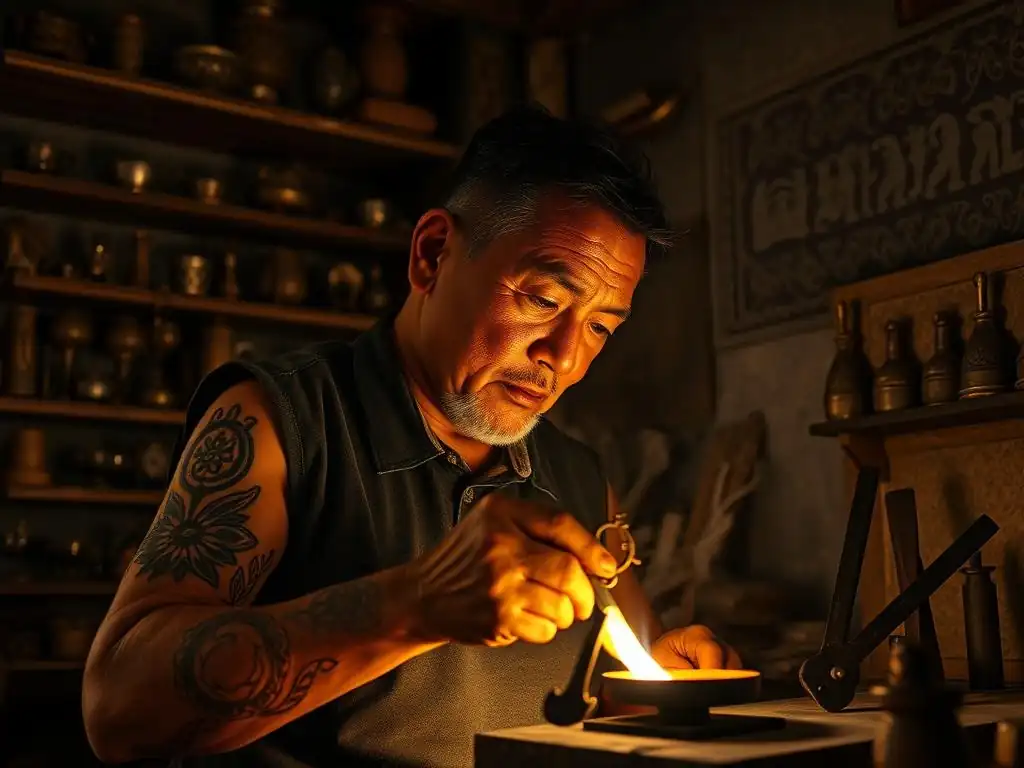
Metallurgy played a crucial role in shaping the cultural practices of various indigenous civilizations across the Americas. The ability to extract, refine, and manipulate metals not only facilitated technological advancements but also fostered deeper social connections, symbolisms, and traditions within these communities. Indigenous metallurgy is often intertwined with spiritual beliefs, community identity, and social hierarchies, illustrating how the crafting of metal objects transcended mere utility to become a vital aspect of cultural expression.
Rituals and Ceremonies Involving Metalwork
Indigenous metallurgy was deeply embedded in the rituals and ceremonies of many cultures. Metal objects were often crafted with specific intentions, serving as offerings, symbols of power, or items of spiritual significance. For instance:
- Ceremonial Artifacts: Many indigenous groups created metal artifacts specifically for use in rituals. These artifacts could include ceremonial knives, jewelry, and ornaments that were believed to possess spiritual properties. For example, the Muisca people of present-day Colombia fashioned gold objects to be used in rituals dedicated to their gods, reflecting their belief in the metal's divine association.
- Symbolic Offerings: In several cultures, metalwork served as a form of offering to deities or ancestors. The Inca civilization, renowned for its advanced metallurgy, often created intricate metal offerings intended to please their gods and ensure prosperity for the community. Such practices not only reinforced communal bonds but also highlighted the importance of metallurgy in their spiritual life.
- Status and Identity: Metal objects often symbolized social status within indigenous societies. The possession of certain metal items could signify a person’s rank or role within the community. For example, high-ranking officials in the Aztec Empire wore elaborate gold ornaments, indicating their authority and importance.
These practices illustrate how indigenous metallurgy was not merely a craft but a vital aspect of the social and spiritual fabric of these cultures.
The Influence of Metallurgy on Indigenous Art and Design
Indigenous metallurgy significantly influenced the art and design seen across various cultures in the Americas. The manipulation of metals allowed artisans to create unique and intricate designs, which often reflected the beliefs, values, and aesthetics of their societies. Key aspects include:
- Artistic Techniques: Indigenous metalworkers employed a range of techniques, including casting, hammering, and engraving, to produce artistic pieces that were both functional and decorative. The use of repoussé, a technique where metal is shaped by hammering from the reverse side, was prevalent among cultures such as the Mississippians, who created beautiful copper plates with intricate designs.
- Symbolism in Design: Many metal objects carried significant cultural symbolism. For example, the use of certain motifs or shapes often represented elements of nature, deities, or ancestral lineage. The Huichol people of Mexico, known for their vibrant beadwork and metal designs, incorporated symbols representing their spiritual beliefs into their metal art, creating pieces that are rich in meaning and heritage.
- Cultural Exchange and Innovation: As indigenous groups interacted with one another, they exchanged metallurgical techniques and designs, leading to innovations in metalwork. The introduction of new materials and methods could inspire artisans to experiment with their crafts, resulting in diverse artistic expressions across regions.
The influence of metallurgy on indigenous art and design not only showcases the technical expertise of these cultures but also reflects their spiritual beliefs and social structures, emphasizing the integral role of metalwork in their societies.
Through the exploration of rituals, ceremonies, and artistic expressions associated with indigenous metallurgy, we gain a deeper understanding of how these practices were fundamental to the social structures of diverse cultures across the Americas.
Challenges and Changes in Indigenous Metallurgy
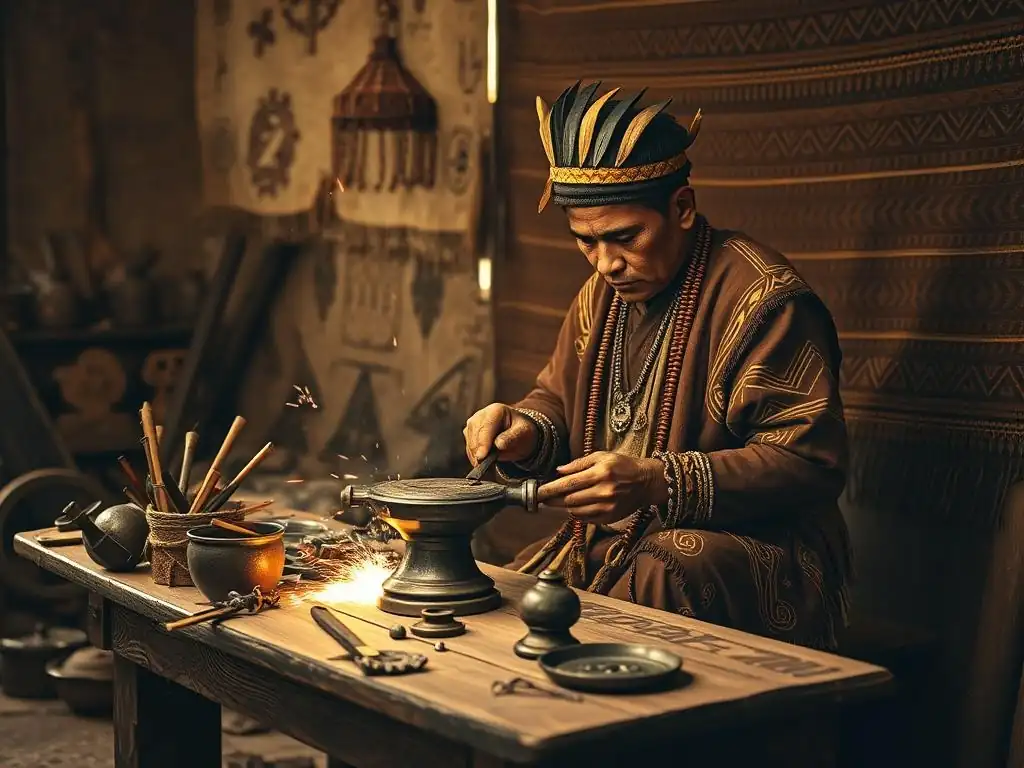
Indigenous metallurgy in the Americas has a rich history marked by both innovation and adaptation. However, the arrival of European colonizers introduced significant challenges and changes to these established metalworking traditions. The impact of colonization was multifaceted, affecting not only the techniques and materials used in metallurgy but also the social structures and cultural practices tied to these crafts.
Effects of Colonization on Indigenous Metalworking Traditions
The colonization of the Americas brought about profound transformations in indigenous metalworking practices. Prior to European contact, various indigenous societies had developed sophisticated metallurgical techniques. For instance, the Muisca of present-day Colombia were known for their advanced goldsmithing, creating intricate gold artifacts that held both cultural and spiritual significance. However, with the arrival of Europeans, these traditions faced unprecedented disruptions:
- Introduction of New Materials: European colonizers brought with them new metalworking materials such as iron and copper, which altered the landscape of indigenous metallurgy. While some communities adopted these materials, others faced challenges integrating them into existing practices.
- Disruption of Traditional Knowledge: The imposition of colonial rule often led to the suppression of indigenous knowledge systems. Skilled artisans were displaced, and knowledge regarding traditional techniques was lost or diluted. This was particularly evident in regions where European interests prioritized extraction over the preservation of indigenous cultures.
- Economic Changes: The shift to colonial economies disrupted traditional trade networks. Indigenous metalworkers who relied on local resources and markets found their livelihoods threatened. Many were forced to adapt to new economic realities, often entering colonial labor systems that devalued their craftsmanship.
- Cultural Erosion: The colonization process also led to a decline in the cultural significance of metallurgy within indigenous societies. As European aesthetics and values permeated indigenous life, many metalworking traditions were relegated to the past, viewed as obsolete or inferior.
Despite these challenges, pockets of resilience emerged among many indigenous groups, leading to adaptations that would influence future generations.
Modern Revivals and Preservations of Indigenous Metallurgy
In recent decades, there has been a notable resurgence of interest in indigenous metallurgy, fueled by a broader movement to reclaim and preserve indigenous cultures. This revival is characterized by several key trends:
- Cultural Revitalization: Indigenous artisans are increasingly embracing their metallurgical heritage, creating works that reflect traditional techniques while incorporating contemporary themes. This movement serves to strengthen cultural identity and bridge generational gaps in knowledge.
- Education and Workshops: Many indigenous communities are establishing workshops and educational initiatives aimed at teaching traditional metalworking techniques. These programs often emphasize hands-on learning, providing younger generations with the skills necessary to continue their cultural practices.
- Collaboration with Artists: Modern indigenous metalworkers are collaborating with artists from various backgrounds, fostering cross-cultural exchanges that enhance their craft. These collaborations often result in innovative pieces that blend traditional techniques with modern aesthetics.
- Support from Organizations: Various organizations are dedicated to supporting the preservation of indigenous craftsmanship. They provide funding, resources, and platforms for artisans to showcase their work, thereby enhancing visibility and appreciation for indigenous metallurgy.
- Cultural Significance: The resurgence of indigenous metallurgy is not merely about craftsmanship; it is also a powerful statement of cultural identity and resistance against historical colonization. By reclaiming their metallurgical heritage, indigenous communities are asserting their place in the narrative of history and contributing to a greater understanding of their cultural legacy.
While indigenous metallurgy faced significant challenges and changes due to colonization, modern efforts to revive and preserve these traditions highlight an enduring connection to cultural identity and social structures. The journey of indigenous metallurgy is not only a testament to resilience but also a celebration of the rich tapestry of human creativity and cultural expression.
Indigenous metallurgy played a pivotal role in shaping the social structures of various pre-Columbian cultures across the Americas. The development and mastery of metalworking techniques not only facilitated advancements in tools and weaponry but also influenced trade, status, and cultural identity within these societies. Here are some key points that highlight the significance of indigenous metallurgy in social structures:
- Material Innovation: Indigenous cultures utilized a variety of metals, including copper, gold, and silver, to create tools, ornaments, and ceremonial objects. The unique properties of these materials allowed them to craft items that were both functional and aesthetically pleasing.
- Social Stratification: The ability to work with metals often established a class of skilled artisans whose expertise elevated their societal standing. For example, in the Andes, metallurgists were highly respected, as their work was integral to both everyday life and religious practices.
- Trade Networks: Metallurgical products were often traded across vast distances, fostering relationships between different indigenous groups. This exchange of materials and techniques not only enhanced economic ties but also facilitated cultural interactions, leading to a more interconnected landscape.
- Cultural Identity: The use of specific metals and crafting techniques became emblematic of various cultures. Distinctive styles in metallurgy contributed to cultural expressions and identities, helping to define community boundaries and reinforce societal cohesion.
- Ritual and Ceremony: Many indigenous cultures incorporated metallurgy into their spiritual practices. Objects crafted from precious metals were often used in rituals, symbolizing wealth, power, and connection to the divine, thus reinforcing social hierarchies.
This multifaceted relationship between indigenous metallurgy and social structures illustrates how technological advancements can deeply influence societal organization and cultural identity.
The Continuing Influence of Indigenous Metallurgy Today
The legacy of indigenous metallurgy extends beyond historical context to influence contemporary society in various ways. The following points explore how the traditions and knowledge of indigenous metallurgy continue to resonate today:
- Revival of Traditional Practices: Many indigenous communities are actively reviving traditional metallurgical practices, integrating ancient techniques into modern craftsmanship. This resurgence not only preserves cultural heritage but also empowers artisans to assert their identities in a globalized market.
- Art and Identity: Modern indigenous artists often draw inspiration from historical metallurgical techniques, creating works that reflect their cultural narratives. This artistic expression serves as a medium to educate broader audiences about indigenous history and values.
- Sustainable Practices: Indigenous metallurgical methods often emphasize sustainability and respect for natural resources. Contemporary initiatives that focus on ethical sourcing and environmentally friendly practices can learn from these traditional approaches, promoting a more sustainable future.
- Cultural Education: The study of indigenous metallurgy and its impact on social structures is increasingly incorporated into educational curricula. This educational focus fosters greater awareness and appreciation of indigenous contributions to metallurgy and the rich histories they encapsulate.
- Recognition and Rights: As indigenous communities reclaim their cultural heritage, there is a growing recognition of their rights to preserve and promote traditional practices. This acknowledgment can lead to greater support for indigenous artisans and their contributions to the metallurgical field.
The influence of indigenous metallurgy on social structures not only shaped past civilizations but continues to impact modern society, emphasizing the importance of preserving these traditions and acknowledging their significance in today's world.
Frequently Asked Questions
What is the significance of indigenous metallurgy in pre-colonial societies?
Indigenous metallurgy played a crucial role in the economic and social structures of various cultures, enabling them to create sophisticated tools, ornaments, and trade items that enhanced their social status and community interactions.
The development of metalworking skills often led to the emergence of specialized roles and social stratification, where skilled artisans gained prestige and their craftsmanship became integral to community identity and cohesion.
What were some notable achievements in indigenous metallurgy?
Indigenous peoples, such as the Inca and Mesoamerican civilizations, produced remarkable metalwork, including intricate jewelry and tools, showcasing their advanced techniques and artistic expression long before European contact.
How did the introduction of European metals affect indigenous craftsmanship?
The arrival of Europeans brought new metals and tools, which altered traditional craftsmanship practices. Indigenous communities often adapted these materials, leading to a blend of old and new techniques in their metalworking.
What lasting impacts did indigenous metallurgy have on contemporary cultures?
The techniques and cultural significance of metallurgy continue to influence modern indigenous artisans, preserving ancestral knowledge and promoting a sense of identity through the revival of traditional craftsmanship and practices.
The intricate relationship between craftsmanship and culture is more relevant today than ever, as we recognize the profound impact of Indigenous metallurgy and social structures on our understanding of community and identity. The artistry and technical prowess of Indigenous metallurgists not only shaped their societies but also serve as a testament to the resilience and ingenuity of cultures that have thrived for centuries.
The influence of Indigenous metallurgy extends beyond mere functionality; it is a vital thread in the fabric of cultural identity and social cohesion. As we explore the historical significance of these practices, we see how they fostered community bonds and established hierarchies that resonate in contemporary discussions about cultural heritage and sustainability. Craftsmanship is not just about making things; it’s about making meaning.
This perspective invites us to appreciate how the skills and traditions of Indigenous metallurgists continue to inspire and inform modern practices in art, technology, and social organization.
As we reflect on the lessons of Indigenous metallurgy, let us embrace the call to honor and integrate these rich traditions into our lives. Consider how you can apply the principles of craftsmanship, community, and respect for materials in your own endeavors. By doing so, you not only celebrate the legacy of Indigenous cultures but also contribute to a more interconnected and respectful world, where the past informs the present and shapes a sustainable future.
Unleash Your Curiosity: Dive Deeper into Indigenous Metallurgy!
Thank you for taking the time to explore the intricate relationship between craftsmanship and culture in Indigenous social structures. Your interest not only enriches your understanding but also honors the legacy of these remarkable civilizations. Now, let's put that knowledge into action and continue our journey together!
Here are a few ways you can engage further with this fascinating topic:
- Explore Local Artisans: Visit local galleries or online platforms that showcase Indigenous artisans. Support their work and gain insights into ancient metallurgical techniques!
- Share Your Insights: Start a conversation by sharing this article with friends and community members. Discuss how metallurgy shaped not only tools but also societal bonds among Indigenous peoples.
- Join a Workshop: Look for workshops focused on traditional crafting or metallurgy techniques in your area. Engaging hands-on with these skills could deepen your appreciation and knowledge!
How might understanding the role of metallurgy in Indigenous cultures influence our perspective on contemporary craftsmanship today? We’d love to hear your thoughts in the comments below!