
Linguistic Diversity: Exploring the Rich Tapestry of Indigenous Languages in the Americas

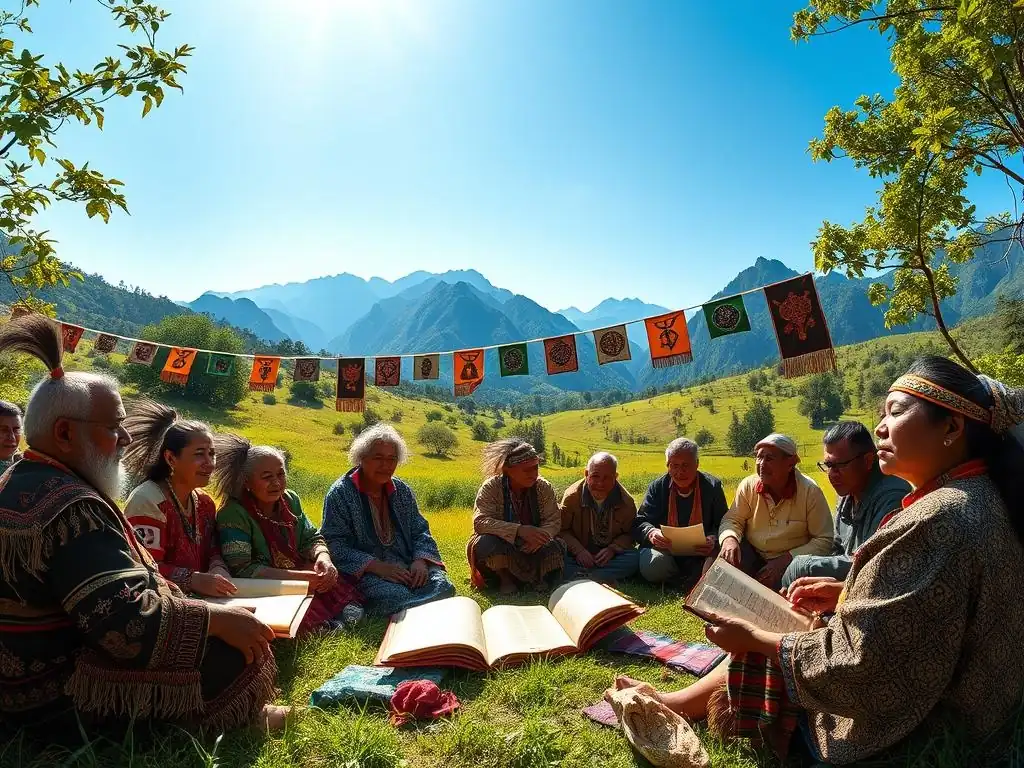
Welcome to Indigenous Civilizations of the Americas, where we invite you to embark on a journey through the vibrant tapestry of indigenous cultures that flourished long before European contact. In our featured article, "Linguistic Diversity: Exploring the Rich Tapestry of Indigenous Languages in the Americas," you'll uncover the profound significance of indigenous languages, each a unique thread woven into the fabric of history, identity, and communication.
As you delve deeper, prepare to be intrigued by the stories of resilience and creativity that these languages embody, and discover how they continue to shape the cultural landscape of the Americas today. Join us in celebrating this remarkable legacy and ignite your curiosity about the voices that have enriched our world.
- Introduction to Indigenous Languages of the Americas
- Historical Context of Indigenous Languages
- Major Language Families of Indigenous Languages of the Americas
- The Role of Indigenous Languages in Cultural Expression
- Challenges Facing Indigenous Languages Today
- Efforts in Linguistic Preservation of Indigenous Languages
- Case Studies of Successful Language Revitalization
- The Future of Indigenous Languages in the Americas
- Conclusion: The Significance of Preserving Indigenous Languages
- References
- Frequently Asked Questions
- Final Reflection: Embracing the Legacy of Indigenous Languages
- Embrace and Celebrate Indigenous Languages Today!
Introduction to Indigenous Languages of the Americas
The indigenous languages of the Americas represent a rich and intricate tapestry of human expression, encapsulating the histories, cultures, and worldviews of numerous indigenous communities. Before European colonization, these languages flourished across the vast landscapes of North, Central, and South America, each contributing unique linguistic features and cultural significance.
Today, as we delve into the exploration of these languages, we uncover not only the complexities of their grammar and vocabulary but also their profound role in shaping cultural identity and heritage. Understanding and preserving these languages is vital, as they serve as a living testament to the resilience and continuity of indigenous cultures in the face of historical challenges.
Importance of Indigenous Languages in Cultural Identity
Indigenous languages are far more than mere communication tools; they are vital carriers of cultural identity and heritage. Each language encapsulates the traditions, beliefs, and values of its speakers, acting as a bridge between generations. Here are some key reasons why indigenous languages are essential for cultural identity:
- Cultural Continuity: Language is a primary vehicle for transmitting knowledge, customs, and traditions. When a language is spoken, it keeps the associated cultural practices alive.
- Worldview Expression: Indigenous languages often contain unique concepts and terminologies that reflect the specific worldview of their speakers, including their relationship with nature, spiritual beliefs, and social structures.
- Community Cohesion: Speaking a common language fosters a sense of belonging and unity among community members, reinforcing social bonds and collective identity.
- Resistance to Colonization: Language preservation can be viewed as an act of resistance against cultural assimilation and colonial legacies. By maintaining their languages, indigenous peoples assert their identity and autonomy.
Overview of Linguistic Diversity in the Americas
The Americas are home to an astonishing diversity of indigenous languages, with estimates ranging from 300 to over 1,000 distinct languages spoken across the continent. This linguistic diversity can be categorized into several major language families, each with its unique characteristics:
- Algonquian: This family includes languages spoken by many tribes in North America, such as the Ojibwe and the Cree.
- Uto-Aztecan: Spanning from the United States to Mexico, this family comprises languages like Nahuatl and Hopi.
- Mayan: Predominantly found in Central America, the Mayan languages, such as Yucatec and K'iche', are vital to understanding ancient and contemporary Maya culture.
- Quechuan: Primarily spoken in the Andean region, Quechua languages are integral to the identity of indigenous peoples in countries like Peru and Bolivia.
- Tupian: This family includes languages spoken in Brazil and Paraguay, such as Guarani, which holds an important place in regional identity.
The vast array of indigenous languages highlights not only the rich cultural heritage of the Americas but also the pressing need for linguistic preservation efforts. As globalization continues to influence indigenous communities, many languages face the threat of extinction, making the documentation and revitalization of these languages crucial for future generations.
Historical Context of Indigenous Languages

Pre-Colonial Linguistic Landscape
Before the arrival of European colonizers, the Americas were home to an astonishing variety of indigenous languages. Linguists estimate that there were over 300 distinct languages spoken across the continent, belonging to over 25 language families. Each language reflected the unique cultural identities, social structures, and ecological knowledge of its speakers.
Language Families
The major language families included:
- Algic: Encompassing languages spoken in the Northeastern U.S. and parts of Canada, such as Ojibwe and Algonquin.
- Iroquoian: Spoken primarily in the Northeastern U.S. and Canada, with languages like Mohawk and Seneca.
- Siouan: Found in the Great Plains, including languages such as Lakota and Dakota.
- Uto-Aztecan: With a wide geographical spread, this family includes languages like Nahuatl in Mexico and Hopi in the U.S.
- Mayan: A language family that includes languages such as Yucatec and K'iche' spoken in Mesoamerica.
Each of these families contributed to a rich tapestry of linguistic diversity that shaped communication, storytelling, and cultural practices among indigenous peoples.
Influence of European Colonization on Indigenous Languages
The arrival of European colonizers in the 15th century marked a significant turning point for the indigenous languages of the Americas. Colonization brought about profound social, political, and economic changes that had lasting impacts on these languages.
Language Decline and Shift
European powers, driven by conquest and colonization, imposed their languages—primarily Spanish, English, and Portuguese—over indigenous tongues. This led to:
- Language Shift: Many indigenous communities began to adopt European languages for trade, governance, and education, often at the expense of their native languages.
- Declining Number of Speakers: As colonial policies favored European languages, the number of speakers of indigenous languages drastically declined. By the late 19th century, some languages were already classified as endangered or extinct.
Cultural Erasure
The suppression of indigenous languages was often accompanied by policies aimed at erasing indigenous cultures. For example:
- Residential Schools: In many regions, indigenous children were forcibly removed from their families and placed in schools where they were prohibited from speaking their native languages, leading to generational language loss.
- Cultural Assimilation: Colonial powers implemented assimilation policies that devalued indigenous languages and cultures, further contributing to their decline.
Resilience and Revitalization
Despite these challenges, many indigenous communities have shown remarkable resilience. Efforts to revitalize and preserve indigenous languages are gaining momentum, with initiatives that include:
- Language Revitalization Programs: Many communities have established educational programs aimed at teaching young people their ancestral languages.
- Documentation Projects: Linguists and community members are collaborating to document and record endangered languages, ensuring that they are preserved for future generations.
The historical context of indigenous languages in the Americas is marked by rich diversity and profound challenges. Understanding this context is crucial for appreciating the ongoing efforts to preserve and revitalize these languages and the cultures they embody.
Major Language Families of Indigenous Languages of the Americas
Overview of Language Families
The Indigenous languages of the Americas encompass a vast array of linguistic diversity, estimated to include over 300 distinct languages grouped into several major language families. These families reflect the rich cultural and historical contexts of the indigenous peoples who spoke them. Understanding these language families is crucial for linguistic preservation efforts and for recognizing the intricate tapestry of communication that existed across the continent before European contact.
The following sections will delve into some of the prominent language families, each of which comprises numerous languages and dialects, showcasing the unique characteristics of the indigenous cultures associated with them.
Algic Language Family
The Algic language family is one of the most prominent groups of Indigenous languages in North America, primarily spoken by tribes in the northeastern United States and parts of Canada. This family is divided into two main branches: Algonquian and Yurok-Algic.
- Algonquian Languages: This branch includes well-known languages such as:
- Ojibwe
- Cree
- Blackfoot
- Passamaquoddy
The Algonquian languages exhibit a rich system of oral tradition and storytelling, which has played a pivotal role in preserving cultural identity.
- Yurok-Algic: Spoken in Northern California, Yurok is one of the few surviving languages from this branch, illustrating the linguistic diversity within the Algic family.
Uto-Aztecan Language Family
The Uto-Aztecan language family is another significant group that spans a vast region from the western United States to Mexico. This family is known for its extensive number of languages, including:
- Hopi
- Nahuatl (the language of the Aztecs)
- Shoshone
- Tewa
Many Uto-Aztecan languages are characterized by their use of prefixes and inflections, which modify the meanings of words. The cultural heritage associated with these languages is rich, with traditions such as the Hopi's intricate ceremonial practices and the Nahuatl's profound influence on modern Mexican Spanish.
Mayan Language Family
The Mayan language family is one of the most well-documented and studied families of indigenous languages, primarily spoken in Southern Mexico and Central America. This family includes languages such as:
- Yucatec Maya
- K'iche'
- Q'eqchi'
- Mam
Mayan languages are known for their complex grammatical structures and rich vocabulary. The Maya civilization has made significant contributions to art, astronomy, and writing, with the Maya script being one of the few fully developed writing systems in pre-Columbian America. The preservation of these languages is vital for understanding the cultural legacy of the Maya.
Muskogean Language Family
The Muskogean language family is predominantly found in the southeastern United States and includes languages spoken by tribes such as the Creek, Choctaw, and Chickasaw.
- Languages in this family:
- Muscogee (Creek)
- Choctaw
- Chickasaw
Muskogean languages are characterized by their use of tone and have significantly influenced the regional dialects of English in the area. The preservation of these languages is critical for maintaining the cultural narratives and identities of the tribes that speak them.
Dialectal Variations within Language Families
Within each language family, dialectal variations present a fascinating aspect of the Indigenous languages of the Americas. These variations often reflect geographical, social, and cultural differences among speakers.
- Factors Influencing Dialectal Variations:
- Geography: Isolation of communities can lead to significant linguistic divergence. For example, the Cree language has multiple dialects such as Plains Cree and Swampy Cree, influenced largely by the geographic distribution of the tribes.
- Social Interaction: Interactions between different tribes or communities can also lead to the adoption of new words or phrases, creating hybrid dialects.
Understanding these dialectal variations is essential for linguists and anthropologists, as they provide insights into the historical migrations, social structures, and cultural interactions of indigenous peoples. For preservation efforts, recognizing and documenting these dialects is vital to maintaining the linguistic heritage of the Americas.
The Role of Indigenous Languages in Cultural Expression
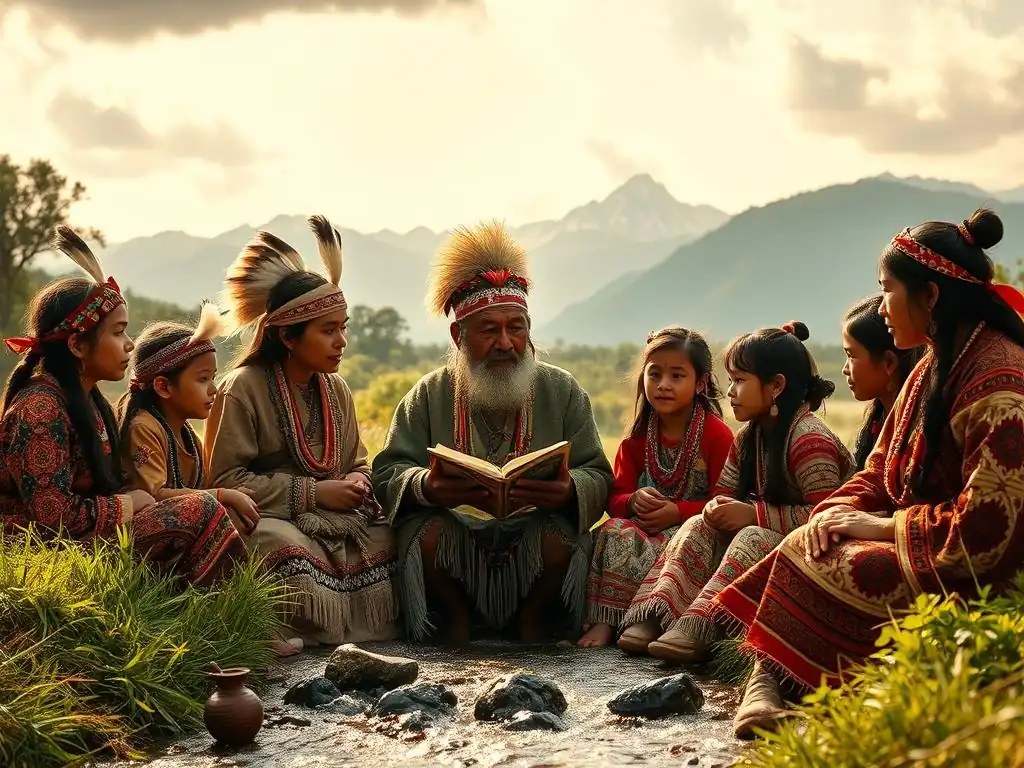
Indigenous languages of the Americas play a crucial role in the cultural expression of their respective communities. These languages are not merely tools for communication; they embody the history, traditions, and worldviews of diverse indigenous peoples. Each language carries unique concepts and vocabulary that reflect the values and beliefs of the culture it represents, making them essential for preserving and transmitting cultural heritage.
Linguistic diversity enriches the cultural tapestry of the Americas, with languages often interwoven into daily life, artistic expression, and communal activities. Understanding this relationship between language and culture is vital for appreciating the significance of indigenous languages and their preservation.
Oral Traditions and Storytelling
Storytelling is a fundamental aspect of many indigenous cultures, serving as a means of transmitting knowledge, values, and history across generations. Oral traditions encompass a variety of narrative forms, including myths, legends, and folktales, each intricately linked to the language in which they are told.
- Cultural Transmission:
- Oral traditions often convey teachings about the environment, social norms, and moral lessons.
- For example, the Navajo people use storytelling to impart lessons about harmony with nature and community responsibilities.
- Language as Identity:
- The act of storytelling in native languages reinforces cultural identity and strengthens community bonds.
- Language serves as a vessel for cultural pride, with many indigenous peoples emphasizing the importance of maintaining their native tongue for future generations.
- Literary Forms:
- Many indigenous languages feature unique literary styles, such as metaphor, symbolism, and rhythm, which are critical to the art of storytelling.
- These styles enrich the narrative, making it more engaging and meaningful.
In essence, oral traditions and storytelling encapsulate the essence of indigenous languages, serving as a dynamic medium for cultural expression and preservation.
Rituals and Spiritual Practices in Indigenous Languages
Indigenous languages are also deeply interwoven with rituals and spiritual practices, reflecting the sacred relationship between language, culture, and the natural world. The use of these languages in ceremonial contexts adds layers of meaning and significance to spiritual expressions.
- Sacred Language:
- Many indigenous communities regard their languages as sacred, believing that speaking them connects individuals with their ancestors and the spirit world.
- For instance, the use of the Quechua language in rituals among Andean cultures serves to invoke ancestral spirits and maintain a connection to the land.
- Ceremonial Language:
- Specific languages or dialects may be reserved for ceremonial purposes, highlighting the importance of linguistic context in spiritual practices.
- This practice ensures that certain words, sounds, or phrases carry specific meanings that resonate with the spiritual beliefs of the community.
- Ritualistic Songs and Prayers:
- Many indigenous languages feature unique songs and prayers used in rituals that express gratitude, invoke blessings, and foster community cohesion.
- These liturgical expressions often incorporate traditional knowledge and ecological wisdom, reinforcing the relationship between language, culture, and the environment.
The integration of indigenous languages into rituals and spiritual practices not only enriches these experiences but also underscores the vital role that language plays in the cultural and spiritual identity of indigenous peoples across the Americas. Through understanding and preserving these languages, we can honor the rich spiritual heritage of these communities and their connection to the world around them.
Challenges Facing Indigenous Languages Today
Indigenous languages of the Americas are facing a multitude of challenges that threaten their survival and vitality. Understanding these challenges is crucial for effective strategies aimed at preservation and revitalization. Below, we delve into three critical areas that contribute to the endangerment of these languages: language endangerment and extinction, socioeconomic factors, and the impact of globalization.
Language Endangerment and Extinction
Language endangerment occurs when a language is at risk of falling out of use, typically because it has few speakers left. In the Americas, many indigenous languages are classified as endangered or critically endangered. According to the UNESCO Atlas of the World’s Languages in Danger, over 300 indigenous languages are at risk of extinction, primarily due to declining numbers of native speakers.
- Intergenerational Transmission: One of the most significant factors contributing to language endangerment is the loss of intergenerational transmission. Many younger members of indigenous communities are not learning their ancestral languages, often opting for dominant languages such as English or Spanish. This trend leads to a gradual decline in fluent speakers.
- Cultural Assimilation: As indigenous peoples increasingly assimilate into dominant cultures, the use of indigenous languages diminishes. Cultural practices that once supported language use are being lost, resulting in a vicious cycle where language and culture cannot thrive independently.
- Language Documentation: While efforts to document endangered languages have been increasing, many languages remain undocumented. Language documentation involves recording and analyzing the language to preserve its structure and vocabulary for future generations.
Socioeconomic Factors Impacting Language Preservation
Socioeconomic conditions play a pivotal role in the preservation of indigenous languages. Various factors contribute to the decline of these languages:
- Education Systems: Many indigenous communities face educational systems that prioritize dominant languages, often neglecting indigenous languages. This results in young people receiving little to no formal education in their ancestral languages, leading to a generational gap in language proficiency.
- Economic Opportunities: Economic pressures often force indigenous peoples to migrate to urban areas where opportunities are more abundant, but these environments typically favor dominant languages. As a result, the use of indigenous languages diminishes in favor of languages that facilitate economic advancement.
- Access to Resources: Limited access to educational resources that promote indigenous languages, such as textbooks and qualified teachers, further exacerbates the issue. In many cases, indigenous languages are not included in the curricula, leaving speakers without the tools necessary for language maintenance and revitalization.
Impact of Globalization on Indigenous Languages
Globalization has profound implications for the indigenous languages of the Americas, often leading to both challenges and opportunities:
- Cultural Homogenization: Globalization tends to promote a culture of homogenization, where dominant languages and cultures overshadow local practices. This can lead to a decline in the number of fluent speakers as communities adopt global languages to engage with the wider world.
- Digital Technology: While globalization threatens indigenous languages, it also offers new avenues for preservation. The rise of digital technology provides platforms for language revitalization efforts, including mobile apps, social media, and online learning resources. These technologies can foster connections among speakers and learners, facilitating language use in modern contexts.
- Cultural Exchange: Globalization can also encourage cultural exchange, allowing indigenous communities to share their languages and cultures with a broader audience. This exposure can foster interest and support for language revitalization initiatives, counteracting some of the negative effects of globalization.
The challenges facing indigenous languages of the Americas are complex and multifaceted. However, with increased awareness and dedicated efforts towards language preservation, there is hope for revitalizing these rich linguistic traditions for future generations.
Efforts in Linguistic Preservation of Indigenous Languages
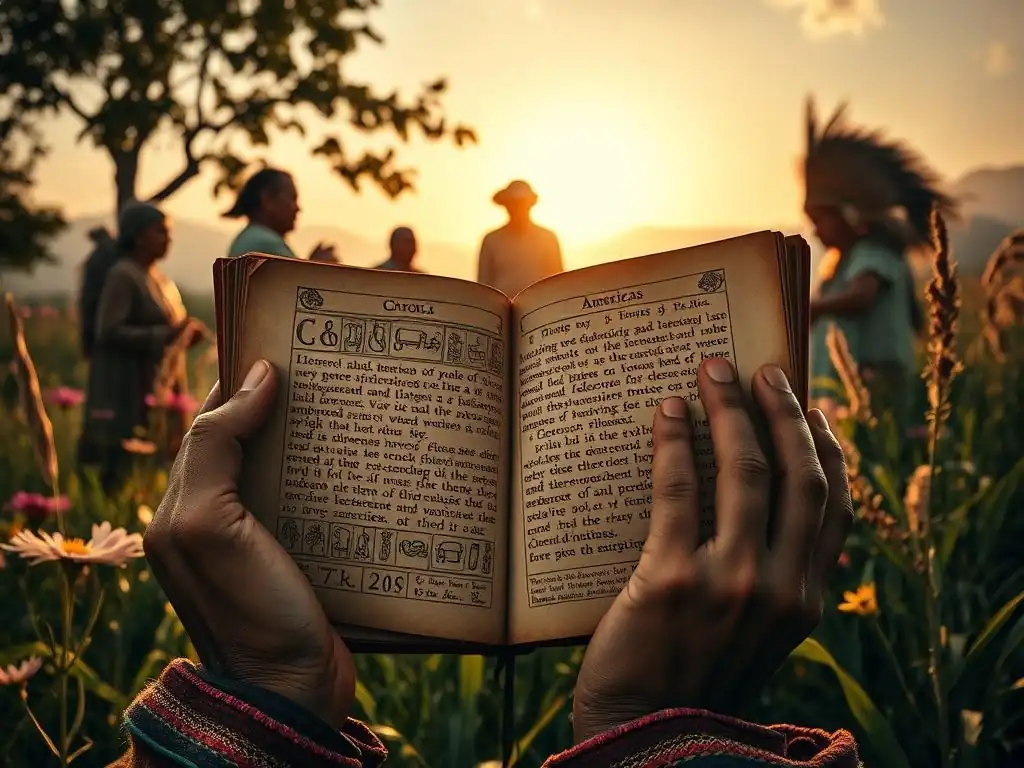
The preservation of Indigenous languages of the Americas is a multifaceted effort that involves various stakeholders, including Indigenous communities, educational institutions, and technological innovators. These efforts are essential not only for maintaining linguistic diversity but also for preserving cultural heritage and identity. The following sections outline the diverse approaches taken towards the revitalization and preservation of Indigenous languages.
Community-Led Initiatives for Language Revitalization
Community involvement is crucial in the revitalization of Indigenous languages. Many Indigenous groups are spearheading initiatives aimed at reclaiming and teaching their languages. These grassroots efforts are characterized by:
- Language Nest Programs: These programs often target young children and involve immersive language experiences facilitated by fluent speakers, typically elders. The goal is to create an environment where the language is spoken naturally, allowing children to learn through daily interactions.
- Cultural Workshops: Community workshops that incorporate language learning with cultural practices, such as traditional storytelling, music, and crafts. These workshops not only teach the language but also reinforce the cultural significance behind the words.
- Language Camps: Seasonal camps where community members gather to focus on immersive language learning. These camps often include activities that promote traditional ecological knowledge alongside language instruction.
These community-led initiatives have shown promising results, increasing the number of fluent speakers and instilling pride in Indigenous languages among younger generations.
Educational Programs Promoting Indigenous Languages
Educational institutions play a critical role in the preservation of Indigenous languages of the Americas. Many schools and universities are implementing specialized programs designed to incorporate Indigenous languages into their curricula. Key elements of these educational programs include:
- Bilingual Education Models: Schools that offer bilingual education in both Indigenous languages and dominant national languages. This model supports students in maintaining their linguistic heritage while also acquiring proficiency in a globally recognized language.
- Teacher Training Programs: Development of training programs for teachers that focus on Indigenous language pedagogy. This ensures that educators are equipped with the necessary skills to teach these languages effectively and respectfully.
- Curriculum Development: Creation of culturally relevant curricula that integrate Indigenous languages with subjects such as history, science, and arts. This approach not only fosters language skills but also provides students with a deeper understanding of their cultural context.
These educational initiatives are crucial for fostering a new generation of speakers and ensuring that Indigenous languages continue to thrive in academic settings.
Technological Tools for Language Learning and Preservation
Advancements in technology offer innovative ways to support the learning and preservation of Indigenous languages of the Americas. Several technological tools are being developed and utilized to enhance language access and education, including:
- Mobile Applications: Language learning apps that provide interactive lessons, vocabulary builders, and pronunciation guides. These apps often include audio recordings by native speakers, making language learning accessible and engaging.
- Online Courses and Resources: Websites dedicated to teaching Indigenous languages through structured online courses, videos, and resources. These platforms make learning available to individuals who may not have access to local language classes.
- Digital Archives: Initiatives to create digital repositories of audio and textual materials in Indigenous languages. These archives serve as valuable resources for researchers, educators, and community members, preserving linguistic heritage for future generations.
By harnessing technology, Indigenous communities and allies are expanding the reach and impact of language preservation efforts, making it easier for individuals to connect with their linguistic roots.
These concerted efforts in community engagement, education, and technology are crucial for safeguarding the Indigenous languages of the Americas, ensuring that they are not only preserved but also actively spoken and celebrated in contemporary society.
Case Studies of Successful Language Revitalization
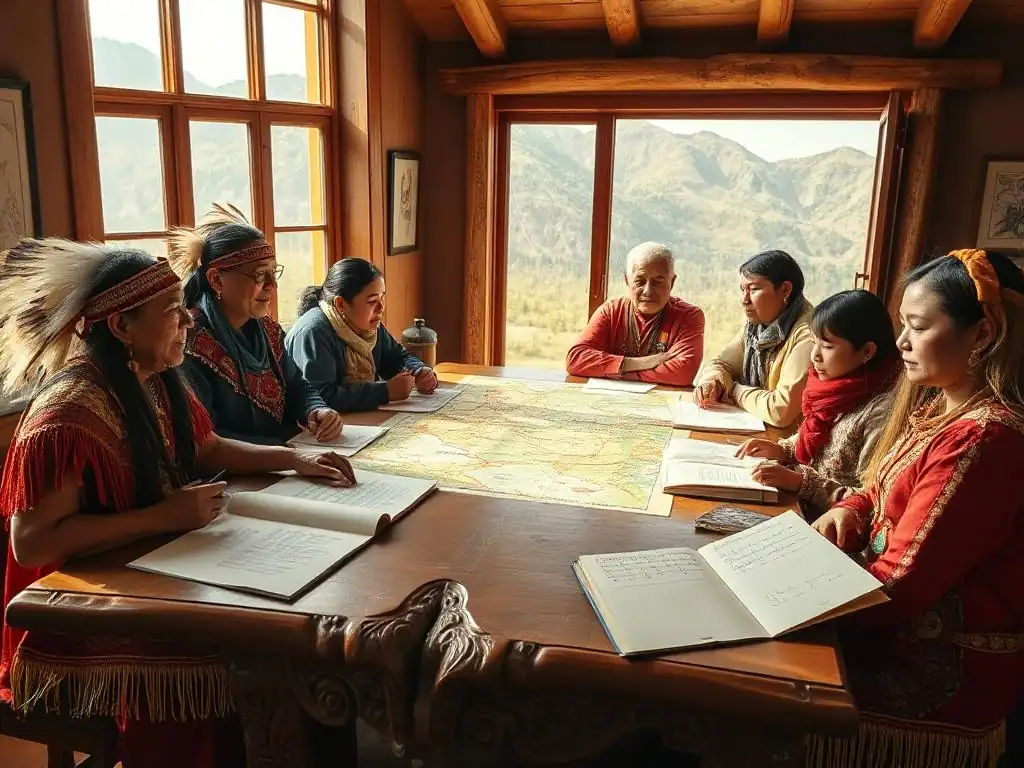
The revitalization of indigenous languages is a crucial aspect of preserving the rich cultural heritage of the Americas. Various communities have undertaken significant initiatives to restore and promote their languages. Here, we explore two notable case studies that exemplify successful language revitalization efforts.
Case Study: Language Revitalization in the Akwesasne Mohawk Community
The Akwesasne Mohawk community, located near the borders of New York, Ontario, and Quebec, has been at the forefront of language revitalization. Historically, the Mohawk language faced severe decline due to colonization, residential schools, and the dominance of English and French. However, various initiatives have emerged to breathe new life into the Mohawk language.
Key Initiatives
- Language Immersion Schools:
- The Akwesasne Freedom School was established to provide an immersive environment where children learn Mohawk as their primary language. This approach fosters fluency and cultural connection from a young age.
- Community Workshops:
- Regular workshops and classes for adults have been organized, focusing on conversational skills and cultural teachings. These sessions help engage older generations, ensuring that traditional knowledge is passed down.
- Digital Resources:
- The community has embraced technology, developing online resources, such as apps and websites, to facilitate language learning. These tools make the Mohawk language accessible to a broader audience, including those outside the community.
Impact
The revitalization efforts in Akwesasne have led to a noticeable increase in the number of fluent speakers, particularly among younger generations. Community engagement has strengthened cultural identity and pride, showcasing the resilience of the Mohawk people. The ongoing commitment to language preservation serves as a model for other indigenous communities facing similar challenges.
Case Study: Successful Initiatives in the Yucatec Maya Region
The Yucatec Maya community, primarily located in Mexico's Yucatán Peninsula, has also undertaken significant language preservation initiatives. The Yucatec Maya language, spoken by over 800,000 people, is a vibrant part of the region's identity. However, like many indigenous languages, it faces threats from globalization and cultural assimilation.
Key Initiatives
- Bilingual Education Programs:
- The Mexican government has implemented bilingual education programs in Yucatec Maya and Spanish. These programs encourage students to learn in their native language while gaining proficiency in Spanish, thus promoting bilingualism without undermining cultural identity.
- Cultural Festivals:
- Annual cultural festivals celebrate Yucatec Maya heritage and language. These events feature traditional music, dance, and storytelling, providing a platform for speakers to showcase their language skills and engage the community.
- Community Radio Stations:
- Several community radio stations broadcast programs in Yucatec Maya. This initiative not only promotes the language but also serves to disseminate important information regarding local issues, culture, and heritage.
Impact
The revitalization efforts in the Yucatec Maya region have resulted in increased visibility and appreciation for the Yucatec Maya language. Enhanced educational opportunities and community involvement have fostered a sense of pride among speakers. As a consequence, the language remains a vital part of daily life, cultural practices, and community cohesion.
Through these case studies, it is evident that dedicated efforts to revitalize indigenous languages can lead to significant cultural and social impacts. The Akwesasne Mohawk and Yucatec Maya communities serve as inspiring examples of how language preservation initiatives can empower indigenous peoples and strengthen their identities in the face of modern challenges.
The Future of Indigenous Languages in the Americas
The survival of Indigenous languages in the Americas is a critical aspect of cultural heritage and identity. As many of these languages face the threat of extinction, understanding the future of these languages involves exploring various strategies for preservation and revitalization.
Projections for Language Preservation
Projections for the preservation of Indigenous languages in the Americas highlight a mixed landscape. While many languages are at risk, several initiatives have emerged to support their sustainability. Here are some key points regarding future projections:
- Bilingual Education Programs: Increasingly, schools in Indigenous communities are adopting bilingual education models. These programs not only teach Indigenous languages but also integrate them into the broader curriculum. Research shows that students who learn in their native language tend to perform better academically.
- Community Engagement: Grassroots movements are pivotal in advocating for language preservation. Many communities are taking the lead in documenting their languages through audio and video recordings, as well as creating teaching materials. Such initiatives foster a sense of pride and ownership over their cultural heritage.
- Technological Integration: The rise of technology has facilitated new avenues for language learning and preservation. Mobile applications, online courses, and social media platforms are being utilized to teach Indigenous languages to younger generations. This tech-savvy approach broadens access and engagement.
| Initiative Type | Description | Impact |
|---|---|---|
| Bilingual Education | Schools teaching both Indigenous and dominant languages | Improved academic performance |
| Community Engagement | Local efforts to document and teach languages | Increased pride and ownership |
| Technological Integration | Use of apps and online resources for language learning | Wider access and engagement |
Importance of Intergenerational Language Transmission
Intergenerational language transmission is vital for the survival of Indigenous languages. This process involves passing language from one generation to the next, ensuring continuity and cultural connection. Here are several reasons why this transmission is crucial:
- Cultural Identity: Language is deeply intertwined with cultural identity. Through language, Indigenous peoples convey their histories, traditions, and worldviews. When children learn their ancestral language, they also gain insights into their cultural heritage.
- Cognitive Development: Studies indicate that bilingualism enhances cognitive abilities. Children exposed to Indigenous languages often develop better problem-solving skills and creativity. This cognitive advantage extends into adulthood, positively impacting their professional and personal lives.
- Community Cohesion: Language acts as a unifying force within communities. When families speak their Indigenous languages at home, it fosters a strong sense of belonging and community coherence. This bond is essential for maintaining cultural practices and traditions.
Language is the roadmap of a culture. It tells you where its people come from and where they are going.
— Rita Mae Brown
The future of Indigenous languages in the Americas relies on a combination of proactive measures and community involvement. By focusing on intergenerational transmission and utilizing modern tools, there is hope for revitalizing and preserving these rich linguistic heritages for future generations.
Conclusion: The Significance of Preserving Indigenous Languages

The preservation of Indigenous languages in the Americas is crucial not only for the maintenance of cultural heritage but also for the reinforcement of Indigenous identities. Languages are carriers of history, tradition, and community values. They encapsulate unique worldviews and ways of understanding the universe, which are often lost when a language fades away. With over 300 Indigenous languages still spoken across North America, Central America, and South America, the urgency to safeguard these linguistic treasures is paramount.
The loss of an Indigenous language can result in the erosion of cultural practices, oral histories, and traditional knowledge systems. Many languages are intertwined with specific ways of life, including ecological knowledge and cultural expressions such as storytelling, music, and art. Thus, the extinction of a language often signifies the loss of unique cultural identities and the wisdom they possess.
The Impact on Indigenous Identity and Heritage
Indigenous languages serve as a foundation for cultural identity among Indigenous peoples. For many communities, language is an essential aspect of self-definition and belonging. As language carries the nuances of cultural practices and social relationships, its preservation is vital for the continuity of Indigenous heritage. Here are some of the ways in which Indigenous languages impact identity:
- Cultural Expression: Language is a medium for expressing cultural values and beliefs. Songs, ceremonies, and traditional stories are often conveyed through the native tongue, enriching the community's cultural fabric.
- Community Cohesion: Shared language fosters a sense of belonging and unity within Indigenous communities. It strengthens bonds among members and reinforces group identity, especially among younger generations.
- Knowledge Transmission: Indigenous languages facilitate the transmission of traditional ecological knowledge (TEK) and practices. This knowledge is often encoded in language and crucial for sustainable living and environmental stewardship.
The decline of Indigenous languages can lead to cultural fragmentation, where younger generations may struggle to connect with their heritage. This disconnection can create a sense of loss and confusion regarding cultural identity.
Call to Action for Supporting Indigenous Language Preservation
To combat the decline of Indigenous languages in the Americas, concerted efforts are needed from both Indigenous communities and allies. Here are some actionable steps that can be taken:
- Education Initiatives: Support programs that incorporate Indigenous languages into school curricula. Bilingual education models can empower students to learn their native languages while also mastering dominant languages.
- Community Workshops: Organize language revitalization workshops within communities. These can include storytelling sessions, language classes, and cultural events that promote the use of Indigenous languages.
- Digital Resources: Advocate for the creation of online platforms and resources that facilitate language learning. Mobile apps and websites dedicated to Indigenous languages can reach a broader audience, especially younger generations.
- Funding and Support: Encourage governmental and non-governmental organizations to allocate funding for language preservation initiatives. Grants and scholarships can support language documentation projects and community-led language programs.
- Cultural Advocacy: Raise awareness about the importance of Indigenous languages through cultural events, social media campaigns, and partnerships with academic institutions. Highlighting the significance of linguistic diversity can foster greater respect and support for Indigenous languages.
Preserving Indigenous languages is not merely an act of linguistic conservation; it is a crucial step towards honoring the rich cultural tapestry of the Americas. By taking action, we can help ensure that these languages thrive for generations to come, maintaining the vibrant identities and heritage of Indigenous peoples.
References
Scholarly Articles on Indigenous Languages of the Americas
The linguistic landscape of the Americas is enriched by a multitude of scholarly works that delve into the indigenous languages of the Americas. These articles provide insights into the complexities of language structure, usage, and the sociocultural contexts in which these languages thrive.
- "The Grammatical Structure of Indigenous Languages" - This article explores the unique grammatical features that differentiate indigenous languages from one another and from European languages. It highlights the significance of morphology and syntax in understanding these languages' linguistic diversity.
- "Language Endangerment and Revitalization Efforts" - A critical examination of the factors leading to language endangerment among indigenous communities. The article presents various case studies of successful revitalization programs, emphasizing the importance of community involvement and educational initiatives.
- "Cultural Identity and Language Preservation" - This article discusses the intrinsic link between language and cultural identity among indigenous peoples. It argues that maintaining indigenous languages is vital for cultural continuity and the transmission of traditional knowledge.
- "The Phonetics and Phonology of Indigenous Languages" - A detailed study of the sound systems of various indigenous languages, this article provides data on phonetic variations and highlights the challenges faced in phonological analysis due to the diverse linguistic features present.
- "Translating Indigenous Knowledge: Language and Ecology": - This research focuses on how indigenous languages encapsulate ecological knowledge, offering insights into sustainable practices and biodiversity conservation. It underscores the need for linguistic preservation as a means of safeguarding environmental wisdom.
Books and Resources on Linguistic Diversity and Preservation
A wealth of books and resources exists that further explore the linguistic diversity represented in the indigenous languages of the Americas. These texts serve as vital tools for researchers, educators, and community advocates.
-
"The Indigenous Languages of North America" by Marianne Mithun
This comprehensive volume provides an overview of the indigenous languages of North America, detailing their classification, features, and the sociolinguistic factors affecting their use and preservation.
-
"Language and Culture in Indigenous America" by James Wilce
This book delves into the interplay between language and cultural practices among indigenous groups, emphasizing how linguistic expressions reflect cultural values and worldviews.
-
"Revitalizing Indigenous Languages" by Leanne Hinton
A practical guide to language revitalization strategies, this book offers case studies, methodologies, and resources that communities can utilize to preserve their languages for future generations.
-
"Languages of the Andes" by Pieter Muysken
This resource examines the languages spoken in the Andes region, highlighting their unique characteristics and the impact of historical and contemporary forces on their survival.
-
"Endangered Languages: An Introduction" by David Bradley and Maya Bradley
This introductory text addresses the global crisis of language endangerment, with a focus on indigenous languages. It discusses the challenges faced by these languages and outlines strategies for their preservation.
These references and resources not only shed light on the indigenous languages of the Americas but also emphasize the importance of linguistic diversity and preservation in maintaining cultural heritage. As we continue to explore this rich tapestry of languages, it becomes increasingly clear that every effort to document and revitalize these languages contributes to the broader understanding of human communication and cultural identity.
Frequently Asked Questions
What are indigenous languages of the Americas?
Indigenous languages of the Americas refer to the native languages spoken by various indigenous peoples before European colonization. They encompass a rich diversity of languages with unique grammatical structures and vocabularies.
How many indigenous languages are still spoken today?
As of now, there are approximately 300 to 400 indigenous languages spoken across the Americas. Many of these languages are endangered, with a significant number having few remaining speakers.
What is the significance of indigenous languages in cultural identity?
Indigenous languages play a crucial role in preserving cultural heritage and identity. They carry traditional knowledge, values, and narratives that are essential to the cultural fabric of indigenous communities.
How did the colonization impact indigenous languages?
Colonization led to the suppression and decline of many indigenous languages, as European powers imposed their languages and cultures. This resulted in the loss of linguistic diversity and cultural identity for many indigenous groups.
What efforts are being made to preserve indigenous languages?
Various organizations and communities are working to revitalize and preserve indigenous languages through education, documentation, and community programs. These efforts aim to encourage language transmission to younger generations.
Final Reflection: Embracing the Legacy of Indigenous Languages
The exploration of Indigenous languages of the Americas is not just an academic endeavor; it is a vital recognition of our shared humanity and cultural heritage. As we navigate an increasingly globalized world, the preservation and revitalization of these languages remind us of the rich tapestry of voices that have shaped our history and identity. The urgency to protect these languages is underscored by the fact that many are at risk of disappearing, taking with them unique worldviews and knowledge systems that have existed for millennia.
Cultural diversity is the lifeblood of our societies, and the Indigenous languages of the Americas are a testament to this richness. The influence of these languages extends beyond mere communication; they encapsulate histories, traditions, and philosophies that continue to resonate today. As noted by linguist David Harrison, “Languages are the most powerful instruments of preserving and developing our tangible and intangible heritage.” This ongoing influence calls for a collective responsibility to honor and support the speakers of these languages, ensuring that their legacies endure for generations to come.
As we reflect on the significance of Indigenous languages, I invite you to consider your own role in this narrative. How can you contribute to the preservation and appreciation of linguistic diversity in your community? Whether through learning a few words, supporting Indigenous language programs, or advocating for policies that protect these languages, every action counts. Let us commit to fostering an environment where all voices are heard and valued, ensuring that the rich tapestry of Indigenous languages continues to thrive in our interconnected world.
Embrace and Celebrate Indigenous Languages Today!
Thank you for taking the time to explore the fascinating world of Indigenous languages in the Americas. Your interest is crucial in preserving this rich linguistic heritage and understanding the cultures that thrive within it. Now, let’s turn that inspiration into action!
Here are a few impactful ways you can engage further:
- Dive Deeper: Select an Indigenous language that resonates with you and start learning basic phrases. There are numerous online resources and apps available to assist you!
- Engage with Community Events: Seek out local Indigenous cultural events or workshops to connect with speakers and enthusiasts—this is a wonderful opportunity to experience the language in an authentic context.
- Share Your Journey: Consider writing a blog, posting on social media, or discussing your interests with friends to promote awareness about Indigenous languages and their significance.
What steps will you take today to immerse yourself in the beauty of Indigenous languages? Your journey begins now!