
The Evolution of Indigenous Languages: Historical Perspectives on Family Trees


Welcome to Indigenous Civilizations of the Americas, where we invite you to embark on a fascinating journey through the rich tapestry of indigenous cultures that flourished long before European contact. Here, we delve into the intricate family trees of indigenous languages, uncovering the profound connections that bind these diverse societies. Each language tells a story, revealing the achievements and legacies that continue to influence our world today. Are you ready to explore the depths of this captivating topic? Join us as we unravel the historical perspectives on language evolution, and discover how these ancient voices shaped the Americas.
Introduction to Indigenous Languages Family Trees
The exploration of indigenous languages in the Americas presents a captivating journey through the rich tapestry of human communication and cultural identity. Before the arrival of European colonizers, a multitude of distinct languages flourished across the continent, each carrying unique histories, traditions, and worldviews. Understanding indigenous languages family trees is essential for grasping how these languages are interrelated and how they reflect the diverse civilizations that spoke them. This article delves into the definition of indigenous languages, their cultural significance, and the intricate family trees that map their evolution over time.
Definition of Indigenous Languages
Indigenous languages refer to the native tongues that have developed organically within specific communities and regions of the Americas. These languages are often characterized by their deep connections to local cultures, traditions, and histories. They differ significantly from colonial languages, such as Spanish or English, which were imposed by European powers. Indigenous languages are not merely communication tools; they embody the philosophies, stories, and identities of the peoples who speak them.
Importance of Language in Indigenous Cultures
Language serves as a cornerstone of indigenous cultures, encapsulating their knowledge systems, spiritual beliefs, and social structures. It acts as a vessel for oral traditions, folklore, and rituals, ensuring the transmission of cultural heritage across generations. The preservation of indigenous languages is crucial for maintaining cultural diversity and resilience in the face of globalization and assimilation pressures. Furthermore, the loss of a language often equates to the loss of unique perspectives on the world, making the study of these languages vital for cultural preservation.
Overview of Language Family Trees
Language family trees illustrate the relationships between various languages, showcasing how they have evolved from common ancestors. These trees are essential for linguists and anthropologists seeking to understand the historical migrations and interactions of indigenous peoples. By analyzing phonetic, grammatical, and lexical similarities, researchers can reconstruct linguistic histories and better comprehend the social dynamics of ancient civilizations. Indigenous languages family trees reveal not only linguistic connections but also cultural exchanges and adaptations that have occurred over millennia.
Historical Context of Indigenous Languages
Pre-Colonization Linguistic Diversity
Prior to European contact, the Americas were home to an astonishing variety of languages. Estimates suggest that over 300 distinct languages were spoken across the continent, belonging to dozens of language families. This linguistic diversity reflects the myriad of cultures and societies that existed prior to colonization. Each language served as a carrier of cultural knowledge and identity, shaped by the unique experiences and environments of its speakers.
Major Language Families in the Americas
Among the prominent language families in the Americas are:
- Algic: Includes languages such as Ojibwe and Algonquin.
- Uto-Aztecan: Encompasses languages from the southwestern United States to Mexico, like Nahuatl and Hopi.
- Mayan: A family of languages spoken in Mesoamerica, including K'iche' and Yucatec.
- Siouan: Found in the Great Plains, with languages like Lakota and Crow.
- Iroquoian: Spoken in the northeastern United States and Canada, including Mohawk and Cherokee.
These families highlight the geographic and cultural landscapes that shaped indigenous languages, illustrating the rich linguistic heritage of the Americas.
Impact of European Colonization on Indigenous Languages
The arrival of European colonizers had a profound impact on indigenous languages, resulting in significant language loss and transformation. Many indigenous languages faced extinction due to forced assimilation policies, displacement, and the spread of European languages. Colonization not only disrupted traditional ways of life but also imposed new linguistic hierarchies, leading to the marginalization of indigenous tongues. However, recent revitalization efforts demonstrate a growing recognition of the importance of preserving and reviving these languages, emphasizing their role in cultural identity and heritage.
The evolution of indigenous languages and their family trees offers a vital perspective on the rich cultures that existed prior to European colonization. Understanding these languages is essential for appreciating the diversity and resilience of indigenous communities throughout history.
Key Indigenous Language Families
Indigenous languages across the Americas can be categorized into several major language families, each showcasing unique characteristics and historical significance. Understanding these families is essential for grasping the rich linguistic diversity that existed prior to European contact. Key indigenous language families include:
- Algic: Encompassing languages like Ojibwe and Cree, primarily spoken in Canada and the northern United States.
- Uto-Aztecan: This family includes languages such as Nahuatl and Hopi, spoken in Mexico and the southwestern United States.
- Mayan: A family that comprises languages such as Yucatec Maya and K'iche', predominantly found in Guatemala and the Yucatán Peninsula.
- Siouan: Including languages like Lakota and Dakota, spoken by various tribes in the Great Plains.
- Iroquoian: Home to languages such as Mohawk and Cherokee, primarily spoken in the northeastern United States and parts of Canada.
Overview of Major Language Families
Each major language family represents a unique group of languages that share a common ancestral tongue. The Algic family, for instance, is notable for its extensive geographical distribution and the significant number of speakers. Uto-Aztecan languages, on the other hand, have had a profound cultural impact, especially in the context of Mesoamerican civilization, where Nahuatl was the language of the Aztecs.
Mayan languages are particularly interesting due to their long history and the sophisticated writing systems developed by the Maya civilization. Similarly, Siouan languages highlight the cultural and social structures of the tribes in the Great Plains, while Iroquoian languages exemplify the intricate relationships between language, identity, and politics in the northeastern tribes.
Characteristics of Each Language Family
The characteristics of these language families vary significantly, reflecting the diverse cultures and histories of their speakers.
- Algic languages often exhibit complex verb morphology and a rich system of noun classifiers.
- Uto-Aztecan languages typically showcase a unique vowel system and agglutinative structure, allowing for the creation of extensive word forms.
- Mayan languages are known for their use of ergative-absolutive alignment, a feature that affects how subjects and objects are marked in sentences.
- Siouan languages frequently utilize a subject-verb-object (SVO) word order and have distinctive phonetic features, including nasal vowels.
- Iroquoian languages often display polysynthetic structures, where a single word can convey what would be an entire sentence in English.
The Development of Indigenous Languages Over Time
Indigenous languages have undergone significant evolution over the centuries, shaped by various historical and social factors. The interaction with European colonizers, migration patterns, and cultural shifts have all influenced language development.
Historical Linguistics and Indigenous Languages
Historical linguistics plays a vital role in tracing the evolution of indigenous languages. By examining phonetic changes, grammatical structures, and vocabulary shifts, linguists can reconstruct ancestral languages and understand how they diverged into distinct families. This field also sheds light on contact phenomena, such as borrowing due to trade or cultural exchange, which have enriched the lexicon of many indigenous languages.
The Role of Oral Traditions in Language Evolution
Oral traditions have been crucial in the preservation and evolution of indigenous languages. Stories, songs, and rituals passed down through generations not only maintain linguistic structures but also embed cultural knowledge and values within the language. These oral practices have allowed languages to adapt and thrive, even in the face of external pressures, ensuring that vital aspects of culture remain intact.
Case Studies of Language Change and Preservation
Several case studies illustrate the dynamic nature of language change and preservation among indigenous languages:
- Navajo: The Navajo language has experienced revitalization efforts, including immersion programs and language classes, aimed at preserving its use among younger generations.
- Cherokee: The Cherokee language, despite historical decline, has seen a resurgence through community initiatives that promote literacy and cultural engagement.
- Mayan Languages: In Guatemala, the Mayan languages have maintained strong community ties, with initiatives to integrate them into education systems, thereby preserving their usage alongside Spanish.
These examples highlight not only the resilience of indigenous languages but also the ongoing efforts to revitalize and maintain them in modern contexts. The evolution of indigenous languages reflects a complex interplay between historical events and cultural identity, demonstrating their enduring significance.
The Significance of Family Trees in Understanding Indigenous Languages
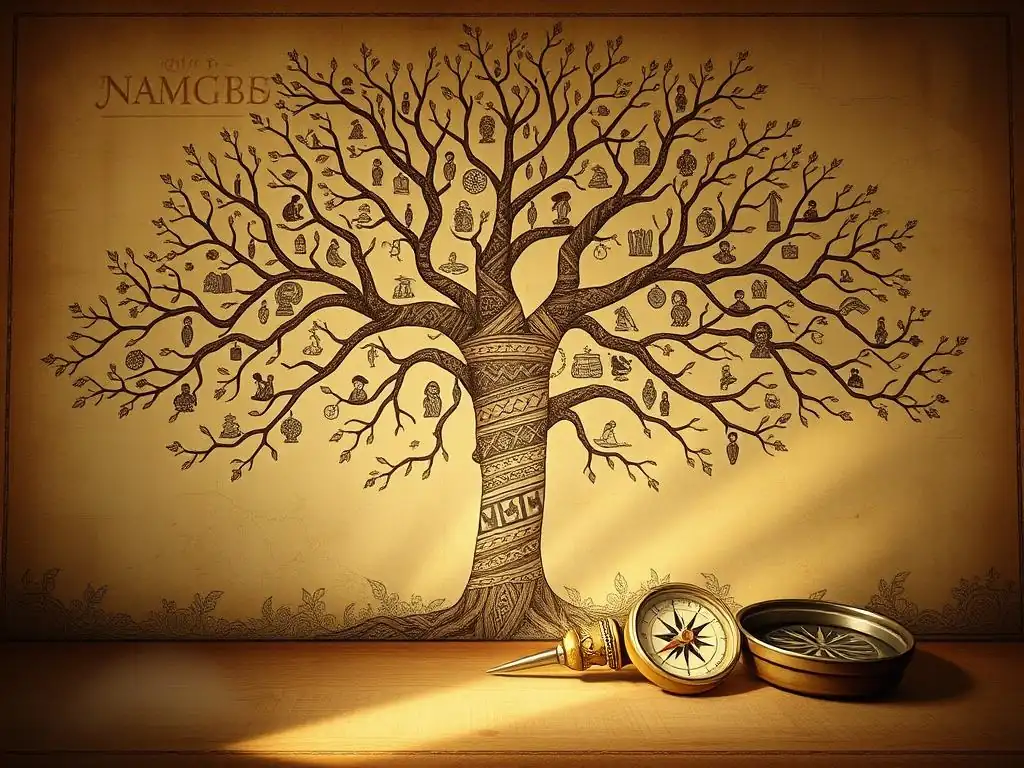
Family trees play a crucial role in understanding the evolution and relationships of indigenous languages. They serve as visual representations that depict how languages are interrelated, tracing their origins and developments over time. By analyzing these trees, linguists and researchers can gain insights into the migration patterns of indigenous peoples, their cultural exchanges, and the historical contexts in which these languages evolved.
Family trees also highlight the diversity within language families, showcasing how distinct languages can emerge from a common ancestral language. This understanding is vital for appreciating the rich cultural heritage embedded in these languages. Moreover, recognizing the connections between languages can foster a greater appreciation of indigenous identities and the complexities of their histories.
What are Language Family Trees?
Language family trees are diagrams that represent the relationships between different languages, illustrating how they have evolved from common ancestors over time. Each branch of the tree represents a language, while the connections (or nodes) indicate shared linguistic features or roots. The tree structure allows researchers to visualize the historical development of languages, much like a genealogical tree shows familial relationships.
In the context of indigenous languages, family trees can reveal how groups of languages are categorized into families based on shared linguistic characteristics. For example, the Algic language family includes languages like Algonquin and Blackfoot, which share a common ancestral language. Understanding these relationships aids in the study of language change, dialect formation, and the diffusion of linguistic features across regions.
How Family Trees Illustrate Linguistic Relationships
Family trees illustrate linguistic relationships by mapping out the evolution of languages from their roots to their current forms. Each branch on the tree signifies a divergence point, where one language splits into two or more distinct languages over time. This branching process can be influenced by various factors, including geographical separation, cultural interactions, and historical events.
For example, the Uto-Aztecan language family, which includes languages spoken by various indigenous groups in the western United States and Mexico, showcases how languages can evolve and adapt to different environments. By studying these trees, linguists can trace the paths of migration and interaction that led to the development of new languages and dialects, providing a deeper understanding of the cultural and social dynamics within indigenous communities.
Examples of Indigenous Languages Family Trees
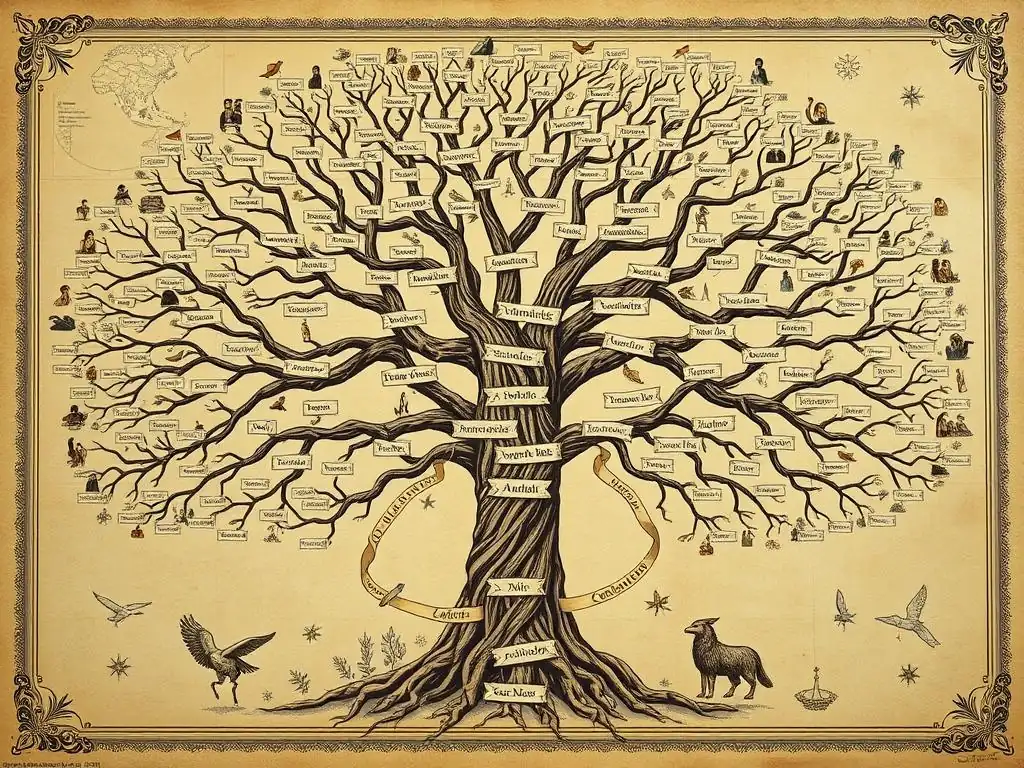
Several notable examples of indigenous languages family trees highlight the diversity and complexity of these languages.
- The Iroquoian Language Family: This family includes languages such as Mohawk, Oneida, and Seneca, all of which share a common linguistic heritage. The family tree illustrates how these languages diverged from their ancestral roots while retaining certain phonetic and grammatical features.
- The Mayan Language Family: Comprising languages like K'iche', Yucatec, and Q'eqchi', the Mayan family tree shows the intricate relationships and shared characteristics among these languages, reflecting the rich cultural tapestry of the Maya civilization.
- The Algonquian Language Family: This family tree encompasses numerous languages spoken across North America, including Ojibwe and Cree. The relationships depicted in the tree demonstrate how languages can branch out while still retaining core elements of their ancestral language.
These examples serve to emphasize the importance of understanding the historical context and relationships among indigenous languages, which can enrich our appreciation for their cultural significance.
Contemporary Issues Facing Indigenous Languages
The contemporary landscape for indigenous languages is fraught with challenges, primarily stemming from language endangerment, the impacts of globalization, and the marginalization of indigenous cultures. Despite these hurdles, various initiatives are underway to preserve and revitalize these languages and ensure their survival for future generations.
Language Endangerment and Revitalization Efforts
Language endangerment is a pressing issue affecting many indigenous languages, with factors such as colonization, assimilation policies, and the dominance of global languages contributing to the decline in fluent speakers. As younger generations increasingly adopt dominant languages for economic and social reasons, indigenous languages face the risk of extinction.
Revitalization efforts are crucial to counteract this trend. These initiatives often involve community engagement, education programs, and language immersion strategies aimed at encouraging the use of indigenous languages in daily life. Successful examples include the revitalization of the Hawaiian language, which has seen a significant increase in speakers due to dedicated education programs and cultural initiatives.
The Role of Technology in Language Preservation
Technology plays a transformative role in the preservation of indigenous languages. Digital tools, social media platforms, and mobile applications provide opportunities for language learning and community engagement. Online resources, such as dictionaries and language courses, allow speakers and learners to access valuable materials that support language acquisition.
Moreover, social media has become a space for indigenous language promotion, enabling speakers to share content and communicate in their languages. Initiatives like Indigenous language podcasts and YouTube channels have also emerged, helping to bridge generational gaps and create vibrant online communities focused on language preservation.
Community Initiatives for Language Revitalization
Community initiatives are at the forefront of language revitalization efforts. Many indigenous communities are taking charge of their linguistic heritage by organizing language classes, cultural workshops, and storytelling events. These grassroots movements foster a sense of pride and connection among community members, encouraging the use of indigenous languages in everyday life.
Collaborative efforts between educational institutions and indigenous communities have also proven effective. Bilingual education programs that incorporate indigenous languages into school curricula help ensure that younger generations are exposed to their linguistic heritage. By empowering communities to take ownership of their languages, these initiatives are vital in sustaining and revitalizing indigenous languages for the future.
Conclusion
The exploration of Indigenous languages and their family trees reveals a rich tapestry of cultural identity, communication, and historical evolution. Understanding the historical perspectives of these languages not only highlights their complexity but also emphasizes the diverse ways in which Indigenous peoples have adapted and thrived across different regions of the Americas.
Summary of Historical Perspectives on Indigenous Languages
Historically, Indigenous languages have been categorized into various language families, each representing a unique cultural and linguistic heritage. The study of these families has unveiled intricate relationships among languages, showcasing how they have diverged and evolved over time. For example, the Algonquian family, which includes languages such as Ojibwe and Cree, demonstrates significant structural similarities and shared vocabulary that point to their common ancestry. Conversely, the relationship between distinct language families, such as Uto-Aztecan and Mayan, underscores the vast linguistic diversity present across the continent.
The historical perspectives on Indigenous languages also illuminate the impact of colonization, which disrupted linguistic transmission and led to the endangerment of many languages. Missionary activities, government policies, and societal changes contributed to the decline of numerous Indigenous languages, making the study of their family trees essential in understanding these losses. By delving into historical linguistics, researchers can reconstruct elements of Indigenous languages that may have been lost, providing insights into the past cultural practices and worldviews of Indigenous peoples.
The Future of Indigenous Languages Family Trees
Looking ahead, the future of Indigenous languages and their family trees is intertwined with efforts aimed at revitalization and preservation. Many communities are actively engaged in language revitalization programs, incorporating modern technology and educational resources to teach younger generations their ancestral languages. Collaborative projects between linguists and Indigenous communities are crucial, as they help document and analyze these languages while respecting traditional knowledge and practices.
Furthermore, advancements in computational linguistics and genetic studies are paving the way for innovative methods to reconstruct language history. These techniques can provide fresh insights into the migration patterns and interactions among Indigenous groups, thereby enriching our understanding of language family trees. However, it is vital that these efforts prioritize Indigenous voices, ensuring that communities have agency in the narratives surrounding their languages.
The Importance of Preserving Indigenous Linguistic Heritage
Preserving Indigenous linguistic heritage is not only essential for maintaining cultural identity but also for sustaining the knowledge embedded within these languages. Many Indigenous languages contain unique worldviews, ecological knowledge, and cultural practices that are often untranslatable into dominant languages. The loss of a language can equate to the loss of a worldview and a way of life.
Efforts to preserve Indigenous languages can foster greater intercultural understanding and respect. Bilingual education programs, community workshops, and digital archiving are becoming increasingly important in safeguarding this heritage. By recognizing the value of Indigenous languages and supporting their revitalization, society can contribute to a more inclusive narrative that honors the history, culture, and ongoing contributions of Indigenous peoples in the Americas.
The family trees of Indigenous languages represent a vital aspect of human history and cultural diversity. Their preservation and revitalization are imperative for future generations, ensuring that the rich legacy of Indigenous linguistic heritage continues to thrive.
- Introduction to Indigenous Languages Family Trees
- Historical Context of Indigenous Languages
- Key Indigenous Language Families
- The Development of Indigenous Languages Over Time
- The Significance of Family Trees in Understanding Indigenous Languages
- What are Language Family Trees?
- How Family Trees Illustrate Linguistic Relationships
- Examples of Indigenous Languages Family Trees
- Contemporary Issues Facing Indigenous Languages
- Language Endangerment and Revitalization Efforts
- The Role of Technology in Language Preservation
- Community Initiatives for Language Revitalization
- Conclusion
Frequently Asked Questions
What are indigenous languages family trees?
Indigenous languages family trees are visual representations that show the relationships and origins of different indigenous languages, illustrating how they have evolved and diversified over time.
Why is it important to study indigenous languages?
Studying indigenous languages is crucial for understanding the cultural heritage and identity of indigenous peoples, as well as preserving their unique knowledge systems and traditions.
How did European colonization impact indigenous languages?
European colonization led to the decline of many indigenous languages due to forced assimilation, loss of speakers, and the dominance of European languages, resulting in significant cultural and linguistic loss.
What achievements of indigenous cultures are highlighted on the website?
The website emphasizes the innovative achievements in areas such as agriculture, architecture, and governance, showcasing the rich histories and contributions of indigenous civilizations prior to colonization.
How can understanding family trees of languages benefit modern society?
Understanding the family trees of languages can enhance our knowledge of linguistic diversity, aid in language revitalization efforts, and foster a deeper appreciation for the cultural richness of indigenous communities.
Final Reflection: The Enduring Legacy of Indigenous Languages Family Trees
The exploration of Indigenous languages family trees reveals not only the rich tapestry of history but also their profound relevance in today's society. As we witness a resurgence of interest in cultural heritage and identity, the significance of preserving these languages becomes increasingly evident. The intricate connections between language, culture, and identity serve as a powerful reminder that the past is not merely a series of events but a living legacy that shapes our present and future.
The influence of Indigenous languages on the cultural and social landscape is undeniable. These languages are not just means of communication; they are vessels of knowledge, tradition, and identity. As we strive to honor and revitalize these languages, we recognize their role in fostering community and belonging. Language is the road map of a culture. It tells you where its people come from and where they are going.
This quote encapsulates the essence of our journey through the evolution of Indigenous languages, highlighting their importance in understanding our collective human experience.
As we reflect on the insights gained from this exploration, I invite you to consider how you can contribute to the preservation and appreciation of Indigenous languages in your own life. Take a moment to engage with the stories, traditions, and languages of Indigenous peoples around you. Whether through learning a few words, supporting language revitalization initiatives, or simply sharing what you've learned, each action contributes to a broader movement of respect and recognition. Together, we can ensure that the family trees of Indigenous languages continue to thrive for generations to come.
Embrace and Revitalize Indigenous Languages Today!
Thank you for exploring the rich history of Indigenous languages and discovering their evolution. Understanding their family trees not only deepens our appreciation for cultural heritage but also empowers us to actively participate in their revival. Now, let’s take the next step together!
- Join a local language revitalization program in your community to immerse yourself in Indigenous languages and share your learnings with others.
- Explore online resources that showcase language courses, apps, or community events to broaden your engagement and understanding.
- Share this article with friends and family to spark discussions about the significance of Indigenous languages and rally support for preservation efforts.
What unique ways can you think of to connect with and support Indigenous languages in your community?