
From Pyramids to Temples: Astronomical Alignments in PreColumbian Structures

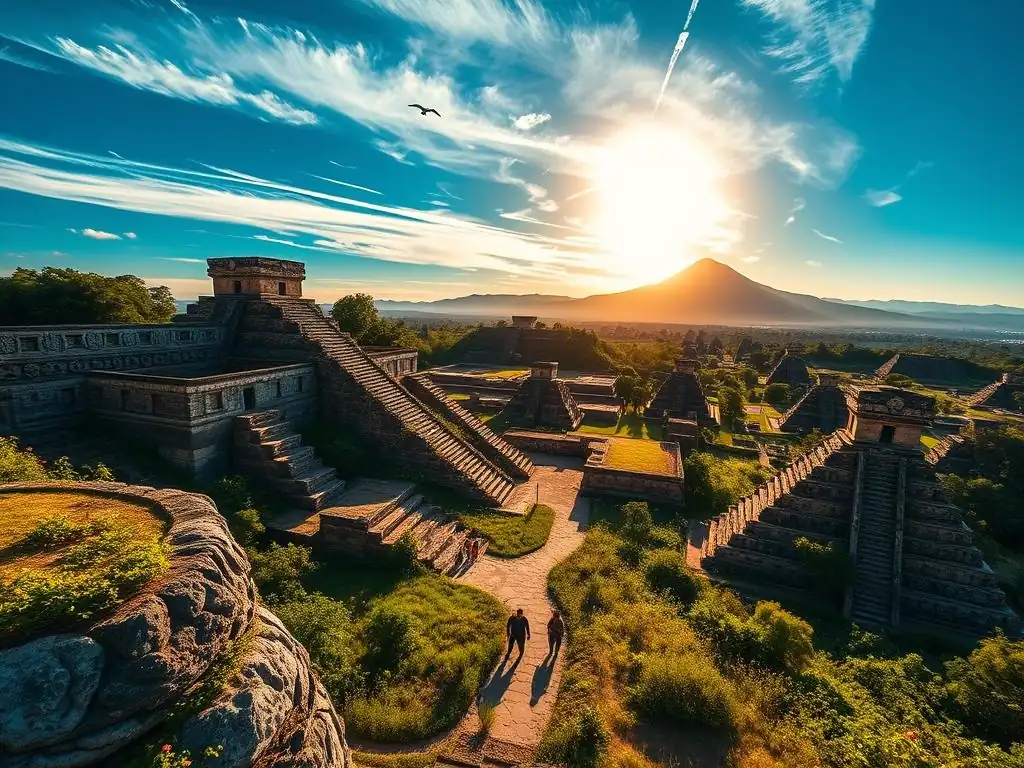
Welcome to Indigenous Civilizations of the Americas, where we invite you to embark on a journey through the rich tapestry of indigenous cultures that flourished long before European contact. In our featured article, "From Pyramids to Temples: Astronomical Alignments in PreColumbian Structures," we delve into the fascinating world of PreColumbian astronomical alignments—an extraordinary testament to the sophisticated understanding of the cosmos held by these remarkable civilizations. Discover how their architectural marvels not only served as awe-inspiring monuments but also as intricate calendars, guiding their societies in harmony with celestial events.
Ready to uncover the mysteries that lie within these ancient structures? Let the exploration begin!
- Introduction to PreColumbian Astronomical Alignments
- The Role of Astronomy in PreColumbian Civilizations
- Major PreColumbian Structures with Astronomical Alignments
- Techniques Used in Establishing Astronomical Alignments
- Impacts of Astronomical Alignments on Society
- Comparative Analysis of Astronomical Alignments Across Cultures
- Modern Perspectives on PreColumbian Astronomical Alignments
- Conclusion: The Legacy of PreColumbian Astronomical Alignments
- Frequently Asked Questions
- Final Reflection: The Timeless Legacy of PreColumbian Astronomical Alignments
- Unveil the Secrets of Pre-Columbian Wisdom!
Introduction to PreColumbian Astronomical Alignments
The study of PreColumbian astronomical alignments reveals a fascinating layer of understanding regarding the indigenous civilizations of the Americas. Long before the arrival of European settlers, various cultures across the continent demonstrated an impressive understanding of astronomy, which they intricately wove into their architectural designs.
These alignments were not merely aesthetic choices; they reflected deep cosmological beliefs, agricultural practices, and societal structures that were crucial to the identity of these civilizations. This article will delve into the remarkable ways in which these ancient peoples aligned their structures with celestial events, showcasing their achievements in architecture and their profound connection with the cosmos.
Understanding the Significance of Astronomy in Indigenous Cultures
Astronomy played a vital role in the lives of many indigenous cultures throughout the Americas. It was a science intertwined with spirituality, agriculture, and daily life. Here are some key points highlighting its significance:
- Calendar Systems: Many cultures developed sophisticated calendar systems based on celestial events, such as the solstices and equinoxes. For example, the Maya utilized a complex calendar that included both solar and lunar cycles, allowing them to predict agricultural seasons accurately.
- Ritual Practices: Celestial bodies were often associated with deities and were integral to various rituals. For instance, the Inca Empire held ceremonies during solstices, believing that the sun's position influenced their agricultural success and societal harmony.
- Navigation and Timekeeping: Indigenous peoples used the stars for navigation and timekeeping, which was crucial for trade and travel. The North Star, for instance, served as a reliable point of reference for many tribes.
- Cultural Identity: Astronomy was a way to connect with the universe, shaping cultural narratives and identities. Many stories, myths, and legends were tied to celestial observations, creating a rich tapestry of cultural heritage.
Overview of PreColumbian Architectural Achievements
PreColumbian civilizations are renowned for their impressive architectural feats, with many structures demonstrating an advanced understanding of astronomical alignments. Here are some notable achievements:
- The Pyramids of Teotihuacan: Located in modern-day Mexico, the Pyramid of the Sun is aligned with the setting sun on certain days of the year, showcasing the builders' awareness of solar patterns.
- Chichen Itza's El Castillo: This iconic Mayan pyramid features a staircase that casts a shadow resembling a serpent during the equinoxes, symbolizing the descent of the feathered serpent deity Kukulkan.
- Machu Picchu: The Inca site of Machu Picchu includes structures like the Intihuatana stone, believed to be an astronomical observatory that marked the sun's position during solstices.
- Nazca Lines: While primarily known for their enormous geoglyphs, the Nazca culture created shapes that align with celestial bodies, suggesting a sophisticated understanding of astronomy.
These architectural marvels not only reflect the ingenuity of these civilizations but also their deep connection to the cosmos, underscoring the importance of PreColumbian astronomical alignments in understanding their heritage and achievements.
The Role of Astronomy in PreColumbian Civilizations
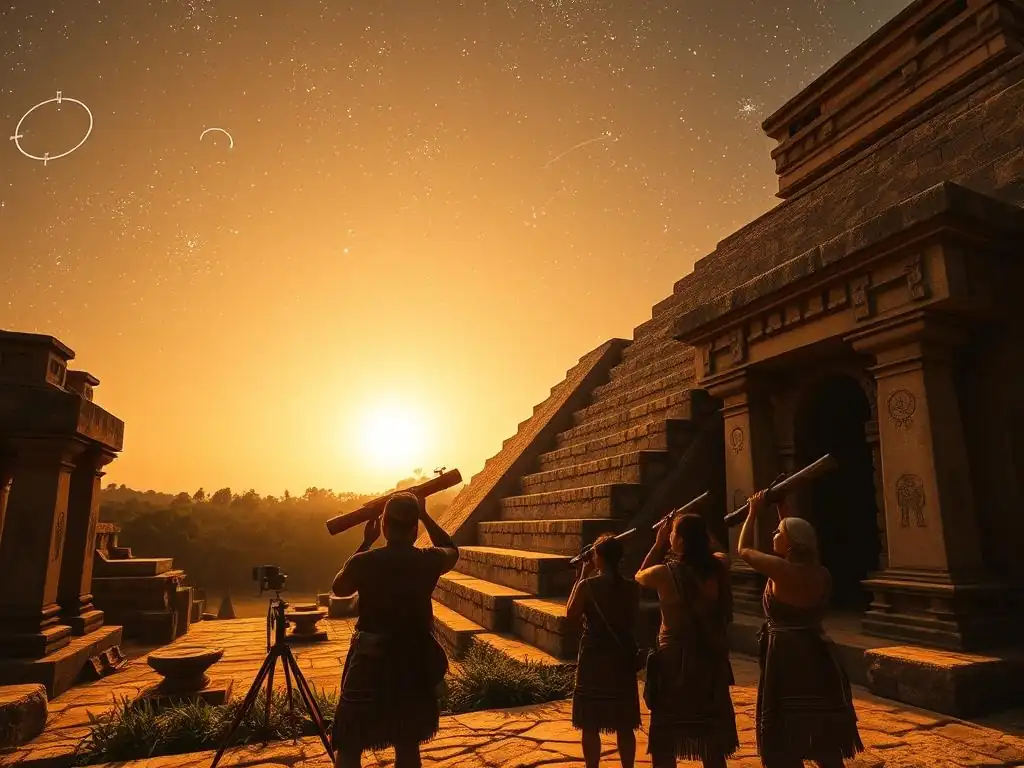
The intricate relationship between astronomy and architecture in PreColumbian civilizations reveals significant insights into their societal structures and cultural practices. These societies not only observed the heavens but intricately integrated their astronomical knowledge into their architectural designs, using celestial alignments as guiding principles for construction. This alignment often served multiple purposes, including calendar systems, agricultural planning, and spiritual practices.
Astronomical Knowledge Among Indigenous Peoples
PreColumbian civilizations, such as the Maya, Aztec, and Inca, possessed advanced astronomical knowledge that was crucial for their survival and cultural expression. Their observations of celestial bodies led to the development of complex calendars, which allowed them to track time effectively.
- Maya Civilization: The Maya developed the Tzolk'in and Haab' calendars, meticulously observing the cycles of the moon, sun, and Venus. The famous pyramid of El Castillo in Chichen Itza is a prime example, featuring staircases that align with the sun during the equinoxes, creating a serpent-like shadow that descends the pyramid's side, symbolizing the deity Kukulkan.
- Inca Empire: The Incas built structures like Coricancha, the Temple of the Sun, which was aligned with the solstices. The sun played a central role in their religion, and their agricultural practices were closely tied to solar cycles.
- Aztec Culture: The Aztecs constructed the Templo Mayor, which had multiple ceremonies aligned with celestial events, marking the importance of the sun and other celestial bodies in their cosmology.
This extensive knowledge of the cosmos was not merely academic; it was practical, influencing agricultural cycles, societal organization, and even warfare strategies.
Cultural and Spiritual Importance of Celestial Bodies
Celestial bodies held profound cultural and spiritual significance for PreColumbian civilizations. The stars, planets, and other celestial phenomena were often personified and worshipped as deities, reflecting the deep connection these societies felt with the cosmos.
- Spiritual Practices: Rituals and ceremonies often coincided with astronomical events. For instance, the summer and winter solstices were marked by elaborate celebrations, acknowledging the sun's role in agriculture and the cycle of life.
- Symbolism in Architecture: Many structures were designed not only for practical purposes but also as symbolic representations of their cosmological beliefs. Temples and pyramids were often oriented to specific celestial events, reinforcing their significance in the cultural narrative.
- Artistic Representations: Artistic expressions, such as pottery and carvings, frequently depicted celestial themes, indicating a society deeply intertwined with the natural world and its rhythms.
The integration of PreColumbian astronomical alignments into architectural practices served as a testament to the civilizations' sophisticated understanding of astronomy and its vital role in their cultural and spiritual lives. The alignment of structures with celestial bodies was not merely an architectural feat; it was a manifestation of a worldview that placed the cosmos at the center of existence.
Major PreColumbian Structures with Astronomical Alignments
The Great Pyramid of Giza: An Example of Astronomical Precision
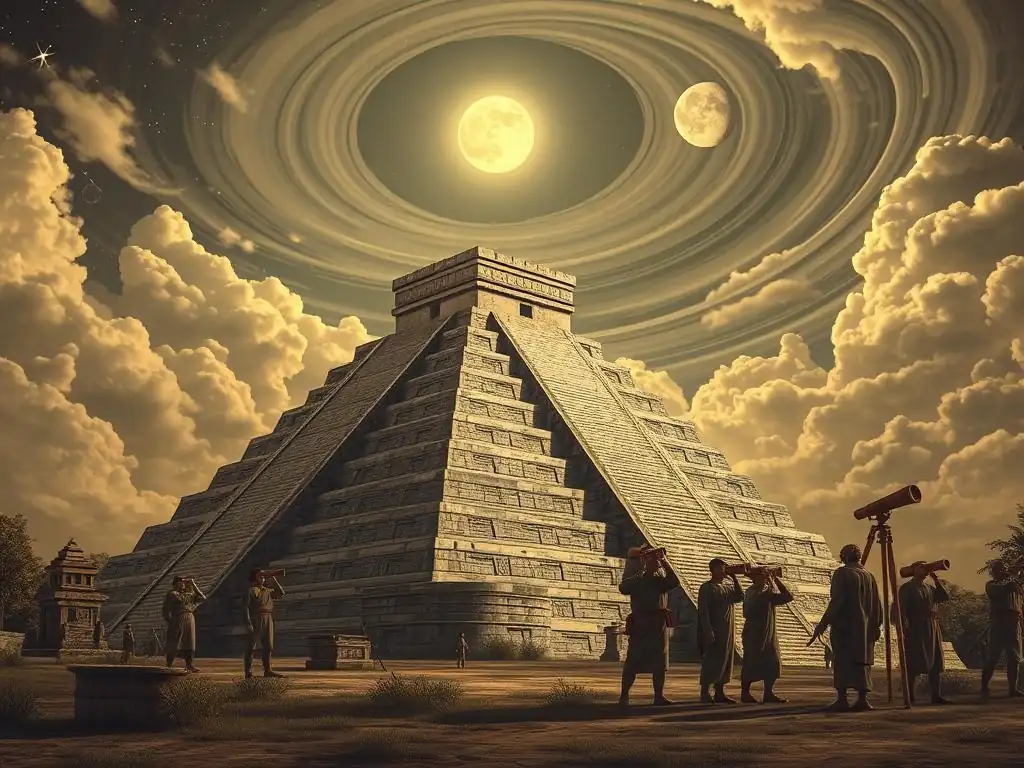
The Great Pyramid of Giza, while often associated with ancient Egypt, serves as a notable example of astronomical precision that resonates with the achievements of various PreColumbian civilizations. Completed around 2560 BCE, this colossal structure was meticulously aligned to the cardinal points, showcasing a sophisticated understanding of astronomy. The pyramid's sides are oriented to within a fraction of a degree of true north, a feat that has puzzled researchers for centuries.
- Construction Techniques: The alignment of the Great Pyramid was achieved using advanced surveying techniques, which may have included the use of the stars for orientation. The builders likely employed simple tools like plumb bobs and sighting rods, along with careful measurements of the sun's position at various times of the year.
- Astronomical Significance: The alignment of the Great Pyramid is thought to have had both practical and spiritual significance. It may have served as a celestial marker for agricultural cycles, guiding the planting and harvesting seasons. Additionally, it could have been intended to align the pharaoh's soul with the constellations, ensuring a smooth transition to the afterlife.
Teotihuacan: Alignments and Celestial Observations
Teotihuacan, located in central Mexico, is renowned for its grand architecture and urban planning, featuring monumental structures aligned with the movements of celestial bodies. The city's layout reflects a deep understanding of astronomical phenomena, significantly impacting the culture and rituals of its inhabitants.
- The Avenue of the Dead: This central thoroughfare is aligned approximately north-south, leading to key structures like the Pyramid of the Sun and the Pyramid of the Moon. The positioning of these pyramids is believed to correspond with the sun's trajectory during significant solar events, such as solstices and equinoxes.
- The Pyramid of the Sun: This massive structure is particularly noteworthy for its alignment with astronomical events. When viewed from the pyramid's summit during the equinoxes, the sun rises directly over the Avenue of the Dead, suggesting that the site was used for ceremonial purposes tied to celestial observations.
- Cultural Significance: Alignments in Teotihuacan architecture reflect the civilization's reliance on astronomy for agricultural and religious practices. The observance of celestial events played a crucial role in their calendar system, influencing rituals and community gatherings.
Chichen Itza: The Observatory and Its Cosmic Connections
Chichen Itza, a prominent Mayan city, is famed for its sophisticated astronomical observatory known as El Caracol. This structure exemplifies the Mayans' advanced knowledge of the cosmos and their ability to align architecture with astronomical phenomena.
- El Caracol: The circular observatory features windows and openings that align with the positions of celestial bodies, particularly Venus, which held great importance in Mayan cosmology. Observations made from this structure allowed the Mayans to track the movements of planets and stars, aiding in agricultural planning and religious ceremonies.
- The Pyramid of Kukulcán: Also known as El Castillo, this step pyramid is another example of precise astronomical alignment. During the equinoxes, shadows cast by the pyramid create the illusion of a serpent slithering down its steps, symbolizing the return of the feathered serpent god, Kukulcán. This event highlights the integration of astronomical events with mythology and ritual.
- Impact on Society: The astronomical alignments at Chichen Itza reflect the Maya's intricate understanding of time and celestial cycles. This knowledge was not only vital for agricultural practices but also played a significant role in their religious beliefs, influencing ceremonies that were often tied to celestial events.
The study of PreColumbian astronomical alignments in major structures like the Great Pyramid of Giza, Teotihuacan, and Chichen Itza reveals the extraordinary achievements of indigenous civilizations in understanding and harnessing the cosmos for both practical and spiritual purposes. These alignments continue to captivate researchers and enthusiasts alike, highlighting the profound connections between architecture, astronomy, and culture in the Americas and beyond.
Machu Picchu: The Intihuatana and Solar Alignment
Machu Picchu, the iconic Incan citadel nestled in the Andes Mountains of Peru, is renowned for its sophisticated dry-stone construction and breathtaking panoramic views. Among its many remarkable features, the Intihuatana stone stands out as a significant example of PreColumbian astronomical alignments. The term "Intihuatana" translates to "the place where the sun is tied," reflecting its essential role in Incan cosmology and agricultural practices.
The Intihuatana is a ritual stone associated with the Inca religion, believed to be an astronomical observatory. Positioned strategically on a mountain ridge, it was designed to mark the two solstices and equinoxes, which were important for agricultural cycles. During these celestial events, the stone's shadow would indicate the time of year, helping the Incas plan their planting and harvesting activities. This connection to agriculture emphasizes how astronomical alignments directly influenced their societal structure and daily life.
In addition to its agricultural significance, the Intihuatana is also thought to have had spiritual importance. The Incas believed that the stone served as a bridge between the physical and spiritual worlds, tying them to their deities. Rituals performed at the site were intended to ensure harmony with the cosmos and to maintain the balance of nature. This illustrates the profound relationship between the Incas and their environment, showcasing their advanced understanding of astronomy and its integration into their cultural practices.
The alignment of the Intihuatana with solar events is not merely a testament to the Incas' architectural prowess but also highlights their sophisticated understanding of celestial movements. It exemplifies how PreColumbian cultures utilized astronomical alignments in their structures, reflecting a deep reverence for the cosmos that shaped their architectural and societal frameworks. This intricate relationship between architecture and astronomy underscores the legacy of Machu Picchu as a marvel of PreColumbian engineering and a symbol of the complex beliefs held by its creators.
Techniques Used in Establishing Astronomical Alignments
Methods Employed by PreColumbian Architects
PreColumbian architects utilized a variety of sophisticated methods to establish astronomical alignments in their structures. These methods were deeply rooted in their understanding of celestial movements and their cultural significance.
- Observation of Celestial Bodies:
- Architects and astronomers observed the movements of the sun, moon, and stars. They noted specific events such as solstices, equinoxes, and lunar cycles, which were critical for agricultural and ceremonial calendars.
- Example: The Maya civilization famously tracked the movements of Venus, using its cycles to plan warfare and agricultural activities.
- Use of Landforms:
- Natural landforms were often incorporated into the alignment process. For instance, hills or mountains were used as reference points to align structures with celestial events.
- Example: The Sun Temple in Tiwanaku is thought to align with the rising sun on solstices, suggesting that architects utilized the surrounding landscape to enhance their astronomical observations.
- Mathematical Calculations:
- PreColumbian architects employed advanced mathematical techniques to calculate angles and distances, ensuring precise alignment with celestial events.
- They used ratios and geometric shapes, which were integral to their architectural designs.
- Cultural Significance:
- Many structures were aligned not just for practical observation but also for religious and cultural purposes. Alignments often corresponded to mythological events or deities, reinforcing the connection between the cosmos and the terrestrial world.
- Example: The Great Pyramid of Giza, although Egyptian, shares similarities in alignment techniques with Mesoamerican pyramids, highlighting a universal human endeavor to connect with the cosmos.
Tools and Instruments for Celestial Observation
The tools and instruments used by PreColumbian civilizations varied significantly across different cultures, but they shared a common goal: to observe and measure celestial phenomena accurately.
- Gnomons:
- Simple yet effective, gnomons were vertical rods or poles used to cast shadows. By observing the length and position of the shadow at different times of the year, architects could determine solar events like solstices.
- Example: The Inca used gnomons in their solar observatories, allowing them to create agricultural calendars.
- Stelae and Monuments:
- Large stone monuments often featured engravings that indicated celestial events. These structures served both as markers for important dates and as ceremonial sites.
- Example: The stelae at Copán in present-day Honduras are aligned with the sun's path during key solar events.
- Astronomical Tables:
- Many civilizations developed tables or codices that recorded celestial events, cycles, and alignments. This written knowledge was essential for planning rituals and agricultural activities.
- Example: The Codex Mendoza contains astronomical information that reflects the Aztec understanding of celestial cycles.
- Water Clocks and Shadow Boards:
- Some cultures utilized mechanisms like water clocks or shadow boards to track time based on celestial movements. These devices helped in making precise measurements over extended periods.
- Example: The Nazca culture is believed to have utilized shadow boards to align their geoglyphs with celestial events.
The Alignment Process: From Design to Construction
The process of achieving precise astronomical alignments in PreColumbian architecture involved a meticulous approach from initial design concepts to the final construction of the structures.
- Site Selection:
- Choosing a site was critical. Architects often selected locations with unobstructed views of the horizon to facilitate accurate observations of celestial events.
- Example: Many ceremonial centers, such as Tikal, were strategically located to maximize visibility of key astronomical phenomena.
- Drafting Designs:
- Initial designs were drafted based on observations and calculations. These designs incorporated specific alignments that would be crucial for the structure's purpose, whether for ceremonial, agricultural, or residential use.
- Example: The design of the Temple of Kukulcán at Chichen Itza reflects a deep understanding of solar alignments, particularly during the equinoxes.
- Construction Techniques:
- Skilled laborers employed advanced construction techniques, using locally available materials to create the intended alignments. The alignment was often checked throughout the construction process to ensure accuracy.
- Example: The precision with which the stones of the Temple of the Inscriptions at Palenque were cut and placed demonstrates a high level of architectural skill and knowledge of celestial alignments.
- Final Adjustments and Rituals:
- After construction, final adjustments were made to ensure that the building aligned perfectly with its celestial counterparts. This often included rituals to sanctify the structure and its purpose.
- Example: The completion of the building was frequently marked with ceremonies that reinforced the connection between the structure and the cosmos.
The expertise of PreColumbian architects in establishing astronomical alignments reflects their profound understanding of the universe and its influence on their daily lives and cultural practices. Their methods, tools, and processes showcase a sophisticated blend of science, mathematics, and spirituality, leaving a lasting legacy that continues to intrigue researchers and enthusiasts today.
Impacts of Astronomical Alignments on Society
Agricultural Practices Influenced by Celestial Events
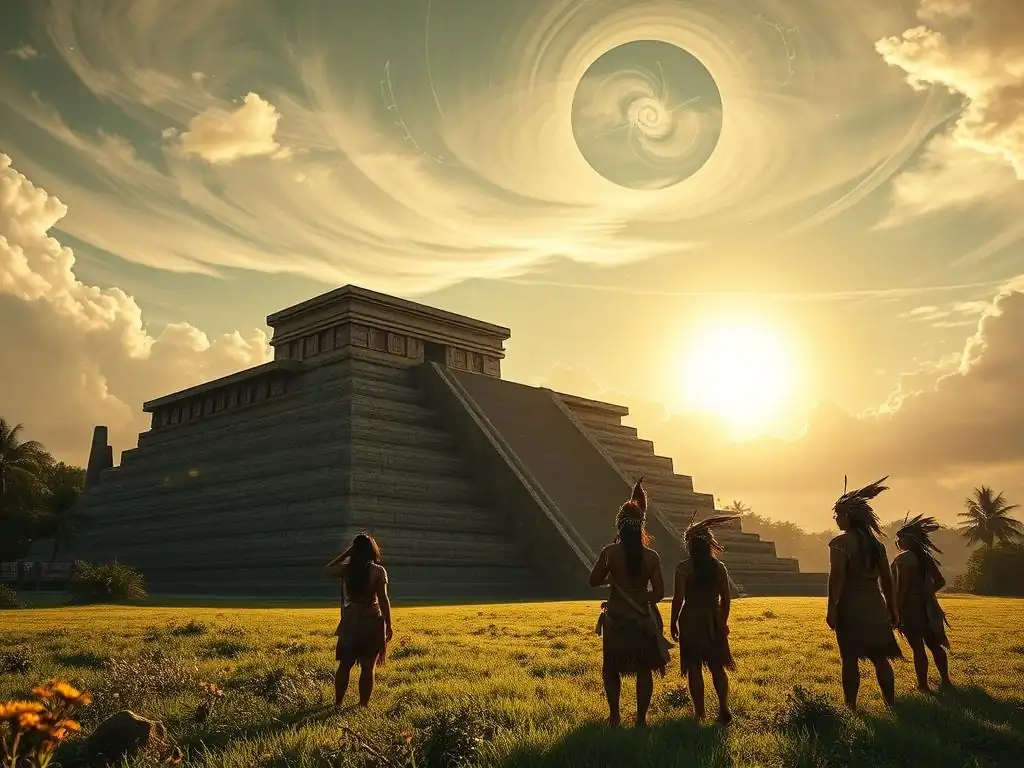
The intricate relationship between PreColumbian astronomical alignments and agricultural practices is a testament to the advanced knowledge of celestial phenomena held by indigenous cultures. Many societies, such as the Maya and the Inca, meticulously observed the movements of celestial bodies, which directly influenced their agricultural cycles.
- Seasonal Planting: These civilizations relied heavily on the position of the sun and the stars to determine the optimal times for planting and harvesting crops. For instance, the Maya calculated the arrival of the rainy season by monitoring the heliacal rising of certain stars, like Sirius, which indicated the right time to sow maize, their staple crop.
- Calendar Systems: The development of sophisticated calendar systems was pivotal for aligning agricultural activities with celestial events. The Maya, for instance, used a 365-day solar calendar alongside a 260-day ritual calendar to track seasonal changes and agricultural cycles. This dual system allowed them to maximize crop yields and ensure food security.
- Crop Diversity: Celestial alignments also influenced the diversity of crops cultivated. Farmers would plant different varieties of crops based on the lunar phases, as certain crops thrived better when planted during specific lunar cycles. This understanding of lunar influences extended to the cultivation of potatoes and quinoa among the Inca, showcasing their adaptability to high-altitude farming.
The profound connection between astronomy and societal organization in PreColumbian cultures is evident in their social structures and religious practices, which were deeply intertwined with their understanding of celestial alignments.
- Religious Ceremonies: Many indigenous cultures conducted religious ceremonies tied to astronomical events. For example, the Aztecs built temples aligned with the movements of celestial bodies, such as the Templo Mayor, which was oriented to mark the solstices. These rituals often involved offerings that were believed to appease gods who governed agricultural fertility and cosmic order.
- Political Power and Astronomy: Leaders of PreColumbian societies often held dual roles as both political and religious figures, leveraging their knowledge of astronomy to reinforce their authority. By predicting celestial events, such as eclipses, they could demonstrate their divine connection and control over natural phenomena, thereby strengthening their position within the community.
- Architectural Alignments: The construction of monumental architecture, such as the pyramids of Teotihuacan and the observatories of the Maya, exemplifies the significance of astronomical alignments in shaping societal identity. These structures were not merely functional; they served as physical manifestations of the civilizations' astronomical knowledge and were often used for both observation and ceremonial purposes.
The PreColumbian astronomical alignments were not just a reflection of the civilizations' understanding of the cosmos but were integral to their agricultural practices, social organization, and religious beliefs. This sophisticated integration of astronomy into daily life underscored the profound impact it had on their societies, shaping everything from farming to governance.
Comparative Analysis of Astronomical Alignments Across Cultures
Similarities in Alignment Techniques Among Different Civilizations
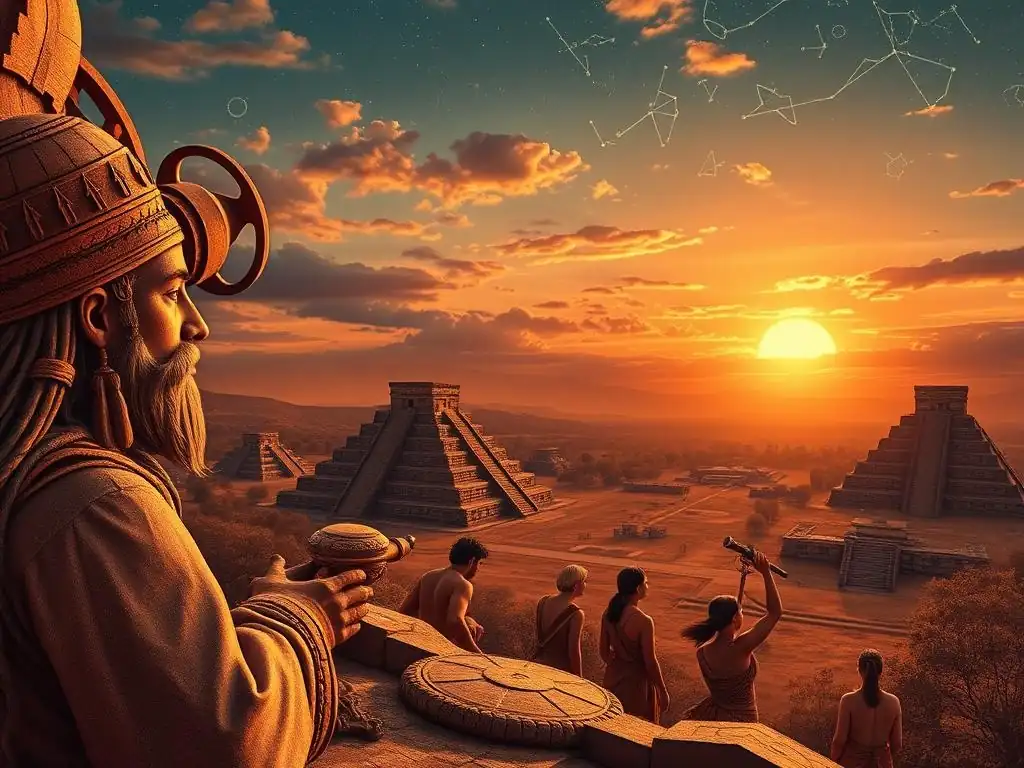
PreColumbian astronomical alignments reveal striking similarities across various indigenous cultures in the Americas, showcasing a shared understanding of celestial phenomena. Many civilizations, such as the Maya, Inca, and Aztec, employed sophisticated techniques to align their structures with astronomical events.
- Orientation towards Key Celestial Events
- Most cultures oriented their structures towards significant solar and lunar events, such as solstices, equinoxes, and eclipses.
- For instance, the Maya built observatories, like those found at Uxmal, that aligned perfectly with the rising and setting of the sun during these pivotal astronomical occurrences.
- Use of Shadow and Light
- Various civilizations utilized the interplay of shadow and light to create visual markers during astronomical events.
- The Inca constructed the Temple of the Sun in Cusco, which allowed light to penetrate through specific openings during solstices, illuminating important symbols at significant times.
- Incorporation of Geometry and Mathematics
- Many cultures exhibited advanced knowledge of geometry and mathematics to calculate and establish precise alignments.
- The Nazca people, for example, created vast geoglyphs that align with celestial bodies, showcasing their understanding of spatial relationships and orientation in relation to the cosmos.
These shared techniques reflect a profound appreciation for the cosmos and its influence on daily life, spiritual beliefs, and agricultural practices among PreColumbian civilizations.
Distinct Variations in Purpose and Interpretation of Alignments
While there are notable similarities in the techniques used for astronomical alignments among PreColumbian cultures, the purposes and interpretations behind these alignments varied significantly.
- Cultural Significance
- The Aztecs viewed celestial events as divine messages, integrating astronomical alignments into their religious ceremonies and calendar systems. Their Templo Mayor was aligned to capture the sun’s rays during solstice ceremonies, emphasizing the connection between the heavens and their deities.
- Conversely, the Maya attached astronomical alignments to their agricultural cycles, using them to determine planting and harvesting times. Their observatories were not just for ritualistic purposes but served practical agricultural needs.
- Architectural Integration
- In the Inca civilization, astronomical alignments were embedded into the very fabric of their architecture, with structures designed to mirror celestial movements. The Coricancha, or Temple of the Sun, exemplifies this integration, with its layout reflecting the sun's path across the sky.
- On the other hand, the Olmec used alignments more symbolically, often incorporating them into their colossal stone heads and ceremonial centers, reflecting a different approach to celestial interpretation.
- Astronomy vs. Cosmology
- For many cultures, astronomy was deeply intertwined with cosmology, infusing their understanding of the universe with spiritual significance. The Maya utilized their astronomical knowledge to create complex calendars that dictated both agricultural and religious life.
- In contrast, some cultures, like the Puebloans, placed more emphasis on celestial bodies as ancestors or spirits, interpreting alignments as a way to honor these connections in their architectural designs.
Overall, these distinct variations illustrate how the same celestial phenomena were interpreted in diverse ways, reflecting the unique cultural identities and beliefs of each PreColumbian civilization. The study of these alignments not only sheds light on their engineering prowess but also on their rich cosmological frameworks.
Modern Perspectives on PreColumbian Astronomical Alignments
Current Research and Discoveries in Archaeology
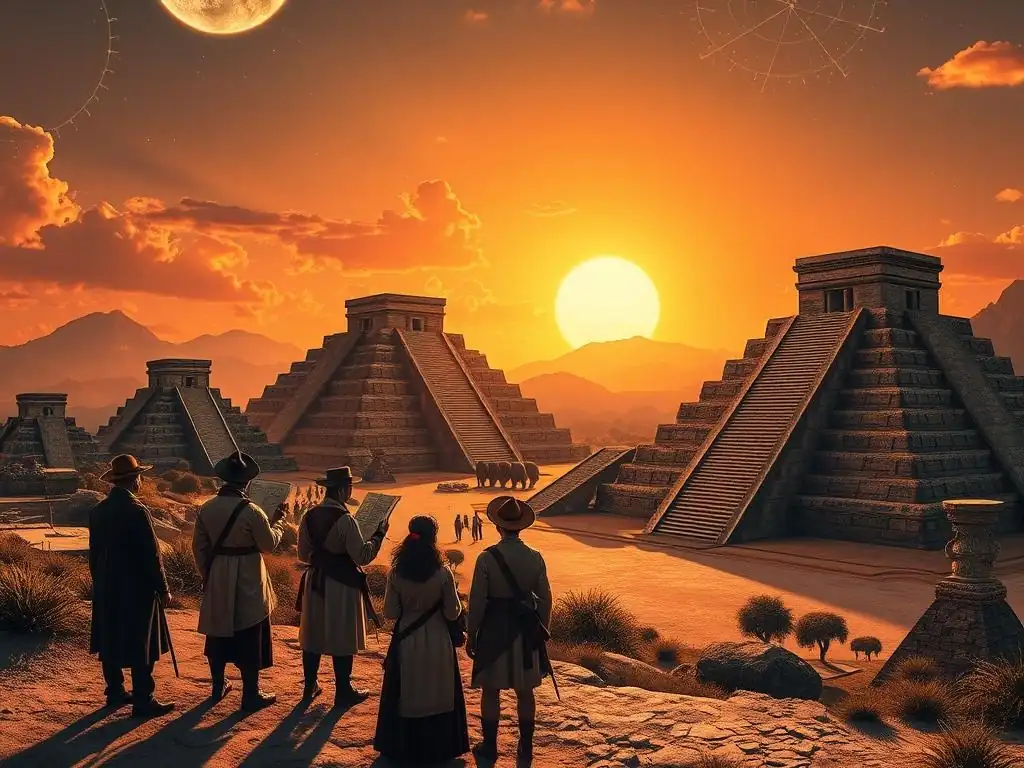
Recent archaeological studies have shed light on the sophisticated understanding of astronomy possessed by various PreColumbian civilizations. Researchers have utilized modern technology, such as LiDAR (Light Detection and Ranging), to uncover hidden structures and alignments that were previously obscured by dense vegetation. For instance, investigations into the Maya cities have revealed that many of their ceremonial centers were meticulously aligned with celestial bodies, particularly the sun and moon.
- Notable Discoveries:
- Mayan Pyramids: Many pyramids, such as those in Tikal, exhibit precise alignments with the solar events, marking the equinoxes and solstices.
- Nazca Lines: These geoglyphs in Peru, visible only from the air, showcase a variety of shapes that align with celestial events, suggesting a deep connection to astronomical observation.
Archaeologists have also employed astronomical software to recreate the night skies as they would have appeared to these ancient cultures, allowing for new insights into their calendrical systems and agricultural practices. For example, the Andean civilizations developed calendars based on both solar and lunar cycles, crucial for agricultural planning.
The Relevance of Ancient Astronomical Knowledge Today
The astronomical knowledge of PreColumbian civilizations extends beyond historical curiosity; it has significant implications for understanding contemporary issues.
- Cultural Heritage and Identity: For many Indigenous groups today, the astronomical alignments in their ancestral structures are vital to cultural identity and spiritual practices. Preservation of these sites is essential for maintaining their cultural heritage.
- Sustainability Practices: Lessons from ancient agricultural methods, which were often aligned with celestial events, can inform modern sustainable practices. For example, the timing of planting and harvesting based on lunar phases can enhance crop yields and promote biodiversity.
- Astronomy Education: Incorporating the astronomical knowledge of PreColumbian societies into educational curricula can enhance appreciation for Indigenous cultures and their contributions to science. Programs that highlight these alignments can foster a greater understanding of astronomy in general.
- Interdisciplinary Research: The study of PreColumbian astronomical alignments encourages collaboration between archaeologists, astronomers, and environmental scientists. Such interdisciplinary approaches can lead to innovative solutions to current challenges, such as climate change and land management.
The examination of PreColumbian astronomical alignments not only enriches our understanding of ancient cultures but also offers valuable insights that are relevant in today's world, bridging the past with contemporary societal needs.
Conclusion: The Legacy of PreColumbian Astronomical Alignments
The legacy of PreColumbian astronomical alignments is a testament to the sophisticated understanding of the cosmos possessed by indigenous cultures across the Americas. These monumental structures, often meticulously aligned with celestial events, reveal not only the practical applications of astronomy in agriculture and ceremonial practices but also the rich cultural narratives that these communities built around their observations of the heavens. The precision involved in the construction of pyramids, temples, and other architectural forms demonstrates an advanced knowledge of geometry and engineering that continues to inspire admiration today.
Lasting Influences on Modern Understanding of Indigenous Cultures
The astronomical alignments of PreColumbian structures have significantly shaped modern perspectives on indigenous cultures. Researchers and historians have unearthed a wealth of information that illustrates how these societies operated within a framework of celestial observation, which influenced their agricultural cycles, religious practices, and social organization. For instance, the Maya's El Caracol observatory in Chichen Itza is a prime example of this integration of astronomy and architecture.
- Cultural Significance: The alignments served not only as calendars but also as a means to connect the earthly realm with the divine, promoting a holistic worldview.
- Interdisciplinary Studies: Modern scientific methods, including satellite imagery and ground-penetrating radar, have allowed scholars to study these alignments in greater depth, revealing patterns and connections that were previously overlooked.
This modern understanding has encouraged a renewed appreciation for the complexity of indigenous knowledge systems and their contributions to global history. The insights gained from studying these astronomical alignments continue to inform fields such as anthropology, archaeology, and even modern astronomy.
The Importance of Preserving Knowledge of PreColumbian Achievements
Preserving the knowledge of PreColumbian achievements, particularly regarding astronomical alignments, is essential for several reasons. First, it honors the intellectual legacy of indigenous peoples, acknowledging their sophisticated understanding of the natural world. Furthermore, this preservation fosters respect and appreciation for the cultures that thrived in the Americas long before European contact.
- Cultural Heritage: Maintaining these narratives is vital for cultural continuity, allowing contemporary indigenous communities to reclaim and celebrate their ancestral knowledge.
- Educational Value: Teaching about PreColumbian astronomical alignments can enhance educational curricula, promoting a more inclusive history that recognizes the contributions of indigenous civilizations to science and architecture.
- Tourism and Economy: Highlighting these ancient achievements can also benefit local economies through heritage tourism, encouraging visitors to learn about and appreciate the history of these remarkable civilizations.
The exploration and preservation of PreColumbian astronomical alignments not only enrich our understanding of indigenous cultures but also serve as a bridge connecting the past with the future. By recognizing and valuing these achievements, we cultivate a deeper respect for the knowledge and innovations of the civilizations that once flourished in the Americas.
Frequently Asked Questions
What are PreColumbian astronomical alignments?
PreColumbian astronomical alignments refer to the intentional positioning of ancient structures, such as pyramids and temples, to align with celestial bodies, showcasing the advanced understanding of astronomy by indigenous cultures.
Which civilizations are known for their astronomical alignments?
Several civilizations, including the Maya, Aztec, and Inca, are renowned for their astronomical alignments, reflecting their deep connection to the cosmos and the influence of celestial events on their agricultural and religious practices.
How did astronomical alignments affect indigenous societies?
These alignments played a crucial role in their agricultural calendars, religious ceremonies, and navigation, illustrating the vital link between astronomy and day-to-day life in PreColumbian societies.
What structures are examples of astronomical alignments?
Examples include the Great Pyramid of Giza, which aligns with the cardinal points, and the Temple of Kukulcan at Chichen Itza, where shadows create a serpent effect during the equinox, highlighting the intricate design of PreColumbian architecture.
Why is the study of PreColumbian astronomical alignments important?
Studying these alignments reveals insights into the scientific knowledge, cultural practices, and societal organization of indigenous peoples, emphasizing their significant contributions to human history and understanding of the universe.
Final Reflection: The Timeless Legacy of PreColumbian Astronomical Alignments
The exploration of PreColumbian astronomical alignments reveals a profound connection between ancient civilizations and the cosmos, showcasing their remarkable understanding of celestial phenomena. Today, as we navigate an increasingly complex world, the wisdom embedded in these ancient structures serves as a reminder of humanity's enduring quest for knowledge and the intrinsic link between culture and the universe. The intricate designs of pyramids and temples not only reflect architectural ingenuity but also illuminate the spiritual and scientific pursuits of their creators.
The influence of PreColumbian astronomical alignments extends far beyond their historical context, shaping our cultural and social landscapes in profound ways. These ancient practices remind us of the importance of observing and understanding our environment, fostering a sense of wonder and curiosity that transcends time. As we reflect on these achievements, we are reminded of the words of Carl Sagan: We are made of star-stuff. We are a way for the universe to know itself.
This perspective encourages us to appreciate the interconnectedness of all things and the legacy of knowledge passed down through generations.
As we look to the future, let us embrace the lessons of our ancestors and cultivate a deeper appreciation for the cosmos that surrounds us. I invite you to reflect on how the ancient wisdom of PreColumbian astronomical alignments can inspire your own journey of discovery. Whether through stargazing, learning about the universe, or exploring the cultural significance of these ancient structures, let us honor the legacy of those who came before us and continue to seek knowledge in the vastness of the cosmos.
Unveil the Secrets of Pre-Columbian Wisdom!
Thank you for diving into the fascinating world of astronomical alignments in Pre-Columbian structures! You've uncovered the remarkable connections between ancient civilizations and their celestial observations. Now, let's take this knowledge further and explore how you can engage with this rich heritage.
Here are a few actionable steps you can take right now:
- Join a local archaeology group or online forum to discuss astronomical alignments and share your insights on these incredible structures.
- Plan a visit to nearby museums or archaeological sites that showcase Pre-Columbian artifacts and their celestial significance— experience history firsthand!
- Share your newfound knowledge with friends by writing a short article or giving a talk about the fascinating relationship between astronomy and indigenous architecture. Spark curiosity in others!
What aspect of Pre-Columbian astronomical insights has surprised you the most, and how do you think these ancient practices can inspire modern perspectives on our relationship with the cosmos?