
Rediscovering Ancient Knowledge: The Lost Mathematical Systems in Indigenous Astronomy

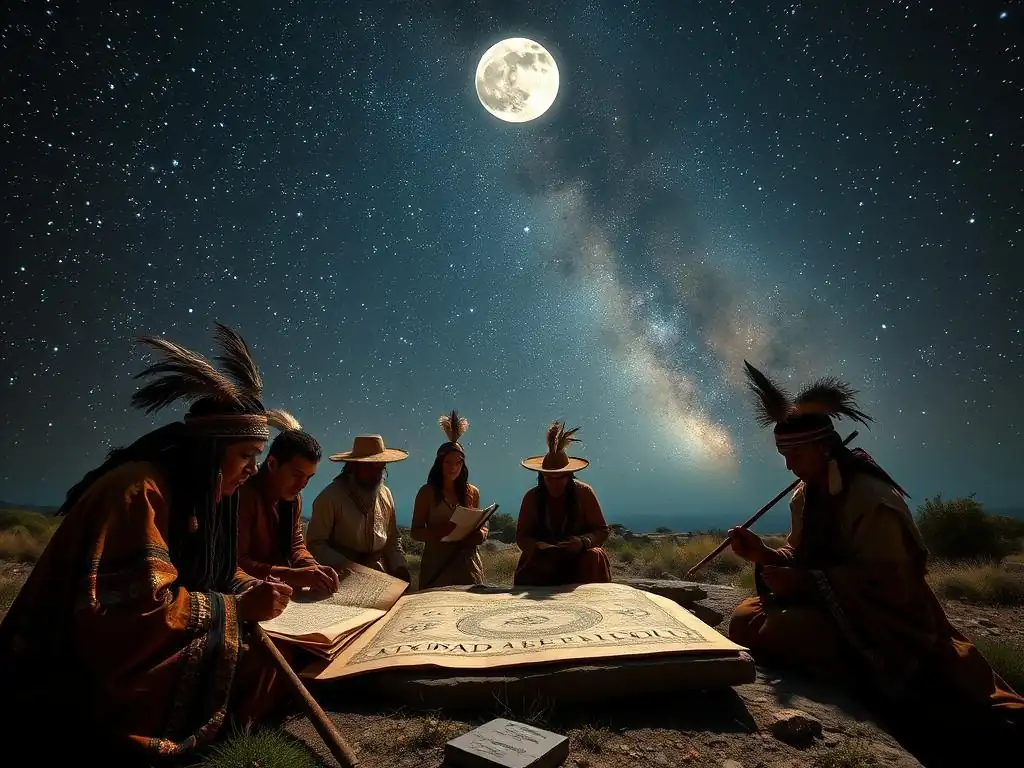
Welcome to Indigenous Civilizations of the Americas, where we invite you to embark on a fascinating journey through the rich tapestry of cultures that flourished long before European contact. Today, we dive into the captivating world of indigenous astronomy and mathematical systems, revealing how these ancient peoples harnessed the cosmos to navigate their lives and societies. Prepare to be amazed by the profound knowledge they possessed and its enduring influence on our understanding of the universe.
Join us as we uncover the secrets of "Rediscovering Ancient Knowledge: The Lost Mathematical Systems in Indigenous Astronomy" and explore the innovations that shaped their civilizations. Your adventure into a world of wisdom and discovery begins here!
Introduction to Indigenous Astronomy and Mathematical Systems
Indigenous astronomy represents a rich tapestry of knowledge systems developed by various Native American cultures long before the arrival of Europeans. This discipline is not merely about stargazing; it encapsulates a profound understanding of celestial bodies and their movements, deeply intertwined with cultural practices, agricultural cycles, and spiritual beliefs. Mathematical systems in indigenous astronomy were vital for navigating the cosmos, predicting seasonal changes, and integrating astronomical events into the societal framework.
Remarkably sophisticated, these systems employed intricate calculations and observations that reflected a deep comprehension of the universe. For instance, various indigenous groups, such as the Maya and Inca, devised complex calendars based on cycles of celestial bodies, which were foundational to their agricultural practices and religious ceremonies. These mathematical frameworks were not static; they evolved through generations, adapting to new astronomical observations and cultural shifts.
As we embark on the journey of rediscovering this ancient knowledge, it's crucial to appreciate how these mathematical systems contributed to the broader understanding of astronomy and its role in indigenous societies. By examining the methodologies and cultural significance behind these systems, we can gain valuable insights into the achievements of these civilizations and their lasting impact on modern astronomical practices.
The Importance of Mathematical Systems in Indigenous Astronomy
Mathematical systems in indigenous astronomy served multiple essential purposes, reflecting the intricate relationship between the cosmos and daily life. Understanding their significance can reveal how indigenous cultures innovatively approached mathematical concepts without the influence of European perspectives.
- Calendar Systems: Many indigenous peoples developed sophisticated calendar systems that relied heavily on astronomical observations. For example:
- The Maya civilization created a complex calendar known as the Tzolk'in, which consisted of 260 days, integrated with their solar calendar, the Haab'.
- The Inca used a system based on the solar year, which was crucial for agricultural planning.
- Navigation: Indigenous navigators utilized mathematical principles to chart their courses across vast oceans and rivers. They relied on the positions of stars, the sun, and the moon to guide their travels, often employing geometry to calculate distances and angles.
- Cultural Practices: Astronomy was deeply embedded in the cultural and spiritual lives of indigenous peoples. They often aligned their architectural structures, such as temples and observatories, with celestial events, showcasing their mathematical prowess. For instance:
- The Nazca Lines in Peru, which some scholars suggest were aligned with celestial bodies, reflect a unique blend of art, mathematics, and astronomy.
- Agricultural Practices: The knowledge of celestial cycles influenced agricultural activities, determining when to plant and harvest crops. This reliance on astronomy highlights the practical applications of indigenous mathematical systems in sustaining communities.
By recognizing the importance of these mathematical systems in indigenous astronomy, we can appreciate the advanced understanding of the cosmos held by these civilizations, illuminating the profound legacy they left for future generations.
Overview of Indigenous Cultures and Their Astronomical Knowledge
Indigenous cultures throughout the Americas have a rich history of astronomical knowledge that is deeply intertwined with their daily lives, spiritual beliefs, and agricultural practices. Long before European contact, these civilizations developed sophisticated mathematical systems to interpret celestial phenomena, which played a crucial role in their understanding of the universe.
From the towering pyramids of Mesoamerica to the intricate stone structures of the Andean highlands, astronomy was not merely a scientific pursuit but a vital component of cultural identity. Indigenous peoples observed the movements of celestial bodies, such as the sun, moon, and stars, and recorded these patterns with remarkable precision. Their observations led to the formulation of complex calendars, navigation techniques, and agricultural cycles that were crucial for survival.
In essence, indigenous astronomy reflects a holistic worldview, where mathematics and cosmology converge to create a profound understanding of the cosmos. This knowledge, often passed down through generations, remains relevant today as we seek to rediscover and appreciate these ancient mathematical systems.
Mesoamerican Civilizations and Their Astronomical Achievements
Mesoamerican civilizations, particularly the Maya and Aztecs, are renowned for their advanced astronomical knowledge and mathematical systems. The Maya, for instance, developed a vigesimal (base-20) numerical system that was integral to their astronomical calculations. They meticulously charted the movements of celestial bodies, leading to the creation of the Tzolk'in and Haab' calendar systems, which combined a 260-day ceremonial calendar with a 365-day solar calendar.
The famous Mayan observatories, such as those at Uxmal and Chichen Itza, served as sites for astronomical observations and alignments with celestial events. Structures like the El Caracol tower exemplify their ability to track the movements of Venus and other celestial bodies, which were crucial for timing agricultural activities and religious ceremonies.
The Aztecs also made significant contributions to indigenous astronomy. They constructed the Templo Mayor, which was oriented to align with the solstices and equinoxes. Their calendar system, known as the Tonalpohualli, was based on a 260-day cycle and was used for divination and scheduling agricultural tasks. This intricate understanding of astronomy reflects the high level of mathematical sophistication in Mesoamerican cultures.
Andean Cultures and Their Celestial Understanding
The Andean civilizations, particularly the Inca, possessed a unique understanding of astronomy that was essential for their agrarian society. They developed a decimal (base-10) mathematical system, which they utilized to create accurate agricultural calendars. The Incas aligned their agricultural practices with celestial events, such as the solstices, to optimize crop yields.
The Inca constructed impressive solar observatories, like those on the island of Taquile and the site of Machu Picchu, where they observed annual cycles and the positions of the sun and stars. These sites featured structures, such as the Intihuatana stone, believed to be used for astronomical observations and rituals.
Furthermore, the Andean cultures placed significant spiritual importance on celestial bodies, viewing the sun as a deity. Their intricate weaving patterns and textiles often incorporated celestial motifs, symbolizing their connection to the cosmos. This blend of mathematics, astronomy, and spirituality exemplifies the rich astronomical heritage of Andean civilizations.
North American Indigenous Tribes and Their Star Lore
North American indigenous tribes also have a profound relationship with the stars, with each culture interpreting celestial bodies through their unique lens. Tribes such as the Lakota, Navajo, and Cree developed their own star lore, often embedding astronomical knowledge in their storytelling and cultural practices.
For example, the Lakota people utilized the stars for navigation and seasonal changes. They recognized constellations such as the Big Dipper, which they referred to as the "Seven Sisters," and incorporated these celestial patterns into their oral traditions. Similarly, the Navajo have a rich cosmology that includes the creation story involving the stars, which serves as a guide for their cultural practices.
Many tribes also created star maps and calendars, utilizing their observational skills to track the cycles of the moon and stars, which were essential for hunting and gathering. The integration of astronomy into daily life illustrates the deep connection between indigenous peoples and the celestial realm, showcasing their sophisticated understanding and mathematical systems.
Key Features of Indigenous Astronomy Mathematical Systems
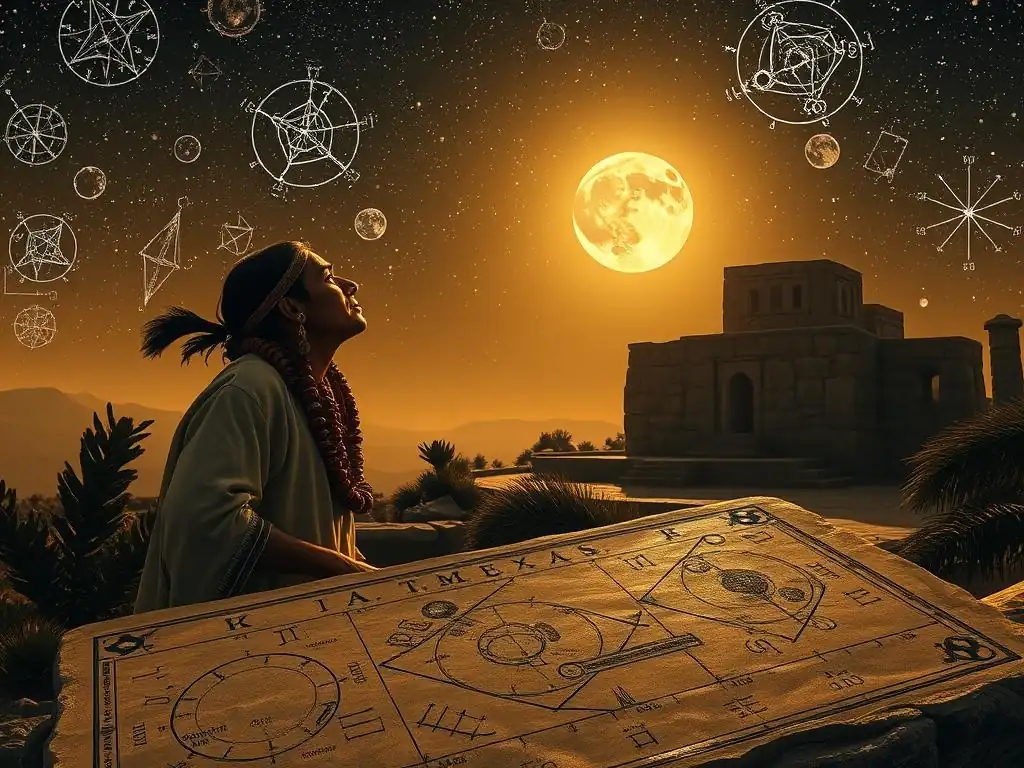
Indigenous astronomy mathematical systems are characterized by their unique approaches to numerical representation, calendar creation, and geometric patterns that guide navigation. These systems were not only practical but also held cultural significance, reflecting the communities' relationships with the cosmos.
Numerical Systems Used in Indigenous Astronomy
Numerical systems among indigenous cultures were often tied to their specific societal needs and cosmological beliefs. For instance, the Maya's vigesimal system allowed them to perform complex calculations related to celestial cycles. This system is evident in their long count calendar, which tracked significant epochs over thousands of years.
Similarly, the Inca utilized a decimal system primarily for agricultural and administrative purposes. They employed quipus, a system of knotted strings, to record numerical data related to population, taxation, and astronomical events, demonstrating a sophisticated understanding of mathematics in their society.
These numerical systems were not merely abstract concepts; they were practical tools that allowed indigenous peoples to interpret and navigate their world, showcasing their advanced mathematical capabilities.
Calendar Systems and Their Mathematical Foundations
Calendar systems in indigenous cultures were intricately linked to astronomical observations and mathematical principles. The Maya calendar, consisting of the Tzolk'in and Haab', was an example of a complex system that combined both solar and ritual cycles. This duality allowed them to synchronize agricultural activities with celestial events, ensuring food security.
In the Andean region, the Inca developed a solar calendar that aligned with the agricultural cycle, crucial for planning planting and harvesting seasons. Their calendar systems often featured mathematical calculations that accounted for lunar cycles, solstices, and equinoxes, emphasizing the importance of celestial rhythms in their daily lives.
These calendars not only served practical purposes but also held ceremonial significance, reinforcing the spiritual connection between the indigenous peoples and the cosmos. The mathematical foundations of these systems demonstrate the sophistication of indigenous astronomical knowledge.
Geometric Patterns in Indigenous Celestial Navigation
Indigenous cultures employed various geometric patterns in celestial navigation, utilizing the stars and constellations as guides for travel and survival. These geometric patterns were often rooted in the cultural narratives and myths associated with the stars, reflecting their understanding of the cosmos.
For example, the Navajo utilized a system of star paths, where specific stars indicated directions for navigation. This practice was not only practical but also served to reinforce cultural identities and connections to the land. Similarly, Mesoamerican cultures incorporated geometric alignments in their architecture, ensuring that structures like pyramids and temples aligned with celestial events.
The use of geometric patterns extended beyond navigation to include agricultural practices as well. Many indigenous cultures developed field layouts and planting techniques based on celestial observations, showcasing a sophisticated understanding of geometry that transcended mere survival and entered the realm of cultural expression.
Through these diverse mathematical systems, indigenous peoples demonstrated a profound connection to the universe, reflecting their ingenuity and deep understanding of the celestial world.
Case Studies of Indigenous Astronomy Mathematical Systems
Indigenous cultures across the Americas developed sophisticated mathematical systems that were intricately linked to their astronomical knowledge. These systems varied widely in form and application, highlighting the diversity of thought and innovation among these civilizations. By examining specific case studies, we can gain insight into how these mathematical frameworks were utilized in astronomical contexts, showcasing the deep understanding these cultures had of celestial phenomena.
The Maya Calendar and Its Mathematical Complexity
The Maya civilization is renowned for its advanced understanding of mathematics and astronomy, particularly through their intricate calendar systems. The Maya developed a vigesimal (base-20) numerical system, which facilitated complex calculations essential for their calendrical astronomy.
The most famous of their calendars is the Tzolk'in, a 260-day sacred calendar, which interlocks with the Haab', a 365-day solar calendar. The mathematical complexity lies in their ability to synchronize these two systems, allowing them to predict celestial events accurately. For instance, the Maya could calculate the timing of eclipses and the cycles of Venus with remarkable precision.
Moreover, the Maya's use of the concept of zero, which they referred to as a "shell" glyph, was revolutionary. This understanding allowed them to perform intricate calculations and was crucial for the development of their astronomical models.
The Incan Quipu as a Mathematical Tool for Astronomy
The Inca civilization utilized a unique system of knotted strings known as quipu, which served as both a record-keeping device and a mathematical tool. Though primarily associated with administrative functions, quipu also held astronomical significance.
Incan astronomers used quipu to track celestial events and agricultural cycles, employing a system of knots to represent numerical values and relationships. Each color and position of the knots conveyed specific information, enabling the Incas to calculate seasonal changes, planting times, and even lunar cycles.
This mathematical system allowed them to maintain an agricultural calendar that was essential for their survival in the varied climates of the Andes. The interrelationship between the quipu and astronomy demonstrates how mathematical systems were not just abstract concepts but practical tools for managing and understanding the world around them.
Navigational Techniques of Indigenous Coastal Tribes
Indigenous coastal tribes, such as the Polynesians and the Coast Salish, employed mathematical systems in their navigational techniques, which were closely tied to their understanding of astronomy. These cultures utilized the stars, ocean currents, and wind patterns to navigate vast distances across the ocean.
For instance, the Polynesians developed a sophisticated understanding of the night sky, identifying key stars and constellations that guided their voyages. They used a method known as wayfinding, which involved memorizing the positions of celestial bodies and their movements over time. This knowledge was passed down through generations, emphasizing the importance of observation and mathematical reasoning in navigation.
Coastal tribes also applied mathematical principles to measure distances and determine the best routes for fishing and trade. By integrating mathematics into their navigational practices, these cultures not only demonstrated their astronomical knowledge but also ensured their successful survival and flourishing.
The Role of Oral Tradition in Preserving Mathematical Systems
Oral tradition played a crucial role in the preservation and transmission of indigenous mathematical systems related to astronomy. As societies relied on storytelling and communal memory, these traditions became vital in safeguarding complex knowledge across generations.
Storytelling as a Method of Knowledge Transfer
Storytelling served as a powerful vehicle for conveying mathematical concepts and astronomical knowledge among indigenous peoples. Through narratives, elders would impart wisdom related to celestial events, agricultural cycles, and the mathematical principles underlying their calendars.
These stories often included metaphorical elements that made abstract mathematical ideas more accessible and relatable, ensuring that the knowledge was not only preserved but also actively engaged with by younger generations. For example, tales of the creation of the stars or the significance of certain celestial alignments would incorporate mathematical insights, weaving them into the cultural fabric of the community.
The Integration of Mathematics into Cultural Practices
Mathematics was seamlessly woven into the cultural practices of indigenous societies, serving as a fundamental aspect of their worldview. Rituals, ceremonies, and agricultural practices often incorporated mathematical calculations related to timing, alignment, and seasonal cycles.
For instance, the construction of ceremonial sites or observatories frequently involved precise measurements based on astronomical alignments. These practices underscored the importance of mathematics in daily life and spirituality, reinforcing the idea that understanding the cosmos was integral to the identity and continuity of indigenous cultures.
The fusion of mathematics and astronomy within indigenous cultures was not only a testament to their intellectual achievements but also a reflection of their deep connection to the natural world. The preservation of this knowledge through oral tradition ensures that the legacy of these mathematical systems continues to inspire and educate future generations.
Rediscovering and Revitalizing Indigenous Knowledge
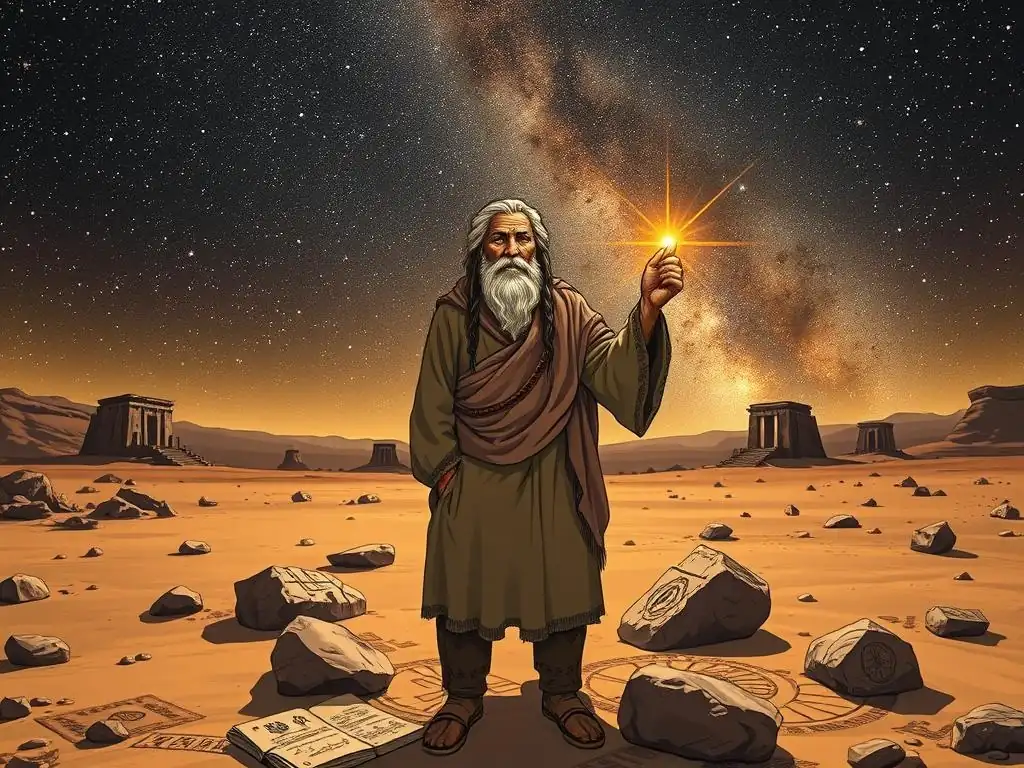
Indigenous knowledge systems, particularly in astronomy and mathematics, have long been overshadowed by Western narratives. However, recent efforts to rediscover and revitalize these ancient systems are gaining momentum. Scholars and community leaders are increasingly recognizing the value of indigenous perspectives, which encompass not only astronomical observations but also mathematical concepts embedded within cultural practices and oral traditions.
Revitalization initiatives often focus on documenting traditional knowledge through oral histories, practices, and rituals that reflect a society's understanding of the cosmos. This knowledge is not merely historical; it actively shapes the identities and worldviews of indigenous peoples today. By integrating traditional astronomical knowledge with modern scientific frameworks, communities aim to reclaim their heritage and provide educational resources that reflect their unique contributions to mathematics and astronomy.
Furthermore, these revitalization efforts are crucial in preserving endangered languages and fostering intergenerational knowledge transfer. Through storytelling, ceremonies, and community gatherings, younger generations are engaged in learning about their ancestors’ sophisticated mathematical systems, which were often utilized for navigation, agriculture, and seasonal planning. The revival of such knowledge not only enriches indigenous cultures but also challenges the dominant paradigms in contemporary mathematics.
Modern Interpretations of Indigenous Astronomy Mathematical Systems
Modern interpretations of indigenous astronomy mathematical systems are reshaping our understanding of ancient knowledge. Researchers are increasingly examining how indigenous cultures utilized mathematical concepts to interpret celestial phenomena and navigate their environments. For example, the Maya civilization developed an intricate calendrical system based on astronomical observations, incorporating complex calculations to predict celestial events, which were crucial for agricultural planning and ceremonial activities.
These interpretations reveal that indigenous mathematical systems were not static; they evolved in response to environmental changes and cosmological insights. Indigenous astronomers employed geometry, trigonometry, and even algebraic principles long before Western mathematicians formalized these concepts. For instance, the Inca utilized a base-10 system and employed knotted strings, known as quipus, for record-keeping and calculations related to astronomy and agriculture.
Moreover, modern technology facilitates the exploration of these ancient systems. Digital platforms allow researchers to simulate celestial events based on indigenous calendars, providing insights into how these cultures perceived time and space. This intersection of technology and tradition enhances our comprehension of indigenous mathematical systems and highlights their relevance in contemporary discussions on mathematics and astronomy.
Collaborative Projects Between Indigenous Communities and Researchers
Collaborative projects between indigenous communities and researchers are essential for fostering mutual understanding and respect for indigenous knowledge. These partnerships often focus on co-research initiatives that integrate traditional ecological knowledge with scientific inquiry. By engaging indigenous elders and knowledge keepers, researchers gain valuable insights into mathematical systems that may have otherwise remained unrecognized.
One notable example is the collaboration between the Navajo Nation and astronomers to document and preserve indigenous constellations and their associated stories. This project not only revitalizes cultural heritage but also enhances scientific literacy within the community. Participants learn about the mathematical principles underlying their traditional star maps while simultaneously contributing to broader astronomical research.
Additionally, these collaborations often extend to educational institutions, where indigenous knowledge is woven into curricula, creating a more inclusive academic environment. Such initiatives empower indigenous youth by affirming their cultural identity and demonstrating the relevance of their heritage in contemporary society.
Educational Initiatives to Promote Indigenous Mathematical Systems
Educational initiatives aimed at promoting indigenous mathematical systems are vital for preserving cultural heritage and fostering a deeper appreciation for indigenous contributions to mathematics and astronomy. Various programs focus on integrating indigenous perspectives into STEM (Science, Technology, Engineering, and Mathematics) education, providing students with a holistic understanding of mathematics that incorporates cultural contexts.
For instance, workshops and summer camps centered on indigenous astronomy encourage hands-on learning experiences that connect students with their heritage. Participants engage in activities such as building replica astronomical instruments, creating calendars based on indigenous systems, and exploring the mathematics behind celestial navigation. These experiences not only enhance mathematical skills but also instill a sense of pride in indigenous culture.
Moreover, partnerships between educational institutions and indigenous communities help develop culturally relevant teaching materials that reflect local knowledge and practices. By incorporating indigenous mathematical systems into standard curricula, educators can create a more inclusive learning environment that respects and values diverse knowledge systems.
Conclusion: The Lasting Impact of Indigenous Astronomy on Modern Mathematics
The exploration of indigenous astronomy mathematical systems reveals a rich tapestry of knowledge that continues to influence modern mathematics. The sophisticated understanding of celestial patterns, timekeeping, and spatial relationships developed by indigenous cultures provides valuable insights that challenge conventional mathematical paradigms.
As we rediscover and revitalize these ancient systems, it becomes evident that indigenous mathematical knowledge is not merely historical; it has contemporary applications that can enrich our understanding of mathematics and its relevance in addressing today’s challenges. The collaboration between indigenous communities and researchers fosters a deeper appreciation for diverse knowledge systems, ensuring that the contributions of indigenous civilizations are recognized and celebrated.
The lasting impact of indigenous astronomy on modern mathematics lies in its ability to inspire new ways of thinking about numbers, patterns, and the cosmos. By embracing these ancient systems, we can cultivate a more inclusive mathematical discourse that honors the wisdom of indigenous cultures and their enduring legacy in the world of science and mathematics.
Call to Action: Engaging with Indigenous Knowledge and Practices
Engaging with indigenous knowledge and practices is not merely an academic exercise; it is a vital pathway to understanding the world's diverse cultural heritage and the wisdom embedded within it. Indigenous astronomical systems, with their rich mathematical frameworks, offer profound insights into how ancient peoples interpreted the cosmos. Here are some ways to actively engage with and appreciate these unique knowledge systems:
-
Participate in Workshops and Lectures
Seek out workshops or public lectures hosted by indigenous scholars or cultural practitioners. These events often provide firsthand accounts of traditional practices, including indigenous astronomy and mathematical systems.
-
Visit Indigenous Cultural Centers
Many indigenous communities have cultural centers that offer educational programs. Visiting these centers can deepen your understanding of their astronomical knowledge, including how it influenced agricultural practices and societal organization.
-
Support Indigenous Arts and Literature
Explore works by indigenous authors or artists that reflect their cosmological perspectives. Literature and art often encapsulate complex mathematical concepts and astronomical observations, showcasing the creativity and knowledge of indigenous cultures.
-
Incorporate Indigenous Perspectives in Education
Educators at all levels should strive to include indigenous mathematical systems and astronomical knowledge in their curricula. This can foster a greater appreciation for diversity in knowledge and inspire students to explore these systems further.
-
Engage in Community Projects
Many indigenous groups engage in community projects that aim to revive and sustain traditional knowledge systems. Volunteering your time or resources can help support these initiatives while providing you with valuable learning experiences.
-
Utilize Digital Resources
Online platforms and resources, including virtual museums and indigenous knowledge databases, offer access to a wealth of information about indigenous astronomy and its mathematical underpinnings. Engaging with these resources can enhance understanding and appreciation from the comfort of your home.
By actively participating in these activities, individuals can contribute to the revitalization of indigenous knowledge systems, ensuring that the mathematical contributions of these cultures are recognized and preserved for future generations. Engaging with indigenous astronomy not only enriches our understanding of the universe but also honors the enduring legacy of indigenous peoples.
- Introduction to Indigenous Astronomy and Mathematical Systems
- The Importance of Mathematical Systems in Indigenous Astronomy
- Overview of Indigenous Cultures and Their Astronomical Knowledge
- Key Features of Indigenous Astronomy Mathematical Systems
- Case Studies of Indigenous Astronomy Mathematical Systems
- The Role of Oral Tradition in Preserving Mathematical Systems
- Rediscovering and Revitalizing Indigenous Knowledge
- Conclusion: The Lasting Impact of Indigenous Astronomy on Modern Mathematics
- Call to Action: Engaging with Indigenous Knowledge and Practices
- What are indigenous astronomy mathematical systems?
- How did indigenous cultures utilize astronomy?
- What achievements in mathematics are noted in indigenous astronomy?
- How did colonization affect the knowledge of indigenous astronomy?
- Why is it important to study indigenous astronomical systems today?
Frequently Asked Questions
What are indigenous astronomy mathematical systems?
Indigenous astronomy mathematical systems refer to the complex frameworks developed by various indigenous cultures to understand celestial movements and timekeeping, using mathematics in a way that was integral to their societal functions.
How did indigenous cultures utilize astronomy?
Indigenous cultures employed astronomy for navigational purposes, agricultural planning, and ritualistic events, reflecting their deep connection with the natural world and its cycles.
What achievements in mathematics are noted in indigenous astronomy?
Indigenous astronomers made significant contributions, such as the development of calendar systems and geometric concepts, showcasing their advanced understanding of spatial relationships and orbital patterns.
How did colonization affect the knowledge of indigenous astronomy?
Colonization led to the disruption of indigenous knowledge systems, resulting in the loss of valuable astronomical insights and mathematical practices that were once vital to their cultural identity.
Why is it important to study indigenous astronomical systems today?
Studying these systems helps to recognize and appreciate the depth of indigenous knowledge, offering insights that can enrich modern mathematics, astronomy, and our understanding of cultural diversity.
Final Reflection: Embracing the Wisdom of Indigenous Astronomy
In an age where technology often overshadows traditional knowledge, the rediscovery of ancient mathematical systems in indigenous astronomy is more relevant than ever. As we navigate the complexities of modern life, the insights offered by these ancient practices remind us of the profound connection between humanity and the cosmos. This connection is not merely historical; it serves as a guiding light for our future, urging us to integrate wisdom from the past into our contemporary understanding of the universe.
The influence of indigenous astronomical systems extends far beyond the realm of science; it shapes cultural identities and fosters a deeper appreciation for the natural world. These mathematical systems are not just tools for navigation or timekeeping; they embody a worldview that emphasizes harmony and balance. As we continue to explore the cosmos, we must acknowledge the voices of those who have long understood its rhythms. The stars are not just points of light; they are stories waiting to be told.
This quote encapsulates the essence of indigenous astronomy, reminding us that every constellation holds a narrative that enriches our collective human experience.
As we reflect on the lessons of indigenous astronomy and its mathematical systems, I invite you to consider how these ancient teachings can inspire your own journey. What stories do the stars tell you? Embrace the opportunity to learn from the past and apply these insights to your life, fostering a deeper connection with the universe and those around you. Let us honor this ancient wisdom and carry it forward, weaving it into the fabric of our modern existence, ensuring that the knowledge of our ancestors continues to illuminate our path.
Unveil the Secrets of Indigenous Astronomy!
Thank you for taking the time to explore the fascinating world of ancient knowledge found in indigenous mathematical systems and astronomy. By diving into this rich heritage, you’ve not only expanded your understanding but also honored the wisdom of these remarkable cultures. Now, it’s time to put that knowledge into action!
Here are some practical steps you can take to deepen your exploration and appreciation of indigenous astronomy:
- Engage with local Indigenous communities to learn about their astronomical traditions and practices. Participate in cultural events or workshops that focus on celestial teachings and storytelling.
- Explore online resources or join virtual seminars dedicated to indigenous mathematics and astronomy. Broaden your understanding through various perspectives and insights offered by experts in the field.
- Share your newfound knowledge with friends or on social media to spark interest and conversation. Start discussions about what captivates you most regarding indigenous celestial practices.
What aspect of indigenous astronomy inspires you the most, and how can you incorporate these ancient teachings into your daily life?