
The Influence of Indigenous Agriculture on Modern Farming Practices

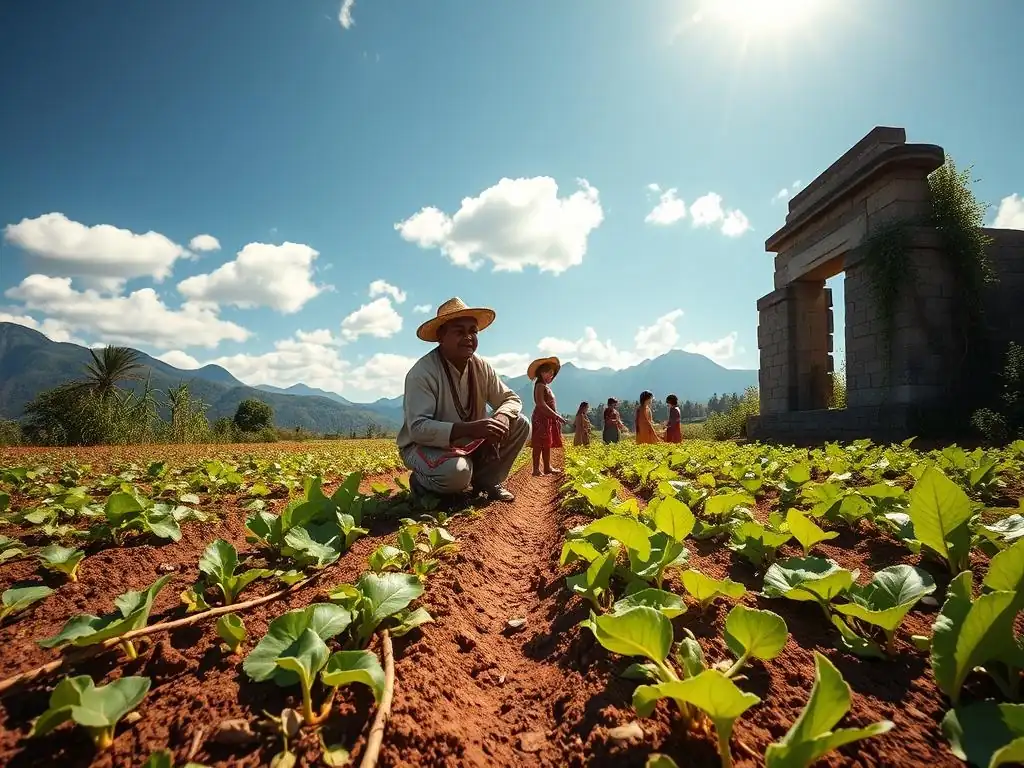
Welcome to Indigenous Civilizations of the Americas, where we invite you to embark on a fascinating journey through the rich tapestry of indigenous cultures that flourished long before European contact. In our featured article, "The Influence of Indigenous Agriculture on Modern Farming Practices," we delve into how ancient farming techniques and innovations continue to shape contemporary agriculture.
Discover the profound impact of indigenous agriculture, and prepare to be surprised by the depth of knowledge and creativity that these civilizations contributed to our world. Join us as we uncover stories of resilience, ingenuity, and the enduring legacy of indigenous communities that have shaped the very foundations of farming today.
Introduction to Indigenous Agriculture Impact on Farming
Indigenous agriculture has had a profound impact on farming practices that continue to shape modern agricultural systems today. Long before European settlers arrived in the Americas, indigenous peoples developed intricate agricultural techniques that not only supported their communities but also fostered a deep connection to the land. By exploring the innovations and achievements of these societies, we gain insight into sustainable farming methods that are increasingly relevant in our contemporary world. This article delves into the various ways indigenous agricultural practices have influenced modern farming and highlights the enduring legacy of these rich cultures.
Overview of Indigenous Agricultural Techniques
Indigenous agricultural techniques were remarkably diverse, varying greatly across different regions and cultures. Some key aspects of these techniques include:
- Crop Rotation: Indigenous farmers practiced crop rotation, which helped maintain soil fertility and reduce pest populations.
- Companion Planting: The use of companion planting, where different crops are grown together to enhance growth and deter pests, was common. For instance, the "Three Sisters" method involved planting corn, beans, and squash together, optimizing land use and nutrient sharing.
- Terracing and Irrigation: In regions like the Andes, indigenous peoples developed terracing systems that maximized arable land and used sophisticated irrigation methods to ensure crops received adequate water.
These techniques not only enhanced productivity but also promoted ecological balance, demonstrating a profound understanding of the environment.
Significance of Indigenous Farming Practices in North America
The significance of indigenous farming practices in North America extends beyond mere cultivation techniques. These practices were integral to the social, economic, and spiritual lives of indigenous peoples. Key points include:
- Cultural Heritage: Agricultural practices were deeply intertwined with cultural identity, reflecting the relationship between communities and their environment.
- Sustainable Practices: The sustainability of indigenous farming methods has garnered renewed interest in today’s agricultural discussions, as modern farmers seek to adopt practices that are environmentally friendly and economically viable.
- Biodiversity Preservation: Indigenous farming contributed to the preservation of biodiversity by cultivating a wide variety of crops, many of which are still crucial in modern diets.
Historical Context of Indigenous Agriculture
Understanding the historical context of indigenous agriculture is essential to appreciate its impact on modern farming practices. The development of agricultural systems by indigenous peoples laid the groundwork for future agricultural innovation.
Development of Agricultural Systems by Indigenous Peoples
Indigenous peoples developed robust agricultural systems that were tailored to their specific environments. This development involved:
- Domestication of Plants: Over thousands of years, various indigenous cultures selectively bred plants, leading to the domestication of numerous crops such as maize, beans, and squash.
- Adaptation to Local Conditions: Different tribes adapted their agricultural practices to their local climates and terrains, showcasing ingenuity and resilience in the face of environmental challenges.
Key Crops Cultivated by Indigenous Farmers
The crops cultivated by indigenous farmers not only sustained their communities but also transformed global agriculture. Some of the key crops include:
| Crop | Significance |
|---|---|
| Maize | A staple food that became a vital crop globally |
| Beans | Provided essential protein and nitrogen fixation |
| Squash | Offered nutrients and was often used in rituals |
| Potatoes | Revolutionized diets in Europe and beyond |
Innovations Introduced by Indigenous Agriculture
Indigenous agriculture introduced several innovations that have had lasting impacts on farming practices worldwide:
- Crop Diversity: The emphasis on growing multiple crops in one area has influenced modern permaculture and polyculture methods.
- Soil Management Techniques: Practices such as the use of organic fertilizers and soil amendments have roots in indigenous agriculture, promoting fertility without harmful chemicals.
- Resilience to Climate Change: Indigenous methods of farming are often more resilient to climate variability, offering valuable insights for contemporary farming in the face of global climate challenges.
The influence of indigenous agriculture is vast and multifaceted, with deep implications for modern farming practices. By recognizing and integrating these age-old techniques, contemporary agriculture can move towards a more sustainable and equitable future.
Indigenous Agriculture Techniques and Their Modern Applications
Indigenous agriculture has had a profound influence on modern farming practices, showcasing techniques that not only enhance productivity but also promote environmental sustainability. Many of these traditional methods were developed over centuries, fine-tuned to local ecosystems, and are increasingly recognized for their relevance in today’s agricultural landscape. By understanding and applying these indigenous techniques, contemporary farmers can improve soil health, increase crop diversity, and adapt to climate change challenges.
The integration of indigenous agricultural knowledge into modern practices is evident in various aspects, including the use of crop rotation, polyculture, and natural pest control. These methods not only optimize yields but also reduce dependency on synthetic fertilizers and pesticides, fostering a more resilient agricultural system. The revival of these ancient techniques highlights the importance of traditional ecological knowledge and its potential to address modern agricultural challenges.
Companion Planting: Lessons from Indigenous Practices
Companion planting is a traditional technique utilized by many indigenous cultures, where different plant species are grown together to enhance growth, deter pests, and maximize space. For example, the Iroquois employed companion planting to cultivate crops like corn, beans, and squash, known collectively as the "Three Sisters." This method creates a symbiotic relationship where each plant benefits from the others.
Modern farmers have adopted companion planting to promote biodiversity and improve soil fertility. By strategically pairing crops, they can reduce the need for chemical fertilizers and pesticides, leading to healthier ecosystems. Research has shown that companion planting can significantly enhance yields and reduce crop loss due to pests, making it a valuable lesson from indigenous practices that is being embraced in contemporary agriculture.
Soil Conservation Methods Used by Indigenous Farmers
Indigenous farmers have long recognized the importance of soil health in sustainable agriculture. Techniques such as terracing, contour farming, and the use of cover crops were commonly employed to prevent soil erosion and maintain soil fertility. For instance, indigenous communities in the Andes developed intricate terracing systems that not only conserved water but also reduced soil runoff, ensuring the longevity of their agricultural lands.
These traditional soil conservation methods are being revisited by modern farmers facing issues like soil degradation and erosion. By implementing similar practices, contemporary agriculture can enhance soil structure, retain moisture, and improve nutrient cycling. This shift towards indigenous-inspired soil management techniques underscores the critical role that traditional knowledge plays in fostering sustainable farming practices today.
Sustainable Farming Practices Derived from Indigenous Knowledge
Sustainable farming practices rooted in indigenous knowledge emphasize harmony with nature and resource conservation. Techniques such as crop rotation, agroforestry, and sustainable irrigation systems have been integral to indigenous agricultural systems. These practices not only promote biodiversity but also enhance resilience to climate change.
Modern farmers increasingly recognize the benefits of these sustainable practices. For example, agroforestry systems that integrate trees into crop production have been shown to improve soil health, increase biodiversity, and provide additional income sources. By drawing on indigenous wisdom, contemporary agriculture is moving towards more sustainable and ecologically sound practices, ensuring food security for future generations.
Case Studies: Indigenous Agricultural Influence on Modern Farming
Example 1: The Iroquois and Their Impact on Crop Diversity
The Iroquois Nation is renowned for its sophisticated agricultural practices, particularly the cultivation of the "Three Sisters" – corn, beans, and squash. This method not only maximized yield but also promoted nutritional diversity. By sharing nutrients and creating a microenvironment beneficial to each other, these crops thrived together.
Today, the Iroquois’ influence is evident as modern farmers adopt similar polyculture practices to enhance crop diversity and resilience. The recognition of the nutritional and ecological benefits of these traditional crops has led to a resurgence in their cultivation, reinforcing the significance of indigenous agriculture in contemporary food systems.
Example 2: Three Sisters Planting Technique in Contemporary Agriculture
The Three Sisters planting technique, which involves growing corn, beans, and squash together, is a prime example of indigenous agricultural wisdom applied in modern farming. This method promotes mutual growth, with corn providing a structure for beans to climb, beans enhancing soil fertility through nitrogen fixation, and squash acting as a ground cover to prevent weeds.
Modern farmers have begun to incorporate the Three Sisters method into their practices, particularly in organic and sustainable farming. This not only diversifies their crop production but also contributes to soil health and pest management. The widespread adoption of this technique highlights the enduring legacy of indigenous agriculture and its relevance in today’s farming practices.
Example 3: Traditional Fire Management Practices and Their Adoption by Modern Farmers
Traditional fire management practices, used by various indigenous cultures for land stewardship, are gaining recognition for their ecological benefits. Indigenous peoples utilized controlled burns to manage landscapes, promote new growth, and reduce the risk of larger wildfires. This practice fosters biodiversity and enhances habitat for various species.
Modern farmers and land managers are increasingly leveraging these traditional fire management techniques to restore ecosystems and manage invasive species. By adopting controlled burns, they can improve soil health and reduce wildfire risks, demonstrating how indigenous fire management practices can inform contemporary land stewardship. This integration of traditional knowledge into modern practices underscores the enduring impact of indigenous agriculture on current farming methodologies.
The Role of Traditional Ecological Knowledge in Modern Agriculture
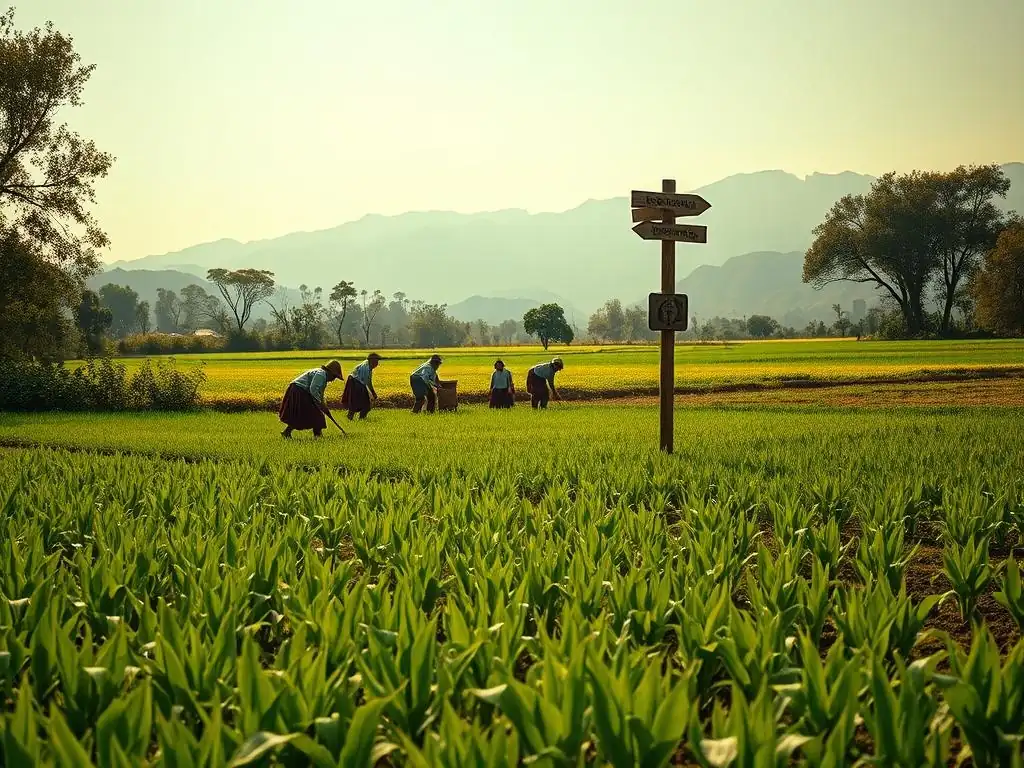
Traditional Ecological Knowledge (TEK) represents a profound understanding of the environment, developed over generations by Indigenous peoples through their interactions with the land. This knowledge encompasses a wide range of practices, beliefs, and values that inform the sustainable management of natural resources. As modern agriculture increasingly faces challenges such as climate change, soil degradation, and the loss of biodiversity, the integration of TEK provides a pathway toward more resilient and sustainable farming practices.
Understanding Traditional Ecological Knowledge (TEK)
TEK is characterized by its holistic view of ecosystems, recognizing the interconnections between living organisms and their environments. Indigenous farmers have long employed practices that emphasize biodiversity, crop rotation, and intercropping, which not only enhance soil fertility but also reduce the dependence on chemical inputs. This knowledge is often rooted in spiritual beliefs and cultural traditions, reinforcing the relationship between people and the land. Understanding TEK requires a recognition of the value of Indigenous perspectives and the importance of maintaining these practices for the benefit of future generations.
Integration of TEK into Modern Agricultural Practices
Integrating TEK into modern agricultural practices involves a respectful collaboration between Indigenous knowledge holders and contemporary agricultural scientists. This can manifest in various ways, such as incorporating Indigenous methods of pest management, utilizing heirloom seed varieties, and adapting farming techniques that are resilient to local climatic conditions. For instance, the use of companion planting, where different crops are grown together to enhance growth and deter pests, directly reflects TEK principles. By bridging the gap between traditional practices and modern technology, farmers can develop innovative solutions that improve yields while promoting ecological health.
Benefits of TEK for Sustainable Farming
The benefits of integrating TEK into modern farming practices are manifold. Firstly, it enhances biodiversity, which is crucial for ecosystem stability and productivity. Secondly, TEK promotes soil health through organic farming techniques, reducing the need for synthetic fertilizers and pesticides. Additionally, adopting these practices can improve water management, particularly in regions facing drought, as traditional methods often include techniques for conserving moisture. Ultimately, the incorporation of TEK supports food sovereignty, empowering Indigenous communities to reclaim their agricultural heritage while contributing to global food security.
Challenges and Barriers to Recognizing Indigenous Agriculture Impact
Despite the evident benefits of Indigenous agriculture, there are significant challenges and barriers to recognizing its impact on modern farming practices. These challenges stem from historical marginalization of Indigenous knowledge, misconceptions about its relevance, and systemic resistance within the agricultural sector.
Misconceptions About Indigenous Farming Practices
One of the primary misconceptions surrounding Indigenous farming practices is the belief that they are primitive or less effective compared to modern agricultural methods. This perspective overlooks the sophisticated understanding of ecology and sustainable practices that Indigenous farmers have developed over centuries. By dismissing these methods as outdated, the agricultural community risks losing valuable insights that could enhance food production and sustainability. Education and awareness-raising initiatives are essential to challenge these misconceptions and highlight the effectiveness of Indigenous agricultural practices.
Modern Agriculture's Resistance to Indigenous Techniques
Modern agriculture often prioritizes mechanization, monoculture, and chemical inputs, which can create resistance to adopting Indigenous techniques. This resistance is fueled by a focus on short-term yields rather than long-term sustainability, as well as the prevailing narrative that equates technological advancement with agricultural progress. Consequently, there is a need for policy changes and incentives that encourage the integration of Indigenous techniques into mainstream agriculture. By fostering an inclusive dialogue that values diverse agricultural practices, the industry can benefit from the strengths of both traditional and modern approaches.
Preservation of Indigenous Knowledge in the Face of Modernization
The preservation of Indigenous agricultural knowledge is increasingly threatened by modernization and globalization. As traditional farming practices decline, the risk of losing invaluable ecological knowledge escalates. Efforts to document and revitalize this knowledge are crucial, not only for cultural preservation but also for future agricultural resilience. Collaborative efforts between Indigenous communities, researchers, and policymakers can help safeguard this knowledge, ensuring that it is passed down to future generations. Education programs and community initiatives that prioritize Indigenous voices can further strengthen the recognition and application of Indigenous agriculture in modern contexts.
Conclusion: The Lasting Influence of Indigenous Agriculture on Modern Farming
Indigenous agriculture has significantly shaped modern farming practices, leaving an indelible mark on how we cultivate crops and manage land today. From innovative agricultural techniques to sustainable practices, the contributions of indigenous peoples have not only enriched our understanding of agriculture but also provided solutions to contemporary challenges related to food security and environmental sustainability. This legacy serves as a vital reminder of the ingenuity and adaptability of indigenous cultures and their profound understanding of the ecosystems they inhabited.
Summary of Indigenous Agriculture's Contributions
Indigenous agriculture is characterized by a variety of sophisticated techniques and practices that have been honed over thousands of years. Key contributions include:
- Crop Diversity: Indigenous farmers cultivated a wide range of crops, including maize, beans, squash, and various tubers, which contributed to greater biodiversity. This practice supports soil health and resilience against pests and diseases.
- Agroecological Practices: Techniques such as companion planting and crop rotation were developed to maximize yields while minimizing environmental impact. These sustainable methods are increasingly relevant in today’s context of climate change.
- Soil Management: Indigenous peoples employed practices like controlled burns and the use of organic fertilizers, which enhanced soil fertility and structure, a knowledge base that modern agriculture is beginning to rediscover.
- Water Management: Advanced irrigation systems, such as those used by the Hohokam in the southwestern United States, exemplify indigenous innovation in managing water resources efficiently.
These contributions not only improved agricultural productivity but also fostered a deep relationship with the land, emphasizing the importance of stewardship and sustainability.
Future Prospects for Integrating Indigenous Practices in Farming
As modern agriculture faces challenges such as climate change, soil degradation, and declining biodiversity, there is an increasing recognition of the value of indigenous agricultural practices. Future prospects for integration include:
- Collaborative Research: Engaging indigenous communities in agricultural research can lead to innovative solutions that respect traditional knowledge while incorporating modern techniques.
- Policy Support: Governments and organizations can create policies that support indigenous-led farming initiatives, ensuring that these practices are preserved and promoted.
- Educational Programs: Implementing educational programs that highlight indigenous agricultural techniques can foster greater awareness and appreciation among new generations of farmers, encouraging the adoption of sustainable practices.
By embracing and integrating these practices, modern agriculture can enhance its resilience and sustainability, benefiting both the environment and food security.
Call to Action: Recognizing and Valuing Indigenous Agricultural Heritage
To honor the rich legacy of indigenous agriculture, it is essential for individuals, communities, and policymakers to recognize and value these contributions. Actions can include:
- Supporting Indigenous Farmers: Consumers can choose to buy from indigenous farmers and support local markets that promote indigenous agricultural products.
- Advocating for Indigenous Rights: Advocacy for the rights of indigenous peoples to maintain their traditional farming practices is crucial for the preservation of their agricultural heritage.
- Spreading Awareness: Educating others about the importance of indigenous agriculture can promote a broader understanding and appreciation of these practices.
By taking these steps, we can help ensure that the wisdom and innovations of indigenous farming continue to be valued and integrated into modern agricultural practices.
References and Further Reading
Suggested Literature on Indigenous Agriculture Impact on Farming
- "1491: New Revelations of the Americas Before Columbus" by Charles C. Mann: This book provides insight into the sophisticated civilizations and agricultural practices that existed in the Americas before European contact.
- "The Omnivore's Dilemma" by Michael Pollan: Pollan explores the origins of our food systems, including the influence of indigenous practices on modern agriculture.
- "Native American Agriculture: A Very Short Introduction" by John R. H. Edwards: This concise volume offers an overview of the agricultural methods and contributions of various indigenous nations.
Resources for Learning More About Indigenous Cultures and Agriculture
- The Indigenous Food Systems Network: An organization focused on the promotion of indigenous food sovereignty and sustainable agricultural practices.
- The Smithsonian National Museum of the American Indian: Offers various resources and exhibitions related to indigenous cultures, including their agricultural practices.
- Local indigenous community organizations: Many regions have local groups that focus on the preservation and promotion of indigenous agricultural knowledge and practices. Engaging with these organizations can provide deeper insights and practical knowledge.
- Introduction to Indigenous Agriculture Impact on Farming
- Historical Context of Indigenous Agriculture
- Indigenous Agriculture Techniques and Their Modern Applications
- Case Studies: Indigenous Agricultural Influence on Modern Farming
- The Role of Traditional Ecological Knowledge in Modern Agriculture
- Challenges and Barriers to Recognizing Indigenous Agriculture Impact
- Conclusion: The Lasting Influence of Indigenous Agriculture on Modern Farming
- References and Further Reading
- What is the main focus of the article "The Influence of Indigenous Agriculture on Modern Farming Practices"?
- How did indigenous cultures influence modern farming?
- What are some examples of indigenous crops that have impacted farming?
- Why is understanding indigenous agriculture important today?
- How can modern farmers integrate indigenous agricultural techniques?
Frequently Asked Questions
What is the main focus of the article "The Influence of Indigenous Agriculture on Modern Farming Practices"?
The article explores the significant contributions of indigenous agricultural practices in shaping modern farming techniques, highlighting their sustainable methods and innovations.
How did indigenous cultures influence modern farming?
Indigenous cultures introduced crop rotation, intercropping, and permaculture techniques that have greatly enhanced the sustainability and productivity of modern agricultural practices.
What are some examples of indigenous crops that have impacted farming?
Crops such as maize, potatoes, and beans were cultivated by indigenous peoples and are now staple foods worldwide, demonstrating their profound global agricultural impact.
Why is understanding indigenous agriculture important today?
Understanding indigenous agriculture is crucial for promoting sustainable farming practices that can address modern challenges like climate change and food security while respecting traditional knowledge.
How can modern farmers integrate indigenous agricultural techniques?
Modern farmers can adopt indigenous techniques by implementing diversified cropping systems, utilizing local resources, and respecting the ecological balance that indigenous methods promote.
Final Reflection: Embracing the Wisdom of Indigenous Agriculture
The impact of Indigenous agriculture on modern farming practices is more relevant today than ever, as we face pressing challenges such as climate change and food security. By integrating traditional knowledge with contemporary techniques, we can cultivate a more sustainable future. The wisdom of Indigenous practices offers invaluable insights that can transform our approach to agriculture, making it not just a means of production but a pathway to harmony with nature.
The influence of Indigenous agriculture extends far beyond the fields; it shapes our cultural identity and fosters a deeper connection to the land. As we witness a resurgence of interest in sustainable farming, the teachings of Indigenous communities remind us of the importance of biodiversity, soil health, and community involvement. Indigenous knowledge is not just a relic of the past; it is a living resource that can guide us toward a more sustainable future.
This ongoing dialogue between past and present enriches our understanding of agriculture and encourages us to honor the traditions that have sustained generations.
As we reflect on the lessons learned from Indigenous agriculture, I invite you to consider how you can incorporate these principles into your own life and practices. Take a moment to explore local farming methods, support Indigenous farmers, and advocate for policies that respect and integrate traditional knowledge. By doing so, you not only contribute to a more sustainable agricultural system but also honor the rich heritage that has shaped our relationship with the land. Let us move forward together, inspired by the past, to cultivate a future that respects and nurtures our environment.
Embrace Indigenous Wisdom: Transform Your Farming Today!
Thank you for diving into the rich world of Indigenous agriculture! By exploring its enduring influence, you've unlocked a treasure trove of sustainable practices that can enhance modern farming. Now, it’s time to take action and integrate this wisdom into your own gardening or farming journey.
Here are a few practical steps you can take right now:
- Experiment with Companion Planting: Implement traditional practices by pairing plants that enhance each other's growth, similar to what Indigenous farmers have practiced for generations.
- Join a Local Farming Community: Connect with individuals who appreciate Indigenous agricultural techniques. Share experiences and learn from each other’s knowledge.
- Share Your Findings: Document your experiences or initiate conversations on social media. Your insights could inspire others to delve deeper into Indigenous practices!
Which modern farming practice do you believe could benefit most from Indigenous techniques, and why? Let’s discuss!