
Governance and Sustainability: How Indigenous Systems Managed Natural Resources

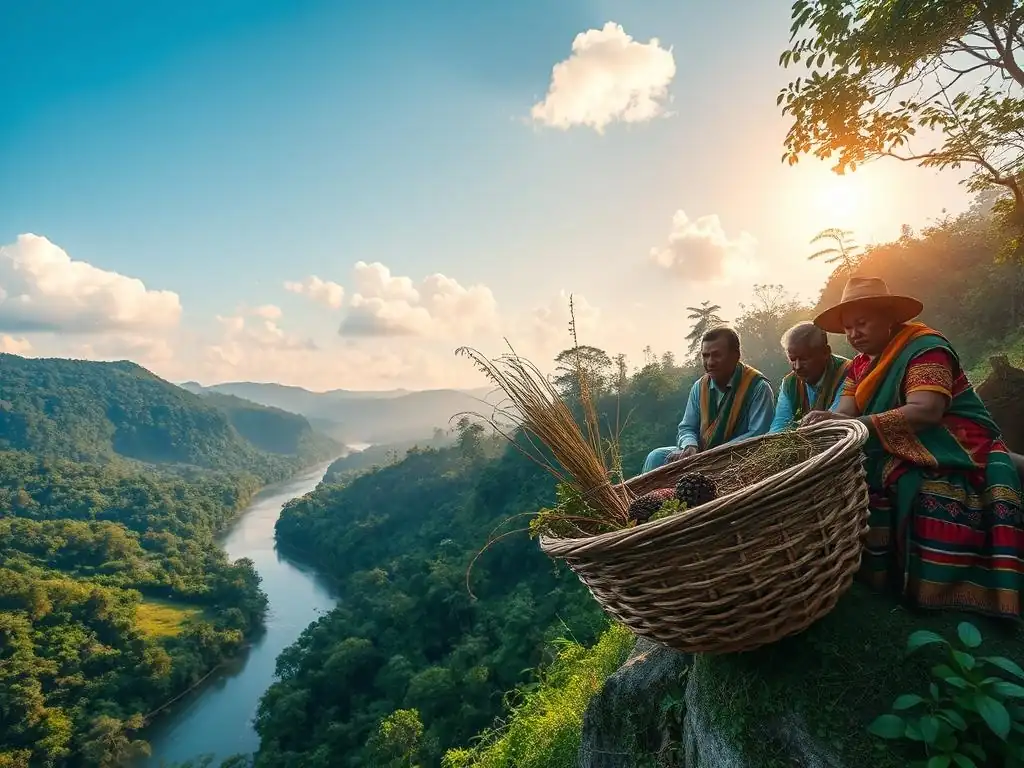
Welcome to Indigenous Civilizations of the Americas, where we invite you to journey through the rich tapestry of indigenous cultures that flourished long before European contact. Discover the profound wisdom embedded in Indigenous resource management systems, a testament to the innovative governance and sustainability practices that have shaped the landscape and ecosystems of the Americas. As you delve into our featured article, "Governance and Sustainability: How Indigenous Systems Managed Natural Resources," prepare to uncover the remarkable achievements and enduring legacies of these vibrant societies. Your exploration of their intricate relationship with nature awaits—let's dive deeper together!
Introduction to Indigenous Resource Management Systems
Indigenous resource management systems represent a sophisticated understanding of sustainability developed by various cultures across the Americas long before European contact. Through a deep connection to their environments, indigenous peoples crafted governance structures that promoted the responsible stewardship of natural resources, ensuring their communities' survival and prosperity over centuries. This article explores the intricate systems these societies employed, demonstrating how their practices not only fostered ecological balance but also served as a foundation for resilience and sustainability. By examining their innovative governance methods, we can gain valuable insights into effective resource management strategies that remain relevant today.
Definition of Indigenous Resource Management
Indigenous resource management encompasses the traditional practices, beliefs, and governance systems that indigenous peoples employed to manage natural resources effectively. This management is characterized by:
- Holistic approaches: Recognizing the interconnectedness of life, including the environment, community, and spirituality.
- Cultural practices: Utilizing ancestral knowledge and customs that have been passed down through generations.
- Adaptive strategies: Implementing flexible management practices that respond to environmental changes and community needs.
By understanding these elements, we can appreciate the depth of knowledge embedded in indigenous resource management systems.
Importance of Governance in Sustainability
Governance plays a crucial role in achieving sustainability within indigenous communities. Effective governance structures facilitate:
- Collective decision-making: Ensuring that all community members have a voice in resource management.
- Long-term planning: Prioritizing the needs of future generations, rather than immediate gains.
- Conflict resolution: Providing frameworks to address disputes over resources amicably and equitably.
These governance elements not only promote sustainability but also empower communities to thrive in harmony with their environment.
Historical Context of Indigenous Resource Management
Understanding the historical context of indigenous resource management requires examining the rich tapestry of pre-Columbian societies that flourished across the Americas.
Overview of Pre-Columbian Societies
Pre-Columbian societies, such as the Maya, Aztec, and Inca, developed complex civilizations with advanced governance structures. Their approaches to resource management were diverse yet interconnected, often characterized by:
- Agricultural innovations: Techniques like terrace farming and crop rotation that enhanced productivity and sustainability.
- Water management systems: Ingenious irrigation systems that maximized water use and supported thriving agricultural landscapes.
- Trade networks: Systems that facilitated the exchange of goods and knowledge across vast distances, promoting resource sharing and collaboration.
These practices reflect a profound understanding of environmental dynamics and showcase the ingenuity of these civilizations.
Traditional Ecological Knowledge (TEK) in Governance
Traditional Ecological Knowledge (TEK) refers to the accumulated understanding of ecosystems and resource management developed by indigenous peoples over generations. TEK plays a critical role in governance by:
- Informing resource management decisions: Providing data on local biodiversity, seasonal cycles, and ecological relationships.
- Enhancing resilience: Equipping communities to adapt to environmental changes through time-tested practices.
- Strengthening cultural identity: Fostering a sense of belonging and responsibility towards the land and its resources.
By integrating TEK into governance frameworks, indigenous communities can uphold their cultural heritage while ensuring the sustainable management of natural resources.
Through this exploration, it becomes evident that indigenous resource management systems are not merely historical artifacts but vital models for contemporary sustainability practices. Understanding these systems offers a pathway to reconcile modern governance with the wisdom of the past.
Key Principles of Indigenous Resource Management Systems
Indigenous resource management systems are built upon a foundation of deep ecological knowledge, cultural traditions, and community values. These systems prioritize sustainability, ensuring that natural resources are used in a manner that preserves them for future generations. The key principles that underpin these systems typically include stewardship, reciprocity, and respect for natural cycles.
- Stewardship: Indigenous communities often view themselves as caretakers of the land rather than owners. This stewardship is rooted in a spiritual connection to the environment, fostering a sense of responsibility to maintain the health of ecosystems.
- Reciprocity: Many indigenous cultures practice a reciprocal relationship with nature, where the extraction of resources is balanced by giving back to the environment. This can involve rituals, conservation efforts, or sustainable harvesting practices that ensure resource regeneration.
- Respect for Natural Cycles: Indigenous resource management systems are informed by a profound understanding of ecological cycles. This knowledge guides practices such as seasonal hunting, fishing, and gathering, aligning resource use with the natural rhythms of the environment.
Community-Centric Approaches
Indigenous resource management systems are inherently community-centric, emphasizing the involvement and well-being of the entire community. This approach fosters collective responsibility and decision-making, ensuring that the needs and perspectives of all community members are considered.
- Collective Decision-Making: Governance structures within indigenous communities often involve consensus-based decision-making, engaging various stakeholders in discussions about resource management. This inclusivity strengthens community bonds and enhances environmental stewardship.
- Cultural Practices and Traditions: Many indigenous communities incorporate traditional ecological knowledge (TEK) into their resource management practices. TEK encompasses the collective wisdom and practices developed over generations, guiding sustainable use and conservation efforts.
- Empowerment of Local Knowledge: By prioritizing local knowledge, indigenous resource management systems empower communities to devise solutions tailored to their specific environmental contexts. This localized approach often leads to more effective and sustainable outcomes.
Holistic Management of Natural Resources
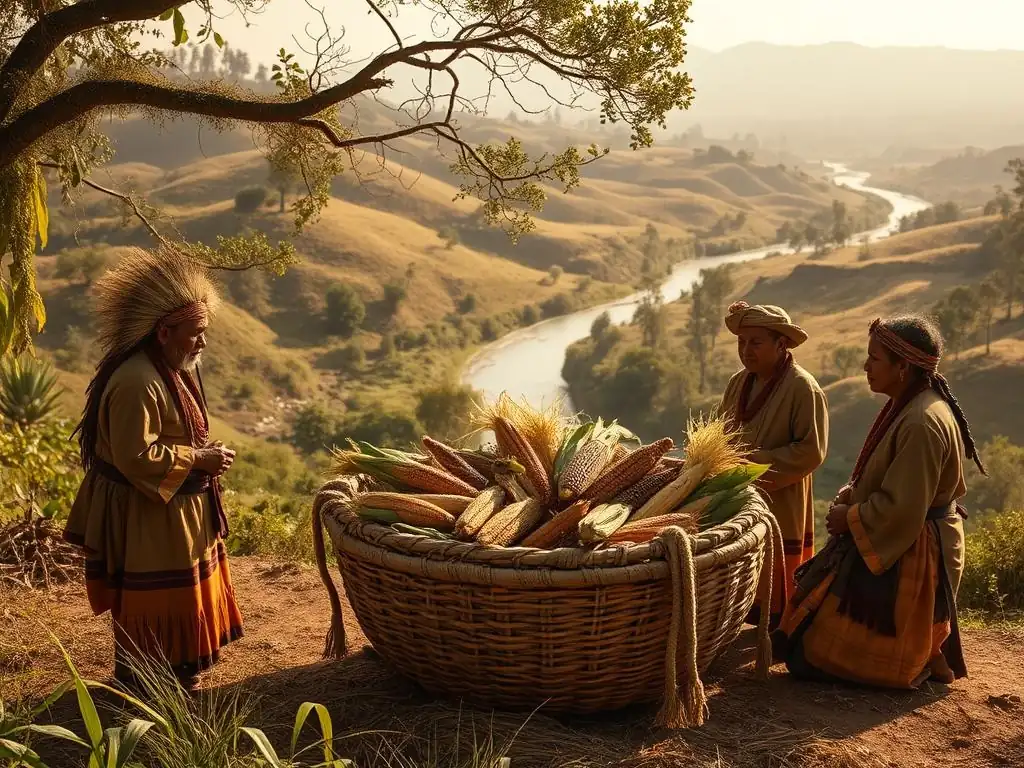
A hallmark of indigenous resource management is its holistic perspective, recognizing the interconnectedness of land, water, flora, fauna, and human communities. This integrated approach ensures that resource management does not occur in isolation but rather considers the broader ecological and social systems at play.
- Ecosystem Interconnections: Indigenous management practices often assess how different elements of an ecosystem interact. For example, the health of fish populations may be linked to the condition of surrounding waters and the landscape that supports them.
- Cultural and Spiritual Significance: Resources are not merely commodities; they hold cultural and spiritual significance for indigenous peoples. This perspective shapes management practices, emphasizing the importance of maintaining not just physical resources but also cultural heritage.
- Long-Term Sustainability: Holistic management prioritizes long-term sustainability over short-term gains. This foresight helps ensure that natural resources remain viable for future generations, safeguarding both ecological integrity and cultural identity.
Case Studies of Indigenous Resource Management
Examining real-world examples of indigenous resource management systems provides valuable insights into their effectiveness and adaptability. These case studies illustrate how indigenous communities have successfully managed natural resources in alignment with their cultural values and ecological knowledge.
Case Study 1: The Haida Nation, British Columbia
The Haida Nation is renowned for its innovative and effective resource management practices, particularly in marine environments. Their governance model integrates traditional ecological knowledge with contemporary practices to manage fisheries sustainably.
- Sustainable Harvesting: The Haida have implemented strict fishing quotas and seasonal closures to protect fish populations, particularly salmon. These measures reflect their understanding of spawning cycles and the need for sustainable harvesting.
- Marine Protected Areas: The Haida established the Haida Heritage Site, a marine protected area that safeguards critical habitats and biodiversity. This initiative was driven by a commitment to ecological preservation and the recognition of the interdependence of species.
- Community Involvement: The Haida’s governance structure emphasizes community involvement in decision-making processes, ensuring that all voices are heard. This participatory approach has strengthened local stewardship and accountability.
Case Study 2: The Maori of New Zealand
The Maori people have a rich tradition of resource management that emphasizes the connection between people and the environment. Their principles of kaitiakitanga (guardianship) guide their management of natural resources.
- Integrated Land and Water Management: The Maori practice holistic land and water management, recognizing that the health of one directly impacts the other. This approach involves sustainable agriculture and aquaculture practices that respect ecological boundaries.
- Cultural Revitalization: Maori resource management is closely linked to cultural identity. Efforts to restore traditional practices, such as the cultivation of native crops and the revival of traditional fishing techniques, have reinforced cultural heritage while promoting sustainability.
- Legal Recognition: Recent legal frameworks in New Zealand have recognized the rights of Maori to manage natural resources in accordance with their customs. This has empowered Maori communities to take charge of their environmental stewardship and governance.
Indigenous resource management systems exemplify sustainable practices that are deeply rooted in cultural values and ecological knowledge. The case studies of the Haida Nation and Maori demonstrate the effectiveness of community-centric and holistic approaches in managing natural resources, offering valuable lessons for contemporary resource management strategies.
Comparative Analysis of Indigenous Systems and Modern Resource Management
Indigenous resource management systems have long been regarded as sophisticated frameworks that fostered sustainability and ecological balance. When comparing these systems to modern resource management, several critical aspects come into focus, including similarities in sustainability approaches, differences in governance models, and the lasting impacts of colonialism. Understanding these elements provides valuable insights into how indigenous practices can inform contemporary strategies for managing natural resources.
Similarities in Approaches to Sustainability
Both indigenous resource management systems and modern sustainability practices emphasize the importance of maintaining ecological balance and ensuring the long-term viability of natural resources. Indigenous communities traditionally employed practices such as rotational farming, controlled burns, and seasonal harvesting, which were designed to minimize environmental impact and promote biodiversity. These practices align with contemporary principles such as:
- Ecosystem-based management: Both approaches recognize the interconnectedness of species and habitats, aiming to sustain the entire ecological community rather than focusing solely on individual species.
- Community engagement: Indigenous systems often involve local communities in decision-making processes, similar to modern participatory governance, which seeks to include diverse stakeholders in resource management.
- Adaptive management: Indigenous knowledge systems are characterized by their adaptability and responsiveness to environmental changes, mirroring modern resource management's emphasis on flexibility and ongoing learning.
By recognizing these similarities, modern resource management can draw on indigenous wisdom to enhance sustainability efforts.
Differences in Governance Models
While there are notable similarities, significant differences exist between indigenous and modern governance models regarding resource management. Indigenous governance systems are often based on communal decision-making and local stewardship, reflecting a deep spiritual and cultural connection to the land. These systems prioritize collective well-being over individual profit, contrasting sharply with modern resource management, which frequently emphasizes economic growth and privatization. Key differences include:
- Decision-making processes: Indigenous governance typically involves consensus-based approaches, while modern systems often rely on hierarchical structures and bureaucratic procedures.
- Resource ownership: Indigenous communities may view land and resources as communal assets, while modern governance often treats them as commodities subject to market forces.
- Cultural integration: Indigenous models incorporate cultural values and traditions into resource management, whereas modern approaches tend to prioritize scientific and economic metrics.
These differences highlight the need for integrating indigenous perspectives into contemporary governance frameworks to promote more equitable and sustainable resource management.
Impacts of Colonialism on Indigenous Resource Management
Colonialism has profoundly disrupted indigenous resource management systems, leading to the loss of traditional knowledge, practices, and governance structures. The imposition of foreign governance models often marginalized indigenous communities, stripping them of their rights to manage and access their natural resources. Key impacts include:
- Displacement and dispossession: Many indigenous peoples were forcibly removed from their ancestral lands, disrupting their traditional resource management practices and leading to ecological degradation.
- Cultural erosion: The suppression of indigenous languages and customs resulted in the loss of traditional ecological knowledge, which is crucial for sustainable resource management.
- Legal barriers: Colonial laws often disregarded indigenous land rights, complicating their ability to engage in traditional resource management and governance.
The legacy of colonialism continues to challenge indigenous resource management systems today, necessitating efforts to restore and recognize these practices within modern governance frameworks.
The Role of Indigenous Knowledge in Modern Governance
Indigenous knowledge systems possess valuable insights that can significantly enhance modern governance, particularly in the realm of resource management. This knowledge, developed over centuries, encompasses sustainable practices, ecological relationships, and cultural values that are essential for effective governance.
Integrating Indigenous Knowledge in Policy-Making
Integrating indigenous knowledge into policy-making processes can lead to more holistic and sustainable approaches to resource management. This integration involves recognizing and valuing indigenous perspectives as legitimate sources of knowledge. Some key strategies include:
- Collaborative research: Engaging indigenous communities in research initiatives can produce more culturally appropriate and ecologically sound solutions to resource management challenges.
- Policy frameworks: Developing policies that explicitly incorporate indigenous knowledge can enhance the effectiveness of resource management strategies, ensuring they are contextually relevant.
- Capacity building: Supporting indigenous communities in strengthening their governance and management capabilities can empower them to participate actively in policy discussions and decisions.
By embracing indigenous knowledge, modern governance can foster greater sustainability and resilience in resource management.
Benefits of Collaborative Governance Models
Collaborative governance models that involve indigenous communities offer numerous benefits for resource management. These models promote inclusivity, equity, and shared responsibility, leading to more effective and sustainable outcomes. Key advantages include:
- Enhanced decision-making: Collaborative approaches integrate diverse perspectives, leading to more informed and balanced decisions regarding resource use and conservation.
- Increased trust and legitimacy: Involving indigenous communities in governance processes fosters trust and legitimacy, helping to bridge divides between indigenous and non-indigenous stakeholders.
- Resilience to change: Collaborative models leverage the adaptability of indigenous knowledge, enabling communities to respond more effectively to environmental changes and challenges.
Recognizing the value of indigenous resource management systems and integrating their principles into modern governance can pave the way for more sustainable and equitable approaches to managing natural resources in the Americas and beyond.
Challenges Facing Indigenous Resource Management Today
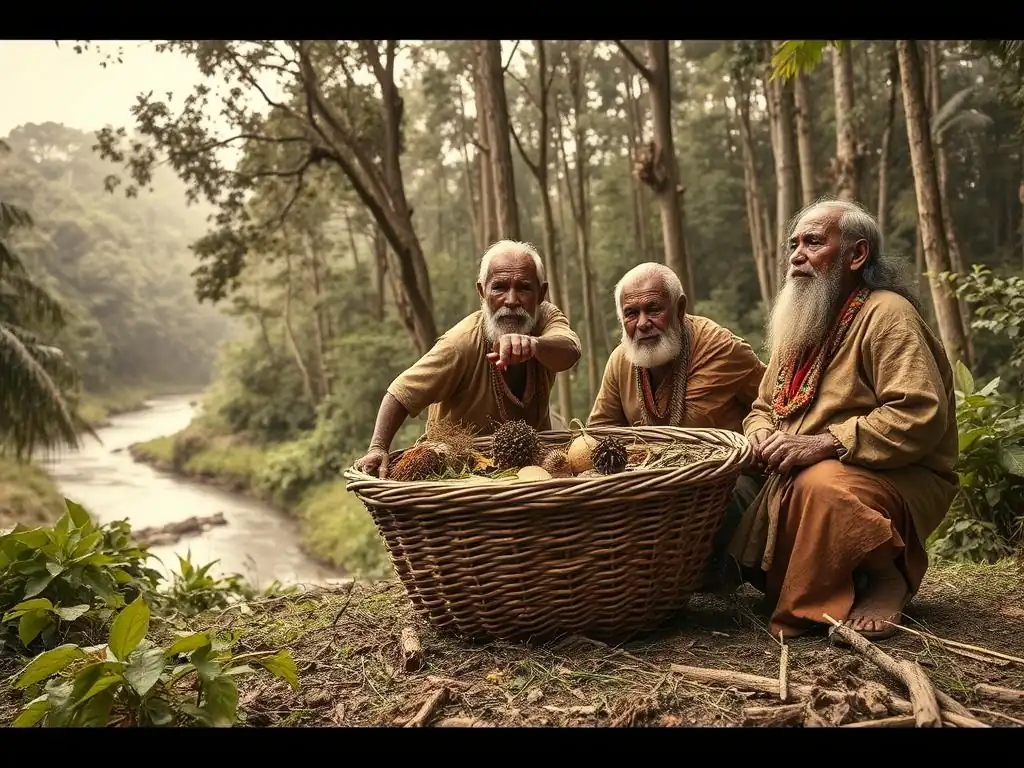
Indigenous resource management systems have faced numerous challenges in contemporary society, significantly affecting their ability to sustainably govern natural resources. These challenges stem from a combination of environmental, political, and cultural pressures that threaten the efficacy and continuity of traditional practices.
Climate Change and Environmental Threats
Climate change poses a formidable challenge to indigenous resource management systems. The impacts of rising temperatures, altered precipitation patterns, and extreme weather events disrupt ecosystems and traditional livelihoods. For instance, many Indigenous communities rely on specific seasonal patterns for hunting, fishing, and agriculture. Changes in these patterns can lead to food insecurity and loss of biodiversity, undermining traditional ecological knowledge that has been developed over centuries.
Moreover, environmental degradation from industrial activities, deforestation, and pollution further exacerbates these issues. Indigenous lands often overlap with areas targeted for resource extraction, placing additional strains on their ability to manage these resources sustainably. This intersection of climate change and environmental threats necessitates urgent actions to preserve both the ecological balance and the cultural practices dependent on it.
Political and Economic Pressures
Political and economic pressures significantly hinder the ability of Indigenous communities to manage their resources effectively. Many Indigenous groups face systemic marginalization and lack political representation, limiting their influence over policies that directly affect their traditional territories.
Economic pressures often manifest through the encroachment of corporate interests, such as mining and logging, which can lead to land dispossession and habitat destruction. These developments frequently occur without the consent of Indigenous peoples, violating their rights and undermining their governance systems. Furthermore, the prioritization of economic growth over environmental sustainability often results in policies that do not align with Indigenous values and practices, creating a disconnect between governance structures and the needs of Indigenous communities.
Loss of Traditional Knowledge
The erosion of traditional knowledge presents a critical challenge to Indigenous resource management systems. As younger generations migrate to urban areas or adopt Western lifestyles, there is a risk of losing the cultural practices and ecological wisdom that have guided sustainable resource management for centuries.
This loss is compounded by external pressures that devalue Indigenous knowledge systems, often viewing them as outdated or irrelevant compared to modern scientific approaches. The diminishment of language, rituals, and community practices further accelerates this trend, making it increasingly difficult for Indigenous communities to pass down vital knowledge about their local ecosystems, resource management techniques, and governance practices.
Future Directions for Indigenous Resource Management Systems
Despite these challenges, there are promising avenues for revitalizing Indigenous resource management systems that can lead to sustainable futures for Indigenous communities and their environments.
Revitalizing Indigenous Governance Structures
Revitalizing Indigenous governance structures is essential for effective resource management. By returning to traditional decision-making processes and integrating them with contemporary practices, Indigenous communities can create governance frameworks that honor their cultural heritage while addressing current challenges.
This revitalization can involve community-led initiatives that prioritize local knowledge and practices in the management of natural resources. For example, Indigenous-led conservation projects often emphasize holistic approaches to land stewardship, integrating cultural and ecological knowledge to achieve sustainability goals. Supporting these initiatives can empower Indigenous communities, enhance resilience against climate change, and foster a sense of ownership over natural resources.
Building Partnerships for Sustainable Development
Building partnerships with non-Indigenous organizations, governments, and private sectors can enhance the capacity of Indigenous resource management systems. Collaborative approaches that respect and integrate Indigenous knowledge with scientific research can lead to innovative solutions for sustainable development.
Such partnerships should prioritize equity, ensuring that Indigenous voices are central to decision-making processes. For instance, co-management agreements for protected areas can create frameworks where Indigenous communities collaborate with governmental agencies to manage resources sustainably while respecting traditional rights. This model not only fosters mutual respect but also promotes the sharing of knowledge and resources for the benefit of both Indigenous and non-Indigenous communities.
The Importance of Advocacy and Recognition
Advocacy and recognition of Indigenous rights are crucial for the future of resource management systems. Elevating the voices of Indigenous leaders in policy discussions and decision-making processes can lead to legislative frameworks that acknowledge and protect Indigenous land rights and resource management practices.
International agreements, such as the United Nations Declaration on the Rights of Indigenous Peoples (UNDRIP), provide a foundation for advocating for Indigenous rights, emphasizing the importance of free, prior, and informed consent in resource development. Grassroots movements and Indigenous activism play a vital role in raising awareness about the significance of Indigenous resource management systems, highlighting their contributions to sustainability and biodiversity conservation. Recognition of these systems as legitimate and effective can pave the way for more inclusive and equitable governance structures that respect Indigenous knowledge and promote sustainable practices.
Conclusion
Indigenous resource management systems have showcased remarkable ingenuity and sustainability long before European contact. These systems were deeply interwoven with the cultural, spiritual, and social lives of indigenous communities, reflecting a profound understanding of their environment. By prioritizing balance and reciprocity with nature, these governance structures not only preserved resources but also fostered a sense of community and identity among the people. The insights gained from studying these systems are not merely historical; they offer valuable lessons for contemporary society as we navigate modern challenges such as climate change and resource depletion.
Summary of Indigenous Resource Management Insights
Indigenous resource management systems are characterized by several key principles:
- Holistic Approaches: Many indigenous cultures viewed natural resources as interconnected, emphasizing the need for a holistic approach to management that considers ecological, social, and economic factors.
- Community Involvement: Decision-making processes were often collective, ensuring that the voices of all community members were heard and respected. This participatory governance model strengthened community ties and fostered stewardship over resources.
- Traditional Ecological Knowledge (TEK): Indigenous peoples possessed rich bodies of knowledge accumulated over generations. TEK informed practices such as crop rotation, seasonal harvesting, and sustainable hunting, ensuring the viability of resources for future generations.
- Adaptive Management: Many indigenous systems demonstrated flexibility, allowing communities to adapt their practices based on environmental changes and resource availability. This adaptability is crucial in the face of changing climates and ecological uncertainties.
These insights highlight the sophistication of indigenous governance structures and their relevance in current discussions about sustainability, environmental justice, and resource management.
Call to Action for Supporting Indigenous Governance and Sustainability
To honor and support the legacies of indigenous resource management systems, there are several actionable steps individuals and communities can take:
- Educate Yourself and Others: Learn about the histories, cultures, and governance systems of indigenous peoples in your region. Share this knowledge with others to raise awareness about the importance of indigenous perspectives in resource management.
- Support Indigenous Rights: Advocate for the recognition of indigenous land rights and sovereignty. Support policies that empower indigenous communities to manage their lands and resources according to their traditional practices.
- Engage with Indigenous Initiatives: Participate in or support initiatives led by indigenous communities that focus on sustainable resource management, conservation efforts, or cultural preservation. This can include volunteering, donating, or simply amplifying their voices.
- Promote Sustainable Practices: Incorporate principles of indigenous resource management into your own life. This can mean adopting sustainable consumption habits, supporting local and indigenous businesses, or advocating for environmental policies that prioritize ecological balance.
By taking these steps, we can help ensure that the wisdom of indigenous governance and resource management continues to resonate and influence future generations, promoting a more sustainable and equitable world.
- Introduction to Indigenous Resource Management Systems
- Historical Context of Indigenous Resource Management
- Key Principles of Indigenous Resource Management Systems
- Community-Centric Approaches
- Holistic Management of Natural Resources
- Case Studies of Indigenous Resource Management
- Comparative Analysis of Indigenous Systems and Modern Resource Management
- The Role of Indigenous Knowledge in Modern Governance
- Challenges Facing Indigenous Resource Management Today
- Future Directions for Indigenous Resource Management Systems
- Conclusion
Frequently Asked Questions
What are Indigenous resource management systems?
Indigenous resource management systems refer to the traditional practices and knowledge that indigenous communities use to sustainably manage natural resources, ensuring ecological balance and cultural preservation.
How did indigenous civilizations achieve sustainability?
Indigenous civilizations practiced sustainability through a deep understanding of their environment, employing techniques like crop rotation, controlled burns, and community-based hunting that preserved resources for future generations.
What role did governance play in resource management?
Governance in indigenous societies involved creating and enforcing rules and regulations that guided community practices, ensuring equitable access to resources while respecting cultural values and ecological integrity.
Can modern societies learn from indigenous practices?
Yes, modern societies can learn valuable lessons from indigenous resource management systems, such as incorporating traditional ecological knowledge into contemporary practices to enhance sustainability and address environmental challenges.
How did indigenous cultures influence natural resource policies today?
Indigenous cultures have significantly influenced natural resource policies by advocating for rights-based approaches and emphasizing the importance of community involvement and holistic perspectives in resource management.
Final Reflection: Embracing Indigenous Wisdom for Sustainable Futures
The lessons drawn from Indigenous resource management systems are more relevant today than ever, as we grapple with the escalating climate crisis and the urgent need for sustainable practices. The wisdom embedded in these systems offers a profound understanding of ecological balance and community stewardship, reminding us that sustainable governance is not merely a modern construct but a time-honored tradition that has successfully sustained communities for generations.
Indigenous resource management systems have profoundly influenced our cultural and social landscapes, challenging conventional approaches to environmental stewardship. These systems emphasize a holistic relationship with nature, fostering a deep respect for the land and its resources. As we witness a growing recognition of the importance of Indigenous knowledge in contemporary environmental discourse, we are reminded of the powerful words of Winona LaDuke: > “The land is not just the place we live; it is the place we are.” This perspective invites us to rethink our connection to the environment and the role we play in its preservation.
As we move forward, I invite you to reflect on how you can incorporate the principles of Indigenous resource management into your own life. Consider how you can advocate for sustainable practices in your community, support Indigenous voices in environmental decision-making, and foster a deeper connection with the natural world around you. By embracing these lessons, we can collectively work towards a more sustainable future that honors the wisdom of those who have long understood the delicate balance of our ecosystems.
Embrace Indigenous Wisdom for a Sustainable Future!
Thank you for exploring the significant role of Indigenous systems in managing natural resources. Your interest helps to highlight the invaluable lessons of sustainability and harmony with the environment. Now, let's transform that knowledge into meaningful action!
Here are some practical steps you can take:
- Implement Indigenous-inspired sustainability practices in your daily life—whether that means starting a community garden, allowing natural growth to flourish, or promoting biodiversity in your neighborhood.
- Share this article with friends and family to ignite discussions about Indigenous knowledge and its relevance to contemporary sustainability efforts.
- Join or support local organizations that advocate for Indigenous rights and sustainable practices. Your involvement can significantly amplify their impact!
How will you integrate Indigenous principles into your daily routine to foster a deeper connection with nature? Let's start a conversation!