
Biodiversity in the Andes: The Richness of Indigenous Crops and Their Cultivation

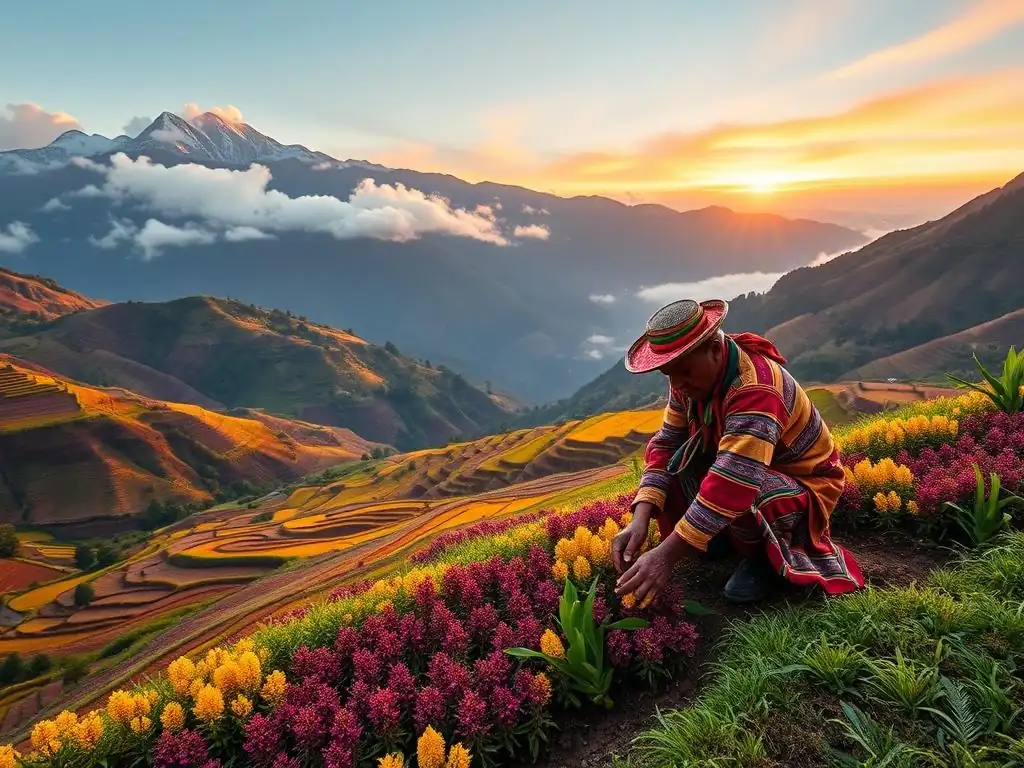
Welcome to Indigenous Civilizations of the Americas, where we celebrate the rich tapestry of cultures that flourished long before European contact. In our featured article, "Biodiversity in the Andes: The Richness of Indigenous Crops and Their Cultivation," we delve into the remarkable achievements of indigenous peoples in the Andes, revealing how their innovative agricultural practices have shaped our world today. Prepare to uncover the secrets of ancient farming techniques and the extraordinary crops that sustained these vibrant societies. Join us on this journey of discovery and let your curiosity lead you deeper into the fascinating legacy of indigenous cultures.
Introduction to Indigenous Crops in the Andes
The Andes Mountains, stretching across seven South American countries, are not only known for their breathtaking landscapes but also for their rich tapestry of biodiversity and agricultural heritage. Among the myriad of flora that flourishes in this region, indigenous crops hold a special significance. These crops, cultivated by the indigenous peoples for centuries, represent a vital part of their cultural identity and subsistence practices.
This article delves into the indigenous crops in the Andes, exploring their cultivation methods, cultural importance, and the diverse varieties that have been nurtured over generations. Understanding these agricultural systems provides insight into the sustainable practices that have shaped Andean societies long before European colonization.
Overview of Andean Agriculture and Biodiversity
Andean agriculture is characterized by its unique adaptations to the diverse climates and altitudes found in the region. The agricultural practices of indigenous communities are deeply intertwined with the ecological systems of the Andes, showcasing a remarkable understanding of biodiversity.
- Altitude Variations: The Andes host a range of altitudinal zones, from high-altitude plateaus to lush valleys, each supporting different crops.
- Microclimates: The intricate geography creates various microclimates, allowing for a wide array of plant species to thrive.
- Traditional Practices: Indigenous farmers utilize traditional knowledge, often passed down through generations, to cultivate crops that are well-suited to their specific environments.
This biodiversity is not only essential for food security but also plays a critical role in maintaining the ecological balance of the Andean ecosystem.
Importance of Indigenous Crops in Andean Culture
Indigenous crops are more than just a source of sustenance; they are woven into the very fabric of Andean culture. These crops carry significant cultural, spiritual, and economic value, reflecting the relationship that indigenous peoples have with their land.
- Cultural Identity: Many indigenous crops are integral to traditional festivals, rituals, and daily life, serving as symbols of cultural heritage.
- Nutrition and Health: The consumption of diverse crops contributes to a balanced diet, which is crucial for the health and well-being of Andean communities.
- Economic Resilience: Cultivating indigenous crops provides economic opportunities, allowing farmers to engage in local and regional markets while preserving traditional agricultural practices.
The Diversity of Indigenous Crops in the Andes
The Andean region is home to a plethora of indigenous crops, each with unique characteristics and uses. This diversity not only supports the livelihoods of local communities but also contributes to the global understanding of sustainable agriculture.
Key Indigenous Crops Grown in the Andean Region
Several key indigenous crops define Andean agriculture, each with its own historical and cultural significance:
- Potato (Solanum tuberosum): Often regarded as the staple food of the Andes, potatoes have over 4,000 varieties cultivated in the region, showcasing an incredible adaptability to various climates and altitudes.
- Quinoa (Chenopodium quinoa): Known for its nutritional value, quinoa has been a vital food source for indigenous peoples for thousands of years. It is praised for being a complete protein and is increasingly recognized globally.
- Maize (Zea mays): A cornerstone of Andean diets, maize is used in various forms, from fresh corn to dried kernels for flour. It plays a crucial role in traditional dishes and cultural practices.
- Amaranth (Amaranthus spp.): This ancient grain is valued for its high protein content and resilience to less-than-ideal growing conditions, making it a staple for many Andean communities.
The cultivation of these crops not only sustains the local populations but also preserves the rich agricultural heritage of the Andes, ensuring that future generations can continue to benefit from this biodiversity.
Traditional Cultivation Practices of Indigenous Crops
The indigenous peoples of the Andes have developed sophisticated agricultural techniques that reflect their deep understanding of the local environment. Traditional practices include crop rotation, intercropping, and terracing, which enhance soil fertility and reduce erosion.
- Crop Rotation: This involves alternating different crops in the same field over seasons to prevent soil depletion and control pests. For instance, planting legumes after a cereal crop adds nitrogen to the soil, benefiting subsequent crops.
- Intercropping: Indigenous farmers often grow multiple crops in proximity to maximize land use and minimize pest outbreaks. A classic example is the "Three Sisters" system, which combines maize, beans, and squash, benefiting from each other’s growth characteristics.
- Terracing: The Andean landscape is often steep, making terracing essential. This method allows for flat areas on slopes, reducing soil erosion and managing water drainage effectively. Terraces help retain moisture and create microclimates conducive to diverse crop growth.
These traditional practices not only enhance biodiversity but also promote sustainability, allowing indigenous communities to thrive in challenging environments for centuries.
Sustainable Farming Techniques in Andean Agriculture
Sustainability is at the core of Andean agricultural practices. Indigenous farmers utilize methods that ensure the health of ecosystems while providing food security for their communities.
- Agroforestry: This technique integrates trees with crops, providing shade, improving soil quality, and promoting biodiversity. Trees can also serve as windbreaks, protecting crops from harsh weather.
- Organic Fertilization: Indigenous communities often rely on natural fertilizers, such as compost and animal manure, to enrich their soils. This practice not only sustains soil health but also reduces reliance on chemical fertilizers.
- Water Management: Innovative irrigation techniques, like the use of qanats (subterranean aqueducts) and floodwater farming, allow for effective water distribution in arid regions. These methods have been honed over generations to ensure crops receive adequate moisture without depleting local water sources.
These sustainable farming techniques highlight the ingenuity of indigenous farmers in the Andes, showcasing their commitment to preserving the environment while cultivating diverse crops.
The Role of Indigenous Knowledge in Crop Cultivation
Indigenous knowledge plays a crucial role in the cultivation of Andean crops. This knowledge, passed down through generations, encompasses various aspects of agriculture, including planting cycles, pest management, and biodiversity conservation.
- Cultural Practices: Indigenous communities often intertwine agricultural practices with cultural traditions. Rituals and ceremonies related to planting and harvesting not only enhance community bonds but also reinforce sustainable practices.
- Local Varietals: Indigenous farmers are custodians of a vast array of traditional crop varieties, such as quinoa, potatoes, and maize. Their understanding of local ecosystems enables them to select and cultivate crops that are best suited for specific environmental conditions.
- Adaptive Strategies: The indigenous communities’ historical experiences have equipped them with adaptive strategies to cope with environmental changes. This resilience is crucial for maintaining agricultural productivity in the face of evolving climatic conditions.
Overall, indigenous knowledge is invaluable in promoting sustainable agricultural practices and preserving the rich biodiversity of Andean crops.
Challenges Facing Indigenous Crops and Cultivation
Despite the resilience of indigenous agricultural practices, various challenges threaten the sustainability of crop cultivation in the Andes. These include environmental, social, and economic factors that hinder the traditional methods of farming.
Impact of Climate Change on Andean Agriculture
Climate change poses a significant threat to Andean agriculture, impacting crop yields and the viability of traditional farming practices. Rising temperatures and altered precipitation patterns lead to several challenges:
- Water Scarcity: Changes in rainfall patterns have intensified water scarcity in many regions, affecting irrigation and crop growth. Indigenous farmers are particularly vulnerable, as their agricultural systems rely heavily on predictable water sources.
- Soil Degradation: Increased temperatures can lead to soil erosion and degradation, diminishing the land's productivity. The loss of topsoil compromises the ability to grow indigenous crops that have adapted to specific soil conditions over centuries.
- Pest and Disease Proliferation: Warmer climates can result in the proliferation of pests and diseases that threaten traditional crops. Indigenous farmers may struggle to adapt to these new threats without access to modern agricultural technologies or resources.
To mitigate these impacts, indigenous communities are increasingly adopting adaptive strategies, but support and resources are needed to strengthen their resilience.
Threats from Modern Agricultural Practices
Modern agricultural practices present additional challenges to the cultivation of indigenous crops in the Andes. The following threats undermine traditional farming systems:
- Monoculture Farming: The shift toward monoculture farming, driven by industrial agriculture, reduces biodiversity and threatens the survival of indigenous crop varieties. This practice can lead to soil depletion and increased vulnerability to pests.
- Land Use Changes: Urbanization and land conversion for non-agricultural purposes encroach on traditional farming areas, reducing the available land for cultivation. This often displaces indigenous communities and diminishes their agricultural heritage.
- Market Pressures: The global market's demand for high-yield crops often incentivizes farmers to abandon traditional crops in favor of more commercially viable options, leading to a decline in indigenous agricultural diversity.
These modern agricultural practices not only threaten the ecological balance of the Andes but also jeopardize the cultural heritage and livelihoods of indigenous communities. Addressing these challenges requires a concerted effort to promote sustainable practices and protect the rich biodiversity of indigenous crops.
Revitalization Efforts for Indigenous Crops in the Andes
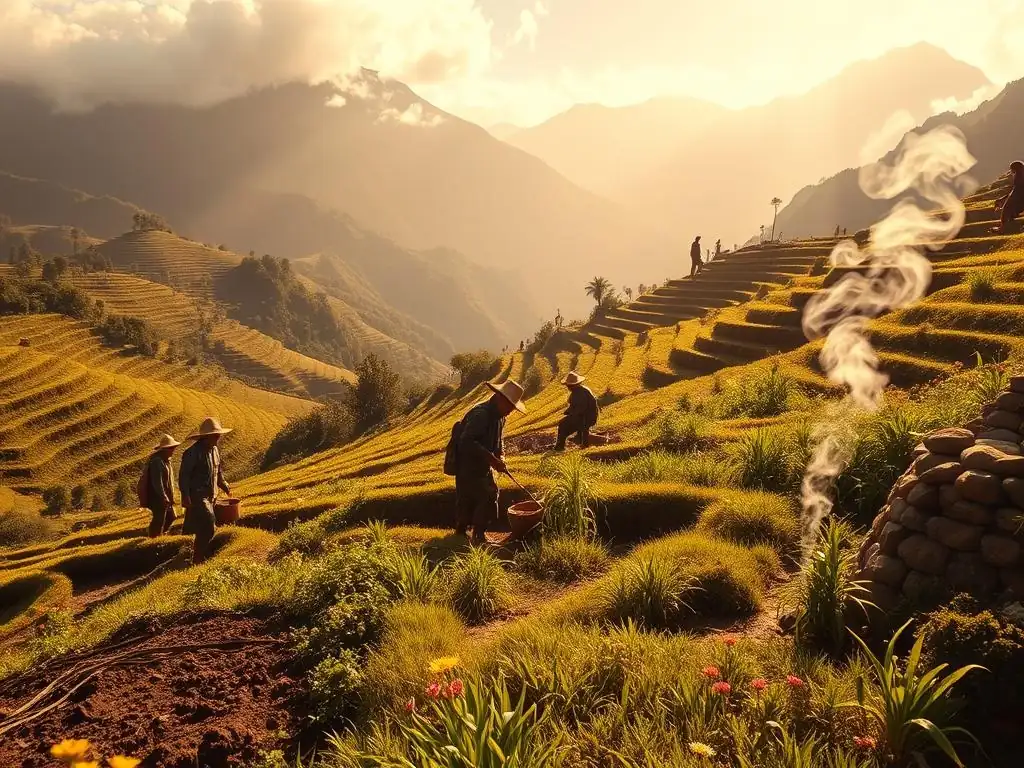
The revitalization of indigenous crops in the Andes is essential for preserving the rich agricultural heritage of the region. Indigenous peoples have cultivated a diverse range of crops for thousands of years, adapting their agricultural practices to the unique environments of the Andes mountains. In recent years, there has been a growing recognition of the importance of these crops, not only for their cultural significance but also for their potential in promoting biodiversity and food security. Various initiatives have emerged to support the cultivation and promotion of these traditional crops, including educational programs, community engagement, and sustainable farming practices.
Efforts to revitalize indigenous crops focus on enhancing local knowledge and agricultural techniques. These initiatives often involve collaboration between indigenous communities, agricultural experts, and researchers. By integrating traditional practices with modern scientific approaches, these programs aim to increase the resilience of farming systems and improve crop yields. Additionally, there is a push to document traditional knowledge related to indigenous crops, ensuring that it is preserved for future generations.
Community Initiatives for Sustainable Agriculture
Community initiatives play a crucial role in the sustainable cultivation of indigenous crops in the Andes. Local farmers are increasingly organizing themselves into cooperatives, which facilitate the sharing of resources, knowledge, and best practices. These cooperatives often focus on collective marketing strategies, allowing producers to access broader markets and obtain fair prices for their crops.
Moreover, many communities are adopting agroecological practices that emphasize biodiversity, soil health, and the use of organic inputs. This approach not only enhances the sustainability of farming systems but also contributes to the preservation of indigenous crops, which are often more resilient to climate change and pests compared to commercial varieties. Community-led workshops and training programs empower farmers by teaching them about sustainable practices, crop rotation, and the importance of preserving native seed varieties.
Government and NGO Support for Indigenous Farming
Government and non-governmental organizations (NGOs) have increasingly recognized the importance of supporting indigenous farming practices in the Andes. Various programs have been established to provide technical assistance, funding, and resources to local farmers. These initiatives aim to strengthen the agricultural capacity of indigenous communities and promote the cultivation of traditional crops.
NGOs, in particular, play a pivotal role in raising awareness about the value of indigenous crops and their contribution to food security and nutrition. They often collaborate with local farmers to develop training sessions on sustainable agricultural practices, provide access to organic fertilizers, and facilitate connections to local and international markets. Some governments have also implemented policies that promote the inclusion of indigenous crops in national agricultural programs, further supporting their cultivation and integration into local diets.
The Future of Indigenous Crops in the Andes
The future of indigenous crops in the Andes is promising, given the increasing global interest in biodiversity and sustainable agriculture. As more people recognize the nutritional and ecological benefits of indigenous crops, there is potential for these traditional varieties to gain prominence in both local and international markets.
However, the success of these crops depends on continued efforts to preserve indigenous agricultural practices and support the communities that cultivate them. This includes addressing challenges such as climate change, land degradation, and access to resources. By fostering resilience among indigenous farmers and promoting sustainable practices, the future of these crops can be secured.
Importance of Preserving Indigenous Agricultural Practices
Preserving indigenous agricultural practices is vital for maintaining the cultural identity and heritage of Andean communities. These practices are not only integral to the cultivation of indigenous crops but also reflect a deep understanding of the local ecosystems and sustainable resource management.
Moreover, traditional farming methods often promote biodiversity, which is crucial in combating the effects of climate change. By conserving these practices, we ensure the survival of a diverse range of crops that can adapt to changing environmental conditions. This preservation is essential not only for the communities that rely on these crops for their livelihoods but also for global biodiversity.
Potential for Indigenous Crops in Global Markets
The potential for indigenous crops in global markets is significant, as there is a growing demand for unique, nutritious, and sustainably produced foods. Many indigenous crops, such as quinoa, amaranth, and various tubers, have gained international recognition for their health benefits and culinary versatility.
By marketing these crops as not only traditional but also trendy and health-conscious, Andean farmers can tap into global markets that value authenticity and sustainability. Efforts to promote fair trade practices and ensure that indigenous farmers receive equitable compensation for their products can enhance the economic viability of these crops.
The revitalization of indigenous crops in the Andes is a multifaceted effort that involves community initiatives, government support, and a focus on sustainable practices. By recognizing the importance of these crops and the agricultural traditions that surround them, we can work towards a future that honors and sustains the rich biodiversity of the Andes.
Conclusion: The Lasting Impact of Indigenous Crops in the Andes
The indigenous crops of the Andes represent a profound legacy that continues to influence not only local communities but also global agricultural practices. These crops, including potatoes, quinoa, and a diverse array of native grains, have played a crucial role in sustaining Andean societies for thousands of years. The intricate agricultural systems developed by indigenous peoples reflect a deep understanding of biodiversity, climate resilience, and sustainable farming practices.
As the world grapples with climate change and food security challenges, the wisdom embedded in these traditional agricultural systems becomes increasingly relevant. The success of indigenous crops is not merely a matter of survival; it is a testament to the ingenuity and adaptability of Andean cultures.
Moreover, the cultivation of these crops has contributed to the preservation of unique agricultural biodiversity. Many indigenous varieties are not only nutritionally rich but also possess characteristics that make them well-suited to the Andean environment. The ongoing efforts to promote these crops can help safeguard against the loss of biodiversity and encourage sustainable agricultural practices that benefit both the environment and local communities.
Summary of the Richness and Resilience of Andean Agriculture
Andean agriculture is characterized by an impressive array of indigenous crops that reflect the region's rich biodiversity. From the nutrient-dense quinoa to the hardy potato, these crops have been cultivated for centuries, showcasing the resilience and adaptability of Andean farmers. The agricultural systems in the Andes are a blend of traditional knowledge and practices that have been passed down through generations.
Key features of Andean agriculture include:
- Diversity of Crops: Indigenous farmers cultivate a variety of crops that adapt well to the diverse microclimates of the Andes. This diversity not only supports food security but also enhances ecological resilience.
- Terracing Techniques: The innovative use of terraced farming allows for effective land use and moisture retention, maximizing crop yield in challenging mountainous terrains.
- Cultural Significance: Many indigenous crops hold cultural and spiritual significance, forming an integral part of Andean identity and heritage.
The richness of Andean agriculture is not just about the crops themselves; it is about the intricate relationships between the people, their land, and the biodiversity that sustains them. This resilience is vital in the face of modern agricultural challenges, making the preservation and promotion of indigenous crops a priority for future generations.
Call to Action for Supporting Indigenous Agricultural Systems
Now more than ever, it is essential to support indigenous agricultural systems and the cultivation of traditional crops in the Andes. Here are some actionable steps individuals and organizations can take to contribute to this cause:
- Promote Awareness: Share information about the importance of indigenous crops and their role in sustainable agriculture through social media, community events, and educational programs.
- Support Local Farmers: Purchase products from indigenous farmers or cooperatives that focus on traditional crops, ensuring that the benefits of agriculture remain within local communities.
- Encourage Sustainable Practices: Advocate for policies that protect indigenous land rights and promote sustainable agricultural practices that align with traditional knowledge.
- Participate in Workshops: Engage in workshops or programs that teach about Andean crops, their cultivation, and the cultural practices surrounding them.
By taking these actions, we can honor the legacy of indigenous crops in the Andes and support the communities that have nurtured them for centuries. Together, we can help ensure that these vital agricultural systems continue to thrive for future generations. 🌱
- Introduction to Indigenous Crops in the Andes
- The Diversity of Indigenous Crops in the Andes
- Traditional Cultivation Practices of Indigenous Crops
- Challenges Facing Indigenous Crops and Cultivation
- Revitalization Efforts for Indigenous Crops in the Andes
- The Future of Indigenous Crops in the Andes
- Conclusion: The Lasting Impact of Indigenous Crops in the Andes
- What are indigenous crops in the Andes?
- How did indigenous peoples contribute to biodiversity in the Andes?
- What are the main benefits of preserving indigenous agricultural practices?
- How do indigenous crops impact modern agriculture?
- Why is it important to study the indigenous civilizations of the Americas?
Frequently Asked Questions
What are indigenous crops in the Andes?
Indigenous crops in the Andes refer to the traditional plants cultivated by native communities, including potatoes, quinoa, and maize. These crops have adapted to the unique climate and terrain of the region.
How did indigenous peoples contribute to biodiversity in the Andes?
Indigenous peoples played a crucial role in enhancing biodiversity by developing diverse agricultural practices and cultivating a variety of crops. Their traditional knowledge helped shape the rich ecological landscape of the region.
What are the main benefits of preserving indigenous agricultural practices?
Preserving indigenous agricultural practices promotes sustainable farming, protects biodiversity, and maintains cultural heritage. These practices are vital for ensuring food security and resilience against climate change.
How do indigenous crops impact modern agriculture?
Indigenous crops have the potential to enhance food diversity in modern agriculture. They often possess unique nutritional properties and can be more resilient to pests and environmental stresses compared to conventional crops.
Why is it important to study the indigenous civilizations of the Americas?
Studying the indigenous civilizations of the Americas helps us understand their achievements and contributions to agriculture, culture, and society. This knowledge is essential for recognizing their lasting impact and promoting cultural preservation.
Final Reflection: Embracing the Richness of Indigenous Crops in the Andes
The preservation and appreciation of indigenous crops in the Andes is not just a matter of agricultural interest; it is a vital link to cultural heritage and ecological sustainability. As we face the challenges of climate change and global food security, the significance of these crops becomes increasingly apparent. They embody centuries of knowledge and adaptation, offering solutions that modern agriculture often overlooks. The time has come for us to recognize that indigenous crops are not merely relics of the past; they are essential for our future.
The cultural and social landscape surrounding indigenous crops in the Andes is a testament to the resilience and ingenuity of local communities. These crops are more than food sources; they are symbols of identity, tradition, and ecological balance. As we witness a growing movement towards sustainable practices and the revival of traditional knowledge, it is clear that the cultivation of indigenous crops is a powerful act of resistance against homogenization and environmental degradation. In every seed lies the potential for a better future, rooted in the wisdom of the past.
As we reflect on the lessons from the Andes, I invite you to consider your own relationship with food and agriculture. How can you support the cultivation of indigenous crops in your community? Whether through advocacy, education, or simply choosing to incorporate these crops into your diet, every action counts. Let us honor the rich biodiversity of the Andes by embracing these crops, ensuring they thrive for generations to come. Together, we can cultivate a future that respects and celebrates the interconnectedness of culture, ecology, and sustenance.
Nurture the Andes: Embrace Indigenous Crop Cultivation!
Thank you for exploring the incredible biodiversity of the Andes and the significance of indigenous crops! Your interest helps to celebrate and protect these vital agricultural treasures, underscoring the resilience and wisdom of indigenous practices. Now, let’s take the next step together to honor this rich tradition and contribute to its future.
Here are a few ways you can engage further:
- Start growing an indigenous Andean crop, such as quinoa or amaranth, in your own backyard or community garden to support biodiversity and sustainability.
- Share your knowledge! Discuss with friends, family, or neighbors the importance of preserving native crops and their role in cultural heritage.
- Join or support local farmers' markets that feature indigenous produce, fostering a stronger connection to sustainable practices!
What indigenous crop are you excited to try cultivating, and how do you think it could enrich your life or community?