
The Three Sisters: Understanding the Symbiotic Planting Technique of Native Americans

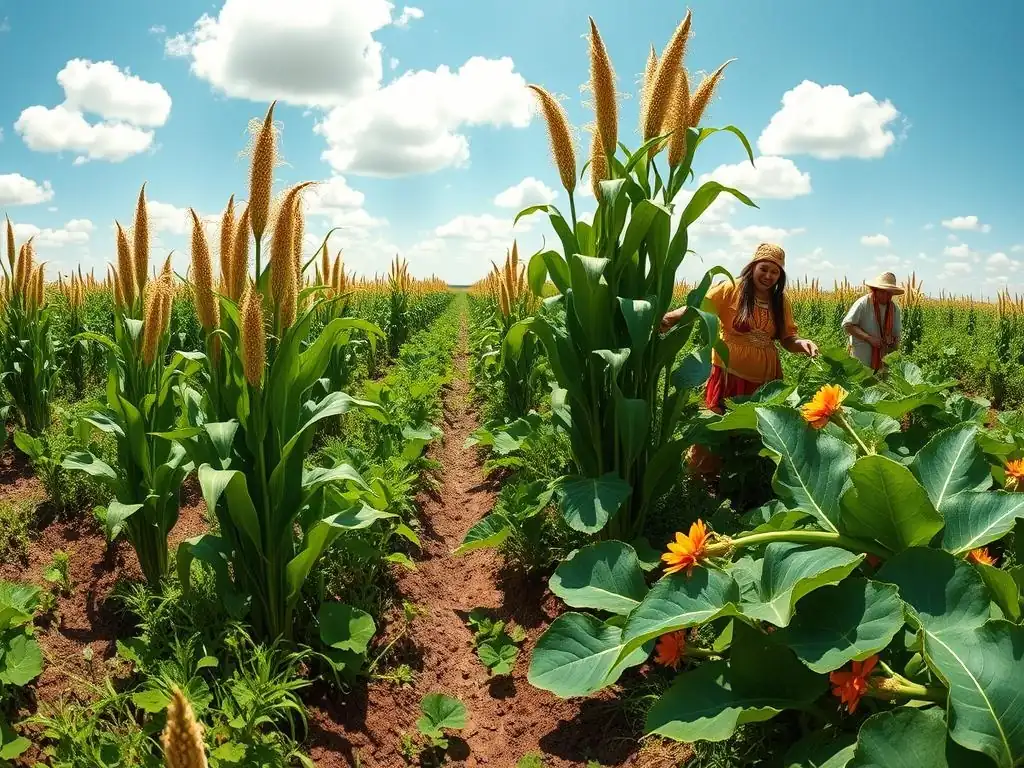
Welcome to Indigenous Civilizations of the Americas! Here, we invite you to embark on a fascinating journey through the rich tapestry of indigenous cultures that flourished across the Americas long before European contact. Our featured article, “The Three Sisters: Understanding the Symbiotic Planting Technique of Native Americans,” delves into the ingenious agricultural practices that not only sustained communities but also fostered deep connections with the land. Discover how these innovative Native American planting techniques have shaped our understanding of sustainable agriculture today. Prepare to be inspired as you explore the remarkable achievements and enduring legacies of these vibrant civilizations!
Introduction to Native American Planting Techniques
The diverse indigenous cultures of the Americas developed a wealth of agricultural knowledge and practices long before European colonization. Among these practices, the Three Sisters method stands out as a remarkable example of sustainable agriculture that exemplifies a deep understanding of ecological relationships. This technique involves the interplanting of three staple crops: corn, beans, and squash.
Together, these plants create a symbiotic relationship that enhances soil fertility, maximizes space, and provides a nutritious and balanced diet. In this article, we will delve into the intricacies of Native American planting techniques, particularly focusing on the Three Sisters and their enduring significance in indigenous agricultural practices.
Overview of Agricultural Practices in Indigenous Cultures
Native American agricultural practices were not only innovative but also tailored to the diverse climates and ecosystems of the Americas. These practices included:
- Crop Rotation: This method involved alternating crops to maintain soil fertility and reduce pest infestations.
- Terracing: In hilly areas, indigenous peoples created terraces to manage water runoff and prevent soil erosion.
- Irrigation Systems: Some cultures, like the Hohokam in the Southwest, developed sophisticated irrigation networks to support agriculture in arid regions.
These methods reflect a profound respect for nature and an understanding of sustainable practices that ensured food security for generations.
Importance of Sustainable Agriculture in Native American Societies
Sustainable agriculture was crucial to the survival and prosperity of Native American societies. The focus on ecological balance allowed these cultures to thrive without depleting their natural resources. Practices such as polyculture—growing multiple crops in the same space—helped prevent soil degradation and encouraged biodiversity. Native Americans viewed agriculture as a communal responsibility, fostering a deep connection between the land and their cultural identity. This approach not only sustained their communities but also preserved the environment for future generations.
The Three Sisters Explained
The Three Sisters technique is a prime example of how indigenous peoples of the Americas employed sustainable agricultural practices. This method showcases an intricate understanding of plant relationships and ecosystem dynamics.
What Are the Three Sisters?
The Three Sisters consist of:
- Corn: The tallest plant, providing a natural support for the climbing beans.
- Beans: These legumes fix nitrogen in the soil, enriching it and improving fertility.
- Squash: The broad leaves of squash plants create shade that suppresses weeds and retains soil moisture.
This combination not only encourages healthy growth among the plants but also contributes to a balanced diet rich in nutrients.
Historical Significance of the Three Sisters in Native American Agriculture
Historically, the Three Sisters played a crucial role in the agricultural practices of various Native American tribes, including the Iroquois and the Hopi. These cultures revered the Three Sisters as sacred, often incorporating them into their spiritual practices and community rituals. The cultivation of these crops enabled tribes to build resilient food systems that could withstand environmental challenges, such as droughts or soil erosion.
Furthermore, the Three Sisters method fostered community cooperation, as families would often work together to plant, maintain, and harvest their crops. This collaborative spirit not only strengthened social bonds but also ensured the sharing of knowledge and resources among tribes.
Understanding the Three Sisters and their significance in Native American planting techniques offers valuable insights into the agricultural innovations and sustainable practices that have shaped indigenous cultures across the Americas.
The Symbiotic Relationship of the Three Sisters
The Three Sisters is a traditional agricultural practice among various Native American tribes, particularly those in the Northeast, Great Plains, and Southwest regions. This method involves the planting of three key crops: corn (maize), beans, and squash, which thrive together in a symbiotic relationship. Each crop plays a distinct role in supporting the others, creating a sustainable and productive ecosystem within the garden.
Corn grows tall, providing a natural support structure for the climbing beans. In return, the beans contribute nitrogen to the soil, enriching it and benefiting all three plants. Squash, with its broad leaves, serves as a living mulch, shading the soil and preventing weeds from competing for resources. This combination not only maximizes space but also improves soil fertility and reduces the need for chemical fertilizers, making it a prime example of sustainable agriculture practiced by Native Americans.
How Corn, Beans, and Squash Work Together
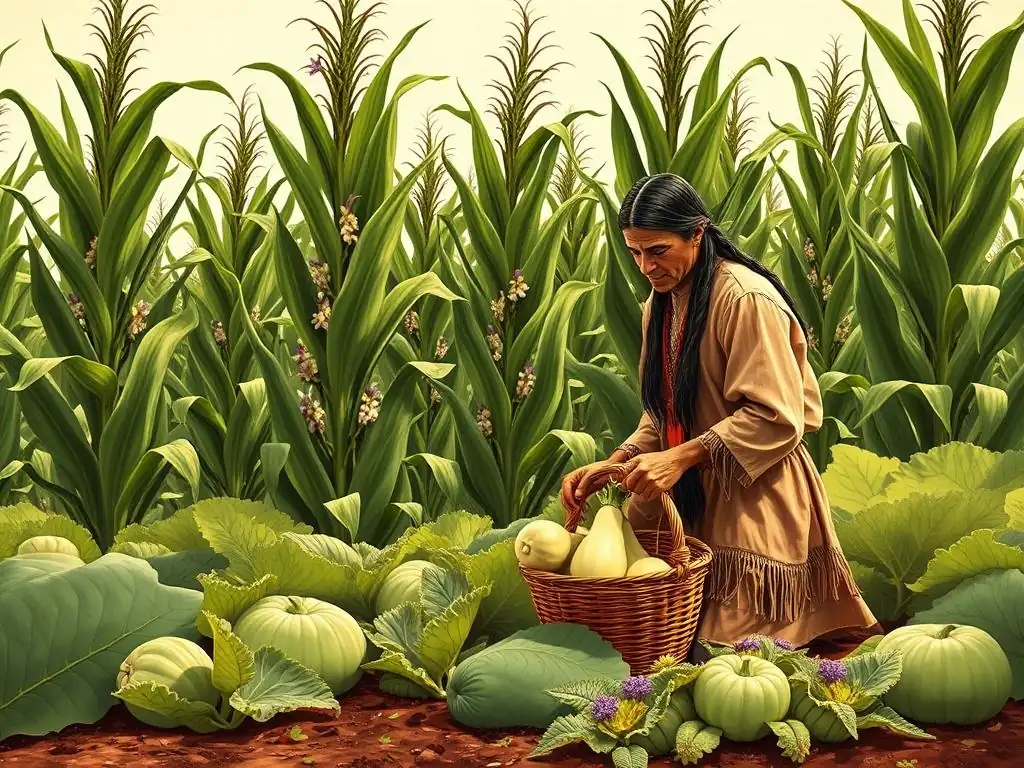
The interplay among corn, beans, and squash is a remarkable demonstration of ecological balance. Corn, planted first, establishes a robust stalk that can reach heights of 6 to 10 feet. As it grows, beans are planted around the base. The beans, being legumes, have the unique ability to fix atmospheric nitrogen, converting it into a form that is accessible to plants, thus enhancing soil nutrient levels.
Squash is typically planted last due to its slower growth rate. Its sprawling vines and large leaves create a protective canopy over the soil, which helps retain moisture and suppress weeds. The combination of these three plants creates a micro-ecosystem that provides mutual benefits. The roots of the plants also interconnect, further promoting soil health and stability.
Nutritional Benefits of the Three Sisters Combination
The Three Sisters not only represent agricultural ingenuity but also provide a well-balanced diet rich in essential nutrients. Each component contributes specific dietary benefits:
- Corn: A staple grain, corn is a good source of carbohydrates, fiber, and several vitamins, particularly B vitamins. It serves as a high-energy food.
- Beans: Rich in protein, beans complement corn's amino acid profile, making the combination a complete protein source. They are also high in fiber, iron, and magnesium.
- Squash: Squash offers vitamins A, C, and E, along with antioxidants and dietary fiber. Its high water content aids in hydration and digestion.
Together, these crops form a nutrient-dense trio that has sustained numerous indigenous communities for generations, providing necessary sustenance and promoting overall health.
Techniques and Methods in Native American Planting
Native American planting techniques are deeply rooted in tradition and reflect a profound understanding of the land and its cycles. The Three Sisters method is central to these practices, emphasizing not only agricultural productivity but also ecological awareness.
Traditional Planting Methods of the Three Sisters
The traditional method of planting the Three Sisters often entails a series of steps that align with lunar cycles and seasonal changes. Typically, the planting begins with the corn. Once the corn reaches about 6 inches in height, the beans are planted around the corn stalks, followed by the squash.
Planting in hills or mounds, which helps with drainage and warmth, is common. The spacing allows for air circulation, reducing disease risks. Indigenous farmers might also incorporate rituals and ceremonies to honor the earth and express gratitude for the harvest, underscoring the spiritual connection to agriculture.
Crop Rotation and Soil Health in Native American Cultivation
Crop rotation is an integral part of Native American agricultural practices. By alternating the crops planted in a given area, communities maintain soil health and fertility, reducing the risk of pest infestations and diseases. The Three Sisters method exemplifies this, as each crop has different nutrient needs and growth habits, preventing nutrient depletion.
Additionally, practices such as intercropping and companion planting are used to enhance biodiversity, which is critical for resilient farming systems. Native Americans recognized that healthy soil supports healthy plants, and they often enhanced soil with natural fertilizers like fish remains or compost, contributing to long-term agricultural sustainability.
Regional Variations of the Three Sisters Planting Technique
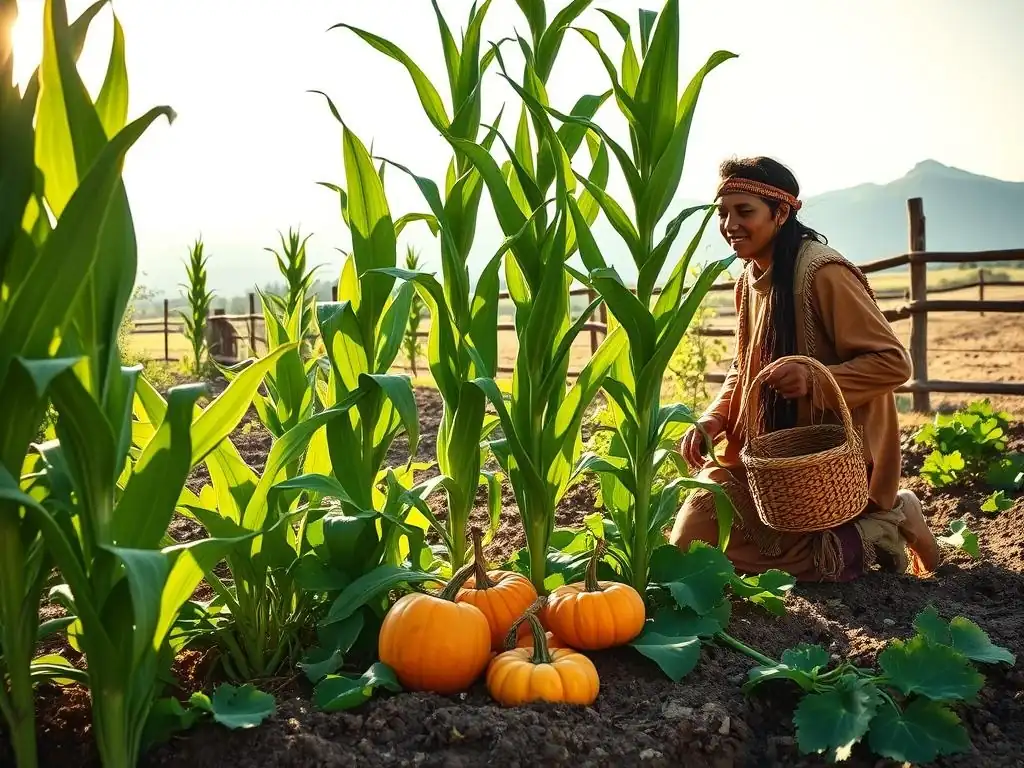
The Three Sisters planting technique, which typically comprises maize (corn), beans, and squash, showcases significant regional variations across different indigenous cultures in the Americas. These variations arise from local environmental conditions, cultural practices, and available resources. While the fundamental concept remains the same—planting the three crops together for mutual benefit—the specific methods and crop varieties can differ remarkably.
The Three Sisters in Different Indigenous Cultures
In the Northeastern Woodlands, Native American tribes such as the Iroquois and Algonquin have cultivated the Three Sisters for centuries. Here, the beans are often pole varieties that climb the corn stalks, providing essential support. The Iroquois are known for their ceremonial significance of the Three Sisters, which they refer to as "deohako," emphasizing their interdependence.
In contrast, in the Southwest, the Pueblo peoples have adapted the technique to their arid environment, often incorporating additional plants such as sunflowers and peppers. Their planting methods include dry farming techniques, utilizing gravity-fed irrigation systems to conserve water, which allows them to cultivate these crops in harsher climates.
Further south, the Maya civilization also practiced a version of the Three Sisters system, but with an emphasis on different varieties of squash and beans suited to their tropical climate. This adaptation demonstrates the versatility of the technique and its ability to sustain diverse communities across varying geographies.
Adaptations of the Technique Across Various Climates
The adaptability of the Three Sisters technique is evident in how indigenous cultures have modified it to suit their local climates. In temperate regions, such as the Great Lakes area, the growing season allows for multiple harvests, and farmers often intersperse crops with other plants, such as tobacco and medicinal herbs.
Conversely, in desert climates, where water is scarce, the technique has evolved to include drought-resistant varieties of corn and beans. Pueblo farmers, for example, select specific strains that can thrive with minimal irrigation and maximize yield while conserving soil moisture.
This regional variability illustrates not only the ingenuity of indigenous farmers but also their deep understanding of their ecological contexts. They developed planting schedules and crop rotations that optimized the growing conditions, ensuring food security in diverse environments.
The Impact of the Three Sisters on Indigenous Food Security
The Three Sisters planting technique has had a profound impact on food security among indigenous populations throughout history. By interplanting the three crops, communities have been able to create a balanced diet, rich in carbohydrates, proteins, and essential nutrients. This method not only enhances crop yields but also contributes to soil health and biodiversity.
Contributions to Sustainable Food Sources
The Three Sisters system exemplifies sustainable agricultural practices. The beans contribute nitrogen to the soil, which benefits the corn and squash, leading to improved fertility without the need for chemical fertilizers. This natural nutrient cycling supports long-term agricultural productivity.
Moreover, the cultivation of diverse crops reduces the risk of total crop failure due to pests or diseases, as each plant attracts different beneficial insects and deters harmful ones. The resilience derived from this polyculture approach has been vital for maintaining food security in indigenous communities, allowing them to adapt to changing environmental conditions over generations.
Lessons from Native American Planting Techniques for Modern Agriculture
Modern agriculture can learn valuable lessons from the Three Sisters planting technique. As the world faces challenges such as climate change and food insecurity, the principles of biodiversity, intercropping, and sustainable practices become increasingly relevant.
Adopting polyculture techniques can lead to healthier ecosystems and more resilient food systems. By integrating traditional knowledge with contemporary agricultural practices, farmers can enhance soil health, increase crop resilience, and ultimately improve food security.
Additionally, the emphasis on local adaptation highlights the importance of understanding regional ecological conditions. Modern agriculture can benefit from a similar approach by selecting crop varieties that are well-suited to local climates and soil types, fostering a harmonious relationship between farming practices and the environment.
The Three Sisters technique is not just a farming method; it is a testament to the wisdom and ingenuity of indigenous peoples, offering insights that resonate with the need for sustainable agricultural practices today.
Conclusion: The Legacy of Native American Planting Techniques
The legacy of Native American planting techniques, particularly the Three Sisters method, is profound and far-reaching. These agricultural practices not only illustrate the ingenuity of indigenous cultures but also their deep understanding of ecological balance and sustainability. The Three Sisters—corn, beans, and squash—demonstrate a remarkable example of companion planting that has been utilized for centuries. By growing these crops together, Native Americans maximized their yield and enhanced soil fertility, providing a model of efficient and sustainable farming that resonates with modern agricultural practices.
The techniques employed by indigenous peoples have left an indelible mark on agricultural methods worldwide, emphasizing the importance of biodiversity and intercropping. As contemporary society grapples with challenges such as climate change and food security, the wisdom embedded in these traditional planting techniques offers valuable insights that can inform and enhance modern farming approaches.
Lasting Influence on Contemporary Farming Practices
The influence of Native American planting techniques extends into contemporary farming practices, where principles of sustainability and crop diversity are increasingly recognized. Farmers today are adopting intercropping strategies similar to the Three Sisters to improve soil health, increase resilience to pests and diseases, and bolster food security.
For example, many organic farmers are now incorporating companion planting, which involves sowing different crops in proximity for mutual benefits. This technique not only reduces the need for chemical fertilizers and pesticides but also enhances the overall productivity of the land. Studies have shown that intercropping can lead to improved yields compared to monoculture systems, which is a testament to the efficacy of the practices honed by Native American farmers.
Additionally, educational programs and community gardens are increasingly promoting these traditional methods, fostering a greater appreciation for indigenous agriculture and its relevance in today's agricultural discourse. The resurgence of interest in heirloom varieties of crops, which often includes the Three Sisters, further underscores the lasting impact of these indigenous practices.
Preserving Indigenous Agricultural Knowledge for Future Generations
Preserving indigenous agricultural knowledge is essential for ensuring that the wisdom of Native American farming techniques continues to inform future generations. Various initiatives are underway to document and teach these traditional practices, emphasizing their ecological significance and historical context.
Community-based programs that engage tribal elders and agricultural experts are vital in passing down this knowledge. Workshops, cultural events, and school curricula focused on indigenous farming techniques help cultivate a deeper understanding among younger generations about the importance of sustainable agriculture.
Furthermore, collaborations between indigenous communities and agricultural researchers can foster innovation while respecting traditional ecological knowledge. This synergy not only revitalizes ancient practices but also adapts them to contemporary agricultural challenges, ensuring that these vital techniques endure.
The preservation and promotion of Native American planting techniques like the Three Sisters are crucial not only for honoring indigenous heritage but also for fostering sustainable agricultural practices that benefit all. By embracing these time-tested methods, society can cultivate a more resilient and ecologically aware future.
- Introduction to Native American Planting Techniques
- The Three Sisters Explained
- The Symbiotic Relationship of the Three Sisters
- How Corn, Beans, and Squash Work Together
- Nutritional Benefits of the Three Sisters Combination
- Techniques and Methods in Native American Planting
- Regional Variations of the Three Sisters Planting Technique
- The Impact of the Three Sisters on Indigenous Food Security
- Conclusion: The Legacy of Native American Planting Techniques
- What are the Three Sisters in Native American agriculture?
- How do the Three Sisters support each other in growth?
- Why are Native American planting techniques important today?
- What impact did the Three Sisters have on Native American societies?
- Are there any modern applications of the Three Sisters planting method?
Frequently Asked Questions
What are the Three Sisters in Native American agriculture?
The Three Sisters refer to corn, beans, and squash, which are traditionally grown together in a symbiotic planting technique. This method enhances growth and provides a balanced diet.
How do the Three Sisters support each other in growth?
Each plant in the Three Sisters plays a crucial role: corn provides support for beans, beans fix nitrogen in the soil, and squash spreads out to suppress weeds. Together, they create a sustainable ecosystem.
Why are Native American planting techniques important today?
These ancient planting techniques promote biodiversity and sustainable agriculture. They offer valuable lessons for modern farming, focusing on the importance of ecological balance.
What impact did the Three Sisters have on Native American societies?
The Three Sisters were vital for sustenance, influencing cultural practices and social structures among various Native American tribes. They contributed to food security and community resilience.
Are there any modern applications of the Three Sisters planting method?
Yes, modern gardeners and farmers are increasingly adopting the Three Sisters technique as a permaculture practice, recognizing its benefits for soil health, crop yields, and environmental sustainability.
Final Reflection: Embracing the Wisdom of Native American Planting Techniques
The symbiotic planting techniques of Native Americans, particularly the Three Sisters method, resonate profoundly in today's world as we face pressing environmental challenges. This ancient practice not only highlights the importance of biodiversity but also serves as a powerful reminder of the interconnectedness of all living things. As we strive for sustainable agricultural practices, the lessons from our ancestors become more relevant than ever, urging us to rethink our relationship with the land and each other.
The influence of the Three Sisters method extends beyond agriculture; it embodies a holistic approach to living in harmony with nature. This technique has inspired modern permaculture movements and sustainable farming practices, showcasing how traditional knowledge can inform contemporary solutions. As noted by environmentalist and author Vandana Shiva, The future of humanity depends on our ability to learn from the wisdom of indigenous cultures.
This wisdom is not just a relic of the past but a guiding principle for cultivating resilience in our ecosystems and communities today.
As we reflect on the significance of Native American planting techniques, I invite you to consider how these lessons can be integrated into your own life. How can you cultivate a deeper connection with the earth and those around you? Whether it's through community gardening, supporting local farmers, or simply being mindful of your consumption, every action counts. Let us honor the legacy of the Three Sisters by nurturing our environment and fostering relationships that celebrate the beauty of diversity and cooperation.
Cultivate Your Knowledge: Embrace Sustainable Gardening Today!
Thank you for delving into the fascinating world of the Three Sisters planting technique! You've gained insight into the interconnectedness of crops and the wisdom of Native American agricultural practices. Now, it’s time to take that knowledge and put it into action!
Here are some simple and inspiring steps you can take next:
- Start your own Three Sisters garden: Gather seeds for corn, beans, and squash, and create a small plot to experience the magic of this symbiotic planting method firsthand.
- Share your journey: Connect with friends or local gardening groups to exchange ideas and raise awareness of indigenous agricultural traditions through social media.
- Explore sustainable practices: Discover additional planting techniques used by Native cultures to deepen your understanding and enhance your gardening skills.
What unique challenges do you think you might encounter while implementing the Three Sisters technique in your own garden? Let's discuss your ideas and potential solutions!