
The Role of Astronomy in Mesoamerican Architectural Alignments

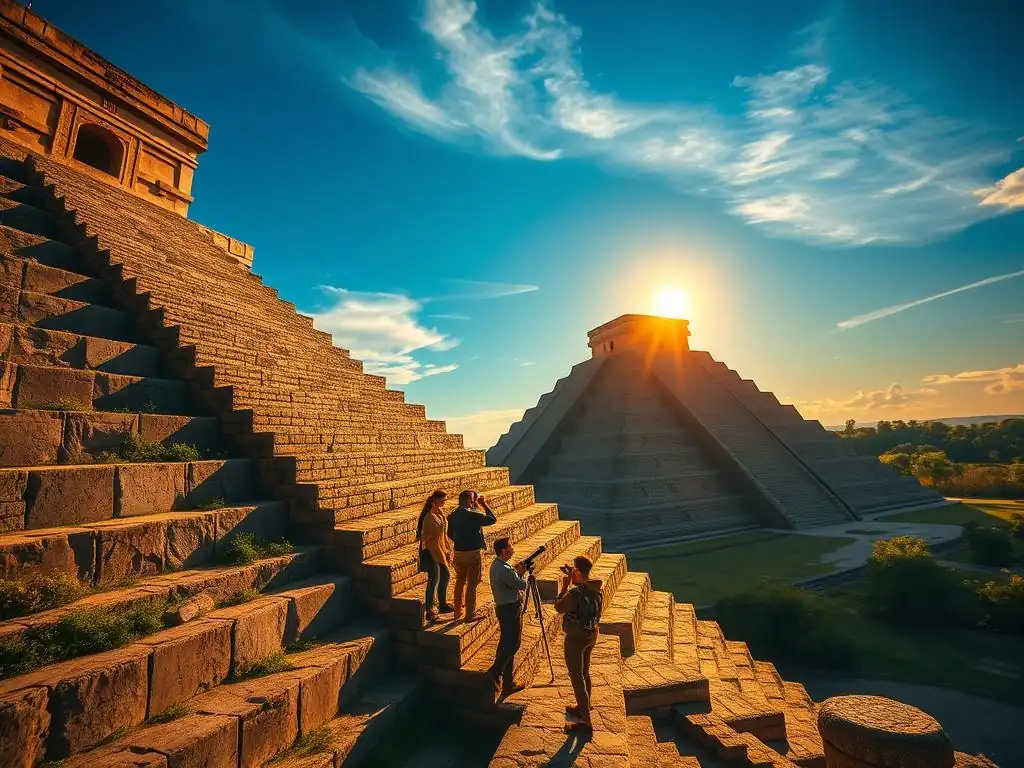
Welcome to Indigenous Civilizations of the Americas, where we invite you to embark on a fascinating journey through the rich tapestry of indigenous cultures that flourished across the Americas long before European colonization. Here, we delve into the remarkable achievements and societal structures of these vibrant civilizations. In our featured article, "The Role of Astronomy in Mesoamerican Architectural Alignments," we uncover the intricate connections between the stars and the awe-inspiring architecture of the Mesoamerican world.
Prepare to be captivated as we explore how celestial knowledge shaped not only the physical landscape but also the spiritual and cultural identities of these advanced societies. Your adventure into the wonders of indigenous history begins now—let's explore together!
Mesoamerican civilizations have long fascinated historians and archaeologists due to their intricate societies and remarkable achievements. Among these, the profound relationship between astronomy and architecture stands out as a defining characteristic of their cultural heritage. This article delves into the ways in which celestial observations influenced architectural design and urban planning in Mesoamerica, highlighting the significance of astronomical alignments in major structures. By exploring the intersection of Mesoamerican astronomy and architecture, we gain insight into the sophisticated understanding these civilizations had of the cosmos and its integration into their daily lives and monumental constructions.
Introduction to Mesoamerican Astronomy and Architecture
Mesoamerican astronomy was not merely a scientific pursuit; it was deeply intertwined with the cultural, religious, and agricultural practices of its societies. The civilizations that thrived in this region, including the Maya, Aztec, and Olmec, developed complex astronomical knowledge that informed their architectural feats. Structures such as temples, observatories, and pyramids were not only functional but also served as cosmic markers that aligned with celestial events.
Understanding Mesoamerican Civilizations
- Maya: Renowned for their intricate calendar systems and advanced mathematics, the Maya utilized astronomical observations to guide agricultural cycles and religious ceremonies.
- Aztec: The Aztecs built grand temples that were oriented to celestial bodies, reflecting their cosmology and the importance of deities tied to astronomical events.
- Olmec: Often considered the "mother culture" of Mesoamerica, the Olmec laid the groundwork for future astronomical and architectural developments.
These civilizations shared a common belief that the movements of celestial bodies were directly linked to earthly events, influencing everything from warfare to agriculture.
The Interconnection of Astronomy and Architecture
The architectural alignments in Mesoamerican structures reveal a sophisticated understanding of astronomy. Notable correlations include:
- Solar Alignments: Many temples were designed to capture sunlight during solstices and equinoxes, marking the changing seasons.
- Lunar Cycles: Structures often aligned with the moon’s cycles, showcasing the significance of lunar events in ritual practices.
- Planetary Events: The visibility of planets like Venus influenced the timing of warfare and agricultural activities, as reflected in the orientation of certain buildings.
This interconnection highlights how Mesoamerican societies harmonized their architecture with the cosmos, creating spaces that served both practical and spiritual purposes.
Historical Context of Mesoamerican Astronomy
The historical context of Mesoamerican astronomy is rich and complex, marked by advancements in observational techniques and a growing body of knowledge that influenced architectural design.
Ancient Astronomical Practices in Mesoamerica
- Calendar Systems: The Maya developed the Tzolk'in and Haab' calendars, which tracked solar and lunar cycles with remarkable precision.
- Observatories: Structures like the Caracol in Chichen Itza functioned as observatories, allowing astronomers to monitor the heavens and make predictions based on celestial movements.
- Rituals and Festivals: Astronomical events were often celebrated with rituals, intertwining the natural world with spiritual beliefs and architectural expressions.
The integration of these practices into daily life and architecture underscores the significance of astronomy in Mesoamerican cultures.
Key Figures in Mesoamerican Astronomy
Throughout Mesoamerican history, several figures emerged as pivotal in the field of astronomy:
- Copán's Astronomers: The city of Copán was home to skilled astronomers who meticulously recorded celestial events on stelae and altars.
- Maya Scribes: Scribes played a crucial role in documenting astronomical knowledge, preserving it for future generations and ensuring its application in architectural alignments.
These individuals contributed to the rich tapestry of Mesoamerican astronomy, leaving behind a legacy that continues to captivate scholars and enthusiasts alike.
In the following sections, we will explore specific examples of architectural alignments and delve deeper into the astronomical practices that shaped the Mesoamerican worldview.
Major Mesoamerican Civilizations and Their Architectural Alignments
Mesoamerican civilizations, including the Maya, Aztecs, and Olmecs, profoundly integrated astronomy into their architectural practices. Their structures were not merely functional or aesthetic; they were also cosmological statements that reflected a deep understanding of celestial phenomena. This intertwining of astronomy and architecture is evident in the meticulous alignments of temples, pyramids, and other significant buildings with astronomical events such as solstices, equinoxes, and specific lunar cycles.
Each civilization developed its own unique approaches to harnessing the cosmos within their urban landscapes. The use of celestial alignments not only served as a calendar system but also played a crucial role in religious practices, agricultural planning, and social organization. The architectural wonders of these civilizations exhibit a remarkable level of sophistication, showcasing their advanced knowledge of astronomy.
The Maya: Astronomical Alignments in Construction
The Maya civilization is renowned for its intricate astronomical knowledge, which was intricately woven into their architectural designs. Major sites like Chichen Itza and Tikal reveal structures that align precisely with celestial events. The El Caracol observatory at Chichen Itza, for instance, features windows and doorways that align with specific astronomical phenomena, including the movements of Venus, the sun, and the moon.
Maya temples often served as observatories, where priests and astronomers could track the heavens. The alignment of the Temple of Kukulkan, for example, is particularly striking during the equinoxes when shadows cast by the stairways create the illusion of a serpent descending the pyramid. This event not only signifies the importance of the deity Kukulkan but also showcases how the Maya synchronized their architectural achievements with celestial cycles.
The Aztecs: Cosmic Principles in Urban Planning
Aztec architecture also reflects a deep connection to astronomy, with Tenochtitlan, their capital, designed with celestial alignments in mind. The Templo Mayor, a central pyramid in the city, was oriented toward the rising sun during specific solar events. This alignment was crucial for religious ceremonies, as it symbolized the connection between the gods and the people.
Additionally, the Aztecs used the concept of duality in their urban planning, which was often mirrored in their astronomical observations. They built structures that represented both the earthly and cosmic realms, emphasizing the importance of harmony between the two. The careful placement of temples and other significant buildings within Tenochtitlan illustrated their reliance on celestial events to dictate social and religious practices.
The Olmecs: Early Astronomical Influence on Architecture
As one of the earliest civilizations in Mesoamerica, the Olmecs laid the groundwork for later astronomical practices in architecture. Although their structures are less monumental than those of the Maya and Aztecs, the Olmecs demonstrated an understanding of celestial events that influenced subsequent cultures. Sites like La Venta and San Lorenzo feature ceremonial centers and earthworks that suggest a relationship with astronomical cycles, particularly the sun.
The Olmec civilization's colossal heads and other sculptures may also reflect their cosmological beliefs, possibly representing celestial bodies or deities. Their early astronomical observations likely set the stage for the more complex alignments and architectural designs seen in later Mesoamerican cultures.
The Significance of Celestial Events in Mesoamerican Architecture
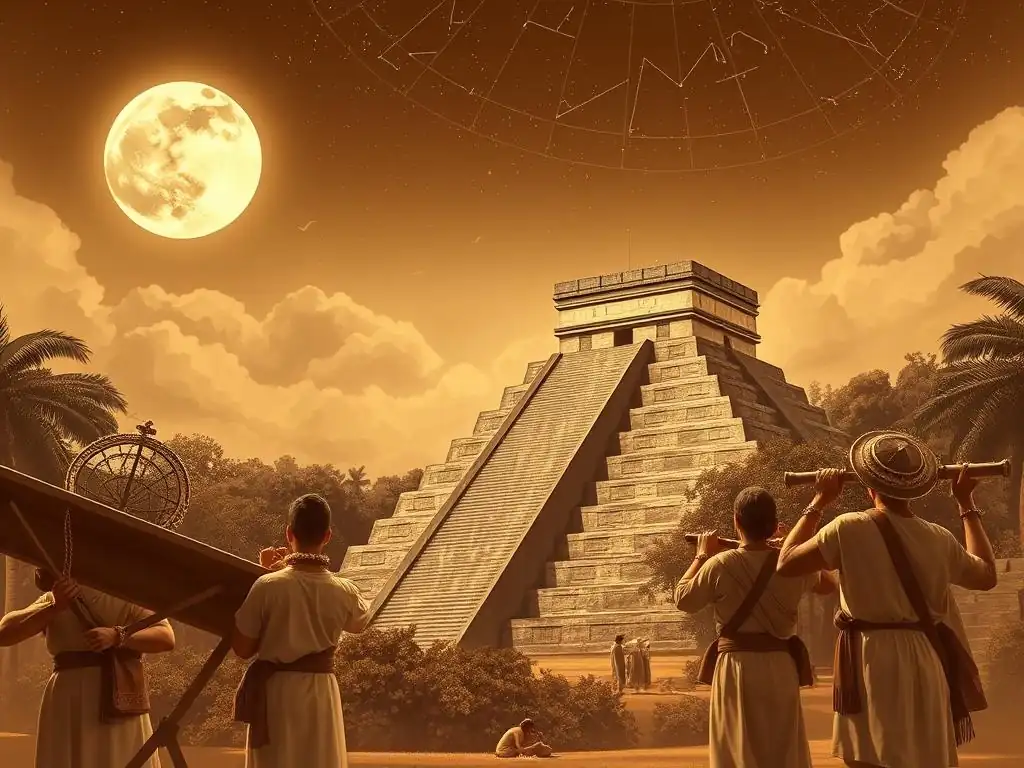
Celestial events played a crucial role in shaping the architectural landscape of Mesoamerican civilizations. These events served not only as markers for agricultural and ceremonial activities but also as integral components of their cultural identity. The alignment of buildings with celestial phenomena reflects a sophisticated understanding of time and space that transcends mere construction.
Mesoamerican societies relied heavily on these celestial markers to inform their agricultural practices and religious rituals. The synchronization of architecture with the cosmos exemplifies how these cultures viewed their environment and the universe as interconnected systems.
Solstices and Equinoxes: Markers in Mesoamerican Structures
The solstices and equinoxes were significant in Mesoamerican architecture, as they marked crucial points in the solar calendar. Many temples and pyramids were strategically aligned to capture the sunrise or sunset at these pivotal moments. For example, during the summer solstice, the sun rises at a specific angle that illuminates certain features of monuments like the Temple of Kukulkan at Chichen Itza.
These events were often celebrated with rituals and festivals, reinforcing the importance of solar events in the religious and agricultural calendars of Mesoamerican cultures. As a result, the architectural designs not only served practical purposes but also acted as ceremonial stages for these significant celestial occurrences.
Lunar Cycles and Their Influence on Building Designs
Lunar cycles also influenced Mesoamerican architecture, guiding the construction and orientation of buildings. The phases of the moon were integral to agricultural cycles, informing planting and harvesting times. Temples and structures were often designed to align with the moon’s position, allowing for ceremonial practices that coincided with lunar events.
For instance, certain structures may have been oriented to highlight specific lunar events, such as the full moon or the new moon, which were significant in ritual practices. This alignment with lunar cycles illustrates the advanced understanding Mesoamerican cultures had of celestial rhythms and their profound influence on architectural designs. Through these alignments, Mesoamerican civilizations expressed their deep reverence for the cosmos and its integral role in their everyday lives.
Techniques and Tools Used by Mesoamerican Astronomers
Mesoamerican civilizations developed sophisticated techniques and tools to observe and interpret celestial phenomena, which played a crucial role in their architectural designs. They utilized a combination of physical instruments, observational techniques, and mathematical calculations to track celestial bodies and align their structures with significant astronomical events. This integration of astronomy and architecture reflects the advanced understanding these cultures had of the cosmos and its influence on earthly life.
Instruments for Observing Celestial Bodies
Mesoamerican astronomers employed various instruments to facilitate their observations of celestial bodies. Some key tools included:
- Stelae and Altars: Many Mesoamerican sites featured stone monuments and altars that were strategically placed to mark astronomical events. For instance, stelae were often oriented to align with the setting or rising sun during solstices.
- Thetzal (or "Gnomon"): A simple yet effective tool, the gnomon was a vertical stick or pole used to cast shadows. Observers could measure shadow lengths at different times of the day to track the sun's movement.
- Ecliptic Markers: Structures such as the famous observatory at Chichen Itza featured specific markers that aligned with celestial events, enabling astronomers to predict solstices and equinoxes accurately.
Through these instruments, Mesoamerican cultures enhanced their understanding of the heavens, allowing them to create architectural marvels that resonated with cosmic events.
Methods of Aligning Structures with Astronomical Events
The alignment of Mesoamerican structures with celestial events was achieved through several sophisticated methods:
- Observation of Solar and Lunar Cycles: Mesoamerican astronomers meticulously tracked the cycles of the sun and moon, noting their positions at different times of the year. This knowledge informed the design and orientation of their buildings.
- Mathematical Calculations: These civilizations employed advanced mathematics to calculate angles and distances necessary for aligning structures with celestial phenomena. They utilized concepts like the zenith passage to determine the optimal positioning of buildings.
- Use of Landmarks: Natural landmarks often served as reference points for alignment. For example, prominent hills or mountains would be strategically used to frame celestial events, enhancing the architectural significance of the structures.
These methods showcase the intricate relationship between astronomy and architecture in Mesoamerican cultures, highlighting their profound understanding of the universe.
Case Studies of Mesoamerican Sites with Astronomical Alignments
Mesoamerican architecture is replete with examples of sites that exhibit remarkable astronomical alignments, reflecting the civilizations' deep connection to the cosmos. Three notable case studies illustrate these alignments in action.
Chichen Itza: The Observatory and Its Alignments
Chichen Itza is renowned for its architectural wonders, particularly the El Caracol observatory, which features a circular tower with strategically placed openings. This structure was designed to observe the movements of Venus and other celestial bodies, which were significant in Mayan mythology and agriculture.
The site also includes the Pyramid of Kukulcan, which is aligned such that during the equinoxes, the setting sun casts a shadow on the staircase, creating the illusion of a serpent descending. This intricate design reflects the Mesoamericans' sophisticated understanding of celestial cycles and their integration into architecture.
Teotihuacan: The Avenue of the Dead and Celestial Significance
Teotihuacan, one of the largest urban centers of ancient Mesoamerica, features the Avenue of the Dead, which aligns with the sun's path. The layout of this monumental avenue suggests a deliberate orientation toward celestial events, particularly the movements of the sun.
The Pyramid of the Sun and the Pyramid of the Moon are key structures within this alignment, with their positioning reflecting the importance of solar worship in Mesoamerican culture. The alignment of these pyramids with the horizon enhances their significance as ceremonial centers connected to astronomical events.
Tikal: The Great Temple and Astronomical Correlation
Tikal is another remarkable Mesoamerican site known for its astronomical alignments. The Great Temple, also known as Temple I, is oriented to capture the rising sun during specific celestial events, such as the summer solstice.
This temple's design showcases the Mayan's intricate knowledge of astronomy, as its alignment not only served a ceremonial purpose but also symbolized their connection to the cosmos. The strategic placement of structures throughout Tikal further demonstrates the civilization's commitment to aligning architecture with astronomical phenomena, reinforcing their cultural beliefs and practices.
Through these case studies, it becomes evident that Mesoamerican astronomy and architecture were deeply intertwined, showcasing the civilizations' remarkable achievements and their lasting impact on the world.
The Impact of Astronomy on Mesoamerican Culture and Society
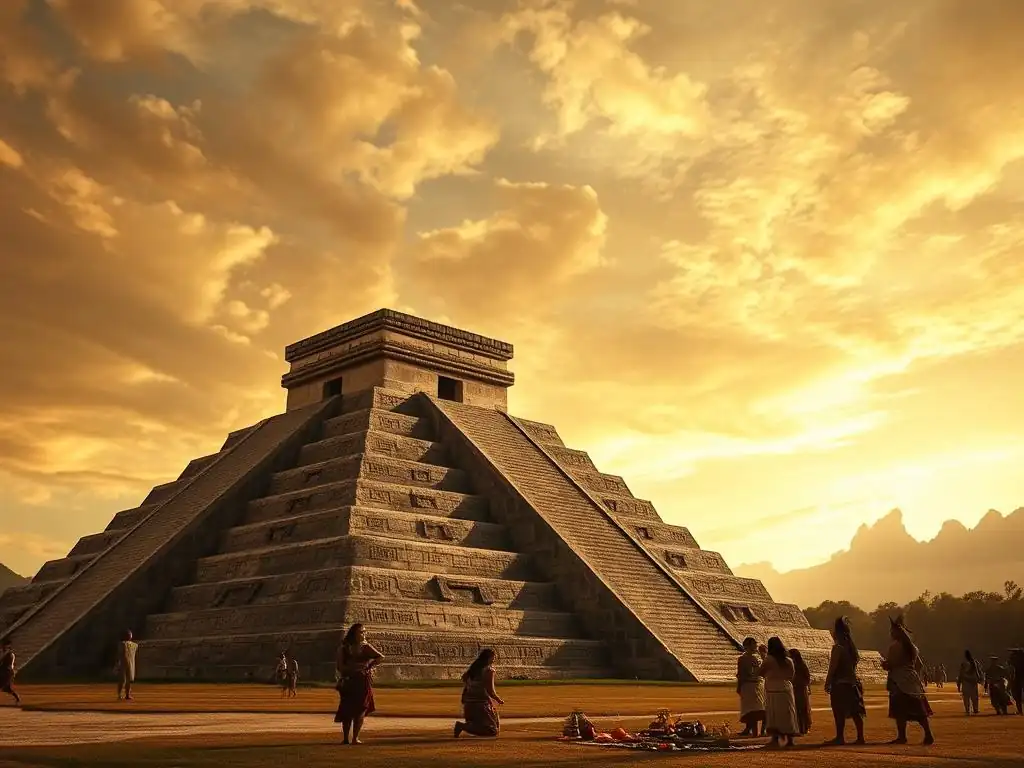
Mesoamerican civilizations, including the Maya, Aztec, and Olmec, deeply intertwined their understanding of astronomy with their cultural and societal frameworks. Astronomy was not merely a scientific pursuit; it was a guiding force that influenced agricultural practices, religious beliefs, and social organization. The celestial bodies, particularly the sun, moon, and planets, were seen as powerful entities that dictated seasonal changes, which were crucial for farming cycles. For instance, the Maya developed intricate calendars based on celestial observations, allowing them to predict agricultural seasons and plan for rituals, thereby enhancing food security and community stability.
Moreover, astronomical phenomena were often associated with mythological narratives, enriching cultural identity and cohesion. The alignment of structures like temples and pyramids with celestial events reflected the importance of these heavenly bodies in societal governance and religious life. Such alignments served not only practical purposes but also reinforced the status of rulers and priests, who were often viewed as intermediaries between the gods and the people. This integration of astronomy into daily life and governance is a testament to the sophisticated understanding and respect Mesoamerican cultures had for the cosmos.
Rituals and Ceremonies Linked to Astronomical Events
Rituals and ceremonies in Mesoamerican cultures were frequently synchronized with astronomical events, showcasing the profound relationship between the heavens and earthly life. Major celestial events, such as solstices, equinoxes, and lunar cycles, were marked by elaborate ceremonies that often involved offerings, dances, and feasts. For instance, the Maya celebrated the winter solstice with the “Return of the Sun” ceremony, symbolizing renewal and the cyclical nature of life. Temples were strategically aligned to capture the first light of the sun on these significant days, emphasizing their architectural prowess and spiritual beliefs.
The Aztec civilization also held rituals that corresponded with celestial events, particularly the movements of the sun and Venus. Their calendar, the Tonalpohualli, was crucial in determining the timing of these ceremonies, which were believed to appease the gods and ensure cosmic balance. These rituals were not only religious observances but also communal gatherings that reinforced social bonds and cultural identity among the people, highlighting the integration of astronomy into the fabric of Mesoamerican life.
The Role of Priests and Astronomers in Society
In Mesoamerican societies, priests and astronomers occupied highly esteemed positions due to their knowledge of celestial movements. They served as the custodians of time, interpreting astronomical phenomena to provide guidance for agricultural, political, and religious decision-making. Their expertise enabled them to develop precise calendars that dictated the timing of planting, harvesting, and rituals, which were essential for societal survival and prosperity.
These individuals often held significant power, as their predictions and interpretations could influence the outcomes of wars, agricultural yields, and even the favor of the gods. The priesthood was seen as a bridge between the divine and the mortal realm, and their astronomical observations were integral to maintaining harmony in the universe. This elevated status contributed to the development of specialized schools, where knowledge of astronomy was passed down through generations, ensuring the continuity of this vital aspect of Mesoamerican culture.
Conclusion: The Lasting Legacy of Mesoamerican Astronomy and Architecture
The influence of Mesoamerican astronomy on architecture is an enduring legacy, reflecting a time when the cosmos was intricately connected to daily life and governance. The architectural alignments seen in monumental structures like the Pyramid of the Sun in Teotihuacan and the observatories in Uxmal testify to the advanced understanding Mesoamerican cultures had of celestial mechanics. These alignments not only served religious and ceremonial purposes but also demonstrated the civilizations’ ability to harmonize their built environment with the natural world.
Mesoamerican astronomy and architecture continue to inspire contemporary scholars and enthusiasts, prompting a reevaluation of ancient knowledge systems. The precision with which these cultures constructed their monuments remains a significant point of study, revealing insights into their worldview and technological capabilities. This legacy highlights the importance of astronomy in shaping not only architectural practices but also the cultural and spiritual identities of Mesoamerican peoples.
Modern Implications of Ancient Alignments
The architectural alignments of ancient Mesoamerican civilizations offer valuable lessons for modern society, particularly in urban planning and environmental sustainability. By understanding how these cultures harmonized their structures with celestial events, contemporary architects and planners can draw inspiration for creating spaces that respect natural rhythms and promote community engagement. This perspective encourages a holistic approach to design that considers both functional and spiritual dimensions, fostering a deeper connection to the environment.
Furthermore, the resurgence of interest in sustainable practices, such as permaculture and ecological design, echoes the ancient Mesoamerican emphasis on living in harmony with nature. By integrating astronomical knowledge into modern practices, there is potential to enhance agricultural productivity and community resilience in the face of climate change.
The Ongoing Study of Mesoamerican Astronomy and Architecture
The study of Mesoamerican astronomy and architecture is an ever-evolving field, with ongoing research shedding light on previously unrecognized aspects of these ancient cultures. Archaeological discoveries, combined with advanced technologies such as satellite imaging and 3D modeling, are revealing new insights into how these civilizations designed their cities and constructed their monuments in relation to celestial bodies.
Scholars and researchers are increasingly collaborating across disciplines, including archaeology, anthropology, and astronomy, to create a comprehensive understanding of Mesoamerican achievements. Public interest in these topics has also grown, with educational programs and exhibitions that highlight the sophistication of ancient astronomical knowledge. This ongoing exploration not only preserves the memory of these remarkable cultures but also enriches our understanding of humanity's relationship with the cosmos.
References and Further Reading on Mesoamerican Astronomy and Architecture
To deepen your understanding of the intricate relationship between Mesoamerican astronomy and architecture, the following resources provide valuable insights and extensive research:
- Books:
- "The Maya and Their Neighbors: A History of Mesoamerica": by John E. Clark and Mary E. Pye. This book offers a comprehensive overview of Mesoamerican cultures, including their astronomical practices and architectural achievements.
- "Maya Cosmogenesis 2012: The True Meaning of the Maya Calendar End-Date": by John Major Jenkins. This work delves into the astronomical significance of the Maya calendar and its influence on architectural design.
- "Astronomy in Ancient Mesoamerica" by Anthony Aveni. Aveni explores how ancient Mesoamerican civilizations incorporated astronomical observations into their structures and urban planning.
- Academic Journals:
- "Ancient Mesoamerica": This peer-reviewed journal features articles that often focus on the interplay of astronomy and architecture within Mesoamerican cultures.
- “Journal for the History of Astronomy”: This journal includes studies on the historical context of astronomical practices among the Mesoamerican civilizations and their architectural manifestations.
- Online Resources:
- The National Museum of Anthropology (Mexico): Their website provides access to various resources about Mesoamerican civilizations, including exhibitions on their astronomical knowledge and architectural feats.
- The Pre-Columbian Society: This organization promotes the study of pre-Columbian cultures and often shares research papers and articles related to Mesoamerican astronomy and architecture.
- Documentaries and Lectures:
- "The Universe: Ancient Knowledge": (available on various streaming platforms) offers a visual exploration of how ancient civilizations, including the Mesoamericans, aligned their architecture with astronomical events.
- YouTube Lectures by Experts: Many scholars share their research on platforms like YouTube. Searching for lectures on Mesoamerican astronomy can yield insightful presentations from specialists in the field.
- Field Guides and Archaeological Reports:
- "The Archaeology of Mesoamerican Architecture" by various contributors. This guide contains detailed reports and findings from archaeological digs that reveal how astronomical considerations influenced architectural layouts and alignments.
By exploring these references, readers can gain a more profound appreciation for the sophisticated ways in which Mesoamerican civilizations integrated astronomy into their architectural practices, reflecting their advanced understanding of the cosmos and its relationship to their daily lives and rituals.
- Introduction to Mesoamerican Astronomy and Architecture
- Historical Context of Mesoamerican Astronomy
- Major Mesoamerican Civilizations and Their Architectural Alignments
- The Significance of Celestial Events in Mesoamerican Architecture
- Techniques and Tools Used by Mesoamerican Astronomers
- Case Studies of Mesoamerican Sites with Astronomical Alignments
- The Impact of Astronomy on Mesoamerican Culture and Society
- Conclusion: The Lasting Legacy of Mesoamerican Astronomy and Architecture
- References and Further Reading on Mesoamerican Astronomy and Architecture
- What is the significance of Mesoamerican astronomy in architectural design?
- How did Mesoamerican cultures utilize celestial observations?
- What are some examples of architectural alignments influenced by astronomy?
- How did the achievements in Mesoamerican architecture reflect astronomical knowledge?
- What lasting impact did Mesoamerican astronomy and architecture have on later civilizations?
Frequently Asked Questions
What is the significance of Mesoamerican astronomy in architectural design?
Mesoamerican astronomy played a crucial role in aligning structures with celestial events, reflecting the deep connection between the cosmos and daily life.
How did Mesoamerican cultures utilize celestial observations?
They used celestial observations to create calendars, plan agricultural activities, and determine important dates for rituals and festivals, showcasing their advanced understanding of astronomy.
What are some examples of architectural alignments influenced by astronomy?
Notable examples include the pyramids of Teotihuacan and the temples of Chichen Itza, which were strategically aligned to mark solstices and equinoxes.
How did the achievements in Mesoamerican architecture reflect astronomical knowledge?
The precise alignments of buildings demonstrate a sophisticated understanding of celestial movements, indicating that astronomy was integral to their architectural planning and societal organization.
What lasting impact did Mesoamerican astronomy and architecture have on later civilizations?
The innovations in astronomy and architecture laid the foundation for future cultures in the Americas, influencing urban planning and the integration of celestial knowledge in governance and rituals.
Final Reflection: The Cosmic Connection of Mesoamerican Astronomy and Architecture
Mesoamerican astronomy and architecture are not merely historical subjects; they are vital threads that weave together the cultural fabric of ancient civilizations and their understanding of the universe. Today, as we navigate a world increasingly disconnected from celestial rhythms, the insights gained from these ancient practices remind us of the profound relationship between humanity and the cosmos. The alignment of temples and cities with celestial bodies was not just a feat of engineering; it was a testament to the Mesoamerican peoples' deep reverence for the skies and their desire to harmonize their lives with the universe.
The influence of Mesoamerican astronomy on architecture continues to resonate in contemporary discussions about sustainability and environmental awareness. As we face modern challenges such as climate change and urbanization, the ancient wisdom of aligning structures with natural phenomena encourages us to rethink our relationship with the environment. The stars are not just distant suns; they are a reminder of our place in the universe and our responsibility to the Earth.
This perspective invites us to consider how we can integrate the lessons of the past into our present and future, fostering a more sustainable and harmonious existence.
As you reflect on the intricate dance between Mesoamerican astronomy and architecture, I invite you to explore how these ancient practices can inspire your own life. Consider how you can align your actions with a greater purpose, much like the architects of the past aligned their structures with the stars. Whether it’s through sustainable living, community engagement, or personal growth, let the wisdom of Mesoamerican cultures guide you in creating a future that honors both our heritage and the cosmos.
Unveil the Cosmos: Connect Mesoamerican Architecture to the Stars!
Thank you for diving into the fascinating world of Mesoamerican architectural alignments and their celestial connections! You've explored how ancient civilizations harmonized their structures with the universe, gaining insights into not just their artistry but also their astronomical knowledge. Now, it’s time to take that knowledge and make it even more meaningful!
Here’s how you can engage further with this incredible topic:
- Join a local astronomy club to observe the night sky and discuss celestial alignments in your area. Discover how modern architecture can also draw inspiration from the stars!
- Share your newfound knowledge with friends and family by organizing a star-gazing night and exploring the architectural wonders of Mesoamerican cultures together!
- Dive deeper into history: Read more articles or books on Mesoamerican civilizations to uncover lesser-known stories about their connection to astronomy.
What insights about the connection between architecture and astronomy resonate most with you? How do you think this ancient wisdom can inspire modern design?