
Comparing Coastal and Inland Indigenous Architectural Styles: A Geographic Perspective

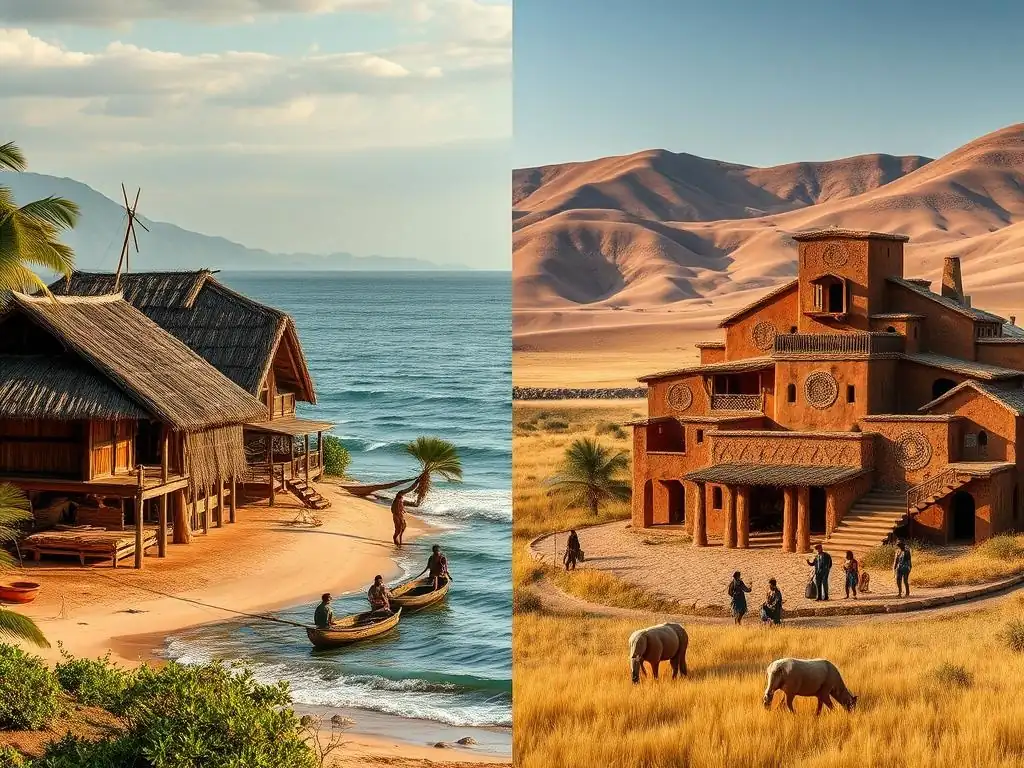
Welcome to Indigenous Civilizations of the Americas, where we invite you to embark on a fascinating journey through the rich tapestry of indigenous cultures that flourished long before European colonization. In our feature article, "Comparing Coastal and Inland Indigenous Architectural Styles: A Geographic Perspective," we delve into the remarkable diversity of indigenous architectural styles, illuminating the striking contrasts shaped by geography and environment. Discover how these extraordinary societies constructed their identities through innovative designs and sustainable practices.
Prepare to be intrigued as we unveil the stories behind their achievements and the lasting impact they have on our world today. Join us as we explore the beauty and complexity of these ancient cultures!
- Introduction to Indigenous Architectural Styles Comparison
- Geographic Context of Indigenous Architectural Styles
- Key Characteristics of Coastal Indigenous Architectural Styles
- Key Characteristics of Inland Indigenous Architectural Styles
- Comparative Analysis of Coastal and Inland Indigenous Architecture
- Cultural Significance of Indigenous Architectural Styles
- Conclusion: Understanding the Diversity of Indigenous Architectural Styles
-
Frequently Asked Questions
- What are the main architectural styles of coastal indigenous cultures?
- How do inland indigenous architectural styles differ from coastal styles?
- What factors influenced the architectural differences between coastal and inland indigenous peoples?
- Are there any common features found in both coastal and inland indigenous architecture?
- Why is it important to study indigenous architectural styles?
- Final Reflection: Embracing Diversity in Indigenous Architectural Styles
- Unveil the Richness of Indigenous Architecture!
Introduction to Indigenous Architectural Styles Comparison
The architectural styles of indigenous civilizations across the Americas reflect a rich tapestry of cultural identity, environmental adaptation, and technological innovation. This article delves into the comparison of coastal and inland indigenous architectural styles, highlighting how geography influenced building techniques, materials, and community structures. By examining these unique architectural forms, we can gain insights into the diverse ways in which indigenous peoples interacted with their surroundings, utilized available resources, and expressed their cultural values through design. The comparison not only underscores the ingenuity of these societies but also emphasizes their lasting legacy in the architectural landscape of the Americas.
Importance of Architectural Styles in Indigenous Cultures
Architectural styles are more than mere constructions; they are a reflection of the social, spiritual, and environmental contexts of the cultures that create them. For indigenous peoples, architecture served several critical functions:
- Cultural Expression: Buildings often embodied spiritual beliefs and social hierarchies, showcasing the identity of the community.
- Environmental Adaptation: Architectural choices were directly influenced by the local environment, climate, and available materials. Coastal communities, for instance, developed structures that could withstand the harsh marine environment, while inland groups adapted to their unique landscapes.
- Social Organization: The layout and design of communities revealed much about social structures, governance, and communal life. For example, larger communal spaces indicated a society that valued collective activities and gatherings.
This understanding of architectural significance allows us to appreciate the complexities and variations present in indigenous architectural styles across different regions.
Overview of Coastal and Inland Indigenous Architecture
The architectural styles of coastal and inland indigenous cultures exhibit distinct characteristics shaped by their respective environments.
Coastal Indigenous Architecture
Coastal communities, such as the Tlingit and Haida of the Pacific Northwest, utilized abundant natural resources from both land and sea. Key features of their architecture include:
- Materials: Primarily wood, derived from the plentiful cedar trees, which were used for everything from longhouses to canoes.
- Design: Structures often featured intricate carvings and totem poles, which served both decorative and spiritual purposes.
- Functionality: Buildings were designed to accommodate communal living, with large open spaces for gatherings and ceremonies.
Inland Indigenous Architecture
In contrast, inland cultures like the Ancestral Puebloans or Mississippians developed architectural styles that reflected different environmental challenges and available resources:
- Materials: Stone, adobe, and earth were commonly used, with structures often built into cliff sides or as earth mounds.
- Design: The architecture was characterized by multi-storied buildings and complex layouts, emphasizing both defense and communal living.
- Functionality: These structures often included storage facilities and ceremonial spaces, indicating a focus on agriculture and trade.
By understanding the distinctions and influences of coastal and inland architectural styles, we can appreciate the diverse expressions of indigenous ingenuity and resilience throughout the Americas.
Geographic Context of Indigenous Architectural Styles
Defining Coastal Regions in Indigenous Cultures
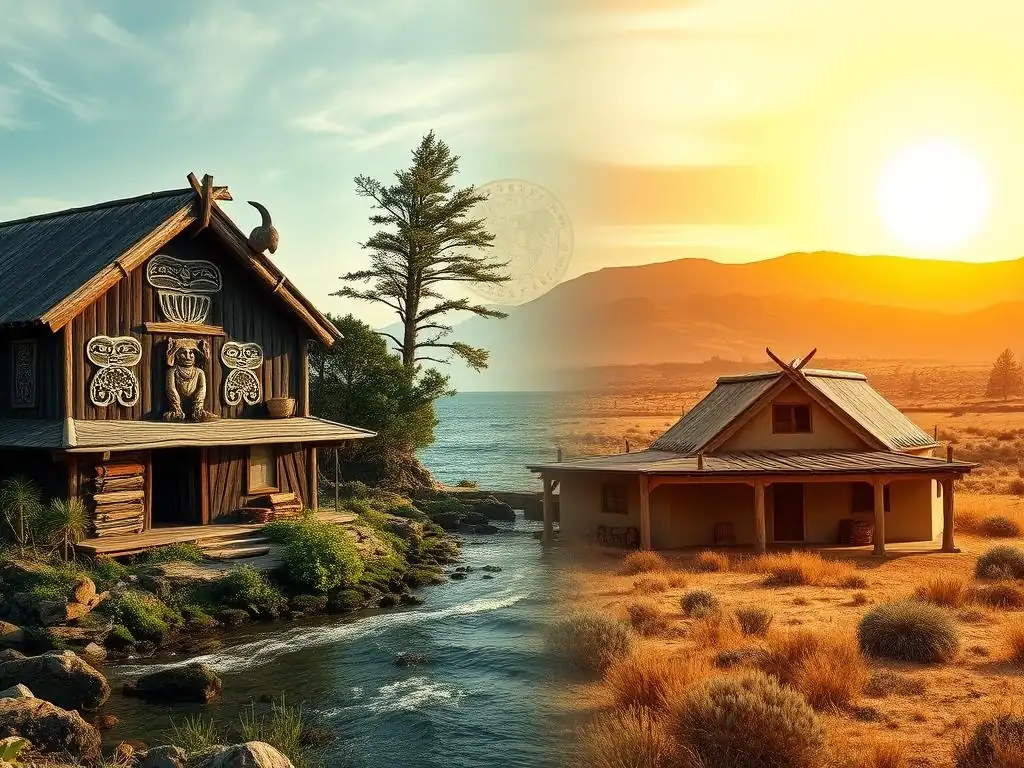
Coastal regions of the Americas are characterized by their unique ecosystems and abundant natural resources, which significantly influenced the architectural styles developed by indigenous cultures. These areas often provided access to rich marine life, fertile lands, and trade routes, leading to a variety of architectural forms that were adapted to their specific environments.
- Materials and Construction Techniques:
- Natural Resources: Coastal indigenous peoples frequently utilized materials such as wood, stone, and reeds. For example, the Nuu-chah-nulth of the Pacific Northwest constructed longhouses using cedar wood, which was abundant in the region.
- Techniques: The construction methods varied, often incorporating techniques that allowed structures to withstand harsh weather conditions, such as high winds and heavy rains.
- Architectural Forms:
- Longhouses and Pueblos: Many coastal tribes built longhouses to accommodate extended families. The Chumash in Southern California used plank houses, while the coastal Tlingit designed grand clan houses that showcased intricate wood carvings.
- Adaptation to Environment: Structures were often elevated on stilts to protect against flooding and other natural elements, demonstrating a keen understanding of their geographic context.
- Cultural Significance:
- Social Structure: Architectural designs reflected social hierarchies and communal living. Larger structures often indicated the importance of family or clan leadership.
- Spiritual Practices: Many coastal cultures incorporated ceremonial spaces within their architectural frameworks, underlining the connection between their built environment and spiritual beliefs.
Defining Inland Regions in Indigenous Cultures
Inland regions of the Americas presented distinct challenges and opportunities for indigenous cultures. The diversity of terrains—from plains to mountains—shaped the architectural styles and materials used by these communities.
- Materials and Construction Techniques:
- Earth and Stone: Inland peoples often relied on earth, clay, and stone for construction. The Ancestral Puebloans in the Four Corners area famously constructed adobe structures that were well-suited to the arid climate.
- Nomadic vs. Sedentary Structures: Nomadic tribes, such as the Plains Indians, constructed temporary dwellings like tipis, made from animal hides and wooden poles, allowing for mobility in pursuit of buffalo herds.
- Architectural Forms:
- Adobe and Earthworks: Permanent structures, such as the Hopi mesas, featured adobe buildings that provided insulation against temperature extremes. Additionally, earthworks like mounds were significant for both habitation and ceremonial purposes among cultures like the Mississippians.
- Integration with Landscape: Inland architectural styles often reflected integration with the surrounding landscape, utilizing local materials effectively to create structures that harmonized with their environment.
- Cultural Significance:
- Community and Identity: Architecture in inland regions often highlighted communal living and identity, with structures designed for gatherings and ceremonies, such as the kivas of the Pueblo peoples.
- Adaptation to Climate: The architectural designs were not only functional but also symbolic, representing the relationship between the inhabitants and their environment, as well as their adaptability to varying climates.
By understanding the geographic contexts of both coastal and inland architectural styles, we can appreciate the diverse ways in which indigenous cultures responded to their environments, leading to a rich tapestry of architectural innovations across the Americas. The comparison of these styles illustrates the profound impact that geography had on indigenous architectural practices, reflecting their adaptability, resourcefulness, and cultural heritage.
Key Characteristics of Coastal Indigenous Architectural Styles

Coastal indigenous architectural styles exhibit unique characteristics shaped by the environments in which these communities thrived. The proximity to the ocean influenced not only the materials used but also the design and functionality of structures. Key characteristics of coastal architecture include adaptability to harsh marine climates, integration with natural resources, and a strong emphasis on community and cultural practices.
Materials Used in Coastal Architecture
The choice of materials in coastal indigenous architecture primarily reflects the availability of local resources. Some common materials include:
- Wood: Many coastal communities utilized timber from nearby forests, crafting structures such as longhouses and canoes. For example, the Haida of the Pacific Northwest are renowned for their impressive wooden totem poles and plank houses made from cedar.
- Stone: In regions where wood was scarce, such as parts of the coastal Northeast, indigenous peoples like the Wampanoag constructed homes using stone and clay, creating structures that could withstand the elements.
- Thatch and Grass: In tropical coastal areas, indigenous groups often used thatched roofs made from palm leaves or grasses to provide natural insulation, keeping homes cool and dry.
The use of these materials was not only practical but also symbolic, often reflecting cultural beliefs and practices.
Design Elements Unique to Coastal Indigenous Structures
Coastal indigenous architectural styles are distinguished by several unique design elements that cater to their environment and cultural identity:
- Elevated Structures: Many coastal communities built their homes on stilts or elevated platforms to protect against flooding and rising tides, as seen in the Chesapeake Bay region where the Powhatan constructed their homes.
- Open Layouts: Coastal structures often featured open designs that promoted airflow and communal living. This design facilitated social interaction and community gatherings, underscoring the importance of collective existence in many indigenous cultures.
- Decorative Elements: Coastal indigenous architecture frequently includes intricate carvings and motifs that tell stories or represent spiritual beliefs. The Tlingit people of Southeast Alaska, for instance, adorned their houses with elaborate carvings that depict clan lineage and mythology.
These design elements not only serve functional purposes but also embody the cultural values and identities of the communities that constructed them.
Examples of Coastal Indigenous Architectural Achievements
Throughout the Americas, several coastal indigenous groups have made significant architectural contributions that exemplify their ingenuity and adaptation to their environments. Some notable examples include:
- The Longhouses of the Iroquois: Found in the Northeastern United States, these massive structures served as communal living spaces for extended families, showcasing sophisticated engineering techniques that allowed for lasting durability.
- The Adobe Houses of the Chumash: Located along the California coast, the Chumash built adobe homes using a mix of clay, sand, and straw, demonstrating their ability to utilize local materials effectively while creating dwellings that blended with the landscape.
- The Totem Poles of the Haida: These monumental structures not only served as symbols of cultural identity and storytelling but also showcased advanced woodworking skills, with some totem poles standing over 50 feet tall.
Each of these examples highlights the adaptability and artistry of coastal indigenous peoples, illustrating how their architectural styles were deeply intertwined with their environmental contexts and cultural narratives.
Key Characteristics of Inland Indigenous Architectural Styles
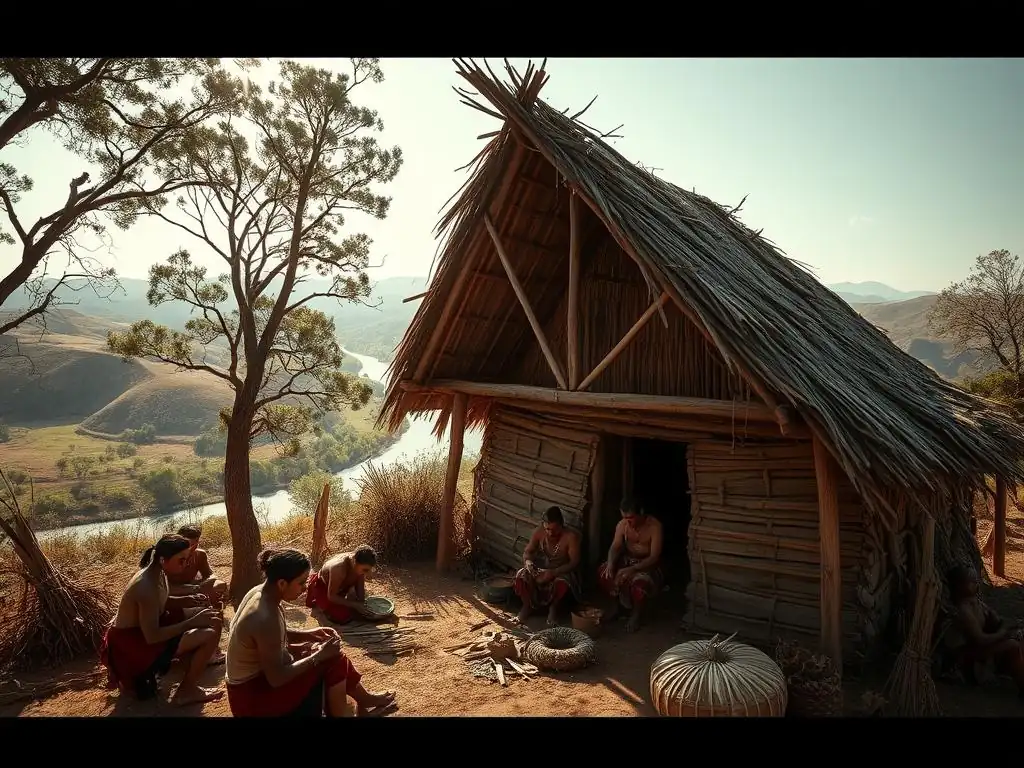
Inland indigenous architectural styles exhibit distinct characteristics shaped by the geographic, climatic, and cultural contexts of the regions where these communities thrived. These styles are often characterized by their adaptability to the surrounding environment, use of locally available materials, and unique design elements that reflect the social and spiritual values of the communities.
Materials Used in Inland Architecture
Inland indigenous peoples utilized a variety of materials that were readily available in their environments. The choice of materials often depended on the local climate and the resources that could be harvested sustainably. Common materials included:
- Wood: In forested areas, indigenous groups like the Salish and the Haida constructed longhouses and totem poles from cedar logs, known for their durability and resistance to decay.
- Adobe and Clay: Cultures in arid regions, such as the Pueblo peoples of the Southwestern United States, relied heavily on adobe—sun-dried bricks made from clay and straw—allowing for energy-efficient structures that kept interiors cool in the desert heat.
- Stone: In mountainous areas, indigenous communities utilized stone for permanence and stability. For instance, the Inca constructed their iconic structures using precisely cut stone blocks that fit together without mortar, showcasing advanced engineering skills.
This diversity in materials reflects the ingenuity of inland indigenous communities in adapting their architectural practices to the specific conditions of their habitats.
Design Elements Unique to Inland Indigenous Structures
Inland architectural styles feature several unique design elements that are often symbolic and functional:
- Multi-Story Structures: Many inland communities, such as the Hopi and Zuni, constructed multi-story buildings that provided space for families and communal activities. These buildings often feature terraces or balconies that enhance the living area while offering protection from the elements.
- Orientation and Layout: Structures were often oriented to align with celestial events, seasons, or specific landscapes. For example, the layout of Pueblo homes was often designed to maximize sunlight exposure during the winter months, promoting warmth.
- Integration with Nature: Many inland designs emphasize harmony with the natural surroundings. For instance, the Inuit used the natural topography to construct igloos, which provided insulation and protection against harsh Arctic winds.
These elements not only reflect the aesthetic preferences of inland indigenous peoples but also their deep connection to the land and its resources.
Examples of Inland Indigenous Architectural Achievements
Inland indigenous cultures produced remarkable architectural achievements that stand as testaments to their ingenuity and craftsmanship. Some notable examples include:
- Mesa Verde Cliff Dwellings: The Ancestral Puebloans constructed impressive cliff dwellings in the southwestern United States, utilizing natural rock overhangs for protection. These structures, like Cliff Palace, showcase advanced masonry and planning, with hundreds of rooms and kivas (ceremonial spaces).
- Cahokia Mounds: The Mississippian culture created a vast urban center at Cahokia, near modern-day St. Louis. The site features numerous earthen mounds, including Monks Mound, which is the largest pre-Columbian earthwork in the Americas, highlighting sophisticated urban planning and societal organization.
- Longhouses of the Iroquois: The Iroquois Confederacy built longhouses that could accommodate multiple families, reflecting their communal lifestyle. These structures were constructed from a framework of wooden poles covered with bark, demonstrating both functional design and cultural significance.
These examples illustrate the diversity of inland indigenous architectural styles and their enduring legacy in the architectural history of the Americas. Through these structures, we can gain insight into the values, technologies, and environments of the communities that built them.
Comparative Analysis of Coastal and Inland Indigenous Architecture
Similarities Between Coastal and Inland Architectural Styles
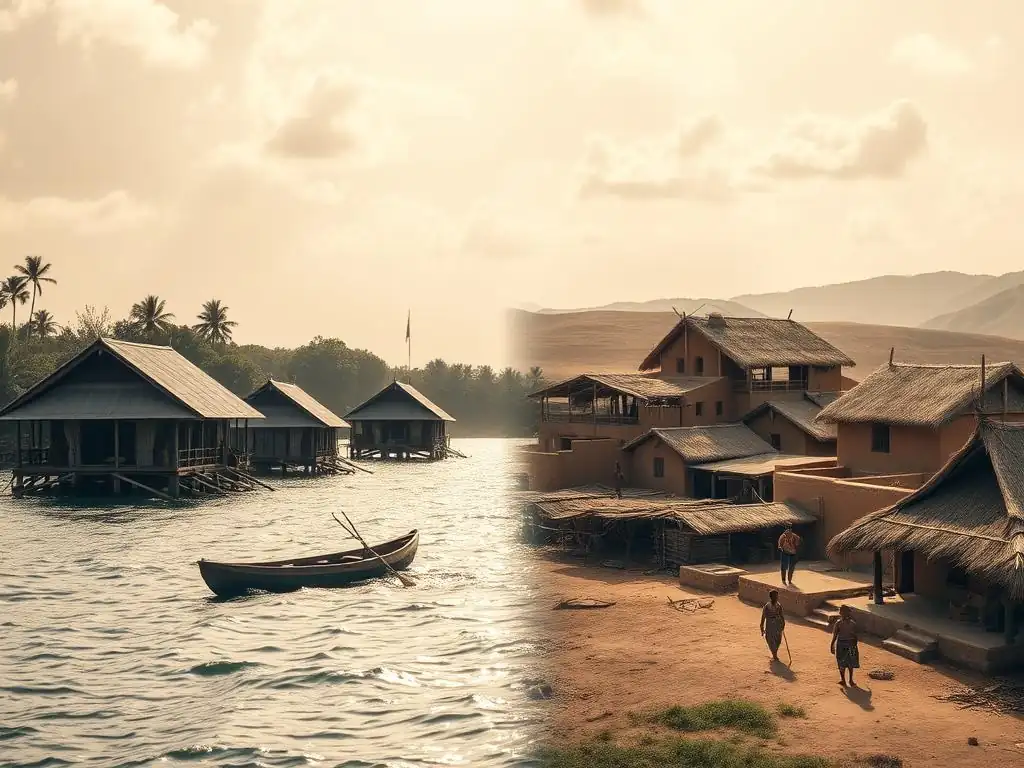
Despite the geographic disparities, coastal and inland indigenous architectural styles share several striking similarities that reflect common cultural practices and societal values.
-
Material Usage
Both coastal and inland communities utilized locally available materials to construct their dwellings. For instance, coastal tribes often used wood and reeds from nearby water sources, while many inland cultures incorporated clay and stone from their surrounding environment. This adaptability to local resources is a hallmark of indigenous architecture.
-
Community Orientation
Whether on the coast or inland, indigenous architectural styles often emphasize community. Structures were frequently arranged to foster communal activities, with designs that encourage social interaction. Longhouses, seen in both coastal and inland cultures, served as multi-family dwellings and community gathering spaces, highlighting the importance of collective living.
-
Spiritual Significance
In both regions, architecture often reflected spiritual beliefs. Many indigenous structures were designed with particular orientations to celestial events, such as solstices and equinoxes. This spiritual connection to the land and sky can be observed in the construction of ceremonial sites, which served as places for ritual and community gatherings.
Differences in Functionality and Design
While similarities exist, the functionality and design of coastal and inland indigenous architectures reveal distinct adaptations to their respective environments.
-
Structural Design
Coastal architectures, such as those of the Pacific Northwest, often feature large, open spaces with tall, sturdy beams to withstand harsh marine climates. Conversely, inland structures like the adobe homes of the Southwest are often more compact and built into the earth to regulate temperature and protect against arid conditions.
-
Roofing Techniques
Roofing styles differ significantly in response to environmental factors. Coastal buildings often utilized steep, sloped roofs to facilitate rain runoff and withstand strong winds, whereas inland structures might employ flat roofs or low angles to provide additional living space and shade from the sun.
-
Interior Layout
The interior layout of coastal homes tended to support communal living with large central spaces for gatherings, while inland designs often included segmented rooms dedicated to specific functions, such as cooking, sleeping, and storage. This reflects varying lifestyles influenced by resource availability and societal organization.
Influence of Geography on Architectural Choices
Geography plays a pivotal role in shaping the architectural choices of indigenous cultures, influencing everything from material selection to structural design.
-
Climate Adaptation
Coastal areas typically experience milder climates with high humidity and significant rainfall, prompting the use of materials that resist decay, such as cedar. Inland regions, characterized by extremes in temperature and aridity, led to the development of thick-walled adobe structures that provided insulation against heat and cold.
-
Resource Availability
The abundance of natural resources significantly shapes architectural styles. Coastal communities had access to abundant timber and marine resources, which influenced their construction techniques and styles. In contrast, inland cultures often relied on clay, stone, and adobe, leading to different construction methods and aesthetics.
-
Topographical Considerations
The landscape itself dictated architectural design. Coastal tribes often built homes on stilts or raised platforms to prevent flooding, while inland cultures frequently constructed homes on elevated ground to avoid harsh weather conditions and to offer defense against potential threats.
By examining these aspects, we can gain deeper insights into the ways indigenous peoples adapted their architectural styles to their environments, leading to a rich tapestry of cultural expression across the Americas.
Cultural Significance of Indigenous Architectural Styles
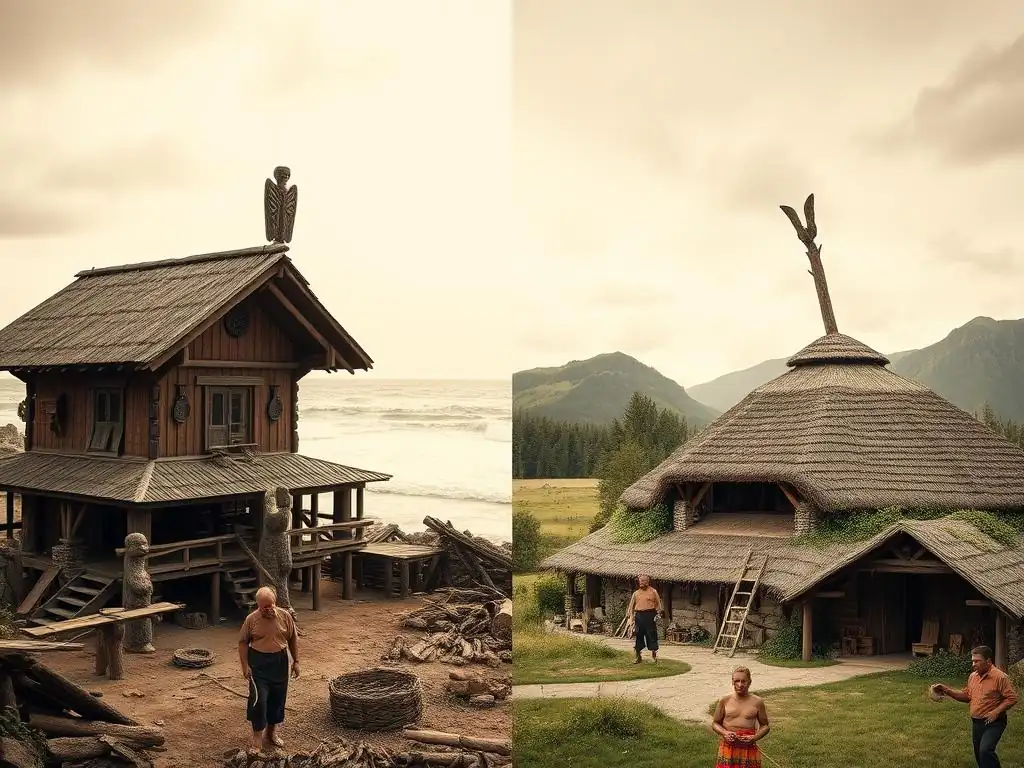
Indigenous architectural styles in the Americas are not merely functional; they reflect the cultural, spiritual, and social values of the communities that created them. The architectural choices made by coastal and inland indigenous societies reveal deep connections to their environments, traditions, and ways of life. This section explores the multifaceted significance of these architectural styles, emphasizing their roles in shaping identity and community cohesion.
Role of Architecture in Coastal Indigenous Societies
Coastal indigenous societies, such as the Tlingit and Haida of the Pacific Northwest, developed architectural styles that were intricately tied to their maritime environment. Their structures, often made from wood, showcased elaborate carvings and totem poles that served both aesthetic and spiritual purposes. Key elements include:
- Material Utilization: The abundance of timber from coastal forests facilitated the construction of large communal longhouses, which served as homes and gathering places.
- Cultural Expression: The intricate designs of totem poles and house fronts depicted ancestral lineage, clan identity, and significant cultural stories, reinforcing community bonds.
- Environmental Adaptation: Coastal architecture was designed to withstand harsh weather conditions, utilizing features like elevated platforms to protect from flooding and dampness.
Coastal indigenous architectural styles also played a crucial role in trade networks, with structures often serving as meeting points for exchange. The design of these structures reflects a profound understanding of both the natural landscape and the social fabric of the community.
Role of Architecture in Inland Indigenous Societies
Inland indigenous societies, such as the Pueblo peoples of the Southwest and the Plains tribes, exhibit distinct architectural styles that highlight their unique environmental adaptations and cultural practices:
- Earth Structures: Many inland societies built earthen mounds and adobe structures that harmonized with the arid landscapes. These materials provided insulation against temperature extremes and were often sourced locally.
- Symbolic Spaces: Architecture in these cultures often incorporated ceremonial spaces, such as kivas among the Pueblo, which served as sites for religious practices and community gatherings, highlighting the spiritual connection to their environment.
- Nomadic Adaptations: For Plains tribes, the use of portable structures like tipis demonstrated a deep understanding of mobility and seasonal changes, allowing for efficient living in response to the migratory patterns of game.
The architectural choices of inland societies reflect their adaptability and resilience, showcasing a profound relationship with the land and its resources. Each structure serves as a testament to the ingenuity and cultural richness of these indigenous groups.
Lasting Impact of These Architectural Styles on Modern Culture
The architectural styles of indigenous societies have left an indelible mark on modern culture, influencing contemporary architecture and design. This impact can be observed in several key areas:
- Revival and Inspiration: Many modern architects draw inspiration from indigenous designs, incorporating elements that reflect cultural heritage and environmental sustainability.
- Cultural Preservation: Efforts to preserve traditional indigenous architectural techniques and styles are increasingly recognized as vital to maintaining cultural identities, promoting tourism, and fostering community pride.
- Education and Awareness: The study of indigenous architectural styles contributes to broader discussions about cultural heritage, land recognition, and the importance of sustainable building practices.
The comparison of coastal and inland indigenous architectural styles not only serves to highlight the diversity of indigenous cultures but also underscores the relevance of these historical practices in today's architectural discourse. As society continues to grapple with issues of identity, sustainability, and cultural appreciation, the lessons learned from indigenous architectural styles remain profoundly significant.
Conclusion: Understanding the Diversity of Indigenous Architectural Styles
Summary of Key Findings in Indigenous Architectural Styles Comparison
The exploration of indigenous architectural styles reveals a rich tapestry of cultural expression across the Americas, shaped profoundly by geographic and environmental factors. Here are some key findings from the comparison of coastal and inland indigenous architectural styles:
- Material Use:
- Coastal indigenous communities often utilized materials readily available in their environment, such as wood, stone, and clay. This is exemplified by the plank houses of the Pacific Northwest, made from cedar, which were designed to withstand the coastal climate.
- In contrast, inland groups, like the Pueblo peoples of the Southwest, primarily used adobe and stone. Their structures, such as multi-storied pueblos, were designed for thermal efficiency to endure extreme temperature fluctuations.
- Design and Functionality:
- Coastal architecture often reflects a communal lifestyle, with structures designed for gatherings, such as longhouses or communal lodges. These designs fostered social cohesion and collaboration among tribes.
- Inland indigenous architectures, like the tipis of the Plains tribes, were mobile and adaptable, reflecting the nomadic lifestyles that were necessary for following buffalo herds and seasonal migrations.
- Cultural Significance:
- Architectural styles are deeply intertwined with spiritual beliefs and cultural narratives. For instance, many coastal tribes built their homes with specific orientations or designs that honored their connection to the sea and the spirits of their ancestors.
- Inland architectures often incorporated symbolism and communal spaces that served as gathering places for ceremonies, reflecting the importance of community and tradition in their societies.
- Adaptation to Environment:
- The ability to adapt architectural styles to the specific climates of the coastal and inland regions showcases the ingenuity of indigenous peoples. Coastal structures often feature elevated designs to mitigate flooding, while inland designs utilize earth materials to regulate temperature.
The Importance of Preserving Indigenous Architectural Heritage
Preserving indigenous architectural heritage is vital for multiple reasons:
- Cultural Identity: Indigenous architecture serves as a tangible link to cultural identity and heritage. Maintaining these structures helps communities retain their history, traditions, and languages, which are often tied to their architectural practices.
- Educational Value: Understanding indigenous architectural styles offers invaluable insights into sustainable building practices and environmental stewardship. Many indigenous designs exemplify how to coexist harmoniously with nature, providing lessons that are increasingly relevant in today's context of climate change.
- Tourism and Economic Benefits: Preserving indigenous architectural sites can lead to increased cultural tourism, providing economic opportunities for indigenous communities while fostering appreciation and respect for their cultures.
- Legal and Ethical Responsibility: There exists a moral imperative to protect the architectural heritage of indigenous peoples, especially in light of historical injustices. Supporting preservation efforts honors the rights of these communities and recognizes their contributions to global heritage.
The diversity of indigenous architectural styles across coastal and inland regions reflects the adaptability, ingenuity, and cultural richness of indigenous peoples in the Americas. Recognizing and preserving these architectural traditions is essential for fostering understanding, respect, and appreciation of indigenous cultures.
Frequently Asked Questions
What are the main architectural styles of coastal indigenous cultures?
Coastal indigenous cultures, such as the Pacific Northwest tribes, often used cedar wood for longhouses and totem poles, reflecting their environmental adaptations and cultural beliefs.
How do inland indigenous architectural styles differ from coastal styles?
Inland indigenous structures, like those of the Plains tribes, typically utilized earth and animal hides for tipis, emphasizing mobility and the use of available resources compared to more permanent coastal buildings.
What factors influenced the architectural differences between coastal and inland indigenous peoples?
Geography, climate, and available materials significantly shaped the architectural styles, leading to unique adaptations that reflect the lifestyles and traditions of each culture.
Are there any common features found in both coastal and inland indigenous architecture?
Yes, both styles often incorporate spiritual elements and community-focused designs, showcasing a deep connection to their cultural heritage and environment.
Why is it important to study indigenous architectural styles?
Studying indigenous architectural styles offers insights into the cultural significance, innovation, and environmental adaptations of these societies, contributing to a broader understanding of their heritage and lasting impact.
Final Reflection: Embracing Diversity in Indigenous Architectural Styles
The exploration of indigenous architectural styles comparison reveals a profound connection between culture, geography, and identity. As we delve into the unique characteristics of coastal and inland indigenous architectures, we uncover not only the aesthetic differences but also the rich narratives that shape these structures. This comparison is not merely an academic exercise; it serves as a reminder of the resilience and adaptability of indigenous communities in response to their environments.
The impact of these architectural styles extends far beyond their physical forms, influencing contemporary discussions around sustainability, cultural heritage, and community identity. As we witness a growing appreciation for indigenous knowledge systems, we recognize that these architectural practices are not relics of the past but living expressions of ongoing cultural evolution. Architecture is the art of how to waste space.
– Philip Johnson. This quote resonates deeply as we consider how indigenous designs optimize space in harmony with the natural world, challenging modern notions of efficiency and utility.
As you reflect on the insights shared in this article, I invite you to consider how these architectural styles can inspire your own understanding of place and community. Let us honor the diversity of indigenous perspectives by integrating their lessons into our lives, fostering a deeper respect for the environments we inhabit. Whether through supporting indigenous artisans or advocating for the preservation of cultural heritage, each action contributes to a more inclusive and sustainable future. Embrace the opportunity to learn from these rich traditions, and carry forward the legacy of innovation and resilience they embody.
Unveil the Richness of Indigenous Architecture!
Thank you for exploring the fascinating world of coastal and inland Indigenous architectural styles with us! We hope this article has enriched your understanding of how geography influences culture and architecture within Indigenous civilizations. Now, it's time to take that knowledge and put it into action!
Here are a few ways you can continue your journey of discovery:
- Dive deeper: Visit local museums or cultural centers to see exhibits on Indigenous architecture and heritage.
- Share what you've learned: Engage your friends and family in discussions or social media posts about Indigenous architectural styles and their significance.
- Explore further: Look into ongoing Indigenous architectural projects; supporting these initiatives can foster respect and appreciation for these traditions.
What architectural feature or style most surprised you during your exploration, and how can you use this knowledge to better appreciate the Indigenous cultures in your community?