
The Art and Craftsmanship of Machu Picchu: A Glimpse into Inca Aesthetics

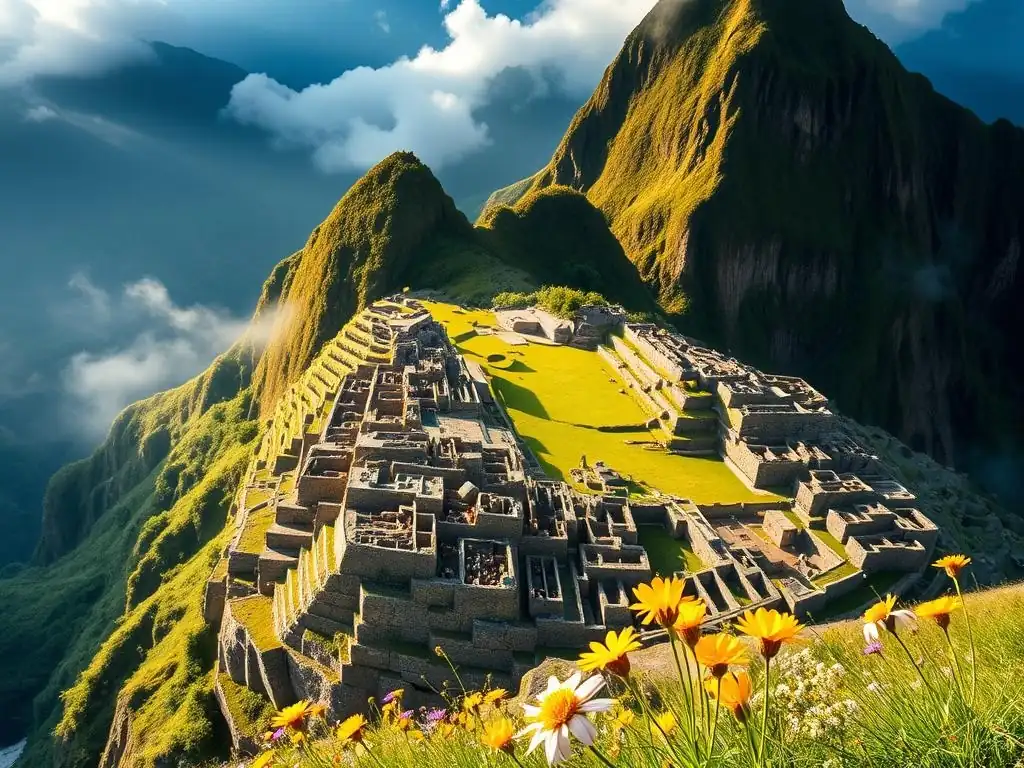
Welcome to Indigenous Civilizations of the Americas! Here, we invite you on an enlightening journey through the rich tapestry of indigenous cultures that flourished long before European settlers arrived. Our featured article, "The Art and Craftsmanship of Machu Picchu: A Glimpse into Inca Aesthetics," delves into the remarkable achievements of the Inca civilization, showcasing their unparalleled artistry and skill in craftsmanship.
Discover how the intricate designs and structures of Machu Picchu not only reflect a deep connection to the natural world but also reveal the sophisticated societal frameworks that sustained these vibrant communities. Prepare to be captivated and inspired as you explore the profound legacy of the Americas' indigenous peoples!
Introduction to Inca Art and Craftsmanship
The Inca civilization, renowned for its monumental architecture and sophisticated societal structures, left an indelible mark on the cultural landscape of the Americas. Among the most iconic representations of Inca ingenuity is Machu Picchu, a breathtaking citadel nestled high in the Andes Mountains.
This article delves into the Inca art and craftsmanship that not only reflects their aesthetic values but also showcases their advanced engineering and artistic skills. Through a comprehensive exploration of the intricate designs, materials, and techniques employed at Machu Picchu, we will uncover the profound significance of these artworks in the context of Inca culture and heritage.
Overview of Inca Aesthetics
Inca art is characterized by its harmony with nature and its integration into the surrounding environment. The artisans of this ancient civilization excelled in various forms of craftsmanship, including:
- Stone carving: The precision of stone masonry in structures like Machu Picchu is a testament to the Inca's architectural prowess.
- Textiles: Inca textiles were renowned for their vibrant colors and intricate patterns, often depicting religious and social themes.
- Pottery: Functional yet artistic, Inca pottery featured unique shapes and elaborate decorations, serving both practical and ceremonial purposes.
The use of symbolism in Inca art often conveyed deeper meanings, reflecting their cosmology and relationship with the earth, the sun, and their deities.
Significance of Machu Picchu in Inca Culture
Machu Picchu stands not only as an architectural marvel but also as a cultural symbol of Inca civilization. This site was likely a royal estate or a religious retreat, embodying the Inca's sophisticated understanding of astronomy and agriculture. The construction techniques used in Machu Picchu allowed for the effective drainage of rainwater and the sustainable use of land, showcasing the Incas' commitment to harmony with their environment.
The artistry found within the site, from its meticulously crafted structures to the intricate agricultural terraces, demonstrates the high value placed on aesthetics in daily life and spirituality. Machu Picchu serves as a vivid reminder of the Inca's legacy, offering insights into their values, beliefs, and the artistry that flourished in their society.
Historical Context of Inca Art and Craftsmanship
To fully appreciate the Inca art and craftsmanship, it is essential to explore the historical backdrop of the Inca civilization and the cultural influences that shaped their artistic expressions.
The Inca Civilization: An Overview
The Inca Empire, which flourished from the early 15th century until the Spanish conquest in the 16th century, was one of the largest empires in pre-Columbian America. The Incas were master builders and administrators, governing a vast territory that extended from modern-day Colombia to Chile. Their society was highly organized, with a complex system of roads, agricultural terraces, and urban planning that facilitated trade and communication.
The emergence of a distinct Inca artistic style can be attributed to the unification of various Andean cultures, resulting in a rich tapestry of influences that shaped their craftsmanship. This blend of traditions is evident in their art forms, which often integrated local motifs with broader Andean themes.
Influence of Andean Culture on Inca Art
The artistry of the Incas was deeply rooted in the traditions of the earlier Andean civilizations, such as the Moche and the Nazca. These cultures contributed significantly to the aesthetic sensibilities and techniques that the Incas would later adopt and refine. Key aspects of this influence include:
- Iconography: Many symbols found in Inca art, such as the puma and the condor, were derived from earlier Andean beliefs, representing strength and spiritual connection.
- Techniques: The Incas adopted advanced pottery and textile techniques, enhancing them to create vibrant, durable works that served both functional and ceremonial purposes.
Understanding these historical contexts enriches our appreciation of Inca art and craftsmanship, revealing the sophisticated interplay between various cultural influences that culminated in the breathtaking artistry of Machu Picchu.
Key Elements of Inca Art and Craftsmanship
Inca art and craftsmanship are characterized by their remarkable integration of functionality and aesthetic beauty. The Incas were adept at utilizing local materials such as stone, textiles, and clay to create art forms that were not only visually appealing but also served practical purposes. Their craftsmanship reflects a deep respect for nature and the environment, which is evident in the themes and motifs they employed in their artistic expressions. Several key elements define Inca art and craftsmanship, including architectural innovation, textile artistry, and pottery design, all of which contribute significantly to our understanding of Inca culture and society.
Architecture and Engineering: The Mastery of Stonework
The architectural achievements of the Incas are perhaps the most enduring symbols of their craftsmanship. Machu Picchu, a UNESCO World Heritage Site, exemplifies the sophisticated engineering skills of the Inca civilization. The Incas employed a technique known as ashlar masonry, which involved cutting stones to fit together tightly without the use of mortar. This method not only enhanced the structural integrity of their buildings but also allowed them to withstand seismic activity, a critical consideration given the region's geological instability.
The layout of Machu Picchu showcases advanced urban planning, with terraces, agricultural fields, and religious structures harmoniously integrated into the mountainous landscape. The use of trapezoidal doorways and windows, a common feature in Inca architecture, reflects both aesthetic sensibility and practical considerations, as these shapes provided greater stability against earthquakes. The remarkable precision in stonework and the strategic use of the landscape underscore the Incas’ mastery of architectural design and engineering.
Textile Arts: Weaving Traditions of the Incas
Textile arts were highly valued in Inca society, serving as both functional items and symbols of status and identity. The Incas excelled in weaving, utilizing natural fibers from alpacas, llamas, and cotton, which they dyed using vibrant, plant-based colors. The intricate designs often depicted geometric patterns, animals, and mythological figures, each carrying specific meanings and cultural significance.
Weaving was not just a craft but a communal activity, with skills passed down through generations. Women, in particular, played a crucial role in this tradition, creating textiles that were used for clothing, ceremonial purposes, and as trade items. The quality and complexity of a woven piece could reflect the social standing of its owner, making textile art a vital aspect of Inca culture. These textiles remain a significant representation of Inca aesthetics and their connection to the natural world.
Pottery and Ceramics: Functional and Artistic Expressions
Pottery and ceramics in Inca culture served both utilitarian and artistic purposes. The Incas produced a wide range of pottery, from simple cooking vessels to elaborate ceremonial pieces. Their ceramics were often characterized by their functionality, designed for daily use in food preparation and storage. However, many pieces also displayed intricate decorative designs, highlighting the artistic skills of the potters.
Inca pottery typically featured polychrome designs, with vivid colors and intricate patterns that told stories or represented significant cultural elements. The use of animal motifs, geometric shapes, and depictions of human figures is common, reflecting the rich symbolic language of Inca art. Ceramics were not only practical items but also played a role in rituals and ceremonies, further illustrating their importance in Inca society.
Symbolism in Inca Art
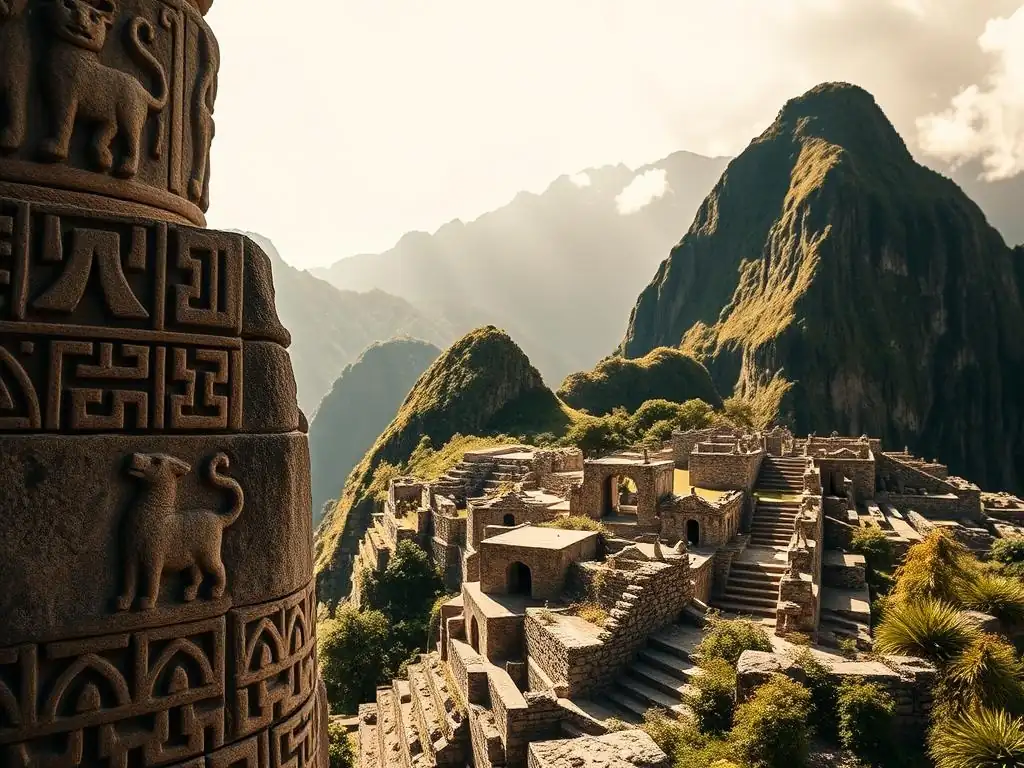
Symbolism permeated Inca art, with various motifs and colors carrying deep cultural significance. The Incas believed that art was a means of communicating their beliefs, values, and social hierarchy, with specific symbols representing deities, nature, and the cosmos. This symbolic language is essential for understanding the broader context of Inca civilization and its worldview.
Religious and Cultural Significance of Inca Motifs
Many of the motifs found in Inca art are rooted in their religious beliefs and cultural practices. For instance, the sun god Inti was a central figure in Inca mythology, and symbols representing the sun, such as rays and circular designs, frequently appeared in textiles, pottery, and architecture. Other motifs, like the condor and the puma, embodied strength and power, playing significant roles in Inca cosmology.
The representation of nature in Inca art also reflects their reverence for the environment. Mountains, rivers, and animals were often depicted, symbolizing the interconnectedness of life and the Inca’s relationship with the earth. This focus on nature and spirituality in their artistic expressions provides insight into the values and beliefs that shaped Inca society.
Use of Color in Inca Aesthetics
Color played a vital role in Inca aesthetics, serving both decorative and symbolic functions. The Incas utilized a rich palette derived from natural dyes, creating vibrant textiles and ceramics that were visually striking. Each color held specific meanings; for example, red was often associated with power and warfare, while blue and green represented fertility and the earth.
The strategic use of color not only enhanced the beauty of their art but also conveyed messages about social status, identity, and cultural beliefs. In ceremonial contexts, the colors used in clothing and decorations were particularly significant, as they reflected the importance of the occasion and the individuals involved. The thoughtful application of color in Inca art exemplifies their sophisticated understanding of aesthetics and symbolism, further enriching the legacy of their craftsmanship.
Techniques and Tools Used in Inca Craftsmanship
The Inca civilization, renowned for its remarkable architectural feats and artistic expressions, employed a variety of techniques and tools that reflect their advanced understanding of materials and craftsmanship. The artisans of Machu Picchu and other Inca sites utilized tools made from stone, bronze, and wood, which allowed them to create intricate designs and robust structures.
One of the hallmark techniques involved the precise fitting of stones, known as ashlar masonry. This method required artisans to shape stones so that they fit together without mortar, creating walls that could withstand earthquakes. The Inca also utilized simple levers, wedges, and chisels crafted from harder stones to carve and move large blocks. Such techniques not only showcase their ingenuity but also highlight their deep connection with the environment and the resources it provided.
Traditional Tools of Inca Artisans
Inca artisans utilized a range of traditional tools to achieve their stunning craftsmanship:
- Stone Tools: The primary tools included chisels and hammers made from harder stones, such as granite. These were used for shaping and carving.
- Wooden Levers: Craftsmen employed levers to lift and maneuver heavy stones into place, demonstrating an understanding of basic physics.
- Wedges: Wooden wedges were often used to split stones along natural fissures, allowing for the creation of uniform blocks.
- Plumb Bobs and Measuring Tools: To ensure structural integrity and aesthetic symmetry, artisans used plumb bobs made from stones and simple measuring devices.
The careful selection and innovative use of these tools allowed the Incas to achieve a level of craftsmanship that is still admired today.
Techniques in Stone Carving and Construction
Inca stone carving techniques are noteworthy for their precision and durability. The Incas mastered several construction methods:
- Ashlar Masonry: This technique involved cutting stones to fit together perfectly, creating walls that were not only aesthetically pleasing but also structurally sound.
- Polished Stone Finishes: Artisans often polished the surfaces of stones, enhancing their visual appeal and showcasing their dedication to detail.
- Terracing: The Incas built extensive terraces that required sophisticated engineering to manage water flow and soil stability, demonstrating an understanding of agricultural needs alongside their artistic endeavors.
- Iconography: Inca craftsmen also carved intricate designs and symbols into stone, often reflecting their cosmology and religious beliefs, which were integral to their society.
These techniques highlight the Inca’s ability to merge functionality with artistry, resulting in structures that were both practical and monumental.
The Role of Artisans in Inca Society
Artisans played a crucial role in Inca society, contributing not only to the economy but also to the cultural identity of the civilization. Their skills were highly valued, and they were often organized into specialized guilds that focused on particular crafts, such as textiles, ceramics, and metallurgy.
Social Status of Inca Craftsmen
The social status of Inca craftsmen varied, but skilled artisans often enjoyed a respected position within their communities. Unlike many other societies where craftsmen were viewed as lower class, Inca artisans were integral to the fabric of society. They were seen as custodians of culture, responsible for creating the objects and structures that embodied the Inca worldview.
Additionally, the finest artisans were often commissioned by the elite to create works of art and architecture, elevating their status even further. This respect was reflected in the way artisans were treated, often receiving better provisions and living conditions compared to other laborers.
The Training and Apprenticeship of Inca Artisans
Training and apprenticeship were essential components of Inca craftsmanship. Young artisans typically began their training at an early age, often under the guidance of experienced craftsmen within their families or communities. This apprenticeship involved:
- Hands-On Learning: Apprentices learned through direct experience, engaging in practical tasks that developed their skills over time.
- Cultural Transmission: Knowledge of techniques, styles, and cultural significance of various crafts was passed down orally and through demonstration, ensuring that the artistry remained deeply rooted in Inca traditions.
- Specialization: As apprentices progressed, they often specialized in specific crafts, such as metallurgy or textile production, honing their skills and contributing to the diversity of Inca art and craftsmanship.
The emphasis on training ensured that the Inca artistic legacy was preserved and continued to evolve, allowing future generations to build upon the foundations laid by their predecessors.
Preservation of Inca Art and Craftsmanship
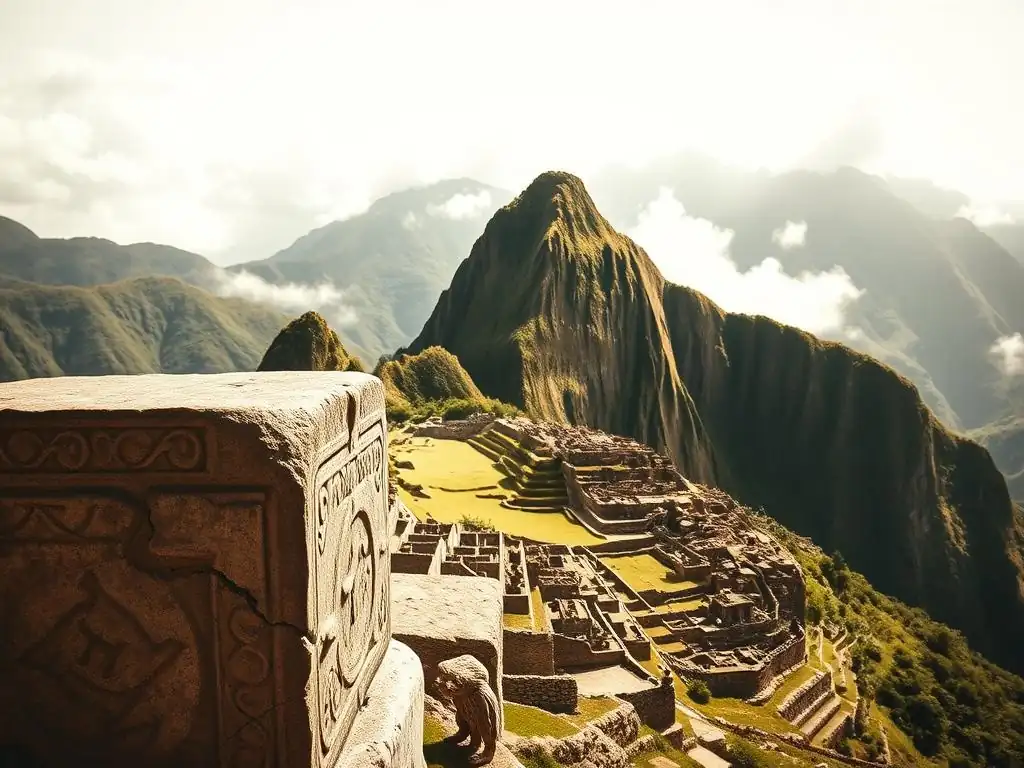
The preservation of Inca art and craftsmanship is crucial for understanding the cultural and historical significance of the Inca civilization. Machu Picchu, as a UNESCO World Heritage Site, showcases remarkable architectural accomplishments and intricate artistic expressions. The preservation efforts focus on maintaining the integrity of the site while allowing for educational opportunities and tourism. Artifacts such as pottery, textiles, and metalwork found in and around Machu Picchu provide insights into the technological prowess and aesthetic values of the Incas. However, the preservation of these cultural treasures is not without challenges.
Challenges Facing Inca Art Preservation Today
The preservation of Inca art faces numerous challenges, primarily due to environmental factors and human activities.
- Natural Deterioration: The tropical climate of the Andes leads to erosion and decay of structures and artifacts. Rainfall can cause landslides, while humidity contributes to the degradation of organic materials like textiles.
- Tourism Pressure: Machu Picchu attracts millions of visitors annually, creating wear and tear on the site. Foot traffic can damage pathways, while some tourists may inadvertently harm artifacts by touching or leaning on them.
- Urbanization and Development: Nearby urban areas are expanding, posing a threat to the surrounding archaeological landscape. Construction activities may disrupt archaeological sites and ecosystems.
- Lack of Funding: Preservation efforts often depend on government and private funding, which can be inconsistent. Limited resources can hinder comprehensive conservation programs.
Efforts to Preserve Inca Cultural Heritage
In response to these challenges, various organizations and governments have initiated projects aimed at preserving Inca cultural heritage.
- Conservation Projects: Local and international conservation teams are actively engaged in restoring and maintaining structures at Machu Picchu. This includes stabilizing walls and restoring terraces.
- Environmental Management: Efforts to manage the surrounding ecosystem help mitigate erosion and protect the archaeological site from natural disasters. Reforestation and sustainable land-use practices are being implemented.
- Visitor Education Programs: Educational initiatives aim to raise awareness among visitors about the importance of preservation. Informational signage and guided tours educate tourists on the significance of the site and promote responsible tourism.
- Collaboration with Indigenous Communities: Engaging with the descendants of the Inca offers valuable insights and perspectives on cultural heritage. Collaborative efforts help ensure that preservation practices respect traditional knowledge and practices.
Conclusion: The Legacy of Inca Art and Craftsmanship
The legacy of Inca art and craftsmanship is a testament to the civilization’s ingenuity and creativity. The intricate designs, architectural feats, and artistic achievements found at Machu Picchu and other sites reflect a society deeply connected to its environment and cultural identity. This legacy continues to inspire admiration and respect for the rich history of the Americas.
Lasting Impact of Inca Aesthetics on Modern Culture
Inca aesthetics have left a profound impact on modern culture, influencing various artistic expressions and architectural designs. Contemporary artists often draw inspiration from Inca motifs, patterns, and techniques, integrating these elements into textiles, pottery, and visual art. Additionally, elements of Inca architecture, such as stone masonry and terracing, are studied and emulated in sustainable building practices. This blending of ancient and modern reflects a growing appreciation for indigenous heritage in contemporary society.
The Importance of Recognizing Inca Contributions to Art
Recognizing the contributions of the Inca to art and craftsmanship is essential for understanding the broader narrative of human history. The Incas were not merely builders; they were artists, engineers, and innovators whose work has shaped cultural landscapes. Acknowledging their achievements fosters a deeper appreciation for indigenous knowledge systems and encourages the preservation of their legacy for future generations. By celebrating Inca art, we honor the creativity and resilience of an extraordinary civilization.
Further Reading on Inca Art and Craftsmanship
To gain a deeper understanding of Inca art and craftsmanship, numerous resources are available that explore the intricacies of their artistic expressions, cultural significance, and the techniques employed by the Incas. These materials provide insights into the social, political, and spiritual contexts that shaped Inca aesthetics and craftsmanship, offering a well-rounded perspective on this remarkable civilization.
Suggested Books and Articles
-
"The Inca Empire: A Multidisciplinary Approach" by Izumi Shimada
This comprehensive examination of the Inca Empire delves into various aspects of Inca life, including their art and craftsmanship. It offers an interdisciplinary perspective, blending archaeology, anthropology, and history to present a holistic view.
-
"Machu Picchu: The Story of the Amazing Inca City" by David M. Jones
This engaging narrative provides a detailed exploration of Machu Picchu, emphasizing its architectural marvels and artistic achievements. The book also highlights the techniques and materials used by Inca artisans.
-
"Inca Art and Architecture" by John H. Rowe
A scholarly analysis that focuses on the artistic styles and architectural innovations of the Inca civilization. Rowe discusses the significance of various art forms and their roles in Inca society.
-
"The Art of the Andes: From Chavín to Inca" by Rebecca Stone
This book covers art from the broader Andean region, providing context for Inca craftsmanship. Stone highlights the continuity and evolution of artistic styles that influenced Inca art.
-
Articles in the Journal of Andean Archaeology
A collection of peer-reviewed articles that cover various aspects of Inca culture, including art and craftsmanship. This journal serves as a valuable resource for understanding the latest research and discoveries in the field.
Resources for Exploring Inca Cultural Heritage
-
Museo de la Nación (Museum of the Nation), Lima, Peru
This museum houses an extensive collection of Inca artifacts, including textiles, ceramics, and metalwork. Visitors can explore exhibitions that provide insight into Inca craftsmanship and cultural practices.
-
Virtual Tours of Machu Picchu
Many platforms offer virtual tours of Machu Picchu, allowing users to explore the site and learn about its artistic and architectural significance from the comfort of their homes.
-
The Inca Trail: A Cultural Journey
This resource provides detailed information about the Inca Trail and its connection to Inca art and architecture, offering insights into the landscape's influence on their craftsmanship.
-
Online Databases of Inca Artifacts
Several institutions maintain databases that catalog Inca artifacts, including the British Museum and the Metropolitan Museum of Art. These databases allow researchers and enthusiasts to access images and information about various pieces.
-
Documentary Films on Inca Civilization
Documentaries such as "The Lost City of the Incas" and "Machu Picchu: The Last City of the Incas" provide visual representations of Inca art and craftsmanship while discussing their historical and cultural context.
- Introduction to Inca Art and Craftsmanship
- Historical Context of Inca Art and Craftsmanship
- Key Elements of Inca Art and Craftsmanship
- Symbolism in Inca Art
- Techniques and Tools Used in Inca Craftsmanship
- The Role of Artisans in Inca Society
- Preservation of Inca Art and Craftsmanship
- Conclusion: The Legacy of Inca Art and Craftsmanship
- Further Reading on Inca Art and Craftsmanship
Frequently Asked Questions
What is the significance of Inca art and craftsmanship in Machu Picchu?
Inca art and craftsmanship reflect the sophistication and creativity of the Inca civilization, showcasing their advanced techniques in stonework, textiles, and metallurgy.
How did the Inca utilize natural materials in their artwork?
The Inca made extensive use of natural materials such as stone, clay, and textiles, allowing them to create durable and functional art pieces that were integral to their culture and daily life.
What are some examples of Inca artistic techniques?
Notable techniques include ashlar masonry, which involves fitting stones together without mortar, and intricate textile weaving, which often featured vibrant colors and complex patterns.
How did Inca aesthetics influence their architecture?
Inca aesthetics emphasized harmony with nature, leading to the construction of buildings that blended seamlessly into the landscape, as seen in the geometric designs and symmetrical layouts of Machu Picchu.
What lasting impact did Inca art have on modern culture?
Inca art has inspired contemporary artists and craftsmen, reinforcing the importance of indigenous heritage and influencing modern approaches to design and craftsmanship worldwide.
Final Reflection: The Enduring Legacy of Inca Art and Craftsmanship
The artistry and craftsmanship of the Inca civilization remain profoundly relevant today, as they not only showcase the ingenuity of a remarkable culture but also inspire contemporary artists and architects. The intricate designs and sustainable practices of Inca art serve as a reminder of the deep connection between creativity and the environment, urging us to appreciate the beauty in our surroundings and the stories they tell. As we navigate a world increasingly driven by technology, the timeless elegance of Inca aesthetics invites us to pause and reflect on the value of craftsmanship in our lives.
The influence of Inca art and craftsmanship extends far beyond the borders of Peru, resonating within the global cultural landscape. From architecture to textiles, the principles of balance, harmony, and respect for nature found in Inca creations continue to inspire modern artisans and designers. Art is the most beautiful of all lies.
This quote encapsulates the essence of how Inca art transcends mere aesthetics, inviting us to explore deeper meanings and connections within our own creative expressions. The legacy of the Incas teaches us that art is not just about the final product, but about the journey of creation and the cultural narratives woven into each piece.
As you reflect on the themes presented in this article, consider how you can incorporate the lessons of Inca art and craftsmanship into your own life. Embrace the beauty of craftsmanship in your daily activities, whether through creating, appreciating, or supporting local artisans. Let the spirit of the Incas inspire you to cultivate a deeper connection with your environment and the art that surrounds you. In doing so, you not only honor a rich cultural heritage but also contribute to a more sustainable and aesthetically vibrant future.
Unveil the Wonders of Inca Aesthetics!
Thank you for exploring the rich artistry and craftsmanship of Machu Picchu with us! Your engagement has helped shine a light on the incredible cultural heritage of the Incas. Now, let’s take the next step to deepen your appreciation and involvement in this fascinating subject.
Here are some actions you can take right now:
- Dive Deeper: Visit a local museum or explore an online exhibit dedicated to Indigenous civilizations to witness their incredible craftsmanship firsthand.
- Share Your Insights: Engage in discussions with friends or family about what you learned today! Start a conversation on how ancient cultures have influenced modern designs.
- Get Creative: Embark on a craft project inspired by Inca aesthetics. Whether it’s weaving, pottery, or architectural drawing, unleash your inner artist!
What aspect of Inca craftsmanship inspires you the most to explore further?