
Exploring the Underworld: Recent Excavations of Mayan Cenotes

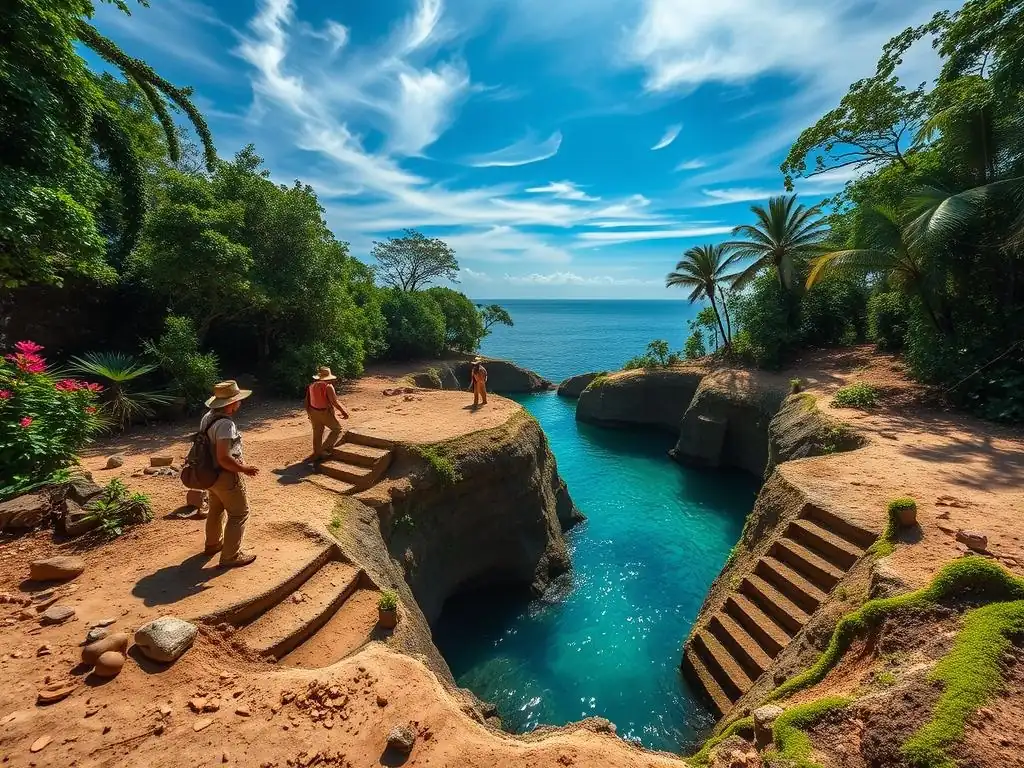
Welcome to Indigenous Civilizations of the Americas, where we invite you to journey through the rich tapestry of pre-colonial cultures that shaped the American landscape. In our featured article, Exploring the Underworld: Recent Excavations of Mayan Cenotes, we delve into the fascinating Mayan cenotes archaeological discoveries that reveal the profound relationship the Maya had with their environment and spirituality. Prepare to uncover secrets hidden beneath the surface, as we unveil the stories and achievements of these remarkable civilizations. Your exploration begins now—dive deeper to discover the wonders that await!
Introduction to Mayan Cenotes and Their Significance
Mayan cenotes, often described as natural sinkholes or wells, are more than just intriguing geological formations; they held profound significance for the ancient Maya civilization. These unique water-filled depressions, found primarily in the Yucatán Peninsula, served as critical resources for freshwater and played a pivotal role in the spiritual and social lives of the Maya. The breathtaking beauty and mysterious depths of cenotes have drawn researchers and archaeologists alike, leading to a surge of interest in recent archaeological discoveries that shed light on their historical importance.
The excavation of these cenotes has unveiled a treasure trove of artifacts, providing insights into the daily lives, rituals, and beliefs of the Maya. From pottery and tools to skeletal remains and ceremonial offerings, each discovery contributes to a more comprehensive understanding of how the Maya interacted with their environment. As we explore the recent excavations of Mayan cenotes, we delve into the stories they tell of a civilization that thrived for centuries, shaping the cultural landscape of Mesoamerica before European colonization.
The Role of Cenotes in Mayan Culture and Society
Cenotes held a multifaceted role within Mayan culture, acting as both practical resources and sacred spaces. Here are some key aspects of their significance:
- Water Sources: In the arid regions of the Yucatán Peninsula, cenotes were vital sources of freshwater, essential for agriculture, drinking, and daily life.
- Religious Significance: Many cenotes were considered sacred to the Maya, believed to be gateways to the underworld (Xibalba). Rituals, including offerings of jade, gold, and even human sacrifices, were conducted to appease the deities associated with these natural features.
- Cultural Practices: Cenotes served as sites for various cultural practices, from agricultural rituals to communal gatherings. They were often central to the social fabric of Mayan communities.
The recent archaeological discoveries in these cenotes have not only highlighted their practical uses but also illuminated the complex belief systems of the Maya. Excavations have revealed evidence of ceremonial activities and interactions with the environment that demonstrate the deep reverence the Maya held for these natural wonders. Such findings continue to enrich our understanding of the Maya's intricate relationship with their world, showcasing how cenotes were woven into the very fabric of their civilization.
- Introduction to Mayan Cenotes and Their Significance
- The Role of Cenotes in Mayan Culture and Society
Recent Archaeological Discoveries in Mayan Cenotes
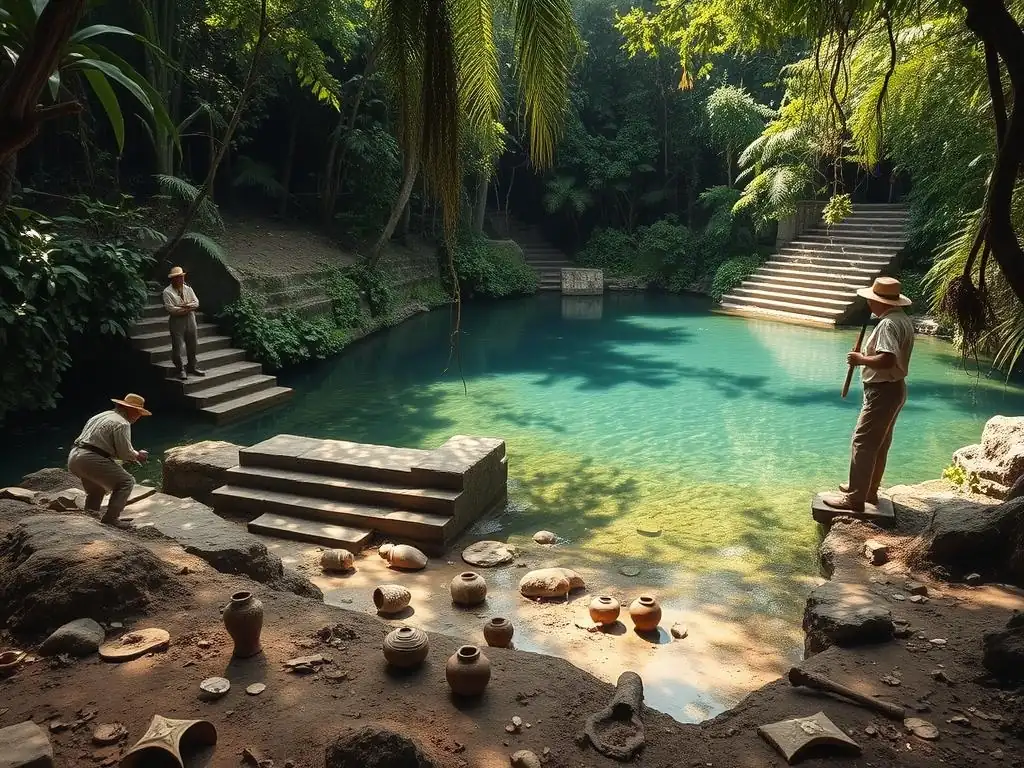
Recent archaeological discoveries in Mayan cenotes have unveiled a wealth of information about the ancient Maya civilization, providing insights into their rituals, societal structures, and environmental adaptations. Cenotes, natural sinkholes filled with water, were not only vital sources of fresh water but also served as sacred sites for the Maya. These underwater archaeological sites have become focal points for researchers aiming to understand the complex relationship between the Maya and their environment.
Recent excavations have revealed a range of artifacts, including pottery, human remains, and ceremonial objects, that highlight the cenotes' importance in religious practices and daily life. The discoveries have also prompted a reevaluation of the cultural significance of cenotes, indicating that they were integral to the Maya worldview and cosmology.
Overview of Recent Excavation Projects
Several notable excavation projects have taken place in the past few years, shedding light on the rich history of Mayan cenotes. These projects are characterized by interdisciplinary approaches, involving archaeologists, anthropologists, and environmental scientists.
Some key projects include:
- The Sacred Cenote at Chichén Itzá: Excavations here have revealed offerings and artifacts that suggest ritualistic practices tied to water worship.
- Cenote Xibalba: This site has yielded human remains and ceremonial items, indicating it was a burial site that held significant spiritual value.
- Cenote Ik Kil: Known for its stunning beauty, recent excavations have uncovered ancient tools and pottery, providing insight into the daily lives of the Maya.
Key Locations of Recent Discoveries
The following cenotes have been pivotal in recent archaeological discoveries:
| Cenote Name | Location | Notable Findings |
|---|---|---|
| Sacred Cenote | Chichén Itzá | Ritual offerings, ceramics, and human remains |
| Cenote Xibalba | Tulum | Burial artifacts, ceremonial objects |
| Cenote Ik Kil | Yucatán Peninsula | Tools, pottery fragments, and evidence of habitation |
These discoveries not only enrich our understanding of Mayan culture but also highlight the cenotes' role in the broader context of Mesoamerican archaeology.
Methods Used in the Excavations of Mayan Cenotes
The methods employed in the excavation of Mayan cenotes are diverse and increasingly sophisticated, allowing researchers to uncover valuable information from these submerged sites.
Technological Innovations in Archaeological Methods
Recent advancements in technology have significantly improved the efficiency and effectiveness of archaeological excavations in cenotes. Key innovations include:
- Underwater Drone Technology: Drones equipped with high-resolution cameras have enabled archaeologists to create detailed maps of cenote interiors without disturbing the sediment.
- 3D Scanning: This technology allows for the creation of accurate digital replicas of artifacts and sites, facilitating further study and analysis without the need for physical handling.
- Geophysical Survey Methods: Techniques like ground-penetrating radar (GPR) and magnetometry help identify subsurface structures and artifacts, guiding excavation efforts more strategically.
These technological tools not only enhance the precision of excavations but also help preserve the integrity of the cenotes for future research.
Traditional Excavation Techniques
Despite the advancements in technology, traditional excavation techniques remain vital in the study of Mayan cenotes. These methods encompass:
- Hand Excavation: Archaeologists often rely on hand tools to carefully excavate sediments, allowing for meticulous recovery of fragile artifacts.
- Stratigraphic Excavation: This method involves digging in layers to understand the chronological sequence of human activity and environmental changes over time.
- Water Sampling: Collecting water samples from cenotes provides insights into the ancient ecosystem and the impact of human activities on water quality.
These traditional techniques complement modern methods, resulting in a holistic approach to uncovering the rich history of Mayan cenotes.
The ongoing excavations of Mayan cenotes are reshaping our understanding of ancient Maya civilization. Through a combination of advanced technology and traditional methods, archaeologists are uncovering a treasure trove of artifacts and information that illuminate the cultural significance of these natural wonders. The keyword "Mayan cenotes archaeological discoveries" aptly encapsulates the essence of this exploration, highlighting the importance of these sites in the broader narrative of indigenous civilizations in the Americas.
Findings from Recent Excavations of Mayan Cenotes
Artifacts Discovered in Mayan Cenotes
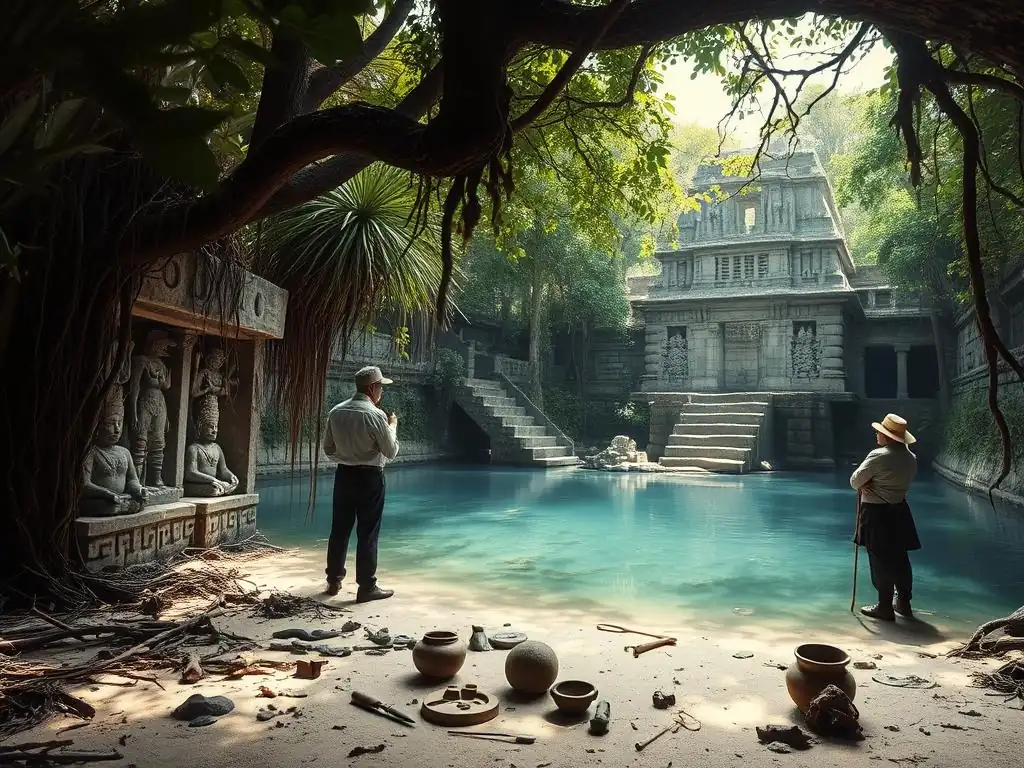
Mayan cenotes, natural sinkholes filled with fresh water, have become significant sites for archaeological explorations due to their ritualistic importance in ancient Maya culture. Recent excavations have unveiled a trove of artifacts, shedding light on the daily lives, spiritual practices, and environmental interactions of the Maya civilization. These discoveries range from everyday items to ceremonial objects, all contributing to a deeper understanding of the ancient Maya society.
Ceramics and Pottery
Ceramic artifacts found in Mayan cenotes often date back to the Classic and Postclassic periods of Maya civilization. These include:
- Vessels: Various types of vessels, such as bowls, plates, and jars, are commonly discovered. The intricate designs and motifs depicted on these ceramics provide insight into the artistic expressions and cultural narratives of the Maya.
- Incense Burners: Specially crafted for ritual use, these artifacts show evidence of being used in ceremonies, often found among offerings in cenotes.
- Painted Pottery: Some ceramics feature painted embellishments, indicating a high level of craftsmanship and the potential for ritual significance.
The diversity in ceramic forms and decorations reflects not only aesthetic values but also the socio-political dynamics of the time.
Tools and Implements
The excavations have also revealed a variety of tools and implements that were likely used in daily life and agricultural practices. These include:
- Stone Tools: Chipped stone tools such as blades and scrapers have been found, which were essential for food preparation and crafting.
- Grinding Stones: These tools, often made from granite, were crucial for processing grains and other food items, highlighting the agricultural foundation of Mayan society.
- Fishing Implements: Items such as fish hooks and nets indicate the importance of aquatic resources, emphasizing the cenote's role as a vital food source.
These tools provide evidence of the technological advancements and resourcefulness of the ancient Maya.
Ritual Objects and Offerings
Mayan cenotes were considered sacred spaces, and many artifacts discovered in these locations are linked to religious practices and rituals. Notable items include:
- Figurines: Small ceramic and stone figurines believed to represent deities or ancestors were often placed as offerings to appease the gods.
- Jewelry: Items made from jade, shells, and other materials discovered in cenotes suggest that these sites were also used for ritualistic exchanges and offerings.
- Sacrificial Artifacts: Evidence of sacrificial practices, such as remains of animals along with tools used in the rituals, has been found, illustrating the cenotes' role in Maya spirituality.
These ritual objects are essential for understanding the religious beliefs and practices of the ancient Maya.
Biological Discoveries in Mayan Cenotes
In addition to the human-made artifacts, recent excavations of Mayan cenotes have yielded significant biological discoveries that provide insights into the ancient environment and the ecosystems that supported the Maya civilization.
Faunal Remains
The analysis of faunal remains in cenotes has revealed a wealth of information regarding the animals that inhabited the region. Key findings include:
- Remains of Mammals: Bones of various mammals, including deer and peccaries, illustrate the fauna that was hunted and consumed by the Maya.
- Aquatic Species: Fish remains indicate the reliance on aquatic resources, while shellfish evidence highlights the cenote's role as a diverse habitat.
- Evidence of Domesticated Animals: The presence of domesticated species, such as dogs, provides insights into the domestication practices of the Maya.
These faunal remains contribute to the understanding of the ancient Maya diet and their interactions with the environment.
Plant Remains and Paleoecology
Plant remains discovered in cenotes are crucial for reconstructing the paleoecology of ancient Maya landscapes. Significant aspects include:
- Seeds and Pollen: Analysis of preserved seeds and pollen grains has allowed researchers to identify the types of crops cultivated, such as maize, beans, and squash, which formed the basis of the Maya diet.
- Wood Remains: Fragments of wood provide insights into the forest composition and the types of trees that were utilized for construction and fuel.
- Evidence of Agriculture: The presence of agricultural markers in sediment layers helps illustrate the environmental changes and agricultural practices over time.
These findings underscore the importance of cenotes not only as ritualistic sites but also as key elements in the sustainability of the ancient Maya civilization.
Through these recent archaeological discoveries, the exploration of Mayan cenotes continues to enrich our understanding of the complex interplay between the environment, culture, and spirituality of the ancient Maya.
Implications of Discoveries on Understanding Mayan Civilization
The recent excavations of Mayan cenotes have unveiled a wealth of information that significantly alters our understanding of the Mayan civilization. These natural sinkholes, often filled with water, were not merely geographical features but played a pivotal role in the spiritual and practical lives of the Maya. The findings from these sites have profound implications for various aspects of Mayan culture, including religion, agriculture, and social organization.
Religious Significance
One of the most striking implications of these discoveries is the cenotes' role in Mayan religious practices. Archaeologists have uncovered numerous offerings, including pottery, jade, and even human remains, suggesting that cenotes were considered sacred places. The Maya viewed these water-filled caverns as gateways to the underworld, a belief that is reflected in their mythologies and rituals. This understanding has led researchers to reassess the spiritual landscape of the Maya, recognizing that their religious practices were deeply intertwined with the natural environment.
Agricultural Practices
Additionally, the excavations have revealed evidence of sophisticated agricultural techniques linked to the cenotes. The Maya utilized these water sources for irrigation, allowing them to cultivate crops in the arid regions of the Yucatán Peninsula. Discoveries of ancient farming tools and remnants of cultivated plants indicate a complex agricultural system that sustained large populations. This insight challenges previous notions that the Maya were primarily reliant on traditional farming methods, highlighting their adaptability and innovation in utilizing available resources.
Social Organization
The findings also shed light on the social organization of the Mayan civilization. The presence of elaborate ceremonial offerings and the scale of some cenote excavations suggest that these sites were focal points for community gatherings and societal rituals. This indicates a level of social hierarchy and organization that might have been more complex than previously understood. The cenotes served not only as spiritual centers but also as venues for political and social activities, reinforcing the idea that the Maya had a rich communal life.
Environmental Awareness
Moreover, the recent discoveries underscore the Maya's profound relationship with their environment. Artifacts found in cenotes reveal that the Maya had a deep understanding of their ecological surroundings, which informed their practices and beliefs. This awareness is essential in understanding how the Mayan civilization thrived for centuries despite the challenges posed by their environment. By studying these interactions, researchers can gain insights into sustainable practices that could inform modern environmental stewardship.
Conclusion
The implications of discoveries from Mayan cenotes extend far beyond mere archaeological interest. They provide invaluable insights into the spiritual beliefs, agricultural practices, social structures, and environmental awareness of the Mayan civilization. As excavations continue, the narrative of the Maya becomes richer and more nuanced, offering a deeper appreciation for this remarkable civilization that once flourished in the Americas.
The Impact of Mayan Cenotes Archaeological Discoveries on Modern Archaeology
Contributions to Mayan History and Heritage
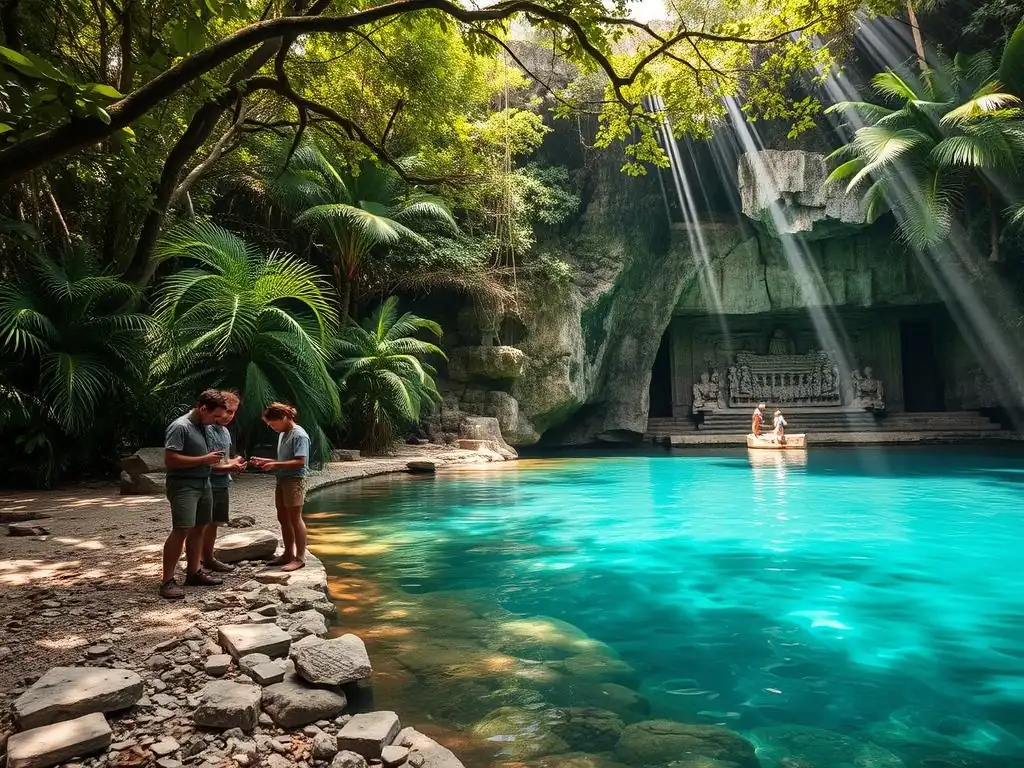
Mayan cenotes, natural sinkholes formed from the collapse of limestone bedrock, have long been recognized as significant sites in the study of the ancient Maya civilization. Recent archaeological discoveries in these cenotes have unveiled a treasure trove of artifacts, rituals, and ecological insights that contribute critically to our understanding of Mayan history and heritage.
One of the most remarkable findings from recent excavations is the recovery of ritual offerings, including pottery, jade, and marine shells, which provide insights into the ceremonial practices of the Maya. For instance, excavations at the cenote of Ik Kil revealed a wealth of ceremonial artifacts that suggest the site may have played a central role in Mayan religious life, particularly as a site for water-related rituals. These findings not only enrich our understanding of Mayan spiritual beliefs but also highlight the importance of cenotes as sacred spaces within their cultural landscape.
In addition, the study of skeletal remains found in various cenotes has offered invaluable information about the health, diet, and social structures of the ancient Maya. For example, isotopic analysis of human bones has provided data on dietary practices, revealing the reliance on maize and other local resources, which underscores the agricultural foundations of Mayan civilization. The integration of archaeological, anthropological, and environmental data from cenotes has allowed researchers to paint a more comprehensive picture of Mayan society, highlighting its complexities and regional variations.
Influence on Future Research and Excavations
The archaeological discoveries made in Mayan cenotes are influencing future research methodologies and excavation strategies within the field of archaeology. As researchers continue to uncover the rich histories embedded in these natural formations, they are developing innovative techniques to explore and analyze these sites.
One significant trend is the application of advanced technologies, such as ground-penetrating radar (GPR) and LiDAR (Light Detection and Ranging), which allow archaeologists to non-invasively survey cenote landscapes. These technologies enable the identification of potential archaeological features without the need for extensive excavation, preserving the integrity of these delicate sites. For instance, a recent GPR survey at a cenote in the Yucatan Peninsula revealed subsurface structures that indicate the presence of ancient Mayan dwellings nearby, prompting further excavations in the area.
Furthermore, the interdisciplinary approach to studying cenotes is becoming more prevalent, with archaeologists collaborating with geologists, hydrologists, and climate scientists to understand the environmental context of these sites. This holistic perspective not only enhances the interpretation of findings but also fosters a deeper understanding of how the Maya interacted with their environment. As climate change continues to impact modern ecosystems, the study of ancient cenotes provides critical lessons on sustainable practices and resource management that can inform contemporary approaches.
The impact of Mayan cenotes archaeological discoveries extends far beyond the realm of historical inquiry. These findings not only enrich our understanding of the past but also pave the way for innovative research methodologies that will shape the future of archaeology. The ongoing exploration of cenotes promises to unveil further secrets of the ancient Maya, ensuring that their rich heritage continues to be appreciated and understood in the modern world.
Conclusion: The Continued Importance of Mayan Cenotes in Archaeological Research
The exploration of Mayan cenotes has proven to be a pivotal aspect of understanding the cultural and spiritual lives of the ancient Maya civilization. These natural sinkholes, often filled with fresh water, served not only as vital resources for communities but also as sacred sites for rituals and offerings. Recent archaeological discoveries have revealed a wealth of artifacts, including pottery, tools, and human remains, providing invaluable insights into the practices, beliefs, and daily lives of the Maya.
As studies continue, cenotes are increasingly recognized for their potential to illuminate the interconnectedness of the Maya with their environment. The data gathered from these sites helps researchers understand how the Maya adapted to their surroundings, particularly in terms of water management and agricultural practices. The discoveries made in these underwater environments are reshaping our understanding of Mayan civilization, highlighting the importance of these sites in both the past and present.
Future Directions in the Study of Mayan Cenotes
Looking ahead, the study of Mayan cenotes will likely expand in several exciting directions:
- Advanced Technology: The incorporation of technologies such as LiDAR (Light Detection and Ranging) and underwater drones will enhance the mapping and exploration of cenotes. These tools allow archaeologists to uncover hidden features and gather data from previously inaccessible areas.
- Interdisciplinary Approaches: Collaborations between archaeologists, hydrologists, and environmental scientists will provide a more holistic understanding of cenote ecosystems. This multidisciplinary approach can reveal how cenotes influenced both natural and human systems in the region.
- Cultural Heritage Awareness: As more cenotes are excavated and studied, there is a growing emphasis on the importance of preserving these sites. Engaging local communities in conservation efforts will enhance the cultural heritage of the region while promoting sustainable tourism practices.
- Climate Change Studies: Understanding how cenotes function as ecological resources can provide insights into the impacts of climate change on water availability and sustainability in the region. This research could have broader implications for managing water resources in similar environments worldwide.
Preserving the Legacy of Mayan Archaeological Sites
The preservation of Mayan cenotes and associated archaeological sites is crucial for future research and for honoring the legacy of the ancient Maya. Here are some key strategies for ensuring their protection:
- Legal Protections: Implementing and enforcing laws that protect cenotes from pollution, over-exploitation, and development is essential for maintaining their integrity.
- Community Involvement: Engaging local communities in the stewardship of cenotes fosters a sense of ownership and responsibility. Educational programs can help raise awareness about the cultural and ecological significance of these sites.
- Sustainable Tourism Practices: Promoting sustainable tourism that respects the natural and cultural heritage of cenotes can generate economic benefits while ensuring that these sites are not harmed by over-visitation.
- Ongoing Research and Documentation: Continuous archaeological research and proper documentation of findings are vital for building a comprehensive understanding of cenotes and their role in Mayan civilization. This ongoing work can serve as a resource for future generations.
The ongoing exploration of Mayan cenotes continues to yield significant archaeological discoveries, contributing to our understanding of this remarkable civilization. As we advance our methods and approaches, the legacy of the Maya, embodied in these sacred sites, will be preserved for future generations to learn from and appreciate.
Frequently Asked Questions
What are Mayan cenotes?
Mayan cenotes are natural sinkholes that were formed in limestone, often filled with freshwater. They were considered sacred by the Mayans and served as important water sources.
Why are cenotes significant in Mayan culture?
Cenotes held spiritual significance for the Mayans, often associated with their gods and used for ritualistic practices. They were also crucial for daily life, providing water for agriculture and settlements.
What recent archaeological discoveries have been made in Mayan cenotes?
Recent excavations have uncovered artifacts such as pottery, tools, and sacrificial offerings, shedding light on the ritual practices and daily lives of the Mayans. These discoveries enhance our understanding of their cultural complexities.
How do cenotes contribute to our understanding of Mayan civilization?
Cenotes provide insights into the social, religious, and economic aspects of Mayan civilization. The findings from these sites help researchers piece together the interconnectedness of their communities and beliefs.
Where can I find more information about Mayan cenotes?
For more in-depth information, visit the website "Indigenous Civilizations of the Americas," which explores the diverse indigenous cultures and their achievements, including the importance of cenotes in Mayan society.
Final Reflection: The Depths of Discovery in Mayan Cenotes
The exploration of Mayan cenotes is not just an archaeological endeavor; it is a profound journey into the heart of ancient civilizations that continues to resonate today. As we uncover the secrets held within these natural sinkholes, we are reminded of the intricate relationship between the Mayans and their environment, and how these archaeological discoveries illuminate our understanding of their culture, spirituality, and daily life. The significance of these findings transcends mere historical interest; they challenge us to reconsider our connection to the past and the lessons it holds for the present.
Mayan cenotes have become a focal point for cultural reflection and social discourse, revealing the complexities of ancient rituals and the importance of water in sustaining life. The ongoing excavations not only enrich our knowledge but also inspire a sense of reverence for the natural world and its historical significance. As we delve deeper into these underwater realms, we are reminded of the words of the renowned archaeologist Dr. David Freidel: Cenotes are the gateways to understanding the Mayan soul, a bridge between the living and the ancestors.
This perspective encourages us to appreciate the interconnectedness of our histories and the environments we inhabit.
As we look to the future, I invite you to reflect on the lessons learned from these archaeological discoveries. Consider how the stories of the past can inform our actions today, particularly in how we engage with our natural resources and cultural heritage.
Let the exploration of Mayan cenotes inspire you to seek out your own connections to history, to honor the legacies of those who came before us, and to advocate for the preservation of our shared heritage. Embrace the depths of discovery, and let it guide you toward a more conscious and respectful relationship with the world around you.
Dive Into the Mysteries of Mayan Cenotes!
Thank you for joining us on this fascinating journey through the ancient world of the Mayan cenotes! We hope you’ve enjoyed uncovering the rich history and vibrant culture tied to these mystical water-filled caverns. Now, it’s time to take your exploration further and make a meaningful impact.
Here are some specific actions you can take to deepen your connection with this incredible subject:
- Plan a visit to a local cenote or archaeological site—experience the wonder firsthand and learn from knowledgeable guides who preserve the cultural significance of these sites.
- Share your insights with friends or family—host a small gathering to discuss the wonders of cenotes and the Mayan civilization.
- Consider joining a community group or online forum that focuses on indigenous cultures—engage with others who share your enthusiasm and exchange valuable insights.
What aspect of the Mayan cenotes intrigues you the most, and how might you incorporate this newfound knowledge into your own explorations?