
Exploring Burial Practices: Recent Excavations at Native American Cemetery Sites

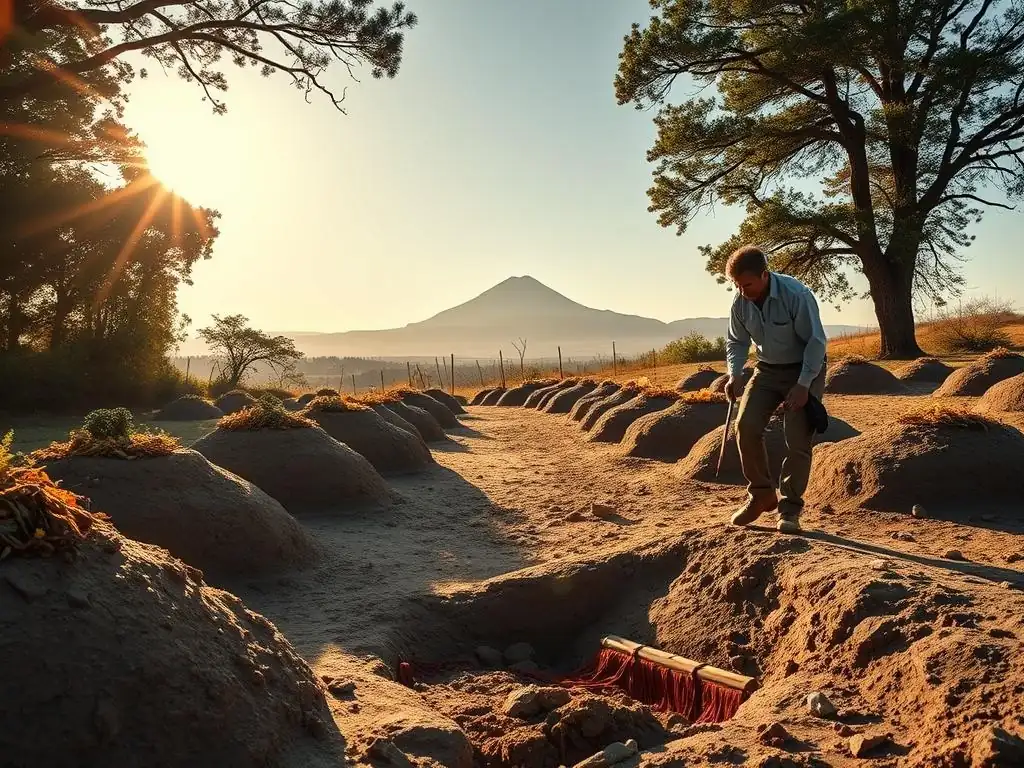
Welcome to Indigenous Civilizations of the Americas, where we invite you to journey into the rich tapestry of indigenous cultures that flourished long before European contact. In our featured article, Exploring Burial Practices: Recent Excavations at Native American Cemetery Sites, we delve into the profound significance of Native American burial practices—a window into the beliefs, traditions, and societal structures of these remarkable civilizations.
Prepare to uncover the mysteries of the past and discover how these ancient customs continue to resonate in today’s world. Join us as we celebrate their achievements and explore the lasting impact they have on our understanding of history.
Understanding the burial practices of Native American cultures offers profound insights into their spiritual beliefs, social structures, and community values. This article delves into the diverse and intricate burial customs that flourished among indigenous groups across North America prior to European colonization. Through examining recent archaeological excavations at various cemetery sites, we uncover not only the physical remnants of these burial practices but also the cultural narratives they convey. By exploring these practices, we can appreciate the significant role they played in sustaining the identities and traditions of Native American societies.
Introduction to Native American Burial Practices
Overview of Burial Customs in Indigenous Cultures
Burial practices among Native American cultures are as varied as the tribes themselves, reflecting a rich tapestry of beliefs and traditions. From simple grave markers to elaborate burial mounds, these customs often incorporate elements of the natural world and spiritual symbolism. Common practices include:
- Interment Methods: Different tribes employed various interment methods such as:
- Ground burials
- Above-ground structures (e.g., tombs or platforms)
- Scattering of ashes
- Funerary Objects: Grave goods were commonly included in burials, serving both practical and spiritual purposes. These may include:
- Tools and weapons
- Jewelry and personal items
- Offerings for the afterlife
These customs were often guided by a deep respect for the deceased and the belief in an afterlife, illustrating the profound connection between physical and spiritual realms in indigenous cultures.
Importance of Burial Practices in Native American Societies
Burial practices hold significant cultural importance in Native American societies, acting as a means of honoring the dead and facilitating the mourning process. They serve multiple purposes, including:
- Cultural Identity: Burial customs often reflect specific tribal identities, reinforcing community bonds and shared heritage.
- Spiritual Beliefs: Many tribes believe in an afterlife, and burial practices are designed to aid the deceased's journey into the next realm.
- Historical Continuity: These practices link past generations with the present, allowing for the transmission of knowledge, traditions, and values across time.
The emphasis on respectful and meaningful burial practices underscores the importance of these customs in maintaining cultural integrity and continuity.
Recent Excavations at Native American Cemetery Sites
Overview of Recent Archaeological Discoveries
Recent archaeological excavations have shed light on the rich and complex burial practices of Native American cultures. These discoveries have not only provided valuable artifacts but also deepened our understanding of the social and cultural contexts surrounding these practices. Some notable findings include:
- Complex Burial Structures: Excavations have revealed intricate burial sites, often featuring multiple interments and elaborate grave goods.
- Cultural Artifacts: Items such as pottery, textiles, and tools have been uncovered, offering insights into the daily lives and spiritual beliefs of the deceased.
- Environmental Context: Analysis of soil and plant remains has helped researchers understand the environmental conditions in which these communities thrived.
These findings are pivotal in reconstructing the past and recognizing the diverse cultural practices that existed prior to European contact.
Key Excavation Sites in North America
Several key excavation sites across North America have provided significant insights into Native American burial practices. Some notable sites include:
| Site Name | Location | Key Findings |
|---|---|---|
| Cahokia Mounds | Illinois | Large earthen mounds used for burials and rituals |
| Angel Mounds | Indiana | Complex burial site with artifacts indicating social stratification |
| Kingsley Plantation | Florida | Evidence of burial practices among enslaved Native Americans |
These sites exemplify the variety and complexity of burial practices across different regions and cultures, highlighting the importance of ongoing research in understanding Native American history.
The exploration of burial practices through recent excavations not only enriches our knowledge of Native American cultures but also fosters a deeper appreciation for their enduring legacy. As we continue to uncover the past, we gain insight into the diverse ways in which these societies honored their dead and preserved their cultural narratives.
Analysis of Burial Practices Revealed by Excavations
Recent excavations at Native American cemetery sites have unveiled a rich tapestry of burial practices that provide deep insights into the cultural and spiritual lives of indigenous peoples. These archaeological investigations reveal not only the physical methods of burial but also the beliefs and social structures that influenced these practices. For instance, excavations have uncovered multiple burial types, ranging from simple grave pits to elaborate mound constructions, indicating the diversity of practices among different tribes and regions.
In analyzing the burial sites, researchers have noted patterns in the orientation of graves, the inclusion of grave goods, and the types of remains found. For example, many tribes oriented their graves towards the east, aligning with spiritual beliefs regarding the sun and the afterlife. The presence of grave goods, such as tools, pottery, and personal items, suggests a belief in an afterlife where these items were thought to accompany the deceased.
Moreover, advanced dating techniques have allowed archaeologists to establish timelines for these burial practices, showing how they evolved over centuries. The findings contribute significantly to our understanding of the social hierarchies, trade networks, and spiritual beliefs of Native American communities, painting a more nuanced picture of their world before European contact.
Traditional Burial Methods Among Native American Tribes
Traditional burial methods among Native American tribes varied widely, reflecting the unique cultural practices and beliefs of each group. Common methods included in-ground interment, where the deceased were placed in graves dug into the earth, often wrapped in animal hides or placed in wooden caskets. Some tribes practiced cremation, particularly in the Pacific Northwest, where the remains were burned and then placed in urns or scattered in significant locations.
Among the Plains tribes, such as the Lakota and Cheyenne, it was common to place the deceased on platforms or scaffolds, allowing the body to decompose naturally while remaining elevated from the ground. This practice was rooted in the belief that the spirit needed to be free to journey to the afterlife without being hindered by the earth.
In contrast, the burial customs of tribes in the Southwest, such as the Hopi and Zuni, often involved placing the dead in underground kivas or ceremonial pits, reflecting their cultural and religious beliefs surrounding the cycle of life and death. These varied methods demonstrate the deep connection between burial practices and the spiritual beliefs of Native American tribes, highlighting their respect for the deceased and the afterlife.
Variations in Burial Practices Across Different Regions
The variations in burial practices across different regions of North America reveal the diversity of indigenous cultures and their adaptations to the environment. In the Northeast, tribes like the Iroquois and Algonquin often utilized longhouses as communal living spaces, and their burial practices reflected this collective lifestyle. Bodies were typically interred in family plots, with multiple generations buried together, symbolizing the importance of family lineage.
Conversely, in the arid landscapes of the Southwest, tribes such as the Ancestral Puebloans developed complex burial systems, often incorporating cliff dwellings and cave sites. Here, the remains of the deceased were sometimes placed in niches within rock formations, accompanied by offerings that reflected their agricultural lifestyle.
In the Southeast, burial mounds, known as tumuli, were a hallmark of many tribes, including the Mississippian culture. These mounds served as both burial sites and ceremonial spaces, indicating a strong belief in the importance of the afterlife and the reverence for ancestors.
Each regional practice illustrates how Native American communities adapted their burial customs to their environments and cultural beliefs, fostering unique traditions that persist in some forms today.
The Role of Artifacts in Understanding Burial Practices
Artifacts discovered during excavations play a crucial role in understanding Native American burial practices. These items provide tangible evidence of the beliefs, rituals, and daily lives of the individuals and communities represented in the burial sites. The careful analysis of artifacts can reveal insights into social status, trade relationships, and cultural practices.
For instance, the types of artifacts found alongside human remains can indicate the deceased's role within their community. High-status individuals may be buried with elaborate items such as decorated pottery, jewelry, and ceremonial tools, while those of lower status may have simpler grave goods. This distinction helps researchers understand social hierarchies and the value placed on certain items within different cultures.
Furthermore, the materials used in the construction of burial goods—such as stone, shell, or metal—can provide information about trade networks and resource availability, illustrating how Native American tribes interacted with one another and their environments.
Types of Artifacts Found in Native American Burials
The types of artifacts found in Native American burials are varied and often context-specific. Common artifacts include:
- Pottery: Used for storage and ceremonial purposes, pottery often bore intricate designs that reflected cultural identity.
- Tools: Stone tools, such as arrowheads and scrapers, were frequently included, suggesting their importance in daily life.
- Personal Items: Items like beads, adornments, and clothing remnants indicate personal status and identity.
- Ceremonial Objects: Ritualistic items, such as effigies or religious symbols, provide insight into spiritual beliefs and practices.
Excavations have also uncovered unique artifacts specific to certain tribes, such as the shell gorgets of Southeast tribes or the intricately decorated textiles of the Southwest, highlighting the rich artistic traditions that accompanied burial practices.
Interpretation of Artifacts in Cultural Context
Interpreting artifacts within their cultural context is essential for understanding the significance of burial practices among Native Americans. Each artifact is not merely a physical object but a reflection of cultural values, beliefs, and social norms. For example, the presence of certain pottery styles can indicate not only the aesthetic preferences of a tribe but also the technological advancements and trade relationships they engaged in.
Moreover, the way artifacts are arranged within burial sites can suggest ritual significance. For instance, items placed at the head of a grave may denote a guiding presence for the deceased in the afterlife, while offerings surrounding the body might symbolize protection or companionship.
The cultural context of artifacts also extends to the relationship between the living and the dead. Many artifacts serve as a bridge between these realms, indicating how the living honored their ancestors and how they perceived the journey to the afterlife. Understanding these interpretations allows researchers to appreciate the complexity of Native American burial practices and their enduring significance in indigenous cultures.
The Impact of Recent Discoveries on Understanding Indigenous Cultures
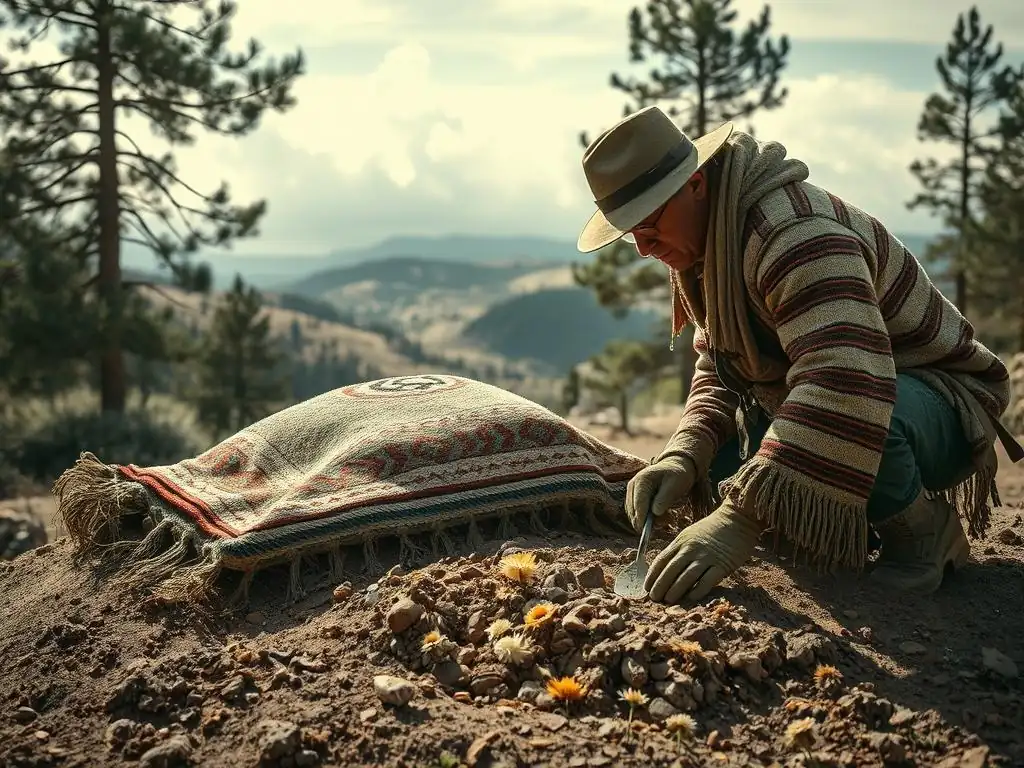
Recent excavations at Native American cemetery sites have significantly enhanced our understanding of the diverse and complex cultures that existed across the Americas prior to European contact. These discoveries provide critical insights into the social structures, spiritual beliefs, and customs surrounding death and burial practices among various indigenous groups. Artifacts unearthed during these excavations, such as ceremonial objects, grave goods, and burial styles, shed light on the cultural significance of death and how it was intertwined with daily life.
Moreover, these finds help to contextualize the relationships between different tribes and regions. By examining burial practices, archaeologists can discern patterns and variations that reflect trade networks, migration, and the influence of neighboring cultures. This nuanced understanding allows us to appreciate the rich tapestry of Native American civilizations and their adaptive strategies in response to environmental and social changes over time.
Contributions to the Study of Native American History
The analysis of burial sites contributes enormously to the broader study of Native American history. By investigating burial customs, researchers can trace lineage, social hierarchies, and kinship ties within communities. For instance, the discovery of burial mounds in the Midwest has unveiled complex societies with structured leadership and elaborate ceremonial practices, revealing a level of sophistication often underestimated in historical narratives.
Additionally, these studies often involve interdisciplinary approaches, integrating anthropology, geology, and even forensic science to reconstruct past events and practices. The meticulous documentation and analysis of burial sites have also led to the recovery of ancient DNA, enabling scientists to study genetic links between present-day tribes and their ancestors, thereby enriching historical accounts with biological evidence.
Challenging Misconceptions About Native American Societies
Recent findings challenge long-held misconceptions about Native American societies being homogeneous or simplistic. The diversity in burial practices, from elaborate tombs to simple graves, illustrates a wide range of beliefs and cultural expressions. For example, the differences in grave goods found in various sites indicate distinct spiritual beliefs and varying relationships with the afterlife among tribes.
Furthermore, the interment methods employed, such as cremation, inhumation, and secondary burial practices, highlight the complex rituals surrounding death. These discoveries counter the narrative of a singular "Native American culture," emphasizing instead the rich diversity and adaptability of indigenous peoples across different environments and epochs.
Future Research Directions in Native American Archaeology
As archaeological techniques continue to advance, future research will likely delve deeper into the sociopolitical implications of burial practices. The use of ground-penetrating radar and advanced imaging technologies can provide non-invasive methods to locate and analyze burial sites without disturbing them, preserving the integrity of these important cultural resources.
Additionally, there is a growing emphasis on collaborating with Indigenous communities to ensure that research is culturally sensitive and ethically sound. Future studies might focus on integrating traditional ecological knowledge with archaeological findings to develop a more holistic understanding of indigenous life ways, including how these societies interacted with their environments, managed resources, and adapted to changes over time.
Conclusion: The Importance of Preserving Native American Burial Sites
The preservation of Native American burial sites is crucial not only for archaeological research but also for honoring the cultural heritage of indigenous peoples. These sites serve as a window into the past, allowing us to understand the beliefs, practices, and social structures of those who came before us. Protecting these areas from destruction and disturbance is vital for maintaining the integrity of indigenous history and identity.
Ethical Considerations in Archaeological Practices
As excavations continue, ethical considerations must guide archaeological practices, especially regarding Native American burial sites. It is essential to recognize the spiritual significance these sites hold for many indigenous communities. Therefore, archaeologists must engage in respectful dialogue with tribal representatives to ensure that their practices align with the cultural values and priorities of the communities involved.
This includes obtaining appropriate permits, facilitating informed consent, and involving indigenous voices in decision-making processes. By prioritizing ethical standards, researchers can contribute to a more respectful and inclusive framework for understanding and preserving Native American heritage.
The Role of Indigenous Communities in Preservation Efforts
Indigenous communities play an indispensable role in the preservation of burial sites and the broader stewardship of cultural resources. Their intimate knowledge of the land and its history provides invaluable insights into the significance of these sites. Collaborative efforts between archaeologists and indigenous groups can lead to more effective conservation strategies that honor traditional practices and protect sacred spaces.
Moreover, empowering indigenous communities to take an active role in archaeological research fosters a sense of ownership and responsibility toward their heritage. This partnership not only enhances the quality of research but also strengthens cultural identity and continuity for future generations. By working together, we can ensure that the legacy of Native American cultures is preserved and celebrated for years to come.
References and Further Reading
To deepen your understanding of Native American burial practices and the insights gained from recent excavations, a variety of resources are available. These materials encompass scholarly articles, books, and online databases that provide a comprehensive overview of the subject. Below are some recommended readings that can enhance your knowledge about the complexities and cultural significance of burial traditions among Indigenous peoples of the Americas.
Recommended Books and Articles on Native American Burial Practices
-
"The Archaeology of Native American Burial Practices" by George E. Lankford
This book offers an in-depth analysis of burial customs across various Native American cultures, discussing how these practices reflect social structure, spirituality, and identity.
-
"Burial Mounds of the Mississippi River: A Study of Native American Funerary Practices" by Timothy R. Pauketat
Pauketat explores the construction and significance of burial mounds in the Mississippi River region, examining their role in ancestral veneration and cultural continuity.
-
"Cultural and Ritualistic Significance of Burial Practices Among Native Americans" by Cynthia A. Drennan
This article delves into the socio-cultural implications of burial rituals, highlighting the differences and similarities among various tribes.
-
"Grave Matters: A Guide to Native American Burial Practices" by Ruth H. Hutton
Hutton provides an accessible overview of burial rituals, focusing on the diverse customs of Native American tribes and their spiritual meanings.
-
"Recent Advances in the Study of Native American Funerary Practices" in the Journal of Archaeological Research
This peer-reviewed journal article discusses the latest archaeological findings and methodologies used to study burial sites, contributing to a broader understanding of Indigenous cultures.
Notable Scholars and Archaeologists in the Field
-
Dr. Barbara L. Voss
A leading figure in the study of Indigenous burial practices, Dr. Voss's research integrates archaeological findings with ethnographic perspectives, providing insights into the cultural significance of burial rituals.
-
Dr. Timothy R. Pauketat
Renowned for his work in the Mississippi River Valley, Dr. Pauketat has made significant contributions to understanding the social dynamics reflected in burial practices. His interdisciplinary approach combines archaeology, anthropology, and history.
-
Dr. Sarah C. H. Moore
An influential archaeologist focusing on the Great Plains, Dr. Moore's research examines the relationship between burial practices and community identity, shedding light on how these customs evolve over time.
-
Dr. Ruth H. Hutton
An expert on funerary archaeology, Dr. Hutton has published extensively on burial practices across North America, emphasizing the importance of context in interpreting graves and their associated artifacts.
-
Dr. David G. Anderson
Dr. Anderson's work spans multiple regions, and he is known for his research on the interplay between environment, culture, and burial practices, as well as the ethical considerations in excavating Indigenous sites.
These resources and scholars are invaluable for anyone looking to explore the rich tapestry of Native American burial practices and the ongoing research in this vital area of archaeology.
- Introduction to Native American Burial Practices
- Recent Excavations at Native American Cemetery Sites
- Analysis of Burial Practices Revealed by Excavations
- The Role of Artifacts in Understanding Burial Practices
- The Impact of Recent Discoveries on Understanding Indigenous Cultures
- Conclusion: The Importance of Preserving Native American Burial Sites
- References and Further Reading
- What are Native American burial practices?
- Why are burial practices important in understanding indigenous cultures?
- What recent excavations have revealed about Native American burial sites?
- How do burial practices vary among different Native American tribes?
- What impact did European colonization have on Native American burial traditions?
Frequently Asked Questions
What are Native American burial practices?
Native American burial practices encompass a variety of rituals and customs that reflect the beliefs and traditions of different tribes. These practices often include ceremonial rites, the use of totems, and specific grave goods.
Why are burial practices important in understanding indigenous cultures?
Burial practices provide insight into the spiritual beliefs, social structures, and cultural values of indigenous communities. They reveal how tribes viewed life, death, and the afterlife, highlighting their connection to the land and ancestors.
What recent excavations have revealed about Native American burial sites?
Recent excavations at Native American cemetery sites have uncovered artifacts and human remains that shed light on burial customs. Findings indicate complex burial rituals and varying practices among different tribes, showcasing their cultural diversity.
How do burial practices vary among different Native American tribes?
Burial practices can differ significantly, with some tribes employing sky burials while others use earth interments or cremation. These variations reflect the tribes' environmental contexts and spiritual beliefs regarding death and the afterlife.
What impact did European colonization have on Native American burial traditions?
European colonization led to significant disruptions in Native American burial traditions, including forced relocation and loss of ancestral lands. Many tribes adapted their practices in response to these changes, influencing their cultural continuity.
Final Reflection: The Enduring Legacy of Native American Burial Practices
The exploration of burial practices among Native American communities is not just an archaeological endeavor; it is a vital connection to cultural identity and historical understanding. As recent excavations at Native American cemetery sites reveal, these practices are intricately woven into the fabric of community life, spirituality, and respect for the deceased. The significance of these rituals transcends time, reminding us of the deep-rooted traditions that continue to shape the identities of Indigenous peoples today.
Cultural heritage is a living testament to the resilience and adaptability of communities. The ongoing dialogue surrounding Native American burial practices highlights the importance of honoring these traditions while also advocating for the rights of Indigenous peoples in the face of modern challenges. As we reflect on the findings from recent excavations, we are reminded of the words of Vine Deloria Jr.: We are not just a people who have a past; we are a people who have a future.
This sentiment underscores the necessity of preserving and respecting these practices, as they are essential to the survival and flourishing of Native American cultures.
As you contemplate the insights gained from exploring burial practices, I invite you to consider how these lessons can be applied in your own life. Reflect on the ways in which you honor your own heritage and the traditions of others. Embrace the opportunity to learn from Indigenous cultures and advocate for their rights and recognition.
By doing so, you contribute to a broader understanding of humanity's shared history and the importance of respecting the diverse ways in which we honor those who came before us. Let us carry forward the legacy of these practices, ensuring that they remain a vibrant part of our collective consciousness for generations to come.
Unveil the Stories of Our Ancestors!
Thank you for taking the time to explore the rich narratives surrounding burial practices at Native American cemetery sites. Your engagement not only deepens your understanding but also honors the histories and traditions of Indigenous cultures. Now, let's turn that knowledge into action!
Here are a few ways you can continue your journey of discovery:
- Join a local archaeological group or society to learn firsthand about Indigenous burial practices and participate in community discussions.
- Share this article with friends and family to spark conversations about the significance of preserving Native American heritage.
- Dive deeper: Research the burial customs of a specific Native American tribe and share your insights in our comments section!
What aspects of Indigenous burial practices intrigue you the most, and in what ways do you think they contribute to our understanding of history today?