
The Role of Women in Andean Agricultural Practices: Guardians of Tradition

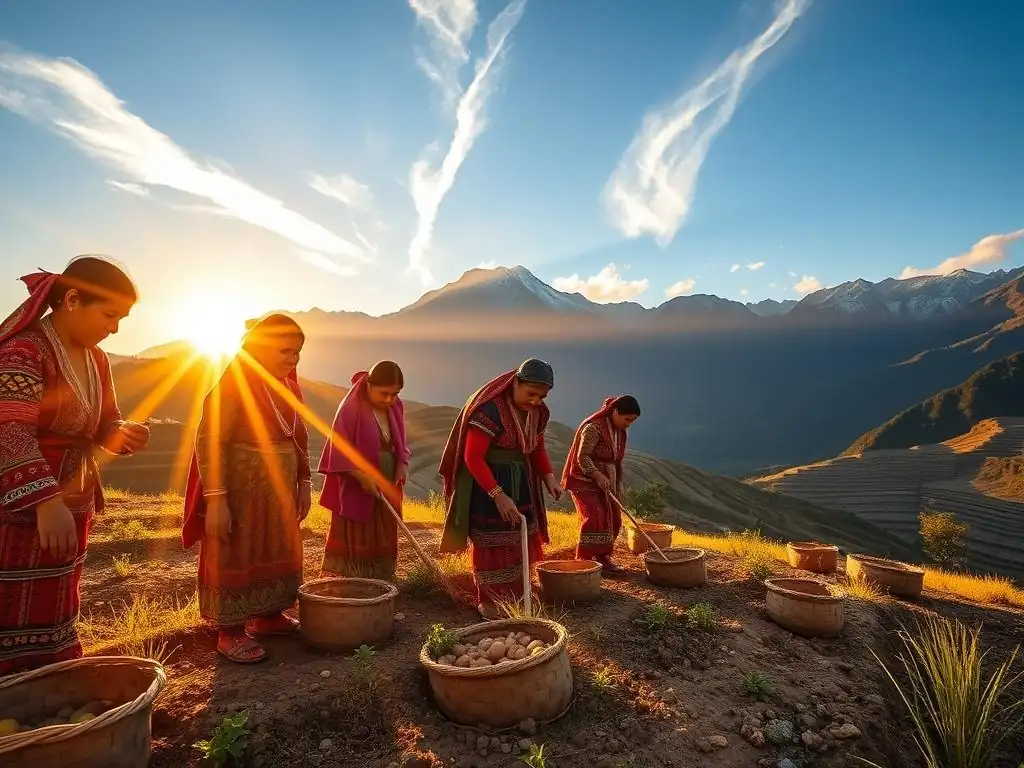
Welcome to Indigenous Civilizations of the Americas, where we invite you to embark on an enlightening journey through the rich tapestry of pre-colonial cultures. Our exploration delves into the remarkable achievements and resilient societies that flourished across the Americas, with a special focus on the often-overlooked contributions of women.
In our featured article, "The Role of Women in Andean Agricultural Practices: Guardians of Tradition," discover how these remarkable women not only preserved their ancestral knowledge but also shaped the agricultural landscape of their communities. Prepare to uncover the secrets of tradition and innovation that continue to resonate today—let's dive deeper into this captivating narrative!
Introduction to Andean Women in Agriculture
The Andean region, characterized by its diverse ecosystems and rich cultural heritage, has long been a cradle of agricultural innovation. At the heart of this vibrant agricultural tapestry are Andean women, whose contributions have been pivotal in sustaining and evolving these practices.
This article delves into the integral role of women in Andean agricultural practices, highlighting how they have served as the guardians of tradition, preserving their ancestral knowledge while adapting to changing circumstances. Through their expertise in crop cultivation, livestock management, and community organization, Andean women have not only ensured food security for their families but have also played a crucial role in the cultural identity and social structure of their communities.
Overview of Andean Agricultural Systems
The Andean agricultural systems are as diverse as the landscapes they inhabit. From the high-altitude terraces of the Inca Empire to the lush valleys of modern-day Peru and Bolivia, these systems have been finely tuned over centuries to maximize productivity in challenging environments. Key features include:
- Terracing: Utilized to manage steep terrains, this technique prevents soil erosion and enhances water retention.
- Crop Diversification: Cultivating a variety of crops, including quinoa, potatoes, and maize, which not only supports dietary needs but also reduces risk from crop failure.
- Irrigation Techniques: Ingenious methods such as aqueducts and channel systems have been developed to efficiently distribute water to crops in arid regions.
In this intricate web of agricultural practices, women have been the backbone, employing traditional knowledge passed down through generations to sustain their families and communities.
Importance of Women in Indigenous Cultures
In many indigenous cultures, women are often designated as the primary caregivers and custodians of agricultural knowledge. Their roles encompass not just farming but also the transmission of cultural values and practices related to agriculture. This includes:
- Knowledge Keepers: Women are the custodians of seed varieties and agricultural techniques that are vital for the survival of their communities.
- Community Organizers: Through their roles in social and economic activities, women often play a crucial part in organizing communal agricultural efforts and festivals that celebrate harvests.
- Food Sovereignty Advocates: Women are often at the forefront of movements advocating for sustainable practices and traditional farming methods that prioritize local food systems.
Historical Context of Andean Women Agricultural Practices
To fully appreciate the role of women in Andean agricultural practices, it is essential to explore their historical context. The evolution of these practices is intertwined with broader societal changes and the impact of colonization.
Traditional Roles of Women in Andean Societies
Historically, Andean women have held significant roles within their communities. Their responsibilities extended beyond mere farming; they were central to the social fabric of their societies. Key aspects of their traditional roles include:
- Agricultural Producers: Women were primarily responsible for planting, tending, and harvesting crops, often working alongside men in the fields.
- Cultural Educators: They played a vital role in educating younger generations about agricultural practices, seasonal cycles, and the spiritual significance of crops.
- Economic Contributors: Women’s contributions to agriculture were not only crucial for subsistence but also for local economies, as they often engaged in trade and barter systems.
Evolution of Women’s Involvement in Agriculture
With the onset of European colonization and subsequent socio-economic changes, the roles of Andean women in agriculture experienced significant transformations. Factors influencing this evolution include:
- Colonial Disruption: The imposition of foreign agricultural practices and the appropriation of land disrupted traditional systems, leading to a reassessment of women's roles.
- Modernization and Globalization: As globalization intensified, Andean women adapted their practices, integrating new technologies while striving to preserve their cultural heritage.
- Empowerment Movements: In recent decades, there has been a resurgence in recognizing and valuing the contributions of women in agriculture, leading to initiatives aimed at empowering women and enhancing their roles in sustainable agricultural practices.
Through this exploration of Andean women agricultural practices, we gain a deeper understanding of their indispensable contributions to both their communities and the broader historical narrative of the Andean region.
Key Contributions of Andean Women to Agricultural Practices
Andean women have played a vital role in the agricultural practices of their communities, serving as the backbone of food production and cultural preservation. Their contributions extend beyond mere labor; they encompass a deep understanding of agricultural techniques, crop management, and community resilience. Traditionally, these women have acted as custodians of knowledge, passing down essential farming practices and innovations that have sustained their communities for generations.
Through their expertise in local flora and farming conditions, Andean women have cultivated diverse crops that are not only staples of the diet but also integral to cultural identity. Their hands-on involvement in every aspect of farming ensures that agricultural practices are in harmony with the environment, reflecting a profound connection to their land. This stewardship has been critical in maintaining agricultural biodiversity, which is essential for food security and environmental sustainability.
Women as Knowledge Keepers of Indigenous Agricultural Techniques
In Andean societies, women are often regarded as the primary knowledge keepers of indigenous agricultural techniques. This role encompasses the transmission of traditional wisdom related to planting, harvesting, and preserving crops. Women have developed intricate systems of knowledge that include the understanding of seasonal cycles, soil fertility, and pest management, all of which are crucial for successful farming.
The preservation of this knowledge is typically facilitated through informal education, where older generations teach younger women the skills and practices necessary for sustainable agriculture. This intergenerational transfer of knowledge ensures that critical agricultural techniques remain intact and adapt to changing environmental conditions. Women’s roles as educators not only empower them within the community but also reinforce the cultural significance of their agricultural heritage.
The Role of Women in Crop Selection and Management
Andean women have a significant influence on crop selection and management, often deciding which crops to plant based on their nutritional value, adaptability to local conditions, and cultural importance. Their intimate knowledge of the land enables them to make informed choices that enhance both food security and economic stability within their communities.
Women are also responsible for the careful management of these crops throughout the growing season. They engage in activities such as planting, weeding, and harvesting, ensuring that the crops receive the necessary care. Additionally, women often participate in the selection of seeds, favoring varieties that are resilient to climate change and pests. This emphasis on traditional and local seed varieties contributes to the overall sustainability of Andean agricultural systems.
Women’s Influence on Sustainable Farming Practices
Sustainability is a core principle in the agricultural practices of Andean women. They employ techniques that promote environmental stewardship, such as crop rotation, intercropping, and organic fertilization. These methods not only enhance soil health but also reduce the reliance on chemical inputs, aligning with the principles of sustainable agriculture.
Moreover, Andean women often advocate for the preservation of natural resources, engaging in practices that protect water sources and local ecosystems. Their commitment to sustainable farming practices is reflected in their ability to adapt to environmental changes while maintaining productivity. By prioritizing ecological balance, women contribute significantly to the resilience and sustainability of their agricultural systems.
The Impact of Andean Women on Community Resilience
The role of Andean women in agriculture is crucial for the resilience of their communities, particularly in the face of external pressures such as climate change and globalization. Their active participation in agricultural practices not only supports local food systems but also strengthens social bonds and cultural identity.
Women often act as the primary caregivers and managers of household resources, enabling families to cope with economic challenges. By ensuring a steady supply of food, they play a pivotal role in enhancing the overall well-being of their communities. The influence of women extends beyond individual households, fostering a sense of collective responsibility and solidarity in agricultural endeavors.
Strengthening Food Security through Women's Agricultural Roles
Food security is significantly bolstered by the agricultural roles of Andean women. By cultivating diverse crops and engaging in sustainable practices, these women ensure a reliable food supply for their families and communities. Their emphasis on growing traditional crops not only provides essential nutrients but also preserves cultural heritage.
Furthermore, women often participate in local markets, selling surplus produce and generating income for their families. This economic empowerment is vital in reducing poverty and improving food access. Women’s contributions to food security are especially crucial in rural areas, where their agricultural practices directly impact the nutrition and health of the community.
Women’s Leadership in Agricultural Cooperatives and Community Initiatives
Women in the Andean region are increasingly taking on leadership roles in agricultural cooperatives and community initiatives. These cooperatives provide a platform for women to collaborate, share resources, and enhance their bargaining power in local markets. By working together, women can achieve economies of scale, improve access to credit, and gain training in modern agricultural techniques.
Women’s leadership in these initiatives fosters innovation and resilience within communities, enabling them to adapt to challenges such as climate change and market fluctuations. Additionally, these cooperatives often emphasize social justice and equity, ensuring that women’s voices are heard and respected in decision-making processes. This empowerment not only elevates the status of women in agriculture but also contributes to the overall health and vitality of Andean societies.
Challenges Faced by Andean Women in Agriculture
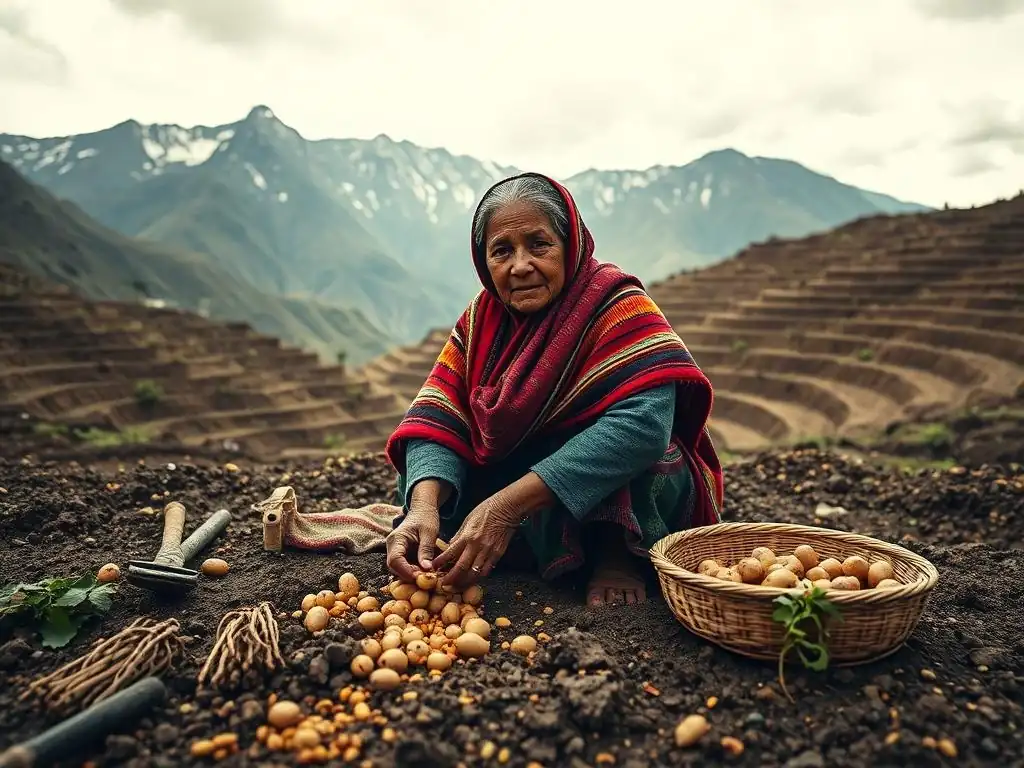
Andean women have historically played a crucial role in agricultural practices, often serving as the backbone of their communities. However, they face numerous challenges that hinder their contributions and limit their potential within agricultural systems. These challenges stem from various factors, including socioeconomic barriers, cultural perceptions, and institutional limitations. Understanding these obstacles is essential for recognizing the resilience and adaptability of Andean women in their pursuit of sustainable agricultural practices.
Socioeconomic Barriers Affecting Women's Agricultural Practices
Socioeconomic barriers significantly impact the agricultural practices of Andean women. Many women lack access to essential resources such as land, credit, and education. While they often play a vital role in food production, ownership of land is predominantly male-dominated, leaving women with limited rights and opportunities to cultivate independently.
- Financial Constraints: Women typically have less access to financial services, making it challenging for them to invest in agricultural improvements or expand their operations. Without access to credit, many women are trapped in a cycle of poverty, unable to purchase seeds, tools, or technology that could enhance productivity.
- Limited Education: Educational disparities further exacerbate the situation. Many women are not afforded the same educational opportunities as men, which restricts their ability to acquire modern agricultural techniques and knowledge. This gap in education contributes to lower yields and less efficient farming practices, hindering their economic independence.
Cultural Perceptions and Gender Roles in Agriculture
Cultural perceptions and entrenched gender roles also pose significant challenges for Andean women in agriculture. Traditional views often dictate that women’s primary responsibilities lie within the domestic sphere, reducing their visibility and recognition in agricultural endeavors.
- Gender Norms: In many Andean communities, women are expected to prioritize household duties over farming. This expectation can lead to a lack of support for women who wish to engage more actively in agricultural production, both from family members and the broader community.
- Recognition of Contributions: Women’s labor in agriculture is frequently undervalued. Their contributions to subsistence farming and the maintenance of traditional agricultural practices are often overlooked, despite their critical role in food security and cultural preservation.
Contemporary Andean Women Agricultural Practices
In contemporary times, Andean women are increasingly challenging these barriers and redefining their roles within agricultural practices. Through innovation and collaboration, they are transforming their approaches to farming, contributing to food security and sustainable development in their communities.
Innovations and Modern Approaches by Andean Women in Agriculture
Modern Andean women are embracing innovative agricultural practices that enhance productivity while preserving traditional knowledge.
- Agroecology: Many women are adopting agroecological methods, which focus on sustainable practices that work in harmony with the environment. These methods include crop rotation, intercropping, and organic pest management, enabling them to improve soil health and increase biodiversity.
- Community Collaboration: Women are forming cooperatives and networks to share resources and knowledge. By collaborating, they gain access to markets, training, and support, empowering them to advocate for their rights and improve their economic conditions.
- Use of Technology: The integration of technology, such as mobile applications for agricultural advice, weather forecasts, and market prices, is becoming increasingly common. This access allows women to make informed decisions, optimize their agricultural practices, and increase their competitiveness in local and global markets.
Case Studies of Successful Women Farmers in the Andes
Numerous case studies highlight the success of Andean women in agriculture, showcasing their innovative practices and resilience.
- María's Cooperative: In Peru, María, a member of a women’s cooperative, implemented agroecological techniques that doubled her crop yields and reduced her reliance on chemical fertilizers. Her success has inspired other women in her community to adopt similar practices, leading to enhanced food security.
- Elena's Use of Technology: In Bolivia, Elena utilized mobile technology to connect with agricultural experts, gaining valuable insights that improved her potato harvest. Her efforts not only increased her family’s income but also positioned her as a leader in promoting technological adoption among local women farmers.
These case studies exemplify the potential of Andean women to overcome traditional barriers and emerge as key players in agricultural development, forging paths toward sustainable and resilient agricultural systems.
Conclusion: The Lasting Legacy of Andean Women in Agriculture
The contributions of Andean women to agricultural practices are not just historical footnotes; they are foundational elements that have shaped the agricultural landscape of the Andes. These women, often the primary cultivators in their communities, have been responsible for maintaining biodiversity through the preservation of traditional crop varieties and farming techniques. Their knowledge, passed down through generations, embodies a deep understanding of local ecosystems and sustainable practices that remain relevant today. The legacy of Andean women in agriculture is a testament to their resilience, ingenuity, and pivotal role in food security and cultural identity.
As guardians of tradition, Andean women have cultivated not only crops but also the values and customs associated with agriculture. Their practices reflect a harmonious relationship with the land, emphasizing community cooperation and the importance of preserving natural resources. This legacy is critical, particularly in an era of climate change and globalization, where traditional knowledge can offer insights into sustainable agricultural practices that have stood the test of time.
Reflection on the Importance of Preserving Women's Agricultural Knowledge
Preserving the agricultural knowledge of Andean women is essential for several reasons. Firstly, it ensures the survival of traditional practices that enhance biodiversity and promote sustainable farming methods. The intricate knowledge that Andean women possess about soil health, crop rotation, and pest management is invaluable in the face of modern agricultural challenges. By safeguarding this knowledge, we not only honor their contributions but also empower future generations to continue these practices.
Moreover, recognizing and valuing women's roles in agriculture enhances gender equality within rural communities. When women's contributions are acknowledged, it fosters a sense of pride and encourages their participation in decision-making processes related to agricultural development. This empowerment can lead to improved economic conditions for families and communities as women take on leadership roles and drive innovation in farming practices.
Future Prospects for Andean Women in Agricultural Development
The future of Andean women in agricultural development looks promising, with increasing recognition of their vital role in food systems. There is a growing trend towards integrating traditional knowledge with modern agricultural practices, which can enhance productivity while preserving cultural heritage. Programs aimed at training and supporting women farmers in sustainable practices are on the rise, providing them with resources and knowledge to improve their livelihoods.
Additionally, as global markets become more interested in organic and sustainably sourced products, Andean women have an opportunity to leverage their traditional practices to meet this demand. By marketing indigenous crops and products, they can gain access to new markets, increase their income, and strengthen their communities economically. Collaborative efforts between local organizations and governmental bodies can further amplify these prospects, ensuring that Andean women are at the forefront of agricultural innovation and development.
Call to Action: Supporting Andean Women's Agricultural Initiatives
Supporting Andean women's agricultural initiatives is crucial for fostering sustainable development and preserving cultural heritage. Engaging with local communities and organizations that focus on empowering women in agriculture can lead to impactful changes. Whether through financial support, volunteer work, or advocacy, every effort counts in uplifting these vital contributors to society.
Opportunities for Engagement and Support
There are numerous ways individuals and organizations can engage with and support Andean women in agriculture:
- Volunteer with Local Organizations: Many NGOs focus on women's empowerment and sustainable agriculture in the Andes. Volunteering time and skills can make a significant difference.
- Financial Contributions: Donations to organizations supporting women's agricultural initiatives can provide necessary resources for training and development programs.
- Promote Indigenous Products: Supporting and purchasing products from Andean women helps sustain their livelihoods and promotes their traditional agricultural practices.
- Advocacy: Raising awareness about the importance of Andean women in agriculture can help draw attention to their needs and rights, encouraging policy changes that support their work.
Resources for Learning More about Andean Women in Agriculture
To deepen your understanding of Andean women in agriculture and their contributions, consider exploring the following resources:
- Books and Documentaries: Look for literature and visual media that highlight the stories and practices of Andean women in agriculture.
- Academic Journals: Research articles focusing on gender roles in agriculture provide insights into the ongoing challenges and opportunities faced by Andean women.
- Webinars and Workshops: Participate in events hosted by organizations dedicated to indigenous rights and sustainable agriculture to learn from experts and practitioners in the field.
- Community Initiatives: Engage with local initiatives that aim to empower Andean women and promote sustainable agricultural practices.
By taking these steps, individuals can contribute to the ongoing legacy of Andean women as guardians of agricultural knowledge and traditions.
- Introduction to Andean Women in Agriculture
- Historical Context of Andean Women Agricultural Practices
- Key Contributions of Andean Women to Agricultural Practices
- The Impact of Andean Women on Community Resilience
- Challenges Faced by Andean Women in Agriculture
- Contemporary Andean Women Agricultural Practices
- Conclusion: The Lasting Legacy of Andean Women in Agriculture
- Call to Action: Supporting Andean Women's Agricultural Initiatives
- What were the roles of Andean women in agriculture?
- How did Andean women contribute to food security?
- What traditional practices did Andean women maintain?
- In what ways did Andean women's agricultural practices impact their society?
- How did colonization affect Andean women and their agricultural roles?
Frequently Asked Questions
What were the roles of Andean women in agriculture?
Andean women played a vital role in agricultural practices, often managing crop cultivation, harvesting, and the preservation of traditional techniques that were passed down through generations.
How did Andean women contribute to food security?
They ensured food security by cultivating a diverse range of crops, utilizing their extensive knowledge of local ecosystems to maximize yields and sustain their communities.
What traditional practices did Andean women maintain?
Andean women maintained practices such as crop rotation, seed saving, and the use of organic fertilizers, which contributed to the sustainability of their agricultural systems.
In what ways did Andean women's agricultural practices impact their society?
Their contributions to agriculture not only provided nutritional sustenance but also played a key role in the social structure and economy of Andean societies, reinforcing their status as guardians of tradition.
How did colonization affect Andean women and their agricultural roles?
Colonization disrupted traditional practices and imposed new systems, often undermining the autonomy of Andean women in agriculture and leading to significant changes in their roles and cultural identity.
Final Reflection: Celebrating the Guardians of Tradition
The role of women in Andean agricultural practices is not just a historical narrative; it is a vibrant and essential part of our contemporary understanding of sustainability and cultural heritage. As we navigate the complexities of modern agriculture and the challenges posed by climate change, the contributions of Andean women become increasingly relevant. Their knowledge and practices are not merely relics of the past; they are vital tools for resilience and adaptation in today's world.
The influence of Andean women in agriculture extends beyond the fields; it shapes communities and preserves identities. These women are not only custodians of traditional farming techniques but also innovators who adapt these practices to meet current challenges. Their role in agriculture is a testament to the strength and wisdom that women bring to the table. As noted by anthropologist Amalia B. M. de la Torre, The preservation of agricultural traditions is a reflection of cultural identity and resilience, passed down through generations of women.
This ongoing influence highlights the importance of recognizing and valuing their contributions in both local and global contexts.
As we reflect on the lessons from Andean women agricultural practices, let us embrace the call to action: acknowledge, support, and amplify the voices of women in agriculture. Whether through advocacy, education, or sustainable practices, we can all play a part in honoring their legacy. Take a moment to consider how you can integrate these lessons into your own life, fostering a deeper appreciation for the role of women in agriculture and working towards a more equitable future for all.
Embrace and Celebrate Andean Women's Agricultural Wisdom!
Thank you for exploring the rich tapestry of Andean agricultural practices and the vital role women play as guardians of tradition. You have gained insights into how these remarkable individuals preserve and share age-old knowledge that sustains both culture and food sources. Now, let's take this appreciation a step further with some actionable steps to connect and engage.
- Explore local communities or organizations that support traditional agricultural practices. Consider volunteering or participating in workshops to learn directly from these incredible women.
- Share this article with your friends and family to raise awareness about the importance of preserving these traditions. Engaging others in this conversation can foster greater appreciation and inspire action.
- Get involved in your own community by researching and promoting local women farmers or agricultural initiatives that uphold values of sustainability and traditional practices.
How will you honor and contribute to the vital work of women in agriculture, both in the Andes and in your own community?