
The Intersection of Archaeology and Anthropology: Understanding Indigenous Societies Through Artifacts

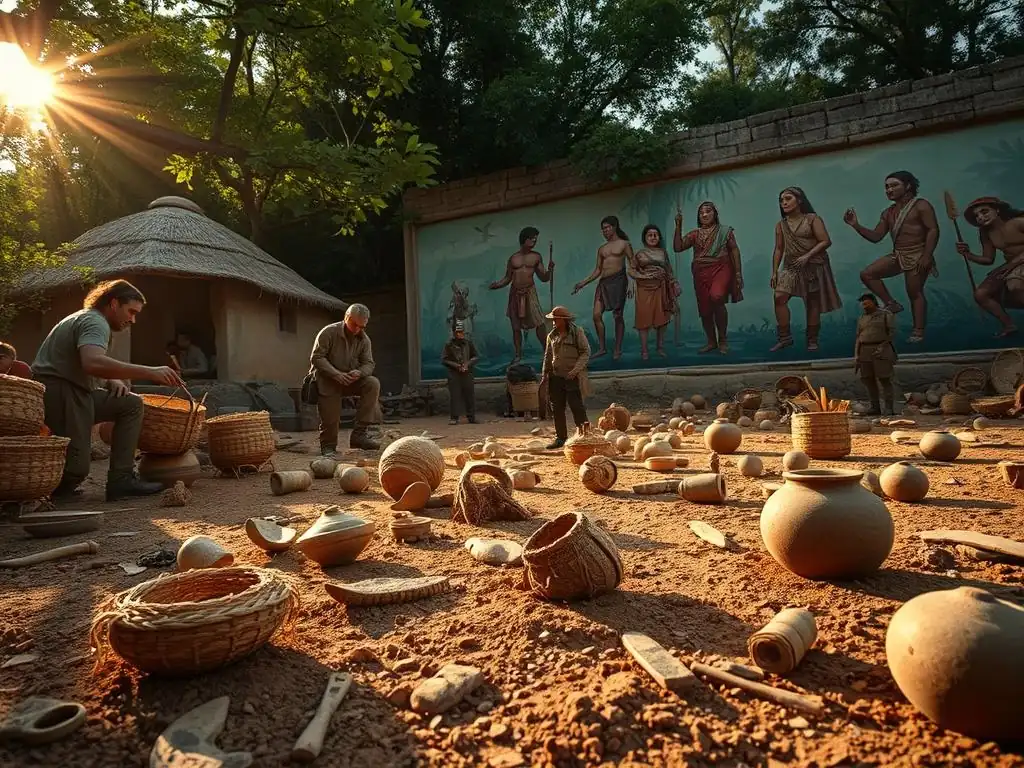
Welcome to Indigenous Civilizations of the Americas, where we invite you to embark on a fascinating journey through the rich tapestry of indigenous cultures that flourished across the continent long before European contact. Our featured article, The Intersection of Archaeology and Anthropology: Understanding Indigenous Societies Through Artifacts, delves into the intricate relationship between these two disciplines, revealing how artifacts unlock the secrets of ancient societies.
Prepare to uncover remarkable discoveries that not only highlight the achievements of indigenous peoples but also showcase their enduring legacy. Join us as we explore the profound narratives woven into the fabric of our shared history—your adventure begins now!
Understanding the rich tapestry of indigenous cultures in the Americas requires a multifaceted approach that intertwines the disciplines of archaeology and anthropology. These fields provide invaluable insights into the lives, beliefs, and achievements of the diverse societies that flourished long before European contact. By examining artifacts—ranging from tools and pottery to monumental architecture—archaeologists uncover the material remnants of these cultures, while anthropologists delve into the social structures, traditions, and worldviews underpinning them. This article explores how these interconnected disciplines illuminate the complexity of indigenous societies, showcasing their enduring impact on contemporary cultural identities and historical narratives.
Introduction to Indigenous Cultures and Their Significance
Indigenous cultures of the Americas are characterized by their profound relationship with the land and their diverse adaptations to various environments, from the Arctic tundra to the Amazon rainforest. These cultures are not monolithic; they encompass a wide range of languages, traditions, and social practices. Understanding their significance involves recognizing their contributions to human knowledge, art, governance, and sustainability. Archaeological findings have revealed sophisticated agricultural practices, trade networks, and governance systems that challenge the notion of "primitive" societies.
The Role of Archaeology in Understanding Indigenous Societies
Archaeology plays a crucial role in uncovering the past of indigenous cultures through the study of artifacts, structures, and ecofacts. By analyzing these materials, archaeologists can reconstruct daily life, social organization, and economic systems of ancient peoples. Key contributions of archaeology include:
- Dating and Contextualization: Establishing timelines for when different cultures thrived and how they evolved over time.
- Cultural Exchange: Understanding interactions between different indigenous groups and later with European settlers.
- Preservation of Heritage: Advocating for the protection of archaeological sites and artifacts, ensuring that indigenous histories are honored.
The Importance of Anthropology in Cultural Studies
While archaeology provides the material evidence of past societies, anthropology offers a framework to interpret these findings within their cultural context. Anthropologists study the beliefs, practices, and social structures of indigenous peoples, providing deeper insights into their identities. The significance of anthropology includes:
- Holistic Perspectives: Understanding cultures through their languages, rituals, and worldviews.
- Community Engagement: Collaborating with indigenous communities to ensure their voices and knowledge inform research.
- Addressing Contemporary Issues: Using insights from the past to address modern challenges faced by indigenous peoples, such as cultural preservation and social justice.
Defining Key Concepts: Archaeology and Anthropology
What is Archaeology?
Archaeology is the scientific study of past human societies through their material remains. This includes:
- Excavation: Systematically uncovering artifacts and structures.
- Analysis: Interpreting findings to understand cultural practices and societal organization.
- Preservation: Protecting archaeological sites from destruction.
What is Anthropology?
Anthropology is the study of humans, encompassing cultural, social, linguistic, and biological dimensions. It aims to understand:
- Cultural Diversity: Exploring the vast range of human experiences and beliefs.
- Social Structures: Investigating how societies are organized and governed.
- Human Evolution: Examining the biological and evolutionary aspects of human beings.
How Archaeology and Anthropology Intersect in Studying Indigenous Cultures
The intersection of archaeology and anthropology is pivotal in studying indigenous cultures. By combining material evidence with cultural interpretation, researchers can create a more comprehensive understanding of how these societies functioned. This interdisciplinary approach allows for:
- Enhanced Interpretations: Artifacts are contextualized within cultural practices, leading to richer narratives.
- Collaborative Research: Engaging indigenous communities in both archaeological digs and anthropological studies to ensure accurate representation of their histories.
- Cultural Revitalization: Using archaeological findings to support indigenous communities in preserving their cultural heritage and identity.
Through the synergy of archaeology and anthropology, we can gain profound insights into the lives of indigenous societies, enriching our understanding of their past and its relevance to the present.
The Role of Artifacts in Revealing Indigenous Societies
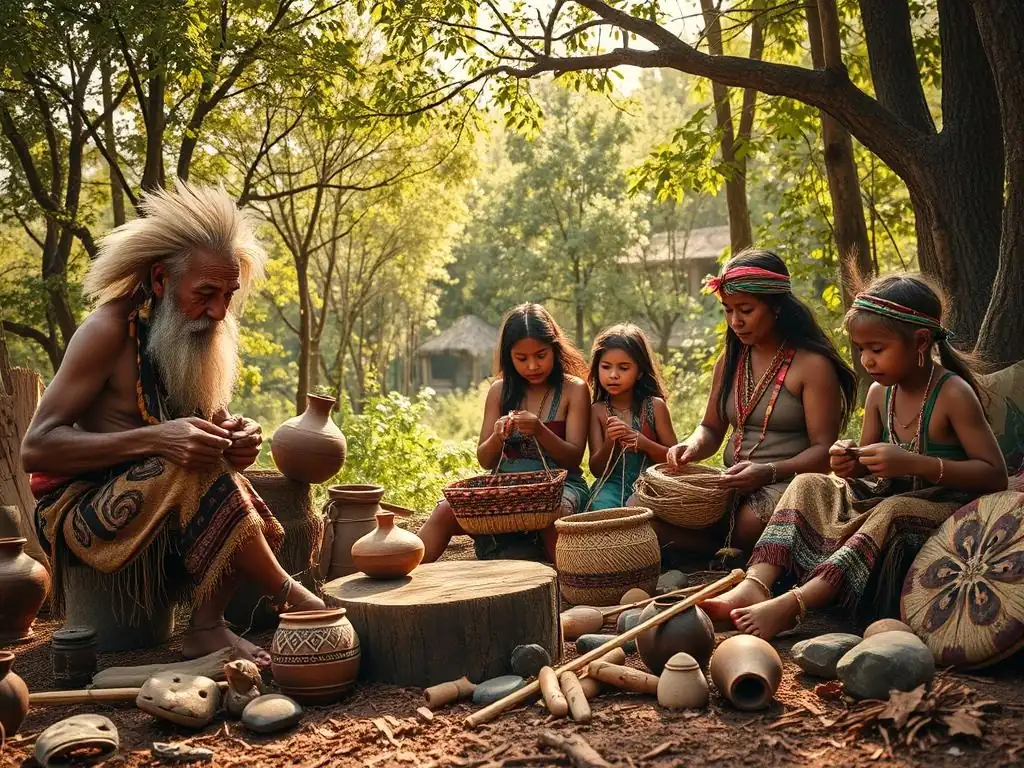
Artifacts play a crucial role in uncovering the complexities of indigenous societies, providing tangible evidence of their cultural practices, social structures, and daily lives. Through the careful analysis of these objects, archaeologists and anthropologists can reconstruct histories that might otherwise remain obscured due to the absence of written records. Artifacts serve as a window into the past, allowing researchers to understand not just the material culture of indigenous peoples but also their beliefs, values, and interactions with their environment.
By examining artifacts in context, researchers can gain insights into the technological advancements of indigenous cultures, their trade networks, and the adaptations they made in response to environmental changes. This approach emphasizes the importance of interpreting artifacts not only as standalone objects but also as parts of larger cultural narratives. Thus, the study of artifacts transcends mere documentation, fostering a deeper appreciation of the rich tapestry of indigenous life.
Understanding Cultural Artifacts
Cultural artifacts are objects created or modified by humans that hold significance within a particular society. They can range from tools and pottery to textiles and ceremonial items. Understanding cultural artifacts involves a multi-faceted approach that considers their material composition, production techniques, and the contexts in which they were used. Each artifact embodies a story, reflecting not only the practical aspects of indigenous life but also the spiritual and social dimensions.
The interpretation of these artifacts requires an interdisciplinary perspective, drawing from archaeology, anthropology, history, and art history. This holistic understanding allows researchers to appreciate the nuances of indigenous cultures, recognizing that each object can reveal varying meanings depending on its role within the society. For example, a ceremonial mask may serve as a powerful emblem of identity and belief, while a utilitarian tool may reflect technological innovation and adaptation.
Types of Artifacts Relevant to Indigenous Cultures
Artifacts relevant to indigenous cultures can be broadly categorized into several types, each offering unique insights into the societies that produced them:
- Tools and Implements: These include items such as stone tools, hunting implements, and fishing gear, showcasing the technological skills of indigenous peoples and their adaptations to diverse environments.
- Ceramics: Pottery fragments can reveal information about cooking practices, trade relationships, and artistic expression. The styles and decorations on ceramics often reflect cultural identity and variation among different groups.
- Textiles: Woven materials, including clothing and blankets, provide insights into social organization, economic systems, and aesthetic values. The techniques and patterns used in textile production can signify cultural identity and continuity.
- Art and Symbolic Objects: Items such as carvings, sculptures, and ritual objects can offer a glimpse into the spiritual beliefs and artistic traditions of indigenous cultures. They often communicate complex symbols and cultural narratives.
- Burials and Remains: The study of burial practices and associated artifacts can uncover information about social hierarchies, beliefs about the afterlife, and the health and diet of indigenous peoples.
Case Studies of Significant Artifacts from Indigenous Societies
Several case studies exemplify how artifacts have significantly contributed to our understanding of indigenous societies:
- The Hopewell Earthworks: The discovery of intricate earthworks in the Ohio River Valley showcases the sophisticated social organization and astronomical knowledge of the Hopewell culture. The artifacts found in these sites, including ceremonial items and trade goods, reveal extensive trade networks and ritual practices.
- Incan Quipus: The Inca civilization utilized knotted strings known as quipus for record-keeping and communication. Studies of quipus have illuminated the complexities of Incan administration, economy, and social structure, demonstrating their advanced methods of information management.
- Maya Codices: The preservation of pre-Columbian Maya codices provides invaluable insights into their writing systems, history, and cosmology. These artifacts highlight the Maya's sophisticated understanding of mathematics and astronomy, as well as their religious beliefs.
Methodologies in Indigenous Cultures Archaeology and Anthropology
Research methodologies in the archaeology and anthropology of indigenous cultures are essential for gaining a deeper understanding of their societies. These methodologies encompass a range of techniques and approaches that facilitate the interpretation of artifacts and the broader context of indigenous life.
Fieldwork Techniques in Archaeology
Fieldwork is a foundational aspect of archaeological practice, involving systematic excavation and survey of sites to recover artifacts and contextual information. Techniques such as stratigraphic excavation allow archaeologists to understand the chronological sequence of human activity, while remote sensing technologies, like ground-penetrating radar, can identify subsurface features without disturbing the ground.
Additionally, researchers often engage in site mapping and spatial analysis to document the distribution of artifacts and features across a landscape. This comprehensive approach ensures that the cultural context surrounding artifacts is preserved, enabling researchers to make informed interpretations about the social and environmental factors influencing indigenous societies.
Ethnographic Approaches in Anthropology
Ethnographic approaches in anthropology emphasize the importance of participant observation and immersive fieldwork. Anthropologists study indigenous communities by engaging with them directly, learning their languages, and participating in their cultural practices. This qualitative method provides a deeper understanding of contemporary indigenous perspectives and helps to contextualize historical artifacts within living traditions.
Ethnography allows researchers to explore the meanings and values associated with artifacts from the viewpoint of indigenous peoples themselves, fostering respect for indigenous knowledge systems. By incorporating indigenous voices into the research process, anthropologists can create a more nuanced understanding of the past and its relevance to present-day indigenous identity.
Collaborative Methods Between Archaeologists and Indigenous Communities
Collaboration between archaeologists and indigenous communities is essential for ethical and effective research practices. Engaging indigenous peoples as partners in the research process ensures that their knowledge, perspectives, and cultural heritage are respected and integrated into archaeological work.
Collaborative methodologies may include community-led excavations, where indigenous members participate in the recovery and interpretation of artifacts. Workshops and educational programs can also facilitate knowledge exchange, empowering indigenous communities to reclaim their narratives and histories. This mutual respect and collaboration not only enhance the quality of archaeological research but also foster healing and reconciliation between indigenous peoples and the academic community.
The intersection of archaeology and anthropology provides a rich framework for understanding indigenous societies through artifacts, emphasizing the significance of collaborative, respectful, and interdisciplinary approaches.
The Impact of Archaeological Discoveries on Indigenous Identity
Archaeological discoveries play a crucial role in shaping the identity of contemporary Indigenous peoples. As artifacts are unearthed, they not only provide tangible connections to ancestral ways of life but also foster a sense of continuity and belonging. Many Indigenous communities view these findings as vital links to their heritage, reinforcing their cultural narratives and validating their historical presence in the Americas. The stories told through artifacts often reflect the resilience and adaptability of Indigenous cultures, which have persisted despite centuries of colonization and disruption.
Moreover, these discoveries can also challenge misconceptions about Indigenous societies. As more evidence emerges regarding complex social structures, trade networks, and technological innovations, it reshapes the narrative surrounding Indigenous histories. This renewed understanding helps Indigenous groups reclaim their narratives, fostering pride and solidarity within their communities. The interplay between archaeology and identity thus becomes a powerful tool in the ongoing struggle for recognition and respect for Indigenous cultures.
How Artifacts Shape Contemporary Indigenous Identities
Artifacts serve as a bridge between the past and present, significantly influencing contemporary Indigenous identities. Each object tells a story, encapsulating the beliefs, practices, and everyday lives of ancestors. For many Indigenous peoples, the resurrection of these stories through artifacts reaffirms their cultural values and practices.
Community-led initiatives often center around the interpretation and use of artifacts, emphasizing traditional knowledge and practices. For instance, the revival of ancient pottery techniques or weaving methods not only preserves these art forms but also strengthens communal ties. This resurgence serves as a testament to the enduring legacy of Indigenous craftsmanship, showcasing how traditional arts and skills continue to thrive in modern contexts.
Additionally, the integration of artifacts into contemporary ceremonies and cultural expressions reaffirms their significance in Indigenous identity. From powwows to public exhibitions, these objects are not merely relics of the past; they are vital components of living cultures that continue to evolve while honoring their roots.
Reviving Indigenous Histories Through Archaeological Findings
The revival of Indigenous histories through archaeological findings is a profound aspect of the intersection between archaeology and anthropology. Excavations frequently reveal insights into Indigenous ways of life, including social organization, spiritual beliefs, and economic practices. This wealth of information allows Indigenous communities to reconstruct their histories and narratives that may have been obscured or overlooked due to colonial narratives.
For example, archaeological sites such as Cahokia in present-day Illinois unveil the complexities of pre-Columbian urban life, showing that Indigenous societies had sophisticated political and social structures. Such discoveries challenge the long-held notion that Indigenous cultures were simplistic or static. By providing empirical evidence of vibrant, dynamic societies, archaeology aids Indigenous peoples in reclaiming their pasts and asserting their historical significance.
Furthermore, collaboration between archaeologists and Indigenous communities is essential in this process. By engaging Indigenous knowledge systems and perspectives, researchers can ensure that the histories being revived are accurate and respectful. This collaborative approach also empowers Indigenous communities to take an active role in interpreting their histories, fostering a sense of ownership and agency in the narrative-building process.
The Role of Artifacts in Cultural Preservation
Artifacts are pivotal in the cultural preservation of Indigenous societies, serving as symbols of heritage and continuity. These objects encapsulate the traditions, practices, and values of Indigenous peoples, acting as repositories of knowledge that can be passed down through generations. In many cases, the preservation of artifacts is intrinsically tied to the maintenance of cultural identity and community resilience.
Museums and cultural centers often become sites of cultural preservation, where artifacts are not only exhibited but also actively used in educational programs to teach younger generations about their heritage. This transmission of knowledge is vital for sustaining cultural practices and ensuring that Indigenous identities remain vibrant and relevant in contemporary society.
Moreover, the technological advances in conservation techniques allow for better preservation of artifacts. This ensures that they remain accessible for future generations, facilitating ongoing engagement with Indigenous histories. By valuing and protecting these artifacts, communities reinforce their cultural narratives and emphasize the importance of their histories in understanding their present and future.
Challenges and Ethical Considerations in Indigenous Archaeology
The field of Indigenous archaeology is fraught with challenges and ethical considerations that must be navigated carefully. As researchers seek to uncover the past, they must also be mindful of the implications their work has on Indigenous communities. The relationship between archaeology and Indigenous peoples is often complex, shaped by historical injustices and ongoing struggles for recognition and rights.
One significant challenge is ensuring that archaeological practices respect Indigenous sovereignty and cultural beliefs. Many Indigenous groups have their own protocols regarding the treatment of ancestral remains and sacred sites. Archaeologists must engage with these communities to understand their perspectives and incorporate their wishes into research practices. This collaborative approach is essential for building trust and fostering respectful relationships between researchers and Indigenous peoples.
Navigating Cultural Sensitivity in Archaeological Practices
Cultural sensitivity is paramount in archaeological practices involving Indigenous communities. Researchers must be attuned to the diverse cultural values and beliefs that shape Indigenous identities and practices. This requires ongoing dialogue and collaboration with Indigenous stakeholders throughout the research process.
For instance, the excavation of burial sites or sacred areas necessitates careful consideration of Indigenous cultural protocols. Archaeologists must work closely with tribal leaders and community members to ensure that their work honors and respects these sites. By prioritizing cultural sensitivity, archaeologists can help mitigate potential conflicts and promote mutual understanding.
Additionally, the representation of Indigenous cultures in archaeological narratives must be approached with care. Misinterpretation or oversimplification of Indigenous practices can perpetuate stereotypes and reinforce colonial narratives. Engaging Indigenous voices in the interpretation of archaeological findings is essential for presenting accurate and nuanced representations of their histories and cultures.
The Debate Over Artifact Repatriation
The debate over artifact repatriation is a critical issue in the realm of Indigenous archaeology. Many Indigenous communities assert their rights to reclaim ancestral artifacts that have been removed from their territories, often during colonial periods. This struggle for repatriation is not simply about retrieving physical objects; it involves reclaiming cultural heritage and identity.
Museums and institutions are increasingly faced with calls for repatriation, leading to discussions about the ethics of possession and stewardship. Some organizations have begun to implement policies that facilitate the return of artifacts to Indigenous communities, recognizing their rights to their cultural heritage. This trend reflects a growing acknowledgment of the historical injustices faced by Indigenous peoples and the importance of rectifying these wrongs.
In some cases, the repatriation of artifacts can lead to revitalization within Indigenous communities, as they reintegrate these items into cultural practices and ceremonies. The process of repatriation thus becomes an act of healing, restoring connections to the past and reinforcing Indigenous identities in contemporary contexts.
Engaging Indigenous Voices in Archaeological Research
Engaging Indigenous voices in archaeological research is essential for fostering meaningful collaboration and producing respectful scholarship. Indigenous peoples possess invaluable knowledge about their histories, cultures, and landscapes, often informed by generations of lived experience. Incorporating this knowledge into archaeological practices enhances research outcomes and ensures that Indigenous perspectives are honored.
Community involvement in archaeological projects can take many forms, from co-researcher roles to consultation during the excavation process. This collaborative approach not only enriches the research but also empowers Indigenous communities to actively participate in the interpretation and presentation of their histories.
Furthermore, training programs that equip Indigenous individuals with archaeological skills can help bridge the gap between academia and Indigenous communities. By fostering a new generation of Indigenous archaeologists, the field can move toward greater inclusivity and representation, ultimately leading to more holistic understandings of Indigenous cultures.
The intersection of archaeology and anthropology offers profound insights into Indigenous societies through the lens of artifacts. By addressing the challenges and ethical considerations inherent in this field, researchers can contribute to a richer and more respectful understanding of Indigenous peoples and their histories.
Future Directions in Indigenous Cultures Archaeology and Anthropology
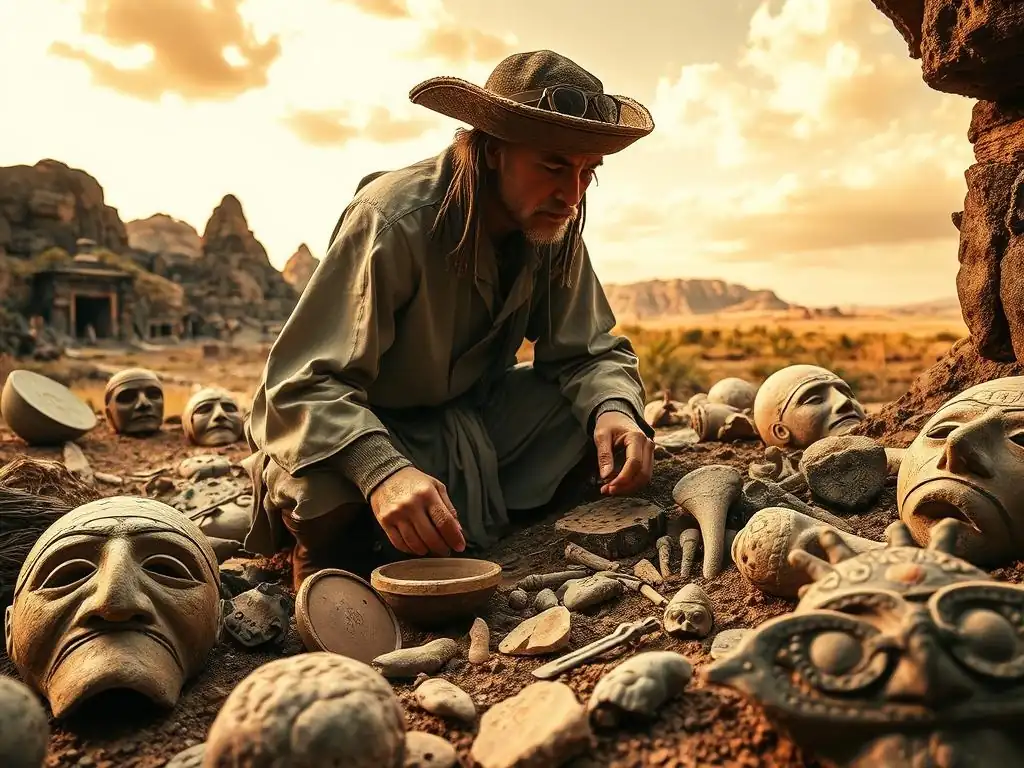
The future of indigenous cultures archaeology and anthropology is poised for transformative advancements, driven by innovative methodologies and a growing emphasis on ethical practices. As researchers continue to refine their approaches, several key areas are emerging that promise to deepen our understanding of indigenous societies and their rich histories. This section explores these future directions, highlighting the potential for enhanced collaboration, technology integration, and community engagement to shape the field.
Emerging Technologies in Archaeology
Emerging technologies are revolutionizing the study of indigenous cultures, providing archaeologists and anthropologists with new tools to uncover and analyze artifacts. Techniques such as:
- Remote Sensing: Utilizing satellite imagery and ground-penetrating radar to identify archaeological sites without disturbing the land.
- 3D Scanning and Printing: Creating detailed replicas of artifacts allows for better study and preservation, enabling wider access for educational purposes.
- Geographic Information Systems (GIS): Mapping historical sites and analyzing spatial relationships among artifacts helps to understand cultural practices and settlement patterns.
These technologies not only enhance the capabilities of archaeologists but also facilitate greater collaboration with indigenous communities, ensuring that their voices and perspectives are integrated into research.
Interdisciplinary Approaches to Understanding Indigenous Cultures
The intersection of various academic disciplines is essential for a holistic understanding of indigenous cultures. By integrating perspectives from:
- History: Providing context for archaeological findings and understanding the narratives of indigenous peoples.
- Linguistics: Examining language use and evolution can reveal insights into cultural practices and social structures.
- Environmental Science: Studying the relationship between indigenous societies and their environments uncovers how they adapted to and managed natural resources.
These interdisciplinary approaches foster a comprehensive exploration of indigenous societies, allowing for a richer narrative that respects their complexities and nuances.
The Potential of Community-Based Archaeology
Community-based archaeology represents a paradigm shift in how archaeological research is conducted. This approach emphasizes collaboration with indigenous communities, recognizing them as active participants rather than passive subjects. Benefits include:
- Cultural Preservation: Communities take the lead in preserving their heritage, ensuring that practices and traditions are honored and maintained.
- Knowledge Sharing: Elders and community members provide invaluable insights into the significance of artifacts and sites, enriching the academic understanding of their cultures.
- Empowerment: Engaging communities in archaeological projects fosters a sense of ownership and pride in their history, promoting cultural revitalization.
As community-based archaeological practices gain traction, they not only enhance the integrity of research but also pave the way for more ethical and respectful engagement with indigenous cultures.
Conclusion: The Importance of Integrating Archaeology and Anthropology
The integration of archaeology and anthropology is crucial for a comprehensive understanding of indigenous societies. By bridging these disciplines, researchers can cultivate a more nuanced appreciation of the artifacts that illuminate the lives and cultures of indigenous peoples. This conclusion synthesizes key insights and underscores the lasting impact of artifacts on cultural understanding.
Summary of Key Insights on Indigenous Societies
Throughout the exploration of indigenous cultures, several key insights have emerged:
- Rich Cultural Heritage: Indigenous societies possess diverse and complex traditions that deserve recognition and respect.
- Artifact Significance: Artifacts serve as vital links to understanding social structures, economic practices, and spiritual beliefs of indigenous cultures.
- Collaborative Research: Engaging with indigenous communities enriches archaeological findings and fosters respectful scholarship.
By acknowledging these insights, scholars can better appreciate the depth and breadth of indigenous cultures.
The Lasting Impact of Artifacts in Cultural Understanding
Artifacts are not mere remnants of the past; they are powerful tools for cultural understanding. They provide tangible connections to indigenous histories, offering glimpses into daily life, artistic expression, and spiritual beliefs. The careful study and preservation of these artifacts can:
- Educate Future Generations: Artifacts serve as educational resources that illuminate the rich histories of indigenous cultures for scholars and the public alike.
- Influence Cultural Identity: Understanding and celebrating indigenous heritage through artifacts can strengthen cultural identity among indigenous peoples, fostering pride and continuity.
- Shape Policy and Conservation Efforts: Insights gained from artifacts can inform policies related to cultural heritage, ensuring that indigenous voices are represented in decision-making processes.
The intersection of archaeology and anthropology provides a vital framework for understanding indigenous societies through artifacts, ultimately enriching our collective knowledge and appreciation of their enduring legacies.
Additional Resources for Further Reading
Exploring the intersection of archaeology and anthropology provides valuable insights into the indigenous cultures of the Americas. For those interested in delving deeper into this fascinating subject, several resources can enhance understanding and appreciation. Below are some recommended books and online databases that offer extensive information on indigenous cultures, archaeology, and anthropology.
Recommended Books on Indigenous Cultures, Archaeology, and Anthropology
-
"1491: New Revelations of the Americas Before Columbus" by Charles C. Mann
This groundbreaking work challenges conventional views about indigenous societies before European contact. Mann combines archaeological findings with historical narratives to portray the sophistication and diversity of pre-Columbian cultures.
-
"The Archaeology of Native North America" by Timothy R. Pauketat
Pauketat provides an overview of archaeological practices and findings related to Native American societies. The book emphasizes the importance of understanding indigenous contexts and perspectives in archaeology.
-
"Indigenous Peoples and Archaeology in Latin America" edited by J. Carlos Fernández and Beatriz de la Fuente
This collection of essays explores the complex relationships between indigenous communities and archaeology in Latin America. It highlights collaborative efforts and the ways in which archaeology can benefit indigenous peoples.
-
"A History of the Native Peoples of North America: A Book of Readings" by William C. Sturtevant
This anthology compiles various scholarly articles that discuss the history, culture, and social structures of Native American groups. It serves as an essential resource for understanding the depth of indigenous experiences in North America.
-
"The Oxford Handbook of North American Archaeology" edited by Timothy R. Pauketat
A comprehensive guide that covers a wide range of topics related to North American archaeology. This handbook is a valuable tool for students, scholars, and enthusiasts seeking a deeper understanding of indigenous archaeological practices.
Online Databases and Archives for Researching Indigenous Artifacts
-
The Digital Archaeological Archive of Comparative Slavery (DAACS)
This database offers access to archaeological data related to slavery in the Americas, including artifacts and historical documents. It provides a comparative perspective valuable for understanding indigenous and colonial interactions.
-
American Antiquity Journal
A leading journal in the field of archaeology that publishes research on indigenous cultures. The online archive allows users to access a wealth of articles that explore various aspects of indigenous archaeology and anthropology.
-
The Smithsonian Institution's National Museum of the American Indian
This museum hosts a vast collection of artifacts and resources related to indigenous cultures. Their online database includes digital collections, exhibitions, and educational materials that highlight the richness of indigenous heritage.
-
The Archaeological Data Service (ADS)
This online repository is a hub for archaeological data preservation and access. It includes datasets, reports, and publications that can be crucial for researchers interested in indigenous archaeology.
-
The Online Archive of California (OAC)
This archive provides access to a wide range of historical documents, photographs, and artifacts from California's indigenous cultures. It serves as a valuable resource for researchers interested in the region's indigenous history and archaeology.
By utilizing these resources, readers can deepen their understanding of the intricate relationships between archaeology, anthropology, and indigenous cultures, enhancing their appreciation of the rich histories and contributions of these societies.
- Introduction to Indigenous Cultures and Their Significance
- The Role of Archaeology in Understanding Indigenous Societies
- The Importance of Anthropology in Cultural Studies
- Defining Key Concepts: Archaeology and Anthropology
- The Role of Artifacts in Revealing Indigenous Societies
- Methodologies in Indigenous Cultures Archaeology and Anthropology
- The Impact of Archaeological Discoveries on Indigenous Identity
- Challenges and Ethical Considerations in Indigenous Archaeology
- Future Directions in Indigenous Cultures Archaeology and Anthropology
- Conclusion: The Importance of Integrating Archaeology and Anthropology
- Additional Resources for Further Reading
- What is the primary focus of the article on indigenous cultures?
- How do archaeology and anthropology contribute to understanding indigenous societies?
- What types of artifacts are commonly studied in indigenous cultures research?
- Why is the study of indigenous cultures important in modern contexts?
- How can the findings from archaeology impact indigenous communities today?
Frequently Asked Questions
What is the primary focus of the article on indigenous cultures?
The article explores the diverse indigenous cultures that existed in the Americas prior to European colonization, highlighting their achievements and societal structures.
How do archaeology and anthropology contribute to understanding indigenous societies?
Archaeology and anthropology work together to provide insights into indigenous societies through the study of artifacts, helping to reconstruct their cultural practices and historical contexts.
What types of artifacts are commonly studied in indigenous cultures research?
Researchers often focus on tools, pottery, and artwork that reveal information about the daily lives, belief systems, and social organization of indigenous peoples.
Why is the study of indigenous cultures important in modern contexts?
Understanding indigenous cultures helps preserve their heritage, promotes cultural awareness, and fosters respect for their contributions to history and society.
How can the findings from archaeology impact indigenous communities today?
Archaeological findings can empower indigenous communities by validating their histories, supporting cultural revitalization, and enhancing their rights to land and resources.
Final Reflection: Bridging the Past and Present of Indigenous Cultures
The exploration of indigenous cultures through archaeology and anthropology is not just an academic pursuit; it is a vital pathway to understanding the rich tapestry of human history. Today, as we face a world increasingly divided by cultural misunderstandings, the insights gained from studying artifacts and the narratives they carry are more relevant than ever. By recognizing the significance of indigenous societies, we can foster a deeper appreciation for their contributions to our shared heritage.
The intersection of archaeology and anthropology serves as a powerful reminder of the resilience and complexity of indigenous cultures. This ongoing dialogue between the past and present shapes our cultural landscape, encouraging us to honor and preserve the legacies of those who came before us. As anthropologist Victor Turner once said, Culture is the way in which a group of people solve the problems of living together.
This perspective highlights the importance of understanding indigenous practices and beliefs, as they offer invaluable lessons on community, sustainability, and respect for the environment.
As we reflect on the insights presented in this article, I invite you to consider how you can engage with and support indigenous cultures in your own life. Take the time to learn about local indigenous histories, advocate for their rights, and appreciate the art and artifacts that tell their stories. By doing so, you not only honor their past but also contribute to a more inclusive and understanding future, where the voices of indigenous peoples are celebrated and respected.
Unveil the Richness of Indigenous Heritage Today!
Thank you for exploring the fascinating world of archaeology and anthropology with us! You've gained valuable insights into how artifacts tell the stories of Indigenous societies. Now, it's time to take your newfound knowledge further and engage with this vibrant heritage.
Here are some impactful actions you can take right now:
- Join a local Indigenous community event to connect with traditions and stories firsthand.
- Visit a museum or gallery that showcases Indigenous artifacts—immerse yourself in the history they embody!
- Share this article with friends and family to inspire discussions about the importance of preserving Indigenous cultures.
What aspect of Indigenous art or artifacts resonates most with you, and how can you share this enthusiasm with others?