
The Significance of Obsidian Tools in Aztec Society and Warfare

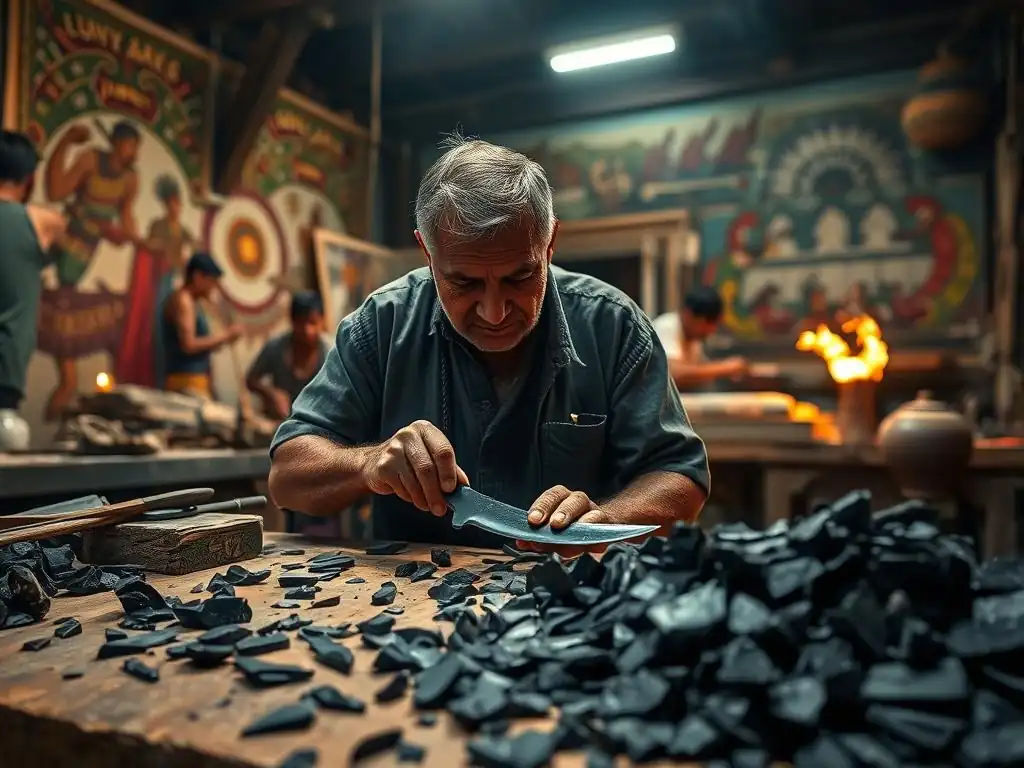
Welcome to Indigenous Civilizations of the Americas, where we invite you to embark on a captivating journey through the rich tapestry of indigenous cultures that flourished long before European contact. Dive into our featured article on Obsidian tools in Aztec society to uncover the fascinating role these remarkable artifacts played in shaping not only everyday life but also the strategies of warfare among the Aztecs.
What secrets do these shimmering black stones hold about their advanced societies? Join us as we explore the profound legacies left by these civilizations, igniting your curiosity and deepening your understanding of their enduring impact.
- Introduction to Obsidian Tools in Aztec Society
- Historical Context of Obsidian Tools in Aztec Warfare
- Types of Obsidian Tools Used in Aztec Society
- The Manufacturing Process of Obsidian Tools
- The Cultural Significance of Obsidian Tools
- The Role of Obsidian Tools in Aztec Warfare
- Archaeological Discoveries and Obsidian Tools
- Conclusion: The Lasting Legacy of Obsidian Tools in Aztec Society
- Frequently Asked Questions
- Final Reflection: The Enduring Legacy of Obsidian Tools in Aztec Society
- Unleash the Power of Obsidian: Take Action Today!
Introduction to Obsidian Tools in Aztec Society
The significance of obsidian tools in Aztec society is a fascinating subject that reveals the intricate relationship between resources, technology, and culture in pre-Columbian civilizations. Obsidian, a naturally occurring volcanic glass, was not only a vital resource for crafting tools but also played a crucial role in the social, economic, and military spheres of the Aztec Empire.
This article delves into the multifaceted importance of obsidian, exploring its usage, the techniques involved in its crafting, and its profound impact on Aztec warfare and society. By examining obsidian tools through various lenses, we gain a deeper understanding of how these artifacts contributed to the broader narrative of indigenous civilizations in the Americas.
Overview of Obsidian as a Resource
Obsidian is a remarkable material characterized by its sharpness, durability, and ability to be fashioned into precise tools. Formed from rapidly cooled lava, it can be found in various locations throughout Mesoamerica, particularly in regions like modern-day Mexico. The Aztecs were adept at sourcing and utilizing this resource, leading to a flourishing industry of obsidian tool production.
- Physical Properties:
- Sharp Edges: Obsidian can be fractured to create extremely sharp blades, making it ideal for cutting tools and weapons.
- Lightweight: This material is lighter than many metals, allowing for ease of use and transport.
- Cultural Significance:
- Obsidian was not merely a functional resource; it held spiritual and symbolic meanings, often associated with the gods and used in rituals.
The extensive use of obsidian in daily life and ceremonial contexts highlights its integral role in the Aztec worldview and practices.
Importance of Obsidian in Pre-Columbian Cultures
Obsidian tools were pivotal across various pre-Columbian cultures, serving both practical and ceremonial purposes. The versatility of obsidian allowed different indigenous groups to adapt its use to their specific needs.
- Trade and Economy:
- Obsidian was a highly sought-after commodity, fostering trade networks that extended beyond local regions. Its value was comparable to precious metals in other cultures.
- The establishment of trade routes facilitated the exchange of obsidian tools, which in turn supported economic growth and cultural exchange.
- Technological Advancements:
- The techniques developed for shaping obsidian—such as flaking and knapping—demonstrated advanced knowledge of materials science, reflecting a high level of craftsmanship.
- These advancements not only enhanced tool efficiency but also contributed to the overall technological progress of pre-Columbian societies.
Through these aspects, obsidian emerged as a cornerstone of cultural identity and technological innovation in the Americas.
The Role of Aztec Society in Utilizing Obsidian Tools
In Aztec society, obsidian tools were essential to various facets of life, from agriculture to warfare. The Aztecs harnessed the properties of obsidian to create a diverse array of implements, each serving distinct functions that underscored the civilization's complexity.
- Agricultural Tools:
- Farmers utilized obsidian blades for cutting crops, which improved efficiency and productivity in agriculture.
- The sharpness of obsidian tools allowed for precise work in the fields, contributing to food security and the sustenance of the growing population.
- Warfare and Combat:
- Obsidian was particularly significant in the context of warfare, as the Aztecs developed weapons such as macuahuitl—a wooden sword embedded with obsidian blades. This weapon exemplified the lethal effectiveness of obsidian in battle.
- The symbolism of obsidian in warfare extended to rituals, with certain tools and weapons being imbued with sacred significance, further enhancing their importance in Aztec culture.
The utilization of obsidian tools in Aztec society exemplifies how a single resource can influence various aspects of life, shaping the social structures, economy, and military strategies of a civilization. Through this exploration of obsidian, we can appreciate the ingenuity and resilience of the Aztecs and their lasting impact on the history of indigenous cultures in the Americas.
Historical Context of Obsidian Tools in Aztec Warfare
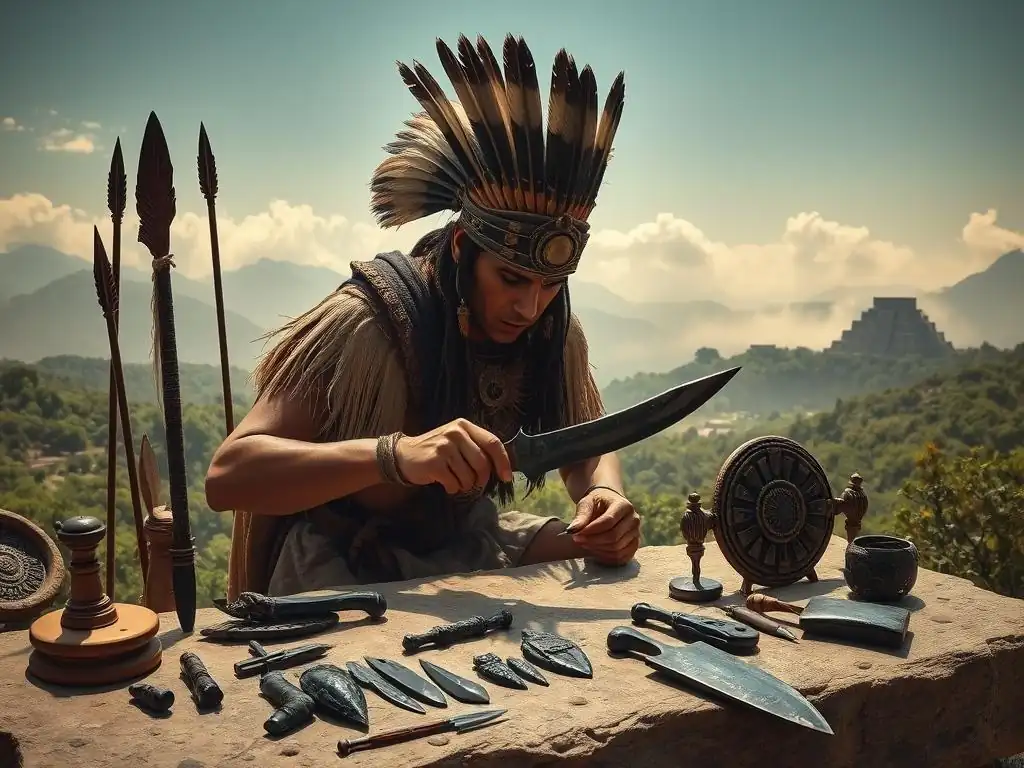
The Aztecs, who flourished in central Mexico from the 14th to the 16th centuries, relied heavily on obsidian, a volcanic glass, for a variety of tools and weapons. This material was not only significant for its practical applications but also held cultural and economic importance within Aztec society. The strategic use of obsidian tools in warfare reflected the Aztecs' advanced understanding of material properties and their adeptness in crafting effective weapons.
The Origin and Mining of Obsidian
Obsidian is formed from the rapid cooling of lava, resulting in a glassy texture that can be fractured into sharp edges. The primary sources of obsidian in Mesoamerica were located in regions such as the Sierra de las Navajas, near present-day Pachuca, and the areas surrounding the volcanoes of Popocatépetl and Iztaccíhuatl. The Aztecs established complex trade networks to acquire obsidian from these regions, recognizing its value as a superior material for tool-making.
Mining Techniques
The mining of obsidian involved:
- Surface Collection: Aztecs often collected obsidian from the surface of volcanic regions.
- Quarrying: They employed tools made from harder stones to extract larger chunks of obsidian from the earth.
- Craftsmanship: Skilled artisans would then shape the raw obsidian into various tools, including blades, arrowheads, and spear points.
Obsidian's availability and the methods used to extract and process it played a crucial role in its integration into Aztec society.
Obsidian Tools in the Aztec Military
The military prowess of the Aztecs was significantly enhanced by their use of obsidian tools. These weapons were essential in various aspects of warfare, from hand-to-hand combat to long-range engagements.
Types of Obsidian Weapons
- Macuahuitl: A formidable weapon resembling a sword, the macuahuitl had a wooden base embedded with sharp obsidian blades, making it lethal in close combat.
- Atlatl: This spear-throwing device allowed Aztec warriors to launch obsidian-tipped darts with increased force and accuracy, giving them an advantage in ranged attacks.
- Arrowheads: Obsidian was used to craft arrowheads that were both lightweight and razor-sharp, ideal for piercing armor.
The effectiveness of these weapons was evident in battles against rival city-states and during the expansion of the Aztec Empire.
Comparison of Obsidian Weapons and Other Materials
When compared to other materials used for weaponry, obsidian stands out for its unique properties.
| Material | Advantages | Disadvantages |
|---|---|---|
| Obsidian | - Extremely sharp | - Brittle, can shatter on impact |
| Wood | - Flexible, lightweight | - Deteriorates over time |
| Stone (e.g., flint) | - Durable, can retain sharpness | - Heavier than obsidian |
| Metal (e.g., bronze) | - Strong, durable | - Rare in pre-Columbian Americas |
Obsidian tools provided a balance between sharpness and weight, making them ideal for the mobile and dynamic warfare tactics employed by the Aztecs. The choice of obsidian not only showcased their technological advancements but also illustrated their cultural emphasis on artistry and efficacy in weaponry.
Obsidian tools were pivotal in shaping the military strategies of Aztec society, allowing them to establish and maintain their dominance in Mesoamerica. The combination of effective mining, skilled craftsmanship, and tactical application solidified obsidian's place as an essential resource in the Aztec arsenal.
Types of Obsidian Tools Used in Aztec Society
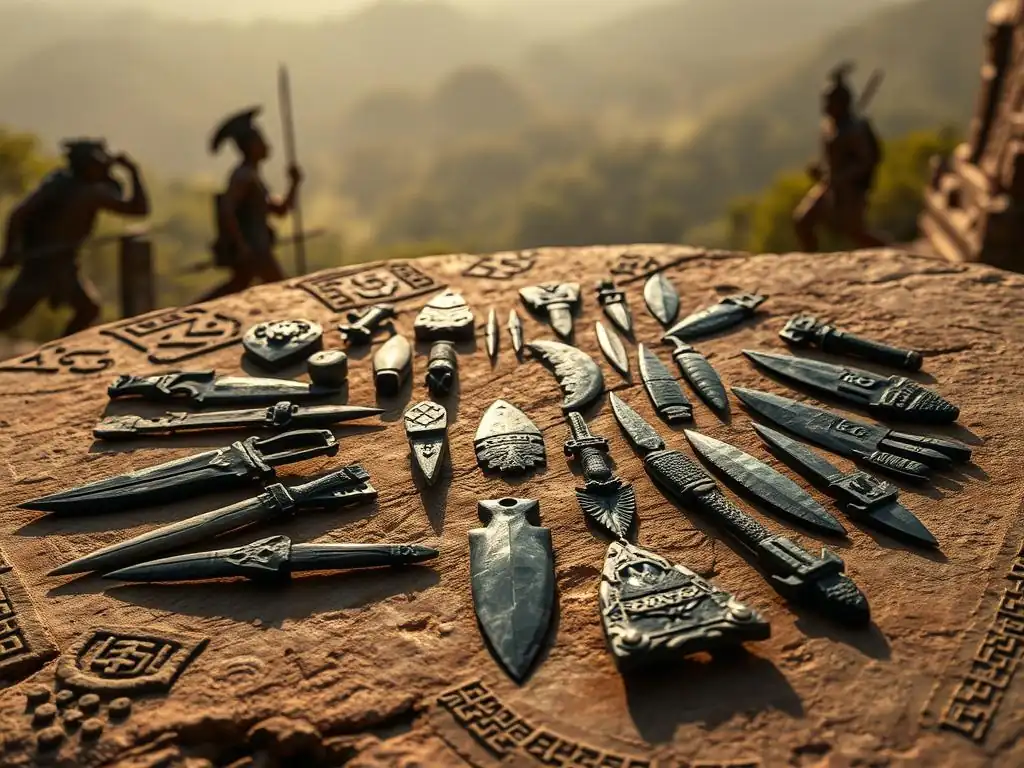
Overview of Obsidian Tool Varieties
Obsidian tools in Aztec society were integral to various aspects of daily life, agriculture, and warfare. The versatility of obsidian—a volcanic glass known for its sharpness and durability—allowed the Aztecs to create a range of tools that were not only functional but also symbolically significant. The primary varieties of obsidian tools included cutting instruments, projectile points, and ceremonial objects. Each type served a specific purpose and was crafted with remarkable skill that showcased the ingenuity of Aztec artisans.
The most common types of obsidian tools included:
- Knives and Blades: Used for everyday tasks and ritualistic ceremonies.
- Projectile Points: Essential for hunting and warfare, these were designed to be attached to various weaponry.
- Ceremonial Tools: Often intricately designed, these tools held cultural significance and were used in religious rituals.
The abundance of obsidian in regions such as the Valley of Mexico made it a favored material for these tools, highlighting the resourcefulness of the Aztec civilization in utilizing their natural environment.
Cutting Tools: Knives and Blades
Cutting tools in Aztec society were predominantly made from obsidian due to its ability to be flaked into razor-sharp edges. These knives and blades were vital for a multitude of tasks, ranging from food preparation to ritual sacrifices. The crafting process involved striking a core of obsidian with a hammerstone, creating thin, sharp flakes that were then shaped into blades.
Key Characteristics of Aztec Cutting Tools:
- Sharpness: Obsidian blades could be honed to a much finer edge than metal, making them ideal for precision cutting.
- Variety of Sizes: The Aztecs produced cutting tools in various sizes, suitable for different purposes, including large sacrificial knives and smaller, handheld blades.
- Ritual Importance: Many cutting tools were adorned with carvings or inscribed designs, reflecting their use in religious rites and ceremonies.
The use of obsidian knives in human sacrifice, a significant aspect of Aztec religion, underscores the cultural importance of these tools. They were not merely functional objects but were imbued with spiritual significance.
Projectile Points: Spearheads and Arrowheads
Projectile points, including spearheads and arrowheads, were crucial components of Aztec weaponry. The sharpness and durability of obsidian made it the material of choice for these tools, enhancing the effectiveness of Aztec warriors in both hunting and conflict.
Features of Obsidian Projectile Points:
- Design Variations: Aztec projectile points were designed in various shapes and sizes, tailored for specific weapons such as atlatls (spear-throwers) and bows.
- Flight Stability: The light weight of obsidian allowed for greater flight stability, improving accuracy when launched.
- Cultural Significance: Beyond their practical use, these tools were often decorated or shaped in ways that reflected the status of their owners or their role in rituals.
The craftsmanship of obsidian projectile points reflects the advanced skills of Aztec artisans. The strategic use of these tools in warfare played a significant role in the expansion and defense of the Aztec Empire, highlighting their importance in both societal and military contexts.
Ritual Tools: Significance in Ceremonies
In Aztec society, obsidian tools played a crucial role not only in daily life and warfare but also in their rich ceremonial practices. These tools, often intricately crafted, were considered sacred objects that connected the physical and spiritual worlds. The use of obsidian in rituals was deeply intertwined with the Aztecs' belief systems, as they viewed this volcanic glass as a material imbued with powerful properties.
One of the most notable uses of obsidian tools in rituals was during sacrificial ceremonies. The Aztecs believed that blood offerings to their gods were essential for maintaining the balance of the universe and ensuring agricultural fertility. Obsidian blades, known for their sharpness and precision, were employed to perform these sacrifices. The act of using such tools symbolized the offering of life to the gods in exchange for prosperity and protection. Ritual priests, often adorned with elaborate costumes, would utilize these blades to make swift and accurate incisions, emphasizing the tool's significance in the process.
Moreover, obsidian was also used in the creation of ritualistic artifacts, such as mirrors and figurines. These objects were often used in divination practices, where priests would interpret reflections or the images created by the obsidian's glossy surface. The reflective quality of obsidian was believed to facilitate communication with the divine, allowing the Aztecs to seek guidance and insight into future events. Such practices were essential for decision-making in both personal and political realms, showcasing the profound connection between religion and governance in Aztec society.
Additionally, the craftsmanship involved in creating ritual tools from obsidian was highly revered. Skilled artisans would meticulously shape and polish these tools, often incorporating intricate designs that reflected the cultural significance of the objects. These designs could symbolize various deities or important cosmological concepts, further enhancing the tools' spiritual value. The process of creating these items was not merely a craft but a deeply spiritual act, reinforcing the belief that the artisans were channeling divine energy through their work.
Obsidian tools held a multifaceted significance in Aztec rituals and ceremonies. Their use in sacrificial practices, divination, and as finely crafted artifacts underscores their importance in maintaining the spiritual and societal fabric of Aztec civilization. The reverence for these tools exemplifies how the Aztecs integrated material culture with their religious beliefs, making obsidian an indispensable element of their ceremonial life.
The Manufacturing Process of Obsidian Tools
The manufacturing process of obsidian tools in Aztec society was a complex and highly specialized craft that combined natural materials with skilled artistry. Obsidian, a naturally occurring volcanic glass, was valued for its sharpness and durability, making it an essential resource for various tools and weapons used in daily life and warfare. The process of creating these tools involved several crucial steps, each requiring specific knowledge and techniques.
Techniques of Obsidian Tool Production
The Aztecs employed a variety of techniques to produce obsidian tools, primarily through the methods of knapping and flaking.
- Knapping: This technique involves striking a piece of obsidian with a hard object, such as a hammerstone, to remove flakes and shape the material into tools. Knapping requires precision and an understanding of the material's fracture properties to create sharp edges.
- Flaking: Once initial shapes were created, artisans would use a more refined technique called flaking, which involved the careful removal of smaller flakes from the edge of the tool to enhance its sharpness and functionality. This technique allowed for the creation of finer tools suited for specific tasks, such as cutting or scraping.
- Bifacial Knapping: Some tools were crafted using bifacial knapping, where both sides of the tool were worked to create a symmetrical edge. This method increased the efficiency of the tools, making them more effective in both combat and daily use.
Skill and Artistry in Crafting Obsidian Tools
The creation of obsidian tools was not merely a mechanical process but also an artistic endeavor that required considerable skill and training. Aztec artisans, known as tlacuilos, were highly respected within their communities for their expertise in shaping obsidian.
- Training and Apprenticeship: Young artisans often underwent years of apprenticeship to master the techniques of obsidian tool-making. This training included understanding the properties of obsidian, selecting the right pieces, and mastering the intricate knapping techniques.
- Cultural Significance: The tools produced were often more than utilitarian objects; they were imbued with cultural significance. Many artisans decorated their tools with intricate designs or symbolic carvings, reflecting the artistic values of Aztec society.
- Specialization: Different artisans specialized in various types of tools, such as knives, arrowheads, and ceremonial blades. This specialization led to a diversity of tools that were tailored for specific purposes, showcasing the artisans’ ingenuity and creativity.
Innovations in Obsidian Tool Design
Throughout the history of the Aztec civilization, innovations in obsidian tool design significantly enhanced their effectiveness and utility. These advancements often reflected broader technological and cultural trends within Aztec society.
- Multi-functional Tools: Innovations included the development of multi-functional tools that combined several features into one. For instance, some tools were designed with notched edges for both cutting and piercing, catering to various needs in warfare and daily life.
- Ceremonial Blades: The creation of elaborate ceremonial blades, often larger and more intricately designed, demonstrated the artistry of Aztec artisans and their ability to blend functionality with aesthetics. These blades played a significant role in religious rituals and were often used in sacrifices.
- Mass Production Techniques: With the rise of the Aztec Empire, there was also a shift towards more systematic production techniques. Artisans began to use molds and templates, allowing for the mass production of certain types of tools, which ensured a steady supply for both military and domestic use.
The significance of obsidian tools in Aztec society is deeply rooted in their manufacturing processes, the skill and artistry of the artisans, and the innovative designs that emerged over time. These tools not only served practical purposes but also held cultural and symbolic meanings, reflecting the advanced civilization of the Aztecs prior to European contact.
The Cultural Significance of Obsidian Tools
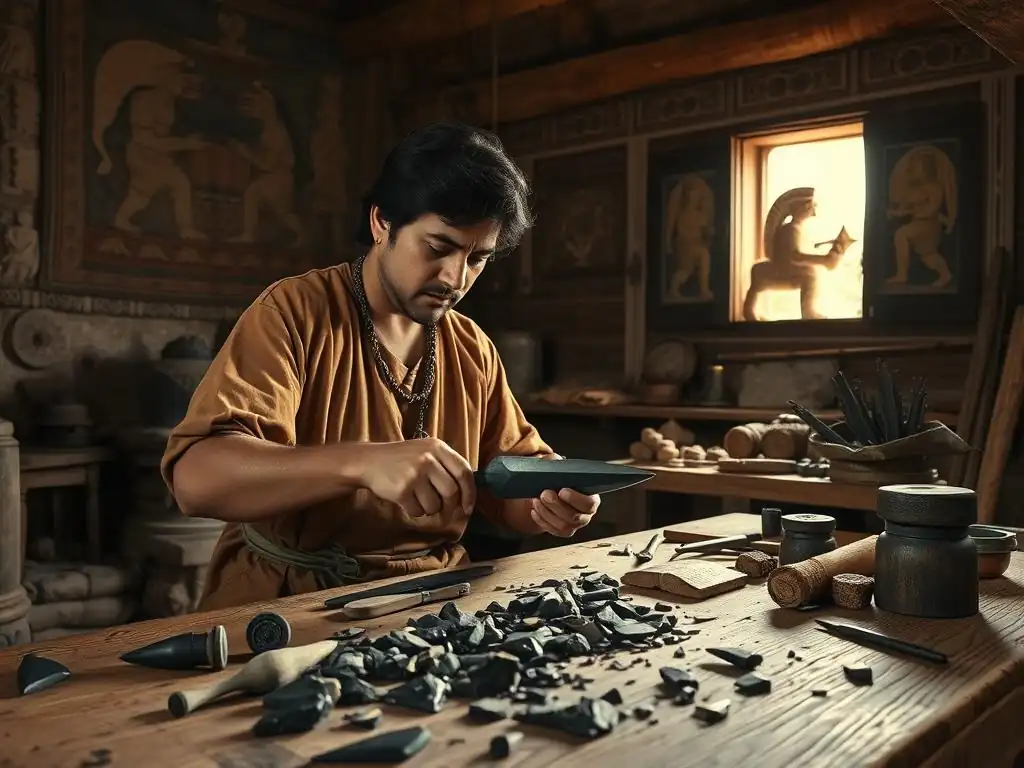
Obsidian, a naturally occurring volcanic glass, played a pivotal role in the culture, economy, and warfare of the Aztec civilization. Its unique properties made it highly sought after for crafting tools and weapons, which were integral to various aspects of daily life. Beyond its practical applications, obsidian also held deep cultural and spiritual significance for the Aztecs, influencing their beliefs and practices. This section delves into the multifaceted importance of obsidian tools within Aztec society.
Obsidian Tools in Daily Life and Agriculture
Obsidian tools were essential in various facets of daily life among the Aztecs. The sharpness and durability of obsidian made it ideal for creating cutting tools, which were used in agriculture, cooking, and crafting. Some key applications included:
- Agricultural Implements:
- Hoes and Scrapers: Farmers utilized obsidian blades to cultivate the land and harvest crops such as maize, beans, and squash.
- Fish Hooks: Aztec fishermen crafted sharp obsidian hooks, enhancing their ability to catch fish, a vital food source.
- Cooking and Food Preparation:
- Knives: Obsidian knives were preferred for slicing meat and preparing food due to their razor-sharp edges.
- Mortars and Pestles: Some mortars were made with obsidian inlays, aiding in grinding spices and grains.
- Crafting and Artistry:
- Decorative Items: Artisans fashioned intricate jewelry and ceremonial masks from obsidian, showcasing their craftsmanship and cultural identity.
The utility of obsidian tools significantly improved productivity and efficiency in various sectors, thereby supporting the growing population of the Aztec Empire.
Symbolic Meaning of Obsidian in Aztec Beliefs
In addition to its practical uses, obsidian held profound symbolic meaning in Aztec cosmology and rituals. It was often associated with various deities and concepts, including:
- Tezcatlipoca: The god of the night sky and sorcery, Tezcatlipoca was often linked with obsidian, which represented both power and the duality of life and death. Obsidian mirrors were used in rituals to communicate with the divine.
- Symbol of Sacrifice: The sharp blades of obsidian tools were emblematic of the Aztec practice of sacrifice, integral to their religious beliefs. The act of sacrifice was seen as a way to nourish the gods, and obsidian blades were commonly used in these ceremonies.
- Protection and Warfare: Obsidian's dark, glassy surface was believed to hold protective qualities. Warriors often adorned themselves with obsidian talismans, symbolizing strength and invincibility in battle.
This spiritual significance reinforced the importance of obsidian within Aztec culture, transcending its physical utility and elevating it to a sacred status.
The Impact of Obsidian Tools on Aztec Society and Economy
The production and trade of obsidian tools had lasting effects on Aztec society and its economy. Several key impacts include:
- Economic Trade Networks:
- Obsidian was a valuable commodity, traded extensively throughout the Mesoamerican region. The Aztecs established trade routes that connected them with other cultures, facilitating the exchange of obsidian tools for goods such as textiles, food, and luxury items.
- Specialization and Craftsmanship:
- The demand for obsidian tools led to the rise of specialized craftsmen known as "tecpan," who honed their skills in crafting these tools. This specialization contributed to economic growth and enhanced the complexity of Aztec society.
- Military Advantage:
- The superior sharpness of obsidian weapons provided the Aztecs with a significant advantage in warfare. The ability to produce effective cutting instruments quickly allowed them to maintain a powerful military presence, further expanding their territory and influence.
- Cultural Exchange:
- The trade of obsidian tools not only bolstered the economy but also facilitated cultural exchange between the Aztecs and neighboring civilizations. This exchange enriched the artistic and social fabric of Aztec society, as they adopted and adapted various practices and technologies.
Obsidian tools were not merely functional artifacts within Aztec society; they were integral to the economic, spiritual, and military fabric of the civilization, underscoring their lasting significance in the historical narrative of the Aztec Empire.
The Role of Obsidian Tools in Aztec Warfare

Obsidian tools played a crucial role in the warfare strategies of the Aztec civilization. This naturally occurring volcanic glass was not only abundant in Mesoamerica but also highly prized for its sharpness and durability. The Aztecs utilized obsidian to create a variety of weapons, including swords, spears, and arrowheads, which were integral to their military success. The effectiveness of these tools stemmed from both their physical properties and the cultural significance they held within Aztec society.
Strategic Advantages of Obsidian Weapons
The strategic advantages of obsidian weapons in Aztec warfare can be categorized into several key points:
- Sharpness and Cutting Power: Obsidian blades can be honed to a molecular edge, making them significantly sharper than metal blades. This allowed Aztec warriors to inflict deeper wounds and increase the lethality of their attacks.
- Lightweight Nature: Obsidian tools were relatively lightweight compared to metal weapons, enabling greater agility and speed for warriors in battle. This advantage was particularly beneficial during skirmishes and close combat situations.
- Ease of Production: The process of flaking obsidian to create weapons was less resource-intensive than smelting metals. As a result, the Aztecs could produce large quantities of weapons efficiently, ensuring that their armies were well-equipped.
- Symbolic Value: Obsidian held significant spiritual importance in Aztec culture. Its use in warfare was not merely practical; it also symbolized the connection between the gods and the warriors, reinforcing the belief that they were fighting with divine support.
Notable Battles Involving Obsidian Tools
Several significant battles in Aztec history showcased the effectiveness of obsidian tools:
- Battle of Tenochtitlan (1519): This pivotal conflict against the Spanish conquistadors highlighted the power of Aztec obsidian weapons. Aztec warriors, armed with macuahuitls (obsidian-edged swords) and atlatls (spear-throwers), engaged in fierce combat. Despite their eventual defeat, the effectiveness of their obsidian weaponry showcased their martial prowess.
- Battle of the Great Temple (1487): During the dedication of the Templo Mayor, the Aztecs engaged in a series of ritual warfare that involved the use of obsidian weapons against rival city-states. The battles were characterized by intense close-quarters fighting, where the sharpness of obsidian blades proved crucial in hand-to-hand combat.
- Siege of Cholula (1519): In a display of military strategy, the Aztecs used obsidian tools in their siege tactics, showcasing their ability to adapt their warfare techniques. The use of obsidian projectiles significantly impacted the outcome of this siege, leading to a decisive Aztec victory.
The Transition from Obsidian to Metal Weapons
With the arrival of European colonizers in the early 16th century, a significant transition occurred in weaponry among the Aztecs. The introduction of metal weapons, particularly steel, began to replace traditional obsidian tools. This transition can be examined through several factors:
- Durability of Metal: Although obsidian tools were effective, metal weapons offered greater durability in prolonged combat situations. Steel swords and firearms could withstand the rigors of battle better than their obsidian counterparts.
- Access to European Technology: The Spanish conquest brought new technological advancements, including the production of steel weapons. As the Aztecs were exposed to these new tools, some began to adopt them for their military needs.
- Cultural Shift: The shift to metal weaponry also reflected a broader cultural change within the Aztec society as they faced the overwhelming military power of European forces. The adaptation to metal tools represented a survival strategy in the face of colonial threats.
- Legacy of Obsidian Tools: Despite the transition, obsidian tools remained significant in the cultural memory of the Aztecs. They continued to be used in rituals and as symbolic artifacts, illustrating their lasting impact on Aztec identity even as warfare evolved.
Obsidian tools played an essential role in Aztec society and warfare, providing both practical advantages and cultural significance. Their effectiveness in battle and the subsequent transition to metal weapons mark a pivotal chapter in the history of the Aztec civilization, reflecting both their ingenuity and the dramatic changes brought about by European contact.
Archaeological Discoveries and Obsidian Tools
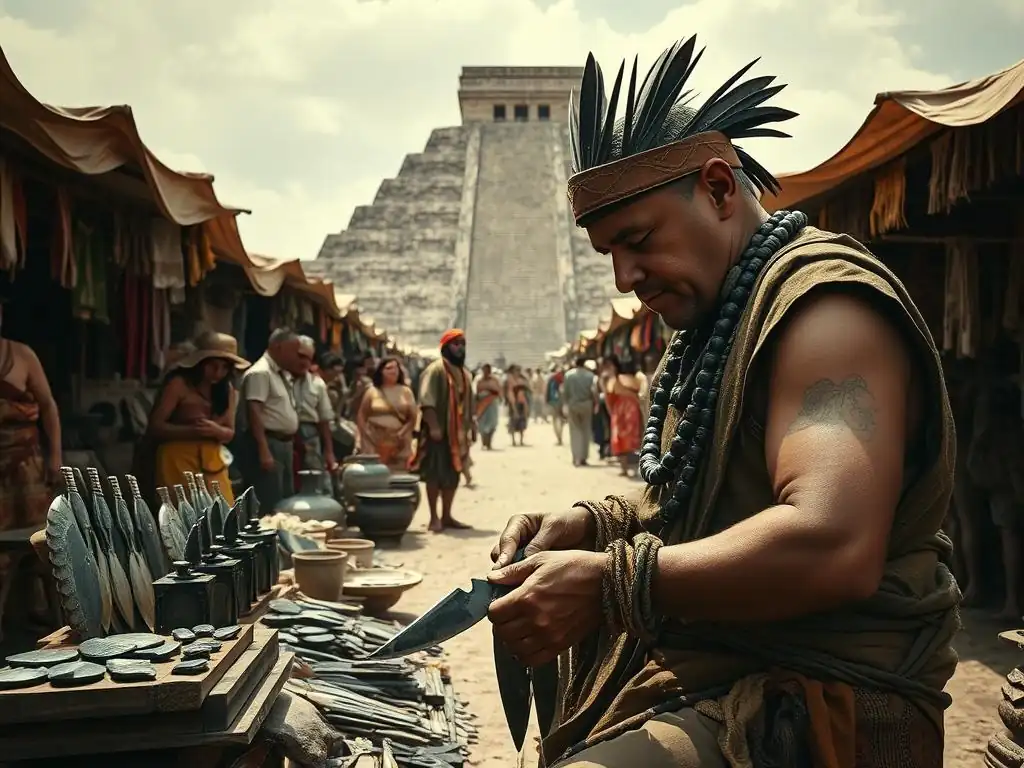
The archaeological discoveries surrounding obsidian tools in Aztec society reveal much about the technological sophistication and cultural practices of this civilization. Obsidian, a naturally occurring volcanic glass, was highly prized for its sharpness and durability, making it an essential material for crafting tools and weapons. The extensive use of obsidian tools in Aztec society not only showcases their advanced craftsmanship but also reflects the strategic importance of these tools in warfare and daily life.
Key Archaeological Sites with Obsidian Findings
Numerous archaeological sites across present-day Mexico have yielded significant obsidian artifacts, shedding light on their use and significance within Aztec culture. Key sites include:
- Teotihuacan:
- This ancient city is known for its monumental architecture and extensive trade networks. Archaeological excavations have uncovered numerous obsidian tools, including blades and projectile points, indicating that the city was a major center for obsidian production and distribution.
- Tenochtitlan:
- The capital of the Aztec Empire, Tenochtitlan, has provided a wealth of obsidian artifacts. Excavations have revealed workshops where artisans crafted tools and weapons, highlighting the importance of obsidian in the city’s economy and military strategies.
- Cerro de la Estrella:
- This site, located in the Valley of Mexico, has yielded a variety of obsidian tools used in ceremonial contexts. The findings suggest that obsidian also held a significant symbolic value in Aztec religion and ritual practices.
- Texcoco:
- As an important Aztec city, Texcoco's archaeological sites have uncovered obsidian tools that were likely used in both warfare and agricultural practices, demonstrating the multifaceted uses of this material in daily life.
Insights Gained from Obsidian Artifacts
The study of obsidian tools in Aztec society has provided valuable insights into their technological advancements and social structures. Some significant findings include:
- Manufacturing Techniques:
- Analysis of obsidian flakes and tools has revealed sophisticated knapping techniques, allowing artisans to create sharp implements for a variety of purposes. This skill reflects a deep understanding of material properties and craftsmanship.
- Trade Networks:
- The distribution of obsidian artifacts across different regions indicates extensive trade networks. Obsidian came from specific sources, such as the Pachuca and Otumba regions, suggesting that the Aztecs engaged in long-distance trade to acquire high-quality materials.
- Cultural Significance:
- Obsidian tools were not merely utilitarian; they also held cultural significance. The presence of obsidian in ritual contexts indicates its role in religious and ceremonial practices, reinforcing the connection between material culture and spirituality in Aztec society.
- Military Applications:
- The prevalence of obsidian weapons such as arrowheads and knives underscores their importance in warfare. The sharpness of obsidian tools gave the Aztecs a tactical advantage in battles, contributing to the expansion and maintenance of their empire.
Preservation and Study of Obsidian Tools Today
The preservation and study of obsidian tools continue to be a focal point for archaeologists and historians interested in Aztec society. Modern techniques and methodologies enhance our understanding of these artifacts:
- Conservation Efforts:
- Many obsidian artifacts are preserved in museums and archaeological sites, where conservation efforts aim to protect them from deterioration. Controlled environments help maintain the integrity of these delicate materials.
- Technological Advances:
- Advances in imaging technology, such as 3D scanning and digital modeling, allow researchers to analyze obsidian tools without damaging the artifacts. These methods facilitate detailed studies of manufacturing techniques and usage patterns.
- Collaborative Research:
- Interdisciplinary collaboration among archaeologists, historians, and materials scientists has led to new insights into the production and use of obsidian tools. This collective effort enhances our understanding of the social and cultural context surrounding these artifacts.
- Public Engagement:
- Educational programs and exhibitions featuring obsidian tools help raise awareness about the significance of these artifacts in Aztec history. By engaging the public, museums and institutions foster a greater appreciation for the complexities of indigenous civilizations.
The ongoing study of obsidian tools in Aztec society not only enriches our knowledge of this remarkable civilization but also underscores the importance of preserving their legacy for future generations.
Conclusion: The Lasting Legacy of Obsidian Tools in Aztec Society
The legacy of obsidian tools in Aztec society is a remarkable testament to the ingenuity and resourcefulness of indigenous civilizations. These tools were not merely implements of daily life; they were integral to the very fabric of Aztec culture, impacting everything from warfare to trade, and even religious practices. The high-quality, sharp edges of obsidian allowed for precise cutting and carving, which made them invaluable for both practical and ceremonial uses.
The significance of these tools extends beyond their immediate utility. Obsidian became a symbol of power and prestige, often associated with the gods and the elite classes within Aztec society. The extensive trade networks established by the Aztecs facilitated the distribution of obsidian, which further solidified its status as a coveted material. Through their craftsmanship, the Aztecs not only utilized obsidian but also transformed it into a medium of artistic expression, creating intricate designs and forms that reflected their rich cultural heritage.
Reflection on Obsidian's Role in Indigenous Civilizations
Obsidian tools played a crucial role in the survival and development of many indigenous civilizations in the Americas. For the Aztecs, the ability to create sharp, durable tools from this volcanic glass allowed them to cultivate their land, prepare food, and engage in warfare effectively. These tools were essential for agricultural practices, enabling the Aztecs to achieve remarkable agricultural productivity in their chinampas, or floating gardens.
Moreover, obsidian's significance went beyond mere functionality. It was imbued with cultural and spiritual meaning. The Aztecs often used obsidian in rituals and sacrifices, believing that it held the power to connect them with their deities. This connection between the material and the spiritual highlights the multifaceted role that obsidian played within indigenous cultures, serving as both a practical resource and a sacred element.
The Influence of Aztec Obsidian Tools on Contemporary Understanding
The study of obsidian tools has significantly influenced contemporary understanding of Aztec society and its technological advancements. Archaeologists have uncovered numerous obsidian artifacts that reveal insights into the craftsmanship, trade routes, and social structures of the Aztecs. By analyzing these tools, researchers can infer patterns of consumption, specialization in artisanry, and even aspects of social hierarchy within Aztec communities.
Furthermore, the examination of obsidian sources and distribution patterns aids in reconstructing trade networks that were vital to the Aztec economy. The presence of obsidian from specific sources in archaeological sites can indicate trade relationships and cultural exchanges between different civilizations. This understanding enriches the narrative of pre-colonial history in the Americas, illuminating the complexity and interconnectedness of indigenous societies.
Future Research Directions on Obsidian in the Americas
As research into obsidian tools continues to evolve, several directions hold promise for future exploration. One key area is the application of advanced technologies, such as geochemical analysis and sourcing techniques, which can provide deeper insights into the origin of obsidian artifacts and their movement across vast distances. This can enhance our understanding of trade dynamics and cultural interactions among various indigenous groups.
Additionally, interdisciplinary approaches that combine archaeology, anthropology, and material science can yield more nuanced interpretations of the role of obsidian in indigenous societies. Exploring how these tools influenced social organization, ritual practices, and identity formation could provide a richer understanding of their significance.
Finally, engaging with contemporary indigenous communities may offer valuable perspectives on the cultural heritage associated with obsidian. Collaborative research efforts that honor indigenous knowledge and traditions can help bridge gaps in understanding and foster a more inclusive narrative of the past.
The study of obsidian tools in Aztec society not only sheds light on the technological prowess of indigenous civilizations but also opens avenues for exploring their profound cultural significance.
Frequently Asked Questions
What role did obsidian tools play in Aztec society?
Obsidian tools were crucial in Aztec society for both daily life and warfare, enabling efficient cutting and hunting, and serving as symbolic items in rituals.
How were obsidian tools manufactured by the Aztecs?
The Aztecs expertly crafted obsidian tools through techniques like knapping, which allowed them to create sharp blades and weapons from the volcanic glass.
What were some common uses of obsidian tools in the Aztec culture?
In Aztec culture, obsidian tools were used for farming, hunting, and sacrificial rituals, highlighting their importance in both survival and spirituality.
Did the Aztecs trade obsidian tools?
Yes, the Aztecs were known to engage in trade involving obsidian tools, exchanging them with neighboring societies, which indicates their economic significance.
What impact did obsidian tools have on Aztec warfare?
Obsidian tools, particularly weapons, provided the Aztecs with a strategic advantage in warfare, allowing them to inflict serious injuries on their enemies with their sharp edges.
Final Reflection: The Enduring Legacy of Obsidian Tools in Aztec Society
The significance of obsidian tools in Aztec society resonates profoundly in our contemporary understanding of cultural heritage and technological innovation. These tools were not merely instruments of warfare; they represented the ingenuity and resourcefulness of a civilization that thrived in harmony with its environment. The precision and sharpness of obsidian blades symbolize the intricate relationship between technology and society, reminding us that the tools we create can define our existence and influence our legacies.
The impact of obsidian tools extends beyond their physical use; they are a testament to the Aztecs' sophisticated craftsmanship and their strategic prowess in warfare. Today, we see echoes of this legacy in how societies value innovation and adapt to their surroundings. The Aztecs harnessed the natural resources available to them, shaping their culture and identity through their tools. As historian Matthew Restall aptly stated, The Aztecs were not just warriors; they were artisans, engineers, and innovators who transformed their world through the mastery of materials.
This observation invites us to appreciate the multifaceted nature of technological advancement and its role in shaping societal structures.
As we reflect on the lessons from Aztec society, let us consider how we can apply these insights to our own lives. What tools do we create, and how do they define our interactions with the world? I encourage you to explore the resources at your disposal, whether they be technological, artistic, or intellectual, and think about how they can be used to foster creativity, collaboration, and resilience in your community. Embrace the spirit of innovation that the Aztecs exemplified, and let it inspire you to forge your own path, leaving a meaningful legacy for future generations.
Unleash the Power of Obsidian: Take Action Today!
Thank you for exploring the fascinating world of obsidian tools in Aztec society and warfare with us! You've uncovered the significant role these powerful artifacts played, and now it's time to deepen your connection with this incredible aspect of Indigenous history.
Here’s how you can take action and continue your journey:
- Explore further: Dive into our extensive resources on Indigenous innovations. Visit our website to discover articles, videos, and discussions that will enrich your understanding of ancient societies.
- Share your insight: Talk about what you’ve learned with friends or on social media! Use the hashtag #IndigenousInnovation to join the conversation and connect with others who share your interests.
- Support Indigenous artisans: Seek out local artisans who create obsidian tools or replicas. By purchasing their work, you help preserve cultural heritage and support Indigenous communities.
What aspect of Indigenous technologies inspires you the most? Share your thoughts in the comments below!