
Rituals and Ceremonies: The Spiritual Practices of Cahokia's Inhabitants

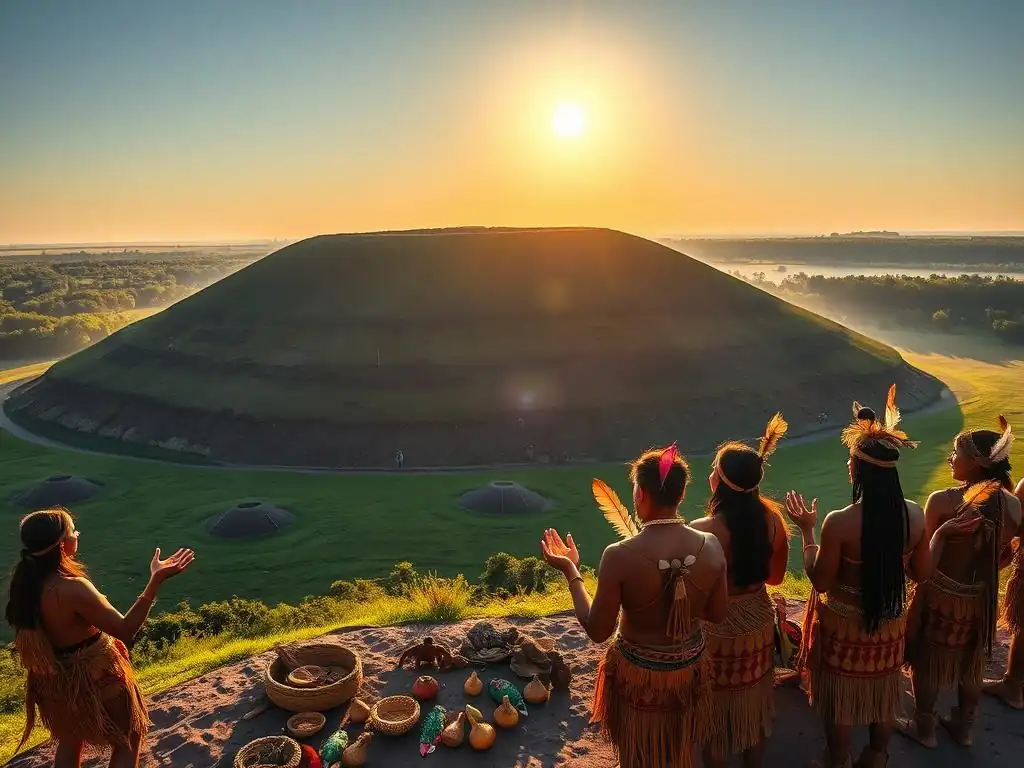
Welcome to Indigenous Civilizations of the Americas, where we embark on a journey through the rich tapestry of indigenous cultures that flourished across the Americas long before European colonization. Dive deep into the Cahokia spiritual practices and rituals, where sacred ceremonies and profound beliefs shaped the lives of its inhabitants. Discover the mysteries behind their rituals, and unearth how these spiritual practices not only defined their society but also continue to resonate today. Prepare to be captivated as you explore the archaeological discoveries that reveal the profound legacy of these remarkable civilizations. Your adventure into the past begins now!
- Introduction to Cahokia's Spiritual Practices and Rituals
- Understanding Cahokia: The City of Mounds
- Cahokia Spiritual Practices and Rituals
- Ceremonial Structures and Sacred Spaces
- Significant Rituals and Their Meanings
- The Role of Spiritual Leaders and Shamans
- Art and Symbolism in Cahokia's Spiritual Practices
- Impact of Spiritual Practices on Cahokia's Society
- Decline of Cahokia and Its Spiritual Legacy
- Conclusion: The Enduring Spirit of Cahokia
-
Frequently Asked Questions
- What were the main spiritual practices of the Cahokia people?
- How did the Cahokians demonstrate their connection to their spirituality?
- What role did nature play in Cahokia's spiritual rituals?
- Were there specific deities worshipped by the Cahokians?
- How did Cahokia's rituals influence their society?
- Final Reflection: The Enduring Legacy of Cahokia's Spiritual Practices
- Unveil the Spiritual Legacy: Take Action Today!
Introduction to Cahokia's Spiritual Practices and Rituals
Cahokia, a thriving urban center of the Mississippian culture, stands as a testament to the rich tapestry of indigenous civilizations that flourished across the Americas long before European contact. Nestled near present-day St. Louis, Missouri, this monumental city was not only a hub of trade and governance but also a focal point for spiritual and ceremonial life.
The intricate Cahokia spiritual practices and rituals reflect a deep connection to the natural world and the cosmos, which played a pivotal role in the daily lives and societal structures of its inhabitants. This article aims to delve into the fascinating world of Cahokia's spiritual practices, highlighting their significance in shaping the cultural identity of this remarkable civilization.
Overview of Cahokia's Cultural Significance
Cahokia is often regarded as one of the most sophisticated prehistoric urban centers in North America, with its peak occurring around 1050 to 1200 CE. At its height, the city boasted a population of tens of thousands, featuring monumental earthen mounds, including the iconic Monks Mound, which served both ceremonial and political purposes. The layout of Cahokia was meticulously planned, reflecting a society that valued order and community.
The cultural significance of Cahokia is evident not only in its architectural achievements but also in its complex social structure. The inhabitants practiced a form of governance that intertwined political and spiritual leadership, showcasing a society where rituals and ceremonies were integral to everyday life. These practices were not merely religious but were also tied to agricultural cycles, seasonal changes, and communal harmony.
Key elements of Cahokia's cultural landscape include:
- Mound Building: The construction of mounds served as a physical manifestation of spiritual beliefs.
- Trade Networks: Cahokia was a center for trade, connecting various indigenous groups and facilitating cultural exchange.
- Artistic Expression: Artifacts such as pottery, shell jewelry, and stone carvings often held spiritual significance.
Importance of Spirituality in Indigenous Civilizations
Spirituality played a foundational role in the lives of indigenous peoples across the Americas, serving as a means to connect with the divine, understand the natural world, and foster community cohesion. In the case of Cahokia, spiritual practices were deeply embedded in both individual and collective identities, guiding the inhabitants in their interactions with the environment and each other.
The importance of spirituality in Cahokia can be understood through several key aspects:
- Rituals as a Community Bond: Ceremonies brought people together, reinforcing social ties and shared beliefs.
- Connection to Nature: Spiritual practices often emphasized the interconnectedness of all living things, promoting respect for the earth and its resources.
- Guidance in Daily Life: Spiritual rituals provided frameworks for ethical living and decision-making, influencing everything from agricultural practices to conflict resolution.
By exploring the Cahokia spiritual practices and rituals, we gain insight into how these traditions shaped not only the lives of the Cahokians but also the broader narrative of indigenous cultures across the Americas. Understanding these practices allows us to appreciate the complexity and sophistication of their worldviews, which continue to resonate in contemporary discussions about indigenous identity and heritage.
Understanding Cahokia: The City of Mounds
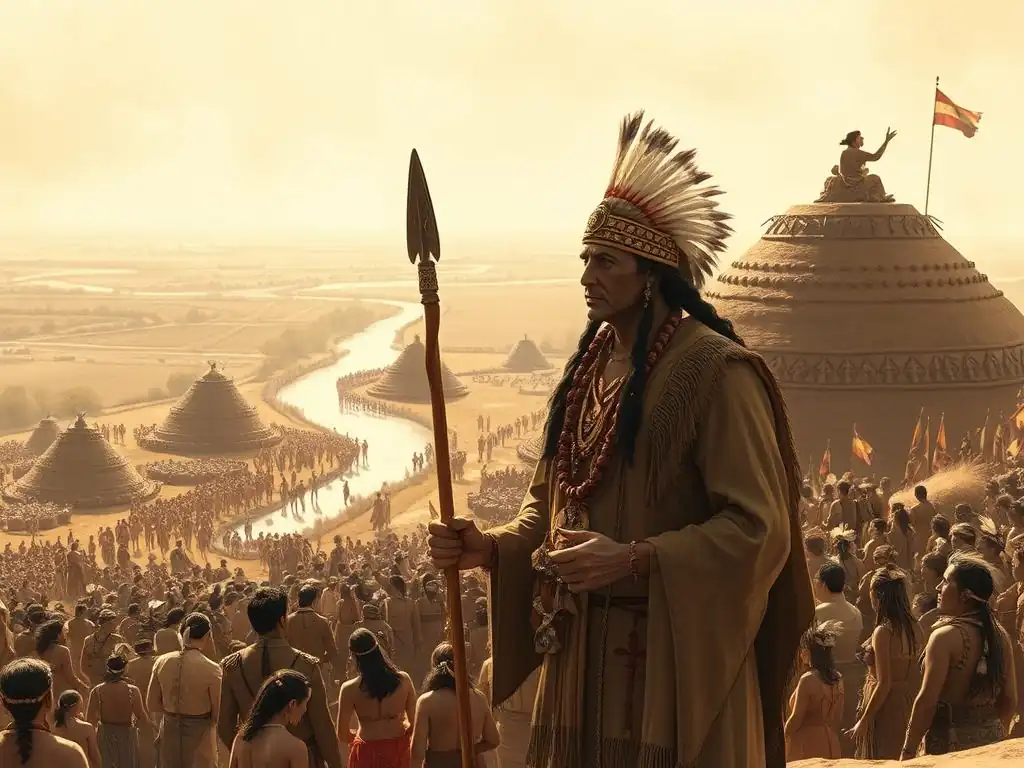
Cahokia, located near modern-day Collinsville, Illinois, stands as one of the most remarkable archaeological sites of the pre-Columbian Americas. As the largest urban center of the Mississippian culture, Cahokia flourished between 600 and 1400 CE, showcasing a complex society with intricate social structures and advanced agricultural practices. The city is renowned for its impressive earthen mounds, which served not only as burial sites but also as platforms for ceremonial activities, underscoring the spiritual practices and rituals of its inhabitants.
Historical Context of Cahokia's Development
Cahokia's rise is deeply intertwined with its strategic location along the confluence of the Mississippi, Missouri, and Illinois rivers. This prime geographic setting provided ample resources for agriculture, hunting, and trade, facilitating the growth of a vibrant community. The Mississippian culture, characterized by its mound-building practices and complex societal structures, began to take shape in this area around 900 CE.
- Agricultural Innovations: The Cahokians practiced intensive farming techniques, cultivating staple crops such as maize, beans, and squash. This agricultural surplus allowed for population growth and the specialization of labor.
- Trade Networks: Cahokia became a hub for trade, connecting various indigenous groups across North America. Artifacts such as shell, copper, and pottery from distant regions have been discovered at the site, highlighting the extensive trade networks established by Cahokia’s inhabitants.
- Socio-Political Organization: The city was likely governed by a chiefdom, where leaders wielded power through both political and spiritual means. The construction of monumental mounds may have reflected the social hierarchy, with elites residing near or atop these structures.
The historical context of Cahokia emphasizes how its inhabitants developed a sophisticated society that was intricately linked to their environment and resources.
Key Features of Cahokia's Monumental Architecture
Cahokia is best known for its extensive earthen mounds, which served various purposes and played a central role in the spiritual practices and rituals of its people. The architecture of Cahokia reveals much about the cultural and religious life of its inhabitants.
- Monk's Mound: The largest and most iconic structure at Cahokia, Monk's Mound, stands over 100 feet tall and covers 14 acres. This massive platform was likely the site of important ceremonies and possibly the residence of a chief. Its construction involved the careful placement of soil, which required significant labor and organization.
- Woodhenge: This circular arrangement of wooden posts is believed to have served as a solar calendar, marking significant seasonal events. The alignment of the posts with the sun's movement indicates the importance of astronomy in Cahokian rituals.
- Burial Mounds: Numerous burial mounds dot the landscape, indicating that the Cahokians practiced complex funerary rituals. These mounds often contained grave goods, suggesting a belief in an afterlife and the importance of the deceased’s status in society.
- Ceremonial Centers: The layout of Cahokia included plazas and other open spaces designed for gatherings and rituals. These areas fostered community engagement and were likely the sites of important spiritual events.
The monumental architecture of Cahokia not only reflects the ingenuity and labor of its inhabitants but also underscores the central role of spiritual practices and rituals in shaping their society. The mounds and ceremonial sites continue to be a source of fascination and study, revealing the profound connection between the Cahokians and their spiritual beliefs.
Cahokia Spiritual Practices and Rituals
Definition of Spiritual Practices in Indigenous Cultures
Spiritual practices among indigenous cultures, including those of Cahokia, encompass a wide array of beliefs, rituals, and traditions that reflect their understanding of the world, the natural environment, and the divine. These practices often serve to strengthen community bonds, preserve cultural identity, and connect individuals with their ancestors and the cosmos.
In the context of Cahokia, spirituality was not merely a set of beliefs but an integral aspect of daily life. It involved rituals that were tied to agriculture, seasonal changes, and communal gatherings. These rituals often emphasized the importance of harmony with nature, reflecting the Cahokians' reliance on the earth for sustenance. The spiritual practices often included:
- Ceremonial offerings: Items such as food, tools, and crafted goods were offered to the spirits as a sign of gratitude and respect.
- Ritual supplication: Prayers and chants were performed to seek guidance or favor from the spiritual realm.
- Festivals and communal events: These gatherings provided opportunities for communal bonding, storytelling, and the passing down of traditions.
Understanding these spiritual practices offers insight into how the Cahokians viewed their place in the universe and their relationship with the divine.
Types of Rituals Practiced by Cahokia's Inhabitants
Cahokia's inhabitants engaged in a variety of rituals that served both spiritual and communal purposes. These rituals were deeply rooted in their agricultural lifestyle and the changing seasons. Here are some of the prominent types of rituals practiced:
- Agricultural Ceremonies
- Planting and Harvesting Rituals: Ceremonies were conducted before planting and after harvesting crops. These rituals included offerings to the earth and prayers for bountiful yields. The ceremonial planting of maize, for instance, was often accompanied by specific songs and dances.
- Thanksgiving Ceremonies: After the harvest, the community would gather to give thanks to the spirits for their blessings. This involved feasting, dancing, and sharing stories that reinforced cultural identity.
- Rituals of Transition
- Rites of Passage: Important life transitions such as birth, puberty, marriage, and death were marked by elaborate rituals. For example, coming-of-age ceremonies for young adults included tests of strength and endurance, followed by communal celebrations.
- Funerary Practices: The Cahokians believed in an afterlife, leading to complex burial rituals. The deceased were often buried with grave goods, and ceremonies were held to honor their passage into the spirit world.
- Seasonal Festivals
- Solstice and Equinox Ceremonies: These were significant times for the Cahokians, marking the changing of seasons. Rituals included music, dance, and the building of ceremonial mounds, which served as focal points for these gatherings.
- Cultural Celebrations: Festivals celebrating historical events or honoring specific deities were common. These events fostered unity and reinforced social structures within the community.
- Healing and Shamanic Practices
- Healing Rituals: Shamans played a crucial role in Cahokian spirituality. They conducted rituals to heal the sick, which often involved chanting, herbal remedies, and the invocation of spiritual entities.
- Vision Quests: Individuals seeking guidance or clarity would embark on vision quests, which involved fasting and solitude in nature to receive spiritual insights.
The diversity of these rituals highlights the complexity of Cahokia's spiritual life, demonstrating how interconnected their practices were with their social structures and the environment. Understanding these rituals provides a deeper appreciation for the Cahokians' rich cultural heritage and their lasting impact on the Americas.
Ceremonial Structures and Sacred Spaces
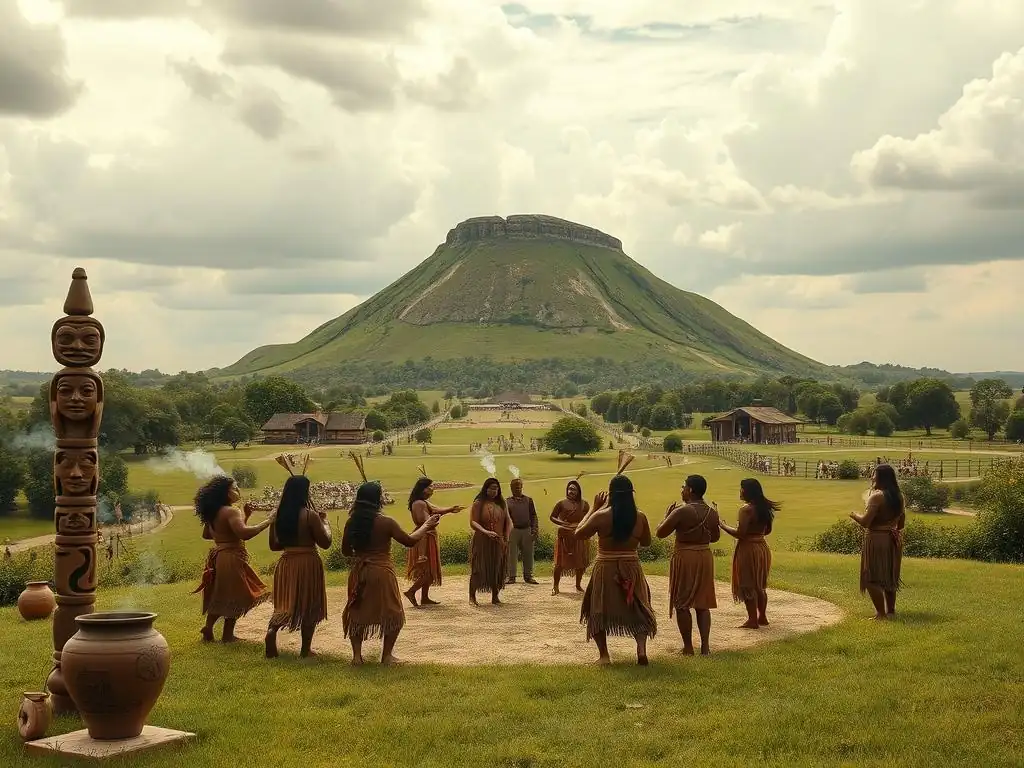
Cahokia, one of the most significant pre-Columbian urban centers in North America, was not just a hub of economic and political activity; it was also a focal point for spiritual practices and rituals. The city’s landscape was intricately designed with various ceremonial structures and sacred spaces that played a crucial role in the spiritual life of its inhabitants. These spaces were integral to the community's identity and their connection to the cosmos, reflecting their beliefs and values.
The primary feature of Cahokia's ceremonial architecture is the mound. These earthen structures served multiple purposes, from burial sites to platforms for religious activities. Each mound was carefully constructed, often aligned with astronomical events, underscoring the sophistication of Cahokian cosmology. Notably, the construction of these mounds involved extensive labor and community cooperation, indicating their importance to Cahokian society.
The Role of Mounds in Spiritual Ceremonies
Mounds in Cahokia were central to spiritual ceremonies, serving as the venues for various rituals that reinforced social cohesion and cultural identity. The Monks Mound, the largest and most prominent mound, was likely the site of significant rituals, including:
- Rituals of Renewal: These ceremonies celebrated the cycles of agriculture and the changing seasons, emphasizing the community's connection to the earth.
- Burial Practices: Certain mounds were designated for the burial of elite individuals, with grave goods that reflected their status and role in spiritual life. This practice highlighted a belief in an afterlife and the importance of the ancestors.
- Astronomical Observations: Some mounds were aligned with celestial bodies, indicating that Cahokians conducted ceremonies that coincided with solstices and equinoxes, linking their spirituality to the cosmos.
The use of mounds in rituals also facilitated gatherings, fostering a sense of unity and shared purpose among the inhabitants of Cahokia. These communal experiences were vital in reinforcing cultural narratives and spiritual beliefs.
Key Ceremonial Locations in Cahokia
Several key ceremonial locations within Cahokia stand out for their significance in the spiritual practices and rituals of its inhabitants:
- Monks Mound: As previously mentioned, this monumental structure served as a platform for important rituals, including seasonal ceremonies and possibly even the coronation of leaders. The mound's height allowed inhabitants to engage with the divine from a vantage point, symbolizing a bridge between earth and sky.
- Woodhenge: This circular arrangement of wooden posts functioned as a solar calendar, marking important agricultural dates. Ceremonies conducted here revolved around planting and harvesting, deeply rooted in the rhythms of nature.
- The Grand Plaza: This expansive area was the heart of Cahokia’s social and ceremonial life. It hosted large gatherings, festivals, and rituals that celebrated the community’s shared identity. The Grand Plaza was a place where spiritual leaders could address the community, reinforcing social hierarchies and cultural values.
- Mound 72: Known for its elaborate burial practices, this mound contained the remains of a high-status individual accompanied by numerous grave goods, including offerings for the afterlife. The rituals associated with this mound reflected the spiritual beliefs surrounding death and the afterlife.
These locations are vital to understanding Cahokia spiritual practices and rituals, as they reveal the complex interplay between the physical environment and the spiritual beliefs of its inhabitants. The careful planning and construction of these structures underscore the importance of ritual in maintaining social order and cultural continuity within this remarkable civilization.
Significant Rituals and Their Meanings
Rituals and ceremonies were integral to the spiritual life of Cahokia's inhabitants, serving as a bridge between the physical and spiritual worlds. These practices not only underscored the community's profound connection to nature and the cosmos but also reinforced social cohesion among its members. By examining the various rituals, we can discern the values and beliefs that shaped Cahokia's complex society.
Agricultural Rituals: Connecting with the Earth
Agricultural rituals in Cahokia revolved around the cycles of planting and harvesting, reflecting the community's reliance on maize cultivation. These rituals were not merely practical; they were imbued with spiritual significance, designed to ensure bountiful crops and maintain harmony with the earth.
- Planting Ceremonies: Often held at the beginning of the planting season, these ceremonies involved communal gatherings where offerings were made to the earth and agricultural deities. Participants would engage in chants and dances, invoking blessings for fertility and protection from pests and disease.
- Harvest Festivals: After the harvest, the Cahokians celebrated their bounty through elaborate festivals. These gatherings not only allowed for communal feasting but also served as platforms for storytelling and the reaffirmation of cultural identity. Rituals included the sharing of food, music, and dance, reinforcing social bonds and expressing gratitude to the earth.
- Ritual Tools: Specific tools, such as digging sticks and ceremonial vessels, played a vital role in these rituals. Often decorated with symbols and motifs representing fertility and abundance, these items were believed to enhance the effectiveness of the rituals.
Seasonal Ceremonies: Aligning with Nature's Cycles
Cahokia's inhabitants celebrated seasonal changes through a series of ceremonies that aligned with the natural rhythms of the environment. These events marked significant transitions throughout the year, reflecting their deep understanding of the interplay between human life and the natural world.
- Summer Solstice Celebrations: The summer solstice was a pivotal time for the Cahokians. Rituals during this period often included the construction of specific structures, such as observation platforms, that aligned with the sun’s position. These ceremonies underscored the importance of solar cycles in agricultural planning and spiritual life.
- Winter Solstice Observances: To mark the arrival of winter, the Cahokians held gatherings that honored the darkness and the promise of renewal. Rituals might include recounting creation myths and engaging in communal storytelling to foster hope and unity during the colder months.
- Equinox Rituals: The spring and autumn equinoxes were celebrated as times of balance between light and darkness. Ceremonies during these periods often involved rituals of purification and preparation for the upcoming seasons, reinforcing the connection between community, spirituality, and the changing environment.
Ancestor Worship: Honoring the Past
Ancestor worship was a fundamental aspect of Cahokia's spiritual practices, emphasizing the significance of lineage and the reverence for those who came before. This practice fostered a sense of continuity and identity within the community, linking the living with their ancestors.
- Ritual Offerings: The Cahokians believed that their ancestors continued to influence the living, necessitating the regular offering of food, tools, and other items at burial sites. These offerings were thought to provide comfort and sustenance to the spirits of the deceased.
- Ceremonial Burial Practices: An integral part of ancestor worship involved elaborate burial rituals. The deceased were often interred with grave goods, which not only honored their status in life but also ensured their well-being in the afterlife. Some burials were accompanied by ceremonial mounds, which served as physical reminders of the ancestors’ presence in the community.
- Storytelling as Ritual: Oral traditions played a vital role in ancestor worship, where stories of past leaders and heroic figures were recounted during ceremonies. This practice not only preserved historical knowledge but also served to inspire and educate future generations about their heritage and the values that upheld their society.
Through these significant rituals and ceremonies, the spiritual practices of Cahokia's inhabitants reveal a rich tapestry of beliefs and values that fostered community cohesion and respect for the natural world. Understanding these practices provides deeper insight into the cultural legacy of the Cahokian civilization and its enduring impact on the spiritual landscape of the Americas.
The Role of Spiritual Leaders and Shamans
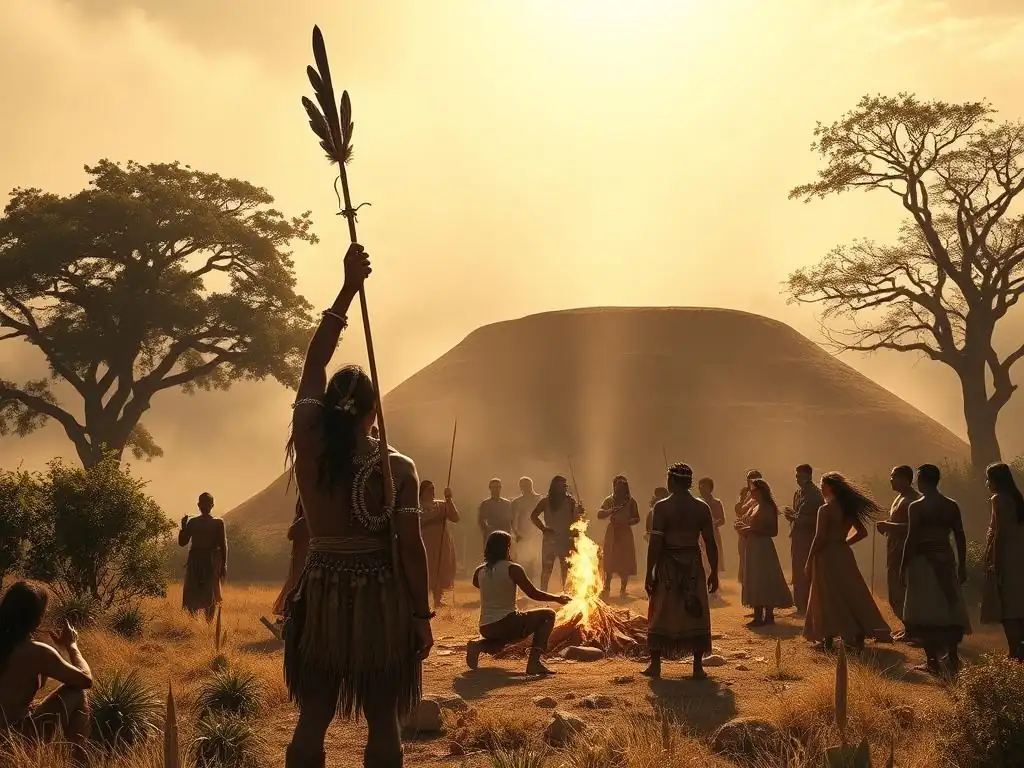
The spiritual landscape of Cahokia was intricately woven with the lives of its inhabitants, where spiritual leaders and shamans played pivotal roles in guiding the community through various rituals and ceremonies. These individuals were not merely religious figures; they were essential to the social, political, and cultural fabric of Cahokia. Their influence extended beyond spiritual realms, touching upon governance, community cohesion, and the understanding of the natural world.
The Function of Shamans in Cahokia
Shamans in Cahokia served as intermediaries between the physical and spiritual realms. They were believed to possess unique abilities, allowing them to communicate with the spirit world and access hidden knowledge. The functions of shamans included:
- Healing Practices: Shamans were often called upon to heal illnesses, which they attributed to spiritual imbalances or malevolent forces. They utilized a combination of herbal remedies, ritualistic practices, and incantations to restore health.
- Ritual Performances: Shamans led various ceremonies that were integral to the community's spiritual life. These included seasonal festivals, rites of passage, and agricultural rituals designed to ensure bountiful harvests.
- Divination: Through practices such as scrying or interpreting dreams, shamans offered guidance on important decisions, from warfare to resource management. Their insights were highly valued and often shaped community actions.
- Cultural Preservation: By transmitting oral traditions and sacred stories, shamans played a crucial role in preserving the cultural identity of Cahokia. They served as custodians of the community's history, ethics, and values.
Through these functions, shamans not only provided spiritual guidance but also reinforced social structures and community bonds.
Training and Responsibilities of Spiritual Leaders
The journey to becoming a spiritual leader or shaman in Cahokia was rigorous and deeply rooted in cultural traditions. Training often began at a young age and involved various stages, including:
- Apprenticeship: Young aspirants worked under experienced shamans, learning the intricacies of rituals, herbal medicine, and the interpretation of spiritual signs. This mentorship was essential for gaining the trust and respect of the community.
- Ritual Initiation: Successful apprentices underwent initiation ceremonies that marked their transition into full-fledged shamans. These rites were often accompanied by tests of endurance and spiritual insight, reinforcing their commitment to the spiritual path.
- Continuous Learning: Even after initiation, spiritual leaders were expected to engage in lifelong learning. They participated in communal gatherings, exchanged knowledge with other shamans, and remained attuned to evolving spiritual practices.
The responsibilities of spiritual leaders extended beyond ritualistic duties. They were often involved in decision-making processes, advising leaders on matters of governance and social justice. Their wisdom was sought in times of crisis, such as droughts or conflicts, where their spiritual authority could help restore balance and harmony within the community.
The roles of spiritual leaders and shamans in Cahokia were multifaceted, encompassing healing, cultural preservation, and communal leadership. Their practices and teachings not only shaped the spiritual life of the Cahokians but also left a lasting legacy on the cultural heritage of indigenous peoples across the Americas.
Art and Symbolism in Cahokia's Spiritual Practices
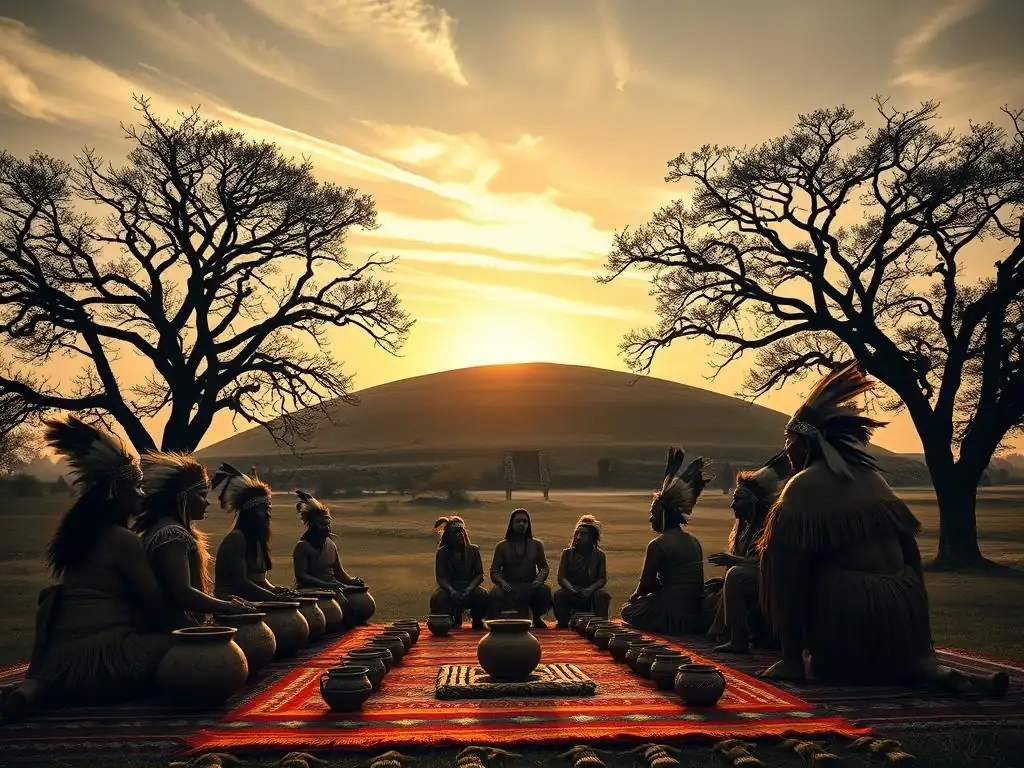
Cahokia, one of the most significant pre-Columbian cities in North America, was not only a hub of economic activity but also a vibrant center for spiritual life. The Cahokians engaged in a rich tapestry of rituals and ceremonies that were deeply intertwined with their artistic expressions. Art played a crucial role in these spiritual practices, serving as both a medium for communication and a conduit for understanding the divine.
The Importance of Art in Rituals
In Cahokia, art was more than mere decoration; it was a vital component of rituals and ceremonies. The creation of intricate pottery, effigy mounds, and complex jewelry often accompanied spiritual events, emphasizing the interconnectedness of art and spirituality.
- Material Significance: The materials used in Cahokian art—such as clay, stone, and shell—were chosen not only for their aesthetic qualities but also for their spiritual meanings. For instance, clay was often associated with fertility and the earth, while shells symbolized the waters and the afterlife.
- Ceremonial Use: Artistic creations were frequently employed in rituals, such as the use of decorated pottery in offerings to the spirits or the crafting of ceremonial masks that represented various deities. These items were believed to enhance the connection between the spiritual and physical worlds, allowing practitioners to communicate more effectively with their ancestors and gods.
- Storytelling and Identity: Art served as a narrative tool, telling the stories of the Cahokian people, their deities, and their cosmology. Through painted symbols and carved images, the Cahokians conveyed complex beliefs about creation, the afterlife, and their place in the universe. This storytelling aspect reinforced community identity and shared spiritual values, fostering a sense of belonging among the inhabitants.
Common Symbols and Their Spiritual Significance
Understanding the symbols employed in Cahokia's spiritual practices provides insight into their worldview and religious beliefs. The following are some prevalent symbols and their meanings:
| Symbol | Description | Spiritual Significance |
|---|---|---|
| The Serpent | Often depicted in art and architecture, the serpent represents a connection to the underworld and fertility. | Associated with rebirth and the cycle of life. |
| The Sun | A common motif in Cahokian art, representing light and life. | Symbolizes creation, warmth, and the cycle of seasons. |
| The Circle | Frequently found in the layout of mounds and artwork, the circle represents unity and the cosmos. | Reflects the interconnectedness of all living things. |
| Birds | Birds, particularly the eagle, are often depicted in various forms. | Symbolize power, freedom, and connection to the divine. |
| Human Figures | Representations of humans in rituals, often adorned with specific attire or markings. | Indicate participation in ceremonies and the role of individuals in the spiritual community. |
These symbols were not just aesthetic choices; they carried profound meanings that shaped the spiritual landscape of Cahokia. Rituals often involved the invocation of these symbols to seek favor from the gods, ensure agricultural prosperity, and maintain harmony within the community.
The art and symbolism in Cahokia's spiritual practices reveal a complex and deeply rooted belief system that was central to the lives of its inhabitants. Through artistic expression, they engaged with their spirituality, ensuring the continuity of their culture and legacy long after the city's decline.
Impact of Spiritual Practices on Cahokia's Society
Cahokia, one of the largest pre-Columbian cities in North America, was characterized by its intricate social structure, heavily influenced by its spiritual practices. Rituals and ceremonies played a pivotal role in fostering social cohesion among the inhabitants. These gatherings not only served religious purposes but also acted as vital social events that united different clans and families.
- Shared Beliefs and Values: The spiritual practices of Cahokia were rooted in a shared cosmology that emphasized the interconnectedness of the community with the natural world. The belief in a creator deity and the reverence for ancestral spirits helped to instill a collective identity among the Cahokians. This shared belief system was pivotal in maintaining harmony and cooperation within the community.
- Ceremonial Gatherings: Major ceremonies, such as the Green Corn Festival and Midwinter Ceremonies, were occasions for the community to come together, celebrate, and reaffirm their social bonds. These events often included feasting, dancing, and storytelling, allowing individuals to engage with one another and strengthen their communal ties.
- Ritual Leaders: The presence of ritual leaders, or shamans, was crucial in facilitating these gatherings. They not only conducted ceremonies but also served as mediators during conflicts, thus enhancing social stability. Their role in the community underscored the importance of spirituality in everyday life and helped to reinforce a sense of belonging among the Cahokians.
The cumulative effect of these practices was a robust social fabric that enabled Cahokia to thrive as a complex urban center well before European contact.
Spiritual Practices and Political Power
The spiritual practices of Cahokia were intricately linked to its political structure, serving as a means by which leaders could consolidate power and legitimize their authority. The relationship between spirituality and governance was fundamental to the societal organization of Cahokia.
- Rituals as Political Tools: Leaders in Cahokia often utilized spiritual rituals to assert their dominance and control over the populace. By conducting ceremonies that invoked the favor of the gods, leaders could present themselves as intermediaries between the divine and the community. This connection to the spiritual realm was a source of political power, as it reinforced their authority and the obedience of their subjects.
- Monumental Architecture and Rituals: The construction of monumental structures, such as Monks Mound, played a significant role in Cahokia's political and spiritual life. These sites were often the focal points of major ceremonies, linking the physical space with the community’s spiritual beliefs. The act of gathering at these monumental sites for rituals not only demonstrated the power of the leaders but also reinforced a collective identity tied to the land and its sacredness.
- The Role of the Elite: The Cahokian elite were deeply involved in spiritual practices, often participating in exclusive rituals that were inaccessible to the general populace. This stratification of spiritual practices helped to maintain a hierarchy that further entrenched their power within the society. The elite's ability to control and perform rituals ensured their status as both leaders and spiritual authorities.
Cahokia's spiritual practices were not merely personal expressions of faith but integral components of the societal structure that facilitated social cohesion and political control. The legacy of these rituals continues to be an important area of study, shedding light on the rich cultural tapestry of Indigenous civilizations in the Americas.
Decline of Cahokia and Its Spiritual Legacy
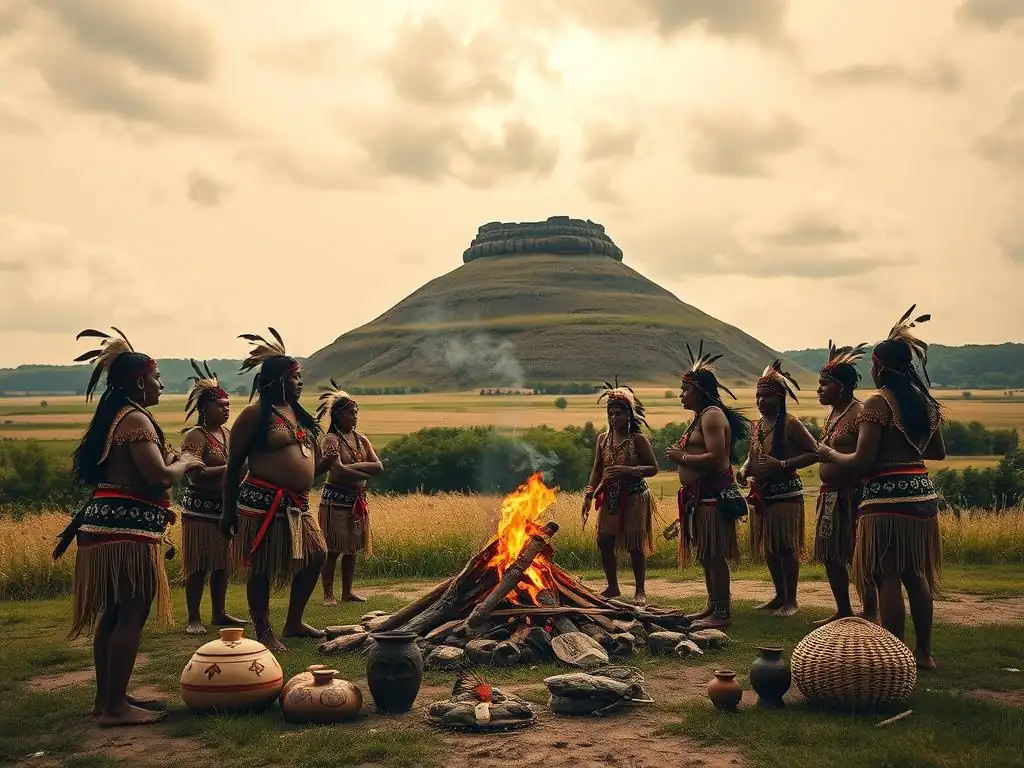
The decline of Cahokia, once a thriving urban center, marks a significant chapter in the history of indigenous civilizations in the Americas. This decline not only reshaped the physical landscape but also left a profound spiritual legacy that continues to resonate in various indigenous cultures today. Understanding the factors that contributed to this decline and exploring the lasting influence of Cahokia's spiritual practices provides insight into the resilience and adaptability of indigenous peoples.
Factors Leading to the Decline of Cahokia
The decline of Cahokia around the 13th century can be attributed to a complex interplay of environmental, social, and political factors.
- Environmental Changes:
- Climate Variability: Evidence suggests that Cahokia experienced periods of severe drought, which would have significantly impacted agricultural production. As a society heavily reliant on maize cultivation, any disruption in crop yields could lead to food shortages.
- Resource Depletion: The extensive deforestation and over-farming in the region may have led to soil depletion, making it increasingly difficult to sustain the large population.
- Social Dynamics:
- Population Pressure: As the population of Cahokia grew, the social structure may have become strained. Increased competition for resources could have led to social unrest and conflict among different groups.
- Cultural Shifts: Changes in belief systems or societal values may have influenced the cohesion of the community. As the spiritual practices of Cahokia evolved, they may not have resonated as strongly with emerging generations.
- Political Factors:
- Leadership Challenges: The decline in central authority could have resulted in political fragmentation, making it difficult to maintain the complex societal structures that had once unified Cahokia's inhabitants.
- External Pressures: Encroachment by neighboring tribes or external conflicts may have further destabilized the region, leading to migrations and a decrease in population.
These factors combined to create an environment that was no longer conducive to sustaining the vibrant society that had characterized Cahokia for centuries. The spiritual practices that had once flourished now faced significant challenges, ultimately contributing to their transformation and evolution.
Lasting Influence of Cahokia's Spiritual Practices on Indigenous Cultures
Despite the decline of Cahokia, its spiritual legacy endures in various indigenous cultures across North America. The rituals and ceremonies that were integral to Cahokia's societal framework have influenced spiritual practices in several key ways:
- Ritual Significance and Symbolism:
- Cahokia's rituals often emphasized the connection between the community and the natural world. This concept of reciprocity with nature is echoed in many contemporary indigenous beliefs, where ceremonies often seek to honor the earth and its resources.
- The practice of mound-building as a means of ritualistic expression has influenced other cultures in the region, illustrating a shared spiritual heritage. Today, many tribes still incorporate mound sites into their ceremonial practices.
- Community and Identity:
- The communal aspect of Cahokia's spiritual practices fostered a strong sense of identity among its inhabitants. This emphasis on community remains vital in many indigenous cultures today, where collective rituals serve to strengthen social bonds and cultural continuity.
- The use of shared symbols and stories, rooted in Cahokia's spiritual narratives, continues to inspire contemporary indigenous art, storytelling, and ceremony, ensuring that the essence of these practices endures.
- Adaptation and Resilience:
- The decline of Cahokia challenged its inhabitants to adapt their spiritual practices to new realities. This adaptability is a hallmark of many indigenous cultures, which often blend traditional beliefs with contemporary experiences.
- The resilience demonstrated by the descendants of Cahokia is reflected in their ongoing efforts to revive and keep alive the spiritual practices of their ancestors, allowing for a dynamic interpretation of tradition in the modern world.
While the physical city of Cahokia may have declined, its spiritual practices and rituals have left an indelible mark on the cultural landscape of indigenous peoples in the Americas. The influences of these practices continue to be felt, reminding us of the rich spiritual heritage that shapes the identities of indigenous cultures today.
Conclusion: The Enduring Spirit of Cahokia
Reflection on the Importance of Understanding Spiritual Practices
Exploring the Cahokia spiritual practices and rituals provides invaluable insights into the worldview and societal structures of the Cahokian civilization. These practices were not merely ceremonial; they encapsulated the values, beliefs, and communal identity of the Cahokian people. By examining these spiritual rituals, we gain a deeper appreciation of how the Cahokians understood their relationship with the cosmos and the natural world.
The integration of rituals into everyday life illustrates a complex belief system that emphasized harmony, reverence, and reciprocity with the environment. For instance, the alignment of ceremonial mounds with astronomical events highlights the Cahokians' advanced understanding of celestial phenomena and their significance in agricultural cycles. This understanding was crucial for their survival and prosperity, reinforcing the idea that spiritual practices were intertwined with practical life.
Moreover, analyzing these rituals allows for a greater recognition of the diversity within indigenous cultures. The Cahokians were not monolithic; their rituals evolved and adapted over time, influenced by social, environmental, and political changes. This dynamic nature of spiritual practices underscores the resilience and ingenuity of the Cahokian people, inviting modern audiences to appreciate the complexity of their historical narrative.
Final Thoughts on Cahokia's Contributions to Indigenous Civilizations
Cahokia stands as a testament to the sophistication of indigenous civilizations in the Americas. The spiritual practices and rituals of its inhabitants represent a significant aspect of their cultural legacy, influencing neighboring tribes and leaving an indelible mark on subsequent generations. The monumental architecture, particularly the mounds, serves as a physical reminder of the societal organization and spiritual life that characterized this vibrant civilization.
The contributions of Cahokia extend beyond its geographical boundaries. The interconnectedness of trade routes and the exchange of ideas facilitated the spread of Cahokian practices and beliefs throughout the region. By understanding these contributions, we not only honor the Cahokian legacy but also recognize the broader tapestry of indigenous cultures that shaped the Americas long before European contact.
Recognizing the Cahokia spiritual practices and rituals enriches our comprehension of indigenous civilizations. It fosters a deeper respect for their achievements and highlights the importance of preserving their history. As we continue to explore and celebrate these diverse cultures, we ensure that their enduring spirit remains alive in contemporary discourse.
Frequently Asked Questions
What were the main spiritual practices of the Cahokia people?
The Cahokia people engaged in a variety of rituals and ceremonies that reflected their beliefs in the spiritual world and the importance of nature, including offerings and festivals.
How did the Cahokians demonstrate their connection to their spirituality?
Cahokians expressed their spiritual connection through elaborate mound-building, which served as ceremonial centers and places for ritual gatherings.
What role did nature play in Cahokia's spiritual rituals?
Nature was integral to Cahokia's spiritual practices, with rituals often aligning with seasonal changes and agricultural cycles, reflecting their respect for the natural world.
Were there specific deities worshipped by the Cahokians?
Yes, the Cahokians venerated a range of deities, often associated with elements like fertility, agriculture, and the cosmos, which were central to their ceremonial life.
How did Cahokia's rituals influence their society?
The rituals and ceremonies fostered a sense of community and identity, reinforcing social structures and promoting cooperation among the Cahokia inhabitants.
Final Reflection: The Enduring Legacy of Cahokia's Spiritual Practices
Cahokia's spiritual practices and rituals resonate profoundly in today's world, reminding us of the intricate connections between culture, community, and the divine. As we navigate an increasingly fragmented society, the rituals of Cahokia serve as a powerful reminder of the importance of shared practices that foster unity and spiritual growth. The legacy of these ancient ceremonies is not merely a relic of the past; it is a call to honor our own traditions and the communal bonds they create.
The impact of Cahokia's spiritual practices continues to shape our understanding of cultural identity and collective memory. In a world where individualism often overshadows community, the rituals of Cahokia invite us to reflect on how we can cultivate a sense of belonging and purpose. As noted by cultural anthropologist Victor Turner, “Rituals are transformative; they bring people together and create a shared sense of reality.” This observation underscores the ongoing relevance of Cahokia's ceremonies, which can inspire contemporary practices that honor our heritage while fostering connection.
As you reflect on the themes presented in this article, I encourage you to consider how you might incorporate rituals into your own life. What practices can you adopt or adapt to strengthen your community ties and deepen your spiritual journey? Embrace the wisdom of the past to enrich your present and future, allowing the spirit of Cahokia's inhabitants to guide you toward a more connected and meaningful existence.
Unveil the Spiritual Legacy: Take Action Today!
Thank you for diving into the fascinating world of Cahokia's rituals and ceremonies! Your exploration of these spiritual practices offers invaluable insight into the lives of ancient inhabitants. Now, it's time to take your curiosity further and engage with this incredible history.
Here are some meaningful actions you can take right now:
- Visit a Local Museum: Find an exhibit on Indigenous cultures to deepen your understanding and appreciation of their spiritual practices.
- Share Your Insights: Discuss what you learned with friends or on social media to help spread awareness about the rich history of the Cahokians.
- Join a Community Group: Seek out local Indigenous or historical organizations and participate in events or discussions focused on these fascinating traditions.
As you reflect on this remarkable chapter of history, we’d love to hear your thoughts: What ritual or ceremony from Cahokia resonates with you the most, and how can it inspire your own spiritual practices today?