
Teotihuacan: A Hub of Trade and Commerce in PreColumbian America

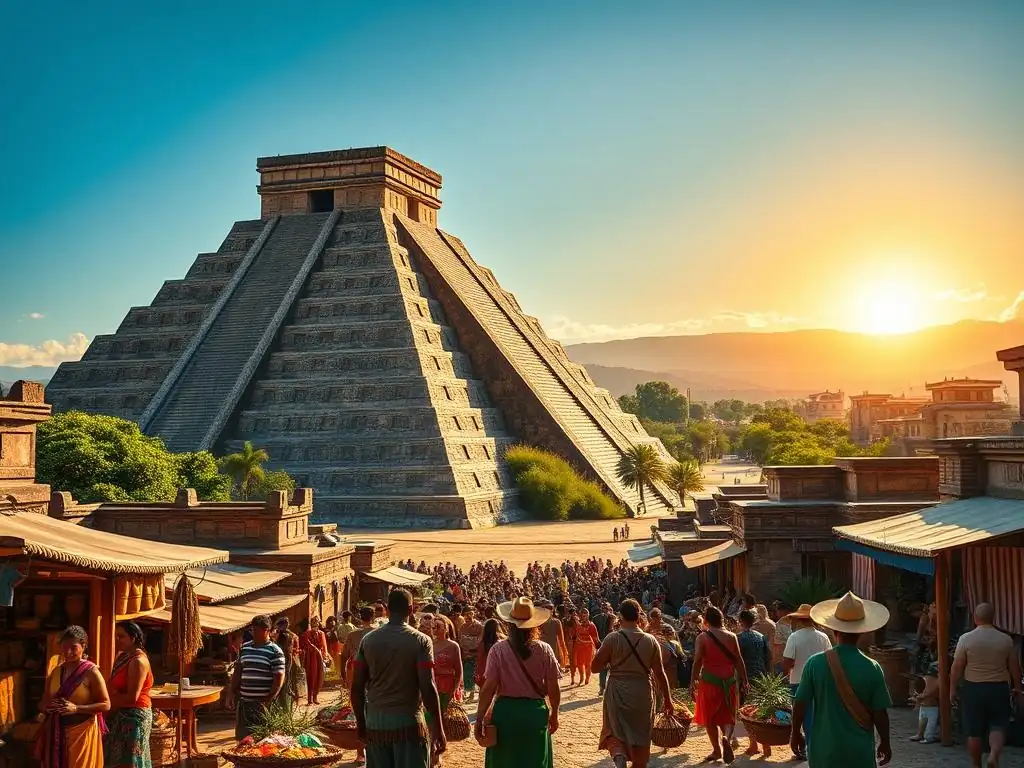
Welcome to Indigenous Civilizations of the Americas, where we delve into the rich tapestry of cultures that flourished across this vast land long before European footprints marked its soil. In our featured article, "Teotihuacan: A Hub of Trade and Commerce in PreColumbian America," we uncover the fascinating history of Teotihuacan, a vibrant center of trade that played a pivotal role in shaping economic interactions among ancient civilizations.
Prepare to embark on a journey through time as we explore the intricacies of their societies, achievements, and the enduring legacy they left behind. Discover how these remarkable peoples navigated the complexities of commerce and community, and ignite your curiosity about the wonders of the past that still resonate today.
- Introduction to Teotihuacan: Trade and Commerce in Pre-Columbian America
- The Historical Context of Teotihuacan Trade and Commerce
- Key Features of Teotihuacan's Trade Network
- The Role of Teotihuacan in Regional Trade
- Economic Structures Supporting Trade and Commerce
- Cultural Exchange and its Impact on Teotihuacan Trade
- Decline of Teotihuacan and its Trade Networks
- Conclusion: Teotihuacan's Enduring Legacy in Trade and Commerce
- Frequently Asked Questions
- Final Reflection: The Enduring Legacy of Teotihuacan's Trade and Commerce
- Unveil the Mysteries of Teotihuacan and Take Action Today!
Introduction to Teotihuacan: Trade and Commerce in Pre-Columbian America
Teotihuacan, often referred to as the "City of the Gods," stands as one of the most remarkable archaeological wonders of Pre-Columbian America. Nestled within the Valley of Mexico, this ancient metropolis reached its zenith between 100 and 650 CE, becoming a vibrant hub of trade and commerce that influenced societies across Mesoamerica. As we delve into the intricate layers of Teotihuacan's trade and commerce history, we uncover not only the economic foundations that sustained this great city but also the cultural exchanges that shaped the identities of surrounding civilizations.
The multitude of goods, services, and cultural practices exchanged within its bustling markets not only facilitated prosperity but also fostered connections among diverse peoples. Understanding Teotihuacan's role as a center of trade and commerce provides valuable insights into the complexities of ancient societies and their enduring legacies.
Overview of Teotihuacan's Significance
Teotihuacan's significance extends far beyond its impressive pyramids and monumental architecture. This ancient city was a melting pot of diverse cultures and ethnicities, drawing people from various regions for trade, governance, and religious practices.
- Cultural Melting Pot: Teotihuacan attracted merchants, artisans, and pilgrims from distant areas, fostering a unique blend of traditions and innovations.
- Architectural Marvels: The city's layout, characterized by the Avenue of the Dead and the Pyramid of the Sun, reflects a highly organized society capable of monumental construction.
- Economic Powerhouse: The city’s strategic location allowed it to control vital trade routes, facilitating the exchange of goods such as obsidian, textiles, and ceramics.
The legacy of Teotihuacan is evident in the way it influenced subsequent cultures, including the Aztecs, who revered it as a place of great importance and mythos.
The Importance of Trade and Commerce in Ancient Societies
Trade and commerce were not merely economic activities in ancient societies; they served as vital lifelines that fostered social cohesion and cultural exchange. In Teotihuacan, trade was instrumental for several reasons:
- Resource Distribution: The city acted as a distribution center for goods sourced from various regions, including precious stones, agricultural products, and crafted items.
- Cultural Exchange: Trade facilitated the sharing of ideas, technologies, and artistic styles, enriching the cultural landscape of the region.
- Economic Stability: A robust economy based on trade contributed to the city's longevity, allowing it to thrive for centuries before its decline.
The trade and commerce of Teotihuacan not only shaped the city's prosperity but also played a crucial role in the broader tapestry of Mesoamerican history, making it an essential topic of study for those interested in the dynamics of ancient civilizations.
The Historical Context of Teotihuacan Trade and Commerce
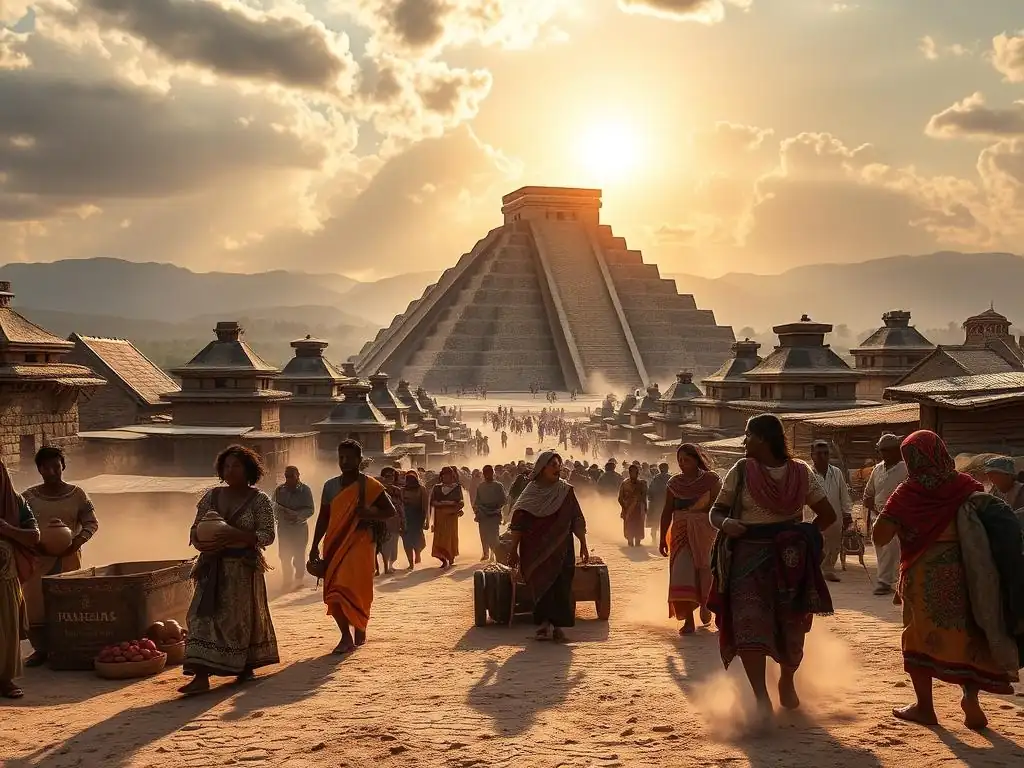
Teotihuacan, often referred to as the "City of the Gods," was a significant urban center that flourished in central Mexico from approximately 100 BCE to 650 CE. Its strategic location and sophisticated urban planning played a pivotal role in its development as a hub of trade and commerce in Pre-Columbian America. Understanding the historical context of Teotihuacan's trade and commerce requires an examination of the timeframe of its influence and the geographical advantages that contributed to its prominence.
Timeframe of Teotihuacan's Influence
Teotihuacan experienced significant growth during the Classic Period (250-900 CE), becoming one of the largest cities in the world at its peak, with an estimated population of 100,000 to 200,000 inhabitants. The city's influence extended far beyond its immediate surroundings, impacting various regions across Mesoamerica.
- Early Development (100 BCE - 250 CE): During this period, Teotihuacan began as a small settlement and gradually evolved into a major urban center. Trade routes began to form, connecting the city with nearby regions and facilitating the exchange of goods.
- Peak Prosperity (250 - 650 CE): The height of Teotihuacan's trade and commerce occurred during this era. The city became a melting pot of cultures and a center for artisanship, producing goods such as obsidian tools, pottery, and textiles. Its markets thrived, attracting merchants from distant lands, including the Maya and Zapotec civilizations.
- Decline (650 - 750 CE): Following its peak, Teotihuacan began to decline, likely due to a combination of internal strife, resource depletion, and external pressures. However, the legacy of its trade networks continued to influence subsequent Mesoamerican civilizations.
Geographical Advantages of Teotihuacan
Teotihuacan's location provided several geographical advantages that facilitated its emergence as a trade and commerce hub:
- Strategic Location: Situated about 30 miles northeast of modern-day Mexico City, Teotihuacan was ideally positioned at the crossroads of major trade routes connecting the Gulf Coast, the Pacific Coast, and the highlands of central Mexico. This location allowed the city to control and facilitate the flow of goods between diverse regions.
- Access to Resources: The surrounding areas offered abundant natural resources, including obsidian from the nearby volcanic mountains, which was highly sought after for tool-making. Additionally, fertile lands allowed for agriculture, providing sustenance for the growing population and surplus goods for trade.
- Infrastructure: Teotihuacan's urban design featured wide avenues, well-planned residential neighborhoods, and impressive monumental architecture, such as the Pyramid of the Sun and the Pyramid of the Moon. This infrastructure not only accommodated a large population but also supported extensive commercial activities.
- Marketplaces: The city housed large marketplaces where local and foreign merchants could exchange a variety of goods. These bustling centers of commerce were critical in establishing Teotihuacan as a leading economic power in Mesoamerica.
Teotihuacan's trade and commerce history is deeply rooted in its strategic geographical advantages and the historical timeframe of its influence, establishing it as a pivotal center for economic and cultural exchange among the diverse indigenous civilizations of the Americas.
Key Features of Teotihuacan's Trade Network
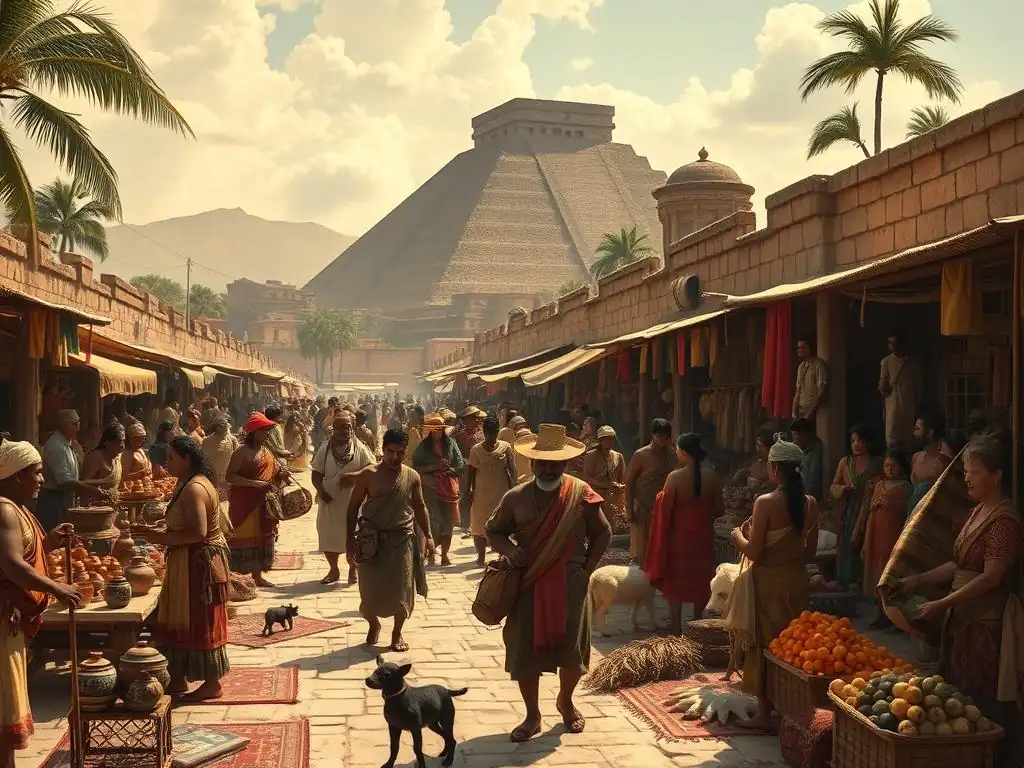
Teotihuacan, often hailed as one of the most significant urban centers in Mesoamerica, was not only a political and religious hub but also an essential node in a vast trade network that spanned across the Americas. The trade network facilitated the exchange of goods, ideas, and cultural practices, significantly influencing the surrounding regions and leaving a lasting legacy on subsequent civilizations.
Major Trade Routes of Teotihuacan
Teotihuacan's strategic location played a crucial role in the development of its trade routes. The city was situated approximately 30 miles northeast of modern-day Mexico City, making it accessible to various regions. The major trade routes can be categorized as follows:
- North-South Corridors:
- From the Valley of Mexico to Central Mexico: This route facilitated trade with surrounding valleys, including the rich agricultural lands of the Puebla Valley.
- Connections to the Gulf Coast: Goods such as cacao and tropical products were transported along this route, linking Teotihuacan to coastal trading ports.
- East-West Routes:
- Linking to Oaxaca: Trade with the Oaxaca region allowed for the exchange of valuable items like textiles and pottery, enhancing the diversity of goods available in Teotihuacan.
- Access to the Pacific Coast: This route enabled the acquisition of marine resources, including fish and shells, which were highly valued in Teotihuacan's markets.
The trade routes were not only vital for economic exchange but also served as conduits for cultural interactions. Artifacts from various regions found in Teotihuacan suggest that merchants and travelers brought not only goods but also ideas, technology, and religious beliefs, enriching the cultural landscape of the city.
Goods and Resources Traded in Teotihuacan
The trade network of Teotihuacan facilitated the exchange of a wide array of goods and resources, contributing to its prosperity and influence in Pre-Columbian America. Some of the most notable traded items included:
- Cacao: Highly prized by Mesoamerican cultures, cacao was often used as currency and in ritualistic beverages. Teotihuacan was a significant consumer of cacao, which was traded from regions like the Soconusco on the Pacific coast.
- Obsidian: This volcanic glass was extensively traded due to its sharp edges, making it ideal for tools and weapons. Teotihuacan was a major producer of obsidian, particularly from nearby sources, which were traded throughout Mesoamerica.
- Textiles: Woven goods, including cotton and other fibers, were essential commodities. The vibrant textiles from Teotihuacan were sought after for their quality and intricate designs.
- Pottery: The city was known for its diverse pottery styles, which included both functional and ceremonial wares. These pottery goods were traded widely, showcasing the artistic skills of Teotihuacan artisans.
- Marine Resources: Trade routes to the coastal areas allowed Teotihuacan to access fish, shellfish, and beautiful shells, which were used for adornment and in trade.
The trade and commerce history of Teotihuacan is characterized by an expansive network that linked various regions, facilitating the exchange of goods and cultural practices. This network not only supported the economic prosperity of Teotihuacan but also played a crucial role in shaping the cultural dynamics of Mesoamerica. The city's ability to integrate diverse resources and influences helped establish it as a prominent center of trade that resonated throughout Pre-Columbian history.
The Role of Teotihuacan in Regional Trade
Teotihuacan, often referred to as the "City of the Gods," was not only a monumental urban center but also a vital hub for trade and commerce in Pre-Columbian America. Situated in the Basin of Mexico, this ancient city flourished between 100 CE and 650 CE, becoming a focal point that connected various Mesoamerican cultures through extensive trade networks. The city's strategic location, combined with its impressive infrastructure, facilitated the exchange of goods, ideas, and cultural practices, shaping the economic landscape of Mesoamerica.
Teotihuacan as a Trade Hub in Mesoamerica
Teotihuacan's significance as a trade hub is evidenced by the diverse array of artifacts discovered at the site, which highlight the vast trade networks established by its inhabitants. The city was characterized by large avenues and marketplaces, including the famous Avenue of the Dead, where merchants congregated to exchange goods.
- Key Goods Traded:
- Obsidian: This volcanic glass was highly valued for tool-making and weaponry. Teotihuacan was a principal source of obsidian, which was traded as far as the Maya lowlands.
- Textiles: The city was known for its cotton textiles, which were exchanged for other valuable commodities.
- Ceramics: Teotihuacan pottery, known for its intricate designs and quality, was a significant export.
The trade routes radiating from Teotihuacan extended across Mesoamerica, reaching regions such as the Gulf Coast, Oaxaca, and even as far as Central America. The city served as a melting pot of various cultures, facilitating not only the exchange of material goods but also cultural influences and innovations.
Interaction with Neighboring Cultures and Civilizations
Teotihuacan's role in regional trade also fostered interactions with neighboring cultures and civilizations, significantly impacting the socio-political landscape of Mesoamerica. The city's influence is evident in the following interactions:
- Cultural Exchange: Merchants and travelers brought with them not only goods but also ideas, religious practices, and artistic styles. The presence of diverse murals in Teotihuacan reflects this cultural syncretism, showcasing influences from various Mesoamerican cultures.
- Diplomatic Ties: The trade networks established by Teotihuacan helped solidify diplomatic relationships with surrounding regions, including the Mixtecs and Zapotecs. These ties were crucial for maintaining peace and ensuring the smooth flow of trade.
- Economic Influence: The economic power derived from trade allowed Teotihuacan to exert influence over its neighbors. It is believed that the city's wealth contributed to its political stability and military strength, enabling it to dominate trade routes and control the distribution of goods.
Teotihuacan was not merely a city of impressive architecture and monumental structures; it was a dynamic center of trade and commerce that played a pivotal role in shaping the economic and cultural landscape of Mesoamerica. Its legacy as a trade hub continues to be a subject of fascination and study, revealing the complexities of Pre-Columbian societies and their interconnectedness.
Economic Structures Supporting Trade and Commerce
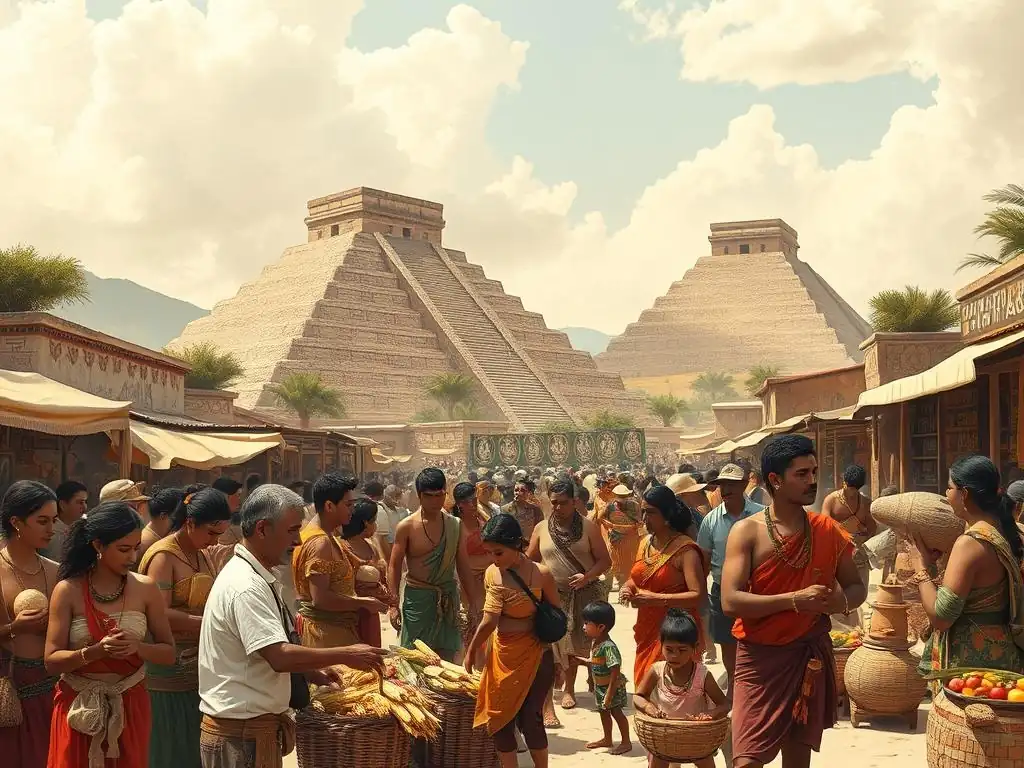
Teotihuacan, often referred to as one of the most significant urban centers in Mesoamerica, was not just a cultural and religious hub; it also played a pivotal role in the trade and commerce dynamics of pre-Columbian America. The economic structures that supported these activities were complex and multifaceted, reflecting a well-organized society that thrived on both local and long-distance trade.
The city's strategic location, nestled in the Valley of Mexico, allowed it to become a central node in a vast network of trade routes. This accessibility facilitated the flow of goods, ideas, and cultural practices between various regions, contributing to Teotihuacan's prosperity. The city's economy was characterized by a mixture of subsistence agriculture, craft production, and extensive trade, which together created a vibrant marketplace environment.
Marketplaces and Trade Practices in Teotihuacan
Teotihuacan's marketplaces were bustling centers of economic activity where a variety of goods were bought and sold. Archaeological evidence suggests that these markets were well-organized and possibly regulated, providing a structured environment for commerce.
- Types of Goods Traded: The range of products available in Teotihuacan's markets included:
- Local Products: Agricultural products such as maize, beans, and chilies were staples in the local diet.
- Crafted Goods: Artifacts like pottery, textiles, and obsidian tools were prevalent, showcasing the region's artisan skills.
- Luxury Items: Exotic goods such as cacao, jade, and feathers indicated long-distance trade with other Mesoamerican cultures.
- Trade Practices:
- Bartering System: The primary method of exchange was barter, where goods were traded directly without the use of currency. This system necessitated a keen understanding of the value of items.
- Standardized Measures: To facilitate trade, standard units of measurement for goods were likely employed, ensuring fairness and consistency in transactions.
- Regulated Markets: Evidence suggests that certain areas of the city were designated as market zones, potentially overseen by local authorities to maintain order and regulate trade practices.
The combination of these practices not only supported the economy of Teotihuacan but also contributed to the city's status as a major commercial hub in ancient Mesoamerica.
The Role of Artisans and Merchants
Artisans and merchants played crucial roles in the economic landscape of Teotihuacan, driving both local production and long-distance trade.
- Artisans:
- Specialized Craft Production: Artisans in Teotihuacan were often specialized, focusing on specific crafts such as pottery, weaving, and metalwork. This specialization allowed for high-quality goods that were sought after in both local and distant markets.
- Workshops and Guilds: Evidence of workshops suggests a communal aspect to production, where artisans might have worked together, sharing techniques and resources. This collaboration likely enhanced the quality and innovation of the goods produced.
- Merchants:
- Long-Distance Traders: Merchants from Teotihuacan ventured beyond the city, establishing trade links with distant civilizations. They facilitated the exchange of local products for exotic goods from regions like the Gulf Coast and the Maya lowlands.
- Cultural Brokers: Merchants acted as cultural intermediaries, spreading not just goods but also ideas and practices between different cultures. This exchange contributed to the cultural richness of Teotihuacan and its influence on surrounding areas.
The symbiotic relationship between artisans and merchants was essential for the thriving economic system of Teotihuacan, ensuring that both production and trade flourished in a dynamic and interconnected society.
The economic structures supporting trade and commerce in Teotihuacan were integral to its identity as a monumental city. The well-organized marketplaces and the collaborative efforts of artisans and merchants laid the foundation for a vibrant economy that contributed to the city's lasting legacy in the annals of indigenous civilizations in the Americas.
Cultural Exchange and its Impact on Teotihuacan Trade
Influence of Cultural Practices on Trade Relations
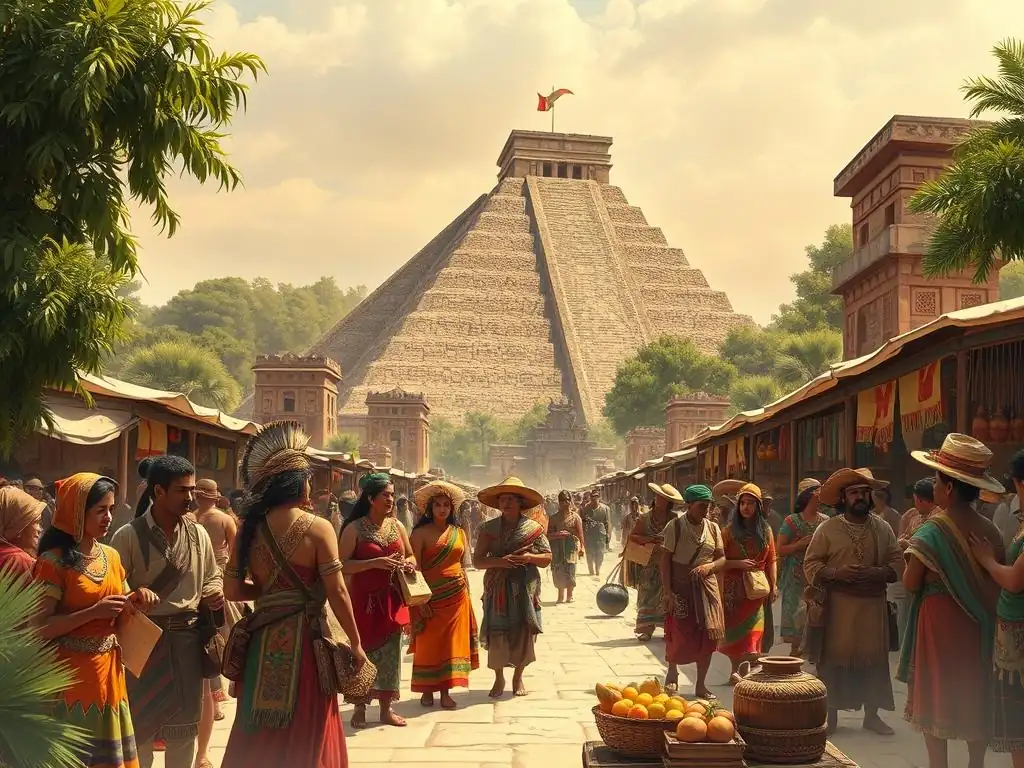
Cultural practices in Teotihuacan played a pivotal role in shaping the city’s trade relations. The city's strategic location, situated in the Valley of Mexico, allowed it to become a melting pot of diverse cultures, which influenced its economic interactions. The amalgamation of various traditions and customs fostered a unique environment conducive to trade.
- Religious Practices: The spiritual beliefs of the Teotihuacanos greatly influenced their trade dynamics. Temples and ceremonial sites served as central hubs where traders would come not only to exchange goods but also to participate in religious rituals. These practices helped solidify alliances among various groups and facilitated the exchange of not just material goods but also spiritual and cultural knowledge.
- Social Hierarchies: The stratification of society in Teotihuacan also impacted trade relations. The elite classes, who often controlled trade activities, established networks with distant regions, allowing for the exchange of luxury goods such as obsidian, jade, and textiles. This hierarchical structure allowed for a more organized and efficient trading system, where the elite could negotiate and dictate terms of trade.
- Language and Communication: The diverse linguistic landscape of Teotihuacan fostered a rich environment for trade. As traders from different regions converged in the city, a blend of languages emerged, facilitating communication and negotiation. This linguistic diversity not only strengthened trade relations but also contributed to the cultural exchange that defined Teotihuacan.
Art and Symbolism in Teotihuacan Trade Items
The art and symbolism present in Teotihuacan trade items provide profound insights into the city's economic activities and cultural identity. The artifacts unearthed from this monumental city reflect the intricate relationship between art, commerce, and culture.
- Symbolic Artifacts: Many trade items were adorned with intricate designs and symbols that held significant meaning. For instance, the use of feathers, animal motifs, and geometric patterns in pottery and textiles not only showcased the artisans’ skills but also conveyed messages about status, identity, and community ties. These symbols were often recognized across various cultures, enhancing the desirability of these goods in trade.
- Functional Art: In addition to being decorative, many trade items served practical purposes. Tools, pottery for storage, and ceremonial objects were crafted with both functionality and aesthetics in mind. This dual purpose made them valuable in trade, as they met both the everyday needs and the ritualistic practices of various cultures.
- Obsidian Trade: Obsidian, a volcanic glass, was one of the most significant trade items in Teotihuacan, prized for its sharpness and beauty. The symbolic nature of obsidian, often associated with power and divinity, enhanced its value in trade. Artifacts made from obsidian, such as blades and mirrors, were not only utilitarian but also served as status symbols, reflecting the sophistication of Teotihuacan's artisans.
The cultural exchange and artistic expressions in Teotihuacan significantly impacted its trade and commerce history. The intertwining of cultural practices and artistic symbolism facilitated robust trade networks and enriched the interactions among diverse indigenous groups across the Americas.
Decline of Teotihuacan and its Trade Networks
Factors Contributing to the Decline of Trade
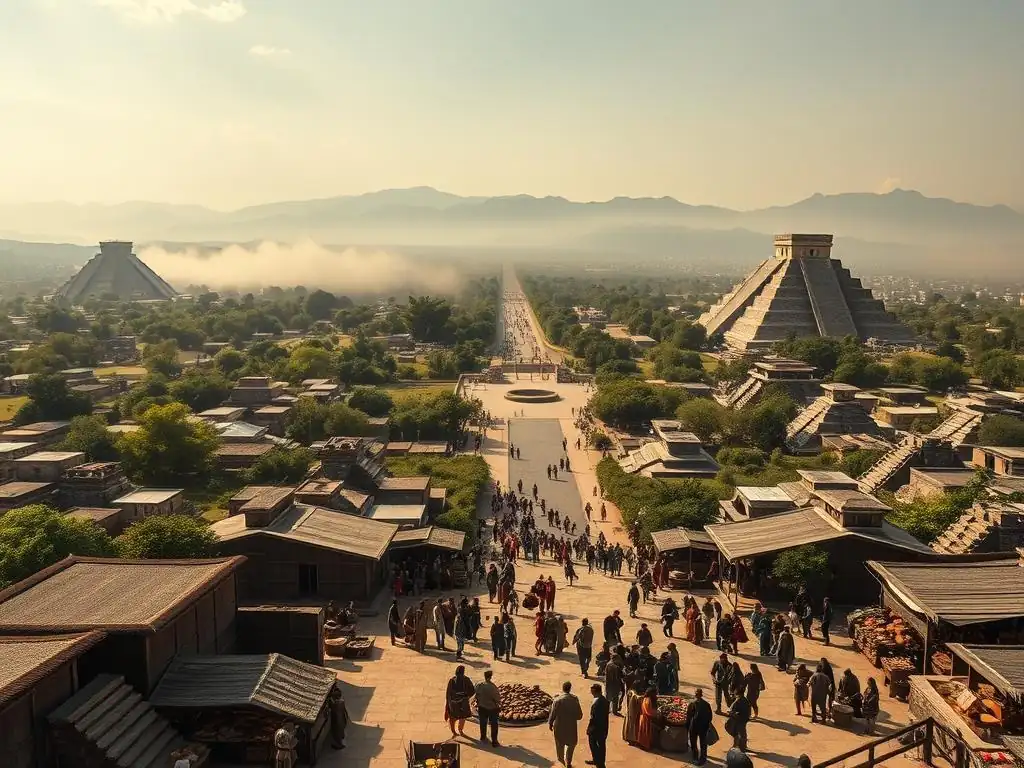
The decline of Teotihuacan, a once-thriving center of trade and commerce, was influenced by a confluence of factors that ultimately disrupted its extensive trade networks. These factors can be categorized into environmental, social, and political domains.
- Environmental Changes:
- Drought: Evidence suggests that a significant drought occurred around the 6th century CE, severely impacting agricultural productivity. This reduction in food supply would have strained the population, leading to increased competition for resources.
- Soil Degradation: Intensive agricultural practices in the region may have led to soil degradation, diminishing the land's ability to support crops critical for trade.
- Social Unrest:
- Class Strife: Teotihuacan's society was marked by a distinct class system. As resources dwindled, tensions between the elite and the common people likely escalated, resulting in social unrest and contributing to a breakdown of the social order.
- Internal Conflict: Archaeological evidence points to signs of violence and destruction within the city itself, suggesting that internal conflicts may have further destabilized the society and disrupted trade activities.
- Political Factors:
- Leadership Instability: The decline of strong centralized leadership could have led to fragmented governance, making it difficult to manage trade routes and maintain order.
- Military Challenges: As rival groups emerged in the region, Teotihuacan may have faced military threats that not only compromised its security but also its ability to trade effectively with other regions.
These factors combined to create a scenario in which Teotihuacan's trade networks became increasingly vulnerable, leading to a gradual decline in commerce and the eventual collapse of this monumental city.
Legacy of Teotihuacan's Trade and Commerce in Subsequent Civilizations
Despite its decline, the legacy of Teotihuacan's trade and commerce continued to influence subsequent civilizations in the Americas. The city’s extensive trade networks and cultural exchanges laid the groundwork for future societies, and several aspects of its legacy can be observed:
- Cultural Exchange:
- Teotihuacan was a melting pot of cultures, and its trade routes facilitated the exchange of ideas, art, and technology. This exchange enriched the cultural fabric of later Mesoamerican civilizations, such as the Toltecs and the Aztecs.
- Economic Models:
- The sophisticated trade practices established in Teotihuacan served as a model for future economic systems. The use of marketplaces, standardized goods, and long-distance trading routes became benchmarks for subsequent civilizations, allowing them to thrive economically.
- Urban Planning and Architecture:
- The architectural innovations seen in Teotihuacan, including monumental constructions and urban planning, influenced later cities. The layout and design principles established in Teotihuacan were adopted by subsequent civilizations, contributing to their urban development.
- Integration of Resources:
- Teotihuacan’s ability to integrate diverse resources from different regions helped set a precedent for resource management in later societies. The understanding of regional trade and resource allocation continued to be vital for the success of subsequent civilizations.
The decline of Teotihuacan marked the end of an era, but its impact on trade and commerce left an indelible mark on the history of Mesoamerica, demonstrating the interconnectedness of cultures and economies long after its fall.
Conclusion: Teotihuacan's Enduring Legacy in Trade and Commerce
Teotihuacan remains one of the most significant archaeological wonders of the pre-Columbian Americas, not only for its monumental architecture but also for its extensive trade and commerce networks. Its legacy as a hub of economic activity continues to influence contemporary understandings of indigenous trading practices and interregional connections. The city, which reached its height between the first and seventh centuries CE, played a pivotal role in facilitating the exchange of goods, ideas, and cultures across Mesoamerica.
As a thriving metropolis, Teotihuacan's influence extended far beyond its borders. The bustling marketplaces and trade routes established by its inhabitants allowed for the movement of diverse commodities, including obsidian, textiles, and ceramics. These trade networks not only fostered economic prosperity within Teotihuacan but also helped to create a rich tapestry of cultural exchange that shaped Mesoamerican civilization.
Summary of Teotihuacan's Trade and Commerce History
Teotihuacan's trade and commerce history can be summarized through several key aspects:
- Geographical Advantage:
- Located in the Valley of Mexico, Teotihuacan was strategically positioned at the crossroads of major trade routes that connected various regions, including the Gulf Coast, the Pacific, and the highlands.
- Diverse Goods:
- The city was known for trading a wide array of products, such as:
- Obsidian: Highly valued for tool-making and weaponry.
- Textiles: Made from cotton and maguey fibers, reflecting the rich artistic tradition of the civilization.
- Ceramics: Including both utilitarian and ceremonial items, often decorated with intricate designs.
- The city was known for trading a wide array of products, such as:
- Marketplaces:
- The central area of Teotihuacan featured large marketplaces where traders from different regions congregated to exchange goods and services, fostering a vibrant economic environment.
- Cultural Exchange:
- The trade networks facilitated not only the movement of goods but also cultural interactions, leading to the spread of religious practices, artistic styles, and technological innovations.
The combination of these elements established Teotihuacan as a vital center of trade, with effects that resonated throughout Mesoamerica and beyond.
Reflection on the Importance of Understanding Indigenous Trade Networks
Understanding the trade networks of indigenous civilizations like Teotihuacan is crucial for several reasons:
- Cultural Appreciation:
- Recognizing the complexity of indigenous trade systems allows for a deeper appreciation of their cultural achievements and social structures. It highlights the sophistication of their economic practices and their ability to engage in long-distance trade.
- Historical Context:
- Knowledge of these networks provides insight into how indigenous societies interacted with one another, revealing patterns of cooperation and competition. This historical context is essential for comprehending the dynamics that shaped pre-Columbian America.
- Contemporary Relevance:
- Studying indigenous trade networks offers valuable lessons for contemporary society regarding the importance of trade, cultural exchange, and collaboration among diverse communities. It underscores the interconnectedness of human societies throughout history.
- Preservation of Indigenous Knowledge:
- Understanding these networks is vital for preserving indigenous histories and narratives, helping to counteract the marginalization of these cultures in historical discourse.
Teotihuacan's legacy as a center of trade and commerce serves as a testament to the ingenuity and resilience of indigenous peoples in the Americas. By exploring and understanding these trade networks, we can gain a richer, more nuanced perspective on the complexities of pre-Columbian societies and their lasting impact on the world.
Frequently Asked Questions
What was Teotihuacan's significance in trade and commerce?
Teotihuacan was a major trading hub in Pre-Columbian America, known for its diverse goods and extensive trade networks that connected various cultures across the region.
Which goods were commonly traded in Teotihuacan?
Traders in Teotihuacan exchanged luxury items such as obsidian, textiles, and ceramics, as well as everyday products like food and tools, facilitating a vibrant economic system.
How did Teotihuacan influence neighboring cultures?
Teotihuacan's economic prosperity and cultural exchanges set a precedent for other civilizations, influencing their social structures and trade practices.
What role did the Avenue of the Dead play in commerce?
The Avenue of the Dead was the main thoroughfare in Teotihuacan, lined with temples and marketplaces, making it a central point for trade activities and cultural interactions.
How did Teotihuacan's trade decline?
Teotihuacan's trade began to decline due to factors such as resource depletion, internal strife, and external pressures from other emerging cultures, leading to its eventual fall.
Final Reflection: The Enduring Legacy of Teotihuacan's Trade and Commerce
Teotihuacan's trade and commerce history remains a vital thread in the tapestry of human civilization, illustrating how interconnected societies can thrive through mutual exchange. Today, as we navigate a global economy that mirrors the intricate networks of the past, the lessons from Teotihuacan resonate more than ever. The city’s ability to foster trade not only contributed to its prosperity but also laid the groundwork for cultural exchanges that shaped the region’s identity. This historical perspective invites us to appreciate the complexities of trade as a catalyst for growth and unity.
The influence of Teotihuacan's commercial practices is still palpable in our modern world, where trade continues to bridge cultural divides and promote understanding. The bustling markets and trade routes of Teotihuacan were not merely economic hubs; they were melting pots of ideas, art, and innovation. As historian Matthew Restall eloquently puts it, Trade is the lifeblood of civilization, connecting diverse peoples and fostering a shared destiny.
This observation underscores the importance of recognizing how historical trade practices can inform our contemporary interactions and collaborations across borders.
As we reflect on the significance of Teotihuacan's trade and commerce, I invite you to consider how you can apply these lessons in your own life. Think about the ways you can foster connections, share ideas, and engage in meaningful exchanges with those around you. In a world that often feels divided, let us draw inspiration from the vibrant legacy of Teotihuacan, embracing the spirit of collaboration and understanding that can lead to a more interconnected and harmonious future.
Unveil the Mysteries of Teotihuacan and Take Action Today!
Thank you for exploring the fascinating world of Teotihuacan with us! We hope you gained insights into its vibrant trade and commerce, which shaped the very fabric of Pre-Columbian America. Now, it’s time to translate that knowledge into action!
- Dive deeper into the history of other indigenous civilizations by visiting our in-depth articles and resources on Indigenous Civilizations of the Americas.
- Share your newfound knowledge with friends and family! Host a discussion or write a blog post about what you’ve learned to spark interest in indigenous cultures.
- Join our community! Engage with like-minded individuals by sharing your favorite fact about Teotihuacan or its trade practices in the comments below.
What aspect of Teotihuacan’s trade do you find most intriguing, and how does it change your perspective on modern commerce? Let’s discuss!