
The Role of Indigenous Voices in Education: Resources for Thoughtful Teaching

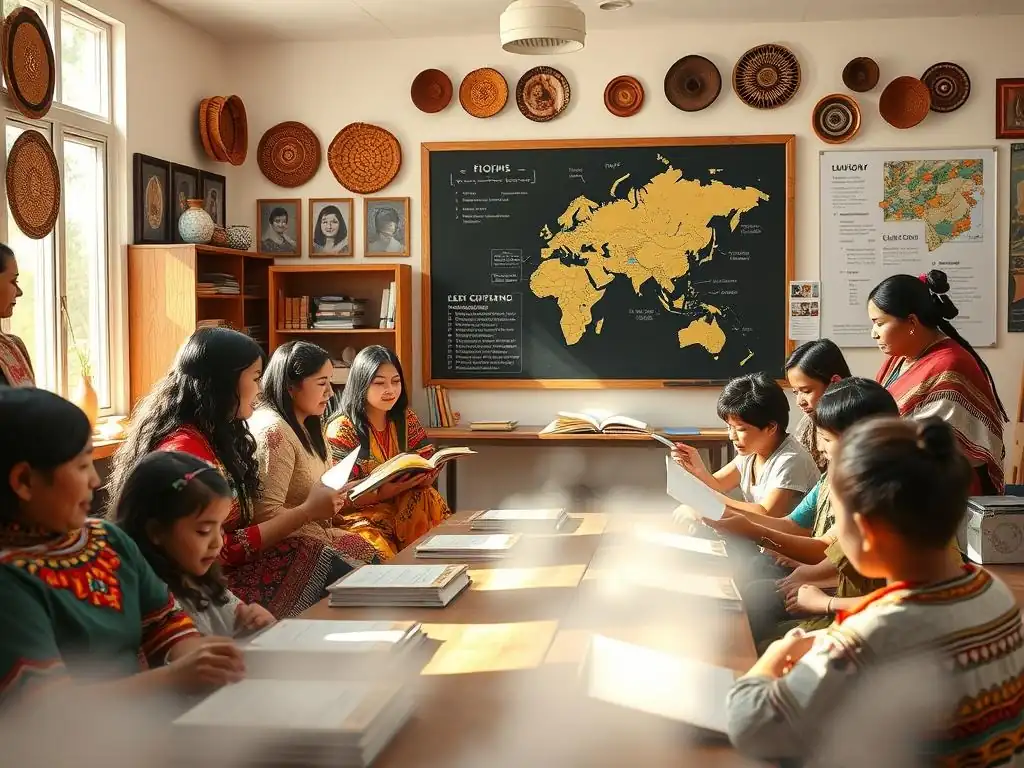
Welcome to Indigenous Civilizations of the Americas, where we embark on a journey through the rich tapestry of indigenous cultures that flourished across the Americas long before European arrival. In our featured article, The Role of Indigenous Voices in Education: Resources for Thoughtful Teaching, we delve into the pivotal role that indigenous education resources play in shaping a more inclusive and authentic understanding of these remarkable societies. Join us as we uncover the achievements and wisdom of these civilizations, and explore how their voices can enrich contemporary education. Prepare to be inspired and informed—your exploration starts here!
Introduction to Indigenous Education Resources
The incorporation of indigenous education resources into teaching practices is essential for fostering a more inclusive and comprehensive understanding of history, culture, and societal structures. These resources not only celebrate the rich heritage of indigenous peoples but also challenge the often one-dimensional narratives prevalent in mainstream education. By utilizing diverse materials—such as literature, art, oral histories, and multimedia presentations—educators can create a learning environment that honors indigenous voices and perspectives. This approach not only enriches students' educational experiences but also cultivates respect and understanding for the cultures that have shaped the Americas long before European colonization.
Understanding Indigenous Perspectives in Education
To fully appreciate the importance of indigenous education resources, it is crucial to grasp the unique perspectives that indigenous communities offer. These perspectives emphasize:
- Holistic Learning: Indigenous education often focuses on interconnectedness—between people, nature, and the cosmos—encouraging students to see the larger picture rather than isolated facts.
- Oral Traditions: Many indigenous cultures prioritize storytelling as a key educational tool, transmitting knowledge, values, and history through generations.
- Cultural Relevance: Learning materials that reflect indigenous experiences and worldviews help students relate more personally to the content, fostering engagement and empathy.
By integrating these aspects, educators can provide a richer and more meaningful educational experience.
Importance of Including Indigenous Voices in Curriculum
The significance of including indigenous voices in the curriculum cannot be overstated. Doing so:
- Promotes Equity: Acknowledging and valuing diverse perspectives helps create a more equitable educational environment.
- Enhances Critical Thinking: Students are encouraged to analyze and critique various viewpoints, fostering critical thinking skills.
- Preserves Cultural Heritage: Incorporating indigenous knowledge and practices helps to preserve and promote the rich cultural heritage of indigenous communities.
In essence, including indigenous voices in education not only benefits indigenous students but also enriches the learning experience for all students.
The Significance of Indigenous Voices in Education
Indigenous voices play a crucial role in shaping educational practices and policies. Their inclusion is vital in addressing historical injustices and promoting a more accurate representation of history.
Historical Context of Indigenous Education
Historically, indigenous education has been marginalized, often misrepresented or entirely omitted from standard curriculums. With the advent of colonization, many indigenous practices were suppressed, leading to a loss of cultural identity and knowledge. However, recent efforts to revive and integrate indigenous educational practices into mainstream systems have begun to correct these historical wrongs. Initiatives such as:
- Indigenous Language Revitalization: Programs aimed at teaching indigenous languages help preserve cultural identity.
- Community-Based Education: Collaborating with indigenous communities to develop curricula that reflect their values and teachings.
These initiatives are essential steps toward acknowledging the past and fostering a more inclusive future.
Contributions of Indigenous Cultures to Modern Education
Indigenous cultures have made significant contributions to modern education that extend beyond their own communities. Some key contributions include:
- Environmental Stewardship: Indigenous knowledge systems often emphasize sustainable practices and deep respect for the land, which are increasingly relevant in today’s discussions on climate change.
- Social Justice: Indigenous movements have brought attention to issues of equity and social justice, influencing educational frameworks to address these critical topics.
By recognizing these contributions, educators can help students appreciate the invaluable lessons that indigenous cultures offer to contemporary society.
The role of indigenous voices in education is indispensable. Through thoughtful teaching and the integration of indigenous education resources, we can foster an educational environment that is not only inclusive but also rich in diversity and understanding.
Key Indigenous Education Resources for Educators
Educators play a vital role in nurturing an understanding of indigenous cultures and histories within their classrooms. To effectively integrate indigenous voices into education, various resources can be utilized. These resources not only provide essential information but also promote a deeper appreciation of the rich diversity of indigenous cultures. Here are some key resources that educators can tap into:
Books and Literature on Indigenous Cultures
Books offer a profound way to explore indigenous cultures, histories, and perspectives. Here are some recommended readings:
- "An Indigenous Peoples' History of the United States" by Roxanne Dunbar-Ortiz: This book offers a critical examination of U.S. history through the lens of indigenous peoples, providing insight into their struggles and resilience.
- "The Absolutely True Diary of a Part-Time Indian" by Sherman Alexie: A semi-autobiographical novel that highlights the life of a Native American teenager, offering a contemporary perspective on indigenous issues.
- "Braiding Sweetgrass" by Robin Wall Kimmerer: This book blends indigenous wisdom with scientific knowledge, emphasizing the importance of nature and our relationship with it.
Incorporating these texts into the curriculum can foster discussions around indigenous perspectives and contribute to a more rounded view of history.
Multimedia Resources: Documentaries and Films
Visual storytelling can be a powerful tool in education. Documentaries and films provide insights into indigenous cultures and contemporary issues. Some notable resources include:
- "Rumble: The Indians Who Rocked the World": This documentary explores the influence of indigenous musicians on popular music, highlighting voices and stories often overlooked in mainstream narratives.
- "We Are Still Here": A documentary that chronicles indigenous resistance in North America and showcases the ongoing cultural revival.
- "The Last of the Tsars": This film provides a historical overview of the Tsarist regime's impact on indigenous peoples in Russia, drawing parallels to similar colonial experiences.
These multimedia resources can engage students and stimulate discussions about cultural identity and historical context.
Online Platforms and Websites Featuring Indigenous Knowledge
The internet is a treasure trove of information about indigenous cultures. Here are some valuable online platforms:
- Native Knowledge 360°: A comprehensive resource developed by the Smithsonian National Museum of the American Indian, providing educational materials about Native American history and cultures.
- Indigenous Education Coalition: This organization offers resources and tools for educators to incorporate indigenous perspectives into their teaching.
- The National Museum of the American Indian's website: A rich repository of resources, including online exhibitions, educational materials, and cultural programs.
These platforms enable educators to access a wealth of materials and foster connections with indigenous knowledge.
Strategies for Incorporating Indigenous Voices in the Classroom
Integrating indigenous voices into the classroom requires thoughtful strategies that acknowledge and respect the diversity of indigenous cultures. Here are several approaches educators can adopt:
Developing Culturally Responsive Teaching Practices
Culturally responsive teaching recognizes the importance of including students' cultural references in all aspects of learning. Educators can:
- Learn about the local indigenous communities: Understanding the history, culture, and current issues facing these communities enriches the teaching process.
- Incorporate diverse perspectives: Use texts and resources that reflect indigenous viewpoints, ensuring that students see themselves and their histories represented.
- Create a welcoming classroom environment: Display indigenous art, maps, and cultural artifacts to affirm the importance of indigenous identities.
By embracing culturally responsive practices, educators can foster an inclusive atmosphere conducive to learning.
Collaborating with Indigenous Communities
Building partnerships with indigenous communities enhances educational outcomes. Strategies include:
- Inviting guest speakers: Engaging indigenous elders or knowledge keepers to share their stories and experiences can provide authentic insights.
- Participating in community events: Encouraging students to attend local indigenous cultural events fosters understanding and respect.
- Co-developing curriculum: Collaborate with indigenous educators to create curriculum that accurately represents their histories and cultures.
Such collaborations deepen students' connections to indigenous communities and support the preservation of indigenous knowledge.
Creating Inclusive Curriculum Frameworks
An inclusive curriculum framework acknowledges and integrates indigenous perspectives across subjects. To achieve this:
- Incorporate indigenous history across disciplines: Embed indigenous narratives in history, science, and literature to provide a holistic understanding.
- Use project-based learning: Encourage students to explore indigenous issues through research projects, presentations, or creative expressions.
- Assess understanding through diverse methods: Use varied assessment strategies that allow students to demonstrate their knowledge in culturally relevant ways.
By creating inclusive curriculum frameworks, educators can ensure that indigenous voices are woven into the fabric of education, fostering respect and understanding among all students.
Challenges and Considerations in Indigenous Education
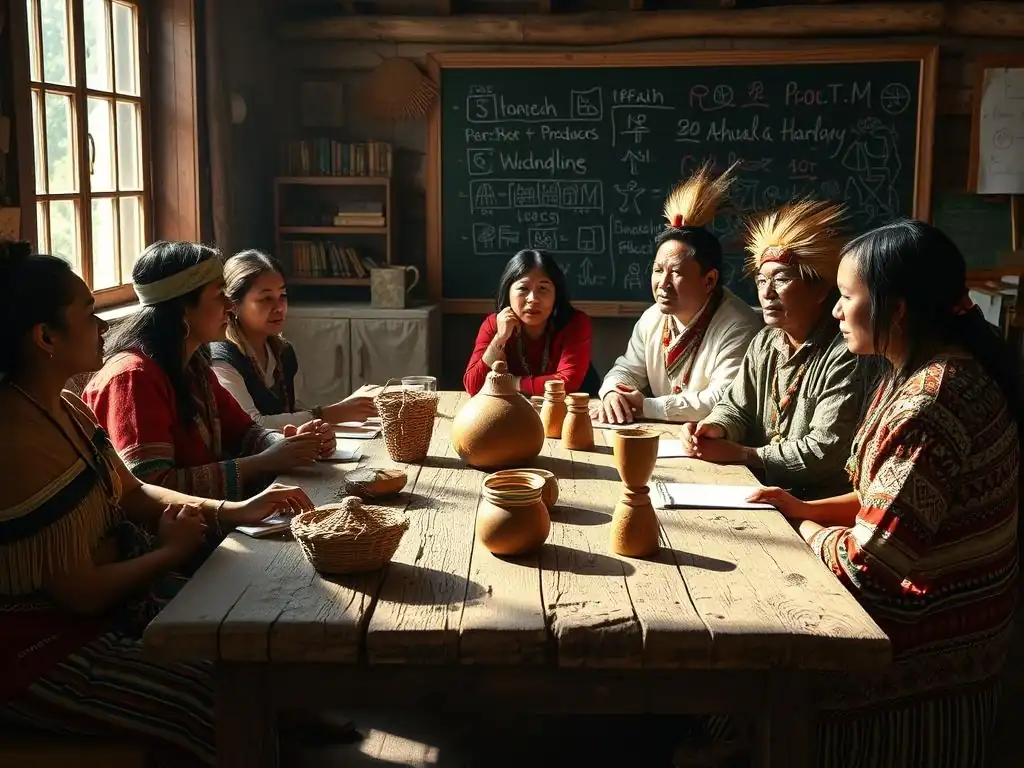
Indigenous education resources play a crucial role in fostering a deeper understanding of Indigenous cultures, histories, and contributions. However, there are significant challenges and considerations educators must navigate to implement these resources effectively. One of the foremost challenges is the pervasive misconceptions and stereotypes that often surround Indigenous peoples. These misconceptions can hinder the accurate portrayal of Indigenous histories and cultures in educational settings, leading to a distorted understanding among students.
Another critical consideration is the need for cultural sensitivity in teaching. Educators must be aware of the diverse cultural practices, languages, and beliefs of Indigenous communities, which can vary widely even within the same region. This sensitivity extends to the materials used and the way content is presented, ensuring that Indigenous perspectives are not only included but also respected and valued. Furthermore, educators should recognize the historical context of colonization and its lasting impact on Indigenous peoples, which must be integrated into the narrative of Indigenous education.
Additionally, the lack of resources and training for educators can pose a barrier to effective teaching. Many educators may not have received adequate preparation in Indigenous studies, resulting in a reliance on outdated or inaccurate information. Therefore, ongoing professional development and access to quality Indigenous education resources are essential for fostering an inclusive and accurate educational environment.
Addressing Misconceptions and Stereotypes
Addressing misconceptions and stereotypes in Indigenous education requires a multi-faceted approach. First and foremost, it is essential to provide educators with comprehensive training that emphasizes the complexity and diversity of Indigenous cultures. This training should challenge common stereotypes and provide historical context to help educators understand the real experiences of Indigenous peoples. By fostering critical thinking among educators, they can better convey the richness of Indigenous histories and cultures to their students.
In the classroom, incorporating authentic Indigenous voices through literature, art, and guest speakers can help dismantle stereotypes. By showcasing the achievements and contributions of Indigenous individuals and communities, educators can present a more nuanced narrative that reflects the diversity of Indigenous experiences. Additionally, utilizing resources created by Indigenous authors and scholars ensures that the materials used in teaching are accurate and culturally relevant.
Moreover, fostering an open dialogue about stereotypes and misconceptions can empower students to question and critically analyze the narratives they encounter. Encouraging students to engage with Indigenous perspectives not only enriches their learning but also cultivates respect and understanding for Indigenous cultures.
Navigating Cultural Sensitivity in Teaching
Navigating cultural sensitivity in teaching Indigenous education requires a commitment to understanding and honoring the diverse cultures represented in the classroom. Educators should prioritize building relationships with local Indigenous communities, as this collaboration can provide invaluable insights into culturally appropriate practices and resources. Engaging with community members can help educators develop a curriculum that reflects the unique histories, languages, and traditions of the Indigenous peoples in their region.
It is also crucial for educators to recognize the importance of language in Indigenous cultures. Many Indigenous languages are at risk of extinction, and incorporating these languages into the classroom can be a powerful way to honor and preserve them. Educators should seek to include Indigenous language resources, such as bilingual books or language courses, to promote linguistic diversity and respect for Indigenous heritage.
Additionally, educators must be aware of their own biases and assumptions when teaching about Indigenous cultures. Taking the time to reflect on personal perspectives can lead to more thoughtful and respectful interactions with Indigenous content. This self-awareness can enhance the learning environment by fostering an atmosphere of inclusivity and respect.
Case Studies: Successful Implementation of Indigenous Education Resources
Case studies showcasing successful implementation of Indigenous education resources can provide valuable insights and practical examples for educators looking to enhance their teaching practices. These examples highlight effective strategies and partnerships that have led to positive outcomes in Indigenous education.
The First Nations Education Steering Committee
The First Nations Education Steering Committee (FNESC) in British Columbia serves as a prime example of a successful initiative aimed at improving Indigenous education resources. FNESC works collaboratively with First Nations communities, educators, and government agencies to develop culturally relevant educational materials that reflect Indigenous perspectives. Through their efforts, FNESC has created a range of resources, including curriculum guides, lesson plans, and assessment tools, all designed to support educators in integrating Indigenous content into their classrooms.
One notable program initiated by FNESC is the First Nations Language and Culture program, which emphasizes the importance of language preservation and cultural identity. By providing training and resources to educators, FNESC empowers teachers to incorporate Indigenous languages and cultural practices into their teaching, fostering a deeper connection to Indigenous heritage among students.
The Indigenous Education Protocols in British Columbia
Another successful example is the Indigenous Education Protocols in British Columbia, which aim to guide schools in implementing Indigenous education in a meaningful way. This framework emphasizes the importance of collaboration with Indigenous communities and the incorporation of Indigenous knowledge systems into the educational curriculum.
The protocols provide a set of principles that schools can adopt to create a more inclusive and respectful learning environment for Indigenous students. By prioritizing Indigenous perspectives in decision-making processes and curriculum development, schools can enhance the educational experience for all students. Case studies from schools that have implemented these protocols demonstrate significant improvements in student engagement, academic performance, and cultural understanding.
Through these case studies, educators can gain valuable insights into effective practices and strategies for integrating Indigenous education resources into their teaching, ultimately leading to a richer and more inclusive educational experience.
Conclusion: The Ongoing Journey of Indigenous Education
The journey towards integrating Indigenous voices into education is an ongoing process that requires commitment, reflection, and adaptability. As educators and institutions strive to create inclusive environments, it is essential to recognize the rich tapestry of Indigenous cultures and histories that have shaped the Americas long before European colonization. By prioritizing Indigenous perspectives, educational institutions can enrich the learning experience, fostering a deeper understanding of history, culture, and societal contributions.
As we move forward, it is crucial to engage in continuous dialogue with Indigenous communities, ensuring that their voices are not only heard but also respected and incorporated into curricula and teaching practices. This collaborative approach not only benefits Indigenous students but also enriches the educational experience for all learners, promoting empathy, respect, and cultural awareness. The ongoing journey of Indigenous education is one characterized by growth, partnership, and a commitment to justice and equity.
The Future of Indigenous Voices in Educational Resources
Looking towards the future, the inclusion of Indigenous voices in educational resources is poised to become even more significant. As society increasingly acknowledges the importance of diversity and representation, Indigenous perspectives are gaining traction in curricular discussions and resource development. Future educational resources should focus on:
- Culturally Relevant Pedagogy: Emphasizing teaching methods that reflect Indigenous culture and community values.
- Collaborative Curriculum Development: Involving Indigenous educators and scholars in the creation of educational materials.
- Digital Resources: Leveraging technology to create accessible resources that highlight Indigenous narratives, histories, and contributions.
These efforts are essential for creating a more equitable, inclusive, and comprehensive educational landscape. By continuing to advocate for and incorporate Indigenous voices, we can ensure that future generations receive a well-rounded education that honors all cultures.
Call to Action for Educators and Institutions
Educators and institutions play a critical role in advancing Indigenous education resources. Here are some actionable steps that can be taken:
- Engage with Indigenous Communities: Build relationships with local Indigenous tribes and communities to gain insight and access to culturally relevant resources.
- Revise Curricula: Evaluate and update existing curricula to include Indigenous perspectives and histories, highlighting their contributions to society.
- Provide Training: Offer professional development for educators focused on Indigenous histories, cultures, and pedagogical approaches, ensuring they are equipped to teach these topics effectively.
By taking these steps, educators and institutions can contribute to a more inclusive and equitable educational system that honors Indigenous voices and promotes understanding among all students.
Additional Resources for Thoughtful Teaching
To support educators in their efforts to incorporate Indigenous voices and perspectives into their teaching, a variety of resources are available. These resources can help foster a deeper understanding and appreciation of Indigenous cultures, histories, and contributions.
Recommended Reading Lists
-
"An Indigenous Peoples' History of the United States" by Roxanne Dunbar-Ortiz
A comprehensive account of U.S. history from an Indigenous perspective, addressing the impact of colonization and the resilience of Indigenous communities.
-
"Braiding Sweetgrass: Indigenous Wisdom, Scientific Knowledge, and the Teachings of Plants" by Robin Wall Kimmerer
This book intertwines Indigenous knowledge with scientific insights, offering a unique perspective on our relationship with nature.
-
"The Absolutely True Diary of a Part-Time Indian" by Sherman Alexie
A semi-autobiographical novel that explores the life of a Native American teenager navigating the challenges of identity and culture.
-
"The Heartbeat of Wounded Knee: Native America from 1890 to the Present" by David Treuer
A narrative that challenges the dominant narratives about Native American history, showcasing the vibrancy and resilience of Indigenous cultures today.
Professional Development Opportunities on Indigenous Education
Educators seeking to enhance their understanding of Indigenous education can explore various professional development opportunities, such as:
- Workshops and Conferences: Attend events focused on Indigenous education that feature speakers from Indigenous communities and offer practical strategies for integrating Indigenous perspectives into classrooms.
- Online Courses: Enroll in courses that cover topics related to Indigenous history, culture, and pedagogy, providing educators with valuable knowledge and resources.
- Collaborative Projects: Participate in projects that involve partnerships with Indigenous communities, allowing educators to learn directly from Indigenous voices and experiences.
By taking advantage of these resources and opportunities, educators can become better equipped to teach about Indigenous cultures and histories, fostering a more inclusive and respectful educational environment.
- Introduction to Indigenous Education Resources
- The Significance of Indigenous Voices in Education
- Key Indigenous Education Resources for Educators
- Strategies for Incorporating Indigenous Voices in the Classroom
- Challenges and Considerations in Indigenous Education
- Case Studies: Successful Implementation of Indigenous Education Resources
- Conclusion: The Ongoing Journey of Indigenous Education
- Additional Resources for Thoughtful Teaching
- What is the main focus of the article "The Role of Indigenous Voices in Education: Resources for Thoughtful Teaching"?
- How can educators integrate Indigenous perspectives into their curriculum?
- What types of resources are available for teaching about Indigenous cultures?
- Why is it important to include Indigenous perspectives in education?
- How can I find more Indigenous education resources online?
Frequently Asked Questions
What is the main focus of the article "The Role of Indigenous Voices in Education: Resources for Thoughtful Teaching"?
The article emphasizes the importance of Indigenous voices in education, highlighting educational resources that promote understanding and respect for Indigenous cultures.
How can educators integrate Indigenous perspectives into their curriculum?
Educators can utilize Indigenous education resources to incorporate culturally relevant materials and practices, ensuring that Indigenous histories and viewpoints are represented in their teaching.
What types of resources are available for teaching about Indigenous cultures?
There are a variety of educational materials, including curriculum guides, lesson plans, and multimedia resources that offer insights into the achievements and societies of Indigenous civilizations.
Why is it important to include Indigenous perspectives in education?
Including Indigenous perspectives fosters a more comprehensive understanding of history and promotes cultural awareness, respect, and appreciation for the diversity of Indigenous experiences.
How can I find more Indigenous education resources online?
Many websites and organizations offer Indigenous education resources; searching through educational databases, cultural organizations, and university websites can yield valuable materials for educators.
Final Reflection: Empowering Indigenous Voices in Education
The integration of Indigenous voices in education is not just a matter of inclusion; it is a vital step towards creating a more equitable and holistic learning environment. As we navigate an increasingly diverse world, the importance of Indigenous education resources becomes ever more apparent. These resources not only enrich the curriculum but also foster a deeper understanding of history, culture, and identity. Incorporating Indigenous perspectives is essential for cultivating empathy and respect among students, shaping a future where all voices are valued.
The ongoing influence of Indigenous voices in education is reshaping cultural narratives and challenging long-standing biases. As educators and learners engage with these resources, they contribute to a broader movement that honors Indigenous knowledge and experiences. This transformation is echoed in the words of author and educator Dr. Linda Tuhiwai Smith, who states, Research is a way of knowing, and Indigenous peoples have their own ways of knowing that are valid and valuable.
By embracing these diverse perspectives, we not only enrich our educational practices but also empower Indigenous communities and their contributions to society.
As you reflect on the insights shared in this article, consider how you can actively incorporate Indigenous education resources into your own teaching or learning journey. Whether you are an educator, student, or community member, your engagement with these resources can help dismantle stereotypes and foster a culture of inclusivity. Let us commit to listening, learning, and amplifying Indigenous voices, ensuring that future generations inherit a more just and informed world. Together, we can create an educational landscape that honors the richness of all cultures and perspectives.
Empower Education: Embrace Indigenous Perspectives Today!
Thank you for taking the time to engage with the vital topic of Indigenous voices in education! You've gained valuable insights on how these perspectives enrich teaching and learning experiences. Now is the perfect moment to take action and integrate these teachings into your own educational practices.
Here are some steps you can take to make a meaningful impact:
- Incorporate Indigenous materials into your curriculum: Explore cultural stories, historical accounts, and contemporary perspectives to create a more inclusive learning environment.
- Participate in local Indigenous community events or workshops: This will deepen your understanding and connect you to essential resources and networks.
- Share your learning journey: Use social media or community forums to discuss what you've discovered about Indigenous education, and invite others to join the conversation!
What innovative ideas can you implement in your classroom to honor and amplify Indigenous voices?