
From Stone to Steel: The Evolution of Tools in Indigenous Civilizations

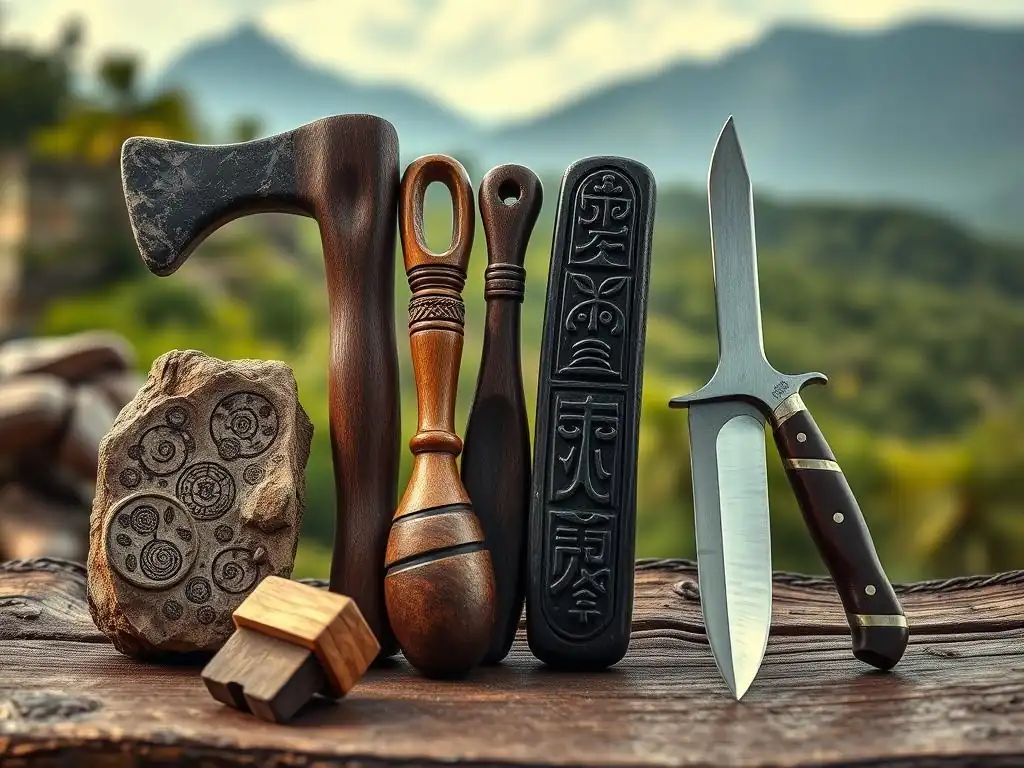
Welcome to Indigenous Civilizations of the Americas, where we embark on a captivating journey through the rich tapestry of indigenous cultures that flourished long before European contact. In our featured article, “From Stone to Steel: The Evolution of Tools in Indigenous Civilizations,” we delve into the fascinating history of indigenous tools and their evolution, revealing the ingenuity and resourcefulness of these remarkable societies. Discover how these advancements not only reflect the technological prowess of indigenous peoples but also their profound connection to the land and sustainable practices.
Are you ready to uncover the stories behind the tools that shaped civilizations? Let’s explore together!
- Introduction to Indigenous Tools Evolution History
- The Stone Age: The Birth of Indigenous Tools
- Transitioning to Metal: The Advent of Steel Tools
- Regional Variations in Tool Evolution Among Indigenous Civilizations
- Cultural Significance of Tools in Indigenous Societies
- Modern Implications of Indigenous Tools Evolution History
- Conclusion: Reflecting on the Indigenous Tools Evolution History
-
Frequently Asked Questions
- What is the main focus of the article "From Stone to Steel: The Evolution of Tools in Indigenous Civilizations"?
- How did indigenous tools evolve over time?
- What types of tools were commonly used by indigenous peoples?
- What impact did indigenous tools have on their societies?
- How does the article address the impact of European colonization on indigenous tools?
- Final Reflection: The Enduring Legacy of Indigenous Tools and Their Evolution
- Unveil the Legacy of Indigenous Tools!
Introduction to Indigenous Tools Evolution History
The evolution of tools in indigenous civilizations is a fascinating journey that reflects the ingenuity and adaptability of these cultures throughout history. Prior to European colonization, diverse indigenous groups across the Americas developed a wide array of tools that were intimately connected to their environments, needs, and cultural practices. From the earliest stone implements to more advanced metalworking techniques, the indigenous tools evolution history showcases not only technological advancements but also the rich cultural tapestry woven by these societies.
This article dives into the intricate history of tool manufacturing technologies among indigenous peoples, examining how these tools were crafted, used, and transformed over time. Understanding this evolution is crucial for appreciating the complexities of indigenous societies and their lasting impact on the natural world and human ingenuity.
Overview of Tool Manufacturing in Indigenous Civilizations
Indigenous civilizations across the Americas exhibited remarkable diversity in their tool-making practices, reflecting their varied environments and lifestyles. The manufacturing of tools began with simple stone implements, which were essential for survival and daily tasks. These early tools included:
- Flint knives: Used for cutting and hunting.
- Axes and adzes: Essential for woodworking and construction.
- Spears and arrows: Integral for hunting and fishing.
As time progressed, indigenous groups began to innovate and refine their tools. The advent of ceramics allowed for the creation of containers and cooking vessels, while the introduction of metallurgy in some cultures led to the production of tools made from copper, bronze, and eventually steel.
The craftsmanship involved in tool making was not merely a practical endeavor; it was also a form of art, with many tools adorned with intricate designs that held cultural significance. These tools were often passed down through generations, embodying both functional and symbolic value.
Importance of Tool Evolution in Indigenous Cultures
The evolution of tools was pivotal in shaping the social, economic, and political landscapes of indigenous cultures. The advancement in tool technologies facilitated:
- Increased Efficiency: Improved tools allowed for more efficient hunting, farming, and crafting, which in turn supported larger populations.
- Cultural Expression: The designs and materials used in tool making reflected the artistic expression and identity of various groups, serving as a medium for storytelling and cultural traditions.
- Trade and Exchange: As tools became more sophisticated, the ability to trade these items fostered relationships between different indigenous tribes, enhancing social networks and cultural exchange.
Understanding the history of indigenous tools not only highlights their achievements but also underscores their resilience and adaptability in the face of environmental and societal changes. The journey from stone to steel is a testament to the innovative spirit of indigenous civilizations and their enduring legacy in the Americas.
The Stone Age: The Birth of Indigenous Tools

Characteristics of Stone Tools in Early Civilizations
The Stone Age marks a pivotal era in the indigenous tools evolution history, characterized by the creation and use of tools made primarily from stone. These tools enabled early indigenous peoples to interact with their environment more effectively, facilitating hunting, gathering, and later agricultural practices. Stone tools can be categorized into two main types: flake tools and core tools.
- Flake tools are made from pieces of stone that are struck off a larger rock, resulting in sharp edges suitable for cutting and scraping.
- Core tools involve the use of the larger stone itself, which is often fashioned into a shape that can be used as a hammer or an anvil.
The primary characteristics of these tools include:
- Durability: Stone tools, when properly crafted, could last for extended periods, making them highly valuable for survival.
- Versatility: Various shapes and sizes allowed for different uses, from hunting to processing food.
- Regional Variations: Different indigenous groups adapted their toolmaking techniques based on available materials and environmental needs, leading to diverse forms and functions.
Techniques Used in Stone Tool Manufacturing
The manufacturing techniques employed in creating stone tools were both innovative and refined, showcasing the advanced skills of indigenous peoples. Key techniques included:
- Knapping: This process involves striking a stone with a harder object to create sharp edges. It requires great skill to control the force and angle of the strike, resulting in a finely crafted tool.
- Bifacial Flaking: This technique involves working on both sides of a stone to create a symmetrical tool, often resulting in more effective edges for cutting.
- Pressure Flaking: Using a pointed tool to apply pressure on the stone, artisans could remove small flakes to refine their edges and create specific shapes.
These methods could yield a variety of tools, including knives, scrapers, and projectile points, each tailored to meet specific needs within the community.
Examples of Stone Tools Used by Indigenous Peoples
Indigenous civilizations across the Americas produced a remarkable array of stone tools that showcase their ingenuity and adaptation. Some notable examples include:
- Clovis Points: Recognized as some of the earliest projectile points in North America, Clovis points are characterized by their distinctive fluted shape. They were primarily used for hunting large game and date back to around 13,000 years ago.
- Atlatl: This spear-throwing device enabled hunters to launch projectiles with increased force and distance, significantly improving hunting efficiency.
- Mortars and Pestles: These tools were essential for grinding grains and seeds, representing a crucial advancement in food preparation technologies.
- Axes and Adzes: Used for woodworking and construction, these tools allowed for the shaping of wood into functional forms, such as canoes and shelters.
Through these innovations, indigenous peoples not only demonstrated their adaptability but also laid the groundwork for further technological advancements, marking a significant chapter in the indigenous tools evolution history.
Transitioning to Metal: The Advent of Steel Tools
The Discovery of Metalworking in Indigenous Cultures
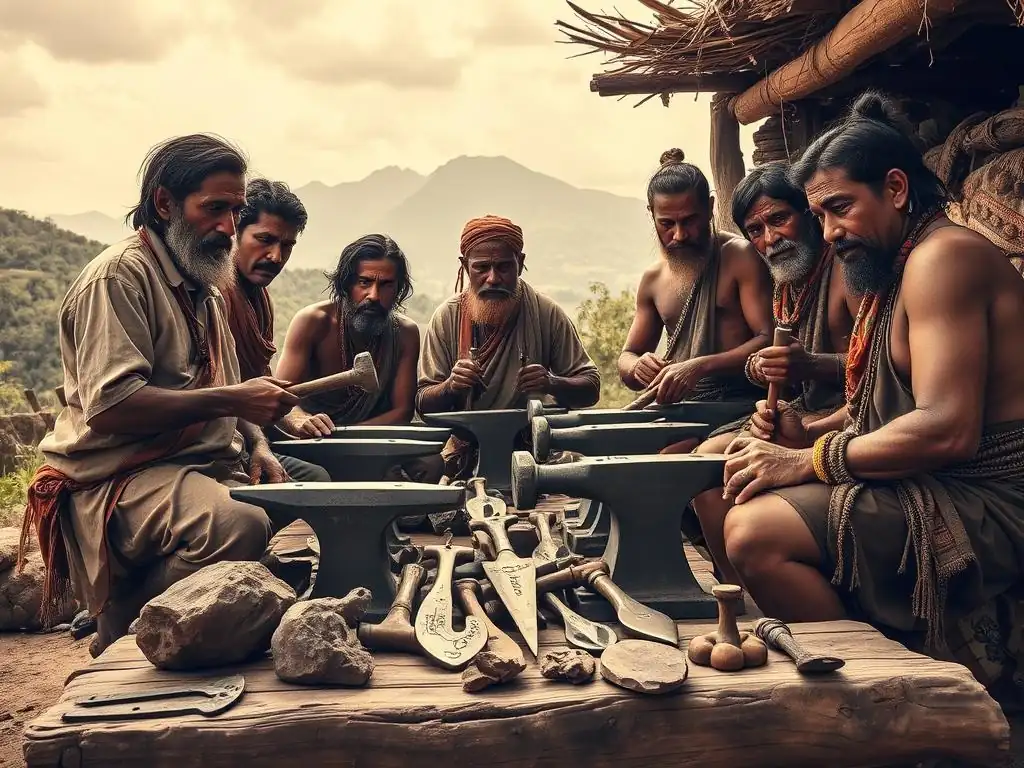
The transition from stone to steel tools marked a significant milestone in the indigenous tools evolution history across various cultures in the Americas. The discovery of metalworking can be attributed to several indigenous groups, notably Mesoamerican and Andean civilizations, who began experimenting with metals such as copper, bronze, and ultimately steel.
The earliest instances of metal use in these societies occurred around 1200 BCE, with the Olmec civilization being one of the first to utilize copper tools. These civilizations developed sophisticated techniques to extract and forge metals, which were often intertwined with spiritual beliefs and rituals. The process of metalworking included:
- Smelting: Extracting metal from ore through heating.
- Alloying: Combining metals to enhance properties (e.g., adding tin to copper to create bronze).
- Forging: Shaping heated metal through hammering and pressing.
By the time steel was introduced, primarily through trade with European colonizers, indigenous cultures were already adept at creating functional tools for agriculture, hunting, and crafting, which would further evolve with the incorporation of steel.
Key Innovations in Metal Tool Manufacturing
The evolution of indigenous tools history is characterized by several key innovations in metal tool manufacturing. As indigenous societies adapted to the availability of metals, they developed unique techniques and tools that showcased their ingenuity. Some of these innovations included:
- Advanced Casting Techniques: Indigenous cultures such as the Incas mastered the art of casting metal tools using molds. This allowed them to produce consistent shapes and sizes for tools, which improved efficiency in agriculture and craftsmanship.
- Heat Treatment: Techniques such as tempering and quenching were used to enhance the durability and sharpness of tools. For instance, steel blades could be treated to achieve a harder edge, making them more effective for cutting and hunting.
- Tool Specialization: As metalworking progressed, indigenous peoples began to create specialized tools for specific tasks, such as:
- Axes for clearing land.
- Knives for butchering animals.
- Fishing hooks and other implements for food gathering.
- Decorative and Symbolic Elements: Metal tools were often intricately designed, reflecting the cultural significance of the objects. Many tools featured ceremonial engravings or were crafted for specific rituals, underscoring the deep connection between tool-making and indigenous identity.
Comparison of Stone and Steel Tools in Indigenous Societies
The comparison between stone and steel tools in indigenous societies reveals significant differences in functionality, production methods, and overall impact on daily life.
| Feature | Stone Tools | Steel Tools |
|---|---|---|
| Material | Primarily made from flint, obsidian, etc. | Made from metals such as iron and steel. |
| Durability | Less durable, often requiring frequent replacement | Highly durable, with proper maintenance extending their life. |
| Manufacturing Process | Labor-intensive, requiring skill in flaking and shaping | Involves smelting, forging, and casting, allowing for mass production. |
| Functionality | Effective but limited in versatility | Highly versatile, with specialized tools for various tasks. |
| Cultural Significance | Often imbued with spiritual meaning | Reflects technological advancement and adaptability. |
The shift from stone to steel tools not only transformed the practical aspects of indigenous life but also facilitated broader changes in social structures, trade networks, and agricultural practices. This evolution in indigenous tools history illustrates the resilience and adaptability of these civilizations in the face of changing technologies and external influences.
Regional Variations in Tool Evolution Among Indigenous Civilizations
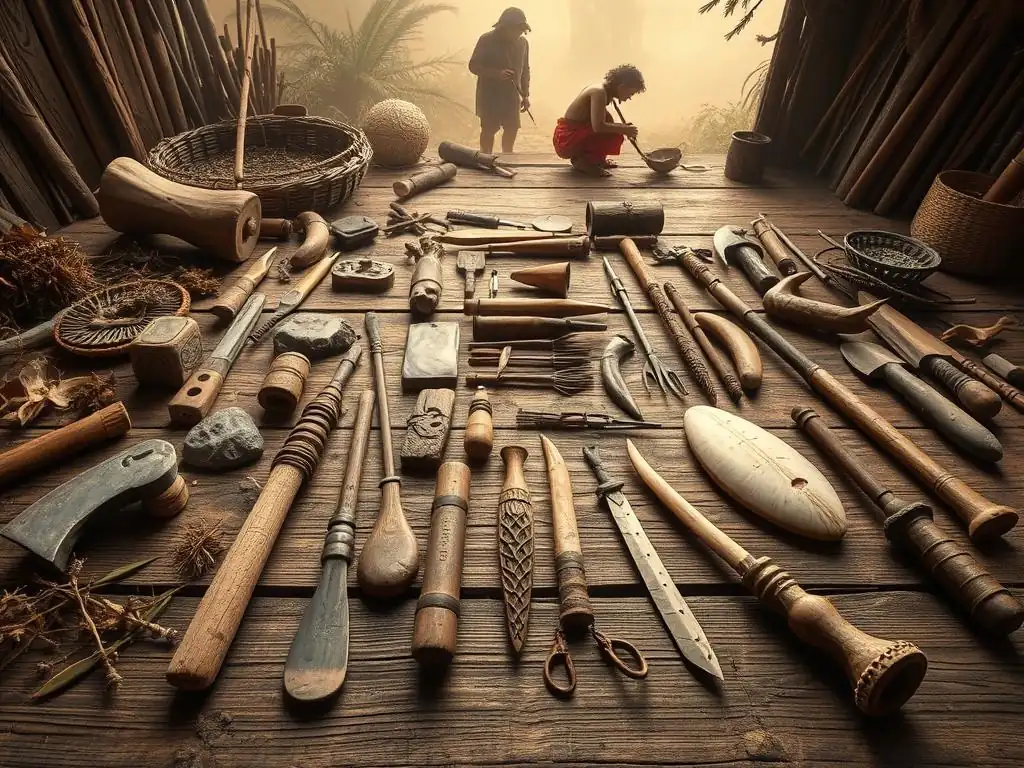
The evolution of tools among indigenous civilizations across the Americas showcases a rich tapestry of innovation and adaptation. Each region's unique environment and resources influenced the types of tools developed and their uses. This section explores the distinct characteristics of tool evolution in North America, Mesoamerica, and South America, illuminating how these cultures harnessed their surroundings to create effective tools that supported their ways of life.
North America: Tools of the Great Plains and Woodlands
In North America, indigenous groups such as the Plains tribes and Woodland cultures exhibited remarkable ingenuity in tool-making.
Great Plains Tools
The Great Plains, characterized by vast grasslands, provided indigenous peoples with specific resources that shaped their tool evolution.
- Bison Hunting Tools: The Plains tribes developed specialized tools for hunting bison, such as the atlatl, a spear-throwing device that increased hunting efficiency.
- Bone and Antler Tools: Utilizing every part of the bison, they crafted tools from bone and antler, including knives and scrapers, essential for processing hides and meat.
Woodland Tools
In contrast, Woodland cultures, located in the eastern regions, focused on tools that aided in agriculture and forest management.
- Adze and Hoe: These tools were vital for clearing land and cultivating crops like maize, beans, and squash, known as the "Three Sisters."
- Basketry and Cordage: The development of woven baskets and cordage from plant fibers allowed for effective storage and transportation of goods, demonstrating a sophisticated understanding of local flora.
The evolution of indigenous tools in North America reflects a direct response to ecological demands and social practices, showcasing both creativity and resourcefulness.
Mesoamerica: Advanced Tool Technologies in Ancient Civilizations
Mesoamerica was home to some of the most advanced indigenous civilizations, such as the Maya and Aztec, whose tool evolution was marked by innovation and complex societal needs.
Stone Tools and Agriculture
The Mesoamerican civilizations are renowned for their agricultural advancements, which were supported by sophisticated tools.
- Maya Tools: The Maya developed chert blades, which were used in agriculture and craft production. These sharp tools allowed for efficient farming practices, contributing to the rise of their complex societies.
- Terracing and Irrigation Tools: To manage their agricultural landscapes, they created tools for terracing and irrigation, demonstrating an understanding of hydraulic engineering.
Metallurgy and Advanced Technologies
By the time of the Aztecs, tool-making had evolved further with the introduction of metallurgy.
- Copper and Bronze Tools: The Aztecs utilized copper and bronze to create tools such as axes and chisels, enhancing their capacity for construction and warfare.
- Ceremonial Tools: Many tools were also imbued with cultural significance, including ceremonial blades used in rituals, highlighting the intersection of utility and spirituality in Mesoamerican societies.
The advanced tool technologies in Mesoamerica not only facilitated agricultural and architectural achievements but also played a crucial role in the social and religious structures of these civilizations.
South America: Unique Tools of the Andes and Amazon
South America's indigenous civilizations, particularly those in the Andes and the Amazon rainforest, developed unique tools tailored to their distinct environments.
Andean Tools
The Andean cultures, such as the Inca, were known for their remarkable engineering skills and sophisticated tool-making.
- Stone Tools and Agriculture: The Incas used finely crafted stone tools for agriculture, including sickles for harvesting. Their terracing techniques enabled them to cultivate crops in challenging mountainous terrains.
- Quipu: An innovative tool for record-keeping, the quipu utilized knotted strings to convey information, demonstrating a complex system of communication and accounting.
Amazonian Tools
In the Amazon, diverse groups adapted their tool-making techniques to the lush rainforest environment.
- Wooden Tools and Bows: Indigenous peoples developed tools primarily from wood, such as bows and arrows for hunting and fishing implements for capturing aquatic life.
- Cultural Artifacts: Many tools were intricately carved and decorated, reflecting the rich cultural narratives and artistic expressions of Amazonian societies.
The unique tools of the Andes and Amazon highlight the adaptive strategies employed by indigenous civilizations to thrive in their respective environments, showcasing the diversity of tool evolution across the continent.
The exploration of tool evolution across the Americas illustrates the ingenuity and adaptability of indigenous cultures, revealing how their tools were not only functional but also intertwined with their social, agricultural, and spiritual lives.
Cultural Significance of Tools in Indigenous Societies
Tools as Symbols of Identity and Status
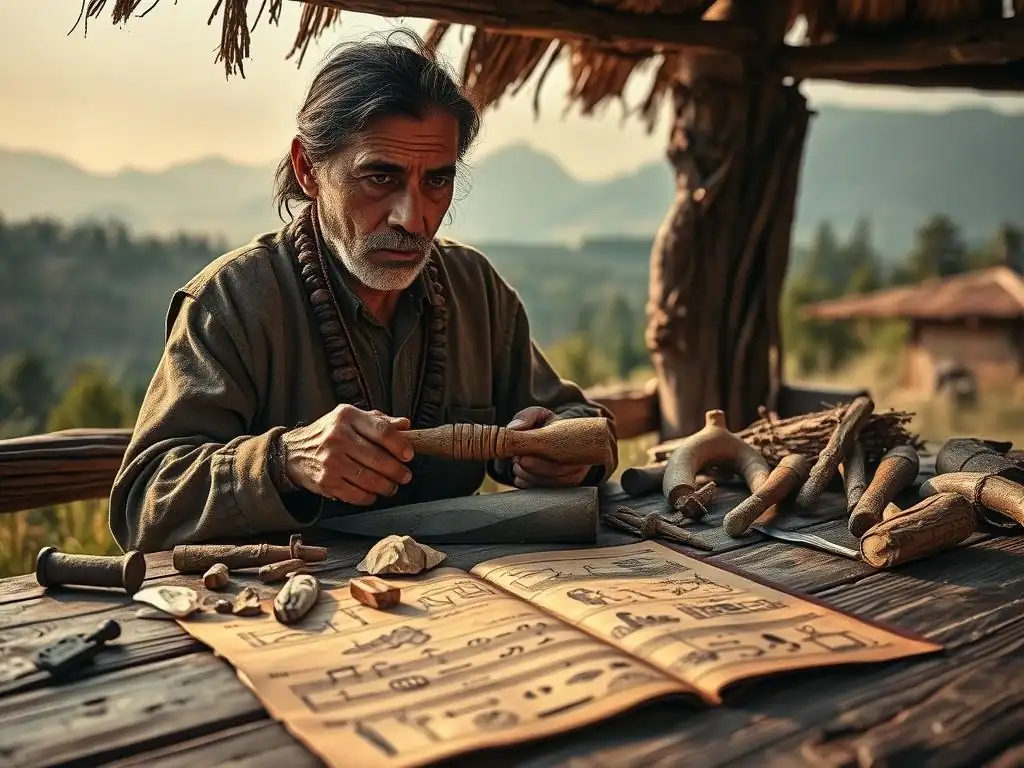
In many indigenous civilizations of the Americas, tools were far more than mere instruments for survival; they were profound symbols of identity and status within various communities. Each tool often reflected the unique cultural heritage, craftsmanship, and social structure of the tribe.
For instance, specific designs and materials used in tool-making could indicate a person's rank or roles within the community. Elite members might possess intricately crafted tools adorned with carvings or precious materials, while everyday tools used by commoners would be more functional and less decorative. This differentiation not only highlighted the social hierarchy but also reinforced cultural narratives about power and prestige.
Among the Navajo, for example, the art of weaving was intertwined with tool-making. The intricate designs of their looms and the quality of the resulting textiles served as a marker of one's social standing. Similarly, among the Maya, ceremonial tools often featured elaborate decorations that conveyed spiritual significance, showcasing the artisan's skill and the user’s status.
The Role of Tools in Daily Life and Survival
The evolution of indigenous tools played a pivotal role in the daily lives of various civilizations, directly impacting their survival and adaptation to diverse environments. Tools facilitated essential practices such as hunting, farming, and crafting, which were integral to sustaining communities.
- Hunting Tools: Indigenous groups developed a variety of hunting tools such as spear throwers (atlatls) and bow and arrows, which allowed them to hunt larger game with greater efficiency. These tools were meticulously designed, often incorporating materials like bone, wood, and stone, showcasing the ingenuity of indigenous craftsmen.
- Agricultural Implements: Farming communities, such as the Inca and Hohokam, engineered tools like digging sticks and hoe-like implements that helped in soil cultivation and planting. The introduction of these tools significantly enhanced agricultural productivity, enabling the support of larger populations.
- Crafting and Building Tools: Beyond hunting and agriculture, tools were essential for crafting everyday items and building shelters. Knives and chisels made from stone or bone were vital for shaping wood and other materials, allowing communities to create functional and communal spaces.
The evolution of these tools was not merely a matter of utility; it represented a deep understanding of the environment and resource management, reflecting the adaptive strategies of indigenous societies over time.
Rituals and Ceremonies Involving Indigenous Tools
Tools held significant cultural and spiritual meanings in indigenous societies, often intertwined with rituals and ceremonies. Many tools were not only practical but also served as vital components in various spiritual practices, showcasing the duality of their existence.
- Ceremonial Tools: Certain tools, such as sacred pipes among the Lakota or rattles in the Mesoamerican cultures, were utilized in rituals to connect with the spiritual realm. These tools were often crafted with care, embedded with symbolism that reflected their cultural beliefs and values.
- Healing Practices: Tools were also essential in healing rituals, where shamans used specific instruments, like herbal preparation tools, to create remedies for physical and spiritual ailments. The process of making these tools often involved communal participation, reinforcing social bonds and cultural identity.
- Seasonal Celebrations: Many indigenous groups employed tools in seasonal ceremonies that marked changes in the agricultural calendar. For example, the Potlatch ceremony of the Pacific Northwest tribes involved the use of carved tools and masks, emphasizing the role of tools in cultural expression and identity.
These rituals not only reflected the skills and artistry of indigenous tool-making but also reinforced the deeper connection between the tools and the community's identity, beliefs, and practices. In essence, the tools became vessels of cultural heritage, carrying with them stories and traditions passed down through generations.
Modern Implications of Indigenous Tools Evolution History
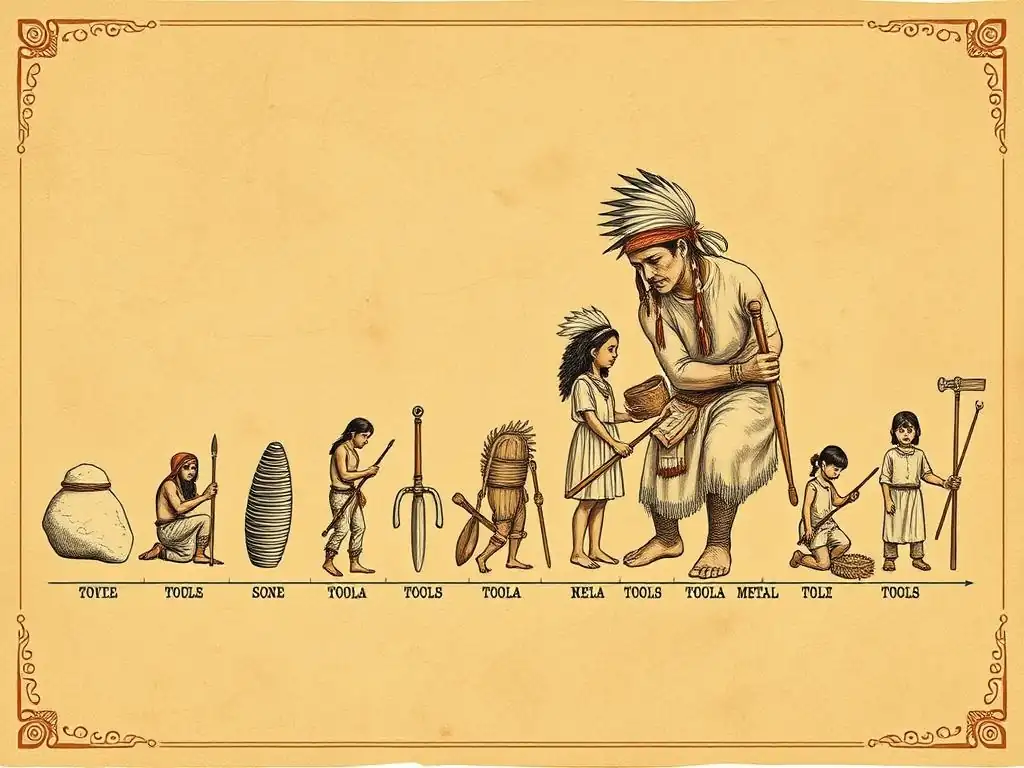
Impact on Contemporary Indigenous Practices
The evolution of indigenous tools has left a profound impact on contemporary indigenous practices. Many indigenous communities today continue to utilize traditional tools and techniques, which not only serve practical purposes but also embody cultural heritage and identity. For instance, the use of stone tools in ceremonial practices remains common in some cultures, symbolizing a connection to ancestors and the land.
Moreover, contemporary artisans often blend traditional methods with modern materials, creating hybrid tools that reflect both heritage and innovation. This fusion allows for the preservation of traditional knowledge while adapting to the demands of modern life. Communities across the Americas are reviving ancient practices in fishing, hunting, and crafting, using tools that have been passed down through generations. This revival fosters a sense of pride and continuity, reinforcing cultural identity in a rapidly changing world.
Preservation of Traditional Tool-Making Techniques
The preservation of traditional tool-making techniques is crucial for sustaining indigenous cultures. Many communities have established workshops and educational programs aimed at teaching younger generations the art of tool-making. For example, the Māori of New Zealand have revitalized traditional carving techniques that are essential for creating their iconic tools, such as the taiaha (a traditional weapon).
Such initiatives often involve:
- Workshops and Classes: Local artisans conduct classes that teach the history and techniques of tool-making.
- Cultural Exchanges: Indigenous groups share their knowledge with one another, fostering a sense of unity and cooperation.
- Documentation Projects: Efforts to document oral histories and techniques ensure that knowledge is not lost over time.
By actively engaging in these preservation efforts, indigenous communities not only maintain their cultural heritage but also contribute to the broader understanding of sustainable practices and technologies.
Lessons from the Evolution of Indigenous Tools for Modern Society
The evolution of indigenous tools offers valuable lessons for modern society, particularly in areas of sustainability and innovation. Indigenous peoples have long understood the importance of utilizing natural resources responsibly and creating tools that have minimal environmental impact. Their techniques often emphasize local materials and biodegradable components, which can inform contemporary manufacturing practices.
Some key lessons include:
- Sustainable Sourcing: Indigenous tool-making often involves the careful selection of materials that are readily available and renewable, offering a model for sustainable resource management.
- Community-Centric Approaches: The collaborative nature of traditional tool-making fosters community ties and shared responsibility, emphasizing the benefits of working together towards common goals.
- Adaptability and Innovation: Indigenous tools evolved in response to changing environments and needs, showcasing the importance of adaptability in innovation. Modern society can learn from this flexibility in its approach to technological development.
The study of indigenous tools evolution history not only enriches our understanding of past civilizations but also provides contemporary society with insights into sustainable practices and community resilience. By embracing these lessons, we can cultivate a more respectful and harmonious relationship with both our environment and cultural heritage.
Conclusion: Reflecting on the Indigenous Tools Evolution History
Summary of Key Points Discussed
The evolution of indigenous tools in the Americas showcases remarkable ingenuity and adaptability among various civilizations. From simple stone tools to more complex implements made of metal, the journey of tool development reflects a deep understanding of available resources and technological advancements.
- Stone Tools: Early indigenous peoples utilized materials such as flint and obsidian to create sharp implements for hunting and gathering. These tools laid the foundation for survival and were pivotal in shaping early societies.
- Bone and Antler Tools: As cultures evolved, so did their tools. Bone and antler became essential materials for creating specialized tools, including needles, fish hooks, and scrapers, which facilitated more efficient daily activities.
- The Introduction of Metal: The arrival of metallurgy transformed indigenous tool manufacturing. Cultures such as the Mississippian and the Andean civilizations began to forge tools from copper and bronze, enhancing their capabilities in agriculture, construction, and warfare.
- Cultural Specificity: Each indigenous group developed tools uniquely suited to their environment and lifestyle, reflecting their specific needs, from the fishing tools of coastal tribes to the agricultural implements of farming communities.
- Sustainable Practices: Indigenous tool-making often integrated sustainable practices, ensuring that their methods had minimal impact on the environment. This aspect of their craftsmanship is increasingly relevant in contemporary discussions on sustainability.
The Lasting Legacy of Indigenous Tool Manufacturing Technologies
The legacy of indigenous tool manufacturing technologies is profound and enduring. These tools not only served immediate practical purposes but also contributed to the cultural identity and social structures of various civilizations. The techniques and methodologies developed by indigenous peoples have influenced modern practices and highlight a deep connection to the land.
- Cultural Heritage: Many indigenous communities continue to practice traditional tool-making techniques, preserving their cultural heritage. These practices serve as a source of identity and pride, showcasing the skills passed down through generations.
- Influence on Modern Tools: Elements of indigenous tool design and functionality can still be seen in contemporary tools, particularly in areas like agriculture and craftsmanship. The principles of ergonomic design and resourcefulness remain relevant, inspiring modern artisans and engineers.
- Educational Value: Understanding the history of indigenous tools provides valuable insights into the resilience and adaptation of these societies. This knowledge encourages a deeper appreciation for the innovations that shaped their lives and fosters respect for their contributions to human history.
The history of indigenous tools evolution is a testament to human creativity and adaptability. By exploring their diverse tool-making practices, we gain not only knowledge of their achievements but also a greater understanding of the complexities of their societies and their lasting impact on our world today.
Frequently Asked Questions
What is the main focus of the article "From Stone to Steel: The Evolution of Tools in Indigenous Civilizations"?
The article explores the evolution of tools used by indigenous civilizations in the Americas, highlighting their historical significance and technological advancements over time.
How did indigenous tools evolve over time?
Indigenous tools evolved from simple stone implements to more complex metal tools, showcasing the ingenuity and adaptability of these cultures in response to their environments.
What types of tools were commonly used by indigenous peoples?
Indigenous peoples utilized a variety of tools, including hunting weapons, farming implements, and crafting tools, each designed to meet the specific needs of their societies.
What impact did indigenous tools have on their societies?
The development of tools significantly influenced indigenous societies by enhancing efficiency in agriculture, hunting, and crafting, which ultimately contributed to their social structures and economic systems.
How does the article address the impact of European colonization on indigenous tools?
The article discusses how European colonization disrupted the traditional practices of tool-making, leading to a decline in the use of indigenous tools and a shift towards European technologies.
Final Reflection: The Enduring Legacy of Indigenous Tools and Their Evolution
The journey from stone to steel in the realm of indigenous tools is not merely a tale of technological advancement; it is a profound narrative that underscores the resilience and ingenuity of indigenous civilizations. Today, as we navigate a world increasingly defined by rapid technological change, understanding the evolution of these tools offers invaluable insights into sustainable practices and cultural heritage. The legacy of these innovations serves as a reminder that progress does not always equate to abandoning traditional knowledge; rather, it can be a harmonious blend of the old and the new.
The impact of indigenous tools on our cultural and social landscape is immense, shaping not only the way communities interacted with their environment but also how they expressed their identities and values. This evolution reflects a deep connection to the land and an understanding of its resources, which continues to resonate today. As we witness a growing movement towards sustainability and respect for indigenous wisdom, we are reminded of the words of renowned anthropologist Claude Lévi-Strauss: The scientist is not a person who gives the right answers, he’s one who asks the right questions.
This notion encourages us to question our own practices and consider how we can learn from the past to forge a more sustainable future.
As we conclude this exploration of indigenous tools and their evolution, I invite you to reflect on your own relationship with technology and the tools you use daily. Consider how you can incorporate the lessons learned from indigenous practices into your life, fostering a deeper appreciation for the resources around you. Whether it’s through supporting indigenous artisans, advocating for sustainable practices, or simply being more mindful of your consumption, every action counts. Let us honor the legacy of those who came before us and strive to create a future that respects both innovation and tradition.
Unveil the Legacy of Indigenous Tools!
Thank you for diving into the fascinating journey of tool evolution in Indigenous civilizations! Understanding how the transformation from stone to steel has shaped cultures and communities enriches our appreciation for their **ingenuity** and **resilience**. Now, let’s take the next step together!
- Explore your local history by visiting a museum or cultural center that showcases Indigenous tools and craftsmanship.
- Share this article with friends to spark conversations about the significance of Indigenous innovations in today’s world!
- Consider creating a hands-on project inspired by Indigenous tools to connect with their practical knowledge and artistry.
What steps will you take today to honor the incredible legacy of Indigenous tool-making? **We invite you to share your thoughts below! **