
Chichen Itza: A Deep Dive into the Architectural Marvels of the Mayans

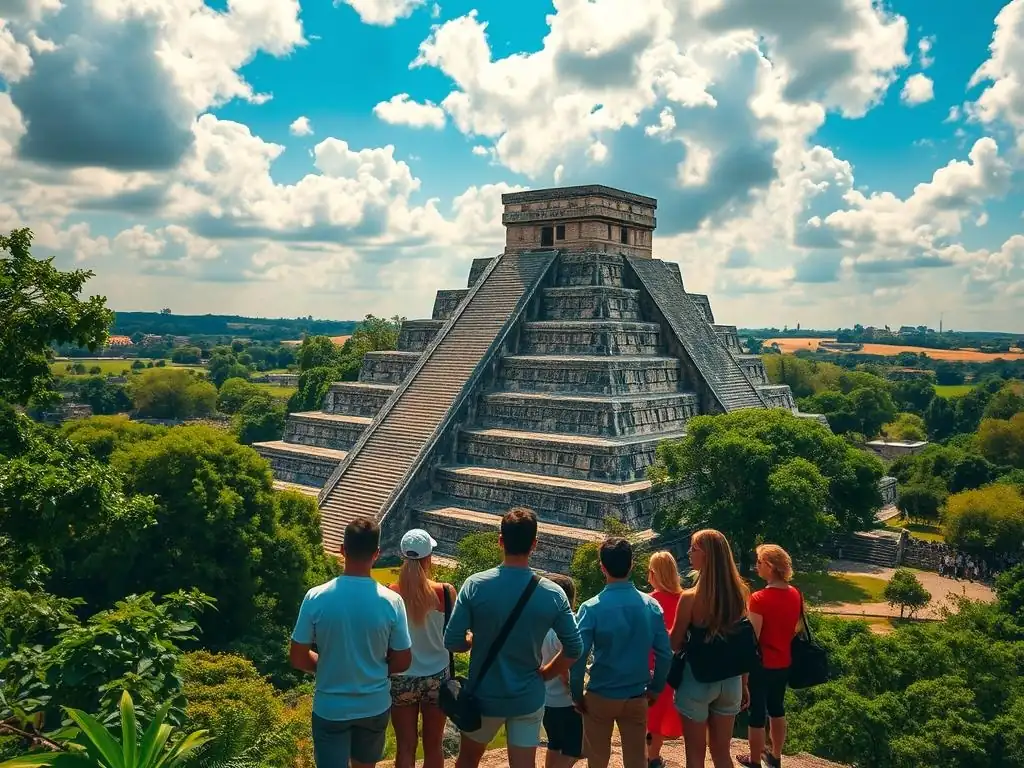
Welcome to Indigenous Civilizations of the Americas, where we embark on a fascinating journey through the rich tapestry of indigenous cultures that flourished long before European contact. In our featured article, “Chichen Itza: A Deep Dive into the Architectural Marvels of the Mayans,” we invite you to uncover the secrets of Mayan architecture and the profound history behind one of the most iconic sites in the world.
Prepare to be captivated as we explore the wonders of Chichen Itza, revealing the ingenuity and creativity of a civilization that has left an indelible mark on history. Dive deeper with us and discover the stories that shaped the Americas!
Introduction to Chichen Itza and Mayan Architecture
Chichen Itza stands as one of the most significant and awe-inspiring remnants of Mayan civilization, captivating the imagination of historians, archaeologists, and travelers alike. This ancient city, located in the Yucatán Peninsula of Mexico, flourished between the 7th and 10th centuries and showcases the remarkable achievements of the Maya in architecture, astronomy, and urban planning. The intricate layout of Chichen Itza, with its majestic pyramids, ceremonial centers, and advanced water management systems, not only reflects the technological prowess of the Mayans but also their deep spiritual and cultural beliefs.
As we explore Chichen Itza, we delve into the rich tapestry of Mayan architecture, marked by its distinctive styles and monumental structures. The site is renowned for iconic features such as the El Castillo pyramid, the Great Ball Court, and the Temple of the Warriors. Each of these structures tells a story of the civilization's complex social hierarchy, religious practices, and astronomical knowledge. The legacy of Chichen Itza continues to resonate, offering insights into the sophisticated world of the Maya and their enduring impact on the cultural landscape of the Americas.
The Historical Context of Chichen Itza
The Rise of the Mayan Civilization
The Mayan civilization emerged around 2000 BC, developing into a complex society characterized by city-states, advanced agricultural practices, and a unique hieroglyphic writing system. By the Classic period (250-900 AD), the Maya had established powerful city-states such as Tikal, Copán, and Palenque, demonstrating exceptional achievements in architecture, mathematics, and astronomy. The rise of these city-states was facilitated by a combination of factors, including fertile lands, trade networks, and innovations in agriculture such as raised-field farming and terracing.
Chichen Itza itself began to flourish in the Late Classic period and became a major economic and political center by the Terminal Classic period (800-900 AD). The city's strategic location allowed it to become a hub for trade and cultural exchange, drawing influences from other Mesoamerican civilizations. The blend of styles and technologies witnessed at Chichen Itza reflects the dynamic interactions between the Maya and neighboring cultures, contributing to its unique architectural identity.
Chichen Itza's Role in Mayan Society
Chichen Itza served as a critical center for religious and political activities within the Mayan civilization. The city's layout reveals its significance as a ceremonial hub, where rituals and ceremonies were held to honor the gods and mark important calendar events. The presence of large public spaces, such as the Great Plaza, indicates the importance of communal gatherings and civic life in the society.
Additionally, Chichen Itza played a pivotal role in the Mayans' astronomical practices. The El Castillo pyramid, also known as the Temple of Kukulcán, is renowned for its remarkable alignment with the sun during equinoxes, demonstrating the Mayans' advanced understanding of celestial movements. This architectural marvel not only served a religious purpose but also functioned as a calendar, showcasing the integration of architecture and science in Mayan culture.
As we embark on this journey through the architectural wonders of Chichen Itza, we will uncover the layers of history that define this extraordinary site and explore its lasting impact on the cultural heritage of the Americas.
Exploring the Architectural Marvels of Chichen Itza
Chichen Itza stands as one of the most iconic symbols of Mayan civilization, reflecting the ingenuity and creativity of its architects. This UNESCO World Heritage Site is not only a treasure trove of impressive structures but also a testament to the cultural and scientific advancements of the Maya. The architectural marvels of Chichen Itza showcase a blend of artistic expression and practical engineering, with each structure serving a specific purpose within the social and spiritual life of the Mayan people.
The site is characterized by its unique blend of architectural styles, which combine elements of the Maya's traditional designs with influences from other cultures, such as the Toltecs. This fusion is evident in the ornamentation and layout of the buildings, which were strategically positioned to align with celestial events. The buildings themselves tell a story, revealing the complex societal structure, religious beliefs, and astronomical knowledge of the Maya.
Visitors to Chichen Itza are often captivated by the intricate carvings and the grandeur of the structures, which demonstrate not only aesthetic beauty but also advanced engineering techniques. The layout of the city was meticulously planned, with each building serving as a focal point for various activities, from ceremonial rituals to athletic competitions. This exploration of Chichen Itza's architectural marvels provides insights into the sophistication of Mayan civilization and its lasting impact on the cultural landscape of the Americas.
The Pyramid of Kukulkan: An Engineering Feat
At the heart of Chichen Itza lies the Pyramid of Kukulkan, also known as El Castillo. This magnificent structure exemplifies the architectural prowess of the Maya and stands as a significant symbol of their cosmology. Rising to a height of approximately 24 meters (79 feet), the pyramid is composed of nine distinct platforms, each representing a layer of the underworld in Mayan mythology.
The design of the Pyramid of Kukulkan is not just a feat of engineering; it also incorporates astronomical significance. The pyramid is aligned in such a way that during the equinox, the play of light creates an illusion of a serpent descending the staircase, symbolizing the feathered serpent deity, Kukulkan. This event draws thousands of visitors each year, showcasing the Maya's deep understanding of the movement of celestial bodies.
Moreover, the pyramid features a total of 365 steps, corresponding to the days of the solar calendar, illustrating the Maya's advanced knowledge of timekeeping and astronomy. The architectural elements, coupled with their symbolic meanings, demonstrate how the Mayans integrated their belief systems into their physical structures, creating a lasting legacy of both functionality and spirituality.
The Great Ball Court: A Social and Ritual Center
The Great Ball Court of Chichen Itza stands as one of the largest and most impressive ball courts in Mesoamerica, measuring over 168 meters (550 feet) in length. This court was not only a venue for the Mesoamerican ballgame but also held significant social and ritualistic importance within Mayan culture. The game played here was more than just a sport; it was a ceremonial event that often involved themes of life, death, and the cosmos.
Surrounded by towering walls adorned with carved reliefs and sculptures, the Great Ball Court showcases the artistry of the Maya. The carvings depict players, deities, and scenes that narrate the myths associated with the ballgame. The acoustics of the court are remarkable, allowing sounds to travel across the space, which may have played a role in the ceremonial nature of the games.
The ballgame was deeply intertwined with Mayan spirituality and politics, often serving as a means of conflict resolution or a display of power among city-states. The significance of the Great Ball Court extends beyond sport; it functioned as a gathering place for the community, reinforcing social bonds and cultural identity through shared rituals and festivities.
The Temple of the Warriors: Symbolism in Structure
Adjacent to the Great Ball Court is the Temple of the Warriors, a complex that showcases the martial culture of the Maya. This impressive structure features a grand staircase flanked by columns, each adorned with intricate carvings depicting warriors and deities. The temple serves as a reminder of the importance of warfare and conquest in Mayan society, reflecting the power dynamics that shaped their civilization.
The architecture of the Temple of the Warriors is notable for its use of columns, a feature that distinguishes it from other structures within Chichen Itza. The colonnade supports a roof that sheltered the sacred space where rituals were conducted, emphasizing the temple's dual role as both a religious and administrative center.
Symbolically, the Temple of the Warriors represents the fusion of the martial and the divine, highlighting the Maya's belief in the interconnectedness of their political and spiritual worlds. The presence of the nearby Group of a Thousand Columns further reinforces the idea of collective strength and unity among the warriors, underscoring the significance of communal identity in the face of external challenges.
The Techniques Behind Mayan Architecture
Mayan architecture is renowned for its complexity and sophistication, reflecting a deep understanding of engineering, materials, and the environment. The techniques employed in constructing monumental structures like those found in Chichen Itza reveal the ingenuity of Mayan builders and their ability to adapt to local resources.
Building Materials and Techniques Used in Chichen Itza
The primary building material used in Chichen Itza was limestone, abundant in the region. The Maya skillfully quarried and shaped this stone to create enduring structures. Techniques such as the use of corbel archways, which allowed for larger openings without the need for keystones, demonstrate the advanced engineering methods employed by the Maya.
In addition to limestone, other materials such as wood and clay were used for decorative elements and roofing. The Maya's understanding of local ecology allowed them to select materials that were not only durable but also aesthetically pleasing. They often enhanced the appearance of their structures with vibrant stucco finishes, painted in a variety of colors that represented different meanings within their culture.
The construction process was labor-intensive and often involved the entire community, reflecting the collective effort and shared purpose that defined Mayan society. The techniques developed by the Maya not only allowed for the creation of impressive structures but also ensured that they would withstand the test of time.
Astronomical Alignments in Mayan Architecture
Mayan architecture is deeply intertwined with astronomy, as many structures were intentionally aligned with celestial events. The Maya were skilled astronomers, capable of accurately predicting solar and lunar eclipses, solstices, and equinoxes. This knowledge was reflected in the orientation of their buildings, which often served as observatories or ceremonial centers.
For example, the Pyramid of Kukulkan's alignment with the equinox demonstrates the importance of celestial events in Mayan culture. Other structures, such as the Observatory (El Caracol), reveal the Maya's interest in studying the stars and planets, showcasing their sophisticated understanding of celestial mechanics.
The integration of astronomical alignments into architectural design not only served practical purposes for agricultural planning and religious ceremonies but also reinforced the Maya's cosmological beliefs. These structures acted as physical manifestations of their worldview, reflecting the harmonious relationship between the earth, the heavens, and the human experience.
Preservation and Restoration of Chichen Itza
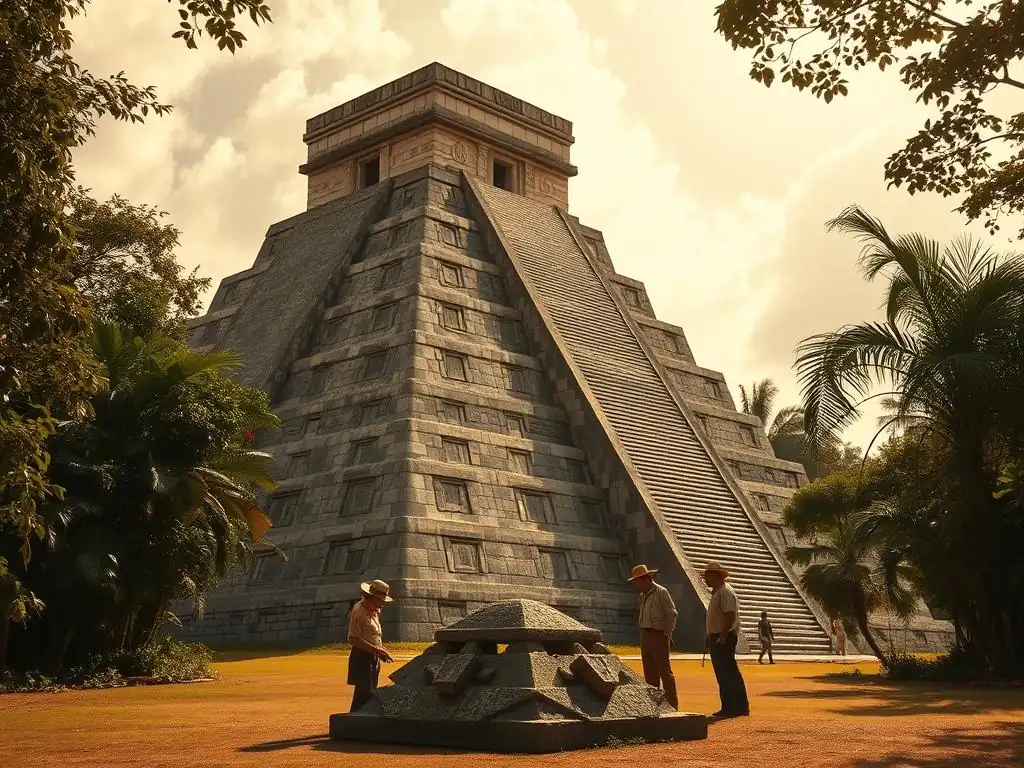
Chichen Itza, one of the most iconic sites of Mayan civilization, is not only a testament to the architectural prowess of the Mayans but also a focus of ongoing preservation and restoration efforts. The site was designated a UNESCO World Heritage Site in 1988, which has helped raise awareness and attract funding for conservation projects aimed at protecting its ancient structures.
Preservation initiatives involve a multi-faceted approach that includes structural restoration, environmental management, and educational outreach. Archaeologists and conservationists work tirelessly to stabilize and restore key structures like El Castillo (the Pyramid of Kukulcán), the Great Ball Court, and the Temple of the Warriors, ensuring that they withstand the test of time. These efforts are essential not only for maintaining the historical integrity of Chichen Itza but also for allowing future generations to appreciate the site’s cultural significance.
Efforts to Preserve Mayan Architectural Heritage
Several organizations, including the National Institute of Anthropology and History (INAH) in Mexico, are at the forefront of preserving Mayan architectural heritage. Their work involves:
- Documentation and Research: Extensive surveys and studies are conducted to document the existing conditions of the structures. This research is crucial for understanding the techniques used by the Mayans and informing restoration practices.
- Restoration Projects: Specific restoration projects have been launched at Chichen Itza, focusing on high-risk areas. For instance, the restoration of the Temple of Kukulcán's base has been a priority to prevent further erosion, which has been exacerbated by environmental factors and tourism.
- Community Engagement: Local communities are involved in preservation efforts, ensuring that they benefit from tourism and recognize the importance of their cultural heritage. Educational programs help instill a sense of pride and responsibility towards the site.
These measures collectively contribute to the preservation of Chichen Itza as a symbol of Mayan ingenuity and cultural identity.
Challenges Facing Chichen Itza Today
Despite ongoing preservation efforts, Chichen Itza faces several challenges that threaten its integrity:
- Tourism Pressure: As one of the most visited archaeological sites in Mexico, the high volume of tourists can lead to physical wear and tear on structures. Foot traffic around sensitive areas can accelerate erosion and damage.
- Climate Change: Increasingly severe weather patterns, including heavy rains and hurricanes, pose significant risks to the ancient architecture. These environmental changes can lead to structural instability and accelerated deterioration.
- Vandalism and Graffiti: Instances of vandalism and graffiti are unfortunate realities in high-traffic tourist sites. While such acts are often the result of individual behavior, they contribute to the degradation of the site’s integrity.
- Funding Limitations: Although efforts are underway, funding for the ongoing maintenance and restoration of Chichen Itza can be limited. Securing consistent financial support is vital for sustaining preservation initiatives.
The combination of these challenges necessitates a continued commitment to conservation and innovative solutions to protect Chichen Itza for future generations.
Visiting Chichen Itza: A Cultural Journey
Visiting Chichen Itza is more than just a trip to an archaeological site; it’s an opportunity to immerse oneself in the rich history and cultural significance of the Mayan civilization. The experience offers insights into the architectural brilliance of the Mayans and the societal structures that supported their thriving culture.
Planning Your Visit to Chichen Itza
When planning a visit to Chichen Itza, there are several factors to consider to ensure an enriching experience:
- Best Time to Visit: The ideal time to visit Chichen Itza is during the dry season, from November to April, when weather conditions are most favorable. This period also tends to be less humid and offers clearer skies for exploring.
- Entrance Fees and Hours: The site is open daily from 8 AM to 5 PM. An entrance fee is charged, which contributes to the site’s maintenance. It is advisable to check for any changes in fees or hours before your visit.
- Guided Tours: Opting for a guided tour can enhance your understanding of the site’s history and architecture. Knowledgeable guides can provide context and share fascinating stories about the structures and their significance.
- What to Bring: Comfortable walking shoes, water, sun protection, and a camera are essential. Given the expansive nature of the site, prepare for a fair amount of walking.
What to Expect When Exploring Chichen Itza
Visitors to Chichen Itza can anticipate a captivating journey through time, marked by stunning architectural features and a deep sense of history:
- Iconic Structures: Expect to be awed by the grandeur of El Castillo, the Pyramid of Kukulcán, which showcases the advanced astronomical knowledge of the Mayans. The equinox phenomenon, where the pyramid appears to cast a serpent shadow, is a must-see.
- Rich Cultural Insights: The site offers insights into Mayan cosmology, religious practices, and societal organization through its various structures, such as the Great Ball Court and the Temple of the Warriors.
- Vibrant Surroundings: The lush natural beauty surrounding the ruins adds to the experience. The contrast between the ancient stone and the vibrant local flora creates a picturesque setting.
- Respectful Engagement: Visitors are encouraged to engage respectfully with the site, recognizing its cultural significance. Following guidelines and showing appreciation for the heritage is vital to preserving the integrity of Chichen Itza.
Exploring Chichen Itza provides a profound connection to the Mayan civilization, allowing visitors to appreciate the intricate history and architectural achievements that define this remarkable site.
Conclusion: The Legacy of Chichen Itza and Mayan Architecture
Chichen Itza stands as a testament to the ingenuity and sophistication of Mayan civilization. The architectural marvels found within this ancient city not only reflect the advanced engineering skills of the Mayans but also their deep understanding of astronomy, mathematics, and social organization. Structures like El Castillo (the Pyramid of Kukulcán) and the Great Ball Court reveal a society that harmonized its spiritual beliefs with practical applications, creating a lasting legacy that continues to captivate scholars and visitors alike.
The continued study and preservation of Chichen Itza are crucial for understanding the broader context of Mayan culture and its influence on modern society. As one of the most visited archaeological sites in the world, it serves as a cultural bridge, connecting contemporary society with the rich tapestry of history that shaped the Americas. The legacy of Chichen Itza extends beyond its physical structures; it represents the resilience and adaptability of indigenous cultures, reminding us of their contributions to human civilization.
Additional Resources for Learning About Mayan Architecture
For those interested in delving deeper into the fascinating world of Mayan architecture, numerous resources are available. These resources encompass a range of formats, including books, documentaries, and online platforms that provide comprehensive insights into the history and significance of Mayan structures.
Recommended Books and Documentaries
- Books:
- “Maya Architecture: A History” by David Freidel and Linda Schele - Offers an in-depth analysis of the architectural styles and their evolution throughout Mayan history.
- “The Maya: A Very Short Introduction” by Matthew Restall - Provides a concise overview of Mayan civilization, including their architectural achievements.
- Documentaries:
- “Secrets of the Maya” - A documentary that explores the mysteries of Mayan civilization, featuring stunning visuals of Chichen Itza and other significant sites.
- “Lost Cities of the Maya” - This film delves into the architectural wonders of the Mayans and the ongoing efforts to uncover their secrets.
Visiting Other Mayan Sites
Exploring other Mayan sites allows for a broader understanding of their architectural diversity and cultural significance. Notable locations include:
- Tulum: Renowned for its stunning coastal views and well-preserved structures, Tulum provides insight into the Mayan's connection with the sea and trade.
- Palenque: Famous for its intricate carvings and stunning temples, Palenque showcases the artistry and architectural prowess of the Mayans.
- Uxmal: Known for its unique architectural style, Uxmal is a UNESCO World Heritage Site that highlights the grandeur of Mayan construction techniques.
Visiting these sites, along with Chichen Itza, enriches the understanding of Mayan civilization and its architectural legacy, offering a tangible connection to the past.
- Introduction to Chichen Itza and Mayan Architecture
- The Historical Context of Chichen Itza
- Exploring the Architectural Marvels of Chichen Itza
- The Techniques Behind Mayan Architecture
- Preservation and Restoration of Chichen Itza
- Visiting Chichen Itza: A Cultural Journey
- Conclusion: The Legacy of Chichen Itza and Mayan Architecture
- Additional Resources for Learning About Mayan Architecture
Frequently Asked Questions
What is Chichen Itza known for in Mayan architecture?
Chichen Itza is renowned for its stunning architectural achievements, including the pyramid of El Castillo, which showcases the Mayans' advanced understanding of astronomy and mathematics.
How did Chichen Itza influence other Mayan cities?
Chichen Itza served as a cultural and economic hub, influencing other Mayan cities through its innovative architectural styles and urban planning, which set standards for future developments.
What are some key features of Mayan architecture found in Chichen Itza?
Key features include stepped pyramids, intricate stone carvings, and the Great Ball Court, which highlight the religious and social significance of architecture in Mayan society.
When was Chichen Itza built, and what does its history reveal?
Chichen Itza was primarily built between the 10th and 12th centuries, reflecting the socio-political dynamics of the time and the Mayan civilization's resilience against external pressures.
What is the significance of Chichen Itza today?
Today, Chichen Itza is a UNESCO World Heritage Site and serves as a symbol of Mayan heritage, attracting scholars and tourists alike who seek to understand its historical and cultural impact.
Final Reflection: The Enduring Legacy of Chichen Itza's Architectural Brilliance
Chichen Itza stands as a testament to the ingenuity and sophistication of Mayan architecture, reminding us that the past is not just a distant memory but a vital part of our cultural identity. The intricate designs and astronomical alignments of this ancient city continue to captivate modern minds, highlighting the importance of preserving our historical sites. As we navigate an increasingly fast-paced world, the lessons embedded in the stones of Chichen Itza resonate louder than ever, urging us to appreciate the artistry and wisdom of those who came before us.
The influence of Chichen Itza extends far beyond its physical structure; it serves as a cultural touchstone that connects us to the rich tapestry of human history. The architectural marvels of the Mayans not only showcase their advanced understanding of engineering and astronomy but also reflect their deep connection to the natural world. As noted by historian David Freidel, The architecture of Chichen Itza is a powerful reminder of the Mayans' ability to harmonize their built environment with the cosmos.
This ongoing dialogue between past and present invites us to reflect on our own relationship with history and the lessons it imparts.
As we conclude our exploration of Chichen Itza, I invite you to take a moment to reflect on how the stories of ancient civilizations can inspire our lives today. Consider how you can apply the principles of innovation, sustainability, and respect for nature that the Mayans embodied in their architecture. Let the legacy of Chichen Itza encourage you to seek out the beauty in your surroundings and to honor the history that shapes our collective future. Together, we can ensure that the marvels of the past continue to inspire generations to come.
Unveil the Wonders of Chichen Itza Today!
Thank you for exploring the architectural marvels of the Mayans with us! We hope you gained insights into the grandeur of Chichen Itza and the rich cultural heritage it represents. Now, it's time to take those insights further and become part of a vibrant community of explorers.
- Plan your visit to Chichen Itza and experience the awe-inspiring structures firsthand.
- Share your journey by posting photos and stories on social media. Use the hashtag #ChichenItzaExplorers to connect with fellow travelers.
- Delve deeper into Mayan culture by exploring their significant contributions to science, art, and architecture on our website.
What part of Chichen Itza inspired you the most, and how do you plan to share that inspiration with others?