
Telling Stories Through Data: How Digital Archaeology Enhances Indigenous Narratives

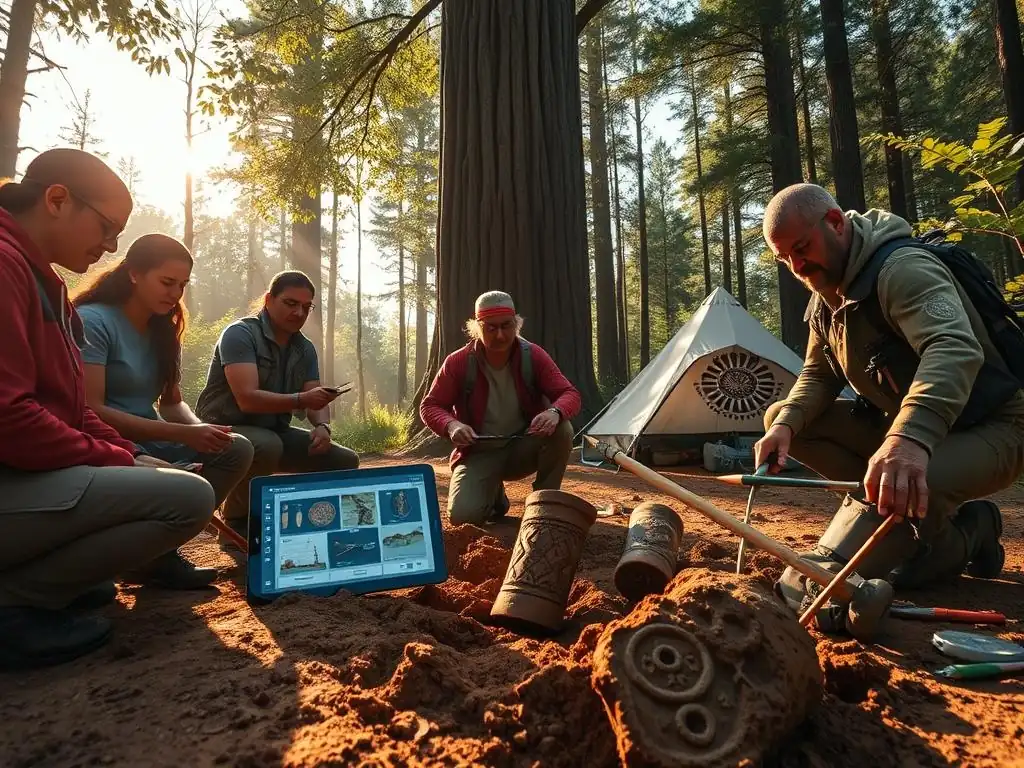
Welcome to Indigenous Civilizations of the Americas, where we embark on a captivating journey through the rich tapestry of indigenous cultures that flourished long before European contact. Here, we delve into the profound achievements and vibrant societies that shaped the Americas, revealing their lasting impact on our world today. In our featured article, “Telling Stories Through Data: How Digital Archaeology Enhances Indigenous Narratives,” we explore the innovative intersection of technology and tradition, uncovering how digital archaeology breathes new life into indigenous stories.
Join us as we uncover these narratives and discover the remarkable legacies that continue to resonate within our cultural landscape. Are you ready to dive deeper into this fascinating exploration?
- Introduction to Digital Archaeology and Indigenous Narratives
- The Intersection of Digital Archaeology and Indigenous Cultures
- Case Studies in Digital Archaeology Enhancing Indigenous Narratives
- Techniques Used in Digital Archaeology
- The Role of Indigenous Voices in Digital Archaeology
- Challenges and Limitations of Digital Archaeology
- Future Directions in Digital Archaeology and Indigenous Narratives
- Conclusion: The Significance of Digital Archaeology in Preserving Indigenous Narratives
-
Frequently Asked Questions
- What is digital archaeology?
- How does digital archaeology benefit indigenous narratives?
- What are some examples of digital archaeology projects focused on indigenous cultures?
- Why is it important to focus on indigenous narratives in archaeology?
- How can individuals support digital archaeology initiatives?
- Final Reflection: Empowering Voices Through Digital Archaeology
- Unveil the Power of Your Own Story!
Introduction to Digital Archaeology and Indigenous Narratives
Digital archaeology represents a transformative approach to understanding and interpreting the rich tapestry of indigenous cultures in the Americas. By leveraging advanced technologies such as Geographic Information Systems (GIS), 3D modeling, and data analytics, digital archaeology allows researchers to uncover, visualize, and narrate the complex histories of indigenous peoples. This method not only enhances archaeological research but also actively involves indigenous communities in the storytelling process, emphasizing their perspectives and experiences. In this article, we will explore how digital archaeology enhances indigenous narratives, demonstrating its significance in preserving and promoting the legacies of these remarkable cultures.
Understanding Digital Archaeology
Digital archaeology is an interdisciplinary field that combines traditional archaeological methods with cutting-edge digital technologies. This integration has led to several key advancements:
- Data Collection and Analysis: Digital tools allow for more precise data collection, enabling archaeologists to analyze vast amounts of information efficiently. Technologies such as LiDAR (Light Detection and Ranging) and drone surveys provide high-resolution mapping of archaeological sites, revealing features that might be invisible to the naked eye.
- Visualization Techniques: 3D modeling and virtual reality offer compelling ways to visualize ancient structures and artifacts. These tools help researchers and the public to engage with archaeological data in immersive ways, fostering a deeper understanding of indigenous cultures.
- Collaboration with Indigenous Communities: Digital archaeology facilitates collaboration with indigenous peoples, allowing them to contribute their knowledge and stories to the archaeological narrative. This partnership is crucial for ensuring that indigenous voices are represented and respected in the research process.
Importance of Indigenous Narratives in Modern Context
Indigenous narratives are vital in fostering a more comprehensive understanding of history and culture. These narratives offer insights into:
- Cultural Continuity: They highlight the resilience and adaptability of indigenous peoples, showcasing how their traditions and knowledge systems have persisted despite centuries of colonization and change.
- Identity and Representation: Indigenous narratives empower communities by affirming their identities and cultural heritage. In a modern context, these stories challenge dominant historical narratives and promote a more inclusive view of history.
- Educational Impact: Incorporating indigenous narratives into educational frameworks enhances the learning experience for all. It encourages critical thinking about history, culture, and the impact of colonization, fostering greater empathy and understanding among diverse audiences.
The intersection of digital archaeology and indigenous narratives not only enriches our understanding of the past but also plays a crucial role in shaping future dialogues about identity, culture, and history.
The Intersection of Digital Archaeology and Indigenous Cultures
Defining Digital Archaeology
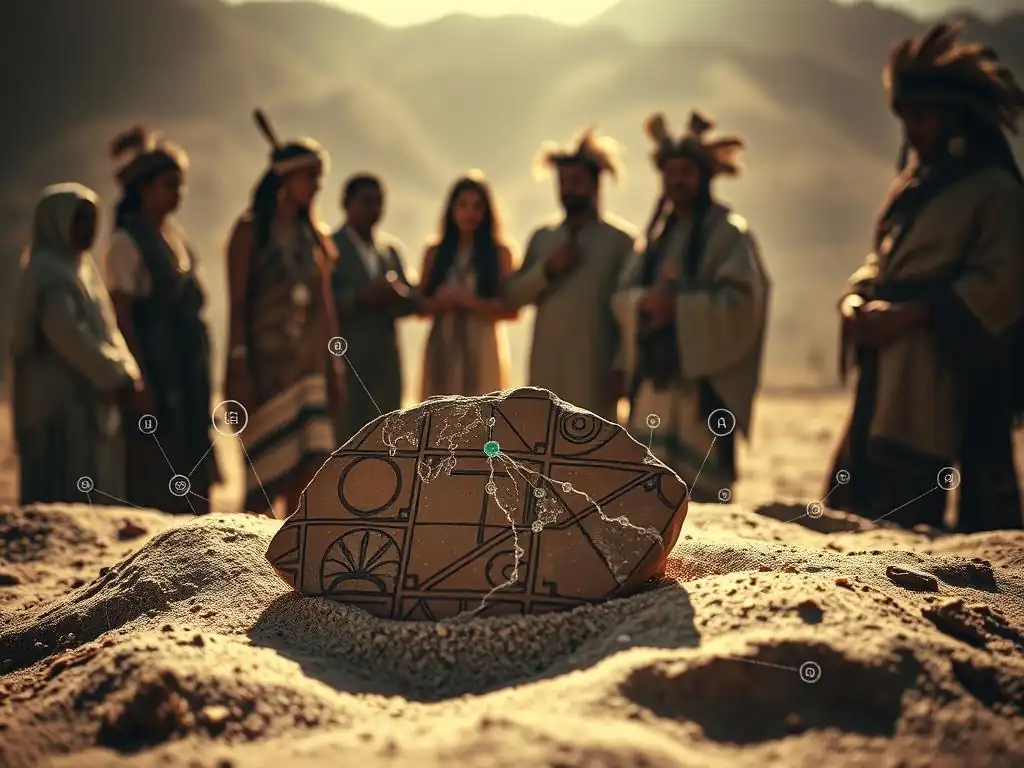
Digital archaeology is an interdisciplinary field that merges traditional archaeological methodologies with modern digital technologies. This approach not only aids in the documentation and analysis of archaeological sites and artifacts but also facilitates the dissemination of information to wider audiences. By utilizing tools such as Geographic Information Systems (GIS), 3D modeling, and data visualization, digital archaeology enhances our understanding of past societies, including indigenous cultures of the Americas.
The significance of digital archaeology lies in its ability to reconstruct narratives that have often been overlooked or misrepresented. It empowers indigenous communities by allowing them to reinterpret their histories and cultural practices through a digital lens. This process often involves collaboration between archaeologists and indigenous peoples, ensuring that the narratives being told are accurate and reflect the community's voice.
For instance, projects that deploy remote sensing technologies can uncover ancient settlement patterns and landscapes that are crucial for understanding indigenous ways of life. These findings can then be shared through digital platforms, creating a more accessible way for both scholars and the general public to engage with indigenous narratives.
How Digital Tools Transform Indigenous Storytelling
The integration of digital tools into the storytelling practices of indigenous cultures represents a profound shift in how these narratives are created and shared. Digital platforms provide indigenous communities with the means to convey their histories, traditions, and values in innovative and engaging ways.
- Interactive Mapping:
- Indigenous peoples can utilize interactive maps to illustrate the geographical significance of their ancestral lands, highlighting historical events, cultural practices, and sacred sites. This not only educates the public but also reinforces the connection between the community and its land.
- Virtual Reality (VR):
- VR technology allows users to immerse themselves in reconstructed historical environments. Indigenous groups can create experiences that transport users to significant moments in their history, fostering a deeper understanding of their culture and heritage.
- Digital Archives:
- The digitization of artifacts, oral histories, and documents creates accessible archives that preserve indigenous knowledge. These archives can be crucial for educational purposes and for future generations to learn about their heritage.
- Social Media and Online Platforms:
- Social media serves as a powerful tool for indigenous communities to share their stories, advocate for their rights, and connect with other cultures. Online platforms enable rapid dissemination of information, helping to challenge stereotypes and promote a more nuanced understanding of indigenous identities.
The transformation brought about by these digital tools is significant. It fosters a resurgence of indigenous voices in the narrative of history, allowing for a presentation of their cultures that is authentic and self-directed. By actively participating in the creation of their narratives through digital means, indigenous communities can reclaim their histories and ensure that they are told in ways that reflect their values and beliefs.
Overall, as digital archaeology continues to evolve, it will play an essential role in shaping how indigenous narratives are understood and appreciated in the broader context of global history.
Case Studies in Digital Archaeology Enhancing Indigenous Narratives
Example 1: Virtual Archaeology in Indigenous Heritage
Overview of the Project
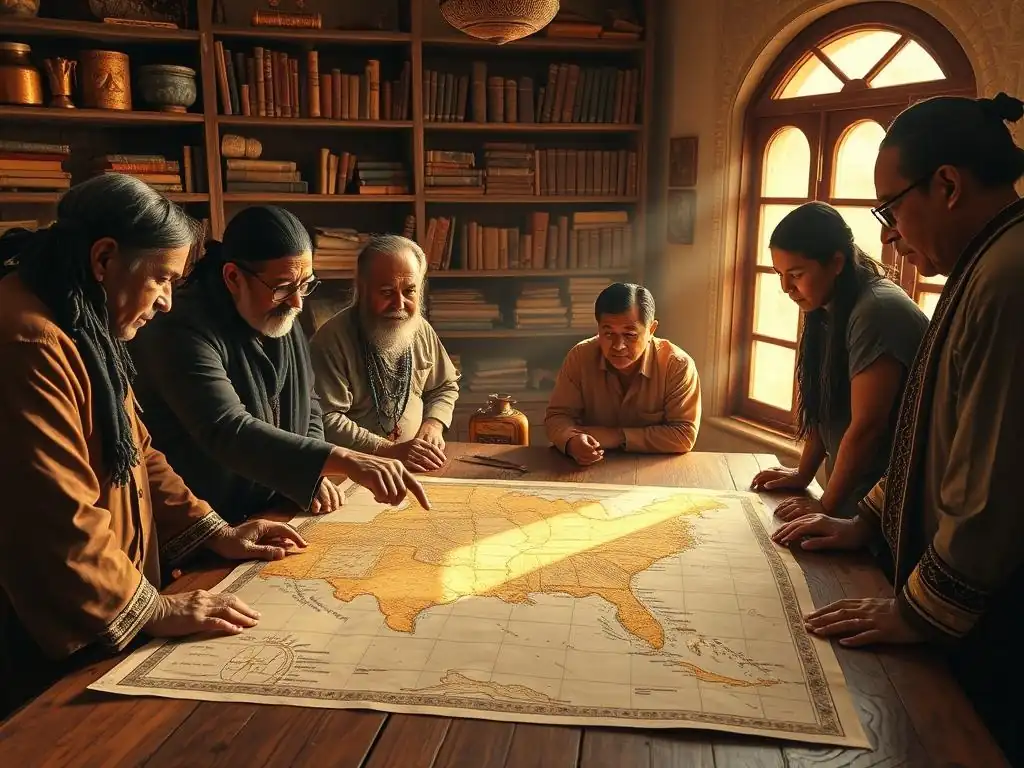
One notable project in the realm of digital archaeology is the use of virtual archaeology to reconstruct and visualize indigenous heritage sites. For instance, the Acoma Pueblo Virtual Reality Project utilizes advanced 3D modeling techniques to recreate the historic landscapes and structures of the Acoma people, also known as the Sky City. This project employs high-resolution photogrammetry and laser scanning to capture the intricate details of architectural features and the surrounding environment.
The virtual environment allows users to navigate the site as it existed centuries ago, providing an immersive experience that highlights the architectural ingenuity of the Acoma. By integrating oral histories and traditional narratives from the community, the project not only serves as an educational tool but also as a platform for indigenous voices to be heard in the digital realm.
Impact on Indigenous Communities
The impact of such projects on indigenous communities is profound. They promote a sense of pride and ownership over cultural heritage, as members can see their histories represented in modern technology. Furthermore, the data generated through these projects aids in conservation efforts, allowing for better management of archaeological sites.
Community engagement is key; by collaborating with indigenous leaders, the project ensures that the narratives being shared are authentic and reflective of the community's perspectives. This partnership empowers indigenous peoples, as they can directly influence how their histories are told and preserved in digital formats.
Example 2: Digital Storytelling Initiatives with Indigenous Youth
Overview of the Project
Digital storytelling initiatives focused on indigenous youth have emerged as a powerful means of preserving and sharing cultural narratives. One such initiative is the Indigenous Youth Digital Storytelling Project, which invites young members of indigenous communities to create their own narratives using digital media. Participants are trained in video production, editing, and storytelling techniques, allowing them to express their cultural heritage through contemporary mediums.
This project emphasizes the importance of personal and collective storytelling while utilizing platforms like YouTube and social media to reach a wider audience. By blending traditional storytelling methods with modern technology, youth can engage with their culture in a way that resonates with their peers.
Significance for Cultural Preservation
The significance of these digital storytelling projects cannot be overstated. They serve as a bridge between generations, enabling young people to connect with their cultural roots and share their stories with the world. This intergenerational dialogue fosters a greater appreciation for indigenous cultures and promotes cultural continuity.
By utilizing keywords such as digital archaeology and indigenous narratives, these initiatives also contribute to a broader understanding of indigenous experiences in the digital age. Ultimately, they empower youth, enabling them to reclaim their narratives and present them in a manner that challenges stereotypes and misconceptions.
Through these case studies, it is clear that digital archaeology plays a vital role in enhancing indigenous narratives, ensuring that they are preserved and celebrated for future generations.
Techniques Used in Digital Archaeology
Geographic Information Systems (GIS) and Indigenous Land Mapping
Geographic Information Systems (GIS) play a pivotal role in digital archaeology, particularly in the context of indigenous narratives. By integrating spatial data with traditional archaeological findings, GIS allows researchers to visualize and analyze the relationships between cultural sites and their environments. This technology not only aids in mapping historical land use but also empowers indigenous communities to assert their land rights and narrate their history through a spatial lens.
- Land Use Analysis: GIS tools enable archaeologists to analyze patterns of land use over time. For instance, by examining layers of historical data, researchers can identify areas of significant cultural activity, such as ceremonial sites or agricultural fields.
- Cultural Heritage Mapping: Indigenous groups can utilize GIS to map culturally significant sites that may not be documented in historical records. This can help in preserving these areas and telling their stories to a broader audience.
- Community Engagement: GIS fosters collaboration between archaeologists and indigenous communities. By involving local knowledge holders in the mapping process, the narratives developed are enriched with traditional ecological knowledge and cultural significance.
3D Modeling and Virtual Reconstruction of Cultural Sites
3D modeling technology has revolutionized the way archaeologists reconstruct and present indigenous cultural sites. These virtual representations allow for immersive experiences that engage both academic audiences and the general public, facilitating a deeper understanding of indigenous histories and cultures.
- Reconstruction of Sites: Using various data sources, including LiDAR and photogrammetry, archaeologists can create accurate 3D models of sites like ancient dwellings, temples, and urban centers. This not only aids in research but also serves as a visual tool for education.
- Interactive Experiences: Virtual reality (VR) platforms enable users to explore these reconstructed sites interactively. This immersive approach allows for a personal connection to the narratives, making history more accessible and engaging.
- Cultural Revitalization: For many indigenous communities, 3D reconstructions serve as a means of cultural revitalization. By visualizing ancestral landscapes and structures, they can reconnect with their heritage and share their stories with younger generations.
Data Visualization Techniques in Telling Indigenous Stories
Data visualization is a critical component of digital archaeology, transforming complex datasets into engaging narratives that highlight the achievements and histories of indigenous peoples. These techniques not only enhance comprehension but also promote awareness of indigenous contributions to society.
- Story Maps: Combining GIS with storytelling, story maps allow users to navigate through historical events while visualizing the spatial context. This technique can illustrate indigenous migration patterns, trade routes, and the impacts of colonization.
- Infographics: By representing data through infographics, researchers can convey key information succinctly. For example, visual representations of population changes, agricultural practices, or material culture can effectively communicate significant shifts in indigenous societies.
- Interactive Dashboards: These platforms enable users to explore various datasets related to indigenous cultures, such as demographic data, artifact distributions, and environmental changes. Through interactive visualizations, audiences can engage with the data, uncovering narratives that might otherwise remain obscured.
The application of digital archaeology techniques such as GIS, 3D modeling, and data visualization serves as a powerful tool in enhancing indigenous narratives. By leveraging technology, researchers and indigenous communities can collaboratively tell their stories, ensuring that these rich histories are preserved and honored for future generations.
The Role of Indigenous Voices in Digital Archaeology
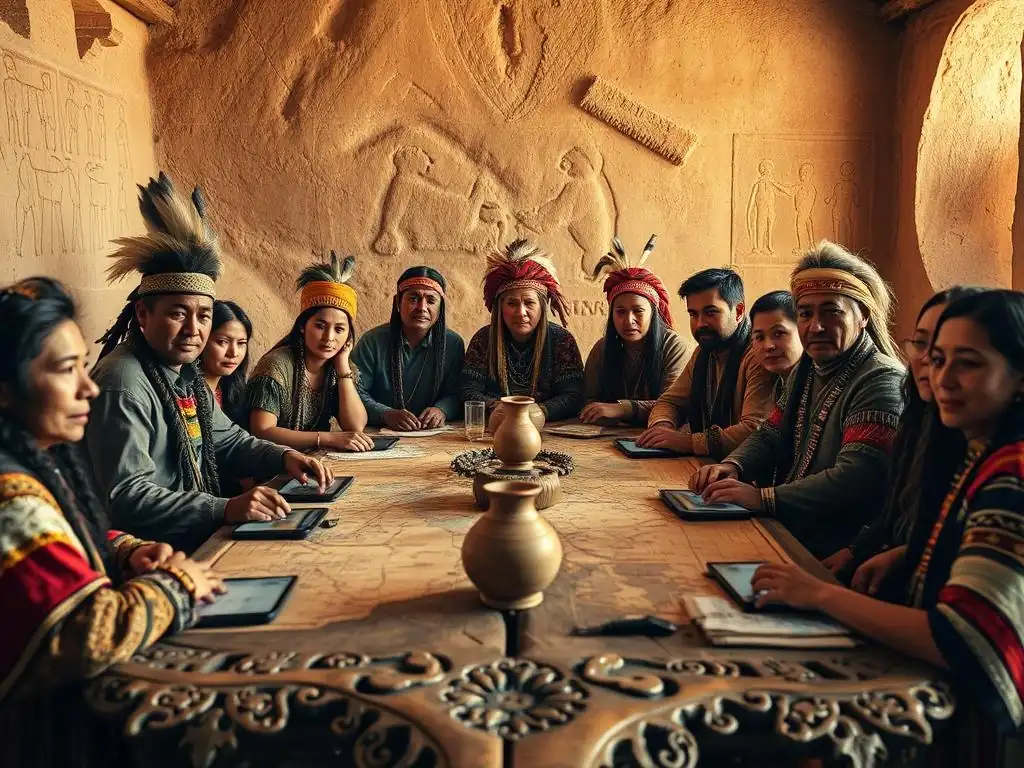
Digital archaeology is not just about technology and data; it is fundamentally about storytelling. Indigenous voices play a crucial role in this narrative, providing context, history, and meaning to archaeological findings. The integration of Indigenous perspectives into digital archaeology enhances the richness of the narratives shared and ensures that the stories told reflect the lived experiences and cultural significance of Indigenous peoples.
Collaborations Between Archaeologists and Indigenous Communities
The collaboration between archaeologists and Indigenous communities is a cornerstone of modern digital archaeology. By working together, these groups can create a more holistic understanding of the past.
- Shared Knowledge: Indigenous communities possess traditional knowledge that has been passed down through generations. This knowledge often includes information about land use, cultural practices, and historical events that may not be documented in written records. When archaeologists incorporate this knowledge, it enriches the archaeological narrative.
- Co-Creation of Data: Many projects now prioritize co-creating data with Indigenous community members. This means involving them in the process of data collection, analysis, and interpretation. For instance, projects like the Digital Archaeology of Indigenous California have successfully integrated Indigenous voices to document and interpret archaeological sites accurately.
- Cultural Heritage Preservation: Collaborations often focus on preserving cultural heritage. By utilizing digital tools, Indigenous communities can document and share their history, ensuring that it is not lost to time. This can include creating digital archives, virtual reality experiences, and interactive maps that highlight significant cultural sites.
Ethical Considerations in Digital Archaeology
As digital archaeology continues to evolve, ethical considerations must be at the forefront of discussions. It is imperative to navigate these complexities with care, ensuring that Indigenous communities are respected and their rights upheld.
- Consent and Ownership: One of the primary ethical concerns is obtaining consent from Indigenous communities before using their cultural data. Establishing who owns the data and how it can be used is vital. Ethical frameworks must prioritize Indigenous sovereignty over their cultural heritage and narratives.
- Representation and Misrepresentation: The risk of misrepresentation looms large in digital archaeology. Archaeologists must be vigilant about how Indigenous narratives are portrayed. Misinterpretations can perpetuate stereotypes and inaccuracies, undermining the authenticity of Indigenous cultures.
- Data Security and Accessibility: With the digitization of cultural artifacts and narratives, data security becomes paramount. Ensuring that sensitive information is protected from misuse or exploitation is crucial. Additionally, discussions around who has access to this data should include Indigenous communities to prevent marginalization.
Empowering Indigenous Narratives Through Technology
Technology serves as a powerful tool for empowering Indigenous narratives in digital archaeology. By leveraging various digital platforms, Indigenous communities can reclaim their stories and cultural heritage.
- Digital Storytelling: Utilizing digital storytelling techniques enables Indigenous voices to narrate their histories in their own words. This can take the form of video documentaries, podcasts, or interactive websites that highlight personal stories and cultural practices.
- Augmented and Virtual Reality: These cutting-edge technologies allow for immersive experiences that bring Indigenous histories to life. Virtual reality reconstructions of ancient sites or augmented reality apps that provide context to cultural artifacts can engage a broader audience and foster a deeper understanding of Indigenous cultures.
- Online Communities and Platforms: Social media and dedicated online platforms provide spaces for Indigenous communities to share their narratives directly with the world. This democratization of storytelling allows for diverse voices to be heard and respected, challenging dominant narratives that have historically silenced Indigenous perspectives.
The intersection of digital archaeology and Indigenous narratives is a dynamic field that offers immense potential for collaboration, ethical consideration, and empowerment. By honoring Indigenous voices and utilizing technology thoughtfully, we can create a more inclusive and accurate representation of the rich histories and cultures that define Indigenous peoples of the Americas.
Challenges and Limitations of Digital Archaeology
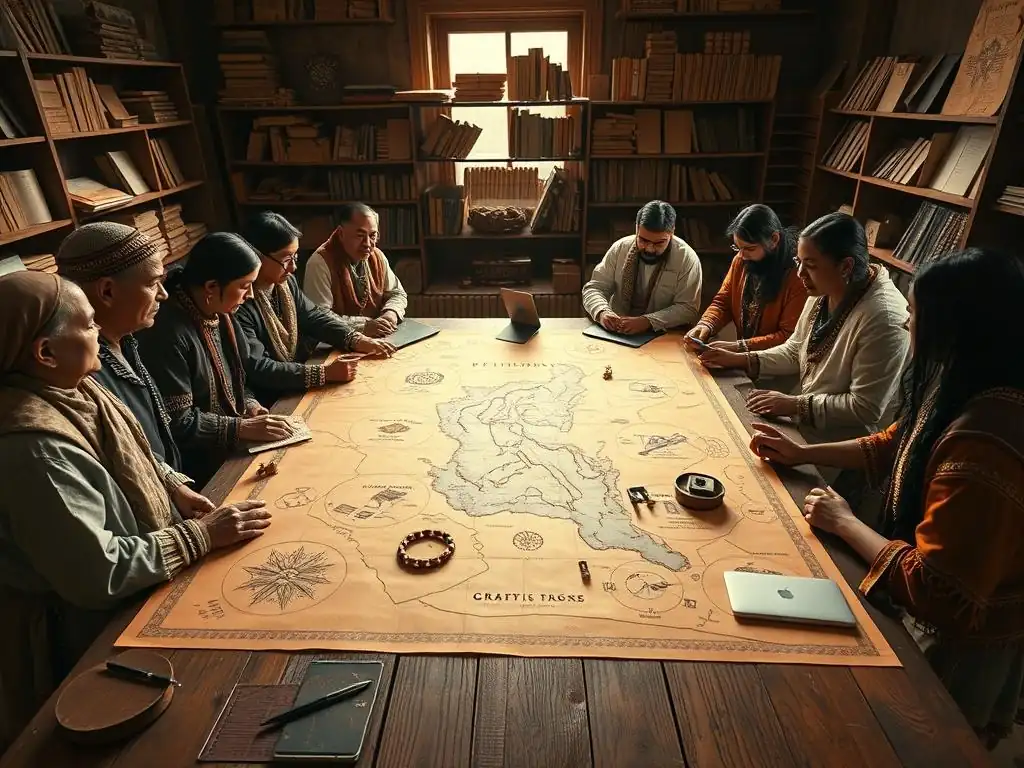
Digital archaeology presents a revolutionary approach to understanding and preserving indigenous narratives. However, it is not without its challenges and limitations. This section delves into two significant hurdles: accessibility and resource constraints, as well as misrepresentation and cultural sensitivity issues.
Accessibility and Resource Constraints
One of the primary challenges facing digital archaeology in the context of indigenous narratives is the accessibility of technology. Many indigenous communities may lack the necessary technological infrastructure, such as high-speed internet and advanced computing tools, to engage with digital archaeology projects effectively. This disparity hinders their ability to participate in or benefit from these initiatives.
- Limited Funding: Many projects are constrained by tight budgets that can restrict the scope of research and outreach. This limitation often results in:
- Inadequate training for community members in digital tools and methodologies.
- Insufficient resources for data collection and analysis.
- Fewer opportunities for collaboration between archaeologists and indigenous groups.
- Digital Divide: The digital divide exacerbates existing inequalities, as some indigenous populations may not have access to the same technological advancements as urban areas. This gap can lead to a lack of representation in digital narratives, ultimately distorting the stories being told.
Misrepresentation and Cultural Sensitivity Issues
The use of digital archaeology to document and present indigenous narratives raises important questions about misrepresentation and cultural sensitivity. Digital tools can inadvertently perpetuate stereotypes or present a skewed view of indigenous cultures if not approached with care.
- Cultural Appropriation: There is a risk that researchers may unintentionally appropriate indigenous stories, artifacts, or symbols for analysis without proper context or permission. This can lead to:
- The commodification of cultural heritage.
- The dissemination of information that does not accurately reflect the beliefs and practices of indigenous peoples.
- Inadequate Representation: Digitally reconstructed narratives may not always include the voices of indigenous communities, leading to a lack of authenticity in the storytelling process. To mitigate this, it is crucial to:
- Collaborate closely with indigenous communities throughout the research process.
- Ensure that narratives are co-created, allowing indigenous peoples to guide how their stories are told and represented.
While digital archaeology holds great potential for enhancing indigenous narratives, addressing these challenges is essential to ensure that the stories told are both accurate and respectful. Through careful consideration of accessibility and cultural sensitivity, a more inclusive and representative framework for storytelling can be developed that honors the rich heritage of indigenous civilizations in the Americas.
Future Directions in Digital Archaeology and Indigenous Narratives
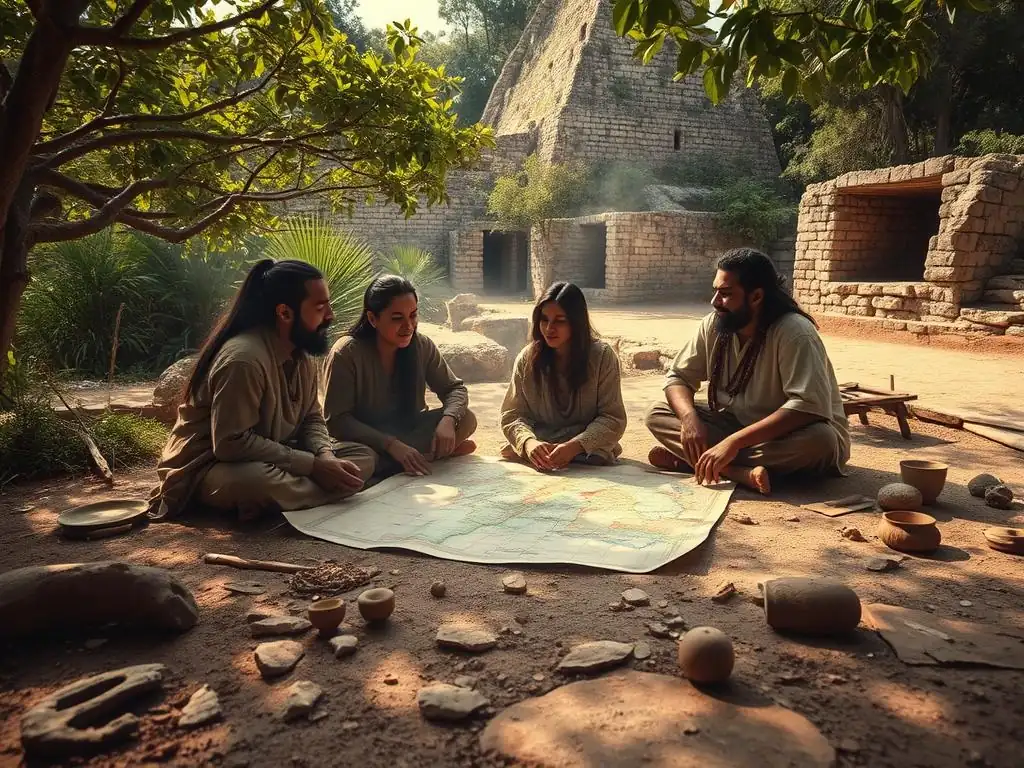
Digital archaeology is rapidly evolving, and its integration with indigenous narratives presents exciting future directions for research and storytelling. As technology continues to advance, the potential for revealing new facets of indigenous histories and cultures becomes increasingly significant. This section explores the emerging technologies that hold promise for enhancing indigenous narratives and the importance of collaboration between archaeologists, indigenous communities, and technologists.
Emerging Technologies and Their Potential Impact
The future of digital archaeology is heavily reliant on innovative technologies that can unlock new ways of understanding and presenting indigenous narratives. Here are some key technologies that are shaping this field:
- 3D Modeling and Virtual Reality (VR)
- 3D Scanning: This technology allows for the detailed capture of artifacts and archaeological sites. By creating accurate digital replicas, researchers can analyze items without the risk of damage.
- Virtual Reality: By immersing users in a virtual environment, VR can facilitate a deeper understanding of indigenous cultures. For instance, exploring a digitally reconstructed ancient village can provide context to cultural practices and societal structures.
- Geographic Information Systems (GIS)
- GIS technology enables the mapping of archaeological sites and their relationships to the surrounding environment. This spatial analysis can highlight settlement patterns, resource distribution, and migration routes of indigenous peoples.
- By overlaying historical data with modern maps, researchers can visualize changes over time and assess the impact of colonization on indigenous land use.
- Data Mining and Machine Learning
- These technologies can analyze vast amounts of archaeological data to identify patterns and correlations that might not be immediately apparent. For example, machine learning algorithms can process excavation records, artifact distributions, and even oral histories to uncover hidden connections.
- Predictive modeling can also be employed to identify potential archaeological sites based on environmental factors and previous findings.
- Digital Storytelling Platforms
- Platforms that combine multimedia elements—such as text, images, audio, and video—allow for the rich presentation of indigenous narratives. These tools enable indigenous communities to share their stories in formats that resonate with contemporary audiences.
- Interactive timelines and maps can facilitate a more engaging exploration of historical events and cultural practices.
The integration of these technologies not only enhances the archaeological record but also empowers indigenous communities to reclaim and share their narratives in a meaningful way.
The Importance of Continued Collaboration
Collaboration between archaeologists and indigenous communities is crucial for the successful integration of digital archaeology in enhancing indigenous narratives. This partnership fosters a respectful and inclusive approach to research and storytelling.
- Knowledge Exchange: Indigenous peoples possess valuable traditional knowledge about their histories, languages, and cultural practices. Collaborating with archaeologists allows for the incorporation of this knowledge into research, ensuring a more holistic understanding of the past.
- Community-Driven Research: Projects that prioritize the voices and perspectives of indigenous communities lead to more relevant and impactful narratives. By involving community members in the research process, archaeologists can ensure that the cultural significance of findings is respected and accurately represented.
- Ethical Considerations: Continued collaboration emphasizes ethical practices in archaeology, particularly concerning the treatment of sacred sites and artifacts. Engaging with indigenous communities helps establish protocols that respect cultural heritage and promote the return of artifacts.
- Capacity Building: Collaborative efforts can enhance the skills and knowledge of indigenous individuals in digital technologies and archaeology. This capacity building not only empowers communities but also ensures that they play a vital role in shaping their own narratives.
The future of digital archaeology and indigenous narratives relies on the synergy between emerging technologies and active collaboration. By leveraging innovative tools and fostering partnerships, we can ensure that the stories of indigenous civilizations are preserved, respected, and shared with the world.
Conclusion: The Significance of Digital Archaeology in Preserving Indigenous Narratives
Digital archaeology plays a pivotal role in preserving and amplifying Indigenous narratives, offering innovative methods to document, analyze, and share the rich histories of Indigenous cultures. By utilizing advanced technologies such as 3D modeling, geographic information systems (GIS), and data visualization, researchers and Indigenous communities can collaboratively reconstruct historical contexts that honor ancestral knowledge and traditions.
One of the most significant aspects of digital archaeology is its ability to democratize access to historical data. By making archaeological findings available online, communities can reclaim their narratives and challenge misconceptions that have persisted for centuries. This shift not only empowers Indigenous peoples but also fosters a greater understanding and appreciation of their contributions to the Americas' cultural heritage.
Recap of Key Insights
- Enhanced Documentation: Digital archaeology facilitates comprehensive documentation of artifacts, sites, and oral histories, ensuring that these vital elements of Indigenous culture are preserved for future generations.
- Collaborative Research: Engaging Indigenous communities in the archaeological process allows for the integration of traditional knowledge with scientific methods, resulting in a more nuanced understanding of the past.
- Cultural Revitalization: The use of digital tools can aid in the revitalization of Indigenous languages and practices, enabling younger generations to connect with their heritage in meaningful ways.
- Data Accessibility: Online platforms and digital archives make historical data accessible to a broader audience, helping to educate the public about Indigenous histories and dispelling stereotypes.
- Interactive Storytelling: Digital archaeology fosters innovative storytelling techniques that allow Indigenous narratives to be shared in immersive and engaging ways, reaching diverse audiences and encouraging dialogue.
Call to Action for Supporting Indigenous Storytelling
To further the impact of digital archaeology on Indigenous narratives, it is crucial for individuals, institutions, and organizations to actively support these initiatives. Here are some ways to contribute:
- Advocate for Funding: Support grants and funding opportunities aimed at digital archaeology projects that prioritize Indigenous collaboration and storytelling.
- Engage with Indigenous Voices: Attend workshops, lectures, and events that feature Indigenous speakers, and seek to learn from their perspectives on their histories and cultures.
- Share Resources: Help disseminate information about digital archaeology projects that focus on Indigenous narratives through social media, community events, or personal networks.
- Participate in Local Initiatives: Get involved with local Indigenous organizations or archaeological projects that seek to preserve and promote Indigenous stories through digital means.
By actively participating in the preservation and promotion of Indigenous narratives through digital archaeology, we can contribute to a more inclusive understanding of history that honors the diverse cultural heritage of the Americas.
Frequently Asked Questions
What is digital archaeology?
Digital archaeology uses modern technology and data analysis to study and interpret archaeological findings, allowing for a more comprehensive understanding of past cultures, including indigenous narratives.
How does digital archaeology benefit indigenous narratives?
Digital archaeology enhances indigenous narratives by providing new tools for storytelling and data visualization, helping to preserve and present the rich histories and cultures of indigenous peoples effectively.
What are some examples of digital archaeology projects focused on indigenous cultures?
Projects may include 3D modeling of artifacts, interactive maps of historical sites, and digital archives that compile indigenous oral histories and documents, offering a deeper insight into their societies.
Why is it important to focus on indigenous narratives in archaeology?
Focusing on indigenous narratives ensures that the voices and perspectives of indigenous peoples are preserved and respected, promoting a more inclusive understanding of history and culture.
How can individuals support digital archaeology initiatives?
Individuals can support these initiatives by advocating for funding, participating in community-driven projects, and promoting awareness of the importance of preserving indigenous histories through digital means.
Final Reflection: Empowering Voices Through Digital Archaeology
In today's rapidly evolving digital landscape, the intersection of digital archaeology and indigenous narratives has never been more relevant. As we strive to understand and honor the rich histories of indigenous cultures, the innovative use of data allows us to reconstruct and amplify their stories in ways that were previously unimaginable. This powerful synergy not only preserves the past but also challenges the dominant narratives that have often overshadowed indigenous voices. The time has come for us to recognize that these stories are not just artifacts of history; they are living, breathing accounts that shape our present and future.
The impact of digital archaeology on indigenous narratives is profound and ongoing. By utilizing technology to document and share these stories, we are witnessing a cultural renaissance that empowers indigenous communities to reclaim their heritage. This resurgence is not merely academic; it is a vital movement that fosters identity, pride, and resilience among indigenous peoples. As the renowned indigenous scholar Linda Tuhiwai Smith once said, Research is a way of knowing, and it is also a way of being.
This highlights the importance of integrating indigenous perspectives into the narrative, ensuring that their stories are told with authenticity and respect.
As we reflect on the lessons presented in this article, I invite you to consider your own role in this narrative. How can you contribute to the preservation and promotion of indigenous stories in your community? Whether through advocacy, education, or simply listening to and sharing these narratives, each of us has the power to make a difference. Let us commit to honoring the past and shaping a future where indigenous voices are celebrated and heard, ensuring that their stories continue to inspire generations to come.
Unveil the Power of Your Own Story!
Thank you for investing your time to explore how digital archaeology enriches Indigenous narratives. Your interest in this vital topic is the first step toward honoring these stories and their connections. Now, it's time to dive deeper and take meaningful action that contributes to this ongoing dialogue.
- Join our community: Connect with local Indigenous groups or organizations and participate in digital storytelling projects.
- Share your insights: Start a conversation on social media about how data can transform narratives by using the hashtag #DigitalIndigenous.
- Explore further: Check out our online resources to discover how you can help preserve and promote Indigenous histories.
What stories from your own heritage or community have shaped your identity, and how can they be effectively represented in the digital age?