
The Importance of Field Surveys in Identifying Indigenous Cultural Landscapes

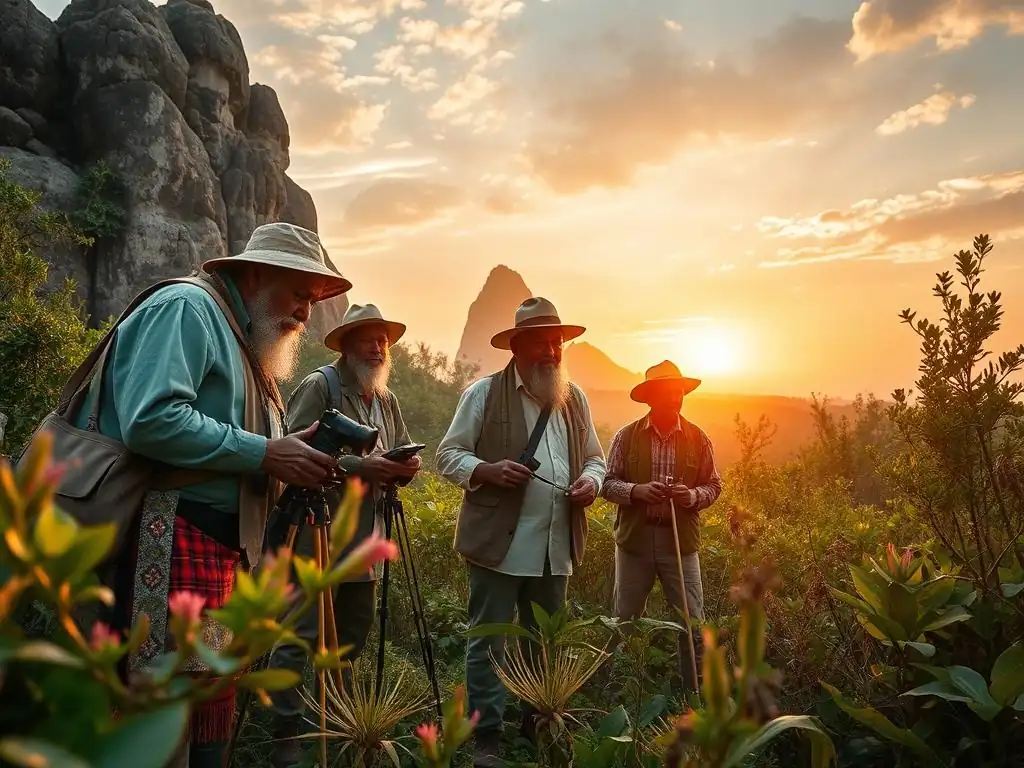
Welcome to Indigenous Civilizations of the Americas, where we embark on a captivating journey through the rich tapestry of indigenous cultures that flourished long before European contact. In our featured article, "The Importance of Field Surveys in Identifying Indigenous Cultural Landscapes," we delve into the vital role that archaeological field surveys play in uncovering the profound achievements and societal structures of these civilizations.
As you explore the intricate connections between land and culture, prepare to discover the hidden stories that shape our understanding of history. Join us as we unveil the enduring legacy of these remarkable cultures and their landscapes, inviting you to dive deeper into their world.
Field surveys play a crucial role in the discovery and understanding of indigenous cultural landscapes, which encompass the intricate relationships between indigenous peoples and their environments. These landscapes are not just physical spaces; they are imbued with cultural significance, history, and identity.
By employing systematic field surveys, archaeologists can uncover vital information about the ways in which indigenous civilizations interacted with their surroundings, adapted to ecological changes, and constructed their social and spiritual worlds. This article explores the profound importance of field surveys in identifying and interpreting these landscapes, shedding light on the achievements and enduring legacies of indigenous cultures across the Americas.
Understanding Indigenous Cultural Landscapes
Definition of Indigenous Cultural Landscapes
Indigenous cultural landscapes refer to specific areas that hold deep cultural significance to indigenous peoples, illustrating their historical, spiritual, and practical connections to the land. These landscapes can include:
- Sacred sites: Locations of spiritual importance, often tied to the myths and beliefs of indigenous communities.
- Settlements: Areas where indigenous peoples established homes, agricultural practices, and communal spaces.
- Trade routes: Paths that facilitated commerce and cultural exchange among different groups.
- Natural features: Rivers, mountains, and other geographical elements that hold cultural meaning or serve as resources.
These landscapes are dynamic, reflecting the evolving relationship between people and their environment over time.
Significance in Indigenous Civilizations of the Americas
The significance of indigenous cultural landscapes extends far beyond their physical attributes. They serve as:
- Historical records: Offering insights into the social structure, economy, and daily life of indigenous civilizations.
- Cultural repositories: Preserving languages, traditions, and customs that are integral to indigenous identities.
- Heritage sites: Providing a sense of place and continuity for indigenous communities, reinforcing their connection to their ancestors.
Understanding these landscapes is essential for acknowledging the contributions of indigenous civilizations to the broader tapestry of human history and culture.
The Role of Field Surveys in Archaeology
What is a Field Survey?
A field survey is a systematic process of exploring and documenting archaeological sites and landscapes. It involves:
- Mapping: Creating detailed maps of areas to record the location of artifacts, features, and significant cultural sites.
- Sampling: Collecting data through systematic sampling strategies to ensure a representative understanding of the landscape.
- Documentation: Using various technologies, including GPS and GIS, to record findings accurately.
Field surveys are essential for identifying and preserving indigenous cultural landscapes, as they provide foundational data that informs further archaeological investigations.
Types of Field Surveys Used in Archaeological Research
There are several types of field surveys employed in archaeological research, each suited to different objectives and landscapes:
- Pedestrian surveys: Involving walking systematically across a landscape to identify and document artifacts and features.
- Aerial surveys: Utilizing drones or other aerial technologies to capture images and data from above, revealing patterns not easily visible from the ground.
- Geophysical surveys: Employing tools like ground-penetrating radar (GPR) to detect subsurface features without excavation.
These diverse methodologies enhance the ability of archaeologists to identify, analyze, and appreciate the complex indigenous cultural landscapes that have shaped the history of the Americas.
Indigenous Cultural Landscapes Survey Methodology
The methodology for conducting an indigenous cultural landscapes survey is a systematic approach designed to document and analyze the various elements that make up these culturally significant areas. This methodology typically encompasses several stages, including planning, data collection, analysis, and dissemination of findings. Each stage is crucial to ensuring that the survey captures the complexities and nuances of the cultural landscapes, which can range from physical features like mounds and artifacts to more abstract concepts such as spiritual significance and land use traditions.
The indigenous cultural landscapes survey methodology often involves collaboration with indigenous communities, recognizing their expertise and knowledge of the land. This collaborative approach not only enriches the data collected but also fosters trust and respect between researchers and the communities being studied. The integration of both traditional ecological knowledge and scientific methods leads to a more comprehensive understanding of cultural landscapes.
Planning and Preparation for Indigenous Surveys
Planning and preparation are fundamental steps in the indigenous cultural landscapes survey process. This phase involves several key activities:
- Engagement with Indigenous Communities: Establishing relationships with local indigenous groups is essential. This can be done through meetings, workshops, or community events where researchers can learn about the community's history and cultural practices.
- Defining Objectives: Clear objectives must be set for the survey. These could include identifying significant sites, understanding land use practices, or documenting traditional ecological knowledge.
- Developing a Survey Plan: This includes choosing appropriate survey methods (e.g., pedestrian surveys, remote sensing, or GIS mapping), determining the survey area, and establishing a timeline.
- Obtaining Necessary Permissions: It is crucial to gain consent from indigenous communities and adhere to legal regulations surrounding land use and archaeological work.
- Training Field Teams: Ensuring that field teams are trained in both survey techniques and cultural sensitivity is vital for conducting respectful and effective research.
By prioritizing these elements, researchers can create a solid foundation for their surveys, leading to more meaningful and accurate results.
Data Collection Techniques in Cultural Landscape Surveys
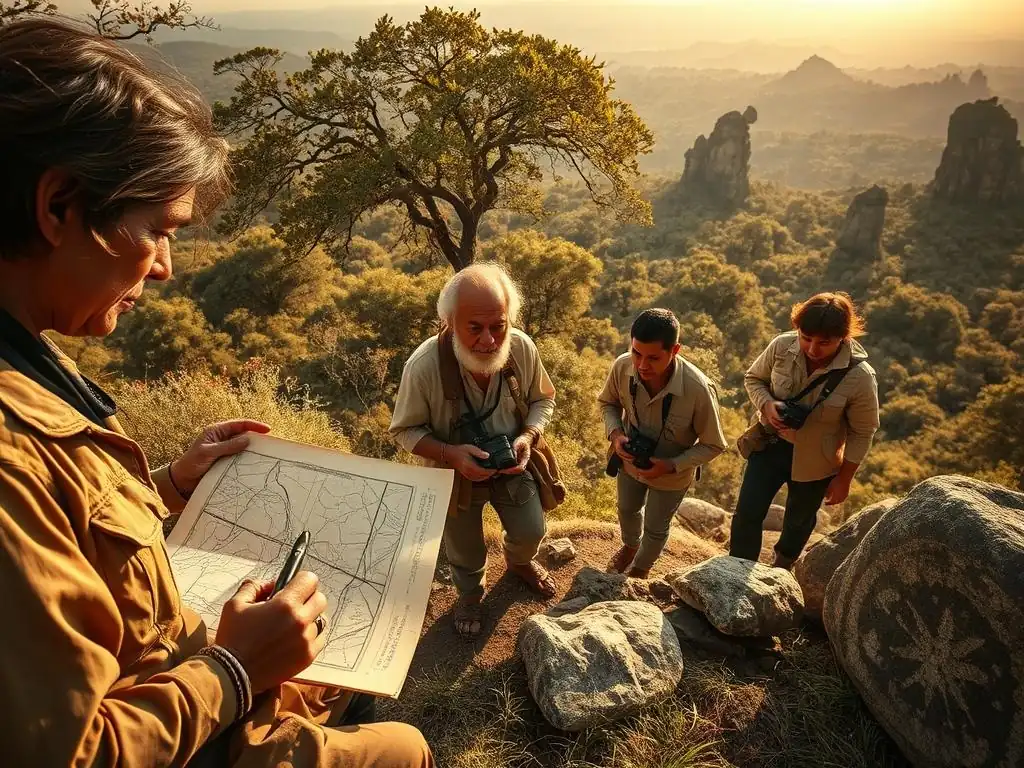
Data collection in indigenous cultural landscapes surveys employs a variety of techniques, each suited to different aspects of the landscape being studied. Common techniques include:
- Pedestrian Surveys: Researchers walk systematically through survey areas to identify and record cultural features, artifacts, and other significant elements. This method allows for detailed observations and documentation.
- Remote Sensing: Technologies such as aerial photography, LiDAR (Light Detection and Ranging), and satellite imagery can reveal features not easily visible on the ground. These tools help researchers identify potential sites of interest for further investigation.
- Geographic Information Systems (GIS): GIS allows for the integration of spatial data with cultural information, enabling researchers to analyze patterns and relationships in the landscape.
- Interviews and Oral Histories: Engaging with community members to gather oral histories and personal narratives enriches the survey data, providing context and depth to the findings.
- Environmental Sampling: Collecting soil, plant, and pollen samples can provide insights into past land use and ecological conditions.
By utilizing a combination of these techniques, researchers can gather comprehensive data that reflects both the physical and cultural dimensions of indigenous landscapes.
Analyzing Survey Data: Techniques and Tools
Analyzing data from indigenous cultural landscapes surveys requires a multi-faceted approach, incorporating various techniques and tools to interpret the collected information accurately. Some of these include:
- Statistical Analysis: Quantitative data can be analyzed using statistical software to identify trends and correlations, providing a clearer picture of land use patterns and cultural significance.
- Spatial Analysis: GIS tools enable researchers to visualize and analyze spatial relationships between different cultural features, helping to reveal patterns that may not be immediately apparent.
- Thematic Analysis: Qualitative data from interviews and community narratives can be analyzed thematically. This involves identifying common themes and concepts that emerge from the data, which can provide deeper insights into cultural practices and beliefs.
- Mapping: Creating detailed maps that highlight significant cultural features and their relationships to the landscape is an essential part of analysis. These maps serve as vital resources for both academic study and community education.
- Collaboration with Indigenous Knowledge Keepers: Involving community elders and knowledge keepers in the analysis process ensures that interpretations align with indigenous perspectives and understandings of the landscape.
These techniques, when applied thoughtfully, enhance the robustness of the survey findings and contribute to a more nuanced understanding of indigenous cultural landscapes.
Benefits of Conducting Indigenous Cultural Landscapes Surveys
Conducting indigenous cultural landscapes surveys offers a multitude of benefits that extend beyond academic inquiry. These benefits include:
Preservation of Indigenous Heritage
Surveys play a crucial role in the preservation of indigenous heritage by documenting cultural sites and practices that may be at risk of erosion or destruction. Through thorough surveys, researchers can identify significant sites that warrant protection and advocate for their conservation. This is particularly important in the face of modern development pressures and environmental changes that threaten these landscapes. Moreover, the process of documentation itself can empower indigenous communities by validating their cultural narratives and histories.
Contribution to Historical Knowledge
Indigenous cultural landscapes surveys contribute significantly to the broader historical knowledge of the Americas. By uncovering and documenting the complexities of indigenous societies before European contact, these surveys challenge dominant historical narratives that often overlook or misrepresent indigenous contributions. The data gathered can lead to new understandings of social structures, agricultural practices, and environmental stewardship, enriching the collective knowledge of human history.
Enhancing Community Engagement and Participation
One of the most impactful benefits of conducting surveys is the enhancement of community engagement and participation. When indigenous communities are actively involved in the survey process, it fosters a sense of ownership and pride in their cultural heritage. This engagement can take various forms, from participating in fieldwork to collaborating on data analysis and interpretation. Furthermore, the survey outcomes can be shared with the community, facilitating discussions about cultural identity, land rights, and future preservation efforts. Ultimately, these surveys can strengthen the relationship between indigenous peoples and their ancestral lands, promoting sustainable stewardship for generations to come.
Challenges in Conducting Field Surveys for Indigenous Cultural Landscapes
Conducting field surveys for indigenous cultural landscapes presents a unique set of challenges that must be navigated carefully. These challenges stem from a combination of ethical, logistical, and sociopolitical factors that can significantly impact the effectiveness of survey efforts. Understanding these obstacles is crucial for researchers and practitioners aiming to document and preserve these vital cultural heritage sites.
Ethical Considerations
One of the foremost challenges in conducting field surveys is the ethical considerations surrounding the involvement of indigenous communities. It is essential to recognize that indigenous cultural landscapes are not merely archaeological sites but are deeply intertwined with the identity, spirituality, and history of the indigenous peoples. As such, researchers must approach these surveys with respect and sensitivity.
Key ethical considerations include:
- Informed Consent: Researchers should obtain explicit consent from indigenous communities before conducting surveys. This involves transparent communication about the purpose of the survey, potential impacts, and how the data will be used.
- Community Involvement: Engaging community members in the survey process not only enhances the quality of the data collected but also fosters trust and collaboration. Indigenous knowledge can provide insights that are invaluable for understanding the cultural significance of the landscapes.
- Cultural Sensitivity: Some sites may hold sacred significance for indigenous groups. Researchers need to be aware of cultural protocols and avoid actions that could be seen as disrespectful or exploitative.
Access and Permissions Issues
Access and permissions represent another significant challenge in field surveys of indigenous cultural landscapes. Many of these areas are located on lands that are privately owned, protected, or subject to various legal jurisdictions.
Several factors complicate access:
- Land Ownership: Researchers must navigate complex ownership issues, often requiring permission from multiple stakeholders, including private landowners, government entities, and tribal authorities.
- Legal Frameworks: Different regions may have varying laws governing archaeological surveys, which can impact researchers' ability to access and conduct studies on specific sites. Understanding these frameworks is crucial for compliance and successful navigation of permissions.
- Cultural Barriers: There may be historical distrust between indigenous communities and researchers due to past exploitations. Overcoming this barrier necessitates building relationships and demonstrating respect for cultural practices.
Navigating Modern Land Use Conflicts
The modern landscape is often influenced by industrial, agricultural, and urban development, which can pose conflicts for conducting surveys of indigenous cultural landscapes. As land use evolves, the pressures on these sites increase, complicating the preservation efforts.
Key challenges include:
- Urban Expansion: As cities grow, indigenous cultural landscapes may be threatened by development projects. Researchers must advocate for the recognition and protection of these sites amidst competing interests.
- Resource Extraction: Activities such as mining, logging, or oil drilling can encroach upon indigenous cultural landscapes, making it crucial for surveys to identify and document these areas before they are altered or destroyed.
- Environmental Changes: Climate change and natural disasters can also impact the integrity of cultural landscapes. Field surveys need to account for these factors in their methodologies to provide a comprehensive understanding of the landscapes’ current state.
Case Studies: Successful Indigenous Cultural Landscapes Surveys
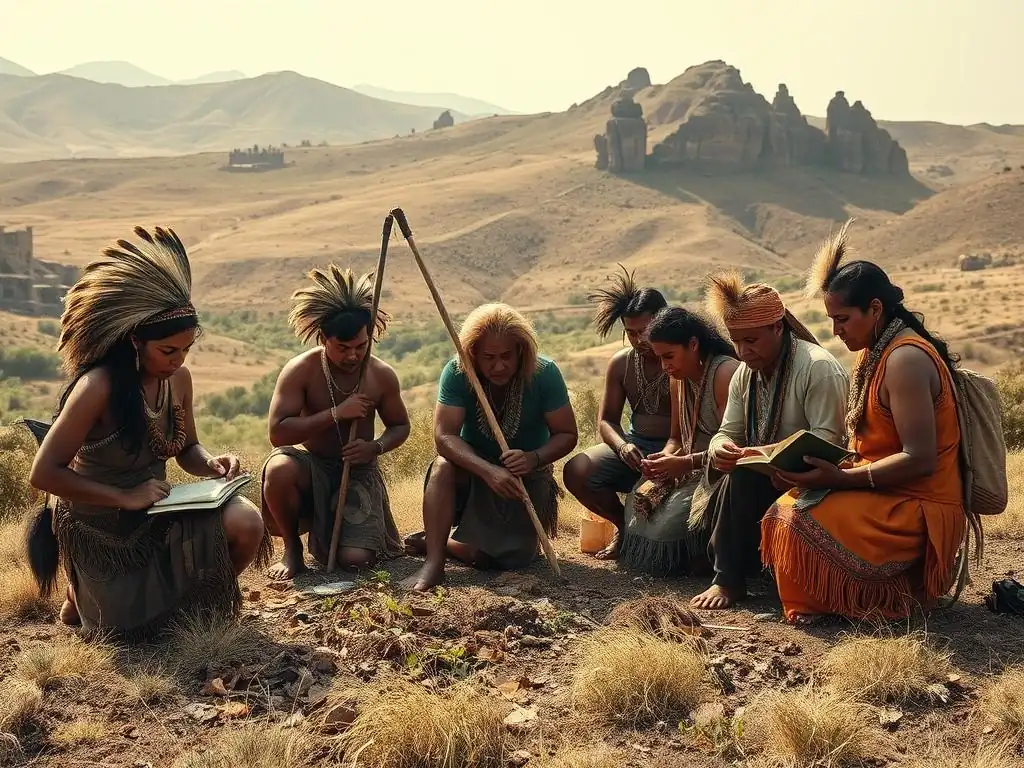
Examining successful case studies can provide valuable insights into best practices and effective methodologies for conducting indigenous cultural landscapes surveys. These examples demonstrate how collaboration and respect for indigenous knowledge can lead to successful outcomes.
Case Study 1: The Pequot Tribe's Land Survey in Connecticut
The Pequot Tribe's land survey in Connecticut serves as an exemplary model of community-driven archaeological work. This survey involved the collaboration between Pequot tribal members and archaeologists to document the tribe’s historical lands and cultural practices.
Key elements of this case study include:
- Community Engagement: The Pequot Tribe actively participated in the survey process, ensuring that their cultural knowledge and perspectives were incorporated.
- Holistic Approach: The survey focused not only on archaeological artifacts but also on oral histories, traditional practices, and the landscape itself, providing a richer understanding of the Pequot heritage.
- Successful Outcomes: The findings of the survey led to enhanced recognition of Pequot cultural landscapes, influencing local policies and land protection efforts.
Case Study 2: The Northern Plains Tribal Heritage Project
The Northern Plains Tribal Heritage Project represents a collaborative effort among multiple tribes in the Northern Plains to document and protect their cultural landscapes. This project highlights the importance of a united approach in addressing common challenges faced by indigenous communities.
Notable aspects of this case study include:
- Collaborative Network: By forming a coalition of tribes, the project leveraged shared resources and knowledge to conduct comprehensive surveys across a broader region.
- Training and Capacity Building: The project included training for tribal members in archaeological methods, empowering the communities to take an active role in the preservation of their cultural landscapes.
- Cultural Revitalization: The surveys not only documented cultural landscapes but also contributed to cultural revitalization efforts, reinforcing the tribes' connection to their heritage and the land.
Through these case studies, it becomes clear that successful indigenous cultural landscapes surveys rely heavily on ethical considerations, community involvement, and strategic collaboration.
Future Directions in Indigenous Cultural Landscapes Surveys
As we look towards the future of indigenous cultural landscapes surveys, several key directions emerge that promise to enhance our understanding and appreciation of these significant areas. The integration of advanced technologies, the fostering of collaborative relationships with indigenous communities, and a growing recognition of the importance of indigenous knowledge all play crucial roles in shaping the next steps in this field.
One of the most promising avenues is the increased use of remote sensing technologies. These methods allow researchers to gather data over vast areas without intrusive excavation, providing insights into the spatial relationships and patterns of indigenous settlements. Drones equipped with LiDAR (Light Detection and Ranging) technology, for example, can create detailed 3D maps of landscapes, revealing features that may not be visible at ground level.
Furthermore, the emphasis on interdisciplinary approaches is expected to deepen. By combining anthropology, ecology, and geography, researchers can create a more holistic understanding of indigenous cultural landscapes. This will enable a more nuanced interpretation of how communities interacted with their environments and adapted to changing conditions.
Innovations in Survey Techniques
Innovations in survey techniques are revolutionizing the way archaeologists and researchers approach indigenous cultural landscapes. One notable advancement is the use of geographical information systems (GIS), which allows for the analysis and visualization of spatial data. GIS can help identify patterns in land use, resource distribution, and settlement organization, thus providing context for indigenous cultural practices.
Another significant innovation is the application of ground-penetrating radar (GPR). This non-invasive technique enables archaeologists to detect subsurface structures without excavation. GPR can uncover features such as burial sites, dwellings, and agricultural terraces, which are essential for understanding the complexity of indigenous societies.
Moreover, the advent of mobile survey technologies has made it possible for researchers to conduct surveys in real-time, enhancing the efficiency and accuracy of data collection. These tools can be particularly beneficial in remote or challenging terrains where traditional surveying methods might be impractical.
Strengthening Collaborations with Indigenous Communities
Strengthening collaborations with indigenous communities is paramount for the success of cultural landscape surveys. Engaging with these communities not only enriches the research process but also ensures that the cultural significance of the landscapes is respected and preserved. Indigenous peoples possess invaluable knowledge about their ancestral lands, which can greatly inform survey methodologies and interpretation.
Establishing partnerships with indigenous groups can lead to co-management of archaeological sites, where both researchers and community members share responsibilities in preservation and education efforts. This collaborative framework fosters mutual respect and understanding, allowing for a more inclusive narrative of history that honors indigenous perspectives.
Furthermore, integrating indigenous viewpoints into the survey process can help identify culturally significant sites that may not be recognized by conventional archaeological methods. This holistic approach acknowledges the ongoing relationship between indigenous peoples and their landscapes, emphasizing the need for sustainable practices that honor their heritage.
Conclusion: The Lasting Impact of Indigenous Cultural Landscapes Surveys
Surveys of indigenous cultural landscapes have profound implications for our understanding of history, culture, and the environment. They not only reveal the achievements of indigenous peoples but also highlight the importance of these landscapes in contemporary society. As we continue to refine our survey techniques and deepen our collaborations with indigenous communities, the impact of this work will only grow.
Summary of Key Points
- Technological advancements such as GIS and GPR are transforming survey methodologies.
- Collaborative efforts with indigenous communities enhance the preservation and interpretation of cultural landscapes.
- The integration of indigenous knowledge is essential for a comprehensive understanding of these landscapes.
Final Thoughts on the Importance of Indigenous Heritage Preservation
Preserving indigenous cultural landscapes is not just about safeguarding the past; it is about recognizing the ongoing relationship that indigenous peoples have with their environments. By prioritizing these surveys, we contribute to a broader understanding of cultural heritage and its significance in today’s world. This commitment to preservation ensures that future generations can appreciate and learn from the rich tapestry of indigenous cultures that have shaped the Americas long before European contact. As we move forward, it is crucial to advocate for practices that honor these legacies, ensuring they remain an integral part of our collective history.
- Understanding Indigenous Cultural Landscapes
- The Role of Field Surveys in Archaeology
- Indigenous Cultural Landscapes Survey Methodology
- Planning and Preparation for Indigenous Surveys
- Data Collection Techniques in Cultural Landscape Surveys
- Analyzing Survey Data: Techniques and Tools
- Benefits of Conducting Indigenous Cultural Landscapes Surveys
- Challenges in Conducting Field Surveys for Indigenous Cultural Landscapes
- Case Studies: Successful Indigenous Cultural Landscapes Surveys
- Future Directions in Indigenous Cultural Landscapes Surveys
- Conclusion: The Lasting Impact of Indigenous Cultural Landscapes Surveys
- What are indigenous cultural landscapes?
- How do field surveys contribute to understanding these landscapes?
- Why is it important to recognize indigenous cultural landscapes?
- What challenges do researchers face when conducting cultural landscape surveys?
- How does the website "Indigenous Civilizations of the Americas" support this research?
Frequently Asked Questions
What are indigenous cultural landscapes?
Indigenous cultural landscapes refer to areas that have been shaped by the traditions and practices of indigenous peoples over generations, reflecting their relationship with the environment.
How do field surveys contribute to understanding these landscapes?
Field surveys play a crucial role in identifying and documenting indigenous cultural landscapes, helping to uncover historical sites, artifacts, and land-use patterns that are vital to understanding indigenous heritage.
Why is it important to recognize indigenous cultural landscapes?
Recognizing these landscapes is essential for preserving indigenous heritage, promoting cultural awareness, and ensuring that traditional knowledge continues to be valued in contemporary society.
What challenges do researchers face when conducting cultural landscape surveys?
Researchers often encounter challenges such as land access issues, language barriers, and the need to respect the sensitive nature of indigenous knowledge while documenting these landscapes.
How does the website "Indigenous Civilizations of the Americas" support this research?
The website provides comprehensive resources and insights into the diverse indigenous cultures, facilitating a deeper understanding of their achievements and the significance of their cultural landscapes.
Final Reflection: Embracing Indigenous Cultural Landscapes Through Field Surveys
The significance of field surveys in identifying indigenous cultural landscapes cannot be overstated; they are essential for preserving the rich tapestry of our shared heritage. In today's world, where globalization often threatens local traditions and identities, understanding and documenting these landscapes is crucial. The importance of these surveys extends beyond mere academic interest; they are a vital tool for empowering indigenous communities and ensuring their voices are heard in the narrative of their own histories.
The impact of recognizing and valuing indigenous cultural landscapes is profound, shaping not only our understanding of history but also our present and future societal values. As we continue to engage with these landscapes, we foster a deeper appreciation for the wisdom embedded in indigenous practices and beliefs. To forget one's ancestors is to be a brook without a source, a tree without a root.
This quote resonates deeply as it underscores the necessity of honoring the connections between people and their land, reminding us that our cultural identities are intertwined with the landscapes we inhabit.
As you reflect on the insights shared in this article, I invite you to consider how you can contribute to the preservation and appreciation of indigenous cultural landscapes in your own community. Engage with local indigenous groups, participate in field surveys, or advocate for policies that protect these vital areas. By taking action, you not only enrich your understanding but also help ensure that these cultural landscapes continue to thrive for generations to come. Let us all commit to being stewards of our shared heritage, recognizing the invaluable lessons that indigenous cultures offer us in navigating our collective future.
Unveil the Richness of Indigenous Landscapes Now!
Thank you for taking the time to explore the vital role of field surveys in recognizing and celebrating indigenous cultural landscapes. Your interest in this topic is the first step toward a deeper understanding and appreciation of these unique histories and communities. Now, let’s turn that insight into action!
- Engage with your community: Organize or participate in local discussions or workshops about indigenous cultural landscapes to foster awareness and support.
- Join a field survey initiative: Find local organizations dedicated to the preservation of indigenous cultures and assist in documenting these significant landscapes.
- Share your learnings: Spread the word by sharing this article with friends or on social media to inspire others to explore the rich heritage of indigenous cultures.
What aspect of indigenous cultural landscapes resonates with you the most, and how can you contribute to their preservation in your community?