
Alliance and Warfare: Indigenous Strategies for Combat and Cooperation

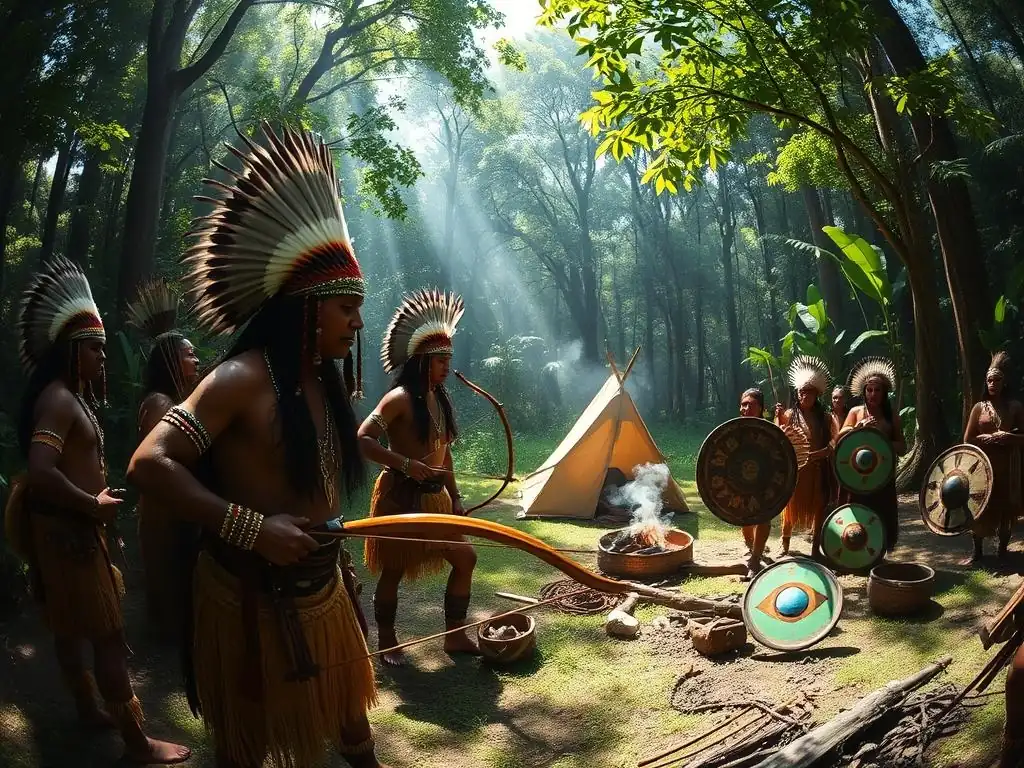
Welcome to Indigenous Civilizations of the Americas, where we embark on a captivating journey through the rich tapestry of indigenous cultures that flourished long before European contact. Here, we delve into the remarkable indigenous combat strategies of the Americas, uncovering the intricate alliances and warfare techniques that defined their societies. Join us as we explore how these ancient peoples navigated conflicts and collaborated for survival, leaving an indelible mark on history. Prepare to be fascinated and inspired by their resilience and ingenuity—read on to discover the profound strategies that shaped their legacies!
Introduction to Indigenous Combat Strategies in the Americas
The indigenous peoples of the Americas developed a rich tapestry of cultures, each with unique combat strategies that were deeply intertwined with their social structures, environmental contexts, and spiritual beliefs. Before European colonization, these societies engaged in various forms of warfare, not only as a means of defense but also as a method of asserting power, securing resources, and maintaining alliances.
This article delves into the indigenous combat strategies of the Americas, highlighting the complexities of warfare and the critical role that alliances played in shaping military outcomes. By examining these strategies, we can gain a deeper appreciation of the sophisticated military technologies and approaches that existed long before the arrival of Europeans.
Overview of Indigenous Societies and Warfare
Indigenous societies across the Americas exhibited a diverse range of social organization and military practices. From the highly structured societies of the Aztec and Inca empires to the decentralized clans of the Iroquois Confederacy, each group had its own approach to warfare. Some common elements can be observed:
- Warriors' Roles: In many cultures, warriors held esteemed positions within their communities, often viewed as protectors and leaders. Their training began at a young age, focusing on skills such as hunting, tracking, and combat techniques.
- Spiritual Dimensions: Warfare was often infused with spiritual significance, with rituals and ceremonies conducted to seek favor from deities. Victories in battle were seen as blessings, while defeats could be interpreted as divine disapproval.
- Tactics and Techniques: Indigenous combat strategies were adaptive, often utilizing guerrilla tactics, ambushes, and strategic retreats. Knowledge of local terrain was crucial, allowing warriors to exploit natural features for tactical advantage.
These elements underscore the importance of understanding indigenous combat strategies within the broader context of their societies.
Importance of Alliances in Indigenous Combat
Alliances played a pivotal role in the military strategies of indigenous peoples. These partnerships were often forged for mutual protection, resource sharing, and collective action against common enemies. Key aspects include:
- Political Alliances: Many indigenous groups formed alliances to enhance their military capabilities. For instance, the Iroquois Confederacy, comprising several tribes, exemplified a sophisticated political and military alliance that allowed for coordinated responses to threats.
- Trade and Resources: Alliances often facilitated trade agreements that ensured a steady supply of weapons, food, and other resources essential for warfare. This interdependence strengthened bonds among allied groups.
- Cultural Exchange: Alliances also fostered cultural exchanges, where military strategies, technologies, and even spiritual practices were shared, enhancing the overall effectiveness of allied forces.
Understanding the significance of alliances helps to contextualize the complexities of indigenous combat strategies prior to European contact.
Historical Context of Warfare Among Indigenous Peoples
Pre-Columbian Military Conflicts
Before the arrival of Europeans, the Americas were not a peaceful landscape. Numerous conflicts erupted among various indigenous groups, driven by factors such as territorial disputes, resource competition, and the quest for dominance. Notable examples include:
- The Aztec Wars: The Aztecs engaged in a series of military campaigns to expand their empire, utilizing a combination of diplomacy, alliances, and outright warfare to subjugate rival city-states.
- The Pueblo Revolt (1680): Although this occurred after European contact, it illustrates the indigenous capacity for organized resistance against colonial forces, showcasing the enduring traditions of combat and cooperation.
These historical conflicts provide insight into the military dynamics that existed before European intervention.
The Role of Geography in Combat Strategies
Geography played a crucial role in shaping the combat strategies of indigenous peoples. The diverse landscapes of the Americas influenced how societies approached warfare:
- Mountainous Regions: In areas like the Andes, indigenous groups utilized the terrain to their advantage, employing ambush tactics and establishing fortified positions.
- Forested Environments: In the dense forests of North America, guerrilla warfare became a prevalent strategy, with warriors adept at using natural cover for surprise attacks.
- Plains and Open Lands: In contrast, societies in the Great Plains often engaged in large-scale cavalry tactics, utilizing horses for mobility and speed.
The interplay between geography and combat strategies highlights the adaptability and resourcefulness of indigenous peoples in the face of conflict.
By exploring the diverse indigenous combat strategies of the Americas, we can better understand the complexity of their societies and the lasting impacts of their military practices. In the following sections, we will delve deeper into specific strategies, alliance formations, and the historical significance of warfare among these remarkable cultures.
Key Indigenous Combat Strategies in the Americas
Indigenous combat strategies across the Americas were remarkably diverse, shaped by the unique environments and cultures of various tribes. These strategies were not only focused on warfare but also emphasized the importance of alliances and cooperation among groups. The indigenous peoples developed a range of tactics that leveraged their intimate knowledge of the land, their social structures, and their cultural practices. Among these strategies, surprise tactics, effective use of terrain, and psychological warfare played pivotal roles in their combat approaches.
Surprise Tactics and Ambush Strategies
Surprise tactics were a hallmark of indigenous combat strategies. Many tribes employed guerrilla warfare techniques, characterized by swift, unexpected attacks on their enemies. This approach often involved small, mobile groups who could strike quickly and retreat before a counterattack could be organized.
Ambush strategies further enhanced these surprise tactics. Indigenous warriors would often choose locations with natural cover, such as dense forests or rocky outcrops, to hide and wait for unsuspecting enemy forces. This method allowed for a significant tactical advantage, as the attackers could launch their assault when the enemy was least prepared. For instance, the Iroquois Confederacy adeptly utilized ambush tactics during their conflicts with European settlers and rival tribes, showcasing their strategic ingenuity.
Use of Terrain in Indigenous Warfare
The understanding and utilization of terrain were crucial elements of indigenous combat strategies. Different groups adapted their warfare techniques to the specific landscapes they inhabited, whether it be mountains, forests, plains, or swamps.
For example, the Plains tribes, such as the Lakota and Cheyenne, mastered the art of mobility on horseback, allowing them to cover vast distances quickly and conduct hit-and-run raids on their enemies. In contrast, tribes in heavily forested regions, like the Algonquin and Huron, developed tactics that involved stealth and blending into their surroundings, using the trees as cover.
This intimate knowledge of the land not only provided tactical advantages but also influenced the types of weaponry and combat styles employed. The ability to manipulate the environment played a crucial role in the success of various indigenous groups during conflicts.
Psychological Warfare and Deception Tactics
Psychological warfare was another important aspect of indigenous combat strategies. Many tribes employed deception and misinformation to confuse and intimidate their enemies. This could involve creating false trails, misleading sounds, or even utilizing disguises to create the impression of larger forces.
One notable example is the use of war cries and ceremonial displays to instill fear in opponents before a battle. The Aztecs, for instance, were known for their elaborate rituals and displays of strength that aimed to demoralize their enemies even before the first blow was struck. Such tactics not only disrupted the enemy's morale but also allowed indigenous groups to gain an upper hand in combat situations.
Alliances and Cooperation Among Indigenous Groups
The formation of alliances among indigenous groups was a critical strategy for enhancing military strength and ensuring survival in the face of external threats. These alliances were often based on shared interests, mutual benefits, and cultural ties, allowing tribes to pool their resources and coordinate their efforts in warfare.
Formation of Military Alliances
Military alliances among indigenous peoples were often formed in response to common threats or rivalries. These alliances could take various forms, ranging from temporary coalitions for specific campaigns to more permanent confederations. The Iroquois Confederacy is a prime example, where several tribes united for mutual defense and to strengthen their influence over trade and territory.
Such alliances were not only strategic but also reflected complex social and political relationships. They often involved negotiations, intermarriage, and shared ceremonies that helped to solidify the bonds between different groups. This cooperation allowed indigenous peoples to present a united front against common adversaries, significantly impacting their military effectiveness.
Cultural and Economic Factors in Alliances
Cultural and economic factors played a significant role in shaping alliances among indigenous groups. Shared language, traditions, and customs often facilitated cooperation, allowing tribes to communicate effectively and work together. Economic interests, such as trade routes and resource access, also motivated alliances, as groups recognized the benefits of collaboration.
The fur trade, for instance, led to significant alliances between various tribes and European traders. Indigenous groups formed partnerships to enhance their bargaining power and protect their interests against rival tribes. This interplay of cultural and economic factors not only strengthened alliances but also influenced the broader dynamics of indigenous warfare.
Case Studies of Successful Alliances in Warfare
Several case studies highlight the effectiveness of indigenous alliances in warfare. One notable example is the collaboration between the Algonquin and Huron tribes against the Iroquois during the 17th century. By combining their military forces, they were able to mount significant resistance against the Iroquois Confederacy, demonstrating the power of unity in combat.
Another example is the alliance formed among various Plains tribes during the conflicts with European settlers. By uniting against common threats, these tribes were able to coordinate their tactics and share resources, significantly enhancing their military capabilities.
These historical examples underscore the importance of alliances in indigenous warfare, showcasing how cooperation and strategic partnerships were essential for achieving military success and resilience against external pressures.
Weapons and Technologies in Indigenous Combat
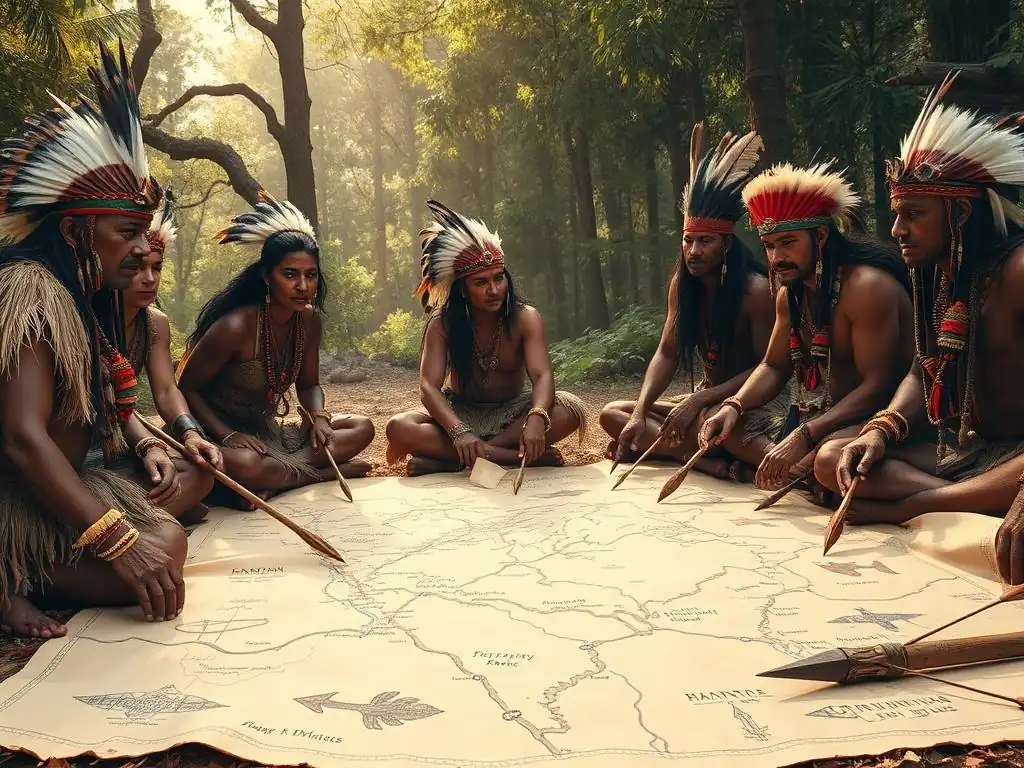
Indigenous peoples of the Americas employed a wide array of weapons and technologies tailored to their environments, combat styles, and cultural practices. Their combat strategies were not only dictated by the need for defense but also by the necessity of hunting and resource acquisition. These weapons were often crafted using local materials and were profoundly influenced by the specific warfare tactics of each group.
Traditional Weapons Used by Indigenous Peoples
Indigenous combat was characterized by a variety of traditional weapons that were ingeniously designed for effectiveness and efficiency. Some of the most notable weapons included:
- Bows and Arrows: Widely used among various tribes, bows and arrows were crafted from wood, bone, and sinew, with arrows tipped using obsidian or metal points. The range and accuracy offered by these weapons made them indispensable in both hunting and warfare.
- Spears and Atlatls: Spears were common for both hunting and combat. The atlatl, a spear-throwing device, allowed for greater distance and force, proving effective in skirmishes.
- Clubs and War Axes: Many indigenous groups utilized heavy wooden clubs and stone or metal-tipped axes. These weapons were particularly effective in close combat situations, where the strength of the wielder could be maximized.
- Blowguns: Used primarily in tropical regions, blowguns allowed for silent hunting and could also be adapted for warfare by using poison-tipped darts.
- Protective Gear: Some tribes developed rudimentary armor using materials like animal hides, woven fibers, and wood, providing a measure of protection during conflicts.
Innovations in Military Technology
Indigenous peoples were not static in their approaches to warfare; they innovated and adapted their technologies over time. Some significant developments included:
- Use of Ambush Tactics: Many tribes utilized the terrain to their advantage, developing strategies that involved ambushes and guerilla tactics that were highly effective against larger, more organized forces.
- Psychological Warfare: Techniques such as creating loud war cries, elaborate war dances, and using the element of surprise were common, intending to intimidate opponents before actual combat began.
- Firearms Adaptation: As European settlers introduced firearms, many indigenous groups adapted these technologies into their combat strategies, learning to use guns alongside traditional weapons.
Comparison of Indigenous Weapons to European Armaments
Indigenous weapons, while less technologically advanced in some respects, were often more suited to the specific conditions of their environments compared to European armaments. Key points of comparison include:
- Mobility and Versatility: Indigenous weapons like the bow and spear were typically lighter and allowed for greater mobility, crucial in the varied landscapes of the Americas. In contrast, European armaments were often cumbersome and less adaptable to wilderness combat.
- Material Use: Indigenous peoples expertly utilized local materials, creating effective weapons that were often more sustainable than the metal-heavy armaments of Europeans.
- Combat Styles: European combat often favored linear formations and direct confrontation, while many indigenous tactics relied on stealth, ambush, and the strategic use of geography.
Impact of Indigenous Combat Strategies on European Conquest
The combat strategies employed by indigenous peoples significantly influenced the dynamics of European conquest, often leading to prolonged conflicts and unexpected outcomes.
Indigenous Resistance and Adaptation to European Warfare
Indigenous groups exhibited remarkable resilience and ingenuity in resisting European colonization. They quickly adapted their traditional warfare techniques to counter European tactics, including:
- Guerrilla Tactics: Many indigenous groups employed guerrilla warfare, using hit-and-run strategies, which disrupted European supply lines and morale.
- Coalition Building: Recognizing the threat posed by European powers, various tribes formed alliances to enhance their collective military strength, creating formidable coalitions that challenged European forces.
- Learning and Adapting: Indigenous warriors studied European combat styles, incorporating firearms and new tactics into their traditional frameworks, which allowed them to remain competitive in battles.
The Influence of Indigenous Strategies on European Military Tactics
The indigenous combat strategies had a profound impact on European military tactics as well. European forces often found themselves unprepared for the unconventional warfare tactics employed by indigenous peoples. Notable influences included:
- Adoption of Terrain Utilization: European armies began to recognize the importance of terrain and often adopted similar ambush tactics in their military operations.
- Psychological Operations: The effectiveness of indigenous psychological tactics led some European commanders to incorporate similar strategies to intimidate opponents.
Case Studies of Notable Conflicts Between Indigenous Peoples and Europeans
Several notable conflicts exemplify the clash of indigenous strategies and European military practices:
- The Pueblo Revolt (1680): This successful uprising against Spanish colonizers in present-day New Mexico showcased the effectiveness of indigenous coalition-building and guerrilla tactics.
- King Philip's War (1675-1678): A conflict between New England colonists and Native American tribes, this war highlighted the adaptability of indigenous strategies against European forces, resulting in significant casualties on both sides.
- The Battle of Tippecanoe (1811): Led by Tecumseh, indigenous forces utilized surprise attacks and ambush tactics against American settlers, demonstrating the enduring effectiveness of traditional combat strategies.
These case studies reveal the complexities of indigenous combat strategies and their lasting impact on the historical narrative of European colonization in the Americas.
Conclusion: Legacy of Indigenous Combat Strategies
The legacy of indigenous combat strategies in the Americas is profound, reflecting not only the tactical ingenuity of diverse cultures but also their adaptability in the face of external pressures. These strategies were often rooted in a deep understanding of the environment, social structures, and the significance of alliances. The indigenous peoples employed a variety of methods, from guerrilla warfare to strategic diplomacy, demonstrating a sophisticated blend of combat and cooperation. This legacy continues to resonate today, influencing both military thought and cultural identity among indigenous communities.
Moreover, the examination of these combat strategies reveals the resilience and resourcefulness of indigenous societies. As they faced colonization and conflict, their responses were not solely reactive; rather, they were proactive measures that underscored their agency and autonomy. This understanding of indigenous combat strategies provides a richer narrative of the historical context of the Americas, highlighting the complexity of indigenous sovereignty and the enduring impact of these societies.
Lasting Influence on Modern Military Strategies
The indigenous combat strategies of the Americas have left an indelible mark on modern military tactics. Many contemporary military theorists and practitioners study these historical practices to gain insights into unconventional warfare. For instance, the use of mobility, surprise, and knowledge of the terrain are principles that align closely with guerrilla tactics employed by various indigenous groups.
In particular, the strategies of resistance against European colonizers have informed modern asymmetrical warfare, emphasizing the importance of utilizing local knowledge and community support to counter larger and more technologically advanced forces. The principles derived from these indigenous strategies are evident in various modern conflicts, where conventional forces often face challenges from smaller, agile groups utilizing similar tactics.
Preservation of Indigenous Knowledge and Culture through Warfare
Warfare among indigenous tribes was not solely about conflict; it also served as a vital means of preserving knowledge and culture. Combat experiences were often documented through oral traditions, songs, and rituals, ensuring that the strategies and lessons learned were passed down through generations. This transmission of knowledge has been crucial in maintaining cultural identities and fostering a sense of continuity within indigenous communities.
Additionally, the interactions during warfare—whether through alliances or conflicts—allowed for cultural exchanges that enriched the societies involved. These exchanges often included the sharing of agricultural practices, technologies, and spiritual beliefs, further integrating combat experiences into the broader cultural fabric. As indigenous groups continue to reclaim and revitalize their histories, the understanding of warfare remains a central aspect of their cultural identity.
References and Further Reading on Indigenous Combat Strategies in the Americas
Suggested Books and Articles
- "Indigenous Warfare: The Role of Alliances and Diplomacy" by [Author Name]
- This book explores the complex interactions between indigenous groups and the strategies they employed in warfare and diplomacy.
- "The Art of War in the Americas" by [Author Name]
- An in-depth analysis of combat strategies used by indigenous peoples across the continent, focusing on their adaptability and innovation.
- "War and Culture: Indigenous Perspectives" by [Author Name]
- This article examines how warfare shaped cultural practices and identity among various indigenous groups in the Americas.
Online Resources for Continued Exploration
- The American Indian Military History: A comprehensive website dedicated to the military strategies and histories of various indigenous nations.
- Indigenous War Strategies Database: An online archive that provides access to primary sources, including treaties, accounts of battles, and indigenous narratives related to warfare.
- The Indigenous Peoples of the Americas: A Historical Overview: A digital resource offering articles, videos, and interactive content focused on the diverse cultures and histories of indigenous peoples, including their combat strategies.
These resources serve as valuable tools for anyone interested in further exploring the rich and complex legacy of indigenous combat strategies in the Americas.
- Introduction to Indigenous Combat Strategies in the Americas
- Historical Context of Warfare Among Indigenous Peoples
- Key Indigenous Combat Strategies in the Americas
- Alliances and Cooperation Among Indigenous Groups
- Weapons and Technologies in Indigenous Combat
- Impact of Indigenous Combat Strategies on European Conquest
- Conclusion: Legacy of Indigenous Combat Strategies
- References and Further Reading on Indigenous Combat Strategies in the Americas
- What are some common indigenous combat strategies used in the Americas?
- How did alliances influence warfare among indigenous peoples?
- What role did terrain play in indigenous combat strategies?
- How did indigenous combat strategies differ from European methods?
- What are some lasting impacts of indigenous combat strategies on modern military tactics?
Frequently Asked Questions
What are some common indigenous combat strategies used in the Americas?
Indigenous groups employed various strategies such as guerrilla tactics, ambushes, and alliance-building to enhance their combat effectiveness against enemies.
How did alliances influence warfare among indigenous peoples?
Alliances allowed different tribes to pool their resources and manpower, creating stronger coalitions that could better resist colonial expansion and engage in more effective combat strategies.
What role did terrain play in indigenous combat strategies?
Indigenous peoples often utilized their knowledge of local terrain to gain advantages in battles, employing strategies that took advantage of natural features for cover and ambush.
How did indigenous combat strategies differ from European methods?
Indigenous strategies often emphasized mobility and adaptability, contrasting with European tactics that relied more on formation and firepower, showcasing the diversity of approaches to warfare.
What are some lasting impacts of indigenous combat strategies on modern military tactics?
Many modern military tactics draw inspiration from indigenous guerrilla warfare techniques, highlighting the enduring legacy of these strategies in contemporary combat scenarios.
Final Reflection: The Enduring Legacy of Indigenous Combat Strategies
In exploring the intricate tapestry of Indigenous combat strategies in the Americas, we uncover not only historical narratives but also lessons that resonate profoundly in today's world. The strategies employed by Indigenous peoples were not merely about warfare; they encompassed a rich understanding of cooperation, diplomacy, and the intricate balance of power. These strategies remind us that conflict is often intertwined with collaboration, and that wisdom can emerge from the most challenging circumstances.
The impact of Indigenous combat strategies extends far beyond the battlefield; they have shaped cultural identities and social structures that persist to this day. As we witness ongoing struggles for sovereignty and recognition, the principles of alliance and strategic cooperation remain vital. The resilience and adaptability of Indigenous peoples serve as a testament to their enduring legacy. In every battle fought, there lies a story of survival, unity, and the relentless pursuit of justice.
This quote encapsulates the essence of Indigenous strategies, highlighting their significance in contemporary movements for rights and recognition.
As we reflect on these themes, I invite you to consider how the lessons learned from Indigenous combat strategies can inform our own lives and communities. What can we learn about the power of alliances and the importance of understanding diverse perspectives? Let us take these insights to heart, fostering a spirit of cooperation and respect in our interactions, and striving for a future where collaboration prevails over conflict. In doing so, we honor the legacy of those who fought not just for survival, but for a deeper understanding of community and connection.
Unleash Your Knowledge: Take Action Today!
Thank you for investing your time in exploring the rich strategies of combat and cooperation within Indigenous civilizations. You’ve gained valuable insights into how alliances shaped their historical narratives and the wisdom behind their warfare strategies. Now, it’s your turn to dive deeper and make a difference!
Here are some actionable steps you can take:
- Engage with your community: Organize a discussion group to share your insights and foster a deeper understanding of Indigenous strategies in warfare and alliance-building.
- Explore further: Research specific Indigenous tribes and their historical alliances. Consider visiting a local museum or cultural center to connect with these narratives firsthand.
- Honor and share: Utilize social media to raise awareness about Indigenous history and strategies. Share this article and invite your friends to join the conversation.
Which aspect of Indigenous warfare or alliance strategies resonates most with you, and how can you apply this understanding in your community today?