
Language as a Lifeline: The Preservation of Indigenous Languages After Conquest


Welcome to Indigenous Civilizations of the Americas, where we invite you to embark on a journey through the rich tapestry of indigenous cultures that flourished across the continent long before European colonization. Here, you will discover the remarkable achievements and intricate societies that shaped the Americas, and the profound legacy they continue to impart. Our featured article, "Language as a Lifeline: The Preservation of Indigenous Languages After Conquest," delves into the crucial role that language plays in maintaining cultural identity and resilience.
Join us as we explore the struggles and triumphs in the preservation of indigenous languages, revealing how these vibrant tongues serve as vital links to the past and hopeful beacons for the future. Dive in to uncover more!
- Introduction to the Preservation of Indigenous Languages
- Historical Context of Indigenous Languages Pre-Conquest
- The Impact of European Conquest on Indigenous Languages
- Current Efforts for the Preservation of Indigenous Languages
- Challenges to the Preservation of Indigenous Languages
- Success Stories in the Preservation of Indigenous Languages
- The Future of Indigenous Languages in a Globalized World
- Conclusion: The Lifeline of Indigenous Languages
-
Frequently Asked Questions
- What is the significance of preserving indigenous languages?
- How did European colonization impact indigenous languages?
- What are some methods being used for the preservation of indigenous languages today?
- Why is the preservation of indigenous languages essential for biodiversity?
- How can individuals support the preservation of indigenous languages?
- Final Reflection: The Enduring Power of Indigenous Languages
- Embrace and Elevate Indigenous Languages Today!
Introduction to the Preservation of Indigenous Languages
Language is not just a means of communication; it serves as a vital thread that weaves together the fabric of cultural identity, history, and tradition. In the context of Indigenous civilizations of the Americas, the preservation of Indigenous languages is crucial for maintaining the rich cultural heritage that flourished long before European colonization.
The impacts of conquest were profound, leading to the decline of many Indigenous languages, yet the resilience of these communities has fostered a revitalization movement aimed at keeping these languages alive. This article delves into the significance of Indigenous languages in shaping cultural identity and the challenges posed by language loss following European contact, highlighting ongoing efforts to reverse this trend and preserve these linguistic treasures for future generations.
Importance of Indigenous Languages in Cultural Identity
Indigenous languages are far more than mere tools for communication; they encapsulate the worldviews, traditions, and histories of the peoples who speak them. The significance of these languages can be understood through several key aspects:
- Cultural Transmission: Indigenous languages serve as vessels for passing down traditional knowledge, stories, and customs from one generation to the next. They encapsulate the philosophies, beliefs, and practices that define a community's identity.
- Connection to Land: Many Indigenous languages are intricately connected to the natural environment, with specific terms describing plants, animals, and geographical features. This linguistic connection fosters a profound relationship between the people and their land, reinforcing a sense of belonging and stewardship.
- Community Cohesion: Language fosters a sense of unity and belonging among speakers. It acts as a marker of identity, distinguishing communities and providing a sense of pride and resilience against external pressures.
- Resistance and Empowerment: The act of preserving and revitalizing Indigenous languages can serve as a form of resistance against colonial legacies. Language revitalization empowers communities to reclaim their narratives and assert their presence in a world that often marginalizes them.
Given these dimensions, the preservation of Indigenous languages is paramount, as it directly influences the survival of the cultures they represent.
Overview of Language Loss After European Conquest
The arrival of European colonizers in the Americas initiated a period of profound upheaval for Indigenous peoples, leading to significant language loss. This phenomenon can be traced through several historical developments:
- Colonial Policies: European powers implemented various policies designed to assimilate Indigenous peoples. These often included the suppression of Indigenous languages in favor of European languages, particularly Spanish, English, and Portuguese. Schools were established where Indigenous children were punished for speaking their native tongues.
- Population Decline: The introduction of diseases, warfare, and displacement led to a drastic decline in Indigenous populations. As communities diminished, so too did the number of fluent speakers of their languages, accelerating the risk of extinction.
- Cultural Disruption: The disruptions caused by colonization shattered the social structures and cultural practices that supported language use. Traditional practices, ceremonies, and gatherings that were integral to language transmission were often eradicated or diminished.
- Modernization and Globalization: In contemporary society, the pressures of modernization and globalization further threaten the survival of Indigenous languages. Urban migration, the dominance of global languages in media, and economic factors contribute to younger generations increasingly prioritizing more widely spoken languages.
Despite these challenges, the dedication to the preservation of Indigenous languages is stronger than ever, as communities strive to reclaim their linguistic heritage and ensure that their languages continue to thrive in the face of adversity.
Historical Context of Indigenous Languages Pre-Conquest

Indigenous languages of the Americas represent a rich tapestry of cultural identity, history, and knowledge. Prior to European conquest, these languages served not only as a means of communication but also as a vessel for cultural practices, traditions, and worldviews. With thousands of distinct languages spoken across the continent, the historical context underscores their significance in maintaining social cohesion and cultural continuity within diverse indigenous communities.
Diversity of Indigenous Languages in the Americas
The Americas were home to over 300 distinct language families, reflecting an incredible diversity that spanned vast geographical regions. Some of the most prominent language families include:
- Algonquian: Spoken across the northeastern United States and parts of Canada, languages in this family include Ojibwe and Cree.
- Mayan: Predominantly spoken in Mesoamerica, this family encompasses languages such as K'iche' and Yucatec Maya.
- Uto-Aztecan: This family extends from the southwestern United States to Mexico, including languages like Nahuatl and Hopi.
- Siouan: Found mainly in the Great Plains, this family includes languages such as Lakota and Crow.
- Salishan: Spoken in the Pacific Northwest, this family consists of languages like Salish and Nuxálk.
The linguistic landscape of the Americas was not only diverse but also dynamic. Many languages incorporated complex grammatical structures, rich vocabularies, and unique phonetic sounds that reflected the environmental and cultural contexts of their speakers.
"Language is the blood of the soul into which thoughts run and out of which they emerge." — Oliver Wendell Holmes
This diversity facilitated the expression of intricate social systems, with languages often having specialized vocabulary reflecting local ecology, spirituality, and community life. Many indigenous societies utilized oral traditions, storytelling, and songs, which were integral to the transmission of knowledge and cultural identity over generations.
Achievements of Indigenous Civilizations in Language and Communication
Indigenous civilizations achieved remarkable advancements in language and communication, which played a crucial role in their social organization and cultural expression. Here are some key achievements:
- Written Systems: While many indigenous cultures relied on oral traditions, several developed sophisticated writing systems. The Maya civilization, for instance, created a complex hieroglyphic script used for recording historical events, rituals, and genealogy. This written language demonstrated their advanced understanding of mathematics and astronomy.
- Multilingualism: Many indigenous communities practiced multilingualism, often speaking several languages fluently. This ability facilitated trade, diplomatic relations, and cultural exchanges among different tribes and nations. Such interactions enriched their linguistic landscape and fostered communication across diverse groups.
- Rich Oral Traditions: The oral tradition was a cornerstone of indigenous cultures, serving as a method for passing down knowledge, history, and cultural practices. Through storytelling, proverbs, and songs, indigenous peoples conveyed moral lessons, historical accounts, and cosmological beliefs, ensuring the survival of their cultural heritage.
- Linguistic Innovation: Indigenous languages exhibited remarkable adaptability, often incorporating new terms and concepts to describe encounters with European settlers and their technologies. This innovation allowed indigenous communities to engage with and understand the changing world around them, while still preserving their cultural identity.
- Cultural Identity: Language served as a fundamental aspect of cultural identity for indigenous peoples. It was not merely a tool for communication but an embodiment of their worldview, values, and connections to the land. The preservation of indigenous languages is thus vital for maintaining the cultural integrity and identity of these communities in the face of ongoing challenges.
The historical context of indigenous languages before conquest highlights their diversity and the significant achievements of indigenous civilizations in language and communication. Understanding this context is crucial for appreciating the ongoing efforts in the preservation of indigenous languages today, as communities strive to maintain their cultural heritage in a rapidly changing world.
The Impact of European Conquest on Indigenous Languages

The arrival of European powers in the Americas marked a significant turning point for indigenous languages. As colonizers imposed their languages and cultures, many indigenous tongues faced suppression and decline. The impact of European conquest on indigenous languages was multifaceted, encompassing not only direct suppression but also the broader socio-political shifts that fundamentally altered the linguistic landscape of the Americas.
Language Suppression and Colonial Policies
European colonizers often viewed indigenous languages as inferior or uncivilized, leading to systematic efforts to suppress them. Policies aimed at language eradication were prevalent, with various tactics employed across different regions:
- Education Systems: Many colonial authorities established schools where indigenous children were forbidden to speak their native languages. Instead, they were instructed solely in the language of the colonizers. This educational approach not only alienated children from their cultural heritage but also fostered a generational gap in language transmission.
- Religious Conversion: Missionary activities often included language suppression as part of their efforts to convert indigenous peoples. Indigenous languages were frequently viewed as obstacles to the spread of Christianity, leading to the promotion of European languages in religious contexts.
- Legal and Administrative Measures: Authorities implemented laws that favored the use of colonial languages in legal and administrative proceedings. This marginalization of indigenous languages in formal settings diminished their status and utility in everyday life.
The result of these policies was a significant decline in the number of speakers of many indigenous languages, contributing to their endangerment and, in some cases, extinction.
Case Studies of Language Loss in Specific Regions
North America: Cherokee
The Cherokee language, part of the Iroquoian family, faced severe challenges following European contact. The introduction of English as a dominant language through trade, legal systems, and education led to a decline in Cherokee speakers. Despite these pressures, the Cherokee Nation has made concerted efforts to revitalize the language:
- Language Immersion Programs: In recent years, the Cherokee Nation has established immersion schools where children are taught exclusively in Cherokee. This initiative aims to foster a new generation of speakers and promote cultural identity.
- Digital Resources: The development of online platforms and mobile applications has made learning Cherokee more accessible, allowing speakers and learners to engage with the language in innovative ways.
Despite these efforts, the Cherokee language remains classified as "critically endangered," with only a few thousand fluent speakers left today. The ongoing commitment to preservation is crucial not only for the language itself but also for the cultural heritage it represents.
South America: Quechua
Quechua, a family of languages spoken by millions in the Andes region, has experienced a complex relationship with colonial and post-colonial powers. The Spanish conquest led to significant language shift, as Quechua speakers were often coerced into adopting Spanish. However, Quechua has shown remarkable resilience:
- Bilingual Education: In countries like Bolivia and Peru, bilingual education programs have been implemented, allowing students to learn both Spanish and Quechua. This approach has helped to legitimize Quechua as a language of instruction and foster pride among its speakers.
- Cultural Movements: The resurgence of indigenous rights movements has revitalized interest in Quechua, with efforts to promote its use in literature, media, and public life. Quechua is increasingly recognized as a vital part of national identity in several Andean countries.
Despite these positive developments, Quechua remains at risk, particularly in urban areas where Spanish is dominant. Continued advocacy for language rights and education is essential to ensure the survival of Quechua for future generations.
By examining the impact of European conquest on indigenous languages, particularly through the lens of language suppression and specific case studies, we can better understand the ongoing challenges and efforts involved in the preservation of indigenous languages today. These languages are not merely forms of communication; they are vital links to cultural heritage and identity that must be preserved at all costs.
Current Efforts for the Preservation of Indigenous Languages
Revitalization Initiatives and Language Programs
Indigenous communities across the Americas are actively engaging in revitalization initiatives aimed at preserving their languages, which are crucial for cultural identity and heritage. These programs often involve educational systems that incorporate indigenous languages into curricula, community workshops, and immersion programs. For instance, the Kānaka Maoli in Hawaii have implemented language immersion schools where students are taught entirely in Hawaiian, fostering fluency among younger generations.
In Canada, the Indigenous Languages Act was enacted to support the preservation and revitalization of indigenous languages through funding for language programs and resources. This legislative effort recognizes the importance of languages as living entities that carry history, culture, and worldview, thus promoting various community-led initiatives.
Moreover, the National Indigenous Language Conference serves as a platform for sharing successful strategies and fostering collaboration among various indigenous groups. These gatherings not only celebrate linguistic diversity but also attract funding and resources, empowering communities to take ownership of their linguistic heritage.
Role of Technology in Language Preservation
The advent of technology has offered new avenues for the preservation of indigenous languages, significantly enhancing accessibility and engagement. Mobile applications, online courses, and social media platforms have emerged as valuable tools for language learning and dissemination. For example, the Duolingo app has introduced indigenous languages such as Quechua and Navajo, making language learning more accessible to a global audience.
Additionally, digital archives and online databases have been created to document and record indigenous languages, ensuring their survival in a digital format. Projects like FirstVoices allow users to access audio recordings, vocabulary lists, and language games that facilitate language acquisition and cultural education.
Furthermore, social media has played a pivotal role in language promotion, with communities using platforms like Facebook and Instagram to share content, engage in conversations, and celebrate linguistic heritage. This form of digital storytelling not only raises awareness but also fosters a sense of community among speakers and learners alike.
Community Involvement and Grassroots Movements
Grassroots movements are at the heart of many successful language preservation efforts, as they empower indigenous communities to reclaim their languages. Community involvement is essential for fostering a sense of ownership and pride in linguistic heritage. Organizations such as the Native American Language Resource Center work directly with communities to develop tailored programs that meet their specific needs.
Local gatherings, such as festivals and cultural events, often feature language workshops, storytelling sessions, and performances, creating an immersive environment for language practice. Initiatives like the Indigenous Language Nest model in New Zealand encourage families to speak their native languages at home, emphasizing the role of the family unit in language transmission.
Moreover, collaboration among different indigenous groups is vital for sharing resources, knowledge, and best practices. Networks such as the Alliance for Linguistic Diversity foster inter-community alliances, promoting solidarity and collaboration in language preservation efforts.
The preservation of indigenous languages is a multifaceted endeavor that combines educational programs, technological innovation, and grassroots activism. By nurturing these efforts, indigenous communities can continue to uphold their linguistic heritage and cultural identity for generations to come.
Challenges to the Preservation of Indigenous Languages

The preservation of Indigenous languages faces numerous challenges that stem from historical, societal, and economic factors. Understanding these challenges is crucial for developing effective strategies to revitalize and preserve these languages, which are integral to Indigenous identity and culture.
Societal Attitudes Towards Indigenous Languages
Societal attitudes play a significant role in the preservation of Indigenous languages. Many Indigenous communities have endured centuries of marginalization, leading to a diminished status of their languages. This societal perception can manifest in various forms:
- Stigmatization: Indigenous languages are often viewed as less valuable or inferior compared to dominant languages such as Spanish, English, or Portuguese. This stigma can discourage younger generations from learning or using their ancestral languages.
- Cultural Disconnect: As Indigenous communities assimilate into mainstream cultures, there is a growing disconnect from their linguistic heritage. In many cases, Indigenous languages are not spoken at home, leading to a decline in fluency among youth.
- Media Representation: The limited representation of Indigenous languages in media and education reinforces the idea that these languages are obsolete. This lack of visibility can further alienate Indigenous speakers from their linguistic roots.
To combat these attitudes, initiatives promoting cultural pride and the importance of language in identity are essential. Programs that celebrate Indigenous languages through storytelling, music, and art can help foster a positive societal perception.
Economic and Political Barriers to Language Revival
Economic and political barriers also present significant obstacles to the preservation of Indigenous languages. These barriers can be categorized as follows:
- Lack of Funding: Many Indigenous language programs rely on government or private funding, which can be inconsistent or insufficient. This lack of financial support limits the development of educational resources, training for teachers, and community language initiatives.
- Policy Neglect: In some regions, governmental policies do not prioritize the protection or revitalization of Indigenous languages. The absence of legal frameworks that recognize and support Indigenous languages can hinder revitalization efforts.
- Access to Education: Educational systems often prioritize dominant languages, leaving little room for the inclusion of Indigenous languages in curriculums. When Indigenous languages are not taught in schools, young people miss opportunities to learn and use their linguistic heritage.
Addressing these economic and political challenges requires a collaborative effort between Indigenous communities and governmental bodies. Advocacy for policy changes that support language education and the allocation of resources for language programs is vital for the revival of Indigenous languages.
The preservation of Indigenous languages is fraught with challenges that require a multifaceted approach. By addressing societal attitudes and overcoming economic and political barriers, we can work towards a future where Indigenous languages thrive and continue to serve as a vital lifeline for Indigenous cultures.
Success Stories in the Preservation of Indigenous Languages
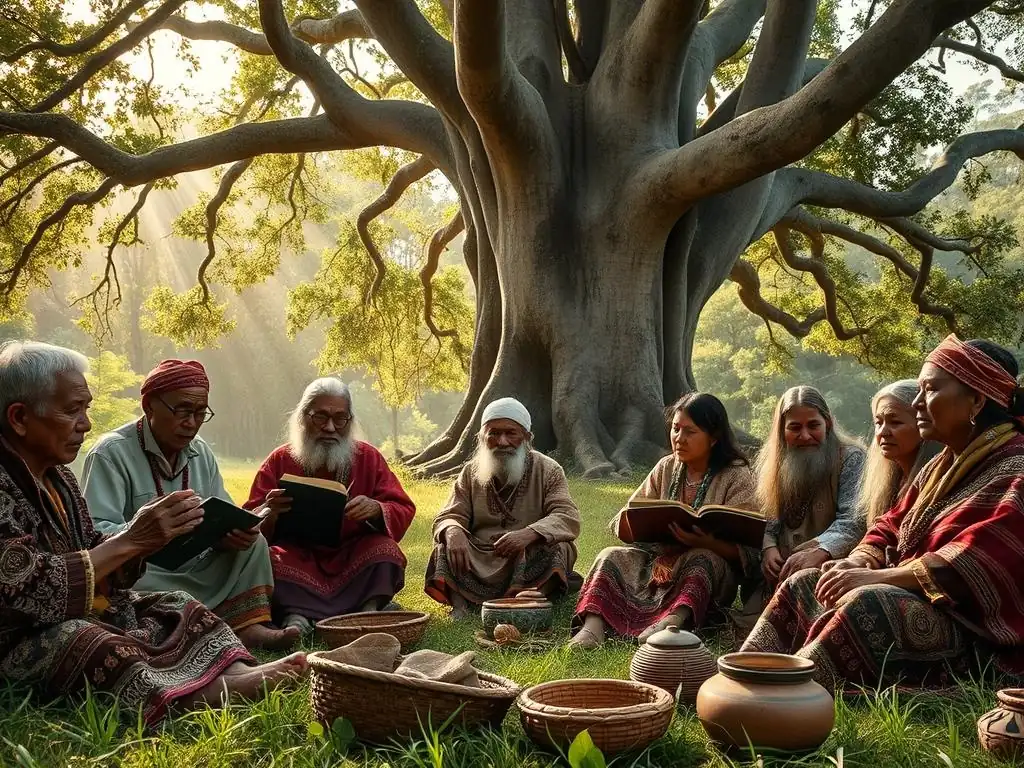
The preservation of indigenous languages is crucial in maintaining cultural identity and heritage. Despite the challenges posed by colonization and modernity, several success stories illustrate how indigenous languages can be revitalized and preserved for future generations. These case studies serve as beacons of hope and demonstrate the effectiveness of community-led initiatives, educational programs, and collaborative efforts in language preservation.
Hawaiian Language: A Case Study of Revival
The Hawaiian language, or ʻŌlelo Hawaiʻi, faced significant decline following the annexation of Hawaii by the United States in the late 19th century. English became the dominant language, and Hawaiian was prohibited in schools. However, a remarkable revival began in the 1970s, driven by a passionate community dedicated to reclaiming their linguistic heritage.
Revival Initiatives
- Kula Kaiapuni: This Hawaiian immersion school program started in the 1980s, offering students a curriculum taught entirely in Hawaiian. As a result, children are not only learning the language but also the culture, history, and values associated with it.
- Community Classes: Grassroots organizations began offering Hawaiian language classes for adults, fostering a sense of community among learners and encouraging intergenerational language transmission.
- Media and Technology: The use of social media platforms, radio broadcasts, and television programs in Hawaiian has made the language more accessible to younger generations. Apps and online resources have also emerged, providing tools for language learning anytime and anywhere.
The success of these initiatives is evident: the number of fluent Hawaiian speakers has increased significantly over the past few decades. According to the 2010 U.S. Census, approximately 24,000 people reported speaking Hawaiian at home, a substantial increase from previous decades. Moreover, the revitalization of the language has fostered a renewed sense of cultural pride and identity among native Hawaiians.
Collaborative Efforts Between Governments and Indigenous Communities
The preservation of indigenous languages often requires collaboration between governmental bodies and indigenous communities. Successful partnerships can lead to sustainable language preservation efforts that are culturally relevant and community-driven.
Key Collaborative Strategies
- Legislative Support: Governments can enact laws recognizing and promoting indigenous languages. For example, the Indian Language Preservation Act in the United States provides funding for language preservation initiatives and acknowledges the importance of indigenous languages in maintaining cultural identity.
- Funding and Resources: Collaborative efforts often involve allocating resources for language programs. This can include grants for educational materials, scholarships for students pursuing language studies, and support for community language workshops.
- Cultural Institutions: Museums, cultural centers, and universities can play a pivotal role in language preservation by hosting language classes, workshops, and cultural events. These institutions often serve as hubs for language learning and cultural exchange.
Successful Examples
- Canada's Indigenous Languages Act: This legislation aims to support the preservation and revitalization of indigenous languages across the country. It provides funding for community-led initiatives and recognizes the rights of indigenous peoples to maintain their languages.
- New Zealand's Māori Language Revitalization: The Māori Language Act 1987 established Māori as an official language, leading to significant government investment in educational programs and media in Māori. Today, initiatives like Te Ataarangi have successfully taught thousands of people the language.
Through these collaborative efforts, many indigenous languages are experiencing a resurgence. The success stories of Hawaiian and other indigenous languages illustrate that with community dedication and institutional support, the preservation of indigenous languages is not only possible but thriving.
The Future of Indigenous Languages in a Globalized World
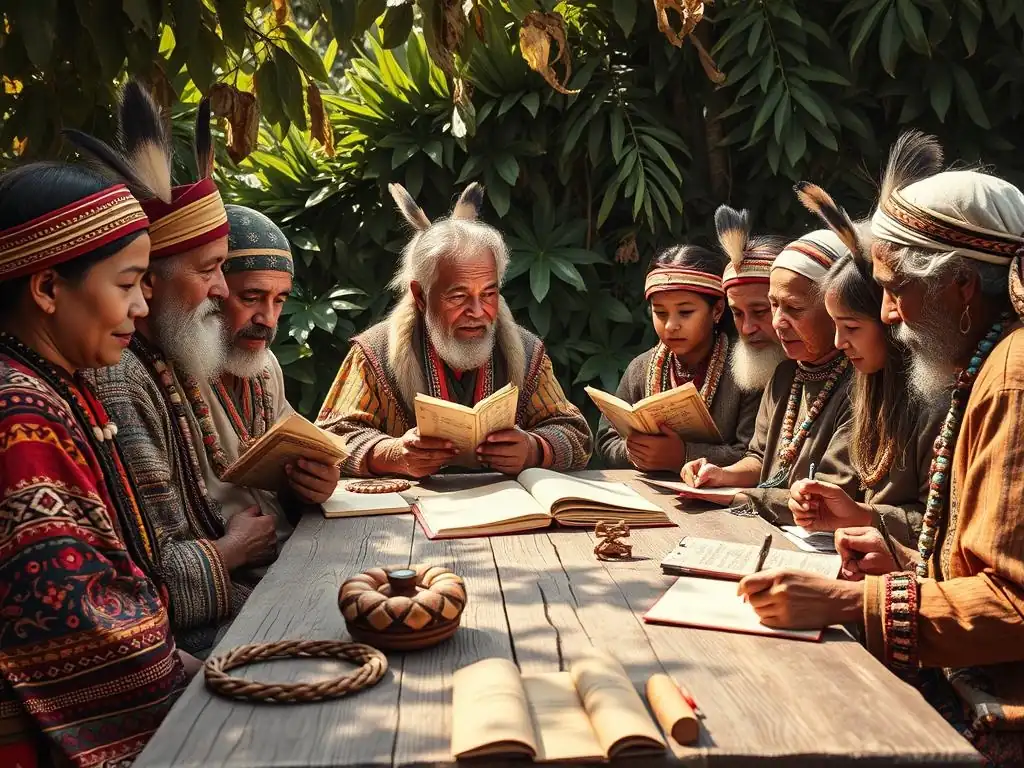
The future of indigenous languages is a complex and multifaceted issue, particularly in a globalized world where dominant languages often overshadow local dialects. As globalization continues to influence communication, technology, and culture, indigenous languages face both challenges and opportunities for survival and revitalization.
Predictions for Language Survival and Revitalization
Experts predict a variety of outcomes for indigenous languages in the coming decades, influenced by factors such as societal attitudes, governmental policies, and the integration of technology. Here are some key predictions:
- Increased Awareness and Support:
- There has been a growing recognition of the importance of cultural diversity and linguistic heritage, leading to enhanced support for indigenous language programs.
- Advocacy groups and indigenous communities are increasingly working together to promote language rights and education.
- Technology as a Tool for Preservation:
- Digital platforms and social media are emerging as vital tools for language revitalization. For example, language learning apps and online courses are making indigenous languages more accessible to younger generations.
- Virtual reality (VR) and augmented reality (AR) technologies can provide immersive language learning experiences, allowing users to engage with the language in context.
- Bilingual Education Models:
- Many indigenous communities are advocating for bilingual education, where indigenous languages are integrated into school curricula alongside dominant languages. This approach has shown positive results in language retention and student engagement.
- Studies indicate that children who learn in their native languages tend to perform better academically and develop a stronger cultural identity.
- Community Initiatives:
- Grassroots movements are critical in the preservation of indigenous languages. Community-led initiatives focusing on storytelling, traditional practices, and cultural events serve to reinforce language use in everyday life.
- Collaborations between elders and youth can foster intergenerational transmission of language, ensuring that knowledge and linguistic skills are passed down.
- Government Policies and Legislation:
- Countries such as Canada and New Zealand have implemented policies to protect and promote indigenous languages, creating frameworks that support language revitalization efforts.
- Future political will and legislation will play a significant role in either supporting or hindering the preservation of indigenous languages.
The Role of Education in Language Preservation
Education is a cornerstone for the preservation of indigenous languages. It not only facilitates the teaching of language but also fosters a deeper understanding and appreciation of the associated cultures. Here are some ways education plays a crucial role:
- Curriculum Development:
- Integrating indigenous languages into school curricula is vital. This can include the development of teaching materials that reflect indigenous knowledge systems and cultural contexts.
- Schools can partner with local communities to ensure that the curriculum is culturally relevant and promotes the use of indigenous languages.
- Teacher Training:
- Training teachers to effectively teach indigenous languages is essential. This includes providing resources, methodologies, and pedagogical approaches tailored to indigenous linguistic and cultural contexts.
- Programs that empower indigenous individuals to become educators can enhance language teaching and inspire students.
- Language Immersion Programs:
- Language immersion programs allow students to learn and use the language in a natural setting, enhancing fluency and cultural connection.
- These programs often involve community members, providing authentic language experiences and fostering a sense of belonging.
- Cultural Integration:
- Education that integrates cultural practices, stories, and traditions enriches language learning. This approach helps students see the relevance and importance of their language in everyday life.
- Incorporating traditional activities and ceremonies into educational settings allows students to practice the language in meaningful contexts.
- Support for Adult Learning:
- Language preservation efforts should also focus on adult education programs that encourage lifelong learning of indigenous languages. This can include evening classes, workshops, and community events.
- Engaging adults reinforces the language within the family unit, promoting its use in the home and community.
The preservation of indigenous languages hinges on a multifaceted approach that includes technological advancements, educational reforms, and strong community involvement. By prioritizing these elements, there is hope for a vibrant future for indigenous languages, ensuring they continue to thrive in a globalized world.
Conclusion: The Lifeline of Indigenous Languages
The preservation of indigenous languages is not merely a cultural endeavor; it represents a crucial lifeline that connects communities to their histories, identities, and worldviews. Languages serve as vessels of knowledge, encompassing unique ways of interpreting the world, traditional ecological wisdom, and cultural practices that have been passed down through generations. The ongoing impact of European colonization has threatened many of these languages, leading to a decline in their use and transmission.
Efforts to revitalize and maintain indigenous languages are essential for the cultural survival of these communities. This preservation is intertwined with the broader struggle against cultural erasure and loss of identity. Language revitalization initiatives not only help restore the linguistic heritage of indigenous peoples but also empower communities by fostering a sense of pride and belonging. These initiatives can take various forms, including educational programs, community workshops, and digital resources aimed at promoting language learning and usage among younger generations.
The Importance of Continued Advocacy and Support
Continued advocacy for the preservation of indigenous languages is crucial in the face of ongoing challenges. Many indigenous languages are at risk of extinction, with only a handful of speakers remaining. Advocacy efforts must focus on raising awareness of the significance of language preservation, as well as securing funding and resources for educational programs.
- Government Policies:
- Implementing policies that recognize and support indigenous languages in official contexts can significantly aid their preservation. This includes:
- Bilingual education programs
- Translation services
- Legal recognition of indigenous languages
- Implementing policies that recognize and support indigenous languages in official contexts can significantly aid their preservation. This includes:
- Community Engagement:
- Grassroots movements are essential for language revitalization. Engaging community members in the preservation process can lead to:
- Increased participation in language classes
- Development of local resources like dictionaries and language apps
- Intergenerational knowledge transfer through storytelling and cultural practices
- Grassroots movements are essential for language revitalization. Engaging community members in the preservation process can lead to:
- Technological Integration:
- Leveraging technology can play a pivotal role in language preservation. Tools such as:
- Online courses and apps
- Social media platforms for language practice
- Digital archives of oral histories and traditional narratives
- Leveraging technology can play a pivotal role in language preservation. Tools such as:
These strategies foster a sense of agency within indigenous communities, allowing them to take control of their linguistic futures.
Call to Action for Language Preservation Efforts
It is imperative for individuals, communities, and organizations to actively participate in the preservation of indigenous languages. Here are some actionable steps to consider:
- Support Indigenous Authors and Artists: Engaging with and promoting works created in indigenous languages helps elevate their status and relevance in contemporary society.
- Participate in Language Classes: Whether online or in person, joining language classes can support both personal learning and communal revitalization efforts.
- Advocate for Funding: Lobbying local and national governments for funding that supports language preservation initiatives can lead to sustainable programs.
- Document and Share: Encourage the documentation of indigenous languages through recordings, writing, and digital platforms. Sharing these resources can inspire others to learn and engage with the languages.
By taking these steps, we can contribute to the survival of indigenous languages, ensuring that they remain vibrant and integral to the cultural fabric of their communities. The preservation of indigenous languages is a collective responsibility that requires our commitment and action.
Frequently Asked Questions
What is the significance of preserving indigenous languages?
Preserving indigenous languages is crucial for maintaining cultural identity, passing down traditions, and fostering community cohesion among indigenous peoples.
How did European colonization impact indigenous languages?
European colonization led to the suppression and decline of many indigenous languages, as colonizers often imposed their own languages and cultures on native populations.
What are some methods being used for the preservation of indigenous languages today?
Modern efforts include language revitalization programs, the creation of educational materials, and the use of technology to teach and promote indigenous languages within communities.
Why is the preservation of indigenous languages essential for biodiversity?
The preservation of indigenous languages helps retain traditional ecological knowledge, which is vital for understanding and conserving biodiversity in indigenous territories.
How can individuals support the preservation of indigenous languages?
Individuals can support these efforts by learning an indigenous language, participating in local programs, and advocating for language rights and educational resources in indigenous communities.
Final Reflection: The Enduring Power of Indigenous Languages
In a world that often prioritizes dominant cultures and languages, the preservation of Indigenous languages stands as a testament to resilience and identity. As we navigate the complexities of globalization, the significance of maintaining these languages cannot be overstated. They are not merely tools for communication; they embody the histories, traditions, and worldviews of entire communities. The urgency of this preservation is clear: without active efforts to sustain these languages, we risk losing invaluable cultural heritage and the wisdom embedded within them.
The influence of Indigenous languages extends far beyond their speakers; they shape our cultural and social landscapes in profound ways. By recognizing the importance of these languages, we honor the voices of those who have been marginalized and acknowledge their contributions to our shared humanity. As we witness a growing movement towards revitalization and recognition, we are reminded of the words of linguist David Harrison: Every language is a world. Without language, one cannot talk to people and understand them. They can only point.
This highlights the critical role that language plays in fostering understanding and connection among diverse communities.
As we reflect on the themes of this article, I invite you to consider your own relationship with language and culture. How can you contribute to the preservation of Indigenous languages in your community? Whether through advocacy, education, or simply by engaging with these languages, each of us has a role to play in ensuring that these vital lifelines continue to thrive. Let us commit to listening, learning, and supporting the efforts that honor the rich tapestry of human expression found in Indigenous languages, for in their survival lies the survival of diverse perspectives and the wisdom of generations.
Embrace and Elevate Indigenous Languages Today!
Thank you for diving into the vital topic of indigenous language preservation! By exploring the rich narratives of these languages as lifelines, you've taken a crucial step toward understanding their importance in maintaining cultural heritage and identity. As we move forward, it's time for you to take action and make a difference.
Here are some ways you can actively participate in this noble mission:
- Engage with your community: Attend local workshops or events that promote indigenous languages, fostering connections with speakers and learners alike.
- Share the knowledge: Spread awareness by sharing this article with friends and on social media, igniting conversations about the value of preserving these cultures.
- Explore learning resources: Take the initiative to learn a few words or phrases in an indigenous language—many online courses and resources are available to help you get started!
What steps will you take to ensure that the voices of indigenous peoples continue to be heard and celebrated?