
Cultural Responses to Epidemics: How Indigenous Societies Adapted and Endured

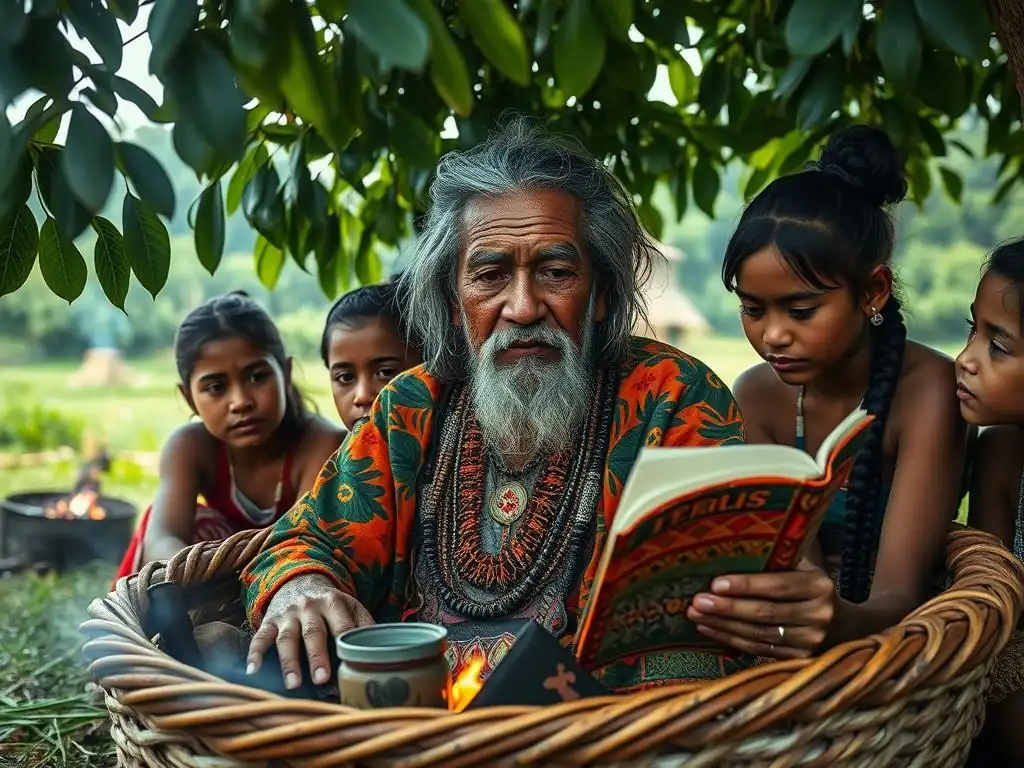
Welcome to Indigenous Civilizations of the Americas, where we embark on a captivating journey through the rich tapestry of indigenous cultures that flourished long before European colonization. In our featured article, “Cultural Responses to Epidemics: How Indigenous Societies Adapted and Endured,” we delve into the remarkable resilience and innovative strategies these societies employed in the face of epidemics. Discover how these vibrant cultures not only survived but thrived amidst challenges, shaping their legacies in profound ways. Join us as we uncover the intricate stories and lasting impacts of indigenous peoples—your exploration awaits!
Introduction to Indigenous Cultures and Epidemics
The indigenous cultures of the Americas represent a rich tapestry of societies with complex social structures, spiritual beliefs, and adaptive strategies honed over millennia. Among the myriad challenges that these cultures faced, the advent of epidemics—particularly those introduced by European colonists—had profound effects on their populations and ways of life.
This article explores how these indigenous societies not only contended with the devastating impacts of epidemics but also adapted and endured through resilience and innovation. By examining their responses to these crises, we can gain valuable insights into their cultural tenacity, which remains relevant in discussions of public health and social justice today.
Overview of Epidemics in Indigenous Societies
Epidemics have historically played a critical role in shaping the destinies of indigenous societies across the Americas. Prior to European contact, indigenous peoples experienced their own health challenges, including localized diseases. However, the arrival of Europeans brought new pathogens—such as smallpox, measles, and influenza—that decimated populations unexposed to these illnesses.
- Key Epidemics and Their Impact:
- Smallpox: Often considered the most devastating, it led to mortality rates as high as 90% in some communities.
- Measles: Contributed to widespread illness and death, further weakening social structures.
- Influenza: Seasonal outbreaks exacerbated the vulnerabilities of already affected populations.
Understanding these epidemics is crucial not just for historical accuracy but also for recognizing the resilience and adaptability of indigenous cultures in the face of such overwhelming challenges.
Importance of Studying Epidemic Responses in Indigenous Cultures
Studying how indigenous cultures responded to epidemics is vital for several reasons:
- Cultural Resilience: It highlights the innovative strategies employed by these societies to cope with and adapt to health crises.
- Historical Perspective: It provides essential context for current public health discussions, including the ongoing impact of colonialism on health disparities.
- Recognition of Knowledge Systems: Indigenous healing practices and communal responses offer valuable insights that can inform contemporary health approaches.
Historical Context of Epidemics Among Indigenous Peoples
Pre-Columbian Health and Disease Landscape
Before European contact, indigenous peoples maintained a diverse range of health practices and had developed an understanding of local diseases. Communities utilized traditional medicine, herbal remedies, and spiritual healing to address health issues.
- Health Practices:
- Herbal Remedies: Use of native plants for treating ailments.
- Spiritual Healing: Rituals and ceremonies aimed at restoring balance and health.
This pre-Columbian health landscape was characterized by a deep connection to the environment and a holistic view of health, which would later be challenged by the introduction of foreign diseases.
Introduction of European Diseases and Their Impact
The arrival of European colonizers in the late 15th century marked the beginning of a catastrophic era for indigenous populations, as they faced diseases to which they had no immunity. The ensuing epidemics not only caused significant mortality but also disrupted social structures, economies, and cultural practices.
- Consequences of Disease Introduction:
- Population Decline: Estimates suggest that some regions experienced a decline of up to 90% in their populations due to epidemics.
- Social Disruption: Loss of community leaders and knowledge bearers led to weakened governance and cultural continuity.
- Economic Impact: Disruption of trade networks and agricultural practices forced communities to adapt.
Understanding these historical contexts is crucial in comprehending the long-term effects of epidemics on indigenous cultures and the resilience they demonstrated in the face of unprecedented challenges.
Indigenous Cultures Epidemic Responses: Adaptation Strategies
Indigenous cultures across the Americas demonstrated remarkable resilience in the face of epidemics brought about by European colonization. Their adaptation strategies were diverse and multifaceted, often blending traditional practices with innovative responses to the unique challenges posed by these diseases. These strategies can be broadly categorized into community resilience, traditional healing practices, and agricultural adaptations. Each of these elements played a crucial role in helping these societies endure the catastrophic impact of epidemics.
Community Resilience and Social Cohesion
Community resilience was a cornerstone of the indigenous response to epidemics. Many societies emphasized the importance of social cohesion, which became vital during times of crisis. Community gatherings, rituals, and collaborative efforts not only helped reinforce social bonds but also facilitated the sharing of resources and information regarding health and survival strategies.
- Support Networks: Elders and community leaders often mobilized support systems to care for the sick and provide for those who lost family members to disease. This communal approach to health exemplified the strength of social ties.
- Cultural Practices: Traditional ceremonies and spiritual practices were employed to promote healing and mental well-being. These practices fostered hope and unity, allowing communities to cope better with the psychological toll of epidemics.
Traditional Healing Practices and Medicinal Knowledge
Indigenous societies possessed extensive knowledge of medicinal plants and healing practices, which became even more crucial in the face of epidemics. Their understanding of local flora and fauna allowed them to develop effective treatments for various ailments, including those introduced by European diseases.
- Herbal Remedies: Many indigenous cultures utilized specific plants known for their healing properties. For instance, the use of willow bark as a pain reliever or echinacea for immune support became integral to their medicinal practices.
- Holistic Approaches: Healing was often viewed through a holistic lens, where physical, spiritual, and emotional health were interconnected. Rituals, prayers, and the involvement of shamans or healers played a vital role in the recovery process.
Agricultural Adaptations and Food Security Efforts
Epidemics often disrupted food sources and agricultural practices, prompting indigenous societies to adapt their food systems. These adaptations were crucial for maintaining food security during challenging times.
- Crop Diversification: Many communities began to diversify their crops to ensure a stable food supply. By cultivating a variety of plants, they reduced the risk of total crop failure due to disease or environmental changes.
- Sustainable Practices: Indigenous agricultural practices, like companion planting and permaculture, were utilized to maintain soil health and promote biodiversity, ensuring that food production could continue despite the challenges posed by epidemics.
Case Studies of Specific Indigenous Societies
The Aztecs: Responses to Smallpox
The Aztec Empire faced devastating smallpox outbreaks, leading to significant population decline. Their responses included the establishment of quarantine measures and the adaptation of existing health practices.
- Quarantine: Infected individuals were often isolated to prevent the spread of disease, demonstrating an early understanding of contagion.
- Public Health Initiatives: The Aztecs also adapted their urban infrastructure, improving sanitation and water management to combat the disease's effects.
The Cherokee: Adapting to New Health Challenges
The Cherokee people encountered various epidemics, including influenza and smallpox, which prompted them to rethink their health strategies.
- Integration of New Knowledge: The Cherokee actively integrated European medical practices with their traditional healing methods, creating a hybrid approach to healthcare.
- Community Mobilization: They organized community health initiatives, encouraging vaccination and the use of medicinal herbs to bolster their defenses against the diseases.
The Inca: Managing Epidemics Through Infrastructure
The Inca Empire, known for its impressive infrastructure, utilized its extensive road and communication networks to respond to epidemics effectively.
- Rapid Response: The Inca could quickly mobilize resources and information across their vast territory, allowing for timely interventions in affected areas.
- Health and Sanitation Improvements: They implemented public health measures, such as improved sanitation in urban centers, to mitigate the impact of infectious diseases.
Through these case studies, it is evident that indigenous cultures employed a range of adaptive strategies in response to epidemics, showcasing their resilience and ingenuity amidst unprecedented challenges.
Comparative Analysis of Epidemic Responses
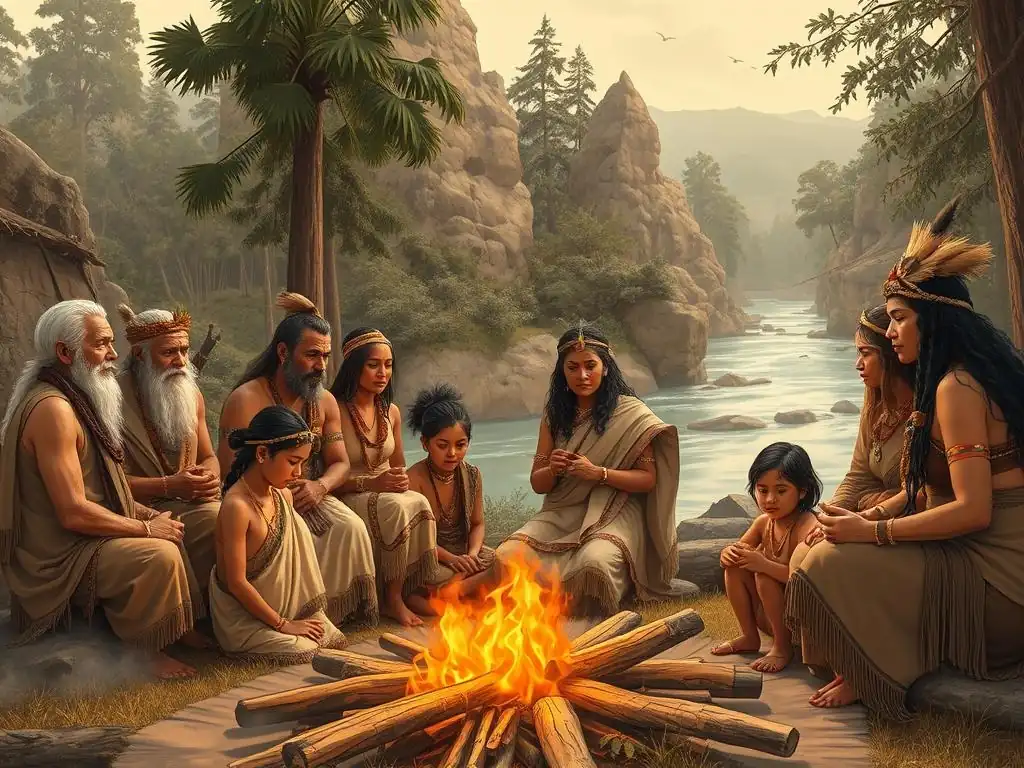
Indigenous cultures across the Americas faced numerous epidemics, particularly following European contact. Their responses to these health crises were varied yet shared common elements. A comparative analysis reveals both similarities and differences in how these societies adapted and endured through the challenges posed by diseases such as smallpox, influenza, and others introduced by Europeans.
Similarities in Responses Across Indigenous Cultures
Many indigenous societies exhibited remarkable resilience in the face of epidemics, often leveraging existing community structures and spiritual beliefs to cope. Common responses across diverse cultures included:
- Community Support Systems: In many indigenous societies, communal support became vital. Families and clans rallied together to care for the sick, which helped to mitigate the impact of the disease. This collective approach reinforced social bonds, even during times of crisis.
- Spiritual Practices and Healing: Spirituality played a crucial role in epidemic responses. Healing rituals, ceremonies, and the invocation of ancestral spirits were common practices aimed at restoring health and balance. For instance, the Navajo people engaged in healing ceremonies that intertwined prayer and traditional medicine to combat sickness.
- Adaptation of Subsistence Strategies: In the wake of epidemics, many cultures adjusted their subsistence strategies. This could involve shifting agricultural practices, such as diversifying crops to ensure food security, or altering hunting and gathering methods to accommodate changes in population dynamics.
Differences in Adaptation Strategies Based on Geography and Resources
While there were similarities, geographical and resource-based factors significantly influenced the adaptation strategies of indigenous cultures.
- Resource Availability: Societies located in resource-rich areas, such as the Pacific Northwest tribes, had more options for food and medicine. They could rely on diverse marine and terrestrial resources, allowing them to adapt quickly by incorporating new food sources when traditional ones were disrupted.
- Geographical Isolation: In contrast, groups in geographically isolated regions, such as the Inuit, developed unique strategies to cope with the harsh Arctic environment. Their responses included innovative hunting techniques and the use of traditional knowledge to navigate and survive in extreme conditions.
- Mobility and Trade Networks: Some indigenous groups, particularly those with extensive trade networks, were able to adapt by moving to new areas in search of resources or by trading for medical supplies and food. For example, the Plains tribes often migrated in response to ecological changes, which allowed them to maintain their food supply during epidemics.
Long-term Effects of Epidemic Responses on Indigenous Cultures
The long-term effects of epidemic responses are profound, shaping not only the immediate survival strategies of indigenous peoples but also their cultural evolution and societal structure.
Changes in Social Structures and Community Dynamics
Epidemics often resulted in dramatic shifts in social structures. High mortality rates led to:
- Altered Leadership Roles: In many cases, the loss of leaders or elders disrupted traditional governance structures. New leaders emerged, often from unexpected backgrounds, leading to shifts in power dynamics within communities.
- Changes in Family Structures: Epidemics frequently resulted in the dissolution of extended families and kinship networks. This fragmentation led to a greater reliance on nuclear families and may have contributed to the emergence of new social norms and support systems.
- Increased Gender Roles: As men and women took on new responsibilities during health crises, gender roles often became more pronounced. Women, for example, frequently assumed greater roles in community leadership and decision-making due to their involvement in caregiving and resource management.
Preservation of Cultural Practices Through Adversity
Despite the devastating impact of epidemics, many indigenous cultures found ways to preserve and even strengthen their cultural practices:
- Revitalization Movements: In response to the challenges posed by epidemics, many communities engaged in cultural revitalization movements. These movements aimed to reconnect with traditional practices, languages, and spiritual beliefs, often as a form of resistance against colonial influences.
- Integration of New Elements: Some cultures incorporated new elements into their traditional practices as a means of adaptation. For instance, the blending of European medical practices with indigenous healing methods led to the development of unique health strategies that honored both traditions.
- Storytelling and Oral Histories: The preservation of oral histories became crucial in maintaining cultural identity. Communities shared stories of resilience and adaptation, ensuring that future generations understood their history and the lessons learned from past epidemics.
The ways in which indigenous cultures responded to epidemics were complex and multifaceted, shaped by a myriad of factors including geography, resources, and historical context. Their experiences underscore the enduring spirit of these communities and their capacity for adaptation and survival.
Conclusion: The Endurance of Indigenous Cultures Amidst Epidemics
The impact of European diseases on Indigenous cultures in the Americas was profound, leading to significant demographic shifts and societal changes. However, despite these challenges, many Indigenous societies exhibited remarkable resilience and adaptability. Their responses to epidemics were shaped by a deep understanding of their environments, social structures, and cultural practices.
As they navigated the devastation wrought by diseases like smallpox and influenza, Indigenous peoples employed a variety of strategies to cope with loss, maintain social cohesion, and revitalize their cultural identities. This endurance is a testament to their strength and ingenuity in the face of adversity, allowing many cultures to survive and continue thriving despite the overwhelming pressures of colonization and disease.
Reflection on the Resilience of Indigenous Societies
Indigenous societies displayed an impressive capacity for resilience during epidemics, often drawing upon their rich cultural traditions and communal ties. Many communities adapted by modifying their agricultural practices to ensure food security amid population declines, while others strengthened their spiritual practices, seeking guidance and healing through traditional medicine and rituals. This collective response fostered unity and reinforced the importance of community well-being.
Moreover, the resilience of Indigenous peoples is not merely a historical footnote; it continues to inform contemporary Indigenous health initiatives. By revisiting ancestral knowledge and practices, many Indigenous communities today are working to address not only the lingering effects of past epidemics but also the systemic health disparities that persist. This dynamic interplay of history and modernity serves as a powerful reminder of the enduring spirit of Indigenous cultures.
Lessons Learned from Indigenous Epidemic Responses
The responses of Indigenous cultures to epidemics offer valuable lessons for understanding resilience in the face of health crises. Some key takeaways include:
- Community Cohesion: The emphasis on collective action and support is vital. Indigenous societies often relied on communal networks to provide care and support during times of crisis, highlighting the importance of social bonds in health outcomes.
- Cultural Adaptation: The ability to adapt cultural practices in response to new challenges is essential. Indigenous peoples often integrated new knowledge and practices into their existing frameworks, demonstrating flexibility and innovation.
- Holistic Health Approaches: Indigenous responses underscore the importance of viewing health holistically, incorporating physical, mental, and spiritual well-being. This comprehensive perspective can inform modern public health strategies.
- Traditional Knowledge: The value of traditional ecological knowledge and practices in managing health crises is significant. Indigenous healing practices offer insights into preventative measures and holistic treatments that can complement contemporary medicine.
Further Reading and Resources on Indigenous Cultures and Epidemics
To deepen your understanding of the cultural responses of Indigenous societies to epidemics, the following resources provide valuable insights into their history, resilience, and ongoing health initiatives.
Recommended Books and Articles
- "1491: New Revelations of the Americas Before Columbus" by Charles C. Mann: This book offers a comprehensive overview of pre-Columbian societies and their complex interactions with their environments.
- "The Other Slavery: The Uncovered Story of Indian Enslavement in America" by Andrés Reséndez: This work delves into the impacts of colonization on Indigenous populations, including the effects of disease.
- "Epidemics and Enslavement: Biological Catastrophe in the Caribbean" by Paul Farmer: This article explores how epidemics shaped the lives of Indigenous and enslaved peoples in the Caribbean.
- "Indigenous Health in the Americas: A Global Perspective": A collection of essays that discuss various aspects of Indigenous health, including responses to historical and contemporary health crises.
Online Resources for Indigenous Health Studies
- American Indian Health Commission: This organization provides resources and information about health issues affecting Indigenous populations in the United States.
- National Indian Health Board: A comprehensive resource offering information on health policies, programs, and initiatives aimed at improving the health of Native American communities.
- Indigenous Health Research Network: A platform that connects researchers, practitioners, and communities to share knowledge and best practices related to Indigenous health.
These resources not only highlight the historical context of Indigenous epidemic responses but also provide a framework for understanding the current health landscape of Indigenous peoples and their ongoing efforts to promote wellness and resilience.
- Introduction to Indigenous Cultures and Epidemics
- Historical Context of Epidemics Among Indigenous Peoples
- Indigenous Cultures Epidemic Responses: Adaptation Strategies
- Case Studies of Specific Indigenous Societies
- Comparative Analysis of Epidemic Responses
- Long-term Effects of Epidemic Responses on Indigenous Cultures
- Conclusion: The Endurance of Indigenous Cultures Amidst Epidemics
- Further Reading and Resources on Indigenous Cultures and Epidemics
- What were some common epidemics faced by Indigenous cultures in the Americas?
- How did Indigenous societies demonstrate adaptation to epidemic challenges?
- What role did cultural practices play in the response to epidemics?
- How did the legacy of Indigenous epidemic responses influence current healthcare practices?
- In what ways did epidemics reshape Indigenous identities?
Frequently Asked Questions
What were some common epidemics faced by Indigenous cultures in the Americas?
Indigenous cultures encountered various epidemics, including smallpox and influenza, introduced by European colonizers, which had a devastating impact on their populations.
How did Indigenous societies demonstrate adaptation to epidemic challenges?
Indigenous societies developed innovative responses such as community solidarity, traditional healing practices, and strategic relocation to cope with the devastation caused by epidemics.
What role did cultural practices play in the response to epidemics?
Cultural practices such as rituals, storytelling, and communal gatherings helped maintain social cohesion and provided emotional support during times of crisis.
How did the legacy of Indigenous epidemic responses influence current healthcare practices?
The knowledge and traditional methods used by Indigenous cultures during epidemics have influenced contemporary public health strategies, emphasizing the importance of community involvement and holistic approaches.
In what ways did epidemics reshape Indigenous identities?
Epidemics led to significant demographic shifts, prompting Indigenous communities to adapt their identities and practices, fostering resilience and a renewed sense of cultural pride in the face of adversity.
Final Reflection: Resilience of Indigenous Cultures in the Face of Epidemics
The ability of Indigenous cultures to adapt and endure through epidemics is a testament to their resilience and deep-rooted wisdom. In a world increasingly challenged by health crises, understanding how these societies have navigated similar adversities offers invaluable insights into contemporary responses to epidemics. The lessons learned from Indigenous practices not only highlight their innovative survival strategies but also underscore the importance of cultural heritage in overcoming modern challenges.
The cultural responses of Indigenous societies during epidemics have profoundly shaped their communities and continue to influence our understanding of health and resilience today. These responses are not merely historical accounts; they are living legacies that inform current public health strategies and community solidarity. As author and activist Winona LaDuke once said, The future will be about the stories we tell and the ways we live them.
This sentiment reflects the ongoing impact of Indigenous knowledge systems, which emphasize interconnectedness and adaptability in the face of adversity.
As we reflect on the enduring spirit of Indigenous cultures, let us take a moment to consider how we can apply these lessons in our own lives. How can we foster resilience within our communities? I invite you to explore the narratives of those who have come before us, to learn from their experiences, and to engage actively in creating a more inclusive and supportive environment. By honoring the wisdom of Indigenous cultures, we not only enrich our understanding of epidemic responses but also empower ourselves to face future challenges with courage and unity.
Embrace Resilience: Take Action Now!
Thank you for exploring the rich history of how Indigenous societies have adapted and thrived in the face of epidemics. Your curiosity about these cultural responses not only deepens your understanding of history but also empowers you to connect with the resilience of these communities today.
Now, let’s channel that inspiration into meaningful actions:
- Explore and support Indigenous voices: Seek out books, articles, or documentaries created by Indigenous writers and filmmakers. Share these resources to promote their narratives and experiences.
- Engage with local Indigenous communities: Attend events, conferences, or workshops to learn more about their history and contemporary issues. Your participation strengthens cultural awareness and fosters solidarity.
- Consider volunteering or donating to organizations focused on health and cultural preservation for Indigenous groups. These communities need allies in building strong futures.
How can you contribute to preserving and sharing Indigenous knowledge in your own community?