
Revisiting the Plagues: Epidemics and Their Lasting Legacy on Indigenous Cultures


Welcome to Indigenous Civilizations of the Americas, where we invite you to embark on a captivating journey through the rich tapestry of indigenous cultures that flourished long before European contact. Dive into our featured article, "Revisiting the Plagues: Epidemics and Their Lasting Legacy on Indigenous Cultures," as we explore the profound impact of epidemics on indigenous cultures. Discover how these pivotal events reshaped societies and left an indelible mark on their legacies. Are you ready to uncover the hidden narratives that shaped a continent? Let the exploration begin!
The history of indigenous cultures in the Americas is profoundly intertwined with the impact of epidemics, particularly following European contact. This article seeks to explore the devastating consequences of diseases introduced by colonizers and how these epidemics reshaped societies, cultures, and populations that had thrived for millennia prior to European arrival.
By examining the impact of epidemics on indigenous cultures, we will uncover not just the immediate effects of these health crises but also their enduring legacies that resonate through contemporary indigenous identities and practices. Understanding this historical context is crucial for appreciating the resilience and adaptations of these cultures in the face of catastrophic loss.
Understanding the Context of Indigenous Cultures Before Epidemics
Overview of Indigenous Civilizations in the Americas
Before the arrival of Europeans, the Americas were home to a vast array of indigenous civilizations, each with unique cultures, languages, and societal structures. From the advanced urban centers of the Aztecs and Maya in Mesoamerica to the complex societies of the Andean civilizations, indigenous peoples developed rich traditions and sophisticated agricultural practices.
- Key Civilizations:
- Aztec Empire: Known for its monumental architecture and rich mythology.
- Maya Civilization: Renowned for its advancements in mathematics, astronomy, and writing.
- Inca Empire: Famous for its vast road systems and integration of diverse cultures.
These civilizations demonstrated remarkable achievements in governance, trade, art, and science, laying the groundwork for vibrant societies that were deeply connected to their land and resources.
Societal Structures and Achievements of Indigenous Peoples
Indigenous societies were characterized by intricate social hierarchies and systems of governance that varied widely across regions. Many cultures organized themselves around kinship groups or clans, fostering strong communal ties and shared responsibilities.
- Cultural Achievements:
- Agriculture: Development of crops such as maize, beans, and squash, known as the "Three Sisters."
- Art and Architecture: Creation of stunning pottery, textiles, and monumental structures, including pyramids and temples.
- Knowledge Systems: Preservation of oral traditions and extensive knowledge of medicinal plants and ecological management.
The achievements of indigenous peoples not only highlight their ingenuity but also underscore the deep connections they forged with their environments, which would be severely disrupted by the arrival of European colonizers.
The Arrival of European Colonizers and Initial Encounters
Introduction of Epidemics through European Contact
The arrival of European explorers and settlers in the late 15th and early 16th centuries marked a turning point for indigenous populations. The introduction of new diseases—such as smallpox, influenza, and measles—decimated communities that had no prior exposure or immunity.
- Mechanisms of Disease Spread:
- Unintentional Transmission: Diseases often spread through trade and contact without malicious intent.
- Population Movements: As indigenous peoples were displaced or forced into new territories, the spread of diseases accelerated.
The impact of these epidemics was catastrophic, leading to significant population declines and societal upheaval.
Key Epidemics Affecting Indigenous Populations
The most devastating epidemics occurred in the decades following European contact, resulting in mortality rates that varied dramatically across regions.
- Notable Epidemics:
- Smallpox (1520s): Widespread outbreak that affected the Aztec Empire, contributing to its collapse.
- Measles (1600s): Further weakened indigenous populations in North America, leading to cultural disintegration.
- Influenza (1630s): Caused significant fatalities among multiple indigenous groups, exacerbating the effects of previous epidemics.
The legacy of these pandemics is not merely historical; it continues to influence contemporary indigenous cultures, shaping their narratives and identities as they navigate the repercussions of this tragic chapter in their history.
The Impact of Epidemics on Indigenous Cultures
The impact of epidemics on indigenous cultures in the Americas was profound and multifaceted, marking a pivotal turning point in their histories. Prior to European contact, indigenous populations were thriving with complex social structures, rich traditions, and diverse cultures. However, the introduction of new diseases by European settlers had devastating effects. It is estimated that diseases such as smallpox, measles, and influenza decimated indigenous populations, leading to significant demographic changes that altered the very fabric of their societies.
As these epidemics surged through communities, they not only caused immediate health crises but also triggered long-lasting transformations in social dynamics, economic practices, and cultural continuity. The interplay between disease, displacement, and adaptation reshaped indigenous identities and their relationships with the land and each other. Understanding these impacts is crucial to grasping how epidemics have influenced indigenous resilience and cultural evolution.
Demographic Changes and Population Decline
The demographic changes brought about by epidemics were staggering. Estimates suggest that some indigenous populations experienced declines of 70% to 90% due to the rapid spread of infectious diseases. For instance, the Taino people of the Caribbean, who numbered in the hundreds of thousands before European contact, faced near extinction within a century of Columbus's arrival.
Such population declines led to significant shifts in societal structures. With a drastic reduction of leaders, elders, and skilled artisans, many communities struggled to maintain their governance, cultural practices, and social cohesion. The loss of a large portion of the population also diminished the workforce needed for agricultural production and trade, leading to economic instability and increased vulnerability to external pressures.
Psychological and Social Effects of Epidemics on Communities
The psychological toll of epidemics on indigenous communities cannot be overstated. The loss of family members, friends, and community leaders created a pervasive atmosphere of grief and trauma. This collective mourning often resulted in a breakdown of social cohesion, where traditional support systems were disrupted.
Socially, the upheaval caused by epidemics led to increased fear and mistrust within and between communities. Many indigenous peoples faced not only the loss of life but also the stigmatization associated with illness, which further isolated survivors. The psychological scars left by these experiences contributed to long-term mental health challenges and altered community relationships, leading to a shift in how people viewed their identities and cultural practices.
Cultural Disruption and Loss of Traditional Knowledge
As epidemics ravaged indigenous populations, the disruption of cultural transmission became a critical consequence. Elders, who served as custodians of knowledge and tradition, were often among the first to succumb to diseases. This loss of knowledge resulted in a significant erosion of cultural practices, languages, and spiritual beliefs.
Traditional ecological knowledge, which had been passed down through generations, faced substantial risks as younger generations were left without mentors to guide them. The decline in the transmission of stories, rituals, and practices contributed to a disconnection from cultural heritage. Additionally, the urgent adaptation to new realities often led communities to prioritize survival over the preservation of cultural traditions, further accelerating this loss.
Responses of Indigenous Peoples to Epidemics
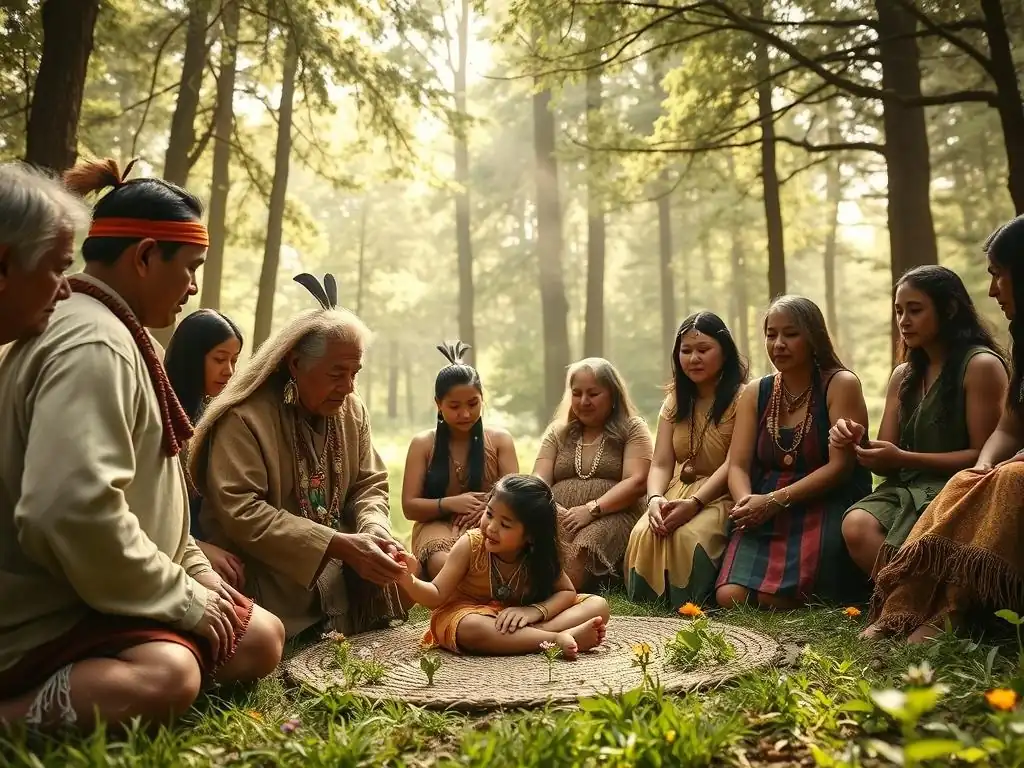
Indigenous peoples exhibited remarkable resilience in the face of the challenges posed by epidemics. Their responses were marked by a combination of adaptive strategies, traditional healing practices, and complex interactions with European settlers.
Adaptive Strategies and Resilience in the Face of Disease
In response to the devastation caused by epidemics, many indigenous communities developed adaptive strategies that highlighted their resilience. These strategies included relocating to less affected areas, forming new alliances, and redistributing resources to better cope with the demographic shifts.
Moreover, the adaptation of agricultural practices became essential as communities faced labor shortages due to high mortality rates. Some groups began to diversify their crops or shift to more sustainable practices that required less labor, demonstrating their ability to innovate under pressure. The resilience displayed during these times not only helped communities survive but also laid the groundwork for future adaptations in the face of ongoing challenges.
Community Healing Practices and Spiritual Responses
Community healing practices played a vital role in the response to epidemics. Indigenous peoples often turned to traditional healing methods, incorporating spiritual and ceremonial aspects into their recovery processes. These practices included rituals designed to honor the deceased, seek guidance from ancestral spirits, and promote communal healing.
In many cultures, the integration of spirituality with healing became a means of coping with loss and trauma. Ceremonies often served as collective gatherings that reinforced social bonds and provided a space for grief and remembrance. These responses were crucial for restoring a sense of identity and purpose within communities, even amidst ongoing adversity.
Collaboration and Conflict with European Settlers During Epidemics
The arrival of European settlers during epidemic outbreaks led to complex interactions between indigenous peoples and colonizers. While some indigenous groups sought collaboration for mutual benefit, others faced exploitation and conflict.
In many instances, European settlers took advantage of the weakened states of indigenous communities, leading to further encroachment on their lands. However, there were also cases where indigenous leaders negotiated with settlers to secure assistance in dealing with the impacts of disease, resulting in temporary alliances. These relationships were often fraught with tension, as the power dynamics shifted and indigenous sovereignty was continuously undermined. The responses to epidemics thus became intertwined with the broader struggles for survival, agency, and identity in the face of colonial pressures.
Long-Term Legacy of Epidemics on Indigenous Cultures
The impact of epidemics on indigenous cultures in the Americas was profound and multifaceted, reshaping societies in ways that reverberate to this day. Following the arrival of Europeans and the subsequent introduction of diseases such as smallpox, measles, and influenza, indigenous populations faced catastrophic declines. Historical estimates suggest that some communities lost up to 90% of their population. This demographic collapse not only resulted in immediate loss of life but also led to long-lasting changes in social, economic, and cultural structures.
The legacy of these epidemics can be seen in the transformation of relationships within and between communities. Many societies were forced to adapt to reduced populations, leading to shifts in governance and leadership structures. The resulting fragmentation or consolidation of communities created new social dynamics, with some groups merging for survival while others became isolated. The historical trauma associated with these events has also influenced collective memory, shaping narratives and identities that persist into contemporary times.
Transformation of Social Structures and Community Dynamics
The epidemics fundamentally altered the social fabric of indigenous communities. With significant portions of the population decimated, many tribes faced the challenge of maintaining their cultural practices and social organization. Traditional roles, often defined by age and kinship, were disrupted, leading to shifts in power dynamics and community leadership.
In response to these disruptions, some indigenous groups adapted their social structures, often relying on collective resilience to rebuild. New forms of governance emerged, sometimes incorporating aspects of European systems while still reflecting indigenous traditions. This blending of influences can be seen in modern tribal councils, which may adopt contemporary political strategies while remaining rooted in ancestral customs.
Additionally, the loss of elders and knowledge bearers had a profound impact on the transmission of cultural practices. Communities had to innovate ways to preserve their heritage, leading to the emergence of new forms of expression and cultural transmission rooted in the memory of loss and survival.
Preservation and Adaptation of Cultural Practices Post-Epidemics
Despite the devastating effects of epidemics, many indigenous cultures exhibited remarkable resilience through the preservation and adaptation of their cultural practices. In the aftermath of significant population loss, communities sought to reclaim and revitalize their traditions, often drawing from historical practices while incorporating contemporary elements.
Traditional ceremonies, storytelling, and art forms became vital in maintaining cultural identity. For instance, many tribes revitalized their languages, which were at risk of extinction due to the loss of fluent speakers. Language revitalization efforts have become a crucial aspect of cultural preservation, fostering a sense of belonging and continuity among younger generations.
Moreover, the blending of old and new practices has enriched indigenous cultural expressions. Modern art, music, and dance often reflect historical themes while addressing current social and political issues. This adaptability has allowed indigenous cultures to thrive, ensuring that their rich heritage continues to evolve while honoring ancestral traditions.
Influence on Modern Indigenous Identities and Cultural Renaissance
The legacy of epidemics has had a profound influence on contemporary indigenous identities, fostering a cultural renaissance that emphasizes resilience and resurgence. In the wake of historical trauma, many indigenous communities have embraced their identities, revitalizing traditions that were once suppressed or diminished.
This renaissance is characterized by a renewed focus on cultural pride, language revitalization, and the reassertion of traditional practices. Indigenous movements have gained momentum, advocating for rights, autonomy, and the recognition of historical injustices. The resurgence of interest in indigenous cultures is reflected in various domains, including art, literature, and education.
Furthermore, modern indigenous identities are increasingly shaped by a blend of traditional and contemporary influences, allowing for a dynamic expression of culture. This hybridization fosters a sense of community and belonging, bridging the past and present in a way that honors the resilience of ancestors while addressing current challenges.
Conclusion: Reflecting on the Lasting Impact of Epidemics on Indigenous Cultures
The impact of epidemics on indigenous cultures is a poignant reminder of the profound transformations that these communities underwent following European contact. These events have left an indelible mark on social structures, cultural practices, and identities, shaping the experiences of indigenous peoples across generations.
Lessons Learned from Historical Epidemics
The historical context of epidemics provides valuable lessons for contemporary society. Understanding the complexities of these experiences can foster greater empathy and appreciation for the resilience of indigenous cultures. Recognizing the lasting effects of trauma and loss allows for a more nuanced conversation about social justice, health equity, and cultural preservation.
Moreover, the responses of indigenous communities to historical epidemics underscore the importance of adaptability and resilience in the face of adversity. These lessons can be applied to current public health challenges, emphasizing the need for culturally sensitive approaches that respect and incorporate indigenous knowledge and practices.
The Importance of Acknowledging Indigenous Resilience and Cultural Heritage
Acknowledging the resilience of indigenous cultures in the wake of epidemics is essential for fostering understanding and respect. Celebrating the rich cultural heritage that has endured despite adversity highlights the strength and creativity of indigenous peoples.
Efforts to recognize and support indigenous cultural initiatives are crucial for ensuring that these communities continue to thrive. By valuing and uplifting indigenous voices, society can work towards healing historical wounds while fostering a future that honors the vibrant legacies of indigenous cultures across the Americas.
- Understanding the Context of Indigenous Cultures Before Epidemics
- The Arrival of European Colonizers and Initial Encounters
- The Impact of Epidemics on Indigenous Cultures
- Responses of Indigenous Peoples to Epidemics
- Long-Term Legacy of Epidemics on Indigenous Cultures
- Conclusion: Reflecting on the Lasting Impact of Epidemics on Indigenous Cultures
- What were the main epidemics that affected indigenous cultures in the Americas?
- How did these epidemics impact indigenous societies?
- What lasting legacies did these epidemics leave on indigenous cultures?
- Were there any responses from indigenous cultures to these epidemics?
- How does this article contribute to the understanding of indigenous histories?
Frequently Asked Questions
What were the main epidemics that affected indigenous cultures in the Americas?
The main epidemics included smallpox, measles, and influenza, which led to drastic population declines among indigenous communities due to lack of immunity.
How did these epidemics impact indigenous societies?
The impact of epidemics resulted in significant demographic changes, disrupting social structures and leading to the loss of traditional knowledge and practices.
What lasting legacies did these epidemics leave on indigenous cultures?
The lasting legacy includes altered cultural practices, shifts in territorial control, and the transformation of social hierarchies within indigenous populations.
Were there any responses from indigenous cultures to these epidemics?
Yes, many indigenous cultures adapted through the development of new social structures and relationships, often seeking alliances with European settlers for survival.
How does this article contribute to the understanding of indigenous histories?
This article emphasizes the complex interactions between epidemics and indigenous cultures, highlighting their resilience and the lasting impact of these events on their histories.
Final Reflection: The Enduring Impact of Epidemics on Indigenous Cultures
The legacy of epidemics on Indigenous cultures is not merely a chapter in history; it is a profound narrative that continues to shape identities, traditions, and communities today. As we navigate a world still grappling with the repercussions of health crises, it becomes increasingly clear that understanding the past is vital for addressing the present and future. The impact of epidemics on Indigenous cultures serves as a poignant reminder of resilience and adaptation in the face of adversity.
The historical context of epidemics has left an indelible mark on the cultural and social fabric of Indigenous communities. From loss of life to shifts in social structures, these events have influenced everything from language preservation to spiritual practices. As we reflect on this ongoing influence, we are reminded of the words of author and activist Vine Deloria Jr.: The most important thing about the Indian people is that they have survived.
This survival is not just a testament to endurance but a call to recognize and honor the rich cultural legacies that persist despite historical trauma.
As we move forward, let us take a moment to reflect on our roles in acknowledging and supporting Indigenous cultures in their journey of healing and revitalization. Consider how you can contribute to the preservation of these legacies—whether through education, advocacy, or simply by listening to the stories of Indigenous peoples. The lessons learned from the impact of epidemics on Indigenous cultures are not just historical; they are a call to action for all of us to engage with and uplift these vibrant communities as they navigate their paths toward a resilient future.
Thank you for taking the time to dive into our exploration of epidemics and their profound impact on Indigenous cultures. You’ve gained insights into the resilience and adaptability that these communities have demonstrated in the face of adversity. Now, let’s turn that knowledge into action!
Here are a few simple yet impactful ways to engage further with this vital topic:
- Join a local discussion group or online forum focused on Indigenous issues to share your newfound understanding and learn from others.
- Support Indigenous artists and activists by purchasing their work or sharing their messages on social media; this amplifies their voices and helps preserve their heritage.
- Expand your knowledge by reading books or watching documentaries that delve into Indigenous history and highlight their resilience in the face of adversity.
What legacy do you believe modern societies can learn from the resilience of Indigenous communities in overcoming historical challenges? Let’s discuss in the comments!