
Beyond Columbus: Unveiling the LesserKnown European Conquests in the Americas

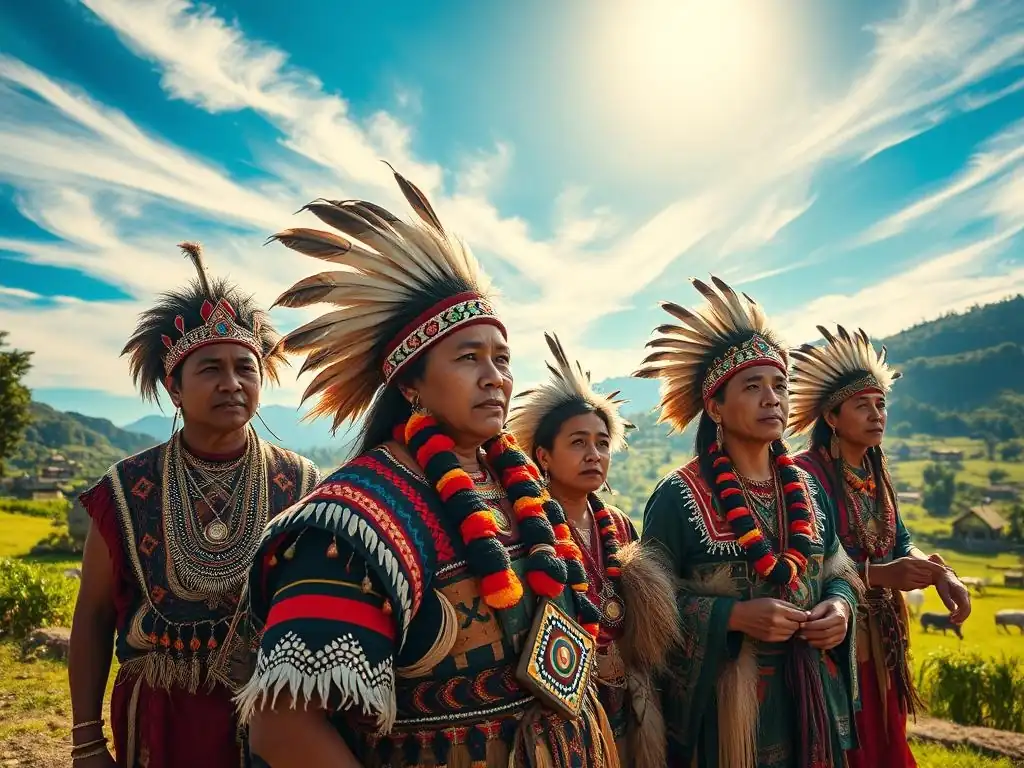
Welcome to Indigenous Civilizations of the Americas, where we invite you to journey through the rich tapestry of indigenous cultures of the Americas. Here, we delve into the remarkable achievements and vibrant societies that flourished long before European contact. Our featured article, "Beyond Columbus: Unveiling the Lesser-Known European Conquests in the Americas," uncovers the often-overlooked stories of these cultures amidst the backdrop of conquest and transformation. Prepare to challenge your perceptions and deepen your understanding as we explore the legacies that continue to resonate today. Join us in this enlightening exploration — your adventure awaits!
- Introduction to Indigenous Cultures of the Americas
- Historical Context of European Conquests in the Americas
- Lesser-Known European Conquests in the Americas
- Impact of Lesser-Known European Conquests on Indigenous Cultures
- Comparative Analysis of Major and Minor European Conquests
- Conclusion
-
Frequently Asked Questions
- What does the article "Beyond Columbus" focus on?
- How does this article relate to indigenous cultures?
- Why is it important to study lesser-known European conquests?
- What can readers learn about indigenous civilizations from this article?
- How does the website enhance the understanding of indigenous cultures?
- Final Reflection: Embracing the Depth of Indigenous Cultures in the Americas
- Embark on a Journey of Discovery!
Introduction to Indigenous Cultures of the Americas
The indigenous cultures of the Americas are a rich tapestry woven from the threads of diverse societies, traditions, and histories that flourished long before the arrival of European colonizers. This article delves into the complex and vibrant civilizations that inhabited the continents, highlighting their achievements, social structures, and the profound impacts they had on the world.
By exploring lesser-known European conquests beyond the infamous voyage of Christopher Columbus, we aim to shed light on the multifaceted interactions between these cultures and European powers. Understanding these events not only enriches our knowledge of history but also honors the legacies of the indigenous peoples who still thrive today.
Overview of Indigenous Civilizations Before European Contact
Before the arrival of Europeans, the Americas were home to a multitude of indigenous cultures, each with its unique identity, language, and customs. Some of the most notable civilizations include:
- The Maya: Renowned for their advanced knowledge of astronomy, mathematics, and writing, the Maya civilization spanned present-day Mexico, Guatemala, Belize, and Honduras. They constructed impressive city-states with monumental architecture and developed a complex calendar system.
- The Aztec Empire: Dominating central Mexico, the Aztecs built a powerful empire known for its impressive capital, Tenochtitlán. Their society was marked by intricate religious practices, advanced agricultural techniques, and a robust trade network.
- The Inca Empire: Stretching along the western coast of South America, the Inca civilization is celebrated for its remarkable engineering feats, including the construction of extensive road systems and the iconic Machu Picchu. The Incas excelled in agriculture, utilizing terrace farming to maximize crop yields in the Andes mountains.
- The Mississippian Culture: Known for their earthen mounds and complex societies, the Mississippian peoples thrived in the southeastern United States. They developed trade networks and large urban centers, such as Cahokia, which was one of the largest cities in the world during its peak.
These civilizations were characterized by their rich cultural expressions, including art, music, and spiritual beliefs, all of which contribute to the diverse heritage of the indigenous peoples of the Americas.
Importance of Understanding Lesser-Known Conquests
Exploring the lesser-known European conquests in the Americas is essential for several reasons:
- Broadened Historical Perspective: While Christopher Columbus is often heralded as the first European to reach the Americas, countless other explorers and conquerors played significant roles in shaping the continent's history. Understanding these figures and their expeditions offers a more nuanced view of the European colonization process.
- Recognition of Indigenous Resilience: By examining these conquests, we can better appreciate the resilience and adaptability of indigenous cultures in the face of colonization. Many communities employed various strategies to resist and negotiate with European powers, influencing the dynamics of power and cultural exchange.
- Cultural Continuity and Change: Investigating the impact of lesser-known conquests allows us to see how indigenous cultures have transformed over time. This understanding highlights the ongoing influence of these cultures in contemporary society and the importance of preserving their heritage.
- Lessons for the Future: Studying the interactions between indigenous peoples and European conquerors can provide valuable lessons about collaboration, conflict resolution, and the consequences of cultural encounters. Such insights are vital for fostering mutual respect and understanding in our diverse world today.
Unpacking the lesser-known narratives of European conquests in the Americas not only enriches our historical knowledge but also pays tribute to the vibrant indigenous cultures that have shaped the continent. By understanding their stories, we can work towards a greater appreciation of the complexities of history and its lasting implications.
Historical Context of European Conquests in the Americas
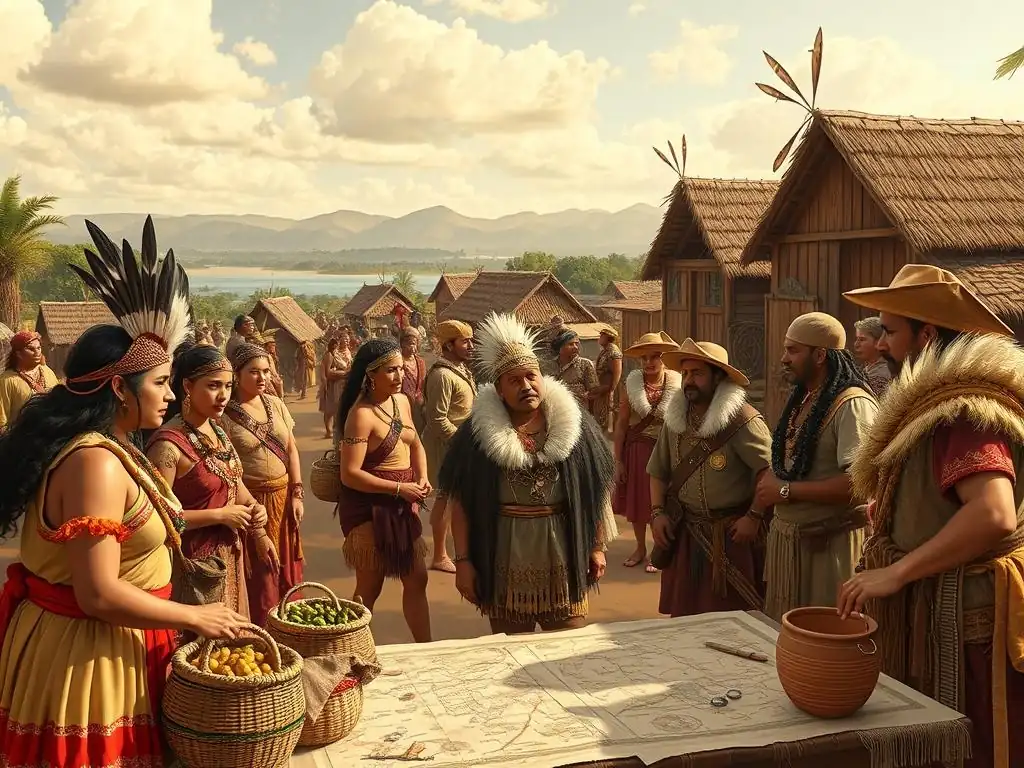
The European conquests in the Americas during the Age of Exploration marked a significant turning point in the history of indigenous cultures. This period, spanning the late 15th century to the early 17th century, was characterized by the influx of European explorers and conquerors who sought new territories, resources, and wealth. The consequences of these encounters were profound and often devastating for the indigenous peoples who had lived in the Americas for millennia.
The Age of Exploration and Its Impact on Indigenous Cultures
The Age of Exploration, often credited to figures like Christopher Columbus in 1492, initiated a series of expeditions that expanded European knowledge of the globe. However, beyond Columbus, many other explorers and conquistadors ventured into the Americas, leading to a complex tapestry of interactions with indigenous cultures.
- Disruption of Societies: The arrival of Europeans disrupted established indigenous societies. For example, the Inca and Aztec empires, which were highly organized and sophisticated, faced military invasions that resulted in significant loss of life and territory.
- Cultural Exchange and Assimilation: European conquests did not just lead to destruction; they also prompted cultural exchanges. Indigenous peoples often adopted European technologies and agricultural practices, yet this was accompanied by the imposition of foreign values and beliefs.
- Disease and Demographic Collapse: One of the most tragic impacts of the European conquests was the spread of diseases such as smallpox, to which indigenous populations had no immunity. This led to catastrophic declines in population, with estimates suggesting that some regions saw a reduction of up to 90% of their indigenous peoples within a century of contact.
- Colonization and Land Dispossession: European powers established colonies that fundamentally altered indigenous ways of life. Land was often seized for agricultural and resource exploitation, leading to the displacement of countless communities.
The impact of these conquests on the indigenous cultures of the Americas was multifaceted, leading to both resistance and adaptation in the face of overwhelming change.
Key Figures in European Conquest Beyond Columbus
While Christopher Columbus is often recognized for his voyages, numerous other figures played pivotal roles in the European conquest of the Americas. Their actions significantly shaped the landscape of indigenous cultures and societies.
- Hernán Cortés: Perhaps one of the most notorious conquistadors, Cortés led the expedition that resulted in the fall of the Aztec Empire in 1521. His strategic alliances with rival indigenous groups and the ruthless military tactics he employed underscore the complexities of the conquest process. The consequences for the Aztec civilization were devastating, culminating in not only territorial loss but also cultural erasure.
- Francisco Pizarro: Following in Cortés's footsteps, Pizarro's conquest of the Inca Empire in the 1530s was marked by similar brutality. Utilizing deception and superior weaponry, Pizarro captured the Inca ruler Atahualpa, leading to significant turmoil and the eventual downfall of one of the largest empires in South America.
- Jacques Cartier: As the French explorer who claimed parts of Canada for France in the 1530s, Cartier's interactions with the St. Lawrence Iroquoian peoples opened the door for future French colonial endeavors. His expeditions exemplified the varied motivations of European powers, including trade and resource extraction, which would have lasting effects on indigenous cultures.
- Pedro Álvares Cabral: A Portuguese navigator, Cabral is credited with discovering Brazil in 1500. His arrival marked the beginning of Portuguese colonization in South America, which led to the establishment of sugar plantations and the displacement of indigenous populations.
Each of these figures not only contributed to the expansion of European empires but also played significant roles in the transformation and often the decline of the indigenous cultures of the Americas. Their legacies are complex, reflecting a blend of exploration, exploitation, and cultural interchange that continues to shape the present-day narratives of these civilizations.
Lesser-Known European Conquests in the Americas
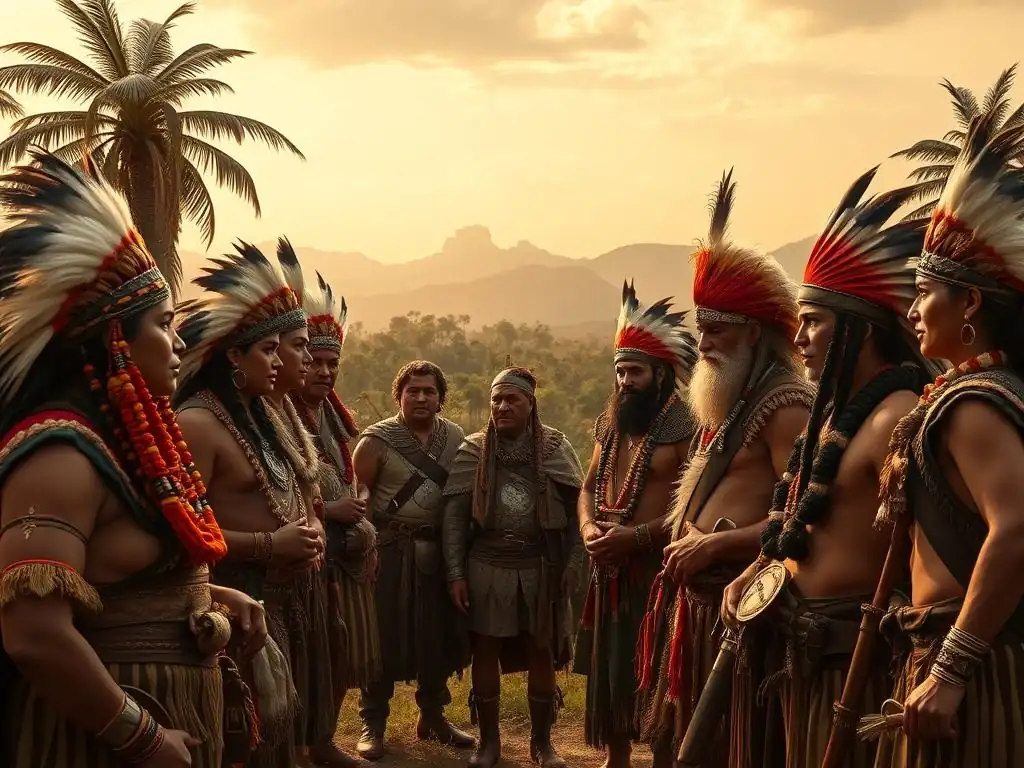
The narrative surrounding European conquests in the Americas is often dominated by the exploits of Christopher Columbus and the Spanish Crown's early colonial endeavors. However, there exists a rich tapestry of lesser-known European conquests that significantly impacted the indigenous cultures of the Americas. These conquests not only shaped the political landscape but also led to profound changes in social structures, economies, and cultural practices among the diverse indigenous populations. By exploring these lesser-known conquests, we can gain a more nuanced understanding of the interactions between Europeans and indigenous cultures and the resulting legacy of these encounters.
The Spanish Conquests Beyond the Caribbean
While the Caribbean islands were the initial focus of Spanish exploration and colonization, the Spanish Empire's reach extended far beyond these shores. The conquests in Central and South America, particularly in regions such as the Aztec and Inca empires, are well-documented. However, there were significant Spanish incursions into areas like Florida and the southwestern United States that are often overlooked.
Conquistadors and Their Impact on Indigenous Societies
In the early 16th century, Spanish conquistadors ventured into territories inhabited by various indigenous peoples, including the Timucua in Florida and the Pueblo peoples in present-day New Mexico. Figures like Hernando de Soto and Francisco Vásquez de Coronado led expeditions that sought wealth and new territories. The consequences of their expeditions were profound:
- Disruption of Societies: The arrival of the Spanish led to the disruption of indigenous social structures. Traditional leadership systems were challenged, and many indigenous leaders were killed or coerced into submission.
- Disease and Population Decline: European diseases such as smallpox decimated indigenous populations, who had no immunity to these foreign illnesses. This loss of life resulted in significant demographic shifts and weakened social cohesion within indigenous communities.
- Cultural Assimilation and Resistance: Some indigenous groups adopted elements of Spanish culture, including religion and agricultural practices, while others fiercely resisted European influence. The legacy of these encounters can still be seen in contemporary practices and beliefs among various indigenous cultures of the Americas.
The Spanish conquests beyond the Caribbean represent a critical chapter in the history of indigenous cultures, as they navigated the complexities of survival, adaptation, and resistance in the face of foreign domination.
The French Engagements in North America
The French colonization efforts in North America are another aspect of European conquest that often escapes mainstream narratives. French explorers and settlers established significant relationships with indigenous cultures, particularly in regions like Canada and the Mississippi River valley.
Interactions with Indigenous Cultures and Their Consequences
The French approach to indigenous cultures was markedly different from that of the Spanish, focusing more on trade and alliances rather than outright conquest. This led to a unique dynamic that influenced both French settlers and indigenous communities:
- Trade Relationships: The French engaged in extensive fur trade with indigenous tribes, creating economic interdependence. This trade allowed some indigenous groups to gain access to European goods while maintaining their cultural identities.
- Cultural Exchange: The French often intermarried with indigenous peoples, leading to the emergence of Métis cultures that blended European and indigenous traditions. This cultural fusion enriched both communities and contributed to the diversity of the indigenous cultures of the Americas.
- Territorial Conflicts: Despite the relatively cooperative relationships, territorial disputes arose, particularly as French settlers expanded their presence. Indigenous groups were often caught in the crossfire between competing European powers, leading to significant changes in land ownership and usage.
The French engagements in North America highlight the complexities of colonial relationships and their lasting impact on indigenous cultures. Understanding these interactions provides valuable insights into the resilience and adaptability of indigenous peoples in the face of European expansion.
The Dutch Ventures and Their Legacy
The Dutch played a significant role in the European exploration and colonization of the Americas, particularly in the 17th century. Their ventures were characterized by a blend of commercial ambition and cultural exchange, which left a lasting impact on the indigenous cultures of the Americas. The Dutch West India Company, established in 1621, aimed to disrupt Spanish and Portuguese trade monopolies and expand Dutch influence in the New World. As they focused primarily on the Caribbean and parts of North America, their interactions with indigenous peoples were both complex and transformative.
One of the most notable areas of Dutch activity was in the region that would become New York, originally known as New Amsterdam. The Dutch established trade relationships with various indigenous groups, including the Lenape and the Iroquois. These interactions were often centered around the fur trade, which became a lucrative enterprise for both the Dutch and the indigenous communities involved. The Dutch not only traded goods such as beads, metal tools, and alcohol but also engaged in cultural exchanges that shaped the dynamics of the region.
Trade, Settlement, and Cultural Exchanges with Indigenous Peoples
The Dutch approach to trade with indigenous peoples was distinct from that of other European powers. Their focus on commerce rather than outright conquest allowed for more cooperative relationships with various tribes. Dutch traders often formed alliances with indigenous groups, which enabled them to secure access to fur resources while providing indigenous communities with European goods that enhanced their daily lives.
This trade led to the establishment of settlements, particularly in New Amsterdam, where the Dutch sought to create a diverse and economically vibrant colony. The coexistence of various cultures resulted in significant cultural exchanges. For instance, the introduction of European agricultural practices and domestic animals had a profound impact on indigenous lifestyles. Conversely, the Dutch learned from indigenous agricultural techniques, such as the cultivation of corn and tobacco, which became staples in their own diet and economy.
However, these interactions were not without complications. The demand for furs led to increased competition among indigenous groups, sometimes resulting in conflicts. Additionally, the introduction of European diseases devastated many indigenous populations, altering their social structures and ways of life. Despite these challenges, the legacy of Dutch ventures in the Americas is evident in the multicultural fabric of regions like New York, where elements of both Dutch and indigenous cultures persist to this day.
The Dutch ventures in the Americas provide a fascinating glimpse into the complex relationships between European colonizers and indigenous cultures. Through trade, settlement, and cultural exchanges, the Dutch left a unique mark on the landscape of indigenous societies, contributing to the rich tapestry of the indigenous cultures of the Americas that thrived long before European contact.
Impact of Lesser-Known European Conquests on Indigenous Cultures
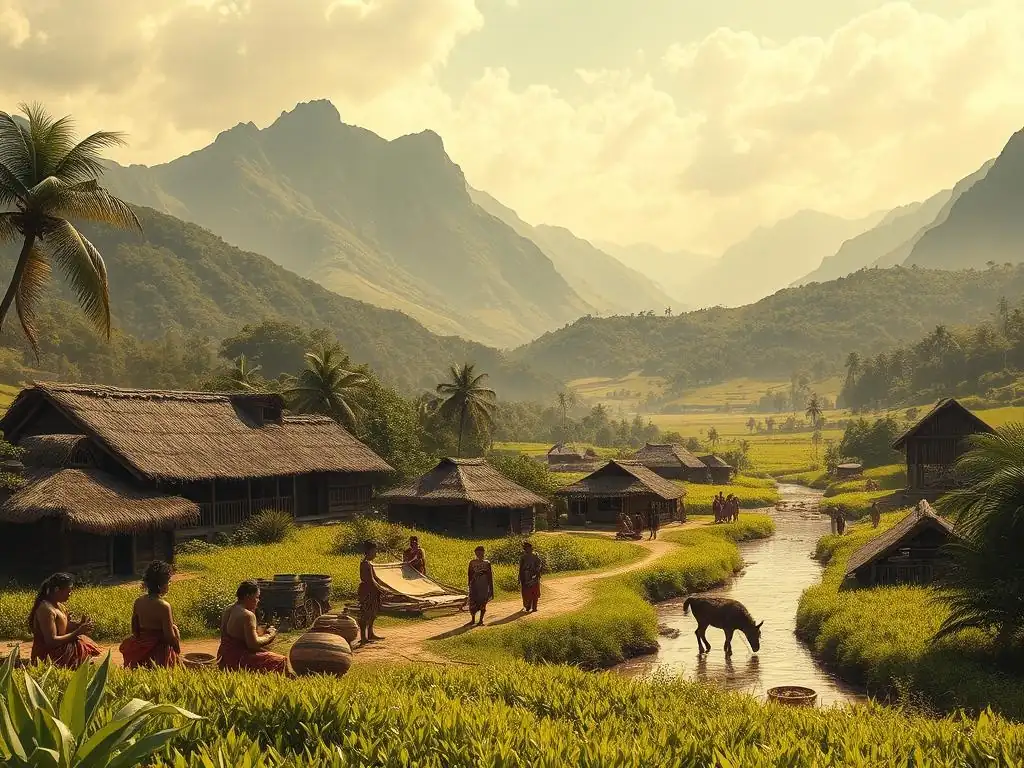
Displacement and Cultural Loss
The lesser-known European conquests in the Americas had profound effects on the indigenous cultures, leading to significant displacement and cultural loss. As various European powers expanded their territories, they often imposed their own systems of governance, religion, and economic practices on the native populations. This resulted in the forced relocation of countless indigenous groups from their ancestral lands.
For instance, the French conquests in parts of Canada and the Mississippi River Basin led to the displacement of indigenous tribes such as the Algonquin and Iroquois. Many were pushed into less fertile lands, disrupting traditional hunting and farming practices.
Some key aspects of displacement and cultural loss include:
- Loss of Land: Indigenous peoples were forcibly removed from their territories, leading to a disconnection from their cultural heritage and spiritual practices tied to the land.
- Erosion of Traditions: With the introduction of European languages, religions, and customs, many indigenous traditions began to fade. Oral histories, ceremonies, and languages were lost as younger generations adapted to new ways of life.
- Population Decline: Diseases brought by Europeans decimated indigenous populations. The smallpox epidemic is a stark example, with mortality rates in some communities reaching over 90%. This decline reduced the transmission of cultural practices and knowledge.
Resistance and Adaptation of Indigenous Societies
Despite the overwhelming pressures from European conquests, many indigenous societies demonstrated remarkable resilience and adaptability. Indigenous peoples engaged in various forms of resistance, ranging from armed conflict to subtle forms of cultural preservation.
Some notable examples of resistance include:
- Armed Conflicts: The Pequot War (1636-1638) and the Pueblo Revolt (1680) in New Mexico are significant instances where indigenous groups united against European encroachment. These conflicts were pivotal in asserting their rights and autonomy.
- Cultural Adaptation: Many indigenous communities incorporated European elements into their cultures while maintaining core aspects of their identity. For example, the Mestizo culture emerged in the colonial period, blending indigenous traditions with European influences, particularly in areas like Mexico.
- Strategic Alliances: Indigenous groups often formed alliances with European powers to resist other colonizers. The Iroquois Confederacy, for instance, played a critical role in the balance of power during the colonial period by aligning with both the French and British at different times.
Lasting Influence on Contemporary Indigenous Identity
The impact of lesser-known European conquests continues to resonate in contemporary indigenous identities across the Americas. The struggles and adaptations of past generations laid the groundwork for modern movements that seek to reclaim and revitalize indigenous cultures.
Some lasting influences include:
- Cultural Revitalization: Many indigenous communities today actively engage in cultural revitalization efforts, such as language preservation programs and traditional arts. These initiatives aim to restore and strengthen cultural heritage in the face of historical loss.
- Political Activism: The resistance of indigenous societies has inspired current political movements advocating for rights and recognition. Groups like the Zapatistas in Mexico highlight the enduring spirit of resistance against colonial legacies.
- Educational Initiatives: Contemporary indigenous leaders emphasize the importance of education in understanding and teaching the history of indigenous cultures and their ongoing struggles. Institutions and curricula focused on the indigenous cultures of the Americas are increasingly being established to provide accurate representations of history.
While the lesser-known European conquests resulted in significant displacement and cultural loss, the resilience and adaptability of indigenous societies have forged lasting influences on their contemporary identities. This complex interplay continues to shape the cultural landscape of the Americas today.
Comparative Analysis of Major and Minor European Conquests
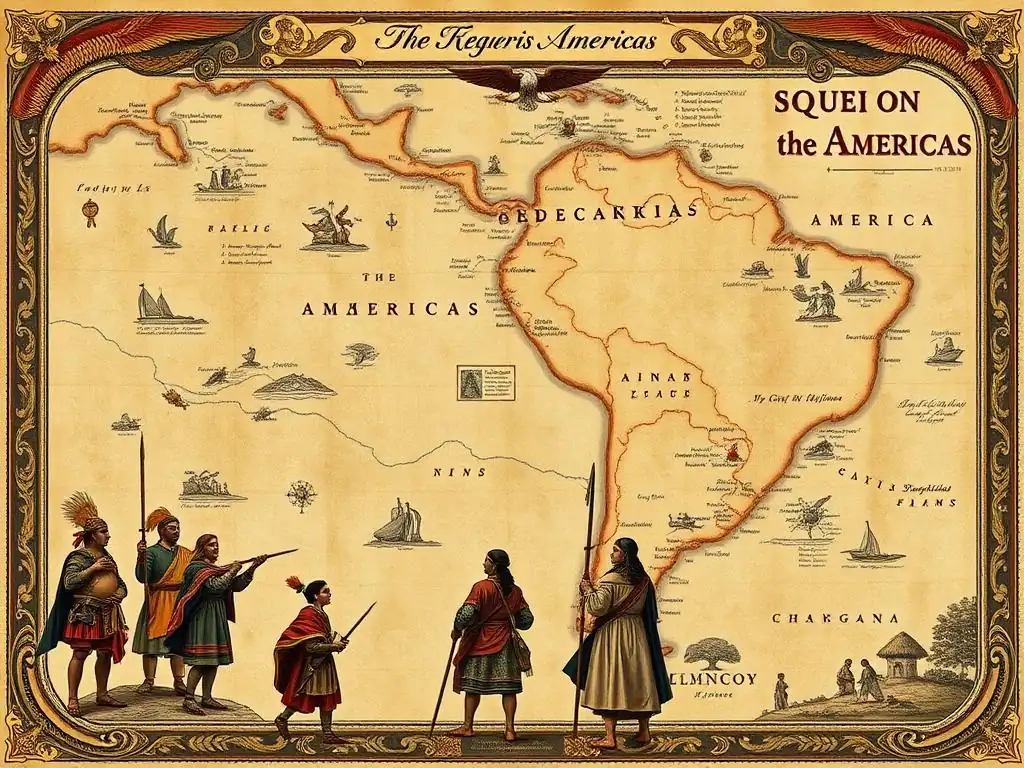
The exploration of European conquests in the Americas reveals a stark contrast between major and minor conquests, especially regarding their approach to the indigenous cultures of the Americas. While the major conquests, such as those led by the Spanish and Portuguese, are often highlighted in history, the minor conquests also contributed significantly to the shaping of indigenous societies and their interactions with European powers. Understanding these differences is essential to grasping the broader impacts of colonization.
Differences in Approach to Indigenous Cultures
The approach to indigenous cultures varied widely between major and minor European conquests.
- Major Conquests:
- Cultural Assimilation: In major conquests, such as the Spanish conquest of the Aztec and Inca empires, the objective often included the assimilation of indigenous peoples into European culture. This was achieved through the imposition of Christianity and European customs.
- Resource Extraction: The Spanish and Portuguese often viewed indigenous cultures primarily as means to extract wealth. The encomienda system, for example, forced indigenous populations into labor for the benefits of European settlers.
- Military Dominance: Major conquests employed significant military force, often resulting in the decimation of indigenous populations through warfare and disease.
- Minor Conquests:
- Cultural Exchange: In contrast, minor conquests tended to facilitate more nuanced cultural exchanges. For instance, the English and French often engaged in trade relationships with indigenous groups, which allowed for a shared influence on both sides.
- Localized Governance: European settlers in smaller conquests sometimes adopted more flexible governance structures that acknowledged the existing social hierarchies of indigenous communities.
- Intermarriage: There were instances of intermarriage between Europeans and indigenous peoples, which led to the emergence of mixed cultures. This was particularly prominent in regions like Canada and parts of the United States, where French fur traders often married indigenous women.
Outcomes and Long-Term Effects on Indigenous Civilizations
The consequences of these differing approaches had profound long-term effects on the indigenous civilizations of the Americas.
- Cultural Erasure vs. Syncretism: In areas impacted by major conquests, such as Mexico and Peru, the aggressive assimilation tactics led to significant cultural erasure. Indigenous languages, traditions, and beliefs were often replaced or heavily altered. Conversely, in regions affected by minor conquests, there was a greater likelihood of cultural syncretism, where indigenous and European traditions combined to create new cultural identities.
- Population Decline and Resilience: Major conquests resulted in catastrophic population declines due to warfare, enslavement, and disease. For example, the population of the Aztecs plummeted from an estimated 25 million before contact to just 1 million within a century. On the other hand, areas with minor conquests often retained larger indigenous populations, allowing for greater resilience and adaptation in the face of European pressures.
- Land Dispossession: The patterns of land dispossession also differed. Major conquests frequently led to outright seizure and colonization of indigenous lands. In contrast, minor conquests sometimes allowed indigenous groups to maintain control over their territories, albeit under the pressure of European influence and treaties.
The comparative analysis of major and minor European conquests in the Americas highlights significant differences in approaches to indigenous cultures and their long-term outcomes. Understanding these distinctions is crucial in appreciating the complex tapestry of indigenous cultures of the Americas and their enduring legacies.
Conclusion
Reflection on the Importance of Recognizing All European Conquests
Understanding the broader tapestry of European conquests in the Americas goes beyond just the tales of Christopher Columbus. It encompasses a multitude of encounters, each with its own complexities and consequences. Recognizing these lesser-known conquests is crucial for several reasons:
- Historical Accuracy: Acknowledging all European conquests allows for a more accurate representation of history, which is often simplified into the narrative of a few prominent figures. Each conquest contributed uniquely to the cultural, social, and political landscape of the Americas.
- Indigenous Perspectives: Each encounter resulted in varying impacts on indigenous cultures. By studying these conquests, we gain insight into the resilience and adaptability of indigenous peoples, as well as their ongoing struggles against colonization.
- Cultural Heritage: Many indigenous cultures of the Americas have persisted despite centuries of oppression and upheaval. Recognizing the full spectrum of European conquests helps highlight the richness of these cultures and their contributions to global heritage.
- Lessons for the Present: Understanding the dynamics of past encounters can inform contemporary discussions about colonization, cultural preservation, and social justice. It encourages a critical examination of how history impacts modern indigenous communities.
Reflecting on these aspects fosters a deeper appreciation for the indigenous cultures of the Americas, which continue to thrive and evolve, despite historical challenges.
The Continuing Legacy of Indigenous Cultures of the Americas
The legacy of indigenous cultures of the Americas is profound and multifaceted, influencing not only the continent but also the world. Here are several key aspects of this ongoing legacy:
- Cultural Resilience: Indigenous cultures have demonstrated remarkable resilience. They have preserved languages, traditions, and practices that date back thousands of years. For instance, the revitalization of languages such as Navajo and Quechua showcases the strength of these communities.
- Art and Expression: Indigenous art forms, including pottery, textiles, and traditional music, continue to inspire and influence contemporary artists globally. The use of symbolism and storytelling in indigenous art serves as a crucial means of cultural expression and preservation.
- Traditional Ecological Knowledge: Indigenous peoples possess extensive knowledge about local ecosystems, which has been honed over generations. This knowledge is increasingly recognized for its value in sustainable practices and conservation efforts. For example, the traditional agricultural techniques used by the Inca continue to inform modern permaculture approaches.
- Political Movements: Indigenous activism has gained momentum in recent decades, advocating for rights, land sovereignty, and recognition of historical injustices. Movements such as the Zapatista uprising in Mexico exemplify the ongoing struggle for autonomy and cultural recognition.
- Cultural Exchange and Influence: The interactions between indigenous cultures and European settlers resulted in a unique blend of traditions, contributing to the rich cultural mosaic of the Americas. This synthesis can be seen in food, music, and festivals, which continue to celebrate both indigenous and colonial heritages.
The indigenous cultures of the Americas are not merely remnants of the past; they are dynamic and evolving entities that continue to shape the world in various ways. Recognizing their ongoing legacy is essential for fostering respect, understanding, and collaboration in a multicultural society.
Frequently Asked Questions
What does the article "Beyond Columbus" focus on?
The article explores lesser-known European conquests in the Americas, shedding light on the impact of colonization beyond the well-known narratives surrounding Columbus.
How does this article relate to indigenous cultures?
It emphasizes the rich diversity of indigenous cultures of the Americas and highlights how these societies were affected by European conquests, showcasing their achievements and resilience.
Why is it important to study lesser-known European conquests?
Studying these conquests helps to broaden our understanding of history, revealing the complex interactions between European powers and indigenous peoples that shaped the Americas.
What can readers learn about indigenous civilizations from this article?
Readers will gain insights into the sophisticated societies that existed prior to colonization, including their cultural practices, governance, and contributions to the world.
How does the website enhance the understanding of indigenous cultures?
The website offers a comprehensive exploration of various indigenous cultures, providing detailed accounts of their histories and the lasting impacts they have had on contemporary society.
Final Reflection: Embracing the Depth of Indigenous Cultures in the Americas
The exploration of lesser-known European conquests in the Americas reveals a crucial narrative that is often overshadowed by the more prominent figures like Columbus. Today, as we strive for a more nuanced understanding of history, it is essential to recognize the profound impact these conquests had on the indigenous cultures of the Americas. The stories of resilience, adaptation, and survival among these cultures are not just historical footnotes; they are vital threads in the rich tapestry of human experience that continue to resonate in contemporary discussions about identity and heritage.
The ongoing influence of these lesser-known conquests shapes our cultural and social landscape, reminding us of the diverse legacies that exist within the Americas. The indigenous cultures, often marginalized in mainstream narratives, have contributed significantly to the continent's identity, art, and philosophy. As we reflect on these histories, we can appreciate the words of historian David E. Wilkins: Indigenous peoples are not just relics of the past; they are vibrant communities that continue to shape the future.
This perspective invites us to engage with the living cultures that thrive today, fostering a deeper respect for their contributions and struggles.
As we conclude this exploration, I invite you to reflect on the lessons learned from the indigenous cultures of the Americas and the histories that have shaped them. Consider how you can honor and amplify these voices in your own life, whether through education, advocacy, or simply by sharing their stories. By embracing the complexity of our shared history, we can contribute to a more inclusive narrative that celebrates the richness of all cultures and encourages a deeper understanding of our collective past and future.
Embark on a Journey of Discovery!
Thank you for taking the time to explore the rich tapestry of history beyond Columbus! By diving into the lesser-known European conquests, you’ve gained valuable insights into the complexities that shaped the Americas. Now, let’s extend that knowledge into action!
Here are some engaging steps you can take:
- Dive deeper: Explore the stories of overlooked figures and events through our detailed articles. This will help you expand your understanding of history's nuances.
- Share your findings: Discuss what you've learned with friends or on social media. Inspire others to appreciate the full spectrum of history and the significance of these lesser-known conquests.
- Join the conversation: Participate in our community forums to connect with others who share your interests. Share your thoughts, ask questions, and explore different perspectives on these fascinating topics.
As you reflect on what you’ve learned today, consider which lesser-known story of European conquest resonates most with you and how it has influenced our understanding of the Americas.