
Colorful Narratives: The Use of Indigenous Motifs in Fashion Collections Today

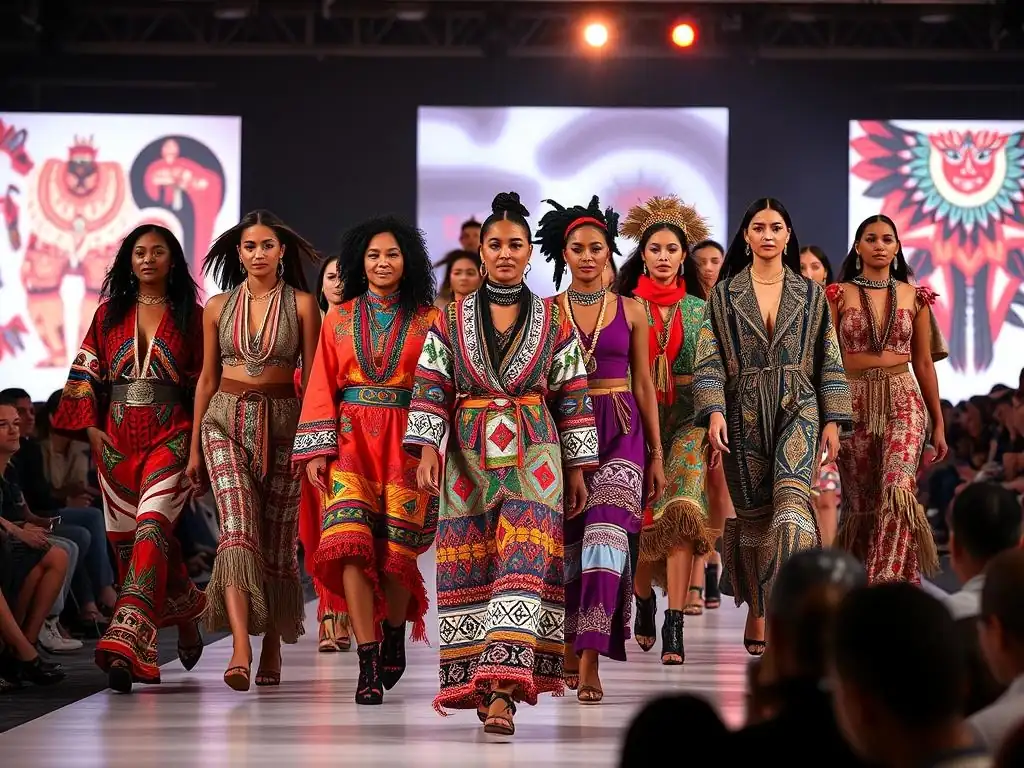
Welcome to Indigenous Civilizations of the Americas, where we invite you to embark on a fascinating journey through the vibrant tapestry of indigenous cultures that flourished across the Americas long before European contact. In our featured article, "Colorful Narratives: The Use of Indigenous Motifs in Fashion Collections Today," we delve into the rich heritage and artistic expressions that inspire contemporary fashion, revealing how these timeless motifs continue to shape modern identities.
Prepare to be captivated by the stories woven into each design, and discover how the legacy of these remarkable civilizations lives on through creativity and cultural influence. Your exploration starts here—let's dive deeper into this colorful narrative!
- Introduction to Indigenous Motifs in Fashion
- Historical Context of Indigenous Motifs in Fashion
- Contemporary Use of Indigenous Motifs in Fashion
- Cultural Significance of Indigenous Motifs in Fashion
- Challenges and Controversies Surrounding Indigenous Motifs in Fashion
- Future Trends: Indigenous Motifs in Fashion
- Conclusion: Honoring Indigenous Cultures Through Fashion
-
Frequently Asked Questions
- What are Indigenous motifs in fashion?
- How do fashion designers incorporate Indigenous motifs?
- What is the impact of using Indigenous motifs in contemporary fashion?
- Are there any ethical considerations when using Indigenous motifs?
- How can consumers support ethical fashion that uses Indigenous motifs?
- Final Reflection: Embracing Heritage Through Indigenous Motifs in Fashion
- Embrace Indigenous Inspiration in Your Style Journey!
Introduction to Indigenous Motifs in Fashion
The use of Indigenous motifs in fashion is a vibrant testament to the rich tapestry of indigenous cultures across the Americas. These motifs, deeply rooted in the histories, traditions, and narratives of indigenous peoples, have found their way into contemporary fashion collections, bridging the past with the present.
As designers increasingly draw inspiration from these unique symbols and patterns, it is essential to explore not only the aesthetic appeal they bring but also the cultural significance and stories they embody. This article delves into the intricate relationship between indigenous motifs and modern fashion, illuminating how these designs contribute to a deeper understanding and appreciation of indigenous cultures.
Understanding Indigenous Motifs: A Cultural Perspective
Indigenous motifs are more than mere decorations; they are representations of identity, history, and spirituality. Each pattern tells a story, often linked to the natural world, ancestral beliefs, and community values. For instance, the intricate weavings of the Navajo or the vibrant beadwork of the Lakota carry meanings that resonate with their respective cultures. These designs serve as a means of communication, preserving traditions and invoking a sense of belonging.
- Symbolism: Many indigenous motifs symbolize elements such as:
- Nature: Animals, plants, and landscapes often appear in designs, reflecting the deep connection to the land.
- Spirituality: Symbols can represent spiritual beliefs, ancestral guidance, and cultural rituals.
- Community: Patterns may reflect the social structures and communal stories that shape identity.
As contemporary designers incorporate these motifs into their collections, they must approach them with respect and understanding to avoid cultural appropriation. This awareness fosters a partnership between indigenous communities and the fashion industry, allowing for authentic representation and storytelling.
The Impact of Indigenous Cultures on Modern Fashion Design
The influence of indigenous cultures on modern fashion is both profound and multifaceted. Designers are increasingly recognizing the value of collaboration with indigenous artisans to create pieces that honor the original meanings behind the motifs. This collaboration not only enriches the fashion narrative but also supports the livelihoods of indigenous communities.
- Collaborative Designs: Noteworthy collaborations include:
- High-fashion brands partnering with indigenous artisans to create capsule collections that celebrate traditional craftsmanship.
- Local designers who incorporate indigenous elements into their work, often sourcing materials and inspiration from their own communities.
Furthermore, the growing trend towards sustainability has led many fashion houses to explore traditional indigenous practices that prioritize environmental harmony and resourcefulness.
- Sustainable Practices:
- Use of natural dyes, materials, and techniques that have been passed down through generations.
- Promotion of slow fashion, which emphasizes quality over quantity and respects the labor behind each piece.
The use of indigenous motifs in fashion transcends mere aesthetics; it is a powerful medium for cultural expression and heritage preservation. By acknowledging the significance of these designs, the fashion industry can pave the way for a more inclusive future that values diversity and cultural integrity.
Historical Context of Indigenous Motifs in Fashion
The Origins of Indigenous Motifs in Traditional Attire
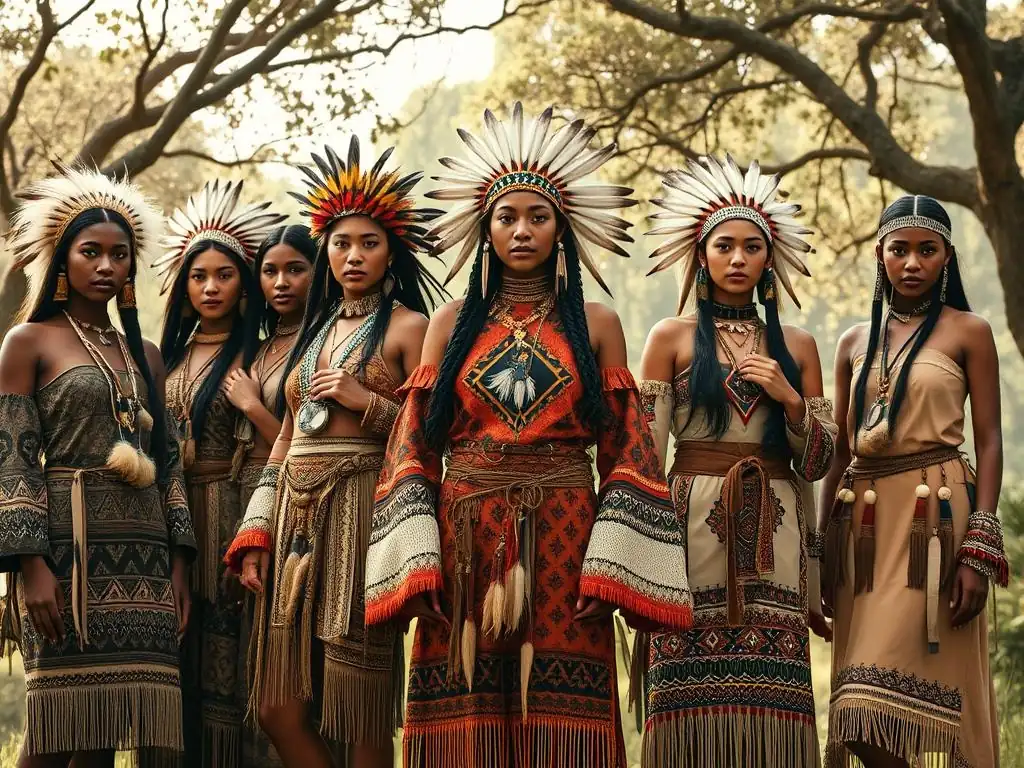
Indigenous motifs in fashion are deeply rooted in the cultural heritage of various indigenous peoples across the Americas. These motifs often reflect the unique worldviews, spiritual beliefs, and environmental connections of the communities they originate from. Traditional attire serves not only as clothing but also as a canvas for storytelling and cultural expression.
Many indigenous groups utilized specific symbols and patterns that held significant meanings. For example, the Navajo people often incorporated geometric designs representing elements of nature, such as mountains and rivers, in their textiles. Similarly, the Maya civilization featured intricate symbols in their weavings, which communicated social status and identity. Each design was meticulously crafted using techniques passed down through generations, reflecting the community's values and traditions.
The materials used in traditional attire also contribute to the significance of indigenous motifs. Natural dyes derived from plants, minerals, and insects were commonly used to create vibrant colors that held cultural meaning. For instance, the deep reds and ochres seen in the textiles of the Andean cultures symbolize the earth and its fertility, while blues and greens often represent the sky and water.
Overall, these traditional motifs serve as a testament to the artistic ingenuity and resilience of indigenous cultures, embodying their history, spirituality, and connection to the land.
Evolution of Indigenous Designs in Fashion History
The evolution of indigenous designs in fashion history has been marked by a dynamic interplay between traditional practices and contemporary influences. As indigenous communities encountered European colonization and global trade, their artistic expressions began to adapt and transform.
In the 19th and early 20th centuries, indigenous motifs gained popularity beyond their cultural origins, often reinterpreted by non-indigenous designers. This period saw the rise of the "Native American" aesthetic in Western fashion, where elements such as beadwork, feathers, and leather were incorporated into mainstream apparel. While this brought visibility to indigenous designs, it also raised concerns about cultural appropriation and the commodification of sacred symbols.
In recent years, there has been a resurgence of interest in authentic indigenous fashion. Designers from various tribes, such as the Ojibwe and Pueblo, have emerged, reclaiming their narratives and infusing traditional motifs into modern collections. This shift emphasizes the importance of cultural authenticity and sustainability, as contemporary designers strive to honor their heritage while addressing current fashion trends.
Today, indigenous motifs are celebrated for their rich history and cultural significance. Fashion collections featuring these designs not only pay homage to indigenous artistry but also foster a dialogue about the ongoing impact of colonization and the importance of preserving cultural identity in the face of globalization.
The use of indigenous motifs in fashion is a vibrant tapestry that intertwines history, culture, and creativity, showcasing the resilience and innovation of indigenous peoples throughout the Americas.
Contemporary Use of Indigenous Motifs in Fashion
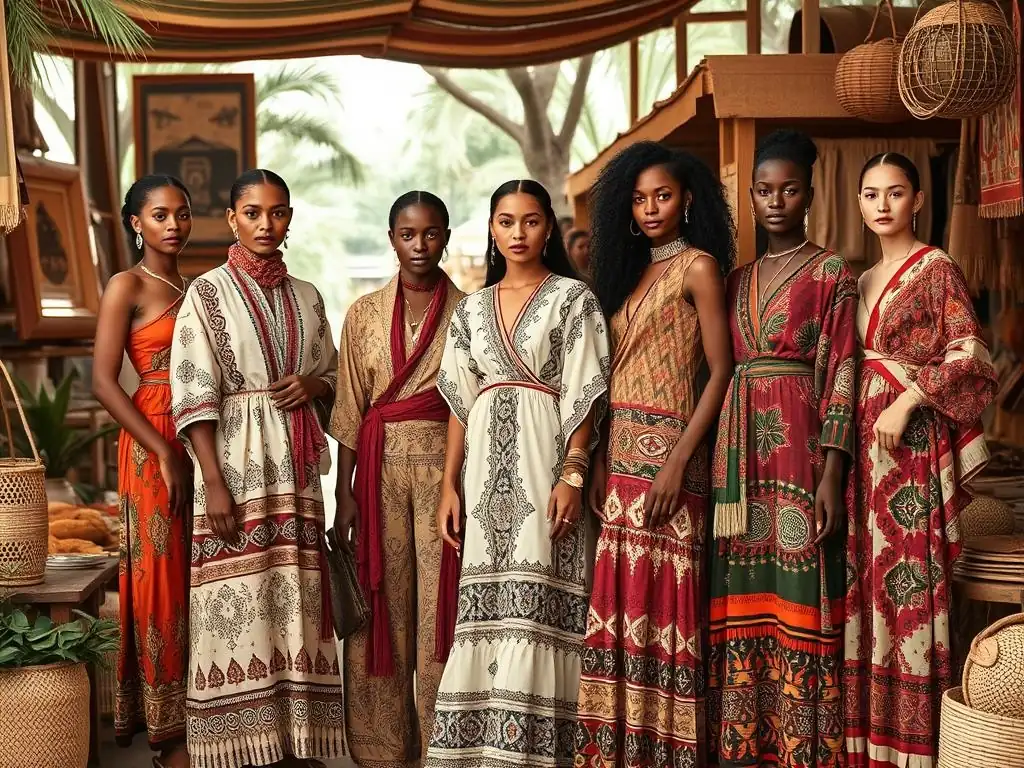
In recent years, the fashion industry has seen a significant resurgence in the use of Indigenous motifs in fashion. Designers are increasingly drawing inspiration from the rich tapestry of Native American art, textiles, and symbolism, recognizing their cultural significance and aesthetic value. This trend is not merely about aesthetic appeal; it reflects a growing awareness of the importance of respecting and honoring Indigenous cultures.
The integration of Indigenous motifs into contemporary fashion has led to a dialogue about cultural appropriation versus appreciation. Many designers are collaborating directly with Indigenous artists and communities to ensure that their work is not only respectful but also accurately represents the cultural narratives behind these motifs. This collaboration fosters an authentic connection to the designs, allowing for rich storytelling that honors Indigenous heritage.
As fashion evolves, the challenge remains for designers to approach Indigenous motifs with sensitivity and understanding. A focus on ethical sourcing and genuine collaboration can lead to collections that celebrate Indigenous creativity while supporting the communities from which these motifs originate.
Key Designers Incorporating Indigenous Motifs in Fashion Collections
Several influential designers have made significant contributions to the incorporation of Indigenous motifs in their fashion collections. These designers not only bring visibility to Indigenous art but also promote a deeper understanding of its significance. Here are some notable figures:
- Bethany Yellowtail: Known for her vibrant prints and dedication to Indigenous storytelling, Yellowtail incorporates traditional patterns and narratives into her collections, celebrating her Crow and Northern Cheyenne heritage.
- Deneen Davison: A member of the Oneida Nation, Davison blends contemporary fashion with traditional Indigenous designs. Her work focuses on sustainability and ethical practices, making her collections both stylish and responsible.
- Mara Hoffman: Although not Indigenous herself, Hoffman collaborates with Indigenous artisans to create unique pieces that showcase their craftsmanship. Her commitment to ethical fashion drives her to highlight Indigenous motifs in a respectful manner.
- Kahindo Mateene: This designer incorporates elements from African and Indigenous cultures, creating a fusion of motifs that celebrates diversity and cultural richness.
These designers exemplify the importance of collaboration in the fashion industry, allowing Indigenous voices to be heard and their artistry to be showcased on global platforms.
Case Studies: Successful Fashion Collections Featuring Indigenous Motifs
Examining specific collections provides insight into how Indigenous motifs are effectively integrated into fashion today. Below are two notable case studies that highlight the successful incorporation of these motifs.
Bethany Yellowtail: A Spotlight on the B.Yellowtail Collection
Bethany Yellowtail's B.Yellowtail Collection is a stunning representation of how Indigenous motifs can be woven into contemporary fashion. Her designs often feature traditional patterns inspired by her Crow and Northern Cheyenne ancestry. Each piece tells a story, reflecting cultural narratives and personal experiences.
- Materials: Yellowtail emphasizes the use of sustainable materials, often sourcing fabrics that align with her commitment to environmental responsibility.
- Cultural Significance: The motifs used in her collections are carefully selected, ensuring they carry cultural meaning and relevance. For instance, her use of the Crow flower pattern symbolizes resilience and beauty in nature.
- Community Engagement: Yellowtail collaborates with Indigenous artisans, allowing for a shared vision that honors traditional craftsmanship while introducing it to modern aesthetics.
Through her collection, Yellowtail not only showcases her heritage but also fosters a greater appreciation for Indigenous artistry in the fashion world.
Deneen Davison: Exploring the N7 Collection
Deneen Davison's N7 Collection is another exemplary case of incorporating Indigenous motifs into fashion. This collection focuses on the themes of empowerment and identity, drawing heavily from her Oneida heritage.
- Ethical Practices: Davison prioritizes ethical production processes, ensuring that her designs are made in a way that respects both the environment and the artisans involved.
- Symbolism: The motifs in the N7 collection often represent elements of nature and spirituality, reflecting the deep connection of Indigenous cultures to the land. For example, her use of the turtle motif symbolizes wisdom and longevity.
- Innovative Designs: Davison's approach combines traditional patterns with modern silhouettes, making her pieces accessible and appealing to contemporary audiences while remaining true to their cultural roots.
By highlighting these aspects, Davison’s N7 Collection serves as a powerful reminder of the strength and beauty of Indigenous cultures through the lens of fashion.
The integration of Indigenous motifs in fashion is not just a trend; it represents a broader movement towards reconciliation, respect, and recognition of Indigenous cultures. As more designers embrace this approach, it is essential to continue fostering genuine collaborations that honor these traditions and elevate Indigenous voices in the fashion industry.
The Role of Indigenous Artisans in Modern Fashion
Indigenous artisans play a pivotal role in the contemporary fashion landscape, serving as custodians of cultural heritage while simultaneously influencing global design trends. Their craftsmanship not only reflects the intricacies of their cultural narratives but also integrates traditional techniques with modern aesthetics, creating a unique fusion that resonates with diverse audiences.
One of the primary contributions of Indigenous artisans is the preservation of traditional craft techniques. Many artisans utilize methods passed down through generations, such as weaving, beading, and embroidery. These techniques are often rooted in the stories and beliefs of their communities, making each piece not just a fashion item but a narrative of identity and history. For example, the intricate beadwork of the Lakota people or the vibrant textiles of the Navajo demonstrate not only artistic skill but also the deep connection to cultural traditions.
Moreover, Indigenous artisans are increasingly collaborating with fashion designers and brands, bringing visibility to their work and elevating Indigenous aesthetics within the broader fashion industry. These partnerships allow for a cross-pollination of ideas, where Indigenous motifs can be interpreted through the lens of contemporary fashion. This collaboration not only provides a platform for Indigenous voices but also challenges the mainstream fashion narrative, encouraging a deeper understanding of the cultural significance behind the designs.
In recent years, there has been a notable shift towards ethical fashion, with consumers increasingly seeking out brands that prioritize sustainable and fair practices. Indigenous artisans often embody these principles, as their work frequently emphasizes the use of natural materials and environmentally sustainable practices. This alignment with ethical values resonates with a growing audience that values transparency and responsibility in fashion.
Furthermore, the resurgence of Indigenous motifs in fashion has sparked a broader conversation about cultural appropriation versus appreciation. As Indigenous artisans gain recognition, it becomes essential for the fashion industry to engage in respectful dialogue about the origins of these motifs. By acknowledging the source of inspiration and compensating artisans fairly, the fashion world can foster a more inclusive environment that honors the contributions of Indigenous peoples.
Indigenous artisans are not merely contributors to the fashion industry; they are vital agents of cultural expression and preservation. Their work enriches the fashion landscape, offering authentic narratives and fostering a deeper appreciation for the diverse tapestry of Indigenous cultures. As the dialogue around Indigenous motifs in fashion continues to evolve, the role of these artisans will remain central to ensuring that their stories are told with respect, authenticity, and creativity.
Cultural Significance of Indigenous Motifs in Fashion
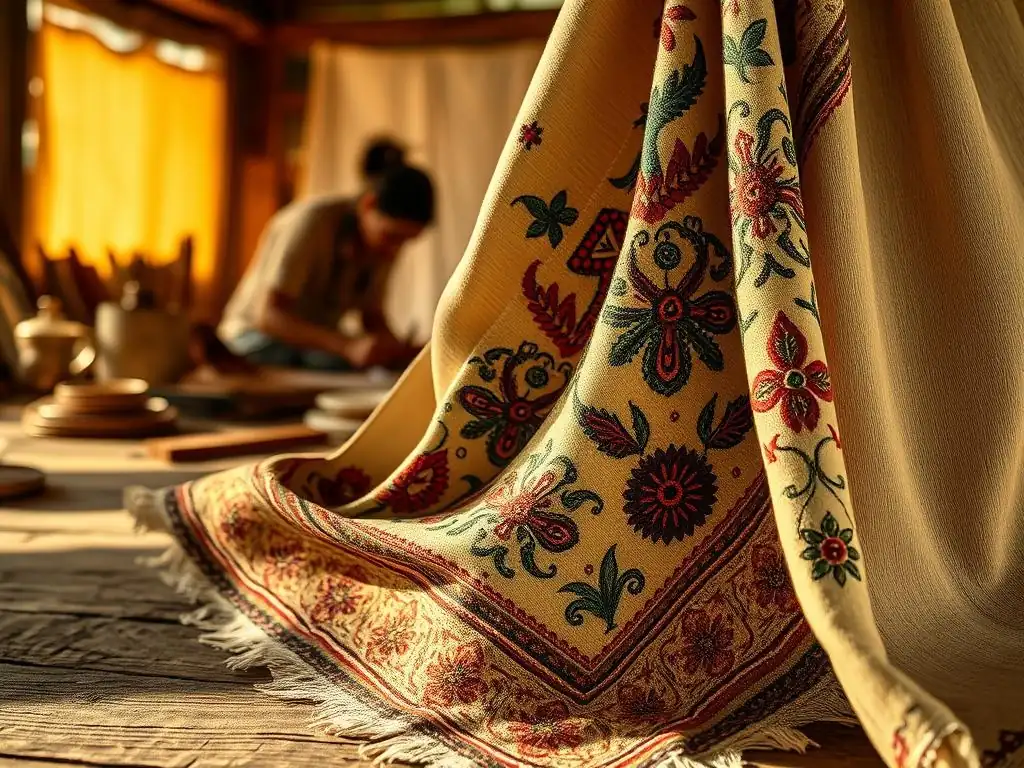
Indigenous motifs in fashion serve as a profound connection to the rich histories and identities of various Indigenous cultures across the Americas. These motifs are not merely decorative elements; they encapsulate deep cultural narratives, spiritual beliefs, and the environmental relationships of the communities that created them. The resurgence of these motifs in contemporary fashion reflects a growing acknowledgment of their significance and the desire to honor and preserve Indigenous traditions.
The vibrant patterns and designs often tell stories of ancestry, land, and community. For example, many Indigenous tribes utilize specific colors and shapes that symbolize elements of nature, spiritual beliefs, and social structures. This connection to storytelling through visual art is an essential aspect of cultural expression and identity.
Symbolism Behind Indigenous Patterns and Designs
Indigenous patterns and designs are rich with meaning, often serving as a visual language that communicates cultural values and heritage. Each element is meticulously chosen, representing various aspects of life:
- Geometric Shapes: Commonly found in textiles and pottery, these shapes often symbolize the interconnectedness of life, the cosmos, and the cycle of seasons.
- Animal Motifs: Many designs incorporate animals, representing traits valued by the community, such as strength, wisdom, or resilience. For instance, the use of the eagle may signify freedom and spirituality, while the bear can represent courage and leadership.
- Nature-Inspired Patterns: Patterns that mimic the natural environment, such as leaves, mountains, and rivers, illustrate the deep respect Indigenous cultures hold for Mother Earth and their understanding of the interdependence between humanity and nature.
By integrating these motifs into fashion, designers can elevate Indigenous narratives and foster a greater appreciation for the stories behind each piece. However, it is crucial that these motifs are used responsibly and with an understanding of their origins.
The Importance of Authentic Representation in Fashion
Authentic representation of Indigenous motifs in fashion is vital in preventing cultural appropriation and misrepresentation. Fashion brands must collaborate with Indigenous artists and communities to ensure that the designs are respectful, accurate, and reflective of their true meanings. This collaboration not only honors the cultural significance of the motifs but also supports Indigenous creators economically and culturally.
Key Aspects of Authentic Representation Include:
- Consultation: Engaging with Indigenous communities during the design process helps ensure that the use of motifs aligns with cultural beliefs and practices.
- Fair Compensation: Providing fair compensation to Indigenous artists for their designs and intellectual property is essential in fostering ethical relationships.
- Education and Awareness: Fashion brands have a responsibility to educate consumers about the origins and meanings of the motifs they use, promoting a greater understanding and respect for Indigenous cultures.
When done correctly, the incorporation of Indigenous motifs in fashion can serve as a powerful platform for cultural exchange, allowing for the celebration and preservation of Indigenous identities and stories in a contemporary context. By prioritizing authenticity and respect, the fashion industry can play a role in uplifting Indigenous voices and fostering a deeper appreciation for their rich cultural heritage.
Challenges and Controversies Surrounding Indigenous Motifs in Fashion
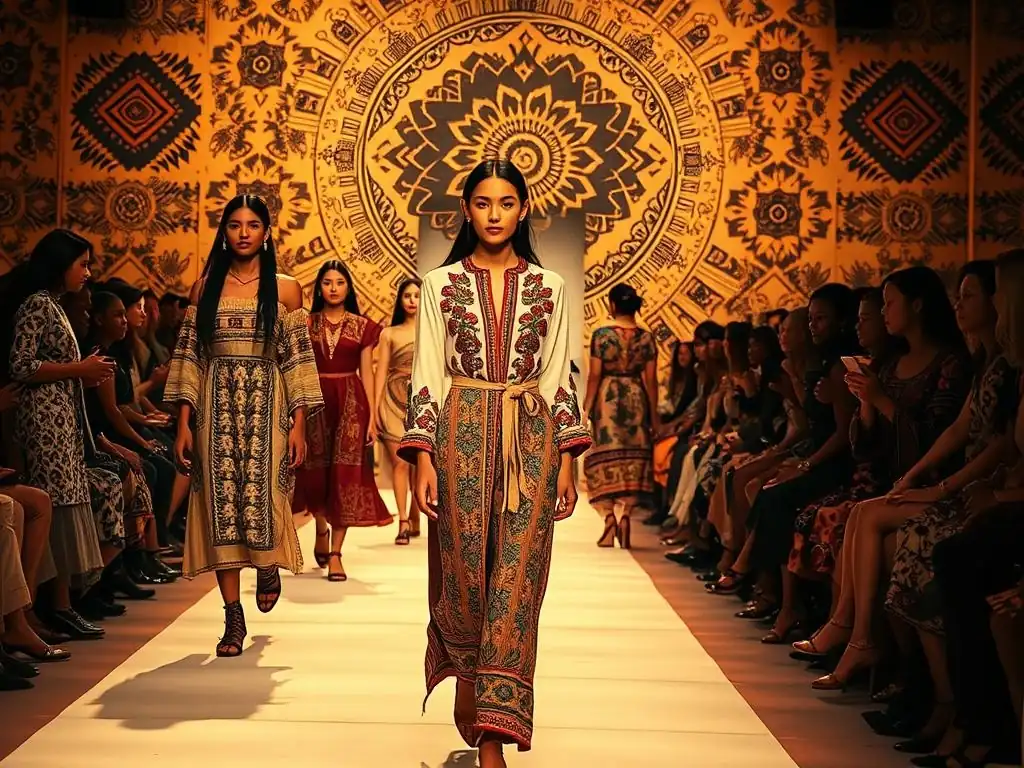
The integration of Indigenous motifs in fashion has sparked significant discussions and debates within the industry. While these designs celebrate the rich heritage of Indigenous cultures, they also raise complex challenges and controversies that need to be addressed. Here, we delve into two primary areas of contention: the distinction between cultural appropriation and cultural appreciation, as well as the legal and ethical considerations surrounding the use of Indigenous designs.
Cultural Appropriation vs. Cultural Appreciation
Understanding the difference between cultural appropriation and cultural appreciation is vital in the discourse surrounding Indigenous motifs in fashion.
- Cultural Appropriation refers to the unauthorized use of elements from one culture by members of another culture, often without permission or understanding. This practice can lead to the commodification of sacred symbols and traditions, stripping them of their original meaning and context. For instance, when a fashion designer uses Indigenous patterns without acknowledging their significance or the communities from which they originate, it can be seen as exploitative.
- Cultural Appreciation, on the other hand, involves a respectful engagement with another culture, characterized by understanding, acknowledgment, and often a collaborative approach. Brands that partner with Indigenous artists to create fashion lines that honor traditional designs can exemplify cultural appreciation, as they provide a platform for Indigenous voices and ensure that the narratives behind these motifs are respected and preserved.
This distinction is crucial because it influences how Indigenous motifs are perceived and the impact they have on the communities that created them. The line between appropriation and appreciation can be fine, and navigating it requires sensitivity and awareness of the histories and experiences of Indigenous peoples.
Legal and Ethical Considerations in the Use of Indigenous Designs
The use of Indigenous designs in fashion also raises significant legal and ethical considerations.
- Intellectual Property Rights: Many Indigenous communities argue that their traditional knowledge and designs should be protected under intellectual property laws. Unfortunately, current legal frameworks often fail to recognize collective cultural ownership, leaving Indigenous designs vulnerable to unauthorized use. The lack of legal protection can result in the proliferation of knock-off products that dilute the cultural significance of the original designs.
- Consultation and Consent: Ethical fashion practices demand that designers and brands engage in meaningful consultation with Indigenous communities before using their motifs. This process should involve obtaining explicit consent and ensuring that the community receives fair compensation. Ethical guidelines and frameworks are essential to help navigate these interactions and foster genuine partnerships.
- Representation and Visibility: The representation of Indigenous peoples in fashion is another critical concern. Many fashion brands overlook the importance of including Indigenous voices in the design process. This lack of representation can lead to the perpetuation of stereotypes and misrepresentations of Indigenous cultures, further marginalizing these communities in the fashion narrative.
| Consideration | Cultural Appropriation | Cultural Appreciation |
|---|---|---|
| Ownership | No acknowledgment of origin | Recognition of origin |
| Intent | Often exploitative | Respectful engagement |
| Impact | Harmful to communities | Beneficial and empowering |
The use of Indigenous motifs in fashion is fraught with challenges that require careful navigation. By understanding the nuances of cultural appropriation versus appreciation, alongside the legal and ethical implications, designers and brands can contribute positively to the representation of Indigenous cultures in the fashion industry. It is imperative that they prioritize authenticity, respect, and collaboration to honor the rich narratives that these motifs embody.
Future Trends: Indigenous Motifs in Fashion
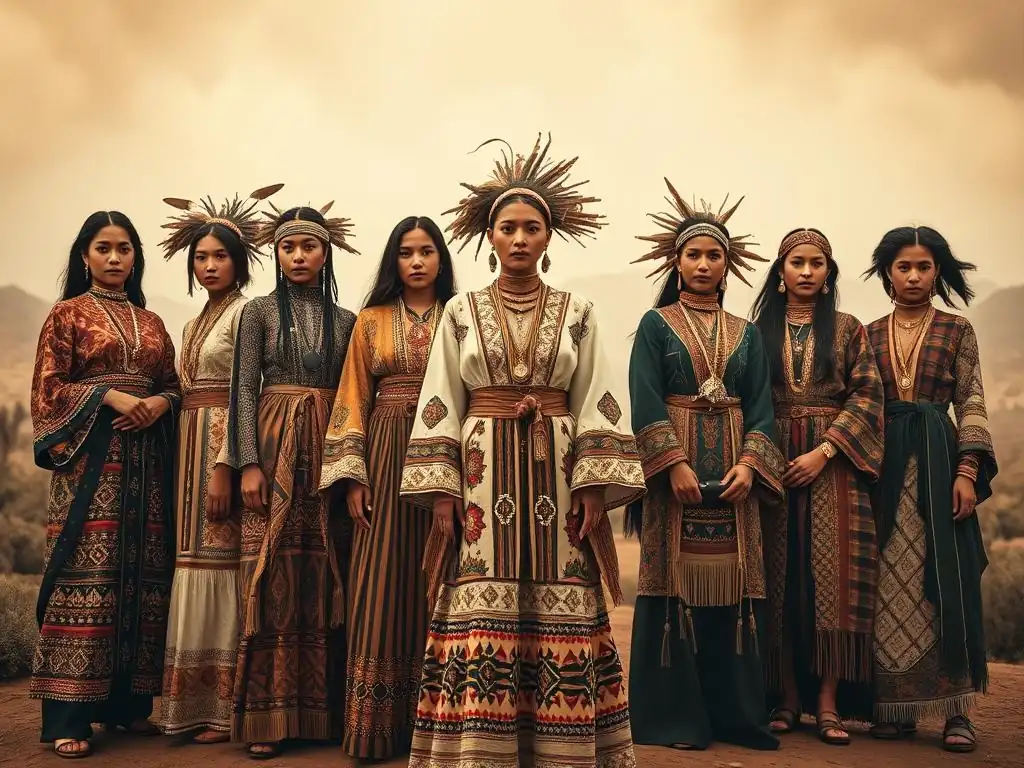
Indigenous motifs in fashion represent a rich tapestry of cultural heritage that continues to influence contemporary fashion design. As global awareness of cultural appropriation and the importance of ethical practices grows, the landscape of fashion is poised for transformation. This section explores the anticipated evolution of indigenous motifs in fashion and the increasing demand for ethical collaborations with Indigenous communities.
Predictions for the Evolution of Indigenous Motifs in Fashion Design
The future of indigenous motifs in fashion design is expected to be shaped by several key trends:
- Revival of Traditional Techniques: Designers are increasingly looking to traditional Indigenous techniques such as weaving, dyeing, and embroidery. This revival not only preserves these crafts but also provides a platform for Indigenous artisans to showcase their skills on a global stage.
- Cultural Storytelling: Fashion collections are likely to place greater emphasis on storytelling, with designers integrating narratives from Indigenous cultures into their pieces. This can include the use of symbols and colors that hold significant meaning, thereby educating consumers about the culture behind the designs.
- Sustainable Practices: As sustainability becomes a central theme in fashion, the incorporation of indigenous motifs will often align with eco-friendly materials and practices. Many Indigenous cultures have long-standing relationships with their environment, which can guide contemporary designers toward more sustainable choices.
- Collaborative Projects: There is a growing trend of collaboration between mainstream fashion brands and Indigenous designers. These partnerships can lead to collections that authentically represent Indigenous cultures while also appealing to broader audiences.
- Digital Platforms: With the rise of digital marketing and e-commerce, Indigenous designers can reach a global market without the need for traditional retail channels. This shift allows for greater visibility and appreciation of indigenous motifs in fashion.
The Growing Demand for Ethical Fashion and Indigenous Collaboration
The increasing consumer demand for ethical fashion has sparked a significant interest in collaborations with Indigenous communities. This demand is driven by several factors:
- Consumer Awareness: Today's consumers are more informed and conscientious about their purchasing decisions. They seek brands that prioritize ethical sourcing and respect for cultural heritage.
- Support for Indigenous Rights: There is a growing recognition of the need to support Indigenous rights and autonomy. Collaborating with Indigenous designers ensures that communities benefit directly from the use of their cultural motifs, promoting fair trade and equitable compensation.
- Educational Initiatives: Many fashion brands are investing in educational initiatives to teach consumers about the significance of Indigenous motifs. This not only fosters appreciation but also encourages responsible consumption.
- Authenticity and Innovation: Collaborating with Indigenous communities infuses fashion collections with authenticity. As designers blend traditional motifs with modern aesthetics, they create innovative pieces that resonate with a diverse audience.
- Cultural Preservation: Collaborations can play a critical role in preserving Indigenous culture. By integrating traditional designs into contemporary fashion, there is potential for these motifs to thrive and evolve while respecting their origins.
The future of Indigenous motifs in fashion is bright, with a promising blend of tradition, innovation, and ethical responsibility. As the industry evolves, it will be crucial for designers and brands to engage genuinely with Indigenous communities, ensuring that their contributions are recognized and celebrated.
Conclusion: Honoring Indigenous Cultures Through Fashion
In recent years, there has been an increasing recognition of the importance of Indigenous motifs in fashion, leading to a broader conversation about cultural appreciation versus appropriation. As contemporary designers draw inspiration from the vibrant symbols, patterns, and colors that characterize Indigenous cultures, it is essential to engage with these elements in a manner that celebrates their origins and honors the communities behind them.
The use of Indigenous motifs in fashion serves not only as a visual statement but also as a means of storytelling. Each pattern and design carries historical significance and represents the values, beliefs, and experiences of Indigenous peoples. Through thoughtful integration of these motifs, fashion can become a powerful tool for cultural expression and education, fostering a deeper understanding of the rich legacy of Indigenous civilizations in the Americas.
The Lasting Influence of Indigenous Motifs in Contemporary Fashion
Indigenous motifs have made a significant impact on modern fashion, influencing not only the aesthetics of clothing but also the narratives surrounding them. Designers like Mara Hoffman and Patagonia have incorporated Indigenous-inspired patterns into their collections, showcasing the beauty and complexity of these cultural symbols. This trend is not merely a fleeting fad; it reflects a growing movement towards more sustainable and ethical fashion practices that respect and celebrate Indigenous heritage.
| Designer | Collection | Indigenous Influence |
|---|---|---|
| Mara Hoffman | Spring/Summer 2021 | Utilization of vibrant colors and patterns inspired by Native American textiles. |
| Patagonia | Outdoor Clothing Lines | Incorporation of Indigenous art and motifs to promote environmental stewardship. |
| A Native Studio | Home Goods | Celebrating Indigenous craftsmanship through textiles and home decor. |
The integration of these motifs into mainstream fashion highlights their versatility and appeal, bridging the gap between traditional craftsmanship and contemporary style. By embracing Indigenous motifs, designers not only pay homage to the original artisans but also engage consumers in conversations about the significance of these symbols and the cultures they represent.
Encouraging Respect and Understanding in Fashion Choices
As Indigenous motifs become more prevalent in the fashion industry, it is crucial for consumers and designers alike to approach these elements with respect and understanding. Cultural appropriation can undermine the significance of these designs and disrespect the communities they originate from. Therefore, it is essential to prioritize ethical sourcing, collaborate with Indigenous artists, and engage in meaningful dialogues about the cultural contexts of these motifs.
Here are some practices that can encourage respect in fashion choices:
- Educate Yourself: Take the time to learn about the history and significance of Indigenous motifs and the cultures they represent.
- Support Indigenous Designers: Seek out collections created by Indigenous artists, ensuring that the profits support their communities.
- Engage in Conversations: Foster discussions around the impact of cultural appropriation and the importance of cultural heritage in fashion.
- Choose Ethically: Opt for brands that prioritize ethical practices and collaborate directly with Indigenous communities.
By embracing these practices, individuals can contribute to a more respectful and inclusive fashion industry that honors the rich heritage of Indigenous cultures and their lasting influence on contemporary design. Through conscious choices, we can ensure that Indigenous motifs in fashion not only adorn our clothing but also enrich our understanding of the diverse narratives that shape our world today.
Frequently Asked Questions
What are Indigenous motifs in fashion?
Indigenous motifs refer to traditional designs and patterns that originate from the diverse cultures of Indigenous peoples in the Americas. These motifs often reflect their heritage and spiritual beliefs.
How do fashion designers incorporate Indigenous motifs?
Fashion designers often integrate these motifs into their collections by using traditional patterns, colors, and symbols that represent cultural identity and stories of Indigenous communities.
What is the impact of using Indigenous motifs in contemporary fashion?
The incorporation of Indigenous motifs can promote cultural awareness and appreciation, but it also raises questions about cultural appropriation and the need for ethical practices in fashion.
Are there any ethical considerations when using Indigenous motifs?
Yes, designers should engage with Indigenous communities to ensure that their use of motifs is respectful and acknowledges the cultural significance and ownership of these designs.
How can consumers support ethical fashion that uses Indigenous motifs?
Consumers can support ethical fashion by choosing brands that collaborate with Indigenous artists and communities, ensuring that profits benefit those communities and that their cultural heritage is honored.
Final Reflection: Embracing Heritage Through Indigenous Motifs in Fashion
The integration of Indigenous motifs in fashion today highlights a powerful movement towards cultural appreciation and authenticity. As we witness a growing trend of designers drawing inspiration from Indigenous cultures, it is essential to recognize the significance of these motifs beyond mere aesthetics. They serve as a bridge connecting us to rich histories, stories, and identities that deserve respect and understanding. The fashion industry is at a crossroads, where the choice to honor these traditions can lead to a more inclusive and diverse landscape.
The influence of Indigenous motifs extends far beyond the runway; it permeates our cultural and social fabric, sparking conversations about identity, representation, and the importance of storytelling. As we embrace these designs, we must also engage with the narratives they carry, ensuring that the voices of Indigenous communities are heard and valued. Fashion is not just about clothing; it is a medium through which we can express our values and beliefs.
This ongoing dialogue encourages us to reflect on our own connections to culture and the ways we can contribute to a more equitable world.
As we move forward, I invite you to consider how you can support and uplift Indigenous voices in fashion and beyond. Reflect on the stories behind the garments you wear and the impact they have on the communities they represent. By choosing to engage thoughtfully with Indigenous motifs, you not only celebrate their beauty but also participate in a larger movement towards cultural respect and understanding. Let us carry these lessons into the future, ensuring that fashion becomes a platform for inclusivity and appreciation of the rich tapestry of human experience.
Embrace Indigenous Inspiration in Your Style Journey!
Thank you for taking the time to explore the vibrant world of Indigenous motifs in fashion. You’ve gained insight into how these unique designs not only enhance style but also tell profound stories. Now, it’s time to turn that inspiration into action!
Here are a few ways you can deepen your connection to Indigenous culture and fashion:
- Discover and support Indigenous designers: Seek out and shop from brands that prioritize authentic storytelling through their collections. Share your favorite finds on social media to raise awareness!
- Attend local exhibitions or events: Look for cultural showcases in your area that celebrate Indigenous art and fashion. Engaging with the community can provide deeper context and appreciation.
- Start a conversation: Discuss the significance of Indigenous motifs in fashion with friends or family. Raise awareness about cultural representation and its importance in today's society.
What Indigenous style resonates most with your own personal expression, and how can you incorporate it into your wardrobe? Let's spark some dialogue!