
Visual Storytelling: Indigenous Art and Its Influence on Film Aesthetics

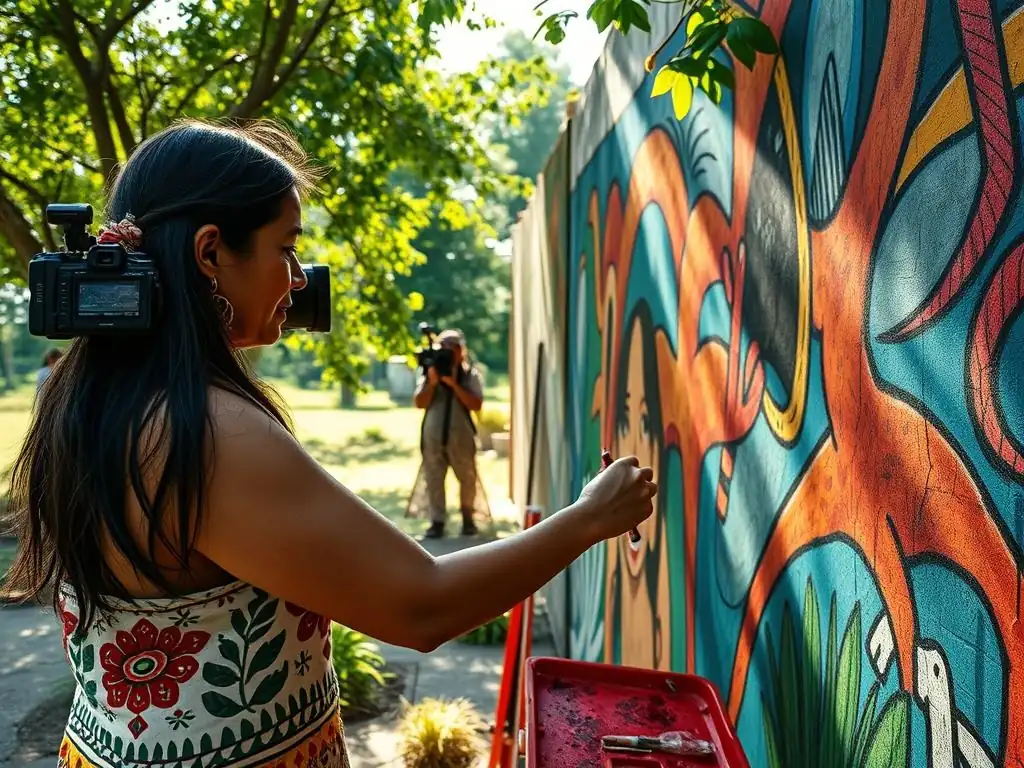
Welcome to Indigenous Civilizations of the Americas, where we embark on a captivating journey through the rich tapestry of indigenous cultures that flourished long before European contact. Here, we delve into the profound influence of indigenous art on film, exploring how these vibrant artistic expressions have shaped cinematic aesthetics and storytelling. Prepare to be intrigued as we uncover the deep connections between visual art and narrative, revealing the stories that continue to resonate across generations. Join us as we open the door to a world of creativity and cultural legacy that invites you to explore further!
- Introduction to Visual Storytelling in Indigenous Art and Film
- The Historical Context of Indigenous Art
- The Influence of Indigenous Art on Film Aesthetics
- Indigenous Filmmakers and Their Contributions
- The Impact of Indigenous Art on Modern Film
- Conclusion: The Enduring Legacy of Indigenous Art in Film Aesthetics
- References and Further Reading
-
Frequently Asked Questions
- What is the main focus of the article "Visual Storytelling: Indigenous Art and Its Influence on Film Aesthetics"?
- How does Indigenous art influence modern filmmaking?
- Why is it important to recognize Indigenous art in film?
- Can you give examples of films that incorporate Indigenous art?
- How does the website "Indigenous Civilizations of the Americas" contribute to this topic?
- Final Reflection: The Enduring Legacy of Indigenous Art in Film
- Unveil the Power of Indigenous Art in Your Own Storytelling!
Introduction to Visual Storytelling in Indigenous Art and Film
Visual storytelling is a powerful medium through which narratives are conveyed, blending imagery and emotion to evoke deep connections with audiences. In the context of Indigenous cultures, this form of expression transcends mere aesthetics; it embodies history, spirituality, and community values. The intricate patterns, vibrant colors, and symbolic motifs found in Indigenous art not only reflect the unique identities of various tribes but also serve as a vital bridge to understanding their worldviews.
As film has evolved into a significant platform for storytelling, the influence of Indigenous art on film aesthetics has become increasingly prominent, shaping the visual language of contemporary cinema. This article aims to explore the profound impact of Indigenous art on film, examining how the narratives and techniques rooted in these cultures have enriched the cinematic landscape and fostered a deeper appreciation for Indigenous heritage.
Understanding Visual Storytelling
Visual storytelling is an art form that communicates narratives through visual media, combining elements such as images, symbols, color, and movement to engage viewers emotionally and intellectually. In Indigenous cultures, visual storytelling often takes the form of traditional art, which encompasses a range of mediums including painting, pottery, weaving, and carving. These artworks frequently serve as conduits for storytelling, encapsulating myths, historical events, and cultural teachings.
- Key Elements of Visual Storytelling:
- Symbolism: Indigenous art is rich in symbols, each carrying specific meanings and cultural significance.
- Color Use: The choice of colors can convey emotions and themes, often rooted in the natural environment.
- Narrative Structure: Stories are often depicted through sequential imagery, allowing viewers to follow a narrative arc.
Indigenous artists have historically used visual storytelling to preserve their culture, educate future generations, and assert their identities. As these art forms have transitioned into the realm of film, they have introduced a unique perspective that challenges traditional Western narratives and aesthetics.
The Role of Indigenous Art in Cultural Narratives
Indigenous art plays a crucial role in shaping cultural narratives, serving as a reflection of societal values, beliefs, and experiences. Each piece of artwork tells a story, often rooted in the land, ancestral teachings, and communal experiences. This connection to the past is essential for maintaining cultural continuity and identity.
- Functions of Indigenous Art:
- Cultural Preservation: Art serves as a medium for passing down traditions and histories.
- Community Identity: Collective art-making fosters a sense of belonging and shared purpose within communities.
- Resistance and Resilience: Many Indigenous artists use their work to address contemporary issues, reclaim narratives, and assert their rights.
Through film, these narratives gain new dimensions, allowing audiences to engage with Indigenous stories on a broader scale. Filmmakers have increasingly turned to Indigenous art as a source of inspiration, integrating its themes and aesthetics to enhance storytelling and foster cultural understanding.
Overview of Film Aesthetics and Their Evolution
Film aesthetics encompass the visual elements that contribute to a film's overall style and impact. This includes cinematography, color grading, set design, and the incorporation of visual motifs. The evolution of film aesthetics has been influenced by various cultural movements, technological advancements, and artistic innovations.
- Historical Context:
- Early Cinema: Initially focused on realism, early films often neglected the rich visual languages of Indigenous cultures.
- Postmodernism: As filmmakers began to explore diverse narratives, Indigenous art gained recognition for its unique perspectives and stylistic elements.
The integration of Indigenous art into film aesthetics not only enhances the visual experience but also brings authenticity to the storytelling process. This fusion creates a space where Indigenous voices are heard, allowing for more nuanced representations that celebrate their contributions to global culture. As we delve deeper into this topic, we will explore specific examples of how Indigenous art has influenced film aesthetics and the implications of this relationship for both Indigenous communities and the broader cinematic landscape.
The Historical Context of Indigenous Art
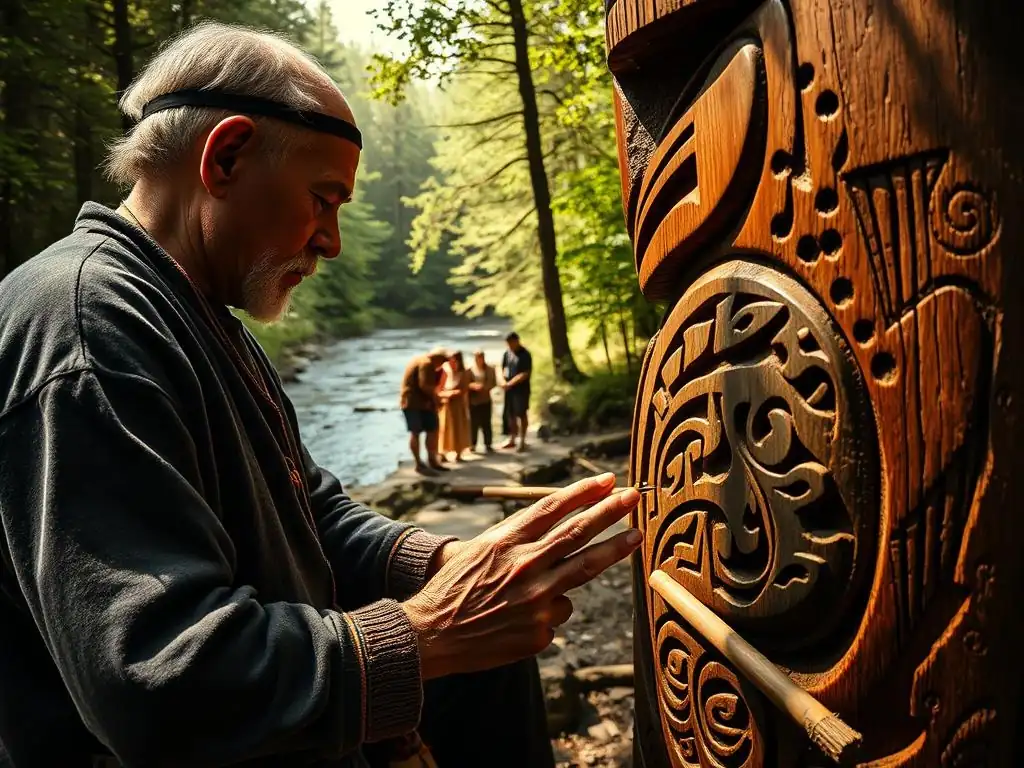
Indigenous art serves as a vital expression of the diverse cultures that flourished across the Americas long before European contact. This art reflects the rich histories, spiritual beliefs, and social structures of various Indigenous communities. The historical context of Indigenous art is not only essential for understanding its aesthetic value but also for recognizing its profound influence on contemporary forms of visual storytelling, including film.
During pre-colonial times, art was deeply intertwined with everyday life and rituals. Each community developed unique styles, techniques, and motifs, often influenced by their environment, resources, and spiritual beliefs. For instance, the Pueblo peoples of the Southwest U.S. are known for their pottery, which often features intricate designs that tell stories of their cosmology and daily life. Similarly, the totem poles of the Pacific Northwest embody clan histories and ancestral connections, serving both as artistic expressions and historical records.
The arrival of Europeans brought significant changes to Indigenous life and art. Colonization led to the suppression of many traditional practices, yet Indigenous artists adapted and transformed their art forms. These adaptations not only preserved cultural identities but also paved the way for the integration of Indigenous art into contemporary media, particularly in film. Today, filmmakers are increasingly drawing from Indigenous aesthetics and narratives, recognizing their power to enrich storytelling.
Indigenous Art Forms and Their Significance
Indigenous art encompasses a variety of forms that include painting, sculpture, textiles, pottery, and beadwork. Each medium carries distinct meanings and functions within its cultural context. Below are some notable art forms and their significance:
- Pottery: Indigenous pottery is not only functional but also serves as a canvas for storytelling. Different tribes have distinct styles; for example, the Hopi pottery often features geometric patterns and natural motifs that reflect their connection to the earth and sky.
- Textiles: Weaving traditions, such as those practiced by the Navajo, are highly regarded for their intricate designs and vibrant colors. The patterns often symbolize important cultural narratives and beliefs, making textiles a crucial aspect of cultural identity.
- Sculpture: Stone and wood carvings, like those of the Inuit and Tlingit, often depict animals and mythological figures, preserving stories and teachings of their respective cultures. These sculptures are not only artistic expressions but also serve as educational tools for future generations.
- Painting: Contemporary Indigenous painters, like those from the Ojibwe or Lakota nations, utilize traditional themes while incorporating modern techniques. This evolution reflects a dynamic cultural identity that resonates with both Indigenous and non-Indigenous audiences.
The significance of these art forms lies in their ability to communicate cultural values, histories, and identities, making them foundational to understanding Indigenous perspectives. The influence of these art forms extends beyond traditional boundaries, impacting modern film aesthetics, narrative structures, and character development.
Traditional Techniques and Materials Used in Indigenous Art
Traditional Indigenous art is characterized by the use of locally sourced materials and time-honored techniques that have been passed down through generations. The following are some common materials and methods utilized in Indigenous art:
- Natural Pigments: Many Indigenous artists create their colors from natural sources, such as plants, minerals, and clay. For instance, the use of ochre for red hues or charcoal for black is prevalent in various Indigenous painting traditions.
- Handcrafted Tools: Tools for carving, weaving, and pottery often reflect the ingenuity of Indigenous cultures. For example, traditional pottery is shaped and decorated using simple tools like wooden paddles or coiling techniques, showcasing the artist's skill and connection to their heritage.
- Beading Techniques: The meticulous art of beadwork involves sewing tiny beads onto fabric or leather. Techniques vary by region, with some tribes using intricate patterns that narrate stories or represent tribal affiliations.
- Animal Hides and Feathers: Many Indigenous cultures incorporate animal hides and feathers into their art, reflecting a deep respect for nature and the environment. These materials are often used in clothing, ceremonial items, and decorative pieces.
By utilizing these materials and techniques, Indigenous artists not only honor their ancestors but also ensure the continuation of their cultural practices. The results of these efforts are evident in contemporary films, where Indigenous art influences visual styles, costume design, and overall aesthetic presentations.
Stories Embedded in Indigenous Art: A Cultural Heritage
Indigenous art serves as a visual narrative, encapsulating the stories and teachings of each community. The stories embedded within these artworks often revolve around creation myths, historical events, or moral lessons, thus acting as a vehicle for cultural transmission. Here are some key aspects of how these stories are conveyed:
- Symbolism: Indigenous artists often use symbols that carry specific meanings. For instance, the image of the eagle may represent strength and freedom, while the turtle might symbolize longevity and wisdom. Understanding these symbols is crucial for interpreting the narratives within the art.
- Oral Traditions: Many Indigenous communities have rich oral histories that accompany their art. These stories are often shared during communal gatherings and ceremonies, reinforcing the connection between art and cultural identity.
- Ceremonial Use: Some artworks are created specifically for ceremonies, serving as focal points for storytelling. For example, masks used in rituals often depict ancestral spirits, embodying the beliefs and traditions of the community.
- Interconnectedness with Nature: The themes in Indigenous art frequently reflect the relationship between humans and the natural world. This interconnectedness is a vital aspect of Indigenous identity, emphasizing respect for the earth and its resources.
In today's cinematic landscape, the integration of these narratives into film aesthetics not only enriches the visual storytelling experience but also honors the cultural heritage of Indigenous peoples. Filmmakers are increasingly recognizing the importance of these embedded stories, leading to a more authentic representation of Indigenous experiences on screen.
Through understanding the historical context, art forms, techniques, and embedded stories, we can appreciate the profound influence of Indigenous art on contemporary film, celebrating its role in shaping cultural narratives and aesthetics in the modern world.
The Influence of Indigenous Art on Film Aesthetics
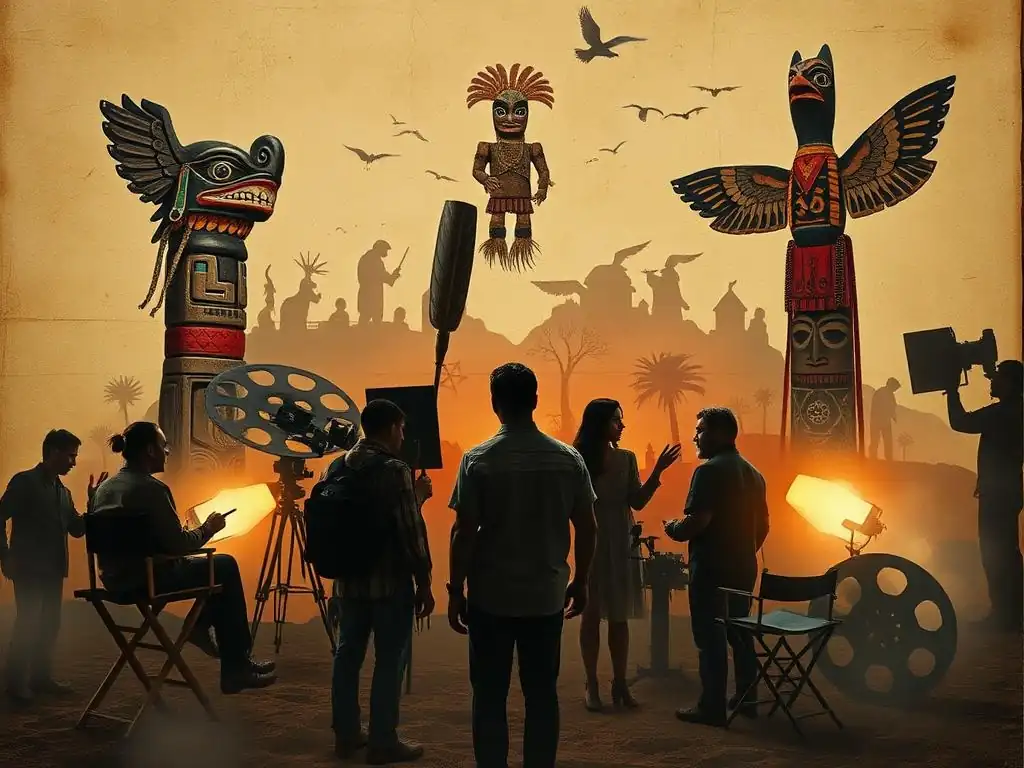
Key Elements of Indigenous Art Influencing Film
Indigenous art, with its rich history and profound cultural significance, has played a vital role in shaping film aesthetics. The distinctive elements of Indigenous art not only tell stories but also convey deep meanings and philosophies, which filmmakers have increasingly turned to for inspiration. Here are some key elements that illustrate how Indigenous art influences film aesthetics:
Color Palettes and Symbolism
Color in Indigenous art is not merely decorative; it is a language of its own, imbued with cultural significance and symbolism. Each hue can represent various elements of the natural world, spiritual beliefs, and community values. For example:
- Red often symbolizes life and vitality.
- Black can represent the unknown or the spirit world.
- Yellow typically denotes harmony and balance.
Filmmakers incorporate these vibrant color palettes to evoke specific emotions and themes within their narratives. For instance, the use of warm earth tones in cinematography can create a connection to the land, reflecting Indigenous peoples' deep ties to their environment.
Patterns and Textures
Patterns and textures prevalent in Indigenous art serve as a visual narrative that often conveys stories, traditions, and cultural heritage. Common motifs such as geometric shapes or natural forms can be seen in textiles, pottery, and paintings. These design elements can be translated into film through set design, costume choices, and even visual effects.
- Geometric patterns can symbolize unity and interconnectedness, which filmmakers can use to establish themes of community.
- Natural textures, such as those found in traditional crafts, can enhance the authenticity of a film's setting, helping audiences immerse themselves in the story's world.
Case Studies of Films Incorporating Indigenous Art
Several films have successfully integrated Indigenous art aesthetics, showcasing the powerful influence these elements have on storytelling and visual representation.
"Smoke Signals": Integrating Indigenous Aesthetic
"Smoke Signals," directed by Chris Eyre, is a seminal work that reflects Indigenous narratives through its visual style and storytelling techniques. The film utilizes a variety of Indigenous art forms, including:
- Cinematography that captures the landscapes of the Coeur d'Alene Reservation, emphasizing the relationship between the community and their environment.
- Symbolic imagery, such as the recurring motif of fire, which serves as a representation of both destruction and renewal, mirroring the characters' journeys.
The integration of these elements not only honors Indigenous culture but also invites viewers to engage with the narrative on a deeper level, fostering a greater understanding of the complexities of Indigenous identity.
"Rhymes for Young Ghouls": Narratives Inspired by Indigenous Art
"Rhymes for Young Ghouls," directed by Jeff Barnaby, is another film that exemplifies the influence of Indigenous art on film aesthetics. This film utilizes a bold visual style that incorporates:
- Vibrant colors and dynamic compositions reminiscent of Indigenous graffiti art, creating a unique visual language that speaks to both cultural pride and resistance.
- Cultural references embedded within the narrative, such as the use of traditional storytelling methods and the incorporation of Indigenous music, which enhances the film's authenticity.
Through its visual storytelling, "Rhymes for Young Ghouls" not only challenges stereotypes but also empowers Indigenous voices, demonstrating the lasting impact of Indigenous art on contemporary film.
The exploration of Indigenous art influence on film aesthetics reveals the depth and richness these cultural elements bring to cinematic storytelling, fostering a dialogue that honors and amplifies Indigenous perspectives.
Indigenous Filmmakers and Their Contributions
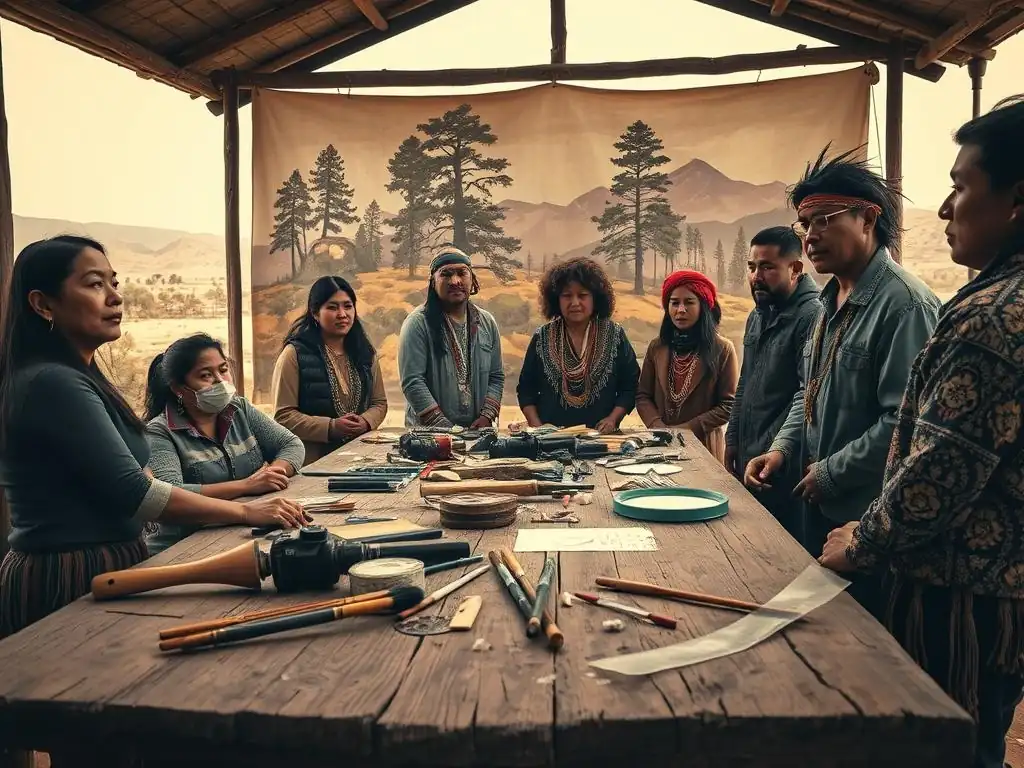
Indigenous filmmakers have played a pivotal role in bringing the narratives and aesthetics of Indigenous cultures to the forefront of the cinematic world. Their contributions not only showcase the rich tapestry of Indigenous life but also challenge mainstream representations, offering a more nuanced and authentic portrayal of their communities. By incorporating Indigenous art and storytelling traditions into their films, these filmmakers create a powerful dialogue between past and present, culture and cinema.
Prominent Indigenous Filmmakers
Several Indigenous filmmakers have emerged as leaders in the industry, each bringing unique perspectives and styles influenced by their cultural heritage. Here are a few prominent figures:
- Terrence Malick: Known for his poetic storytelling and visual aesthetics, Malick's film "The New World" draws heavily on Native American themes and imagery.
- Zacharias Kunuk: A celebrated Inuit filmmaker, Kunuk's work, particularly "Atanarjuat: The Fast Runner," is notable for its authentic representation of Inuit culture and storytelling methods.
- Michelle Latimer: This Métis filmmaker combines documentary and narrative styles to explore Indigenous identity, as seen in her acclaimed series "Trickster."
- Bird Runningwater: A member of the Cheyenne and Mescalero Apache tribes, Runningwater is a key advocate for Indigenous storytelling and has produced numerous films that highlight Indigenous narratives.
These filmmakers are not only creating films but are also reshaping the film industry by advocating for more inclusive practices and representation.
The Reflection of Indigenous Art in Their Works
Indigenous art serves as a profound source of inspiration for many Indigenous filmmakers. From visual motifs to storytelling techniques, the influence of Indigenous art is evident in various aspects of their films:
- Visual Aesthetics: Many films incorporate traditional Indigenous art styles, such as painting, carving, and weaving, to create a unique visual language. This can be seen in films like "The Fast Runner," where the cinematography mirrors the landscape and cultural motifs of the Inuit people.
- Cultural Narratives: Filmmakers often draw upon Indigenous myths, legends, and oral histories, weaving them into the narrative structure of their films. For instance, the use of story circles in narratives reflects traditional storytelling practices.
- Symbolism and Themes: Indigenous art often carries deep symbolism related to nature, spirituality, and community. Filmmakers incorporate these themes into their works, using visual storytelling to convey messages about identity, resilience, and connection to the land.
By integrating Indigenous art into their films, filmmakers not only honor their cultural heritage but also educate wider audiences about the significance of these expressions.
Challenges Faced by Indigenous Filmmakers in Representing Culture
Despite their achievements, Indigenous filmmakers face numerous challenges in accurately representing their cultures on screen:
- Stereotyping and Misrepresentation: Indigenous filmmakers often combat stereotypes perpetuated by mainstream media. The pressure to conform to clichéd portrayals can hinder authentic storytelling.
- Access to Resources: Limited funding and resources pose significant obstacles. Many Indigenous filmmakers work with minimal budgets, which can restrict the scope and quality of their productions.
- Cultural Appropriation: There is a constant threat of cultural appropriation, where non-Indigenous filmmakers may exploit Indigenous stories and aesthetics without proper context or understanding.
- Balancing Tradition and Modernity: Filmmakers often navigate the delicate balance between honoring traditional practices and incorporating modern filmmaking techniques, which can create tension within their communities.
Through perseverance and innovation, Indigenous filmmakers continue to push boundaries, creating a lasting impact on film aesthetics and promoting a deeper understanding of Indigenous cultures. Their work exemplifies the profound influence of Indigenous art on film, shaping narratives that resonate across cultural boundaries.
The Impact of Indigenous Art on Modern Film
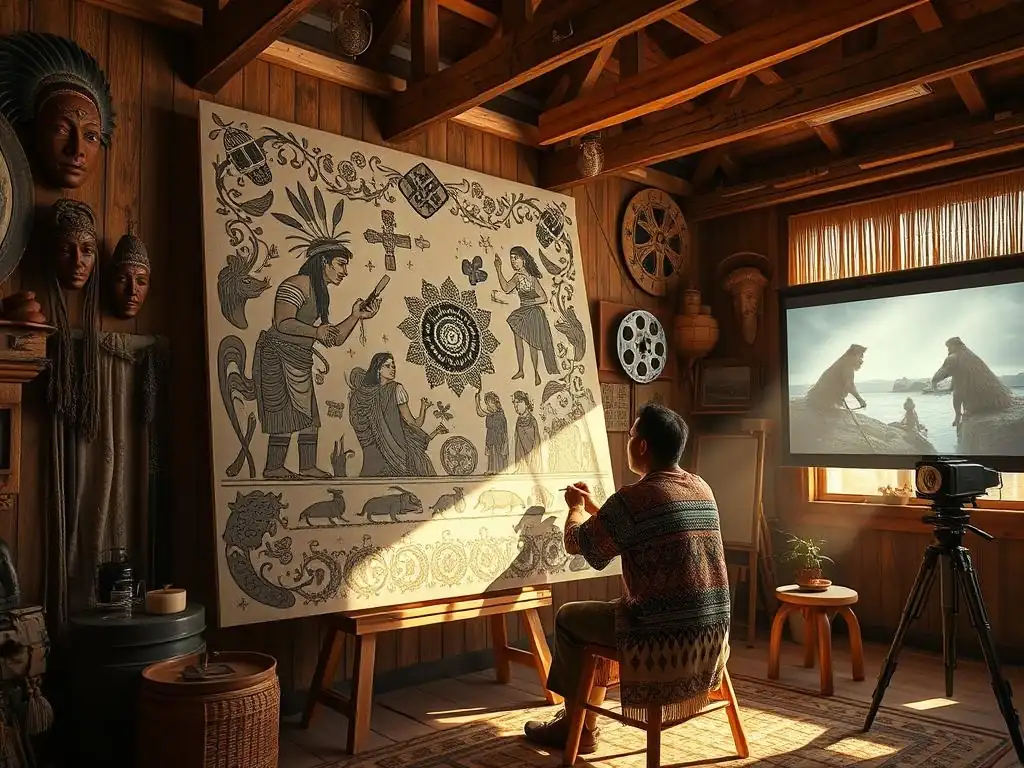
Indigenous art plays a crucial role in shaping the narrative and aesthetic of modern film. The integration of traditional visual elements, storytelling techniques, and cultural motifs not only enriches the cinematic experience but also serves as a powerful medium for conveying the values and histories of Indigenous peoples. This influence can be seen in the way filmmakers approach character development, plot structures, and even cinematography. By incorporating Indigenous art, filmmakers can create a more authentic representation of Indigenous cultures, bridging the gap between past and present.
Moreover, the resurgence of interest in Indigenous narratives has prompted filmmakers to explore themes of identity, resilience, and spirituality through the lens of Indigenous art. This trend is particularly significant as it fosters a deeper understanding of Indigenous perspectives, allowing audiences to engage with these cultures in a meaningful way. As a result, films that draw inspiration from Indigenous art not only entertain but also educate, challenging stereotypes and promoting cultural appreciation.
Contemporary Films That Showcase Indigenous Art Influence
Several contemporary films exemplify the influence of Indigenous art on film aesthetics. Notable examples include:
- "Smoke Signals" (1998): This film is often regarded as a landmark in Indigenous cinema. It employs visual storytelling techniques that reflect Native American traditions, integrating motifs from Indigenous art to enhance the narrative. The film's use of storytelling parallels oral traditions, providing a rich cultural context.
- "The Revenant" (2015): While primarily a survival story, the film incorporates Indigenous art in its portrayal of the character Hikuc, who embodies the spiritual connection to nature often depicted in Indigenous artwork. The film's cinematography captures the essence of Indigenous landscapes, emphasizing the relationship between people and their environment.
- "Rumble: The Indians Who Rocked the World" (2017): This documentary explores the impact of Indigenous musicians on rock and roll, intertwining Indigenous art and music in a way that showcases their cultural contributions. The visual elements used throughout the film highlight the vibrant aesthetics of Indigenous culture.
These films not only reflect the visual impact of Indigenous art but also emphasize its significance in storytelling and the representation of Indigenous voices in mainstream cinema.
How Indigenous Art Shapes Audience Perception
The representation of Indigenous art in film significantly affects audience perception of Indigenous cultures. By showcasing authentic visual elements, filmmakers provide viewers with a more nuanced understanding of Indigenous identities and histories. This is particularly important in countering stereotypes that have long plagued Indigenous communities.
- Cultural Authenticity: When filmmakers incorporate Indigenous art, they often collaborate with Indigenous artists and communities, ensuring that the representation is authentic. This collaboration fosters a sense of respect and accuracy, allowing audiences to appreciate the depth of Indigenous cultures.
- Emotional Engagement: The aesthetic appeal of Indigenous art can evoke strong emotional responses from viewers. The use of traditional colors, patterns, and symbols can create a visceral connection to the stories being told, helping audiences to empathize with Indigenous experiences.
- Educational Value: Films that feature Indigenous art serve as educational tools, providing insights into the cultural practices, beliefs, and values of Indigenous peoples. This increased awareness can lead to greater appreciation and respect for Indigenous cultures, promoting a more inclusive society.
The Role of Festivals in Celebrating Indigenous Art and Film
Film festivals dedicated to Indigenous art and cinema play a vital role in promoting awareness and appreciation for Indigenous narratives. These festivals provide a platform for Indigenous filmmakers to showcase their work and connect with audiences. Notable festivals include:
- The imagineNATIVE Film + Media Arts Festival: This is one of the largest festivals of its kind, celebrating Indigenous film and media arts. It highlights the influence of Indigenous art in storytelling and provides a space for dialogue about Indigenous issues.
- The American Indian Film Festival: Founded in 1975, this festival showcases films that portray authentic Indigenous experiences. It serves as a venue for Indigenous filmmakers to share their stories and for audiences to engage with Indigenous art.
- The Native American Film Festival of Chicago: Focused on promoting Indigenous filmmakers, this festival emphasizes the importance of Indigenous art in film aesthetics. It provides opportunities for networking and collaboration among creatives.
These festivals not only celebrate Indigenous art but also foster a sense of community and empowerment among Indigenous filmmakers, ensuring that their voices are heard and valued in the film industry. Through these events, the influence of Indigenous art on film continues to thrive, paving the way for future generations of storytellers.
Conclusion: The Enduring Legacy of Indigenous Art in Film Aesthetics
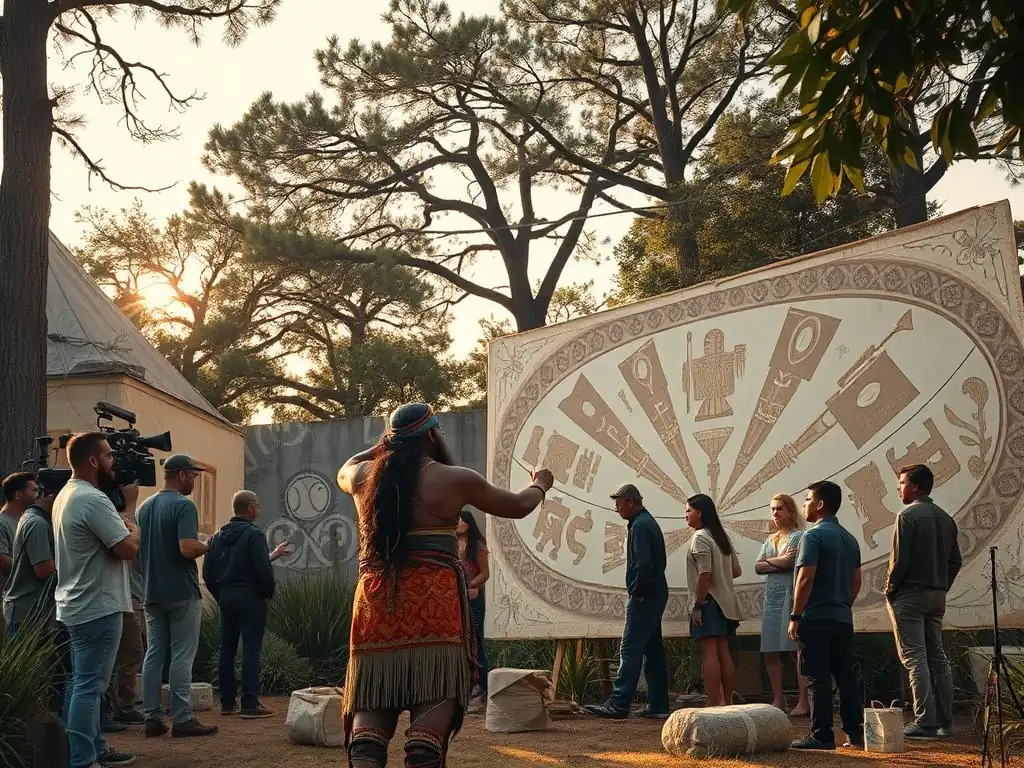
Indigenous art has made an indelible mark on the world of film, serving not only as a source of inspiration but also as a crucial element in the storytelling process. The influence of Indigenous art on film aesthetics is reflected in various cinematic techniques, narrative structures, and thematic explorations. As filmmakers increasingly recognize the value of authentic representation, the legacy of Indigenous art continues to evolve and expand within the cinematic landscape.
The Importance of Preserving Indigenous Art Forms
Preservation of Indigenous art forms is paramount to maintaining cultural identity and heritage. These art forms encompass a wide array of mediums, including pottery, weaving, painting, and sculpture, each rich with symbolism and meaning. The following points highlight the significance of preserving these art forms:
- Cultural Identity: Indigenous art serves as a visual language that conveys the history, beliefs, and values of Indigenous communities. By preserving these artistic expressions, future generations can maintain a strong connection to their roots.
- Education and Awareness: Documenting and showcasing Indigenous art in film can educate audiences about the diverse cultures of the Americas. This awareness fosters appreciation and respect for Indigenous traditions and histories.
- Sustainability of Traditions: As Indigenous communities face modernization pressures, preserving art forms ensures that traditional skills and techniques are passed down. This can also support local economies through art sales and cultural tourism.
Future Directions for Indigenous Art in Film
The future of Indigenous art in film holds exciting possibilities as new technologies and storytelling methods emerge. Here are some potential directions:
- Collaboration with Indigenous Filmmakers: Increased collaboration between Indigenous artists and filmmakers can lead to authentic narratives that reflect Indigenous perspectives. This partnership can enhance the representation of Indigenous art and culture on screen.
- Use of Digital Platforms: The rise of streaming services and social media offers Indigenous artists new avenues to showcase their work. Digital platforms can facilitate wide-ranging exposure while allowing artists to maintain control over their narratives.
- Innovative Storytelling Techniques: As filmmakers experiment with new technologies, such as virtual reality and augmented reality, Indigenous art can play a vital role in developing immersive storytelling experiences that honor and reflect Indigenous traditions.
Final Thoughts on Indigenous Art Influence on Film
The influence of Indigenous art on film is profound and multifaceted. As filmmakers continue to explore and integrate Indigenous aesthetics, they contribute to a richer, more diverse cinematic landscape. The recognition and celebration of Indigenous art not only enhance film aesthetics but also honor the resilience and creativity of Indigenous cultures.
Embracing Indigenous art in film is an essential step towards fostering greater understanding and respect for Indigenous peoples and their histories. As we move forward, it is crucial to prioritize the voices of Indigenous artists and ensure their contributions are recognized and celebrated within the film industry. The ongoing dialogue between Indigenous art and film will undoubtedly shape the future of storytelling, creating a lasting impact on audiences worldwide.
References and Further Reading
Recommended Books on Indigenous Art and Film
-
"The Art of Native American Folklore" by Susan L. Power
This book explores the intersection of Native American storytelling and visual arts, providing insight into how these elements shape cultural narratives and influence modern media.
-
"Indigenous Aesthetics: Native Art, Media, and Cultural Representation" by Jennifer L. McLerran
McLerran's work delves into the various ways Indigenous aesthetics are represented in contemporary film, highlighting significant influences and themes that emerge from traditional art forms.
-
"Visualizing the Indigenous World: The Native American Image in Film" by Michael A. Oren
Oren offers a critical examination of the portrayal of Indigenous peoples in cinema, discussing how artistic representations inform audience perceptions and cultural understanding.
-
"Native American Art in the Twentieth Century" by Janet Catherine Berlo and Ruth B. Phillips
This comprehensive guide covers the evolution of Native American art throughout the 20th century, including its impact on film and visual storytelling.
-
"Indigenous Film: A Critical Anthology" edited by Zoë Druick and A. J. B. G. Campbell
This anthology presents a collection of essays from various scholars discussing the significance of Indigenous films and their artistic foundations rooted in traditional practices.
Notable Documentaries on Indigenous Culture
-
"Rumble: The Indians Who Rocked the World"
This documentary highlights the significant contributions of Indigenous musicians to the music industry, showcasing how their cultural expressions resonate within contemporary film soundtracks.
-
"Smoke Signals" (based on Sherman Alexie's work)
A landmark film that integrates storytelling through Indigenous perspectives, this documentary explores the nuances of life for Native Americans, utilizing visual storytelling techniques rooted in traditional art forms.
-
"We Still Live Here - As Nutayunean"
This documentary captures the revival of the Wampanoag language, illustrating how cultural expression through art and film aids in reclaiming Indigenous identity and heritage.
-
"The Last of the Tsatli"
A poignant exploration of the Tsatli people, this film combines documentary and artistic elements to portray the ongoing struggles and resilience of Indigenous communities, emphasizing the role of art in cultural preservation.
-
"The Art of the Steal"
This film investigates the controversies surrounding Indigenous art, focusing on the politics of representation and the ethical implications in the film industry.
Academic Articles on Visual Storytelling and Film Aesthetics
-
"Visual Language in Indigenous Film"
This article examines how visual storytelling techniques drawn from Indigenous art influence narrative structures in film, highlighting specific examples from notable Indigenous filmmakers.
-
"The Aesthetic of Resistance: Indigenous Art in Contemporary Cinema"
Offering a critical analysis, this paper discusses how Indigenous artists use visual elements to resist mainstream narratives and assert cultural identity in film aesthetics.
-
"Reclaiming Representation: Indigenous Art and Media"
This scholarly work explores the evolution of Indigenous representation in film, emphasizing the importance of visual art as a means of cultural expression and political activism.
-
"From Canvas to Screen: The Transition of Indigenous Aesthetics"
An insightful study that tracks the movement of Indigenous art forms into cinematic expressions, examining the implications of this transition for both artists and audiences.
-
"Narratives in Color: The Role of Indigenous Art in Film Aesthetics"
This article investigates how color and composition in Indigenous art influence visual storytelling in film, providing a detailed analysis of specific cinematic works.
These resources offer a rich foundation for understanding the intricate relationship between Indigenous art and its influence on film, providing readers with comprehensive insights into cultural narratives and visual storytelling.
Frequently Asked Questions
What is the main focus of the article "Visual Storytelling: Indigenous Art and Its Influence on Film Aesthetics"?
The article explores the significant role that Indigenous art plays in shaping film aesthetics, emphasizing how these cultural elements enhance visual storytelling in cinema.
How does Indigenous art influence modern filmmaking?
Indigenous art influences modern filmmaking by introducing unique visual styles, narrative techniques, and cultural motifs, which help to create a more authentic representation of Indigenous stories and perspectives.
Why is it important to recognize Indigenous art in film?
Recognizing Indigenous art in film is crucial for fostering cultural awareness, promoting diversity, and ensuring that Indigenous voices are represented accurately and respectfully in the cinematic landscape.
Can you give examples of films that incorporate Indigenous art?
Films like "Smoke Signals" and "The Fast Runner" effectively incorporate Indigenous art elements, showcasing traditional visual styles and storytelling techniques that resonate with Indigenous experiences and histories.
How does the website "Indigenous Civilizations of the Americas" contribute to this topic?
The website provides a comprehensive exploration of the diverse Indigenous cultures that thrived in the Americas, highlighting their achievements and lasting impact, which informs and enriches discussions about their art's influence on contemporary film.
Final Reflection: The Enduring Legacy of Indigenous Art in Film
The influence of Indigenous art on film aesthetics is not merely a historical footnote; it is a vibrant and essential thread woven into the fabric of contemporary storytelling. As we navigate a world increasingly aware of cultural representation and authenticity, the impact of Indigenous art becomes ever more significant. It challenges filmmakers to embrace diverse narratives and aesthetics, reminding us that storytelling is a powerful tool for cultural preservation and transformation.
The ongoing dialogue between Indigenous art and film continues to shape our cultural landscape, fostering a deeper understanding of identity and heritage. This connection encourages filmmakers to explore themes that resonate with Indigenous communities while enriching the cinematic experience for all audiences. As noted by filmmaker and activist Alanis Obomsawin, Art is a way to communicate the truth of our existence.
This sentiment underscores the importance of Indigenous perspectives in film, inviting us to reflect on the stories that have been historically marginalized and the voices that deserve to be amplified.
As we move forward, I invite you to consider how you can engage with and support Indigenous narratives in your own life. Reflect on the films you watch, the stories you share, and the art you appreciate. Seek out Indigenous creators and their works, and allow their perspectives to enrich your understanding of the world. By doing so, you contribute to a more inclusive and representative cultural landscape, honoring the legacy of Indigenous art and its profound influence on film.
Unveil the Power of Indigenous Art in Your Own Storytelling!
Thank you for exploring the fascinating intersection of Indigenous art and film aesthetics with us! We hope you found inspiration in the rich narratives and unique aesthetics that Indigenous visual storytelling offers. Now, it’s time to transform that inspiration into action!
Here are some practical steps you can take to dive deeper into this vibrant world:
- Immerse Yourself: Seek out local Indigenous art exhibitions or film screenings that showcase the contributions of Indigenous artists. Experience the beauty firsthand!
- Broaden Your Perspective: Read literature or watch documentaries about Indigenous cultures and their storytelling techniques. Understanding the context can enhance your appreciation.
- Share the Knowledge: Discuss what you've learned with friends or through social media. Your voice can help raise awareness about the importance and beauty of Indigenous art in film and beyond.
What unique connections or stories can you uncover between Indigenous art and your own creative journey? We encourage you to share your thoughts and experiences with us!