
Beyond the Battlefield: Nonviolent Resistance Movements among Indigenous Cultures

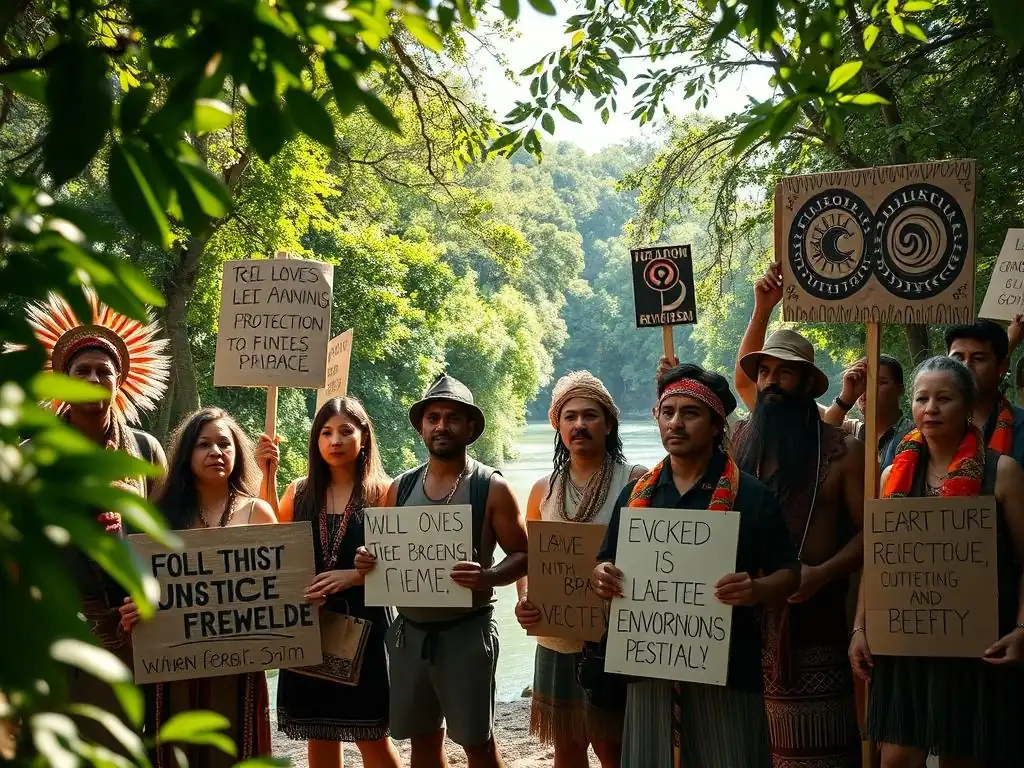
Welcome to Indigenous Civilizations of the Americas, where we invite you to embark on a captivating journey through the rich tapestry of cultures that flourished long before European hands altered their destinies. In our featured article, "Beyond the Battlefield: Nonviolent Resistance Movements among Indigenous Cultures," we delve into the remarkable stories of resilience and strength demonstrated by indigenous peoples through nonviolent means. Discover how these movements not only shaped their societies but also left an indelible mark on the narrative of resistance in the face of adversity. Prepare to expand your understanding of history and culture—let's explore together!
- Introduction to Indigenous Nonviolent Resistance Movements
- Historical Context of Indigenous Nonviolent Resistance
- Key Indigenous Nonviolent Resistance Movements
- Strategies and Tactics of Indigenous Nonviolent Resistance
- The Impact of Indigenous Nonviolent Resistance Movements
- Challenges Faced by Indigenous Nonviolent Resistance Movements
- Conclusion: The Future of Indigenous Nonviolent Resistance Movements
-
Frequently Asked Questions
- What are indigenous nonviolent resistance movements?
- How did indigenous cultures practice nonviolent resistance?
- What impact did these movements have on indigenous societies?
- Can you provide examples of notable indigenous nonviolent resistance movements?
- How do these movements relate to modern indigenous activism?
- Final Reflection: The Enduring Legacy of Indigenous Nonviolent Resistance
- Embrace Change: Take Action for Indigenous Rights!
Introduction to Indigenous Nonviolent Resistance Movements
Indigenous nonviolent resistance movements represent a profound aspect of the struggle and resilience of indigenous cultures across the Americas. These movements emerged as a response to the profound disruptions caused by European colonization, which threatened not only the survival of these communities but also their cultural identities, traditions, and ways of life. Unlike conventional military confrontations that often resulted in violent clashes, many indigenous groups adopted strategies of nonviolent resistance that showcased their ingenuity, solidarity, and commitment to preserving their heritage.
This article delves into the rich tapestry of these movements, highlighting their achievements and the lessons they impart for contemporary social justice efforts. By examining the historical context and the innovative tactics employed by various indigenous cultures, we gain insight into how these societies have navigated oppression while maintaining their dignity and autonomy.
Overview of Nonviolent Resistance in Indigenous Cultures
Nonviolent resistance among indigenous cultures encompasses a wide array of strategies aimed at achieving social and political goals without recourse to violence. This form of resistance has its roots in a deep-seated cultural ethos that values community, harmony, and respect for the earth. Indigenous groups utilized various methods, including:
- Peaceful Protests: Organizing marches and demonstrations to raise awareness about injustices and demand rights.
- Cultural Preservation: Engaging in cultural revitalization efforts to assert identity and resist assimilation.
- Legal Challenges: Utilizing the legal system to contest land dispossession and protect sacred sites.
- Community Mobilization: Building coalitions and alliances to amplify their voice and strengthen their position.
These nonviolent tactics often drew upon traditional practices and values, reinforcing the community's collective identity and fostering resilience in the face of external pressures. The success of these movements is evident in the continued existence and revitalization of indigenous cultures today.
Importance of Studying Nonviolent Resistance among Indigenous Peoples
Understanding nonviolent resistance movements among indigenous peoples is crucial for several reasons:
- Cultural Resilience: These movements highlight the ability of indigenous cultures to adapt and resist oppression without resorting to violence, providing valuable lessons on resilience and perseverance.
- Social Justice Framework: Studying these movements offers insights into alternative methods of social change that prioritize dialogue, negotiation, and peaceful coexistence.
- Historical Context: Recognizing the historical significance of these movements enriches our understanding of the broader impacts of colonization and the ongoing struggles faced by indigenous communities.
- Inspirational Examples: The successes and strategies of indigenous nonviolent resistance can serve as a source of inspiration for contemporary movements seeking to address social injustices globally.
By exploring these themes, we not only honor the legacy of indigenous nonviolent resistance movements but also contribute to a more nuanced understanding of their ongoing relevance in today’s world.
Historical Context of Indigenous Nonviolent Resistance
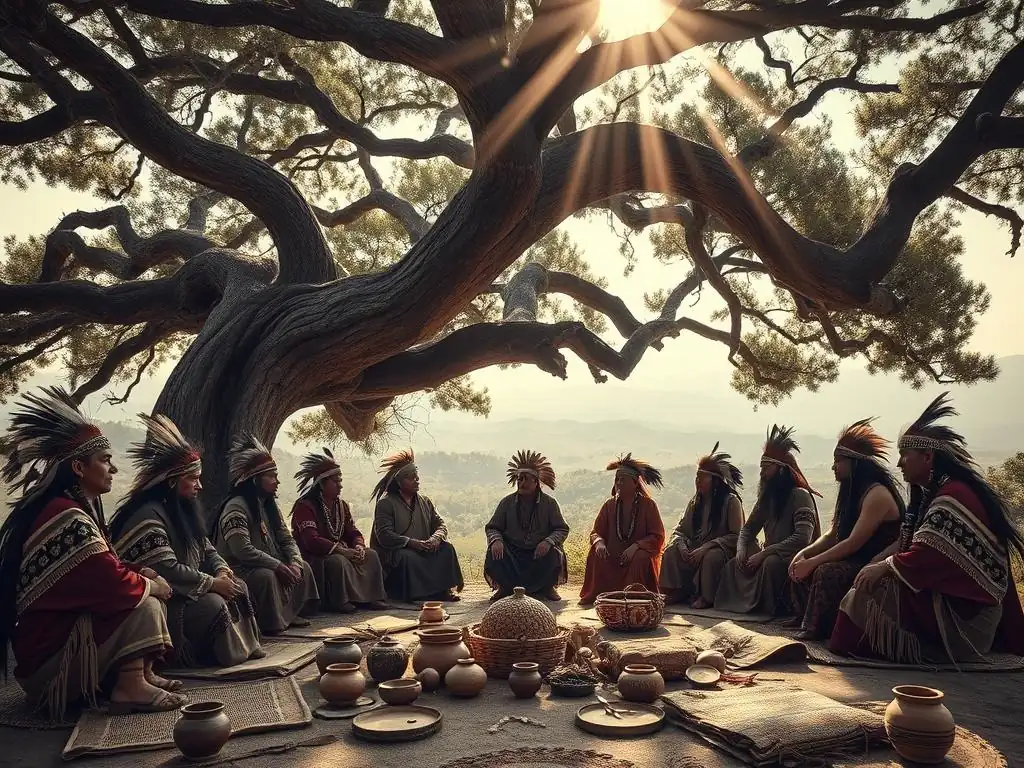
Pre-Colonial Indigenous Societies and Their Values
Before European colonization, indigenous societies across the Americas were rich in diversity, each with unique cultural practices, governance structures, and values. Many of these societies operated within frameworks that emphasized communal living, respect for nature, and collective decision-making. For example, the Iroquois Confederacy, composed of several tribes including the Mohawk and Seneca, practiced a sophisticated form of democracy that highlighted consensus-building and the inclusion of women in decision-making processes. This emphasis on cooperation and social harmony laid the groundwork for later nonviolent resistance strategies.
The values of these societies often revolved around balance with nature and spirituality, where land was not merely a resource but a sacred entity. This relationship fostered a deep sense of stewardship that was integral to their identities. With a strong oral tradition, many indigenous cultures utilized storytelling as a means to pass down knowledge, maintain social bonds, and instill values of peace and respect.
Impact of European Colonization on Indigenous Communities
The arrival of Europeans marked a dramatic shift for indigenous communities, leading to profound disruption and violence. Colonization brought about land dispossession, disease, and cultural erasure, which decimated populations and destabilized traditional ways of life. The introduction of new governance systems often disregarded indigenous sovereignty and imposed foreign laws that conflicted with existing customs.
As European powers expanded their territories, indigenous peoples faced forced relocation, such as the Trail of Tears experienced by the Cherokee, which resulted in the loss of lives and culture. The impact of these actions was not only physical but also psychological, leading to a loss of identity and a need for indigenous groups to find new ways to assert their rights and preserve their cultures.
The cultural genocide that accompanied colonization created a fertile ground for various forms of resistance. While many indigenous groups engaged in armed conflict, an increasing number recognized the potential of nonviolent resistance movements as a means of opposing colonial oppression without resorting to violence. This shift was crucial in reshaping indigenous responses to colonization and laid the foundation for future movements.
Emergence of Nonviolent Resistance Movements in Response to Colonization
The late 19th and early 20th centuries saw a significant emergence of indigenous nonviolent resistance movements across the Americas. Leaders like Sitting Bull and Chief Joseph exemplified the potential of diplomacy and moral high ground in confronting colonial powers. Their strategies included peaceful negotiations, public demonstrations, and spiritual gatherings that sought to rally community support and draw attention to indigenous rights.
One notable example is the American Indian Movement (AIM), founded in the 1960s, which employed nonviolent protests to address issues such as treaty rights and police brutality. AIM organized events like the Trail of Broken Treaties, which highlighted the injustices faced by Native Americans and sought to reclaim sovereignty through peaceful means.
The nonviolent resistance movements were often rooted in traditional values and practices, employing methods such as prayer, ceremonial gatherings, and advocacy to foster solidarity among indigenous peoples and gain public support. These movements not only challenged colonial narratives but also sought to empower indigenous communities by reviving cultural practices and asserting their identity in the face of oppression.
The historical context of indigenous nonviolent resistance movements illustrates a profound resilience and adaptability in the face of colonization. By blending traditional values with new forms of advocacy, indigenous communities have carved out a path of resistance that honors their cultural heritage while addressing contemporary challenges.
Key Indigenous Nonviolent Resistance Movements
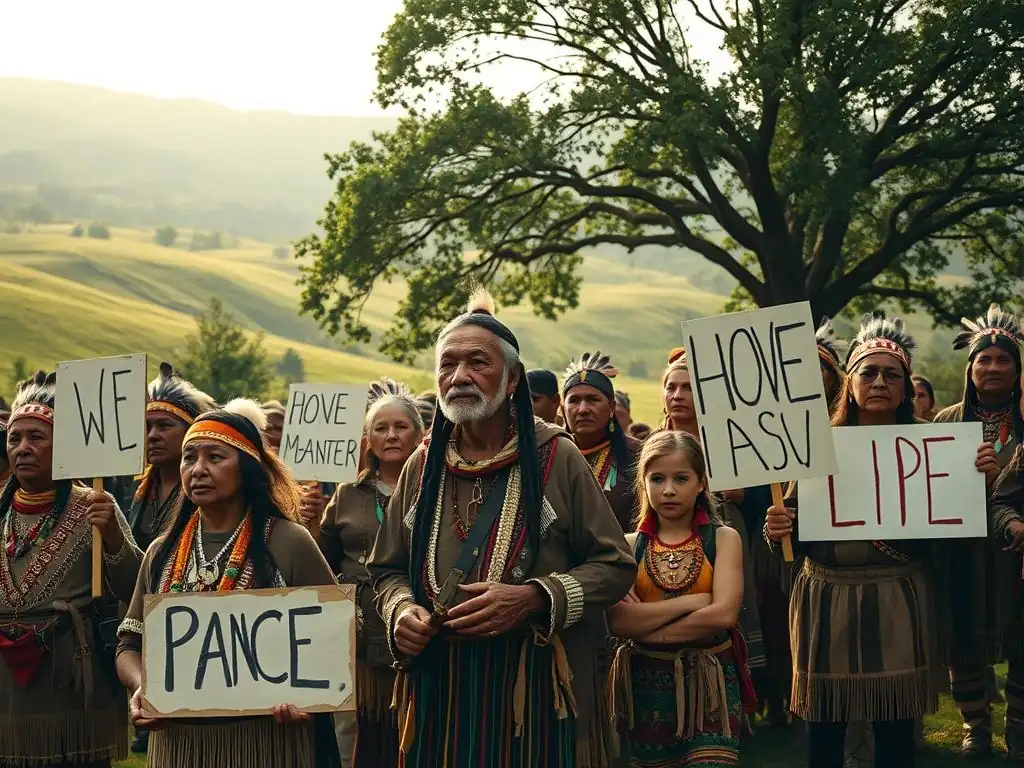
Indigenous nonviolent resistance movements have played a crucial role in the struggle for rights, recognition, and autonomy among various indigenous cultures in the Americas. These movements, often rooted in deep cultural values and traditions, demonstrate how indigenous peoples have employed peaceful means to challenge oppression and assert their sovereignty. Below are notable examples of key nonviolent resistance movements that highlight the diverse strategies employed by indigenous groups.
The Role of the Lakota Sioux in Nonviolent Activism
The Lakota Sioux have a rich history of nonviolent activism, particularly in their efforts to protect their land and rights. One significant event was the Wounded Knee Occupation of 1973, where members of the American Indian Movement (AIM) and local Lakota activists peacefully occupied the town of Wounded Knee, South Dakota. They sought to draw attention to the injustices faced by indigenous people, including broken treaties and federal neglect.
- Cultural Resurgence: The Lakota Sioux emphasized cultural revitalization as a form of resistance. By organizing cultural events, they reinforced their identity and strengthened community ties.
- Legal Advocacy: The Lakota have also engaged in legal battles to protect their rights, utilizing nonviolent legal strategies to challenge unjust laws and demand recognition of treaties.
- Education and Awareness: Through workshops and community outreach, the Lakota Sioux have raised awareness about indigenous issues, fostering solidarity and understanding among different groups.
The Lakota's commitment to nonviolent activism has provided a framework for other indigenous communities, illustrating the power of peaceful protest in the face of systemic oppression.
The Zapatista Movement: A Case Study in Nonviolent Resistance
The Zapatista movement, which emerged in Chiapas, Mexico, in 1994, serves as a prominent example of indigenous nonviolent resistance. The Zapatistas, primarily composed of indigenous Maya people, rose against the Mexican government to demand autonomy, land rights, and social justice.
- The Zapatista Declaration of War: On January 1, 1994, the Zapatistas declared war against the Mexican state, but their struggle quickly evolved into a nonviolent movement focused on dialogue and negotiation. They sought to use their platform to advocate for indigenous rights and against neoliberal policies that marginalized rural communities.
- Community Autonomy: The Zapatistas established autonomous municipalities, where they implemented grassroots governance and education systems that respected indigenous traditions and languages.
- Global Solidarity: The movement inspired a global network of support, leading to international awareness of indigenous issues. Their nonviolent approach attracted attention worldwide, emphasizing the importance of solidarity in indigenous struggles.
The Zapatista movement exemplifies how indigenous nonviolent resistance can mobilize communities and garner global support, demonstrating the effectiveness of peaceful advocacy in the fight for justice.
Nonviolent Strategies of the Native American Rights Fund
The Native American Rights Fund (NARF), founded in 1970, plays a vital role in supporting indigenous nonviolent resistance through legal advocacy and education. NARF employs various strategies to empower indigenous communities in their pursuit of rights and recognition.
- Legal Representation: NARF provides legal assistance to tribes and indigenous individuals, focusing on cases involving treaty rights, land claims, and civil rights. Their legal strategies often rely on nonviolent methods to advocate for justice and equity.
- Education and Training: By offering educational programs and resources, NARF equips indigenous leaders and activists with the tools needed to engage in effective nonviolent resistance. This includes training in legal rights, advocacy skills, and community organizing.
- Coalition Building: NARF works to build coalitions among indigenous groups and allies, fostering a united front against common challenges. This strategy emphasizes collaboration and nonviolent dialogue as essential components of effective resistance.
The work of the Native American Rights Fund illustrates how organized, nonviolent efforts can lead to significant advancements in the rights and recognition of indigenous peoples, proving that peaceful resistance remains a powerful tool in the struggle for justice.
Strategies and Tactics of Indigenous Nonviolent Resistance
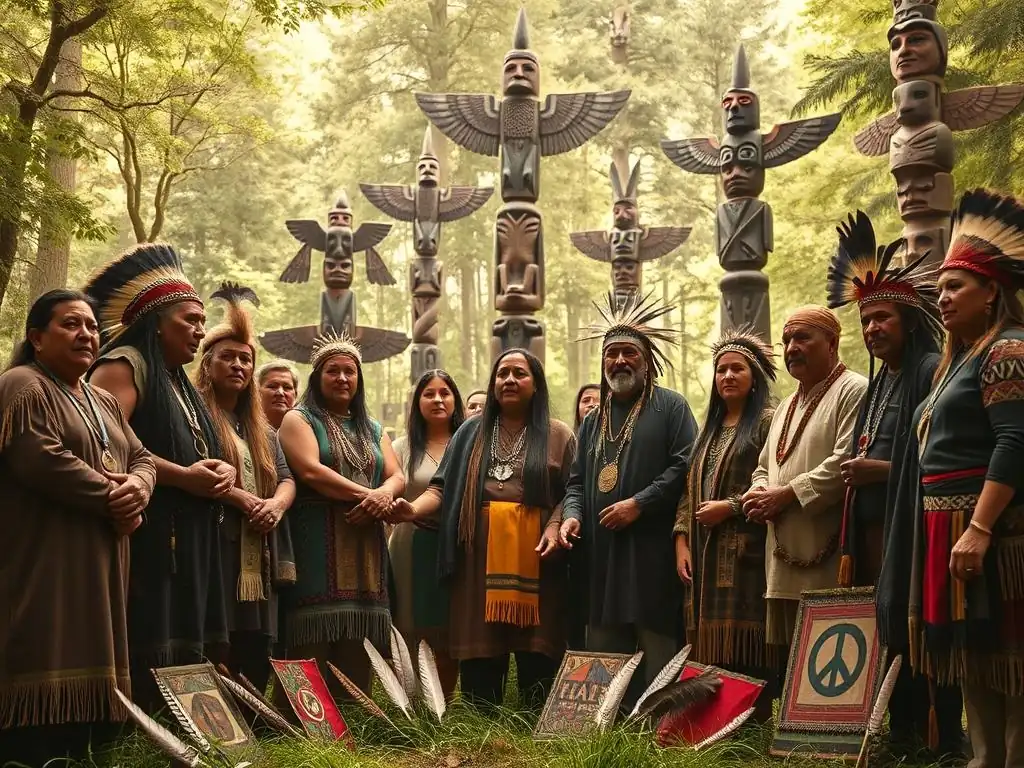
Indigenous nonviolent resistance movements have employed a variety of strategies and tactics that have proven effective in advocating for their rights and cultural preservation. These approaches often emphasize grassroots organizing, cultural identity, and the utilization of legal frameworks to assert their claims. Below, we explore some of these pivotal strategies.
Grassroots Organizing and Community Mobilization
Grassroots organizing has been a cornerstone of indigenous nonviolent resistance movements. These efforts often begin within local communities, where individuals come together to address shared concerns, such as land rights, environmental protection, and cultural preservation. Key elements of grassroots organizing include:
- Community Meetings: Regular gatherings help build solidarity among community members and facilitate open discussions about issues affecting their rights and livelihoods.
- Coalition Building: Indigenous groups often collaborate with non-indigenous allies, NGOs, and advocacy organizations to amplify their voices and strengthen their campaigns. For example, the Zapatista movement in Mexico successfully allied with various social justice groups to draw international attention to their cause.
- Education and Awareness Campaigns: Informing both indigenous and non-indigenous populations about their rights and the significance of their cultural heritage is crucial. Workshops, informational pamphlets, and social media campaigns are commonly used tools.
Through these efforts, indigenous communities have been able to mobilize significant support for their causes, as seen in movements like the Standing Rock protests against the Dakota Access Pipeline, where grassroots organizing played a vital role in uniting various tribes and allies.
Cultural Preservation as a Form of Resistance
Cultural preservation serves as a powerful form of resistance against colonization and assimilation pressures. Indigenous peoples have utilized their cultural practices, languages, and traditions to assert their identities and challenge dominant narratives. Key components include:
- Revitalization of Language: Language preservation initiatives, such as immersion schools and language courses, have been critical for maintaining cultural identity. For example, the revitalization of the Hawaiian language has empowered the community and fostered a sense of pride among younger generations.
- Traditional Arts and Crafts: Engaging in traditional artistic practices not only preserves cultural heritage but also serves as a means of economic sustainability. Indigenous artisans often create and sell works that reflect their history and identity, challenging stereotypes and promoting cultural appreciation.
- Ceremonial Practices: Many indigenous groups engage in ceremonial practices as acts of resistance. These ceremonies often reaffirm cultural identity and community bonds, while simultaneously asserting their rights to their lands and traditions.
Cultural preservation has enabled indigenous communities to resist erasure and maintain their unique identities, proving to be a potent form of nonviolent resistance.
Legal Challenges and Advocacy in Nonviolent Movements
Legal challenges and advocacy represent another critical strategy employed by indigenous nonviolent resistance movements. By navigating legal systems, indigenous groups can assert their rights and challenge injustices. This approach includes:
- Land Claims and Treaties: Many indigenous movements focus on the enforcement of treaties and land claims. Legal battles often center around historical treaties that have been violated or ignored by colonial and state governments. For instance, the ongoing claims of the Haudenosaunee Confederacy emphasize the importance of treaty rights in asserting their sovereignty.
- Human Rights Advocacy: Indigenous groups increasingly utilize international human rights frameworks to advocate for their rights. Organizations like the United Nations Permanent Forum on Indigenous Issues provide platforms for indigenous voices to raise concerns about discrimination and marginalization.
- Litigation: Some indigenous communities have successfully engaged in litigation to protect their land and resources. Notable cases, such as the landmark decision of the Supreme Court of Canada in the Tsilhqot'in case, recognized indigenous land rights and set a precedent for future claims.
Through these legal avenues, indigenous nonviolent resistance movements strive to assert their rights and seek justice, often leading to significant legal victories that bolster their broader campaigns.
The strategies and tactics employed by indigenous nonviolent resistance movements demonstrate resilience and creativity in the face of oppression. By focusing on grassroots organizing, cultural preservation, and legal advocacy, these movements continue to assert their rights and preserve their rich cultural heritage in the Americas.
The Impact of Indigenous Nonviolent Resistance Movements
Achievements and Milestones in Nonviolent Resistance
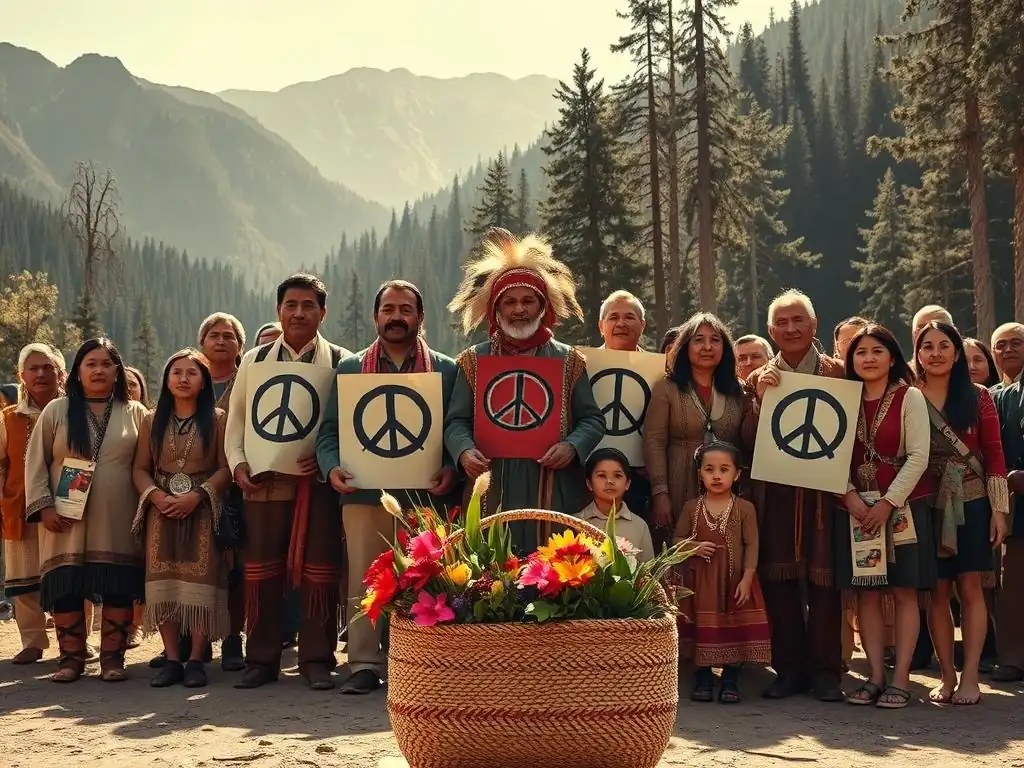
Indigenous nonviolent resistance movements have historically played a crucial role in challenging oppression and asserting rights. One notable achievement occurred in the 1970s with the formation of the American Indian Movement (AIM), which sought to highlight the injustices faced by Native Americans. Through peaceful protests, such as the occupation of Alcatraz Island in 1969, AIM successfully drew national attention to issues like treaty rights, land reclamation, and cultural preservation.
- Key Milestones:
- 1969-1971: The occupation of Alcatraz Island, where activists highlighted the need for Native sovereignty.
- 1973: The standoff at Wounded Knee, South Dakota, brought global media coverage to Indigenous rights.
- 1980s: The establishment of the UN Working Group on Indigenous Populations, which paved the way for the eventual adoption of the UN Declaration on the Rights of Indigenous Peoples in 2007.
These movements demonstrate how nonviolent strategies, including sit-ins, marches, and legal challenges, have been effective in garnering support and achieving significant policy changes.
Lasting Influence on Contemporary Indigenous Rights Movements
The foundation laid by earlier indigenous nonviolent resistance movements continues to inspire contemporary efforts for Indigenous rights. Modern movements leverage social media and global platforms to advocate for environmental justice, land rights, and cultural recognition.
- Contemporary Movements:
- Idle No More (2012): A grassroots movement originating in Canada that advocates for Indigenous sovereignty and environmental protection through peaceful protests and educational campaigns.
- Standing Rock (2016): The resistance against the Dakota Access Pipeline exemplified the power of nonviolent protest to unite Indigenous and non-Indigenous allies in the fight for water rights and environmental justice.
The strategies employed by these movements illustrate a shift towards collaborative efforts, where Indigenous voices are amplified in broader discussions about social justice and climate change.
Global Recognition of Indigenous Nonviolent Resistance Efforts
Indigenous nonviolent resistance movements have gained international recognition, influencing global conversations about human rights and environmental sustainability. The United Nations has increasingly acknowledged the role of Indigenous peoples in preserving biodiversity and culture.
- Significant Global Events:
- 2017: The UN Declaration on the Rights of Indigenous Peoples was reaffirmed, emphasizing the importance of Indigenous participation in decision-making processes that affect their lands and lives.
- 2019: The UN Climate Action Summit highlighted the contributions of Indigenous communities in combating climate change, recognizing their traditional knowledge as vital to sustainable practices.
These recognitions serve to validate the struggles and achievements of Indigenous nonviolent resistance movements, showcasing their relevance in contemporary global issues. As these movements continue to evolve, they not only advocate for Indigenous rights but also contribute to a broader understanding of justice and equity worldwide.
Challenges Faced by Indigenous Nonviolent Resistance Movements
Internal Conflicts and Diverse Perspectives within Indigenous Communities
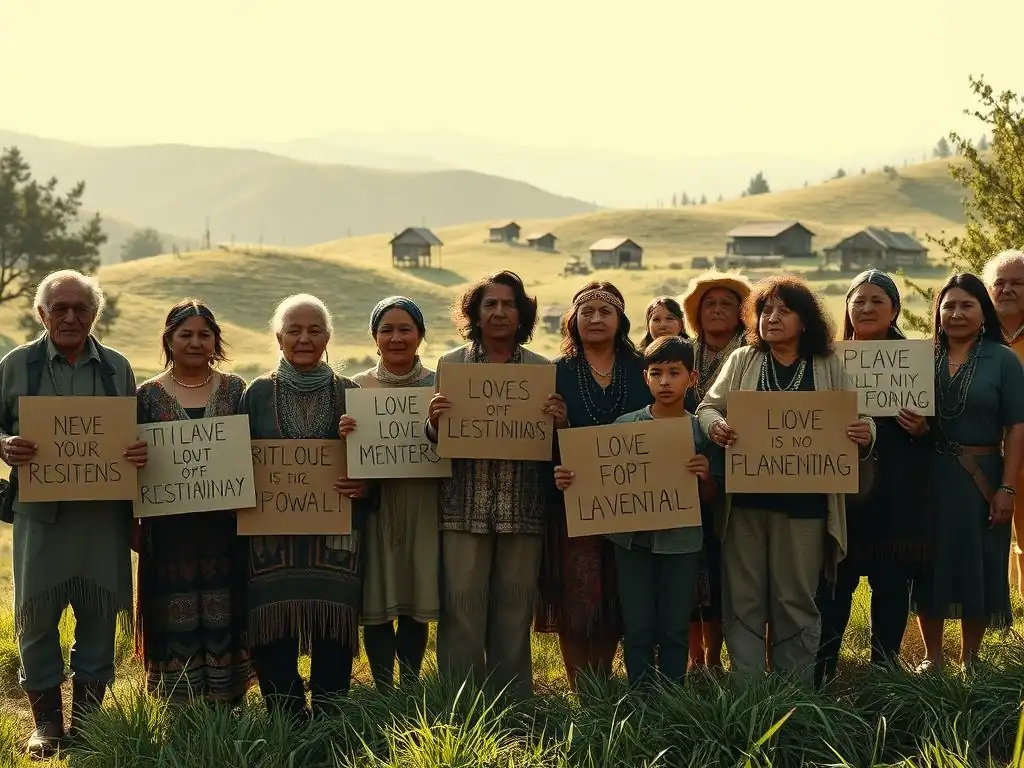
Indigenous nonviolent resistance movements often grapple with internal conflicts that can hinder their effectiveness and unity. These conflicts arise from a multitude of factors, including differing cultural practices, leadership styles, and political beliefs among various tribes and communities. For example, some groups may prioritize traditional methods of resistance deeply rooted in their historical contexts, while others might lean towards modern political strategies that align with contemporary social justice movements.
Key Factors Contributing to Internal Conflicts:
- Cultural Differences: The vast diversity among indigenous cultures means that what works for one community may not resonate with another. For instance, while some tribes may favor collective action, others may focus on individual initiatives.
- Generational Gaps: Younger activists sometimes adopt more radical approaches, influenced by contemporary social movements, which can create friction with elder members who prefer traditional methods of resistance.
- Leadership Dynamics: Disagreements over leadership can also lead to fragmentation. Different factions may emerge, each advocating for distinct strategies that can dilute the impact of the movement as a whole.
These internal complexities can complicate the mobilization of a unified front, often leading to a lack of coordinated action against external forces. This disunity can weaken the overall effectiveness of indigenous nonviolent resistance movements, making it essential for communities to engage in open dialogue and collaborative decision-making processes.
External Pressures from Governments and Corporations
Indigenous nonviolent resistance movements frequently face significant external pressures from governments and corporations that seek to undermine their efforts. These entities often prioritize economic development and resource extraction over the rights and livelihoods of indigenous peoples, leading to confrontations that challenge peaceful methods of resistance.
Types of External Pressures:
- Legislative Barriers: Governments may enact laws that restrict the rights of indigenous groups to protest or claim land, effectively criminalizing nonviolent resistance. For instance, anti-protest laws can stifle the ability of communities to organize peacefully.
- Corporate Influence: Corporations often engage in lobbying efforts that promote policies favoring industrial development, such as mining or logging, which can encroach upon indigenous lands. The resulting environmental degradation further exacerbates tensions, prompting communities to resist.
- Violence and Intimidation: In some cases, indigenous activists face threats and violence from both state and non-state actors, including private security forces hired by corporations. This intimidation can deter participation in nonviolent movements, as individuals fear for their safety.
Despite these challenges, many indigenous nonviolent resistance movements continue to persevere, employing creative strategies to raise awareness and advocate for their rights. Building coalitions with environmental groups and human rights organizations can amplify their voices and strengthen their resolve against external pressures.
The Role of Media in Shaping Public Perception of Nonviolent Movements
The media plays a critical role in shaping public perception of indigenous nonviolent resistance movements. Coverage of these movements can either bolster support or perpetuate stereotypes, significantly impacting their effectiveness.
Influential Aspects of Media Representation:
- Framing of Issues: How the media frames indigenous issues—whether as human rights struggles or environmental concerns—can influence public understanding. Positive framing can garner wider support, while negative framing may lead to misunderstanding and marginalization.
- Visibility and Awareness: Media exposure can amplify the voices of indigenous movements, bringing attention to their struggles and achievements. Social media platforms, in particular, have become vital tools for grassroots organizers to share their narratives and mobilize support.
- Stereotypes and Misrepresentation: Unfortunately, media portrayal can also perpetuate harmful stereotypes about indigenous cultures. Misrepresentation can undermine the legitimacy of their nonviolent resistance efforts, reducing complex movements to simplistic narratives.
To counteract negative portrayals, many indigenous activists are becoming media-savvy, strategically using digital platforms to tell their own stories and connect with broader audiences. By harnessing the power of social media, these movements aim to reshape the narrative surrounding indigenous nonviolent resistance, fostering a more informed and supportive public.
Conclusion: The Future of Indigenous Nonviolent Resistance Movements
As we reflect on the legacy of indigenous nonviolent resistance movements, it becomes clear that these efforts have not only shaped the past but also hold significant implications for the future. The resilience and creativity displayed by indigenous communities in their struggles for rights and recognition continue to inspire new generations. By examining the lessons learned from historical movements and understanding the importance of nonviolent resistance, we can better support current and future initiatives aimed at preserving indigenous cultures and advocating for their rights.
Lessons Learned from Historical Movements
Historical indigenous nonviolent resistance movements provide invaluable insights into effective strategies for advocacy and change. One prominent example is the American Indian Movement (AIM), founded in the late 1960s. AIM employed peaceful protests, legal challenges, and community organizing to address issues such as land rights, treaty violations, and cultural preservation.
Key lessons from these movements include:
- Unity and Solidarity: Successful movements often draw strength from collective action. The collaboration between various tribes and organizations has proven crucial in amplifying voices and demands.
- Cultural Heritage: Emphasizing cultural identity and traditions can empower movements. By celebrating their heritage, indigenous groups reinforce their legitimacy and foster a sense of pride among community members.
- Strategic Communication: Effective use of media and storytelling has allowed indigenous movements to reach wider audiences, garnering support and raising awareness about their struggles.
- Legal Frameworks: Navigating legal systems has been a pivotal aspect of many movements. Understanding and utilizing treaties, laws, and international agreements can provide a foundation for claims to rights and recognition.
The Importance of Nonviolent Resistance for Future Generations
Nonviolent resistance remains a powerful tool for indigenous communities as they confront ongoing challenges. The significance of this approach lies in several factors:
- Moral High Ground: Nonviolent actions often evoke greater sympathy and support from the broader public, reinforcing the moral legitimacy of indigenous claims.
- Sustainability: Nonviolent resistance tends to foster long-term engagement and unity within communities. This approach can prevent the fracturing of social ties that might occur in more aggressive confrontations.
- Adaptability: Nonviolent resistance strategies can be tailored to fit the unique cultural contexts of different indigenous groups, allowing them to address issues relevant to their communities effectively.
- Intergenerational Impact: By teaching younger generations about nonviolent resistance, indigenous cultures can ensure the continuation of their struggles for rights and respect, nurturing a sense of responsibility and activism.
Call to Action: Supporting Indigenous Nonviolent Resistance Today
As we look to the future, it's imperative that we actively support indigenous nonviolent resistance movements. Here are ways individuals and organizations can contribute:
- Educate Yourself and Others: Understanding the historical context and current issues faced by indigenous communities can foster empathy and support. Share knowledge through conversations, social media, and community events.
- Advocate for Indigenous Rights: Support policies and legislation that protect indigenous rights. Engage with local and national representatives to voice support for indigenous issues.
- Participate in Solidarity Events: Join protests, vigils, and cultural events organized by indigenous groups. Your presence can amplify their message and demonstrate solidarity.
- Support Indigenous-Owned Businesses and Initiatives: Economic empowerment is crucial for sustainable resistance. Choose to support indigenous artisans, businesses, and organizations that promote cultural heritage and community development.
- Donate to Indigenous Advocacy Groups: Financial support for organizations dedicated to indigenous rights can help sustain their initiatives and outreach efforts.
By taking action, we can contribute to the ongoing legacy of indigenous nonviolent resistance movements, ensuring that their voices and cultures remain vibrant and influential in shaping the future.
Frequently Asked Questions
What are indigenous nonviolent resistance movements?
Indigenous nonviolent resistance movements are strategies used by native peoples to oppose colonization and defend their rights without resorting to violence, highlighting their cultural resilience.
How did indigenous cultures practice nonviolent resistance?
Many indigenous cultures employed peaceful protests, diplomacy, and cultural preservation to assert their identities and rights, demonstrating their commitment to nonviolent principles.
What impact did these movements have on indigenous societies?
These movements helped to unify indigenous groups, raise awareness about their struggles, and fostered a sense of community and identity, which continues to influence contemporary indigenous activism.
Can you provide examples of notable indigenous nonviolent resistance movements?
Notable examples include the American Indian Movement (AIM) and the Zapatista uprising in Mexico, where indigenous groups utilized nonviolent strategies to advocate for their rights and autonomy.
How do these movements relate to modern indigenous activism?
Modern indigenous activism often draws inspiration from historical nonviolent resistance, using similar tactics to address issues like land rights, cultural preservation, and social justice, reflecting a continuity of struggle.
Final Reflection: The Enduring Legacy of Indigenous Nonviolent Resistance
Indigenous nonviolent resistance movements have not only shaped the historical landscape but continue to resonate profoundly in today's world. As we witness ongoing struggles for rights and recognition among Indigenous communities globally, it becomes increasingly clear that the principles of nonviolent resistance are not merely relics of the past but vital tools for contemporary activism. The courage and resilience demonstrated by these movements remind us that the fight for justice can be pursued with dignity and peace.
The impact of these movements extends far beyond their immediate goals; they have inspired broader social justice movements and have become a blueprint for peaceful protest worldwide. The stories of Indigenous leaders and communities who have chosen the path of nonviolence serve as powerful reminders of the strength found in unity and peaceful action. As Mahatma Gandhi once said, "> Nonviolence is the greatest force at the disposal of mankind." This sentiment echoes through the ages, reinforcing the idea that true change is often achieved through peaceful means rather than violent confrontation.
As we reflect on the lessons learned from Indigenous nonviolent resistance movements, I invite you to consider how these principles can be applied in your own life. How can you embody the spirit of nonviolence in your daily interactions and advocacy efforts? Whether it’s standing in solidarity with marginalized communities or promoting dialogue over discord, each of us has the potential to contribute to a more just and peaceful world. Let us carry forward the legacy of these movements, recognizing that every act of nonviolent resistance, no matter how small, is a step toward a brighter future for all.
Embrace Change: Take Action for Indigenous Rights!
Thank you for diving into the inspiring world of nonviolent resistance movements among Indigenous cultures! Your interest not only enriches your understanding but also strengthens the fight for justice and recognition. Now, let's turn this knowledge into action.
Here are some impactful steps you can take to support Indigenous communities:
- Join a local advocacy group that focuses on promoting Indigenous rights and participate in their initiatives. Your voice truly matters!
- Share this article with your friends and on social media to raise awareness about the significance of nonviolent resistance and its historical impact.
- Explore Indigenous art and literature. Engaging with these cultural expressions offers deeper insights and fosters a stronger sense of solidarity.
What steps will you take today to support the cause of Indigenous justice? Remember, your actions can make a profound difference!