
From Empire to Colony: The Transition of Incan Territories Under Spanish Rule

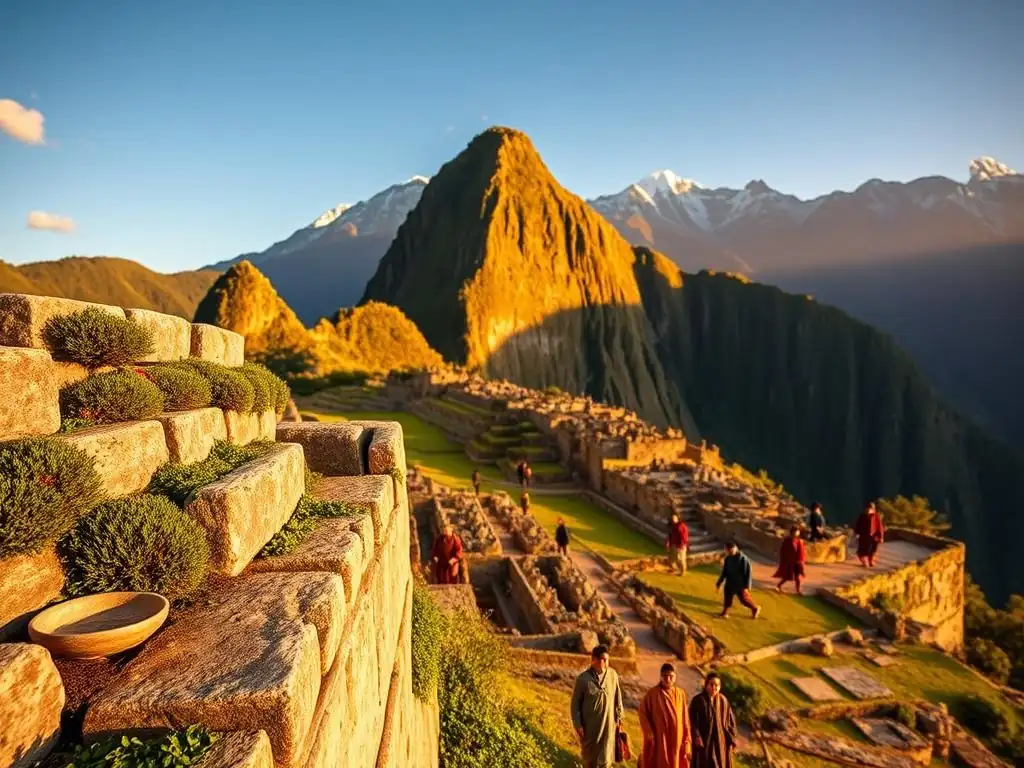
Welcome to Indigenous Civilizations of the Americas, where we embark on a fascinating journey through the rich tapestry of cultures that flourished long before European contact. In our featured article, “From Empire to Colony: The Transition of Incan Territories Under Spanish Rule,” we delve into the Incan Empire history and impact, unraveling the complexities of its achievements and the profound changes that ensued with the arrival of the Spanish.
Prepare to discover how these vibrant societies shaped the continent’s heritage and left an indelible mark on history. Dive in and uncover the stories that illuminate the resilience and ingenuity of indigenous peoples across the Americas!
- Introduction to Incan Empire History and Impact
- The Incan Empire: A Brief Historical Background
- The Arrival of Spanish Conquistadors
- The Spanish Conquest: Tactics and Strategies
- The Transition from Empire to Colony
- Lasting Impact of Spanish Rule on Incan Society
- Conclusion: Reflecting on Incan Empire History and Its Impact
- Frequently Asked Questions
- Final Reflection: The Enduring Legacy of Incan Empire History and Impact
- Embrace the Heritage: Take Action for Awareness!
Introduction to Incan Empire History and Impact
The Incan Empire, known for its impressive achievements in engineering, agriculture, and governance, was one of the most influential indigenous civilizations in the Americas before the arrival of Spanish conquistadors. Spanning a vast territory that included parts of present-day Peru, Ecuador, Bolivia, and Chile, the Incas created a sophisticated society marked by remarkable innovations and a strong central authority.
Understanding the history and impact of the Incan Empire is crucial not only to appreciate its contributions to world heritage but also to comprehend the profound transformations that occurred during the Spanish conquest. This article delves into the dynamics of this transition, exploring how the Incan territories shifted from a powerful empire to a colony under Spanish rule, and the lasting effects of this transformation on indigenous cultures and societies.
Overview of the Incan Empire Before Spanish Conquest
Before the Spanish conquest in the 16th century, the Incan Empire was a thriving civilization with a rich cultural and political landscape. Established in the early 15th century, it reached its zenith under the reign of Emperor Pachacuti, who expanded its territory through military conquests and diplomatic alliances.
Key Features of the Incan Empire:
- Advanced Infrastructure: The Incas developed an extensive network of roads and bridges, facilitating trade and communication across their vast empire. The famous Inca Trail remains a testament to their engineering prowess.
- Agricultural Innovations: They implemented advanced agricultural techniques, such as terracing and irrigation, which allowed them to cultivate diverse crops in the challenging Andean environment. This agricultural success underpinned their economy and supported a large population.
- Social Structure: The Incan society was highly organized, with a hierarchical structure that included the Sapa Inca at the top, followed by nobles, commoners, and laborers. Each community contributed to the state through a system known as mit'a.
- Cultural Achievements: The Incas excelled in arts and crafts, producing intricate textiles, pottery, and metalwork. They also made significant advancements in astronomy and architecture, exemplified by monumental sites like Machu Picchu.
The Incan Empire's stability and prosperity laid the groundwork for its eventual encounter with Spanish forces, which would irrevocably alter its trajectory.
Importance of Understanding the Transition from Empire to Colony
Grasping the transition from the Incan Empire to Spanish colony is essential for several reasons:
- Cultural Disruption: The arrival of the Spanish led to significant cultural upheaval, including the imposition of European customs, religion, and governance systems, which disrupted traditional Incan practices and beliefs.
- Economic Transformation: The Spanish colonization resulted in the exploitation of Incan resources, particularly silver mining, which had profound implications for the local economy and international trade.
- Legacy of Resistance: Understanding this transition highlights the resilience of indigenous peoples. Despite the colonial imposition, many communities maintained their cultural identity and resisted Spanish authority through uprisings and the preservation of their traditions.
- Historical Context: This transition provides critical insights into the broader patterns of European colonization in the Americas and the varied responses of indigenous populations, shaping the historical narrative of the continent.
By examining the intricate details of Incan Empire history and its impact, we can better appreciate the complexities of cultural exchange and conflict that defined this pivotal period in human history.
The Incan Empire: A Brief Historical Background
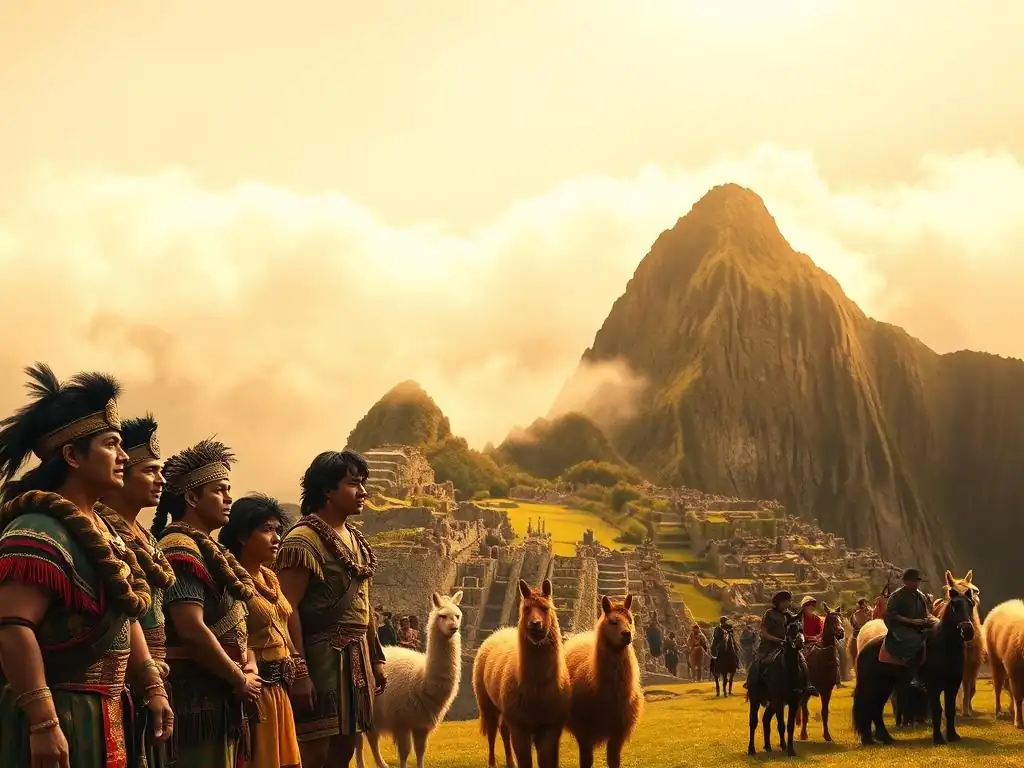
The Incan Empire, known as Tawantinsuyu in the Quechua language, was the largest empire in pre-Columbian America, spanning a vast territory across the Andes Mountains. Emerging in the early 15th century, the empire reached its zenith under the reign of Emperor Pachacuti, who transformed the small kingdom of Cusco into a powerful entity that encompassed modern-day Peru, Ecuador, Bolivia, and parts of Chile and Argentina.
The Incan Empire was characterized by its sophisticated integration of diverse cultures and environments, which allowed it to maintain a cohesive society despite the challenges posed by its geography. The Incas developed advanced agricultural techniques, including terracing and irrigation, which enabled them to cultivate crops in the harsh Andean climate. Additionally, their extensive road system facilitated communication and trade across the empire, promoting cultural exchange and economic prosperity.
However, the Incan Empire's rapid expansion came to a halt with the arrival of Spanish conquistadors in the 16th century. The subsequent conquest led to significant upheaval in the region, fundamentally altering the social, political, and economic fabric of the Inca territories.
Rise of the Incan Empire in the Andes
The rise of the Incan Empire can be traced back to the early 1400s, when the Incas, a small ethnic group in the Cusco Valley, began to unify surrounding tribes under their leadership. This unification was not merely a military conquest; it involved strategic alliances and the incorporation of local customs and leaders, which helped to establish loyalty among newly conquered peoples.
- Expansion through Conquest and Diplomacy: The Incas skillfully combined military prowess with diplomatic strategies. They often offered peace and integration rather than outright destruction, fostering a sense of belonging among the conquered.
- Pachacuti's Vision: Under the leadership of Pachacuti, the Incan Empire expanded dramatically. His innovative reforms in administration, agriculture, and architecture laid the groundwork for a centralized state. Pachacuti is credited with reorganizing the empire into four regions, each governed by loyal officials, which enabled effective control and resource distribution.
- Cultural Integration: The Incas embraced the diverse cultures of their subjects, promoting a policy of cultural integration. This not only reinforced unity but also enriched the Incan identity, blending various traditions, languages, and practices from the different regions of their empire.
Key Achievements of the Incan Civilization
The Incan civilization is renowned for its remarkable achievements across various domains, which had a lasting impact on the Andean region and beyond. Some of their key accomplishments include:
- Engineering and Architecture: The Incas are celebrated for their advanced engineering skills, evidenced by structures like Machu Picchu and the Sacsayhuamán fortress. Their use of precise stone-cutting techniques allowed them to create durable and earthquake-resistant buildings.
- Agricultural Innovations: The Incas developed innovative agricultural practices, including the use of terraces to maximize arable land on steep slopes. They also cultivated a diverse range of crops, such as potatoes, maize, and quinoa, which became staples in the Andean diet.
- Road System: The Incan road network, known as the Qhapaq Ñan, spanned over 25,000 miles, connecting various regions of the empire. This extensive system facilitated trade, communication, and military movement, demonstrating their organizational prowess.
- Quipu: To manage their vast empire, the Incas developed the quipu, a complex system of knotted strings used for record-keeping and communication. This method allowed them to track agricultural production, population counts, and tribute obligations.
The social structure of the Incan Empire was hierarchical and organized, reflecting a complex governance system that facilitated control over a diverse population.
- Emperor (Sapa Inca): At the top of the social hierarchy was the Sapa Inca, considered a divine ruler and the embodiment of the sun god Inti. The emperor wielded absolute power and was responsible for the welfare of the empire.
- Nobility: Below the emperor were the nobles, known as the Inca elite, who held significant influence and managed different regions of the empire. They were often tasked with administrative duties and land management.
- Commoners: The majority of the population consisted of commoners, who were primarily farmers, artisans, and laborers. They were organized into ayllus, kinship groups that shared land and resources. This communal structure was essential for agricultural production and social stability.
- Religion and Governance: Religion played a vital role in governance, with rituals and ceremonies reinforcing the emperor's authority. The Incas practiced a polytheistic faith centered around agriculture and nature, which shaped their societal values and practices.
The governance model of the Incan Empire showcased a blend of militaristic control and benevolent rule, allowing it to maintain stability and unity across its vast territories until the arrival of Spanish colonizers.
With these elements, the Incan Empire's history and impact remain a crucial area of study, providing insights into the achievements and societal structures that thrived long before European intervention.
The Arrival of Spanish Conquistadors
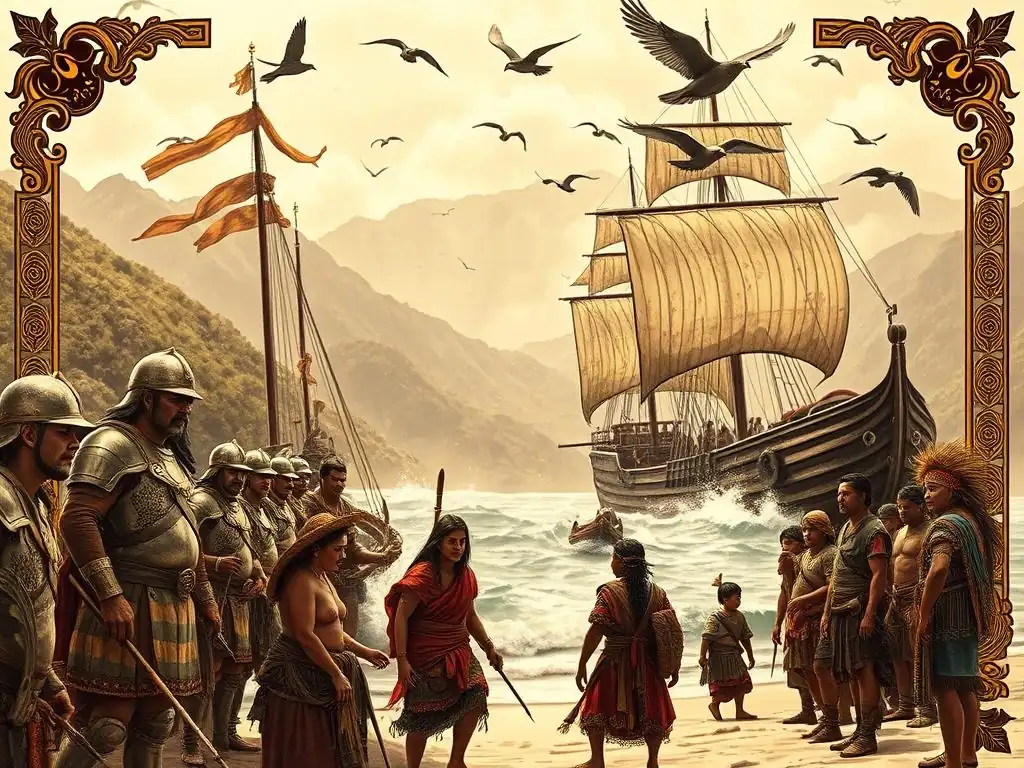
The arrival of Spanish conquistadors in the early 16th century marked a pivotal moment in the history of the Incan Empire, leading to profound changes in the region's cultural and political landscape. This period, characterized by conquest and colonization, initiated a complex interaction between European and indigenous civilizations. The motivations behind the Spanish expeditions were multifaceted, including desires for wealth, land, and the spread of Christianity.
The Spanish were drawn to the Incan Empire, which was rich in gold and silver, as well as renowned for its advanced agricultural practices and sophisticated societal organization. This wealth fueled the ambitions of various conquistadors, leading them into the heart of South America. The Incan Empire, at that time, was already facing internal strife and political fragmentation, which the Spanish would exploit.
Key Figures in the Conquest of the Incan Empire
Several key figures played critical roles in the Spanish conquest of the Incan Empire, each bringing unique skills and ambitions to the campaign:
- Francisco Pizarro: The most notable figure, Pizarro, was a Spanish explorer and conquistador who led the expedition that resulted in the fall of the Incan Empire. His strategic acumen and ruthlessness enabled him to exploit the civil war within the empire to his advantage.
- Hernán Cortés: Although primarily known for his conquest of the Aztec Empire, Cortés' earlier experiences in the Americas influenced Pizarro's approach to conquest and governance.
- Atahualpa: The last emperor of the Incas, Atahualpa was a significant figure during the conquest. His capture and subsequent execution by the Spanish exemplified the tragic downfall of the Incan civilization.
- Diego de Almagro: A partner of Pizarro, Almagro was instrumental in the conquest and later sought to claim territory for himself, leading to conflicts with Pizarro and further complicating the post-conquest landscape.
These figures not only shaped the course of the conquest but also influenced the legacy of the Incan Empire in the Americas.
Initial Encounters between Incas and Spaniards
The initial encounters between the Incas and the Spaniards were marked by a mix of curiosity, misunderstanding, and hostility. When Pizarro and his men first arrived in 1532, they encountered Atahualpa, who was in the midst of a civil war against his brother, Huáscar. The Spaniards, armed with superior weaponry, captured Atahualpa during a meeting in Cajamarca, leading to a series of events that would culminate in the rapid decline of the Incan Empire.
During these early interactions, the Spaniards were initially perceived as potential allies by some Incas, who were unaware of their true intentions. However, as the Spaniards began to assert dominance through violence and manipulation, relationships soured, leading to open conflict. The Spaniards' use of horses and guns, alongside their strategies of divide and conquer, proved devastating against the Incan forces, who were unprepared for such tactics.
The Role of Disease in the Decline of the Incan Empire
One of the most significant and tragic aspects of the Spanish conquest was the role of disease in the decline of the Incan Empire. Prior to the arrival of the Spaniards, the Incas had no immunity to European diseases such as smallpox, influenza, and measles. These diseases spread rapidly and decimated the indigenous population, leading to immense social disruption and weakening their ability to resist conquest.
The impact of disease was particularly pronounced following the initial encounters with the Spanish. It is estimated that smallpox alone may have killed as much as 90% of the Incan population in some areas. This demographic collapse had dire consequences for the empire, as the social, political, and economic structures that had sustained it began to unravel.
The combination of military conquest and the catastrophic effects of disease ultimately led to the destruction of the Incan Empire, transforming the region and setting the stage for a new era of Spanish colonial rule. The legacy of this period continues to be felt, as it reshaped indigenous cultures and historical narratives in the Americas.
The Spanish Conquest: Tactics and Strategies
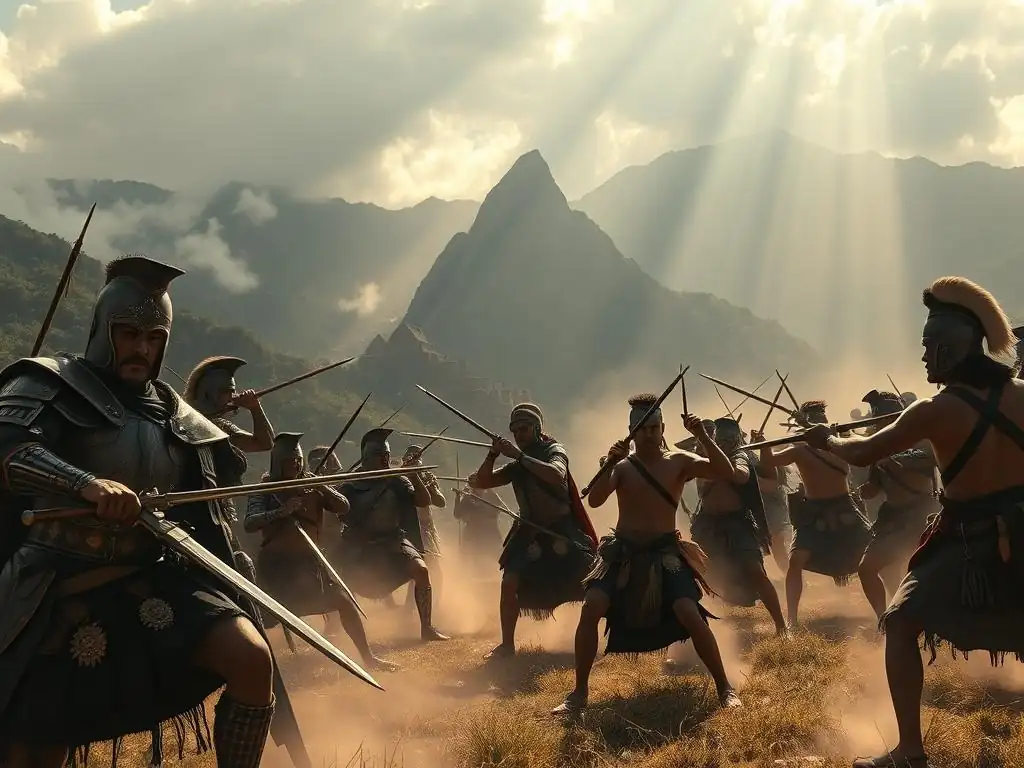
The Spanish conquest of the Incan Empire was a complex and multifaceted process characterized by a combination of military prowess, strategic alliances, and psychological warfare. The fall of one of the most advanced civilizations in the Americas was not merely a result of superior weaponry; it involved intricate planning, manipulation, and an understanding of indigenous politics and societies.
Military Strategies of the Spanish Conquistadors
The Spanish conquistadors employed a variety of military strategies that significantly contributed to their success against the Incan Empire. Some of the key tactics included:
- Superior Weaponry: The Spaniards utilized advanced weaponry such as firearms, cannons, and steel swords, which provided a substantial advantage over the Incan warriors who primarily used weapons made from wood and stone.
- Cavalry Charges: The use of horses in battle was a game changer. The mobility and speed of cavalry allowed the Spanish forces to execute flanking maneuvers and charge at Incan formations, creating chaos among their ranks.
- Psychological Warfare: The Spanish instilled fear through displays of their military might. For instance, the initial skirmishes showcased their firepower, which intimidated many indigenous groups and led to demoralization among the Incan forces.
- Hit-and-Run Tactics: Conquistadors often employed guerrilla tactics, launching sudden attacks on unsuspecting Incan troops, then retreating quickly to avoid full-scale confrontations. This strategy disrupted the Incan military organization and supply lines.
- Siege Warfare: The Spanish laid siege to key Incan strongholds, such as the city of Cuzco. By cutting off supplies and reinforcements, they forced surrender without the need for prolonged combat.
The Role of Alliances with Indigenous Groups
One of the critical factors that facilitated the Spanish conquest was their ability to form alliances with various indigenous groups who were either rivals or enemies of the Incas. These alliances were instrumental in weakening the Incan Empire's defenses. Key aspects include:
- Exploiting Rivalries: Many indigenous groups, such as the Chancas and the Huancas, had longstanding grievances against the Incas. The Spanish capitalized on these rivalries by promising autonomy and support against their common enemy.
- Local Knowledge: Allied indigenous groups provided the Spaniards with valuable intelligence about Incan movements, territory, and resources. This information allowed the conquistadors to strategize more effectively and anticipate Incan responses.
- Troops and Resources: Indigenous allies often joined the Spanish forces, contributing additional warriors. This increased the overall military strength of the Spanish, making it challenging for the Incas to defend against a united front.
- Cultural Adaptation: The Spanish learned to adapt their strategies based on local customs and warfare techniques from their indigenous allies, further enhancing their effectiveness in battle.
Capturing the Incan Leader: Atahualpa’s Impact on Empire
The capture of Atahualpa, the last sovereign emperor of the Incas, marked a pivotal moment in the Spanish conquest and had profound consequences for the Incan Empire. The implications of this event include:
- Disruption of Leadership: Atahualpa's capture created a power vacuum within the Incan Empire. With the emperor held hostage, the centralized authority of the Incas weakened significantly, leading to disarray among the ranks.
- Ransom and Resource Extraction: The Spaniards leveraged Atahualpa’s capture to demand a massive ransom, which included a room filled with gold and silver. The fulfillment of this ransom, while beneficial for the Spanish in the short term, drained the Incan Empire of its wealth and resources, diminishing its capacity to resist.
- Execution and Symbolism: The execution of Atahualpa in 1533 sent a powerful symbolic message. It signified the complete subjugation of Incan authority and the end of the Incan resistance against Spanish rule. The death of such a prominent leader demoralized the Incan people and made them more susceptible to Spanish control.
- Cultural Impacts: The fall of Atahualpa and the subsequent Spanish rule led to significant cultural changes, including the conversion of many indigenous people to Christianity and the imposition of Spanish customs and governance structures. This marked a profound transformation in the social fabric of the former Incan territories.
The intricate interplay of military strategies, alliances, and the pivotal capture of Atahualpa illustrates the complexities of the Spanish conquest of the Incan Empire and its lasting impact on the history of the Americas.
The Transition from Empire to Colony
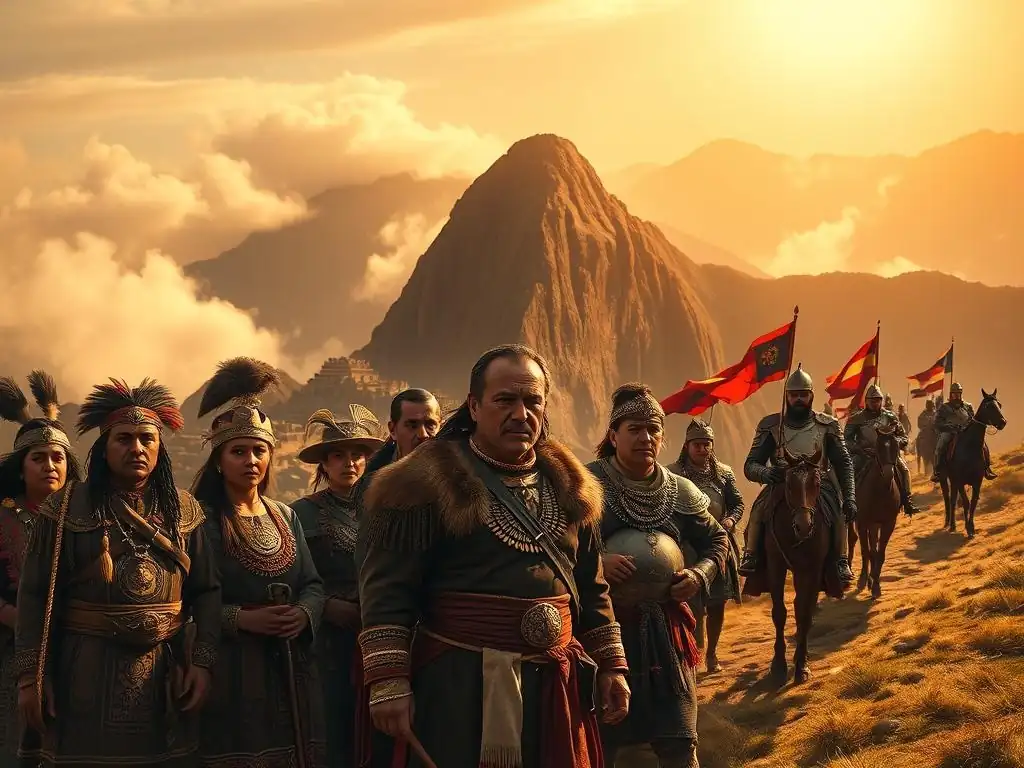
The transition from the Incan Empire to a Spanish colony marked a significant turning point in the history of South America. This shift not only altered the political landscape but also had profound implications for the social, economic, and cultural dynamics of the regions that were once under Incan control. As Spanish conquistadors, led by Francisco Pizarro, overthrew the Incan leadership in the early 16th century, the foundational structures of the empire were dismantled, opening the door for a new colonial order.
The fall of the Incan Empire was characterized by the rapid establishment of Spanish authority, which relied on a combination of military force, alliances with rival indigenous groups, and the exploitation of existing social hierarchies. Incan institutions were repurposed to serve Spanish interests, leading to a new system of governance that prioritized colonial exploitation over local governance. This transformation was not only political but also deeply intertwined with economic and social changes, which would shape the future of the Andean region for centuries to come.
Immediate Effects of Spanish Rule on Incan Territories
The immediate aftermath of Spanish conquest saw significant disruptions to the Incan way of life. The Spanish imposed a new political regime that undermined traditional Incan governance, leading to a power vacuum and widespread chaos. The consequences of this transition were felt across various dimensions of society:
- Disruption of Traditional Leadership: The Spanish executed or exiled key Incan leaders, such as Atahualpa, effectively dismantling the existing political structure. This left many communities without clear leadership, resulting in confusion and resistance.
- Violence and Repression: The initial conquest was marked by extreme violence, including massacres of Incan populations and the destruction of cultural landmarks. This brutality instilled fear and suppressed resistance but also fueled resentment among the indigenous populations.
- Restructuring of Society: The introduction of the encomienda system forced indigenous peoples into labor for Spanish settlers, disrupting traditional societal roles and community cohesion. Many were subjected to harsh working conditions, leading to significant demographic and social changes.
Economic Changes: Exploitation of Resources and Labor
The Spanish conquest fundamentally altered the economic landscape of the Incan territories. The focus shifted from the self-sustaining agricultural practices of the Incas to the extraction of resources that benefited the Spanish crown and colonial elites. Key economic changes included:
- Resource Extraction: The Spanish targeted rich mineral deposits, especially silver mines in places like Potosí. This led to the establishment of a colonial economy heavily reliant on mining, which became a cornerstone of Spanish wealth in the Americas.
- Labor Systems: The implementation of the mita system, a forced labor draft, compelled indigenous individuals to work in mines and plantations. This exploitation not only devastated local populations due to harsh conditions but also disrupted traditional economic practices.
- Agricultural Shifts: Traditional crops, such as potatoes and maize, were largely replaced by cash crops intended for export to Europe. This shift affected local diets and agricultural practices, leading to food insecurity in some communities.
Cultural Suppression and Religious Conversion Efforts
The Spanish conquest was accompanied by a systematic effort to suppress Incan culture and replace it with European customs and religious beliefs. This cultural imposition had lasting effects on the identity of indigenous peoples in the region:
- Destruction of Cultural Heritage: Spanish colonizers often destroyed Incan temples, texts, and artifacts, viewing them as pagan remnants. This cultural erasure significantly impacted the transmission of Incan history and knowledge.
- Religious Conversion: The Spanish implemented aggressive missionary efforts, seeking to convert indigenous peoples to Christianity. This process often involved coercion and the establishment of missions, which aimed to replace indigenous belief systems with Catholicism.
- Syncretism and Resistance: In response to cultural suppression, many indigenous groups engaged in syncretism, blending traditional beliefs with Catholic practices. This resistance allowed for the survival of certain aspects of Incan culture, albeit in a modified form.
The transition from Incan Empire to Spanish colony was marked by immediate and profound changes in governance, economy, and culture. While the impact of Spanish rule was devastating for many indigenous communities, it also sparked a complex interplay of resistance, adaptation, and cultural transformation that continues to influence the Andean region today. Understanding this history is crucial for appreciating the enduring legacies of the Incan Empire and the subsequent colonial period.
Lasting Impact of Spanish Rule on Incan Society
The Spanish conquest of the Incan Empire in the 16th century brought about profound transformations in the social structure and power dynamics of the region. Prior to European intervention, the Incas had a well-defined hierarchical society, with the Sapa Inca at the apex, followed by nobles, artisans, farmers, and laborers. The Spanish colonizers disrupted this established order by imposing their own systems of governance and authority, which led to significant changes.
- Imposition of Colonial Rule: The Spanish established a new administrative system known as the encomienda, which granted Spanish settlers rights over indigenous labor and tribute. This system effectively dismantled the traditional Incan social hierarchy, subordinating the indigenous population to the interests of Spanish landowners.
- Caste System Development: The contact between Spanish colonizers and the indigenous people led to the emergence of a new caste system. Individuals were categorized based on their ethnicity, lineage, and degree of assimilation into Spanish culture, which often marginalized the indigenous people and reinforced social stratification.
- Loss of Traditional Leadership: Many of the traditional leaders and noble families were either executed, exiled, or coerced into serving the Spanish crown. This loss of leadership disrupted the social fabric of Incan society, as local governance structures were replaced by colonial authorities, leading to a significant shift in power dynamics.
These changes fundamentally altered the way Incan society operated, as traditional roles were diminished and replaced with colonial hierarchies that favored Spanish settlers.
Long-term Effects on Indigenous Culture and Identity
The impact of Spanish rule on Incan culture and identity was profound and lasting. While the Incas had a rich cultural heritage characterized by intricate textiles, advanced agricultural practices, and a complex religious system, these elements were significantly altered through colonization.
- Religious Syncretism: The Spanish imposed Christianity on the indigenous population, leading to a blending of Andean spiritual beliefs with Catholicism. This syncretism resulted in new religious practices that incorporated elements of both traditions, significantly changing the spiritual landscape of the indigenous peoples.
- Language and Education: Spanish became the dominant language of administration and education, often at the expense of indigenous languages such as Quechua and Aymara. While some indigenous languages survived, the shift to Spanish disrupted the transmission of traditional knowledge and cultural practices, leading to a gradual erosion of indigenous identity.
- Cultural Practices and Traditions: Many Incan customs, rituals, and festivals were suppressed or modified under Spanish rule. For instance, traditional agricultural practices were altered to align with European methods, which had implications for food sovereignty and cultural expression.
The long-term effects of these transformations can still be felt today, as communities strive to reclaim and revitalize their indigenous identities amidst a legacy of colonialism.
Resistance and Adaptation among Indigenous Populations
Despite the overwhelming force of Spanish colonization, indigenous populations exhibited remarkable resilience through both resistance and adaptation strategies. These actions were crucial in preserving aspects of their culture and identity.
- Uprisings and Rebellions: Throughout the colonial period, various uprisings occurred as a response to the harsh conditions imposed by the encomienda system and the exploitation of indigenous labor. Notable revolts, such as the Túpac Amaru II Rebellion in the late 18th century, exemplified the ongoing struggle against colonial oppression and the desire for autonomy.
- Cultural Adaptation: Indigenous peoples often adapted to their circumstances by integrating certain Spanish customs while retaining their traditional practices. This adaptive strategy allowed them to navigate the complexities of colonial life while maintaining a connection to their heritage.
- Community Organization: Indigenous communities organized themselves to resist colonial policies and protect their land and rights. Through the establishment of communal lands (ayllus) and collective action, they sought to preserve their agricultural practices and social structures in the face of colonial pressures.
These forms of resistance and adaptation were crucial in shaping the contemporary indigenous identity and social structures in the Andes, illustrating the enduring legacy of the Incan Empire despite the significant challenges posed by Spanish colonization.
Conclusion: Reflecting on Incan Empire History and Its Impact
The history of the Incan Empire is a profound narrative of achievement, complexity, and resilience. The transition from a powerful empire to a colonial territory under Spanish rule marks a significant pivot in the trajectory of indigenous cultures across the Americas. This transformation not only altered the political landscape but also had far-reaching implications for the social, economic, and cultural practices of the Andean people.
The impact of the Incan Empire can be measured through its sophisticated societal structures, impressive architectural feats, and advanced agricultural techniques. The Incas developed an extensive network of roads, known as the Qhapaq Ñan, which facilitated trade and communication across vast distances. Moreover, their agricultural innovations, such as terracing and irrigation systems, allowed them to cultivate diverse crops in challenging environments. These achievements laid the groundwork for future generations, demonstrating the empire's lasting influence on Andean civilization.
Summary of the Transition from Empire to Colony
The Spanish conquest of the Incan Empire in the 16th century initiated a dramatic shift from indigenous sovereignty to colonial subjugation. Following the capture of the last Incan emperor, Atahualpa, in 1532, the Spanish implemented a system of governance that dismantled the existing structures of power. The forced labor system, known as mita, exploited indigenous populations for mining and agricultural labor, perpetuating cycles of oppression and economic extraction.
The transition was characterized by a profound cultural exchange, albeit one marked by violence and domination. The Spanish introduced new crops, livestock, and technologies, while simultaneously suppressing indigenous practices and belief systems. This period also saw the spread of Christianity, which profoundly influenced the spiritual landscape of the Andean peoples, leading to a complex fusion of indigenous and European religious practices.
| Aspect | Incan Empire | Spanish Colonial Rule |
|---|---|---|
| Political Structure | Centralized, with a strong emperor | Colonial governance imposed by Spanish crown |
| Economy | Agrarian-based, with extensive trade networks | Extraction-focused, reliant on labor systems |
| Cultural Practices | Rich traditions, polytheism | Introduction of Christianity, suppression of indigenous beliefs |
| Social Hierarchy | Class system based on nobility and commoners | Racial and class divisions favoring Europeans |
The Importance of Indigenous Perspectives in Historical Narratives
Incorporating indigenous perspectives into the narrative of the Incan Empire's history is crucial for a holistic understanding of the past. Traditional historical accounts often prioritize European viewpoints, which can obscure the experiences, voices, and contributions of the indigenous peoples themselves. By emphasizing indigenous narratives, we can appreciate the resilience and adaptability of Andean communities in the face of colonization.
Researching and highlighting the perspectives of the indigenous population allows us to uncover the nuanced responses to colonial rule, including resistance movements and cultural preservation efforts. Furthermore, it acknowledges the agency of indigenous peoples in shaping their own history, rather than solely being victims of external forces.
Ultimately, recognizing the complexity of the Incan Empire's legacy and the subsequent impacts of Spanish colonization enriches our understanding of the Americas' historical landscape. This approach not only honors the achievements of the Incas but also emphasizes the importance of indigenous voices in shaping their narratives and identities, fostering a deeper appreciation for the rich tapestry of human history.
Frequently Asked Questions
What was the Incan Empire known for?
The Incan Empire was renowned for its advanced architecture, intricate road systems, and sophisticated agricultural practices, which enabled it to thrive in the challenging Andean environment.
How did the Spanish colonization affect the Incan territories?
The Spanish colonization led to significant changes, including the exploitation of resources, the spread of diseases, and the imposition of new social structures that disrupted traditional Incan societies.
What are some lasting impacts of the Incan Empire today?
The Incan Empire's legacy includes its cultural influence on modern Andean societies, preserved traditions, and architectural marvels like Machu Picchu, which attract millions of tourists each year.
How did the Incan Empire govern its vast territories?
The Incan Empire utilized a system of administrative divisions, known as suyus, managed by local leaders who reported to the central government, ensuring effective control over distant regions.
Why is it important to study Incan Empire history?
Studying Incan Empire history provides insight into the complexities of indigenous civilizations, their achievements, and the profound effects of European colonization on their cultures and legacies.
Final Reflection: The Enduring Legacy of Incan Empire History and Impact
The transition of Incan territories under Spanish rule serves as a powerful reminder of how colonialism reshapes cultures and societies, leaving an indelible mark on history. Today, as we navigate a world still grappling with the consequences of imperialism, understanding the complexities of Incan Empire history is crucial. This narrative not only highlights the resilience of indigenous cultures but also challenges us to confront the lingering effects of colonial legacies in contemporary society.
The impact of the Incan Empire extends far beyond its historical timeline; it continues to influence cultural identities, social structures, and even political movements in the Andean region and beyond. The richness of Incan traditions, languages, and agricultural practices still resonate in modern communities, showcasing a blend of resilience and adaptation. History is not a burden on the memory but an illumination of the soul.
This quote encapsulates the essence of how we must view the Incan legacy—not merely as a relic of the past but as a living testament to the strength of human spirit and culture.
As we reflect on the lessons drawn from the Incan Empire's transition to colonial rule, I invite you to consider your own connection to history and culture. How can you honor the past while advocating for a more equitable future? Embrace the stories that shape our identities and recognize the importance of preserving cultural heritage. Let the history of the Incan Empire inspire you to engage actively in conversations about justice, representation, and the celebration of diverse narratives in our world today.
Embrace the Heritage: Take Action for Awareness!
Thank you for investing your time in exploring the enriching journey of the Incan territories as they transitioned from a vibrant empire to a colonial state. Your interest helps shed light on the profound impacts of this historical shift and its lasting legacy. Now, let's take meaningful steps to deepen our understanding and share this knowledge with others.
Here are some impactful actions you can take:
- Dive deeper into other Indigenous civilizations. Explore related articles on our site to broaden your perspective and enhance your understanding of Indigenous histories across the Americas.
- Share your insights! Discuss this article with friends or on social media to spark conversations about the importance of preserving Indigenous cultures and histories.
- Engage with local museums or cultural organizations that focus on Indigenous heritage. Attend events or volunteer to amplify these vital narratives.
What’s one insight you uncovered today that you feel inspired to share with others?