
How the Spanish Conquest Changed the Landscape of Mesoamerica Forever

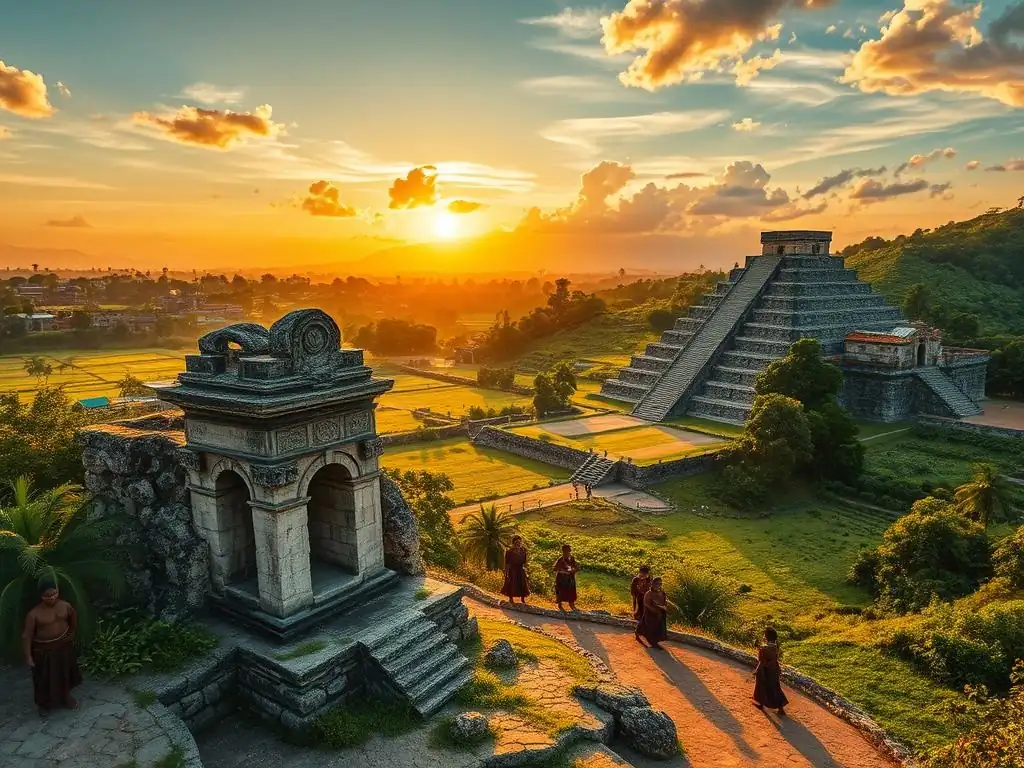
Welcome to Indigenous Civilizations of the Americas, where we embark on a journey to uncover the rich tapestry of indigenous cultures that flourished long before European footprints touched these lands. In our featured article, "How the Spanish Conquest Changed the Landscape of Mesoamerica Forever," we delve into the profound impact of Spanish conquest on Mesoamerica, exploring the intricate societies that once thrived and the transformative effects of colonization.
Prepare to be captivated by stories of resilience, innovation, and the enduring legacy of these remarkable civilizations. Join us as we unravel the complexities of history and its lasting influences—your adventure into the past begins here!
- Introduction to the Spanish Conquest and Mesoamerica
- The Spanish Conquest: An Overview
- Immediate Effects of the Spanish Conquest on Mesoamerican Societies
- Long-Term Consequences of the Spanish Conquest
- The Cultural Impact of Spanish Conquest on Mesoamerica
- Economic Changes Resulting from the Spanish Conquest
- Resistance and Adaptation: Indigenous Responses
- Conclusion: Lasting Legacy of the Spanish Conquest in Mesoamerica
- References and Further Reading
-
Frequently Asked Questions
- What were the major effects of the Spanish conquest on Mesoamerican societies?
- How did the Spanish conquest impact indigenous religions in Mesoamerica?
- What role did disease play in the impact of the Spanish conquest?
- How did the Spanish conquest affect Mesoamerican economies?
- What is the lasting impact of the Spanish conquest on modern Mesoamerican cultures?
- Final Reflection: The Enduring Impact of the Spanish Conquest on Mesoamerica
- Embrace the Legacy: Dive Deeper into Mesoamerica's History!
Introduction to the Spanish Conquest and Mesoamerica
The Spanish conquest of Mesoamerica marked a pivotal moment in the history of both Europe and the Americas. As Spanish conquistadors, led by Hernán Cortés, invaded the rich lands of the Aztec Empire in the early 16th century, they fundamentally altered the landscape—both physically and culturally. This article delves into the impact of Spanish conquest Mesoamerica, examining how these events reshaped indigenous societies, economies, and the environment of Mesoamerica. Understanding this transformation is crucial for appreciating the resilience and adaptations of indigenous cultures in the face of colonization and the lasting legacy that continues to influence the region today.
Overview of Mesoamerican Civilizations Before the Conquest
Mesoamerica was home to a multitude of advanced civilizations long before the arrival of the Spaniards. Among the most prominent were the Aztecs, Maya, and Olmecs, each contributing to the rich tapestry of cultural and technological achievements.
- Economic Systems:
- The Aztecs developed a sophisticated economy based on agriculture, trade, and tribute systems.
- The Maya were known for their advanced agricultural practices, including the use of slash-and-burn techniques and terracing.
- Cultural Achievements:
- The construction of monumental architecture, such as pyramids and temples, showcased the engineering prowess of these civilizations.
- Innovations in mathematics and astronomy were evident, particularly among the Maya, who created complex calendars and hieroglyphic writing systems.
- Social Structures:
- Mesoamerican societies were hierarchical, with a ruling elite, priests, and a large population of commoners.
- Religion played a central role, with rituals and ceremonies aimed at appeasing gods, often involving elaborate practices such as human sacrifice.
Before the Spanish conquest, Mesoamerica was a vibrant region characterized by its diversity in languages, customs, and beliefs. The social fabric was interwoven with rich traditions and a deep connection to the land, which would soon face profound disruptions.
Significance of the Spanish Conquest in World History
The Spanish conquest of Mesoamerica was not merely a local event; it had far-reaching implications that resonate throughout history.
- Cultural Exchange and Transformation:
- The arrival of the Spaniards initiated a complex exchange of ideas, technologies, and cultures. This period, often referred to as the Columbian Exchange, led to the introduction of European agricultural products, livestock, and diseases to the Americas, fundamentally altering local economies and lifestyles.
- Conversely, indigenous practices, crops, and knowledge systems influenced European culture, leading to a hybridization of traditions.
- Colonial Structures and Governance:
- The establishment of Spanish colonial rule resulted in the imposition of new governance structures, often disregarding indigenous systems of governance.
- Encomienda and repartimiento systems exploited indigenous labor, leading to significant demographic changes due to forced labor and disease.
- Lasting Impacts on Indigenous Communities:
- The conquest resulted in the decimation of indigenous populations through violence and disease, leading to a drastic transformation of Mesoamerican societies.
- Despite the oppression, many indigenous communities adapted and resisted, preserving elements of their culture and identity that persist to this day.
The Spanish conquest of Mesoamerica was a transformative event that reshaped the region in profound ways. By examining its impact, we gain insight into the resilience of indigenous civilizations and the complex legacies that continue to influence contemporary society in Mesoamerica.
The Spanish Conquest: An Overview
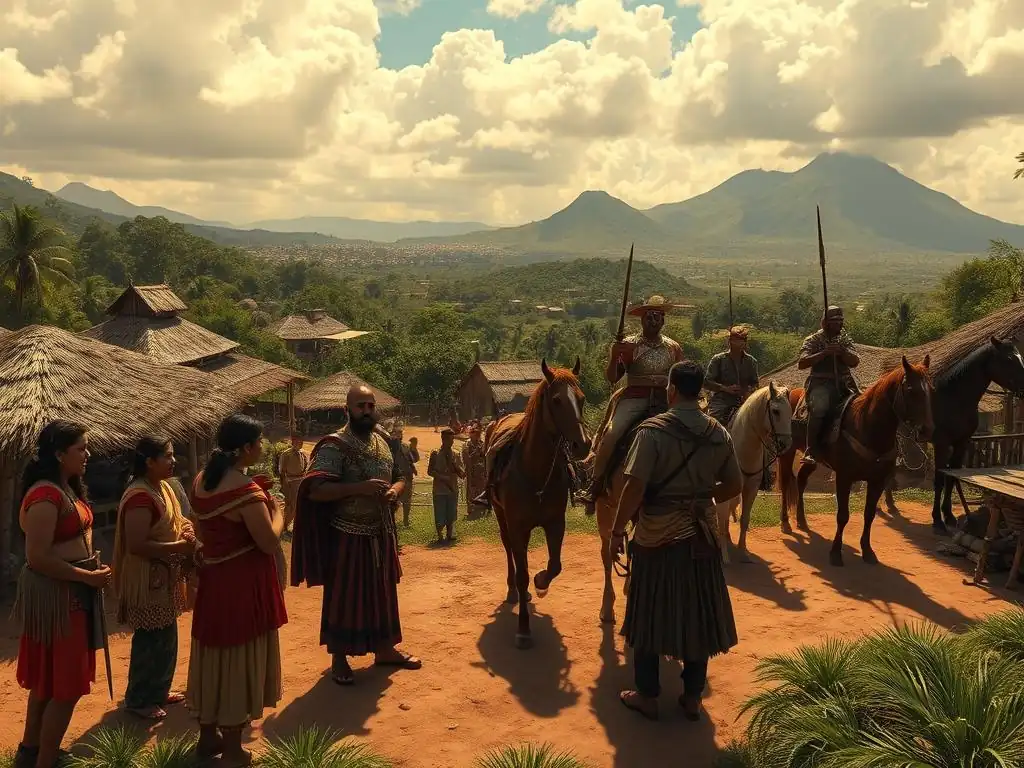
The Spanish Conquest of Mesoamerica marks a pivotal period in the history of the Americas, characterized by the dramatic transformation of indigenous societies. Initiated in the early 16th century, this conquest fundamentally altered the political, social, and economic landscape of Mesoamerica, leading to the decline of powerful empires such as the Aztecs and the establishment of Spanish colonial rule.
The conquest was driven by a combination of factors, including the quest for wealth, territorial expansion, and religious zeal. Spanish explorers and conquistadors, motivated by the promise of gold and glory, sought to claim new lands for Spain. The arrival of Hernán Cortés in 1519, who would later lead the expedition against the Aztec Empire, exemplified this ambition. Utilizing superior military technology, strategic alliances with rival indigenous groups, and the spread of diseases to which the indigenous populations had no immunity, the Spanish were able to conquer vast territories with relatively few resources.
The consequences of the Spanish conquest were profound. Indigenous populations faced dramatic declines due to warfare, exploitation, and disease, resulting in the dismantling of established civilizations. Additionally, the imposition of Spanish culture, language, and religion led to significant changes in the identity of Mesoamerican peoples. The legacy of this conquest continues to influence the cultural and social landscape of modern Mexico and Central America.
Key Figures in the Spanish Conquest of Mesoamerica
-
Hernán Cortés
Hernán Cortés is perhaps the most notorious figure of the Spanish conquest. Leading an expedition that culminated in the fall of Tenochtitlán in 1521, Cortés played a crucial role in dismantling the Aztec Empire. His adept use of alliances with other indigenous groups, such as the Tlaxcalans, and his ability to manipulate political rivalries showcased his military and diplomatic skills.
-
Moctezuma II
The last ruler of the Aztec Empire, Moctezuma II, encountered Cortés and his men with a mix of awe and fear. Initially believing the Spaniards to be divine emissaries, Moctezuma’s decisions during their encounter were pivotal in shaping the course of the conquest. His eventual capture and death marked a significant turning point in the conflict.
-
La Malinche (Malintzin)
A critical figure in the Spanish conquest, La Malinche was a Nahua woman who served as an interpreter and advisor to Cortés. Her linguistic skills and understanding of both Spanish and indigenous cultures facilitated communication and negotiation. La Malinche’s role has been the subject of much debate, symbolizing both betrayal and a complex interplay of cultures.
-
Francisco Pizarro
While primarily known for his conquest of the Inca Empire, Francisco Pizarro’s actions in the broader context of Spanish colonization also shaped the Mesoamerican landscape. The methods employed by Pizarro echoed those of Cortés, emphasizing the impact of Spanish conquests across the Americas.
Timeline of Major Events During the Conquest
| Year | Event Description |
|---|---|
| 1519 | Cortés lands in Mexico: Hernán Cortés arrives on the coast of Mexico, beginning his expedition towards Tenochtitlán. |
| 1519 | Meeting with Moctezuma II: Cortés meets the Aztec emperor, establishing a fragile relationship based on fear and diplomacy. |
| 1520 | La Noche Triste: After initial success, the Spanish are driven out of Tenochtitlán by the Aztecs during a violent confrontation, suffering significant losses. |
| 1521 | Siege of Tenochtitlán: Cortés returns with reinforcements and begins a prolonged siege that ultimately leads to the fall of the Aztec capital. |
| 1521 | Fall of Tenochtitlán: The city falls to Spanish forces, marking the end of the Aztec Empire and the beginning of Spanish colonial rule in Mesoamerica. |
| 1523 | Establishment of New Spain: The Spanish crown formally establishes New Spain, solidifying their control over the region and initiating widespread colonization. |
The impact of the Spanish conquest on Mesoamerica was multifaceted, leading to cultural exchanges, the introduction of new agricultural practices, and the establishment of a colonial economy that exploited indigenous labor. As we delve deeper into specific aspects of this transformation, it becomes clear that the echoes of this conquest continue to resonate throughout the histories and identities of Mesoamerican peoples today.
Immediate Effects of the Spanish Conquest on Mesoamerican Societies
Destruction of Indigenous Cultures and Societies
The Spanish conquest of Mesoamerica led to the systematic destruction of numerous indigenous cultures, most notably the Aztec Empire. This destruction was not merely physical but also cultural and spiritual.
- Military Conquest: The Spanish, led by Hernán Cortés, utilized advanced weaponry and tactics that overwhelmed the indigenous forces. Major cities, including Tenochtitlan, were devastated, leading to the loss of life and the dismantling of social structures.
- Cultural Erasure: The imposition of Spanish customs and religion resulted in the suppression of indigenous practices. Temples were destroyed, and Catholic churches were erected in their place, symbolizing the erasure of indigenous belief systems.
- Language Loss: Indigenous languages began to decline as Spanish became the dominant means of communication. This shift contributed to the gradual loss of traditional knowledge, folklore, and literature, which were primarily transmitted orally.
The consequences of these actions were profound and irreversible, marking a significant turning point in Mesoamerican history.
Changes in Governance and Political Structures
The Spanish conquest fundamentally altered the political landscape of Mesoamerica. Traditional governance systems were dismantled, leading to a new order based on colonial rule.
- Spanish Colonial Administration: The establishment of viceroyalties resulted in the imposition of foreign governance. Indigenous leaders were often replaced or subjugated, and local authorities were appointed by the Spanish crown. This shift undermined indigenous political autonomy.
- Encomienda System: The Spanish implemented the encomienda system, which granted colonizers control over indigenous labor and land. This system exploited indigenous populations and disrupted traditional forms of community governance.
- Resistance and Adaptation: While many indigenous groups were initially subjugated, some adapted by forming alliances or incorporating elements of Spanish governance. This led to a complex interplay between traditional and colonial political structures.
The changes brought about by the Spanish conquest set the stage for centuries of colonial domination, reshaping the political identity of Mesoamerican societies.
Introduction of European Diseases and Their Impact
One of the most devastating consequences of the Spanish conquest was the introduction of European diseases to Mesoamerica, which had catastrophic effects on indigenous populations.
- Disease Epidemics: Diseases such as smallpox, influenza, and typhus spread rapidly among indigenous communities, who had no prior exposure and thus lacked immunity. It is estimated that up to 90% of the indigenous population in some areas perished due to these epidemics.
- Social Disruption: The massive death toll led to significant social disruption. Communities were left without leaders, and traditional social structures collapsed, further weakening resistance to Spanish rule.
- Long-term Impacts: The demographic collapse resulted in labor shortages, which the Spanish sought to fill through the forced importation of African slaves. This not only altered the ethnic composition of Mesoamerica but also established a legacy of racial and social stratification that persists to this day.
The impact of these diseases was devastating, fundamentally altering the demographic and cultural landscape of Mesoamerica forever.
Long-Term Consequences of the Spanish Conquest
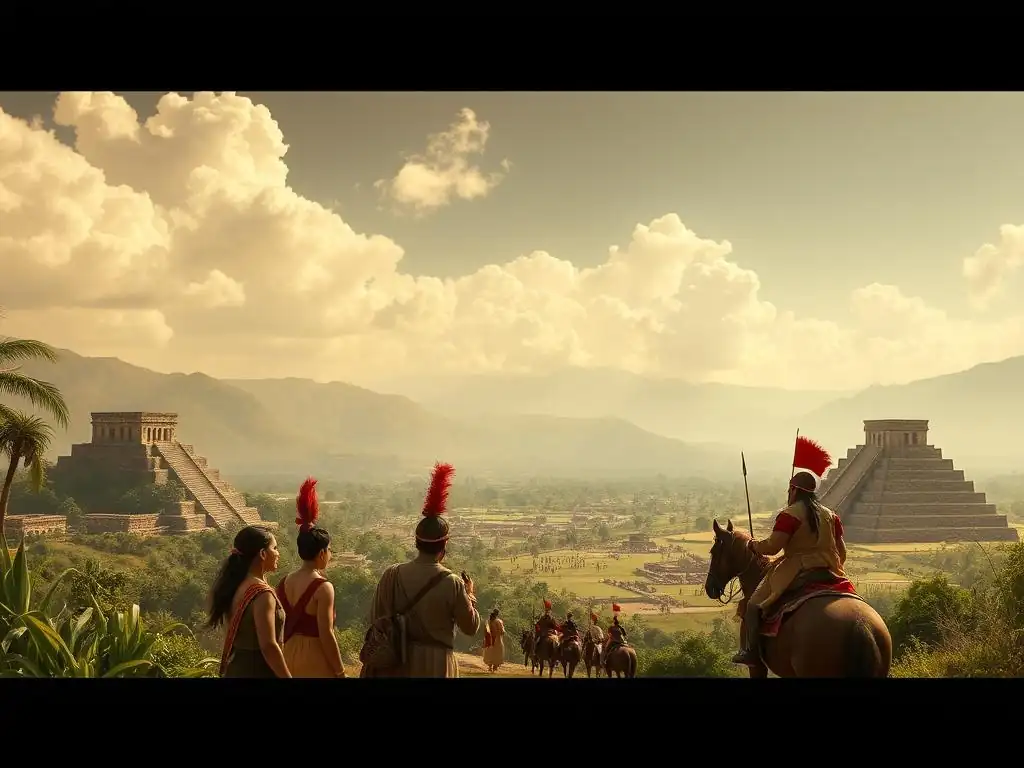
The Spanish conquest of Mesoamerica, particularly the fall of the Aztec Empire in the early 16th century, initiated profound changes that reshaped the region's landscapes, cultures, and societies. These alterations were not merely immediate but reverberated through generations, transforming the social fabric and ecological systems of Mesoamerica. Understanding the long-term consequences of this conquest is crucial to recognizing its lasting impact on the indigenous populations and the environment.
Transformation of Mesoamerican Landscapes
The Spanish conquest dramatically altered the physical landscapes of Mesoamerica. Pre-colonial Mesoamerican societies, such as the Aztecs, had developed intricate urban planning and agricultural systems that harmonized with their environment. However, European colonization led to significant modifications, including:
- Deforestation: Large swathes of forest were cleared to make way for Spanish-style agriculture and livestock grazing. This deforestation resulted in soil erosion and loss of biodiversity, altering the region's ecology.
- Infrastructure Development: The Spanish introduced new architectural styles and urban layouts, often repurposing existing indigenous structures. This included the construction of plazas, cathedrals, and government buildings, which not only changed the aesthetic but also the functional landscape.
- Displacement of Indigenous Communities: Many indigenous populations were forced to relocate, leading to the abandonment of traditional lands and settlement patterns. This displacement often resulted in the loss of agricultural knowledge and cultural heritage tied to specific landscapes.
These changes contributed to a new socio-ecological system in Mesoamerica, where traditional practices were supplanted by European methods, leading to long-lasting impacts on both the environment and indigenous cultures.
Changes in Agriculture and Land Use
The Spanish conquest introduced new agricultural practices and crops to Mesoamerica, fundamentally changing land use patterns. Some of the most significant changes included:
- Introduction of European Crops: Crops such as wheat, barley, and sugarcane became staples in the region. These crops required different agricultural techniques and significantly altered land use.
- Encomienda System: This system allowed Spanish settlers to control large tracts of land and indigenous labor. Indigenous people were often forced to work in harsh conditions to cultivate European crops, leading to significant shifts in traditional agricultural practices.
- Shift to Commercial Agriculture: The focus on cash crops for export, particularly sugar and cacao, transformed local economies. This shift often resulted in the neglect of subsistence farming, which had previously sustained indigenous communities.
These agricultural transformations had profound implications not only for food security but also for cultural practices related to farming and land stewardship. Indigenous agricultural knowledge was often disregarded or lost, leading to a decline in traditional practices.
Urbanization and the Birth of Colonial Cities
The Spanish conquest catalyzed a wave of urbanization, leading to the development of colonial cities that redefined the social and political landscape of Mesoamerica. Key aspects of this urbanization included:
- Founding of New Cities: Cities such as Mexico City were established on the ruins of ancient indigenous capitals. These new urban centers served as administrative, religious, and economic hubs, often reflecting Spanish architectural styles and urban planning principles.
- Social Stratification: The colonial cities became centers of social hierarchy, with Spaniards occupying the highest social echelons and indigenous people often relegated to the lowest status. This stratification had long-term implications for social relations and governance in Mesoamerica.
- Cultural Syncretism: As Spanish and indigenous populations interacted, a blending of cultures occurred, leading to the emergence of new cultural practices, religions, and social norms. This syncretism is evident in various aspects of life, including language, cuisine, and religious practices.
- Economic Reorientation: Colonial cities became focal points for trade and commerce, which reshaped local economies. The integration of indigenous labor into the colonial economy led to new economic dependencies and altered traditional trade networks.
The birth of these colonial cities marked a significant shift in Mesoamerican life, establishing frameworks that would influence the region for centuries to come.
Understanding these long-term consequences of the Spanish conquest is essential for appreciating the depth of its impact on Mesoamerica. The transformations in landscapes, agriculture, and urbanization not only reflect the immediate effects of colonization but also highlight the resilience and adaptability of indigenous cultures in the face of profound change.
The Cultural Impact of Spanish Conquest on Mesoamerica
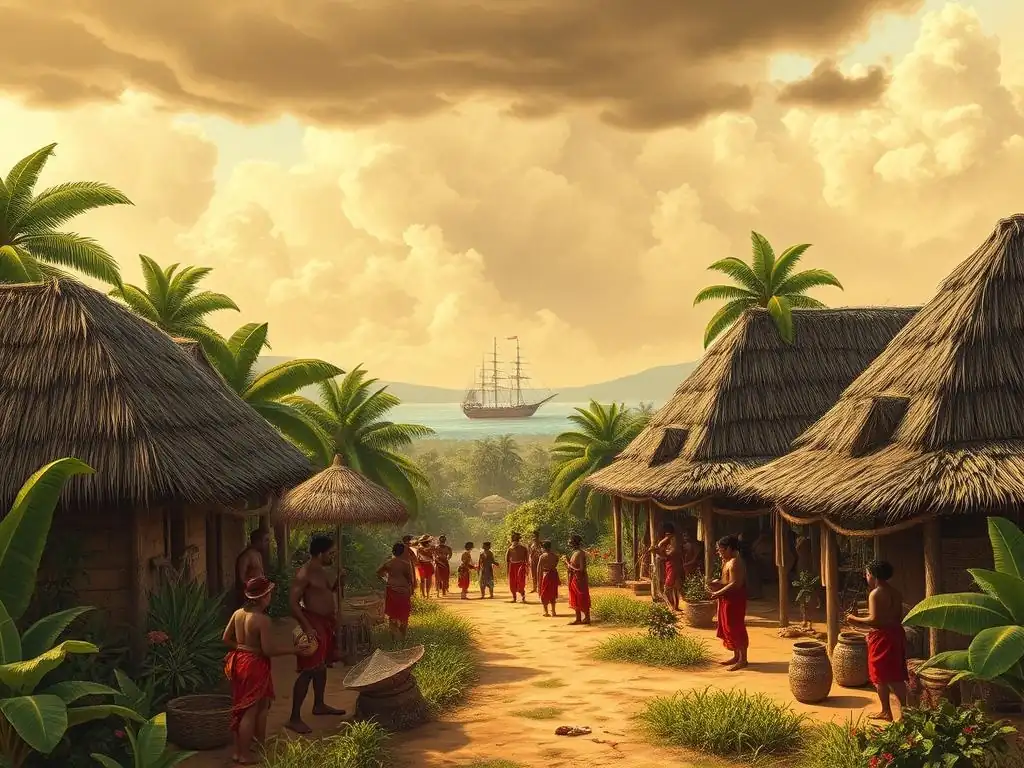
The Spanish conquest of Mesoamerica, particularly the fall of the Aztec Empire, brought profound cultural changes that reshaped the region's identity. This section delves into the significant cultural impact of the Spanish conquest, highlighting the transformations that took place in religious practices, cultural blending, and the preservation of indigenous languages and traditions.
Religious Transformation and the Spread of Christianity
One of the most significant cultural shifts following the Spanish conquest was the widespread transformation of religious practices. The Spaniards, motivated by a mission to convert indigenous populations to Christianity, instituted a systematic campaign to replace indigenous beliefs with Catholicism.
- Conversion Efforts: Spanish missionaries, including the Franciscans and Dominicans, established missions across Mesoamerica. They often built churches atop existing temples, symbolizing the dominance of Christianity over indigenous religions.
- Destruction of Indigenous Temples: Many sacred sites were destroyed, and idols were either melted down or repurposed. This not only altered the religious landscape but also aimed to erase indigenous spiritual practices.
- Cultural Syncretism: Despite these efforts, a syncretic form of Christianity emerged, blending elements of indigenous spirituality with Catholic rituals. This can be observed in festivals that incorporate both Catholic saints and traditional Mesoamerican deities, illustrating how indigenous communities adapted to the new religious context.
The very essence of Mesoamerican spirituality was not eradicated but rather transformed, leading to a unique blend of beliefs that persists in many communities today.
Blending of Indigenous and Spanish Cultures
The Spanish conquest also catalyzed a blending of indigenous and Spanish cultures, leading to a rich tapestry of customs, art, and social practices.
- Artistic Influences: The fusion of indigenous and Spanish artistic styles produced unique forms of painting, sculpture, and architecture. For example, the baroque style of church architecture in Mesoamerica often incorporated indigenous motifs and techniques, creating a distinct cultural expression.
- Culinary Exchange: The introduction of European ingredients, such as wheat, cattle, and spices, transformed indigenous culinary practices. Conversely, traditional Mesoamerican foods like maize, beans, and chili peppers became staples in Spanish diets, enriching the culinary landscape of both cultures.
- Language and Literature: The blending of languages resulted in the emergence of new dialects, with Spanish and indigenous languages influencing each other. This linguistic exchange is evident in many modern Mexican Spanish terms derived from Nahuatl and other indigenous languages.
Preservation of Indigenous Languages and Traditions
Despite the significant cultural upheaval, many indigenous languages and traditions have persisted in Mesoamerica, offering a window into the region's rich heritage.
- Language Resilience: Today, languages such as Nahuatl, Maya, and Mixtec are still spoken by millions. Efforts to promote these languages in educational settings and through media have helped sustain their use amidst the dominance of Spanish.
- Cultural Festivals: Indigenous communities continue to celebrate traditional festivals and practices that reflect their pre-colonial roots. Events such as Day of the Dead and various agricultural ceremonies showcase the enduring nature of indigenous traditions.
- Art and Craftsmanship: Many indigenous artisans maintain traditional methods of crafting textiles, pottery, and jewelry, which not only serve as economic activities but also as a means of cultural expression and identity.
The impact of the Spanish conquest on Mesoamerica was profound and multifaceted, leading to significant cultural transformations. While religious practices shifted dramatically, elements of indigenous culture have persisted and adapted, illustrating a complex interplay between continuity and change in the region's cultural landscape.
Economic Changes Resulting from the Spanish Conquest
Introduction of New Economic Systems
The Spanish conquest of Mesoamerica marked a significant transformation in the economic landscape of the region. Before the arrival of the Spaniards, indigenous societies such as the Aztecs had well-established economic systems based on agriculture, trade, and tribute. These systems were intricately linked to their social hierarchies and cultural practices. However, the imposition of colonial rule introduced new economic frameworks that disrupted traditional practices and redefined economic interactions.
The Spanish established encomienda and hacienda systems, which fundamentally altered land ownership and labor dynamics. The encomienda system granted Spanish settlers the right to extract labor and tribute from indigenous communities in exchange for protection and religious instruction. This system not only stripped indigenous people of their autonomy but also led to significant demographic changes due to the harsh conditions imposed on them.
Over time, the hacienda system emerged, where large estates were developed for agricultural production, primarily for export to Europe. This shift prioritized cash crops such as sugar, tobacco, and later, coffee, reshaping the agricultural focus of Mesoamerica.
The Impact of Colonial Trade on Mesoamerican Economies
Colonial trade became a critical aspect of the economic changes following the Spanish conquest. The establishment of the Spanish colonial economy integrated Mesoamerica into a global trade network, facilitating the exchange of goods between the New World and Europe. This integration brought about both opportunities and challenges for indigenous economies.
Trade routes expanded significantly, and goods such as silver, which was mined extensively in regions like Zacatecas and Potosí, became highly sought after in European markets. The influx of silver fundamentally altered the economic landscape, leading to inflation and shifts in local economies. Indigenous communities, once self-sufficient, increasingly became reliant on European goods, disrupting traditional trade patterns.
Additionally, colonial trade introduced new consumer habits among the indigenous population. While some indigenous artisans adapted to produce goods for European markets, many others found themselves marginalized as their traditional crafts were overshadowed by imported products. The overall effect of colonial trade was a complex one, as it both integrated Mesoamerican economies into a larger system while simultaneously undermining their traditional economic structures.
Exploitation of Resources and Labor
The Spanish conquest led to widespread exploitation of Mesoamerica's natural resources and indigenous labor. The quest for wealth drove the colonizers to extract precious metals, agricultural products, and other resources without regard for the sustainability of the local ecosystems or the welfare of the indigenous populations.
Mining became a central economic activity, with silver mines in places like Taxco and Guanajuato generating vast wealth for Spain. The extraction processes were labor-intensive and dangerous, often relying on the forced labor of indigenous peoples through the encomienda system and later the repartimiento system, which mandated that indigenous communities provide a certain number of laborers to work in mines and on agricultural estates.
Agricultural exploitation also escalated, as the demand for cash crops led to the transformation of traditional farming practices. Indigenous farmers were often coerced into cultivating crops for export rather than for local sustenance, leading to food insecurity and changes in diet and agricultural biodiversity.
The consequences of this exploitation were profound: not only did it lead to demographic decline due to overwork and disease, but it also disrupted the social fabric of indigenous communities. The loss of traditional land and autonomy further entrenched economic disparities and initiated a cycle of dependency on colonial powers that would have lasting effects on Mesoamerican societies.
The impact of the Spanish conquest on Mesoamerica was profound and multifaceted, reshaping its economic landscape through the introduction of new systems, the reorientation of trade, and the exploitation of resources and labor. These changes not only altered the economic trajectories of indigenous civilizations but also laid the groundwork for the future socio-economic structure of the region.
Resistance and Adaptation: Indigenous Responses
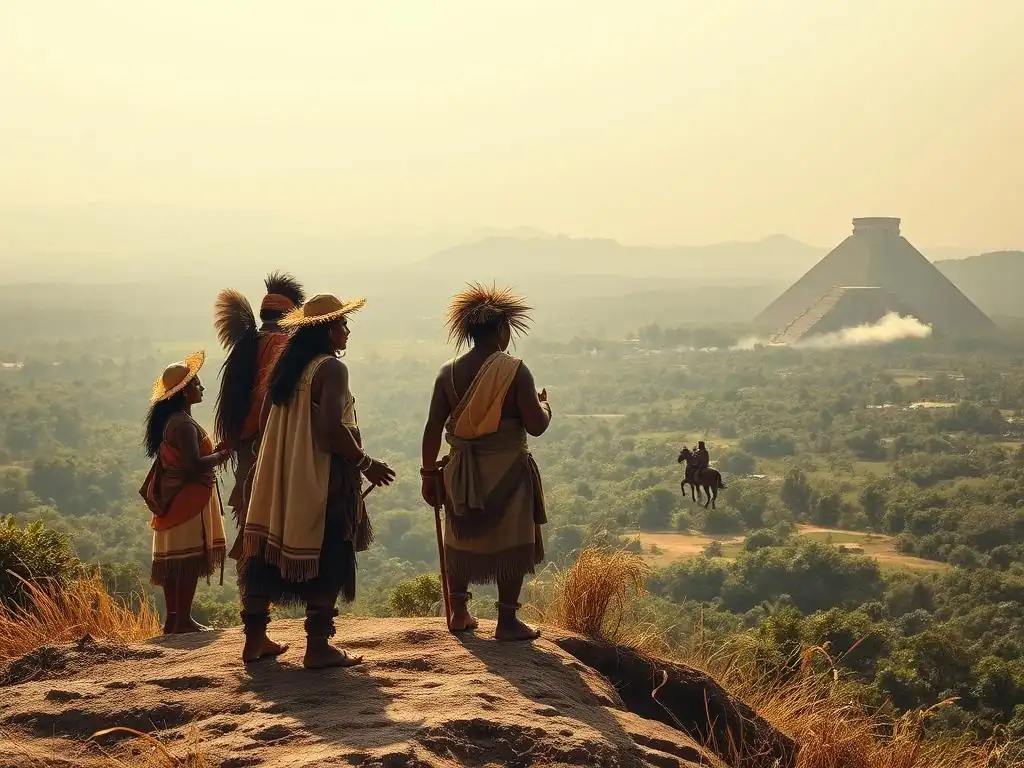
The Spanish conquest of Mesoamerica was not merely a tale of military might and domination; it also triggered a profound response from the indigenous populations. This response encompassed various forms of resistance and adaptation, reflecting the resilience and ingenuity of the native cultures. As the Spanish sought to impose their rule, indigenous peoples employed a mix of rebellion, cultural preservation, and strategic negotiation to navigate the new realities imposed by colonial powers.
Indigenous Rebellions Against Spanish Rule
The initial years following the Spanish conquest saw a series of rebellions as indigenous groups sought to reclaim their autonomy. One notable uprising was the Mixtón War (1540-1542), which involved the Caxcan people in the region of present-day Zacatecas. This rebellion arose from the oppressive tribute systems and forced labor imposed by the Spanish, leading to a coordinated effort to drive out the invaders. The conflict, although ultimately unsuccessful, highlighted the indigenous resolve to resist Spanish domination.
Another significant rebellion was the Pueblo Revolt of 1680 in present-day New Mexico. Led by Pueblo leader Pope, this uprising united various tribes against the Spanish missionaries and colonial authorities who sought to suppress indigenous religious practices. The revolt resulted in the temporary expulsion of the Spanish from the region, demonstrating the effectiveness of indigenous solidarity and strategic planning in resisting colonial rule.
| Rebellion Name | Date | Key Leaders | Outcome |
|---|---|---|---|
| Mixtón War | 1540-1542 | Caxcan Leaders | Spanish suppression, heavy casualties for natives |
| Pueblo Revolt | 1680 | Pope | Temporary success, Spanish expelled from New Mexico |
Strategies of Cultural Resistance and Adaptation
While armed rebellions were one form of resistance, many indigenous groups also adopted more subtle strategies to preserve their cultures and identities. Cultural resistance involved the maintenance of traditional practices, languages, and religious beliefs despite Spanish efforts to impose Christianity and European customs. For instance, ceremonies and rituals were often held in secret, allowing indigenous peoples to continue practicing their ancestral traditions.
Additionally, some communities engaged in hybridization, blending elements of Spanish and indigenous cultures. This adaptation was evident in art, cuisine, and even language, where new forms emerged that incorporated both indigenous and European influences. The creation of unique artistic expressions, such as the mixing of Catholic iconography with indigenous motifs, exemplified this cultural resilience.
Furthermore, indigenous groups often utilized diplomatic strategies to negotiate their positions within the colonial framework. By forming alliances or negotiating treaties, some communities were able to secure certain rights and privileges that allowed them to retain a degree of autonomy.
The Role of Indigenous Leaders in the Post-Conquest Era
Indigenous leaders played a crucial role in navigating the complex landscape of post-conquest Mesoamerica. Figures such as Cuauhtémoc, the last Aztec emperor, and Pope, the leader of the Pueblo Revolt, emerged as symbols of resistance and resilience. These leaders were not only military figures but also strategists who sought to unify their people against common threats.
In the years following the initial conquest, many indigenous leaders adopted the role of intermediaries, acting as liaisons between their communities and the Spanish authorities. This position allowed them to advocate for their people's interests, negotiate tribute terms, and sometimes leverage their relationships with the Spanish for the benefit of their communities.
Moreover, indigenous leaders were instrumental in preserving cultural heritage during a time of significant upheaval. They often organized community efforts to safeguard traditional practices and knowledge, ensuring that despite colonization, the core elements of their cultures could endure.
In times of oppression, the strength of leadership is often the foundation upon which resistance is built.
- Indigenous Leadership in Mesoamerica
The impact of the Spanish conquest on Mesoamerica was profound and multifaceted. While the immediate effects were devastating, the resilience and adaptability of indigenous peoples laid the groundwork for the survival of their cultures in a changed world. Through rebellion, cultural strategies, and strong leadership, indigenous communities demonstrated their enduring spirit in the face of colonization.
Conclusion: Lasting Legacy of the Spanish Conquest in Mesoamerica
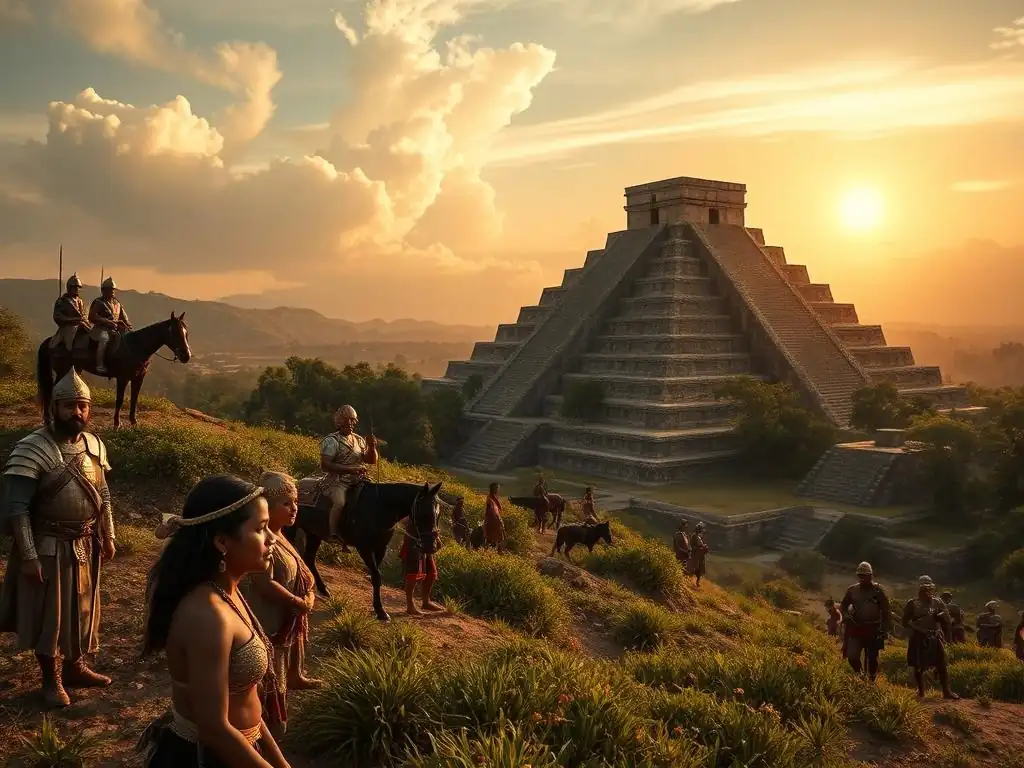
Reflection on the Impact of Spanish Conquest on Indigenous Civilizations
The impact of Spanish conquest in Mesoamerica is profound and multifaceted, altering the course of indigenous civilizations in ways that continue to resonate today. The Spanish arrival not only resulted in the collapse of powerful empires like the Aztecs but also initiated a series of transformations that reshaped social, cultural, and economic landscapes.
One of the most significant consequences was the demographic shift due to disease. European pathogens, such as smallpox, decimated indigenous populations, leading to an estimated 90% decline in some areas. This catastrophic loss of life disrupted the social fabric of these civilizations, leading to power vacuums and the subsequent domination by Spanish forces.
Culturally, the conquest resulted in the intermingling of traditions. While many indigenous practices were suppressed, others were integrated into the colonial framework, resulting in a unique blend of Spanish and indigenous cultures. This syncretism is evident in modern Mexican traditions, where pre-Columbian practices coexist with Spanish customs.
Economically, the introduction of the encomienda system restructured labor dynamics, forcing indigenous peoples into servitude and altering traditional agricultural practices. This system not only exploited indigenous labor but also led to the introduction of new crops and livestock, fundamentally changing Mesoamerican agriculture.
The legacy of the Spanish conquest remains a subject of critical analysis, as it laid the groundwork for modern nation-states in Latin America while simultaneously erasing many aspects of indigenous cultures. Understanding this impact is vital in recognizing the resilience of these communities and their ongoing struggles for rights and recognition.
The Importance of Understanding This Historical Context
To fully appreciate the complexities of Mesoamerica's history, it is essential to understand the historical context surrounding the Spanish conquest. The events of the 16th century were not merely the result of individual actions but rather the culmination of socio-political dynamics that had been evolving for centuries.
By studying the impact of Spanish conquest in Mesoamerica, we gain insights into the broader implications of colonization, including the ways in which indigenous peoples adapted to and resisted foreign domination. This historical awareness fosters a deeper understanding of contemporary issues faced by indigenous communities, such as land rights, cultural preservation, and political sovereignty.
Moreover, recognizing the nuances of this history helps dismantle simplistic narratives of conquest that often glorify European triumphs while overlooking the rich histories of the indigenous civilizations that were fundamentally altered. This understanding not only honors the past but also informs current dialogues on cultural identity and reconciliation.
Call to Action: Recognizing and Honoring Indigenous Heritage
As we reflect on the impact of Spanish conquest in Mesoamerica, it is imperative to actively engage in recognizing and honoring the heritage of indigenous peoples. Here are some actionable steps:
- Educate Yourself and Others: Dive deeper into the histories of indigenous civilizations and share this knowledge within your community. Books, documentaries, and local workshops are great resources.
- Support Indigenous Voices: Seek out and amplify the work of indigenous authors, artists, and activists. Their perspectives are crucial in understanding the ongoing impact of colonization.
- Participate in Cultural Events: Attend local events that celebrate indigenous cultures, such as festivals, art exhibits, and traditional ceremonies. This participation fosters appreciation and respect for their heritage.
- Advocate for Indigenous Rights: Engage in advocacy efforts that support the rights of indigenous peoples, including land rights, cultural preservation, and political representation.
By taking these steps, we contribute to a more inclusive understanding of history and promote the recognition of the vibrant cultures that continue to thrive in Mesoamerica today. Together, we can honor the legacy of indigenous civilizations and their resilience in the face of historical challenges.
References and Further Reading
Suggested Books and Articles on the Spanish Conquest and Mesoamerica
-
"The Conquest of New Spain" by Bernal Díaz del Castillo
This firsthand account by a soldier who participated in the conquest provides a vivid portrayal of the events and experiences during the Spanish invasion. Díaz's narrative offers invaluable insights into both the perspectives of the conquerors and the indigenous peoples.
-
"1491: New Revelations of the Americas Before Columbus" by Charles C. Mann
Mann challenges traditional narratives by detailing the advanced civilizations that existed in the Americas prior to European contact. His analysis sets the stage for understanding the profound impact of the Spanish conquest on these societies.
-
"The Aztecs" by Richard F. Townsend
This comprehensive study covers the history, culture, and eventual downfall of the Aztec Empire due to Spanish conquest. Townsend's work highlights the achievements of the Aztecs while examining the consequences of their subjugation.
-
"Conquerors: How Portugal and Spain Became the First Global Empires" by Michael P. O'Hanlon
This book explores the broader context of the Spanish conquest, detailing how the conquests in Mesoamerica were part of a larger effort by European powers to establish global empires.
-
"The Broken Spears: The Aztec Account of the Conquest of Mexico" by Miguel León-Portilla
This collection of Nahuatl accounts provides a unique indigenous perspective on the Spanish conquest, capturing the voices of the people who witnessed the devastation of their civilization.
Online Resources for Exploring Indigenous Civilizations
-
The Library of Congress: "The Spanish Conquest"
An extensive online collection featuring primary sources, maps, and articles related to the Spanish conquest of the Americas. This resource provides a wealth of information for those interested in the impact of Spanish conquest in Mesoamerica.
-
Smithsonian National Museum of the American Indian - "Mesoamerican Cultures"
This resource offers detailed information on the indigenous cultures of Mesoamerica, showcasing their achievements and the lasting impact of European colonization.
-
Digital Public Library of America - "Indigenous Peoples of the Americas"
A vast database containing images, documents, and narratives that explore the rich histories of indigenous civilizations across the Americas, including Mesoamerica.
-
The British Museum: "Aztec"
This online exhibition features artifacts, images, and interpretative texts that provide insights into the lives and culture of the Aztec civilization before and after the Spanish conquest.
-
H-Net: Humanities and Social Sciences Online - "Spanish Colonial History"
A scholarly network that provides access to reviews, discussions, and resources about the history of the Spanish colonization in the Americas, with a focus on Mesoamerican contexts.
These resources collectively enhance the understanding of the impact of Spanish conquest in Mesoamerica, offering both scholarly insights and indigenous perspectives on this transformative period in history.
Frequently Asked Questions
What were the major effects of the Spanish conquest on Mesoamerican societies?
The Spanish conquest led to significant social, cultural, and economic changes, resulting in the decline of indigenous populations and the imposition of European customs and governance.
How did the Spanish conquest impact indigenous religions in Mesoamerica?
Many indigenous religions were suppressed or transformed during the conquest, as the Spanish sought to promote Christianity, leading to a blending of beliefs and practices.
What role did disease play in the impact of the Spanish conquest?
Diseases brought by the Spanish, such as smallpox, decimated indigenous populations, drastically altering the demographic landscape of Mesoamerica and weakening resistance to colonization.
How did the Spanish conquest affect Mesoamerican economies?
The conquest disrupted existing economic systems, leading to the introduction of European agricultural practices and trade networks, which often exploited indigenous labor.
What is the lasting impact of the Spanish conquest on modern Mesoamerican cultures?
The cultural legacy of the Spanish conquest is evident today in language, traditions, and social structures, as many modern Mesoamerican societies still reflect a blend of indigenous and Spanish influences.
Final Reflection: The Enduring Impact of the Spanish Conquest on Mesoamerica
The impact of the Spanish conquest on Mesoamerica is not merely a historical event but a profound transformation that continues to resonate in contemporary society. The conquest reshaped not only the physical landscape but also the cultural, social, and political frameworks of the region. Today, as we navigate a world increasingly aware of its colonial past, we must confront the legacies of these historical shifts and understand their implications for our present and future.
The Spanish conquest has left an indelible mark on the cultural and social landscape of Mesoamerica, influencing everything from language to religion and identity. As we reflect on this complex history, it becomes clear that the echoes of the past are ever-present in the lives of those who inhabit this region today. History is not a burden on the memory but an illumination of the soul.
This ongoing influence challenges us to recognize the resilience of indigenous cultures and the ways in which they have adapted and thrived despite centuries of colonization.
As we conclude this exploration, I invite you to reflect on the lessons learned from the Spanish conquest and its lasting effects. Consider how these historical narratives shape our understanding of identity, culture, and power dynamics in today's world. Let this reflection inspire you to engage with history critically and empathetically, recognizing the importance of honoring diverse voices and experiences as we move forward together.
Embrace the Legacy: Dive Deeper into Mesoamerica's History!
Thank you for exploring how the Spanish Conquest reshaped Mesoamerica's landscape. Your interest in this pivotal moment provides valuable insight into the intertwining histories that continue to influence the region today. Now, it's time to take action and deepen your understanding!
- Visit a local museum or an online exhibition dedicated to Indigenous cultures to uncover artifacts and stories that reveal this rich history.
- Engage with your peers by sharing your thoughts and insights from this article on social media to spark conversations about the impact of historical events.
- Get involved in a community group that focuses on promoting Indigenous history and culture to connect with others who are passionate about preserving this legacy.
What aspect of Mesoamerica's history fascinates you the most, and how do you think it shapes our understanding of today's diverse cultures?