
Jewelry of the Americas: A Comparative Study of Regional Styles and Techniques

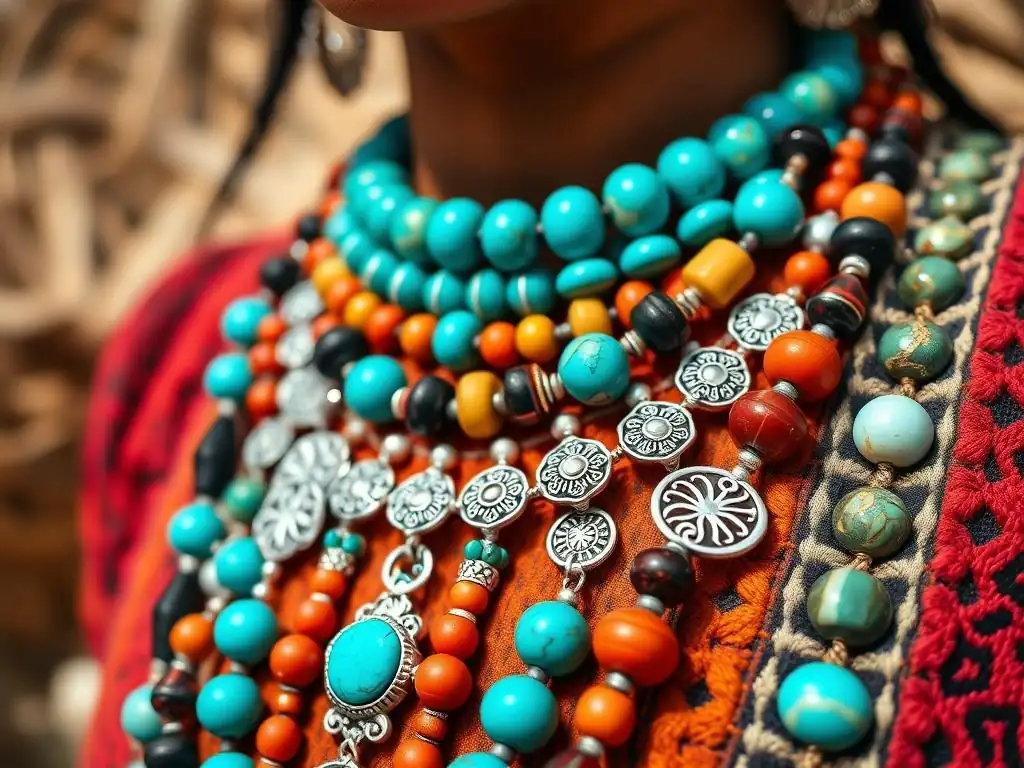
Welcome to Indigenous Civilizations of the Americas, where we invite you to embark on an enlightening journey through the rich tapestry of indigenous cultures that flourished long before European colonization. In our featured article, "Jewelry of the Americas: A Comparative Study of Regional Styles and Techniques," we delve into the intricate world of indigenous jewelry styles across the Americas.
Discover how these stunning creations not only reflect artistic mastery but also embody the profound stories and traditions of their makers. Prepare to be captivated as you explore the artistry and heritage that continue to resonate today—your adventure into the heart of these vibrant civilizations begins now!
- Indigenous Jewelry Styles in the Americas: An Overview of Regional Craftsmanship
- Comparative Study of Indigenous Jewelry Styles Across the Americas
- Techniques and Methods in Indigenous Jewelry Making
- Recommendations for Collectors and Enthusiasts of Indigenous Jewelry
-
Frequently Asked Questions
- What are the main types of indigenous jewelry styles found in the Americas?
- How has European colonization affected indigenous jewelry craftsmanship?
- What role does jewelry play in indigenous cultures?
- Are there specific materials that are commonly used in indigenous jewelry?
- How can one learn more about the various regional styles of indigenous jewelry?
- Final Reflection: The Timeless Legacy of Indigenous Jewelry Styles in the Americas
- Unveil the Beauty of Indigenous Jewelry: Take Action Today!
Indigenous Jewelry Styles in the Americas: An Overview of Regional Craftsmanship
Jewelry has long been an integral part of indigenous cultures across the Americas, serving not only as a form of adornment but also as a powerful medium for storytelling and cultural expression. This article delves into the rich tapestry of indigenous jewelry styles that emerged prior to European colonization, emphasizing the unique techniques and materials utilized by various regions.
From the intricate beadwork of the Great Plains to the stunning silverwork of the Southwest, the diverse craftsmanship reflects the values, beliefs, and social structures of the indigenous peoples. By examining these regional styles, we can gain insight into how jewelry transcended mere decoration to become a vital part of identity and heritage, influencing contemporary practices and continuing to resonate in modern indigenous art.
Understanding Indigenous Jewelry: A Cultural Perspective
Indigenous jewelry is much more than a collection of beautiful items; it embodies the historical and cultural narratives of the communities that create them. Each piece tells a story, often connected to spiritual beliefs, social status, or communal identity. For instance, among the Navajo, turquoise is not only prized for its beauty but is also believed to carry protective qualities, symbolizing harmony and connection to the earth. Similarly, the Inuit often crafted jewelry from materials like bone and ivory, which reflect their deep relationship with the Arctic environment.
In different regions, styles and techniques vary widely, influenced by available resources, cultural exchanges, and historical contexts:
- Northeast Woodlands: Known for their beadwork and the use of shells, indigenous peoples here often incorporate natural elements into their jewelry, creating connections to their environment.
- Southeast: The use of copper and silver became prominent, with intricate designs that often symbolize tribal affiliations and spiritual beliefs.
- Southwest: The Navajo and Hopi peoples are renowned for their silverwork and the incorporation of gemstones, which often reflect the colors and textures of their desert landscapes.
These diverse indigenous jewelry styles serve as a testament to the creativity and cultural significance embedded in each piece. Understanding these regional differences not only enhances our appreciation of indigenous craftsmanship but also underscores the importance of preserving these traditions in the face of modern challenges. As we explore the various indigenous jewelry styles throughout the Americas, we can celebrate the resilience and artistry of these communities, ensuring that their legacies continue to inspire future generations.
Comparative Study of Indigenous Jewelry Styles Across the Americas
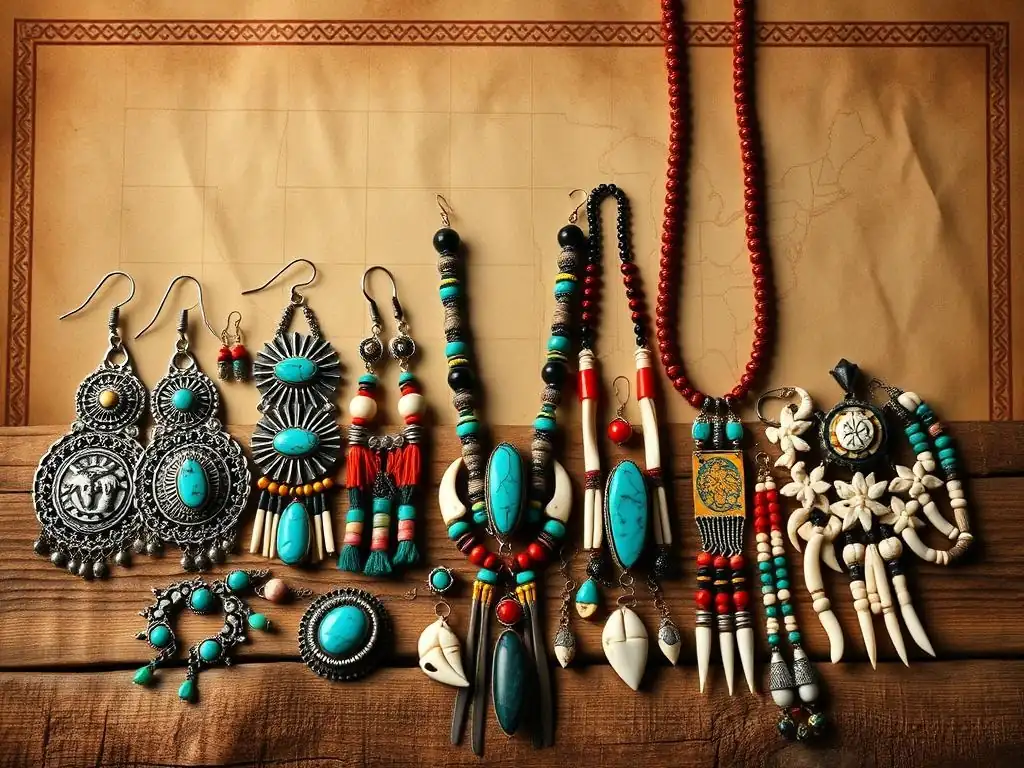
The indigenous jewelry styles of the Americas reflect the rich cultural heritage and artistic expression of the diverse communities that inhabited the continent. Each region boasts unique techniques, materials, and symbolism, showcasing the intricate relationship between these societies and their environments. This comparative study of indigenous jewelry styles across North America, Central America, and South America highlights the distinct characteristics and shared elements that define their artistry.
North American Indigenous Jewelry Styles
North American indigenous jewelry is characterized by its use of natural materials and intricate craftsmanship. Many tribes, such as the Navajo, Hopi, and Sioux, have developed unique styles that reflect their cultural identities and spiritual beliefs.
- Navajo Silverwork: The Navajo people are renowned for their silver jewelry, often incorporating turquoise and other gemstones. Techniques such as stone setting, overlay, and inlay are commonly used, resulting in stunning pieces that tell stories of heritage and connection to the land. The use of silver became prominent in the late 19th century, influenced by trade with Europeans.
- Hopi Overlay Technique: The Hopi tribe utilizes a distinctive overlay technique where two layers of metal are soldered together. The top layer is then cut away to reveal intricate designs symbolizing nature and spirituality. This technique not only showcases artistic skill but also carries deep cultural significance, often representing the interconnectedness of life.
- Sioux Beadwork: Beadwork is a significant aspect of Sioux jewelry, with vibrant colors and intricate patterns. Traditionally made from glass beads, these pieces often depict animals or geometric designs, embodying the tribe's history and beliefs. The use of porcupine quills in earlier designs adds to the uniqueness of their craftsmanship.
Central American Indigenous Jewelry Styles
Central American indigenous jewelry is heavily influenced by the rich history and mythology of its civilizations, such as the Maya and Aztec. The use of gold, jade, and intricate designs highlights the importance of these materials in cultural practices.
- Maya Jade Jewelry: The ancient Maya civilization held jade in high esteem, symbolizing life and fertility. Jewelry pieces, including necklaces, earrings, and ceremonial masks, were crafted from jade and often adorned with intricate carvings and symbolism. The craftsmanship involved advanced techniques such as polishing and drilling, showcasing the high level of skill possessed by Maya artisans.
- Aztec Goldsmithing: The Aztecs were skilled goldsmiths, producing elaborate jewelry that indicated social status and religious significance. Pieces often included intricate designs featuring animal motifs, such as jaguars and eagles, and were frequently used in rituals. The technique of lost-wax casting allowed artisans to create detailed and unique jewelry pieces that were both functional and ornamental.
- Traditional Textiles and Jewelry: In addition to metalwork, Central American indigenous cultures often incorporated textiles into their jewelry designs. Woven bracelets and necklaces adorned with colorful threads and beads represent the fusion of textile and metal craftsmanship, creating a distinctive style that speaks to cultural identity.
South American Indigenous Jewelry Styles
South American indigenous jewelry reflects the region's diverse cultures and rich natural resources. The use of vibrant colors, intricate designs, and a variety of materials showcases the artistic expression of indigenous groups like the Inca, Quechua, and Mapuche.
- Inca Gold Jewelry: The Inca Empire is famous for its extravagant gold jewelry, often crafted for ceremonial purposes. Gold was not only a symbol of wealth but also of the sun, which played a central role in Inca cosmology. Techniques such as repoussé (hammered relief) were used to create stunning pieces featuring celestial motifs and intricate designs.
- Quechua Silver and Gemstone Work: The Quechua people are known for their silver jewelry, often combined with semi-precious stones like lapis lazuli and turquoise. Their designs frequently incorporate symbols of nature, such as mountains and rivers, reflecting their deep connection to the Andean landscape. The craftsmanship is not only aesthetic but also holds spiritual significance.
- Mapuche Traditional Jewelry: The Mapuche people of southern Chile and Argentina use silver and copper in their jewelry, often incorporating traditional symbols that represent their connection to the earth and ancestors. Unique techniques such as filigree and granulation are employed to create intricate designs that honor their cultural heritage.
Through this comparative study, it becomes clear that the indigenous jewelry styles across the Americas are not merely decorative but are imbued with cultural significance and historical context. Each region showcases its artistic traditions, reflecting the diverse ways in which indigenous peoples have expressed their identities through the art of jewelry making. As we continue to explore these styles, we gain a deeper appreciation for the ingenuity and resilience of indigenous cultures throughout history.
Techniques and Methods in Indigenous Jewelry Making
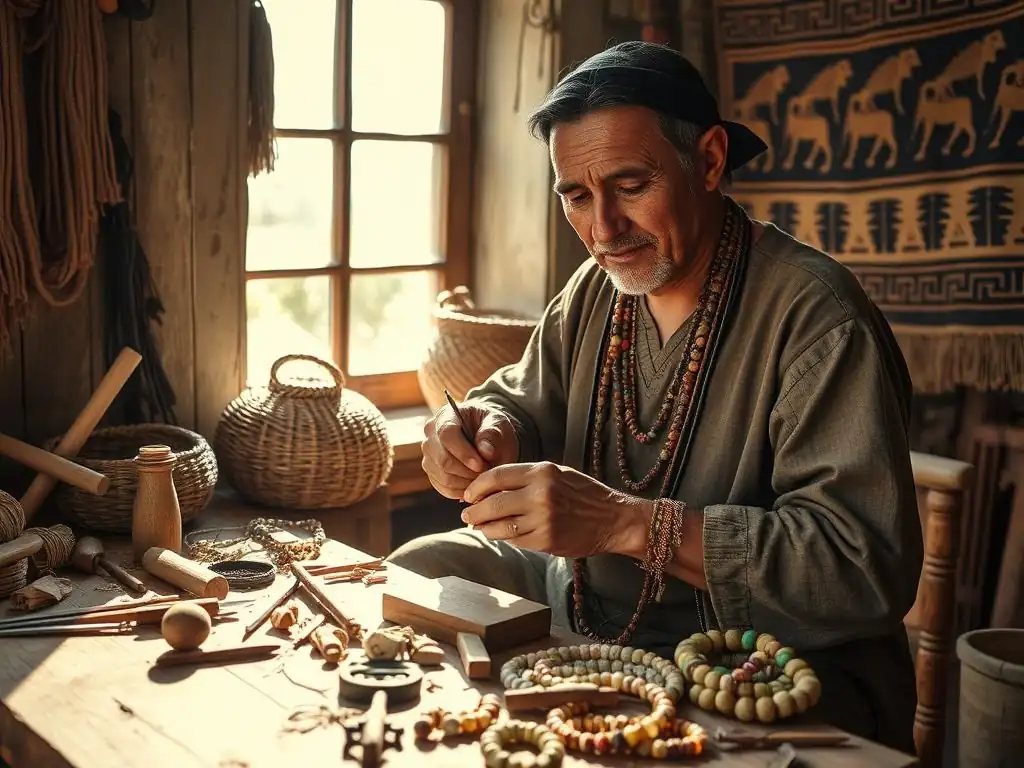
Traditional Techniques Passed Down Through Generations
Indigenous jewelry making in the Americas is characterized by a rich tapestry of traditional techniques that have been meticulously passed down through generations. These methods reflect not only artistic skill but also cultural beliefs and practices inherent to each community.
- Metalworking: Many Indigenous cultures, such as the Inca and the Maya, excelled in metalworking, particularly with materials like gold, silver, and copper. Techniques such as lost-wax casting were used to create intricate designs. Artisans would carve a model in wax, encase it in clay, and then heat it to melt the wax, leaving a mold for metal pouring.
- Beading and Weaving: The use of beads made from a variety of materials, including bone, shell, and glass, is prevalent among tribes such as the Navajo and Ojibwe. Techniques like loom weaving and flat stitch beading result in vibrant patterns that tell stories or symbolize particular spiritual beliefs.
- Stone Carving: In regions such as the Northwest Coast, Indigenous artisans carved jewelry from materials like jade, turquoise, and other semi-precious stones. Techniques include filigree and inlay, where stones are meticulously set into metal or wood, creating stunning visual contrasts.
- Raw Material Sourcing: Traditional jewelry often reflects a deep connection to nature. Artisans would source materials locally, using stones, shells, and plant fibers. This practice not only honors the environment but also preserves the cultural heritage tied to specific resources.
The use of these techniques is not merely aesthetic; they embody the identity and history of the Indigenous peoples, showcasing their adaptability and creativity through the ages.
Modern Influences on Indigenous Jewelry Styles
In recent years, contemporary influences have begun to shape traditional indigenous jewelry styles, resulting in a dynamic evolution of techniques and aesthetics. As artisans blend modern materials and designs with ancestral practices, they create innovative works that resonate with both traditional and modern audiences.
- Incorporation of New Materials: Today's jewelry makers often utilize materials such as resin, synthetic stones, and recycled metals alongside traditional elements. This blend allows for greater experimentation and accessibility, appealing to a broader market.
- Fusion of Styles: Many contemporary Indigenous artists are embracing a fusion of styles, merging traditional motifs with modern artistic expressions. For instance, the Navajo and Pueblo artists have incorporated geometric designs and bold colors influenced by pop culture, resulting in unique pieces that attract attention.
- Cultural Revitalization: The modern movement towards cultural revitalization has led many artisans to reinterpret traditional designs for current contexts, often focusing on themes of identity and heritage. This can be seen in pieces that celebrate community narratives or social issues, thus adding a layer of meaning to the jewelry.
- Globalization and Market Expansion: With the rise of online marketplaces and social media, Indigenous jewelry has gained international visibility. Artisans can share their work beyond local communities, bringing traditional methods to a global audience while retaining the essence of their cultural identity.
These modern influences represent a crucial dialogue between the past and present, ensuring that indigenous jewelry styles in the Americas continue to evolve while honoring their rich heritage. The interplay of tradition and innovation not only enriches the jewelry-making process but also strengthens the cultural narratives that these pieces embody.
Recommendations for Collectors and Enthusiasts of Indigenous Jewelry
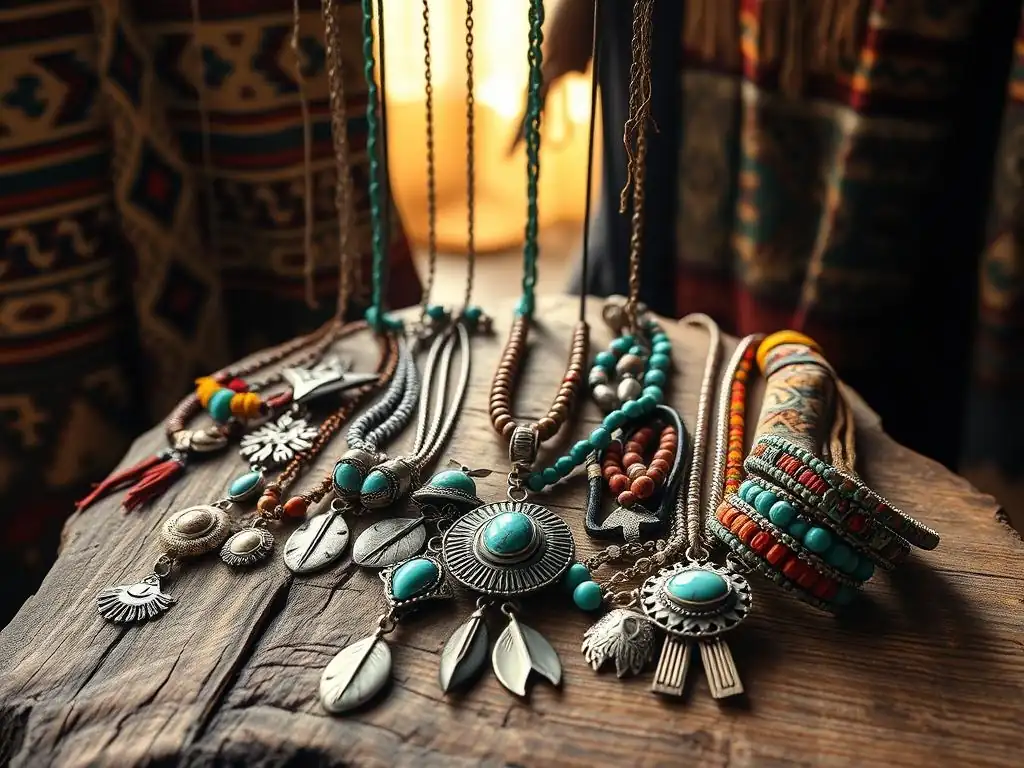
Where to Find Authentic Indigenous Jewelry
Finding authentic indigenous jewelry styles in the Americas requires a discerning eye and a commitment to supporting indigenous artisans. Here are some key places to seek out genuine pieces:
- Artisan Markets: Many indigenous communities host artisan markets where local craftspeople sell their handmade jewelry. These markets provide an opportunity to purchase directly from the creators, ensuring that the jewelry is authentic and often benefiting the community economically.
- Cultural Centers and Museums: Numerous cultural centers and museums across the Americas showcase indigenous art and often have gift shops featuring authentic jewelry. Visiting these institutions not only supports the artists but also provides educational context about the pieces.
- Online Platforms: Websites dedicated to indigenous arts and crafts, such as Etsy or dedicated indigenous artisans’ sites, can be valuable resources. Look for sellers who provide clear information about the provenance of their items and the cultural significance behind their designs.
- Tribal Events and Powwows: Attending tribal events, powwows, or cultural festivals can offer unique opportunities to purchase jewelry directly from indigenous artists. These gatherings often celebrate traditional artistry and provide a platform for artisans to showcase their work.
Tips for Buying Indigenous Jewelry
When purchasing indigenous jewelry, it’s essential to approach the process with respect and knowledge. Here are some tips to ensure a meaningful and authentic buying experience:
- Research the Artist or Community: Understanding the background of the artist or the community behind the jewelry can enhance the significance of your purchase. Look into the specific styles and techniques they use, as well as the cultural stories they convey through their art.
- Ask Questions: Don’t hesitate to inquire about the materials, techniques, and cultural significance of the jewelry. Authentic artisans will often be eager to share the stories behind their work, which can deepen your appreciation for the piece.
- Look for Quality Craftsmanship: Authentic indigenous jewelry is often characterized by meticulous craftsmanship. Check for details such as:
- Material Quality: Examine whether the materials (like silver, stones, or beads) are genuine and of high quality.
- Technique: Familiarize yourself with the specific techniques associated with different indigenous groups, such as silversmithing in the Southwest or beadwork in the Great Plains.
- Support Fair Trade Practices: Ensure that your purchase supports fair trade practices, meaning the artisans receive fair compensation for their work. This helps sustain their cultural heritage and provides them with economic opportunities.
- Consider the Cultural Context: Keep in mind the cultural significance of the jewelry you are purchasing. Many pieces are imbued with spiritual meaning or are used in specific ceremonies. Respecting this context not only enriches your understanding but also honors the traditions of the indigenous cultures.
By following these recommendations and tips, collectors and enthusiasts can cultivate a deeper appreciation for indigenous jewelry styles in the Americas, ensuring their collections are both authentic and respectful of the rich cultural narratives they represent.
Frequently Asked Questions
What are the main types of indigenous jewelry styles found in the Americas?
The indigenous jewelry styles vary widely across regions, featuring materials like silver, turquoise, and beads. Each culture has its own unique techniques and designs that reflect their heritage and traditions.
How has European colonization affected indigenous jewelry craftsmanship?
European colonization introduced new materials and tools, which influenced indigenous jewelry techniques. However, many artisans have maintained their traditional methods while incorporating new styles, preserving their cultural identity.
What role does jewelry play in indigenous cultures?
Jewelry serves as a significant form of self-expression, often symbolizing status, spiritual beliefs, and cultural identity. It is used in rituals, ceremonies, and as a means of storytelling about the community's history.
Are there specific materials that are commonly used in indigenous jewelry?
Yes, common materials include silver, turquoise, shells, and wood. These materials are often chosen for their cultural significance and availability, showcasing the creativity and resourcefulness of indigenous artisans.
How can one learn more about the various regional styles of indigenous jewelry?
Exploring resources like the website on Indigenous Civilizations of the Americas offers a detailed study of regional styles and techniques. Visiting museums and cultural events can also provide insight into the rich diversity of indigenous jewelry.
Final Reflection: The Timeless Legacy of Indigenous Jewelry Styles in the Americas
The intricate beauty of indigenous jewelry styles in the Americas resonates profoundly with contemporary society, reminding us of the rich cultural narratives woven into each piece. Today, as we navigate a world increasingly driven by mass production and globalization, the unique craftsmanship and deep-rooted traditions of these regional styles stand as a testament to the resilience and creativity of indigenous communities. The artistry found in these pieces is not merely ornamental; it is a vibrant expression of identity, history, and connection to the land.
Culture is not static; it evolves and influences the world around it. The jewelry of the Americas serves as a bridge between past and present, showcasing the diverse techniques and materials that have been passed down through generations. This ongoing influence is evident in modern fashion and art, where indigenous motifs and styles are celebrated and integrated into contemporary design. As noted by art historian Dr. Anna F. Smith, Jewelry is a language of its own, speaking volumes about the culture and identity of its makers.
This statement encapsulates the profound impact that these indigenous styles continue to have on our understanding of cultural heritage and artistic expression.
As we reflect on the significance of indigenous jewelry styles, let us embrace the lessons they impart about authenticity, craftsmanship, and cultural pride. I invite you to explore the stories behind these beautiful creations, to appreciate the artistry and heritage they represent, and to consider how you can incorporate this appreciation into your own life. Whether through supporting indigenous artisans, learning about their techniques, or simply wearing these pieces with respect and understanding, we can all play a part in honoring and preserving the rich legacy of jewelry in the Americas.
Unveil the Beauty of Indigenous Jewelry: Take Action Today!
Thank you for immersing yourself in the rich tapestry of jewelry styles and techniques from the Americas. By exploring the intricate artistry and cultural significance of these creations, you’ve gained valuable insights into a vibrant heritage. Now, it's time to transform your understanding into action!
Here are a few ways you can further engage with this fascinating topic:
- Dive Deeper: Visit local museums or explore online exhibits featuring indigenous jewelry to appreciate these stunning pieces up close. Validate your knowledge by researching specific artists or styles that have captured your interest.
- Create Your Own: Express your creativity by crafting a simple piece of jewelry inspired by the techniques you've learned about. Share your creation with friends or on social media to showcase your understanding of diverse regional styles!
- Engage with the Community: Participate in forums or social media groups dedicated to indigenous art and culture. Share your thoughts and learn from others who are passionate about preserving and promoting these traditional crafts.
What piece of indigenous jewelry resonates with you the most, and how would you like to incorporate its story into your life?