
Rituals and Ceremonies in Tikal: Spiritual Life in a Monumental City

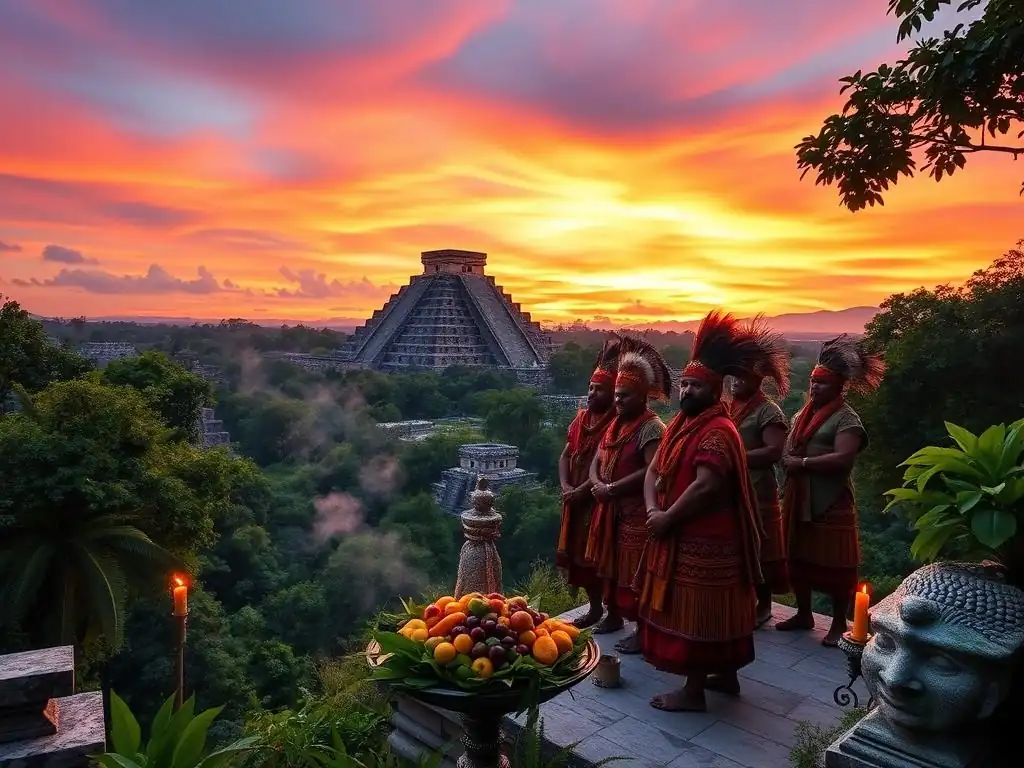
Welcome to Indigenous Civilizations of the Americas, where we invite you to embark on a captivating journey through the rich tapestry of indigenous cultures that flourished long before European contact. Today, we delve into the enchanting world of Tikal rituals and ceremonies, uncovering the spiritual practices that shaped the lives of the ancient Maya in this monumental city. What secrets lie within the grand pyramids and sacred spaces of Tikal? Join us as we explore these profound rituals and their lasting impact, sparking your curiosity to discover more about the vibrant societies that once thrived here.
- Introduction to Tikal: Spiritual Life in a Monumental City
- Understanding Tikal Rituals and Ceremonies
- The Role of Tikal Rituals in Daily Life
- Notable Tikal Rituals and Ceremonies
- Archaeological Discoveries Related to Tikal Rituals
- Conclusion: The Legacy of Tikal Rituals and Ceremonies
- Further Reading on Tikal and Maya Spiritual Practices
-
Frequently Asked Questions
- What were the main rituals and ceremonies conducted in Tikal?
- How did Tikal's rituals influence its society?
- What role did sacred sites play in Tikal's ceremonies?
- How did the spiritual beliefs of Tikal shape its architecture?
- What impact did European colonization have on Tikal's spiritual traditions?
- Final Reflection: The Enduring Legacy of Tikal's Rituals and Ceremonies
- Ignite Your Spiritual Journey: Explore Tikal Today!
Introduction to Tikal: Spiritual Life in a Monumental City
Tikal, one of the most prominent archaeological sites of the ancient Maya civilization, stands as a testament to the rich spiritual and cultural life that flourished in the Americas long before European contact. Nestled in the heart of the Guatemalan rainforest, Tikal was not only a bustling urban center but also a significant religious hub where rituals and ceremonies played a pivotal role in the daily lives of its inhabitants.
This article delves into the intricate tapestry of Tikal rituals and ceremonies, exploring how they reflected the profound spiritual beliefs and societal structures of the Maya civilization. By examining the various practices that characterized this monumental city, we aim to uncover the layers of meaning behind these ancient traditions and their enduring impact on contemporary understandings of Maya culture.
Overview of Tikal's Historical Significance
Tikal, known as one of the largest and most powerful city-states of the Maya civilization, thrived from approximately 200 to 900 CE. Its historical significance is multifaceted, encompassing political, economic, and religious dimensions. The city is home to towering pyramids, expansive plazas, and intricate carvings, all of which attest to its architectural and artistic achievements.
- Political Center: Tikal served as a political powerhouse, exerting influence over neighboring city-states through warfare, alliances, and trade.
- Economic Hub: The city’s strategic location facilitated trade routes that connected various regions, allowing for the exchange of goods and cultural ideas.
- Religious Epicenter: Tikal's grand temples and altars were not just architectural marvels but also sites of worship and ritual, underscoring the city’s role as a spiritual center for the Maya.
The confluence of these elements created a unique environment in which rituals and ceremonies could thrive, deeply embedding them into the fabric of Tikal's society.
Importance of Rituals and Ceremonies in Maya Culture
Rituals and ceremonies were integral to Maya culture, serving as expressions of spirituality, community, and identity. In Tikal, these practices were not merely ceremonial; they were vital to maintaining harmony with the cosmos and ensuring the favor of the gods.
- Spiritual Connection: Rituals were a means of communicating with deities, seeking guidance, and ensuring agricultural fertility. The Maya believed that their actions could influence the divine realm, making ceremonies a crucial aspect of their worldview.
- Community Cohesion: Ceremonies often involved communal participation, fostering a sense of belonging and reinforcing social bonds. Events such as harvest festivals, initiation rites, and royal ceremonies brought people together, strengthening the social fabric.
- Cultural Preservation: Through rituals, the Maya transmitted their beliefs, values, and history across generations. These practices helped to preserve their cultural identity amidst changing political landscapes.
The significance of Tikal rituals and ceremonies extends beyond their immediate context, offering insights into the complexity of Maya civilization and its enduring legacy in the Americas.
Understanding Tikal Rituals and Ceremonies
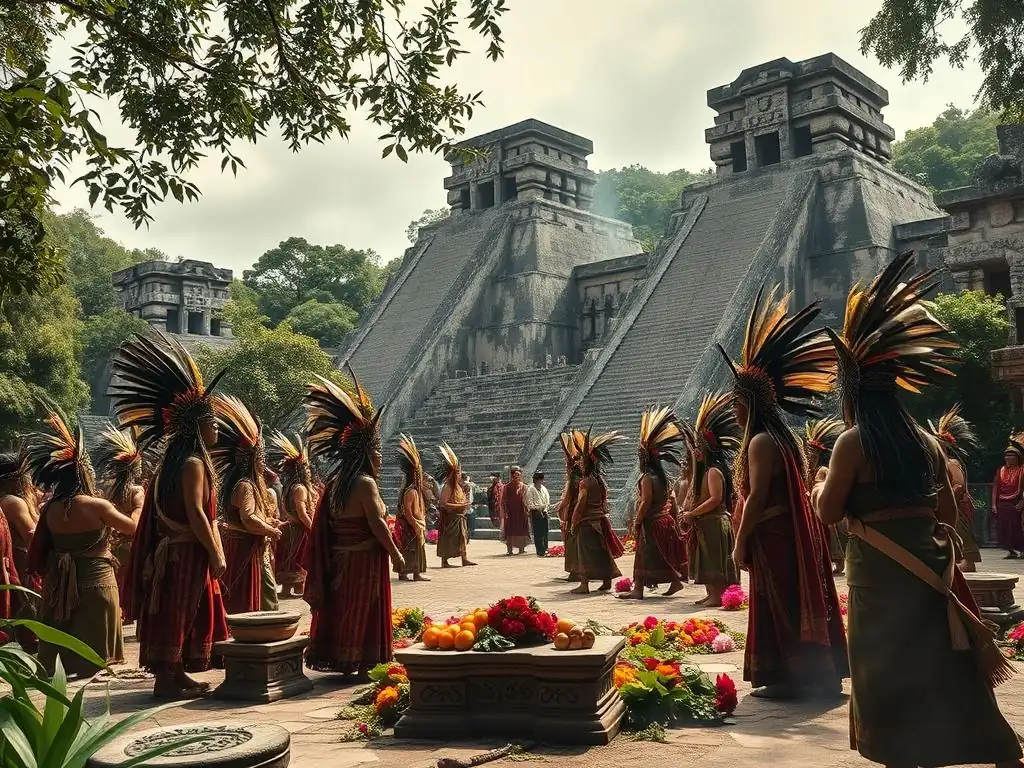
Definition of Rituals in Ancient Maya Society
Rituals in ancient Maya society were integral to the cultural and spiritual fabric of their communities. These ceremonies were not merely ceremonial acts; they were profound expressions of belief systems that connected the Maya with their gods, ancestors, and the natural world. Rituals served various purposes, including maintaining cosmic order, soliciting agricultural fertility, and honoring the deceased.
The Maya viewed time as cyclical, and rituals were often tied to specific calendar events, marking significant agricultural cycles, celestial events, or mythological narratives. The Maya calendar, consisting of the Tzolk'in (260 days) and the Haab' (365 days), played a crucial role in determining the timing of these rituals. Each ritual was carefully planned and executed, involving a combination of music, dance, offerings, and sometimes, bloodletting to appease the deities.
Types of Ceremonies Practiced in Tikal
Tikal, one of the most significant cities of the Maya civilization, was a vibrant center for various rituals and ceremonies, reflecting the complexity of its society. The ceremonies practiced in Tikal can be broadly categorized into three main types:
Religious Ceremonies
Religious ceremonies were central to Maya spirituality, with Tikal serving as a focal point for worship and communal gatherings. These ceremonies often involved:
- Offerings: Ritualistic offerings of food, incense, and valuable items such as jade were made to the gods to ensure their favor and protection.
- Sacrifices: Bloodletting, often performed by rulers or priests, was a common practice. This act was believed to nourish the gods and maintain the balance of the cosmos.
- Public Festivals: Large-scale festivals, often coinciding with astronomical events, would attract participants from neighboring city-states. These gatherings included elaborate processions, dance performances, and the reenactment of mythological stories.
Religious ceremonies at Tikal were not only a means of worship but also a display of political power, as rulers used these events to solidify their authority and influence.
Agricultural Rituals
Agricultural rituals were fundamental to the survival of the Maya, particularly in a region where agriculture was heavily dependent on seasonal rains. In Tikal, these rituals included:
- Planting and Harvesting Ceremonies: Specific rituals were conducted to invoke the rain gods and ensure a bountiful harvest. These involved community gatherings where offerings were made to the gods at the start of planting and during harvest time.
- Ritualistic Fields: Certain fields were considered sacred and were specifically set aside for rituals, demonstrating the deep connection between agriculture and spirituality in Maya life.
These agricultural rituals underscored the importance of harmony between humans and nature, a key principle in Maya cosmology.
Funerary Practices
Funerary practices in Tikal reflected the Maya's beliefs about death and the afterlife. The rituals surrounding death were elaborate and varied, involving:
- Burial Ceremonies: The deceased were often buried with grave goods, including pottery, tools, and personal items, which were believed to assist them in the afterlife. Elite individuals might be interred within monumental structures or pyramids, indicating their status.
- Ritual Mourning: The community participated in mourning rituals that could last several days, involving feasting, music, and offerings to honor the deceased and ensure their safe passage to the afterlife.
- Ancestor Worship: The Maya maintained a strong connection with their ancestors, and rituals were performed to honor them, seeking their guidance and blessings in daily life.
Through these funerary practices, the Maya demonstrated their belief in the continuity of life after death, emphasizing the importance of lineage and community ties.
Tikal rituals and ceremonies were not just religious acts; they encapsulated the Maya worldview, intertwining their spirituality with agricultural cycles and the reverence for ancestors. Understanding these practices provides valuable insight into the complexity of Maya society and its enduring legacy.
The Role of Tikal Rituals in Daily Life
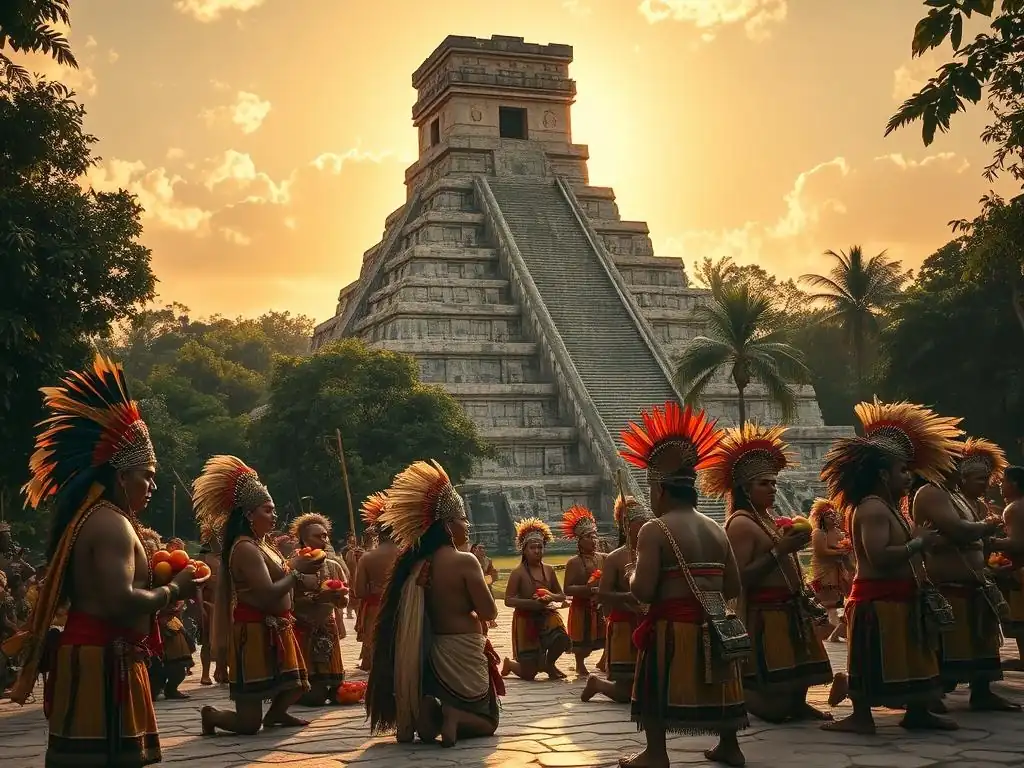
Tikal, one of the most significant cities of the ancient Maya civilization, functioned not only as a political and economic hub but also as a center of profound spiritual life. Rituals and ceremonies in Tikal played a vital role in the daily lives of its inhabitants, influencing various aspects of their existence, from agricultural practices to community relationships. Understanding the depth and significance of these rituals provides insight into the intricate tapestry of life in this monumental city.
Connection Between Rituals and Community Cohesion
Rituals in Tikal were essential for fostering community cohesion among its diverse inhabitants. They served as a platform for collective identity, bringing together individuals from various social strata to participate in shared beliefs and practices. The communal aspect of rituals can be seen in several ways:
- Public Festivals: Events such as the K'atun ceremonies, which celebrated the end of a 20-year cycle, were significant gatherings that allowed community members to engage in festivities, reaffirming their shared identity and beliefs.
- Ritual Feasting: Rituals often included communal meals, which not only nourished the body but also strengthened social bonds. These feasts were typically tied to agricultural cycles, ensuring that the community came together during critical times in their farming calendar.
- Shared Responsibilities: Participation in rituals reinforced collective responsibilities. Community members were often assigned roles, from preparing offerings to performing dances, fostering a sense of belonging and mutual reliance.
Through these various forms of engagement, rituals acted as a social glue, binding the community together in shared spiritual and cultural practices.
Rituals as a Means of Communication with Deities
In Tikal, rituals were not merely cultural expressions but were deeply intertwined with the religious beliefs of the Maya. These ceremonies provided a crucial means of communication between the people and their deities. This connection manifested through:
- Offerings: Tikal's inhabitants made offerings of food, incense, and personal items to appease the gods and ancestors. These offerings were integral to rituals, symbolizing respect and devotion, and were believed to ensure divine favor and protection.
- Ceremonial Prayers: Priests and shamans played a key role in conducting rituals, often reciting prayers and invoking deities to seek guidance or intervention in daily matters such as agriculture, health, and warfare.
- Ritualistic Objects: Objects such as ceramic vessels, jade artifacts, and sacred texts were often used during rituals to facilitate communication with the spiritual realm. These items were imbued with symbolic meaning, acting as intermediaries between the physical and spiritual worlds.
The belief in the power of rituals to influence the divine was a cornerstone of Tikal's spiritual life, allowing the community to navigate their complex relationship with the cosmos.
Ceremonies in Tikal also played a significant role in reinforcing social hierarchies within the community. The structure of these rituals often mirrored the social stratification present in Maya society:
- Elite Participation: High-ranking individuals, such as nobles and priests, typically led major ceremonies. Their involvement was crucial, as it signified their authority and connection to the divine, thereby legitimizing their social status.
- Public Displays of Power: Ceremonial events often included elaborate displays, such as processions and rituals involving the sacrifice of animals. These public demonstrations served to reinforce the power dynamics within Tikal, showcasing the wealth and influence of the elite.
- Rituals of Ascendancy: Ceremonies marking important life events, such as the accession of a new ruler or the transition of an individual into adulthood, were instrumental in establishing and maintaining social hierarchy. These events were often accompanied by elaborate rituals that highlighted the ruler's divine mandate, further solidifying their position in society.
The intricate rituals and ceremonies of Tikal were not only spiritual expressions but also essential elements that shaped community life, reinforced social structures, and facilitated communication with the divine. Understanding these aspects provides a deeper appreciation of the complexity and richness of Tikal's cultural heritage.
Notable Tikal Rituals and Ceremonies
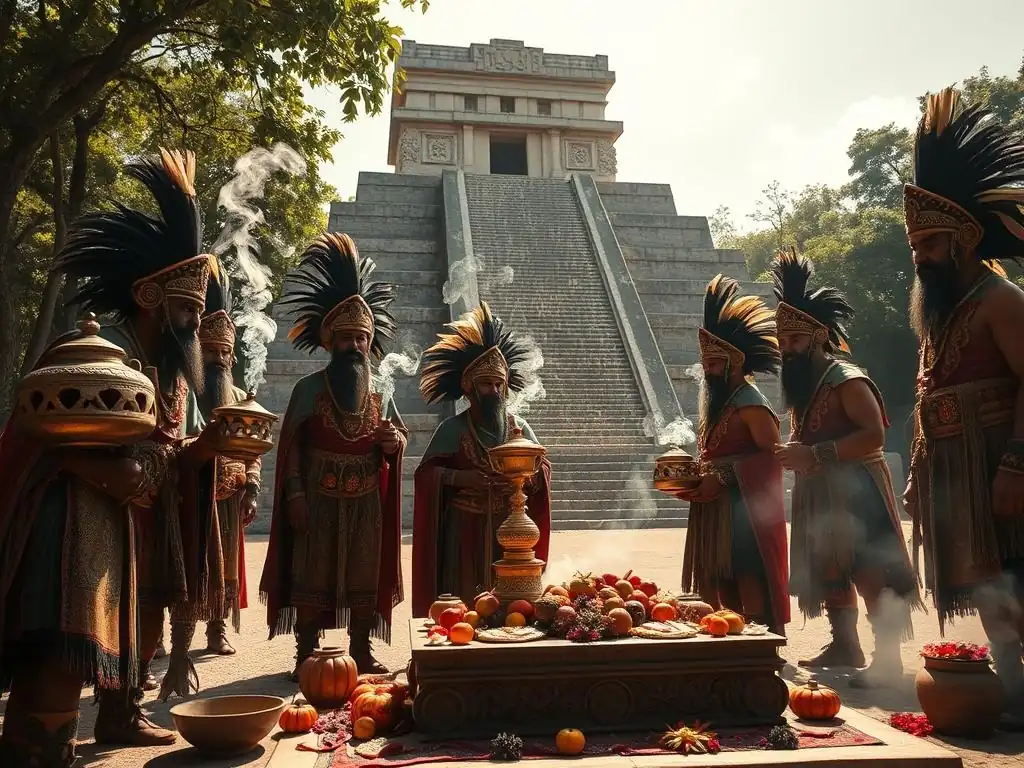
Tikal, one of the most significant archaeological sites of the ancient Maya civilization, was not only a political and economic hub but also a center for profound spiritual life. The rituals and ceremonies practiced in Tikal played a crucial role in the societal structure, religious beliefs, and cultural expressions of the Maya. These practices were often closely tied to their understanding of the cosmos, agricultural cycles, and their relationship with the gods.
The variety of rituals in Tikal included everything from elaborate ceremonies involving the priesthood to public events that engaged the community. These activities were typically characterized by intricate symbolism, the use of sacred objects, and deep spiritual significance, reflecting the Maya's reverence for their deities and the natural world.
Understanding Tikal rituals and ceremonies provides insight into the values, beliefs, and social dynamics of the Maya civilization, showcasing their sophisticated worldview and the importance of ritual in everyday life.
The Role of the Priesthood in Tikal Rituals
The priesthood in Tikal held a pivotal position in the execution and organization of rituals and ceremonies. These priests were often seen as intermediaries between the gods and the people, possessing specialized knowledge and skills necessary for conducting sacred rites.
- Training and Knowledge: Priests underwent extensive training in various disciplines, including astronomy, mathematics, and the interpretation of sacred texts. This knowledge was essential for aligning rituals with celestial events, which were believed to influence the outcomes of their practices.
- Ceremonial Leadership: Priests led key ceremonies, including those aimed at appeasing deities, ensuring agricultural fertility, and seeking guidance for important decisions. Their role was not only to perform rituals but also to communicate the will of the gods to the community.
- Social Influence: The priesthood wielded significant influence over political and social matters. Their interpretations of omens and prophecies could affect leadership decisions and community actions, emphasizing the intertwined nature of religion and governance in Tikal.
Major Ceremonial Events Celebrated in Tikal
Tikal's ceremonial calendar was rich with events that marked significant transitions in the agricultural cycle, social hierarchies, and cosmic alignments. Some of the most notable ceremonies included:
The Renewal of the Calendar Ceremony
One of the most important rituals in Tikal was the Renewal of the Calendar Ceremony, which celebrated the completion of a tun (a 360-day period). This event was critical for ensuring the cyclical nature of time and agricultural productivity.
- Purpose: The ceremony aimed to renew the community's connection with the gods and the cosmos, reinforcing the belief that time was a continuous cycle that needed to be honored.
- Activities: Ceremonial activities often included offerings, processions, and feasting. Participants would engage in prayers and chants, invoking divine favor for the upcoming tun.
- Symbolism: The rituals associated with this event symbolized rebirth and renewal, reflecting the Maya's understanding of life, death, and regeneration.
Bloodletting Rituals
Bloodletting was a common practice among the Maya, including those in Tikal, and was often performed by elites and priests as a means of communication with the gods.
- Significance: This ritual was believed to nourish the gods, ensuring the prosperity of the community. It was also a demonstration of the individual's devotion and status within Tikal’s social hierarchy.
- Methods: Participants would use obsidian blades to draw blood, often from the tongue or ears, and the blood would be offered alongside various items such as paper and incense in ceremonial fires.
- Cultural Impact: Bloodletting rituals underscored the importance of sacrifice in Maya spirituality, emphasizing the balance between the human and divine realms.
The Ritual of the Ballgame
The Mesoamerican ballgame held a significant place in Tikal's rituals, serving both recreational and ceremonial purposes.
- Cultural Importance: The ballgame was more than just a sport; it symbolized the struggle between life and death, with the outcome believed to reflect cosmic forces. The game was often played during major festivals and ceremonies.
- Ceremonial Elements: Rituals surrounding the ballgame included elaborate preparations, offerings to the gods, and the involvement of high-ranking officials. The game was a public spectacle that reinforced social cohesion and cultural identity.
- Symbolic Representation: The ballgame was often associated with themes of sacrifice and renewal, further illustrating the deep connections between sport, spirituality, and societal values in Tikal.
Through these notable rituals and ceremonies, Tikal's spiritual life was intricately woven into the fabric of its society, highlighting the Maya's profound connection to their beliefs and the natural world.
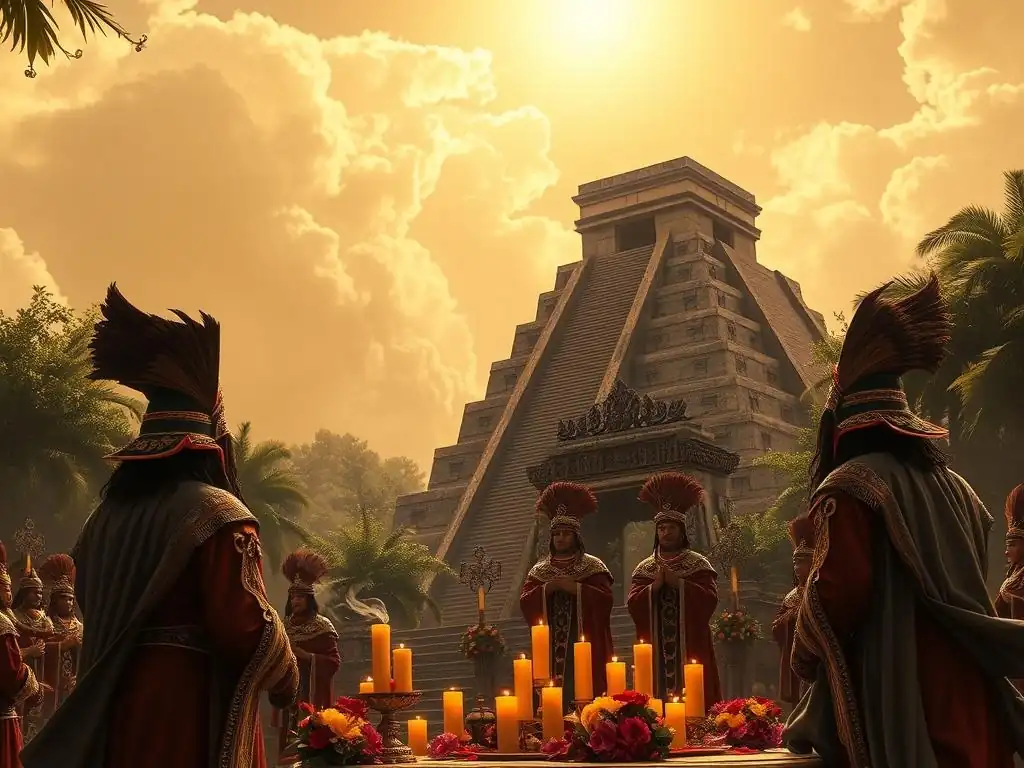
Archaeological discoveries at Tikal provide profound insights into the rituals and ceremonies that were integral to the spiritual life of this monumental city. The findings reveal a complex interplay between architecture, art, and religious practices that defined the Maya civilization.
The excavation efforts in Tikal have unearthed an array of artifacts, structures, and ceremonial spaces, all contributing to our understanding of the significance of rituals within this ancient society. These discoveries not only highlight the religious fervor of the Tikal inhabitants but also showcase their advanced societal organization and the cultural richness that characterized their way of life.
Significant Artifacts Associated with Ceremonies
Tikal's archaeological site has yielded numerous artifacts that are directly linked to rituals and ceremonies. Some of the most noteworthy include:
- Ceremonial Mask: Crafted from jade, this mask is believed to have been used in rituals to honor deities and ancestors. It highlights the Maya's intricate artistry and the importance placed on spiritual representation.
- Incense Burners: These artifacts, often made from pottery or stone, were essential for creating the aromatic smoke that accompanied many ceremonies. The use of specific materials and designs reflects the cultural significance of these rituals.
- Stelae and Altars: The monumental stone carvings, known as stelae, often depict rulers engaging in ceremonial acts, such as bloodletting or offerings. The altars associated with these stelae served as focal points for ritual practices, emphasizing the connection between the elite and the divine.
- Ceramic Vessels: Many of these vessels were found with residue indicating they were used in ritualistic feasts or offerings. The intricate designs often depict mythological scenes or religious symbols, providing further context to the ceremonies they were part of.
Tikal Temples and Their Ceremonial Functions
The temples of Tikal were not merely architectural feats but served as vital centers for spiritual life and rituals. Each temple had specific functions related to ceremonies, reflecting the complexity of Maya religious practices:
- Temple I (Temple of the Great Jaguar): This temple was likely used for royal ceremonies, including the inauguration of new rulers. It features a grand altar where offerings would have been made to the gods.
- Temple II (Temple of the Masks): This temple is associated with the worship of the sun god and served as a site for solar rituals, particularly during the equinoxes. Its alignment with celestial events underscores the Maya's advanced understanding of astronomy.
- Temple IV: As one of the tallest structures in Tikal, Temple IV offered a vantage point to observe celestial alignments. It is believed to have hosted rituals that celebrated the cycles of life and death, emphasizing the cyclical nature of the Maya cosmology.
- The Plaza of the Seven Temples: This sacred area was integral to various ceremonies, including ballgame rituals and seasonal festivals. The spatial arrangement of the temples indicates a deliberate design aimed at enhancing the ceremonial experience.
Insights from Excavations and Research
Ongoing excavations and research at Tikal continue to unveil the rich tapestry of rituals and ceremonies that permeated the city's life. Recent studies have shed light on several key aspects:
- Ritualistic Practices: Excavations have revealed evidence of bloodletting practices, a common ritual among the Maya. Artifacts such as obsidian blades and ritualistic offerings provide insight into the spiritual significance of these practices.
- Cultural Exchange: Research indicates that Tikal was a significant hub for trade and cultural exchange, influencing the variety of rituals practiced. Items from other regions, such as jade and ceramics, found at Tikal suggest a blend of traditions that enriched their ceremonial life.
- Burial Sites: The discovery of elaborate burial sites indicates that rituals surrounding death were particularly significant. The offerings found within these sites, including pottery and personal items, highlight the beliefs surrounding the afterlife and reverence for ancestors.
- Linguistic Evidence: Inscriptions found on monuments and artifacts provide linguistic clues to the rituals practiced at Tikal. These inscriptions often include dates and references to ceremonial events, linking the archaeological findings with historical records.
The ongoing research continues to enhance our understanding of how Tikal's rituals and ceremonies shaped the spiritual and social dynamics of this remarkable civilization. Through these archaeological discoveries, the legacy of Tikal's rich cultural heritage and its profound spiritual life remains vividly alive.
Conclusion: The Legacy of Tikal Rituals and Ceremonies
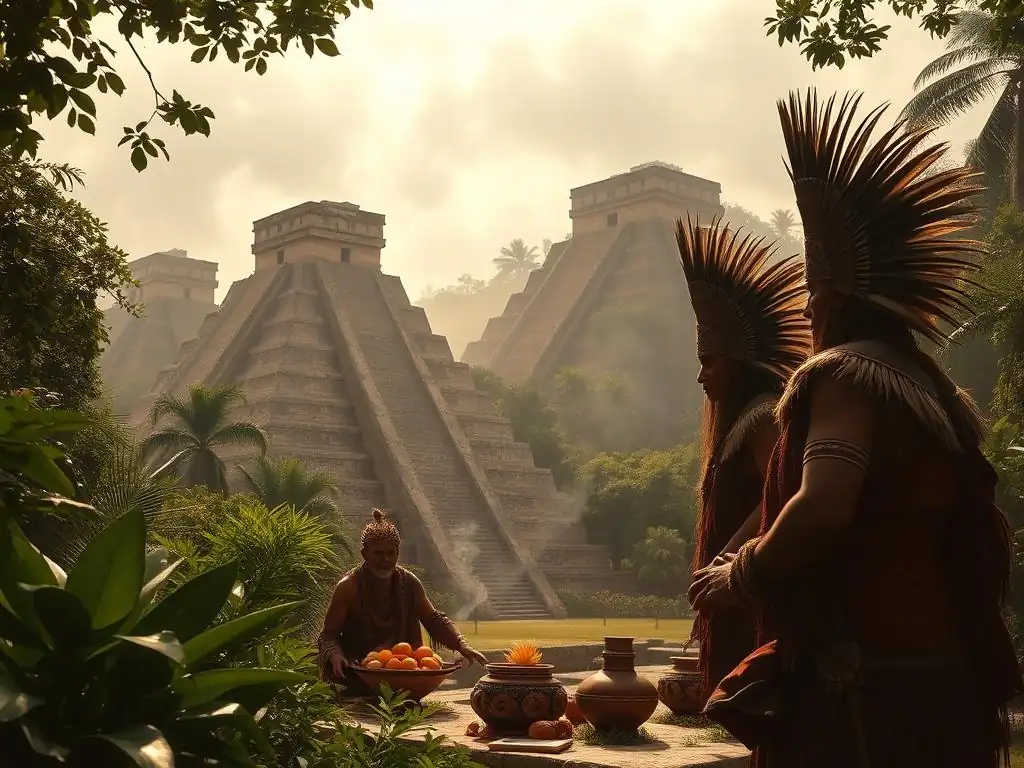
The rituals and ceremonies of Tikal represent a profound aspect of the Maya civilization, showcasing their intricate relationship with spirituality, nature, and community. These practices not only served religious purposes but also reinforced social structures and cultural identity among the Maya people. As we reflect on the legacy of Tikal rituals and ceremonies, it is essential to recognize their enduring influence on contemporary Maya culture and the importance of preserving this invaluable spiritual heritage.
Lasting Impact on Modern Maya Culture
The spiritual practices observed in Tikal have left an indelible mark on modern Maya culture. Many traditions, such as the veneration of ancestors and the ceremonies associated with agricultural cycles, continue to be practiced today. For instance, rituals related to the planting and harvesting of corn—a staple in Maya society—are often accompanied by offerings and prayers that echo the ancient customs of Tikal.
Moreover, the significance of sacred sites in Tikal persists in the collective memory of the Maya people. The temples and plazas, once centers for elaborate ceremonies, remain focal points for community gatherings and cultural celebrations. Many Maya communities still engage in rituals that honor the spirits of the land and their ancestors, reflecting the values and beliefs that have been passed down through generations.
| Modern Practices | Connection to Tikal |
|---|---|
| Harvest Festivals | Rituals to honor gods for a successful crop |
| Ancestor Veneration | Ceremonial offerings at sacred sites |
| Community Gatherings | Celebrating cultural identity and history |
| Spiritual Pilgrimages | Visiting ancient sites for spiritual renewal |
In addition, the integration of Tikal’s rituals into modern Maya identity fosters a sense of pride and continuity among the people. The recognition of these ancient practices as vital components of cultural heritage promotes resilience and reinforces the importance of maintaining connections to their history.
The Importance of Preserving Tikal’s Spiritual Heritage
Preserving the spiritual heritage of Tikal is critical not only for cultural continuity but also for the education and appreciation of future generations. As archaeological discoveries continue to unveil the complexities of Tikal’s rituals and ceremonies, it becomes imperative to safeguard these findings and promote awareness of their significance.
To achieve this, collaborative efforts between local communities, archaeologists, and cultural organizations are essential. Engaging the Maya people in the preservation process ensures that their voices and traditions are respected and incorporated into conservation efforts. This approach fosters a deeper understanding of the cultural landscape and the invaluable knowledge that Tikal embodies.
Furthermore, the preservation of Tikal’s spiritual heritage has significant implications for tourism and education. By highlighting the rituals and ceremonies of Tikal, we can create opportunities for visitors to engage with the culture in meaningful ways. Educational programs can be developed to teach about the historical context and spiritual significance of Tikal rituals, fostering respect and appreciation for indigenous cultures.
The legacy of Tikal rituals and ceremonies is a testament to the resilience and vibrancy of Maya culture. By recognizing their lasting impact on modern practices and committing to the preservation of this spiritual heritage, we honor the memory of Tikal and the people who have called it home.
Further Reading on Tikal and Maya Spiritual Practices
Recommended Books and Articles
To deepen your understanding of Tikal rituals and ceremonies, a selection of scholarly works and insightful articles can provide valuable perspectives on the spiritual life that characterized this monumental city. Here are some recommended readings:
- "Tikal: An Illustrated History of the Ancient Maya City" by David Webster
- This book offers a comprehensive overview of Tikal's history, including its religious practices and the role of rituals in Maya society. Webster combines archaeological findings with historical analysis to explore how these rituals were integral to the community's identity.
- "The Maya" by Michael D. Coe
- Coe's work is a classic in the field, providing an in-depth look at the Maya civilization as a whole, with particular attention to their religious beliefs and ritualistic practices. His discussions on the significance of ceremonial sites like Tikal are especially enlightening.
- "Maya Cosmos: Three Thousand Years on the Shaman's Path" by David Freidel, Linda Schele, and Joy Parker
- This book delves into the spiritual beliefs of the Maya, focusing on the relationship between their cosmology and rituals. It provides context to Tikal's ceremonial practices by linking them to broader Maya spiritual traditions.
- "Ancient Maya: The Rise and Fall of a Civilization" by Arthur Demarest
- Demarest explores the political, social, and religious dynamics of the Maya civilization, with specific sections dedicated to the ceremonial life of cities like Tikal. His insights into the rituals performed there add depth to our understanding of their significance.
- Articles from the Journal of Maya Archaeology
- A collection of peer-reviewed articles that cover various aspects of Maya archaeology, including detailed studies on Tikal's ceremonial practices. These articles often present recent findings and interpretations that can shed light on the complexities of Maya rituals.
Resources for Exploring Tikal’s Archaeological Significance
For those keen on exploring Tikal's archaeological significance further, several resources are available that provide both visual and textual information:
- National Geographic's Virtual Tour of Tikal
- An interactive online platform that allows users to explore Tikal’s ruins and understand the layout of ceremonial spaces within the city. This tour provides a rich visual context to the rituals that took place in these areas.
- Tikal National Park Official Website
- The official site offers detailed information on visiting Tikal, including its archaeological significance, hiking trails, and preserved monuments. It also highlights ongoing research and conservation efforts aimed at protecting Tikal's rich history.
- Maya Exploration Center
- An organization that focuses on the study and preservation of Maya culture. Their website offers educational resources, including articles and videos about Tikal's history and rituals, enabling a deeper appreciation of the site’s cultural heritage.
- Documentaries and Films
- Numerous documentaries explore Tikal and the Maya civilization, such as "Lost Kingdoms of the Maya." These films often include expert interviews and on-site footage that vividly illustrate the rituals and ceremonies practiced in Tikal.
- Online Databases and Archives
- Digital archives, such as the Maya Hieroglyphic Database and the Maya Research Program, provide access to a wealth of academic papers and archaeological reports focused on Tikal and its ceremonial practices. Researchers and enthusiasts alike can find valuable data and insights here.
By utilizing these resources, readers can gain a comprehensive understanding of Tikal's rituals and ceremonies, enriching their appreciation for the intricate spiritual life that once flourished in this monumental city.
Frequently Asked Questions
What were the main rituals and ceremonies conducted in Tikal?
The rituals and ceremonies in Tikal included sacred bloodletting, offerings to deities, and celebrations tied to the agricultural calendar, reflecting the city’s deep spiritual life.
How did Tikal's rituals influence its society?
Tikal's rituals reinforced social hierarchies and community cohesion, as they involved various classes participating in ceremonial events, fostering a sense of belonging and identity among the inhabitants.
What role did sacred sites play in Tikal's ceremonies?
Sacred sites within Tikal, such as temples and plazas, served as focal points for ceremonial gatherings, allowing the community to engage in spiritual practices and connect with their deities.
How did the spiritual beliefs of Tikal shape its architecture?
The spiritual beliefs of Tikal were intricately linked to its architecture, with temples and pyramids constructed to honor gods and commemorate significant ceremonial events.
What impact did European colonization have on Tikal's spiritual traditions?
European colonization led to the decline of traditional ceremonies and the imposition of new beliefs, which radically altered the spiritual landscape that had been established in Tikal for centuries.
Final Reflection: The Enduring Legacy of Tikal's Rituals and Ceremonies
The exploration of Tikal's rituals and ceremonies reveals a profound connection between the ancient Maya civilization and the spiritual practices that continue to resonate today. As we delve into the significance of these rituals, we uncover not only the cultural richness of Tikal but also the universal human quest for meaning and connection that transcends time. The echoes of these ancient ceremonies remind us that spirituality is a vital thread woven into the fabric of human existence, urging us to seek our own rituals in a rapidly changing world.
The impact of Tikal's spiritual practices extends far beyond the ruins of this monumental city, influencing contemporary cultural and social landscapes. The reverence for nature, community, and the cosmos found in these ancient ceremonies continues to inspire modern spiritual movements and environmental consciousness. As we reflect on the wisdom of the Maya, we are reminded of the words of the renowned anthropologist Victor Turner: Rituals are the means by which we can transform the ordinary into the extraordinary.
This transformation is not only a hallmark of the past but also a guiding principle for how we can engage with our own lives and communities today.
As we conclude our journey through the rituals and ceremonies of Tikal, I invite you to reflect on the significance of your own spiritual practices and the rituals that shape your life. Consider how you can incorporate elements of mindfulness, connection, and reverence into your daily routine. Whether through personal reflection, communal gatherings, or simply appreciating the beauty of nature, let us honor the legacy of Tikal by creating our own meaningful rituals that enrich our lives and foster a deeper connection with the world around us.
Ignite Your Spiritual Journey: Explore Tikal Today!
Thank you for diving into the remarkable spiritual life of Tikal with us! By exploring its rituals and ceremonies, you've uncovered just a glimpse of the rich heritage of the Indigenous civilizations. Now, it’s time to take your curiosity further and engage with this captivating culture in meaningful ways.
Here are a few actionable steps you can take right now:
- Plan a Virtual Tour: Discover Tikal's grandeur from the comfort of your home! Look for an online tour that allows you to experience the beauty of its temples and plazas while learning more about their spiritual significance.
- Connect with Experts: Join online forums or social media groups dedicated to Mesoamerican history. Engaging with enthusiasts can deepen your understanding and unveil even more secrets of Tikal.
- Share Your Insights: Discuss what you've learned about Tikal with friends or on your social media platforms. Start a conversation and help spread awareness of this incredible cultural treasure!
What aspect of Tikal's rituals resonates most with you, and how do you plan to share this newfound knowledge with others?