
The Role of Women in Inca Society: What New Excavations Are Telling Us

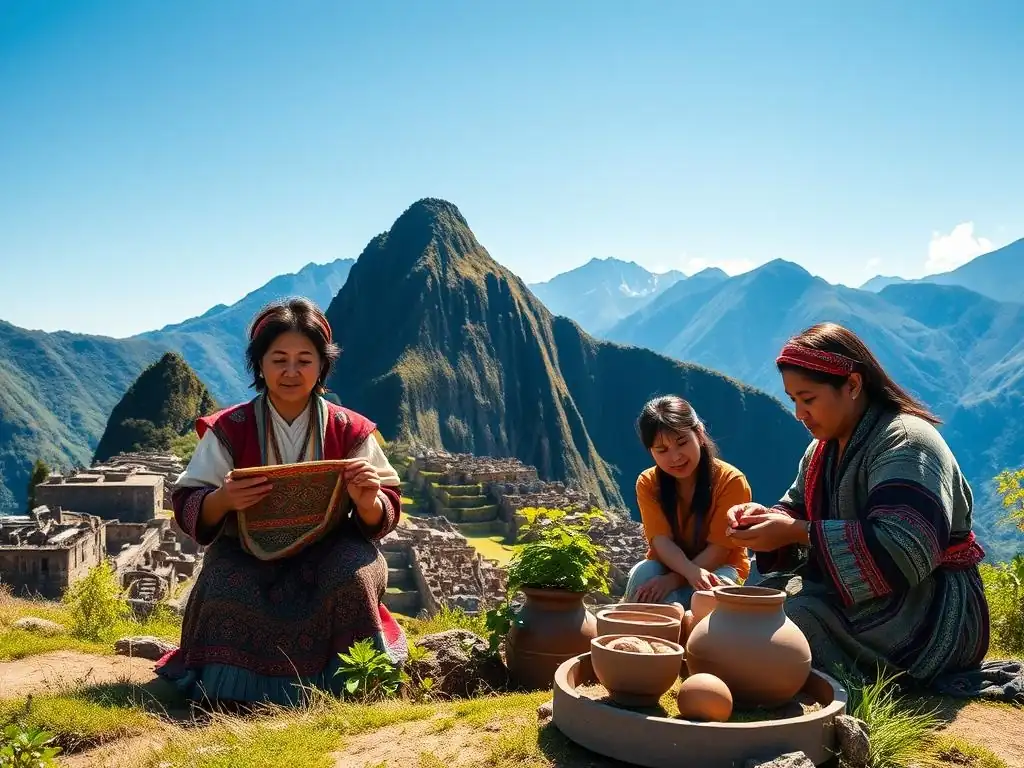
Welcome to Indigenous Civilizations of the Americas! Here, we embark on an enlightening journey through the rich tapestry of indigenous cultures that flourished long before the arrival of Europeans. Our exploration shines a spotlight on the remarkable achievements and societal structures that define these civilizations.
In our featured article, "The Role of Women in Inca Society: What New Excavations Are Telling Us," we delve into the fascinating findings from recent archaeological discoveries, uncovering the pivotal roles women played in shaping Inca society. Prepare to be captivated as we unravel the stories of resilience and influence that still resonate today. Join us as we dive deeper into this compelling narrative!
The exploration of the roles women played in Inca society has gained significant attention in recent archaeological studies. As new excavations unearth artifacts and evidence from ancient Inca sites, researchers are beginning to piece together a more nuanced understanding of gender dynamics within this sophisticated civilization.
This article delves into the pivotal roles women held in various aspects of Inca life, highlighting their contributions to society, economy, and culture, while reflecting on how these findings challenge traditional perceptions. By examining the latest discoveries, we aim to shed light on the complex and influential position women occupied in the heart of the Inca Empire.
Introduction to Women in Inca Society Roles
In the rich tapestry of Inca civilization, women held a variety of roles that were essential to both the domestic sphere and the broader social structure. Contrary to the often male-centric narratives of history, archaeological evidence suggests that women were not only caretakers but also active participants in economic activities, religious practices, and even political matters. From the high-status priestesses to the everyday laborers, the roles of women in Inca society were diverse and multifaceted.
Recent excavations at key Inca sites have revealed artifacts such as textiles, ceramics, and tools that provide insight into women's contributions. These findings illustrate that women's labor was integral to household economies and the broader Inca state, challenging the previously held notion that their roles were limited to the domestic domain.
Overview of Inca Civilization and Gender Dynamics
The Inca Empire, which flourished in South America from the early 15th century until the Spanish conquest in the 16th century, was one of the largest and most advanced civilizations of its time. Spanning a vast territory that included parts of modern-day Peru, Ecuador, Bolivia, and Chile, the Inca Empire was known for its impressive architectural achievements, complex agricultural systems, and extensive road networks.
Gender dynamics within Inca society were shaped by cultural beliefs and practices that assigned specific roles to men and women. While men typically held positions of power and authority, women were often seen as vital contributors to the social and economic fabric of the empire. The concept of "complementarity" was central to Inca ideology, suggesting that men and women had distinct yet equally important roles to play in society.
Recent excavations have provided fresh perspectives on these dynamics, revealing evidence of women's involvement in various sectors, including agriculture, textiles, and religious rituals. For instance, the discovery of burial sites containing tools and artifacts associated with textile production indicates that women not only participated in household activities but also contributed to the economy on a broader scale. Through these findings, we can begin to appreciate the significant yet often overlooked roles women played in shaping Inca society.
- What roles did women play in Inca society?
- How did recent excavations contribute to our understanding of women in Inca society?
- Were women in Inca society involved in religion?
- What was the significance of textile production for women in the Inca Empire?
- How did the status of women in Inca society compare to that in other indigenous cultures?
Recent Excavations in Inca Sites
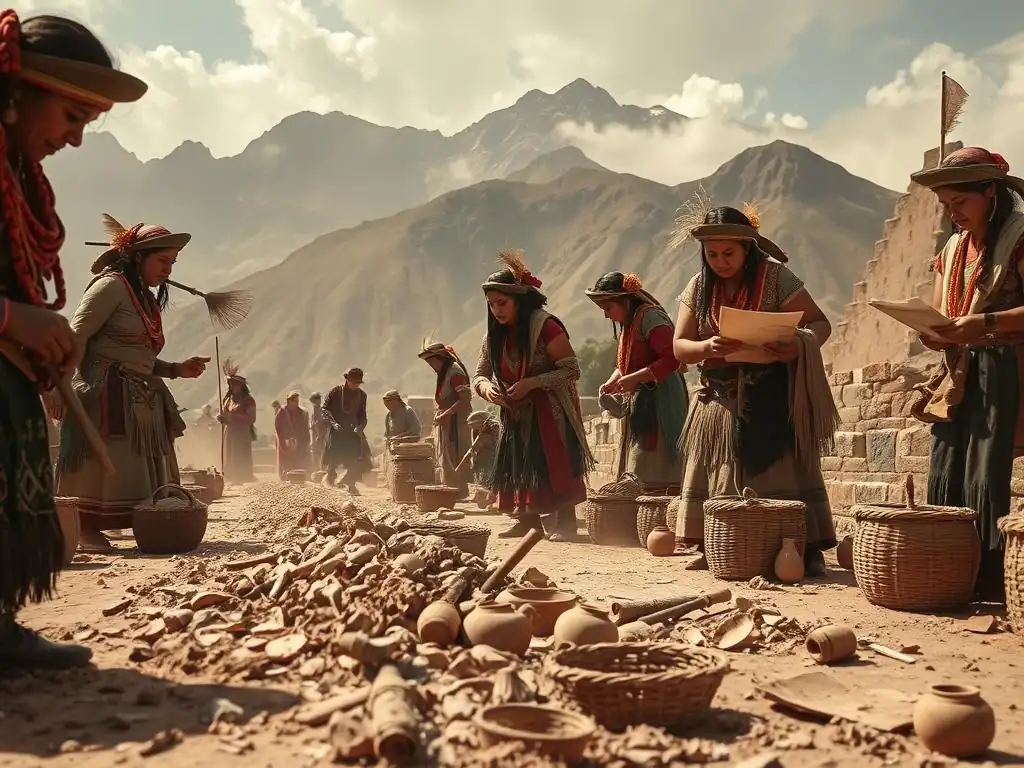
The ongoing archaeological investigations of Inca sites have unearthed significant insights into the roles women played within this complex society. Recent excavations have not only challenged previous understandings of gender dynamics in the Inca Empire but have also revealed the multifaceted contributions that women made to their communities. As researchers delve deeper into these ancient sites, a clearer picture of women's roles in Inca society is beginning to emerge, showcasing their influence in various social, economic, and spiritual domains.
Significance of New Archaeological Discoveries
The discoveries from recent excavations are essential for reconstructing the historical narrative of women in Inca society. Traditionally, the roles of women have been overshadowed by male-centric interpretations of Inca history. However, new findings are helping to shift this perspective, providing evidence of women's active participation in numerous aspects of Inca life.
- Challenging Historical Narratives:
- Excavations at sites such as Huaca de la Luna and Qorikancha have revealed artifacts and structures that indicate the significant roles women held, particularly in religious and agricultural practices.
- Evidence suggests that women were not only caretakers but also held positions of power, perhaps as priestesses or landowners.
- Cultural Context:
- The Inca civilization emphasized reciprocal labor and community involvement. Women's roles, previously viewed in the context of domesticity, are now recognized as integral to the economy and spirituality of the empire.
- Recent studies highlight that women participated in various religious rites, which were crucial for the society's agricultural cycles.
- Artifacts and Material Culture:
- Findings of textiles, pottery, and tools specifically associated with women illustrate their craftsmanship and economic contributions.
- For instance, the presence of spindle whorls and weaving tools in burial sites indicates that textile production was a prominent activity for women, which was not only a domestic chore but also an economic enterprise.
Key Excavation Sites Revealing Women's Roles
Several key excavation sites have emerged as focal points for understanding the roles of women in Inca society. Each site contributes unique insights into the diverse functions women fulfilled in their communities.
- Qorikancha (Temple of the Sun):
- This central temple in Cusco was not only a major religious site but also a hub of economic activity. Excavations have revealed that women played significant roles in the temple's rituals, possibly as priestesses who conducted ceremonies.
- Artifacts such as ceremonial garments and offerings suggest that women were deeply involved in spiritual practices.
- Cahuachi:
- An important ceremonial center in the Nazca region, Cahuachi's excavations uncovered evidence of women as ritual leaders. The discovery of female burials with elaborate offerings points to their elevated status in religious contexts.
- The site's layout, with structures likely used for ritual gatherings, indicates a space where women could exert influence.
- Huaca de la Luna:
- This site has provided crucial evidence of women's roles in agricultural practices. Excavations have uncovered storage facilities that contained foodstuffs likely managed by women, demonstrating their contribution to the economy.
- Additionally, wall murals depicting women in various labor roles emphasize their significance within the community.
- Pachacamac:
- Located near Lima, this site has revealed extensive burial grounds that include many female interments, suggesting that women held notable positions in the social hierarchy.
- The artifacts found alongside these burials, including jewelry and ceremonial items, indicate that women were not only involved in domestic roles but also participated in high-status activities.
These archaeological findings are reshaping our understanding of the diverse roles women played in Inca society. By highlighting their contributions to various sectors, including religion, agriculture, and craftsmanship, new excavations are challenging outdated narratives and enriching the historical tapestry of the Inca civilization. As more sites are explored, the complexity and significance of women’s roles in this ancient society continue to come to light, offering a more nuanced perspective on their impact in the Americas.
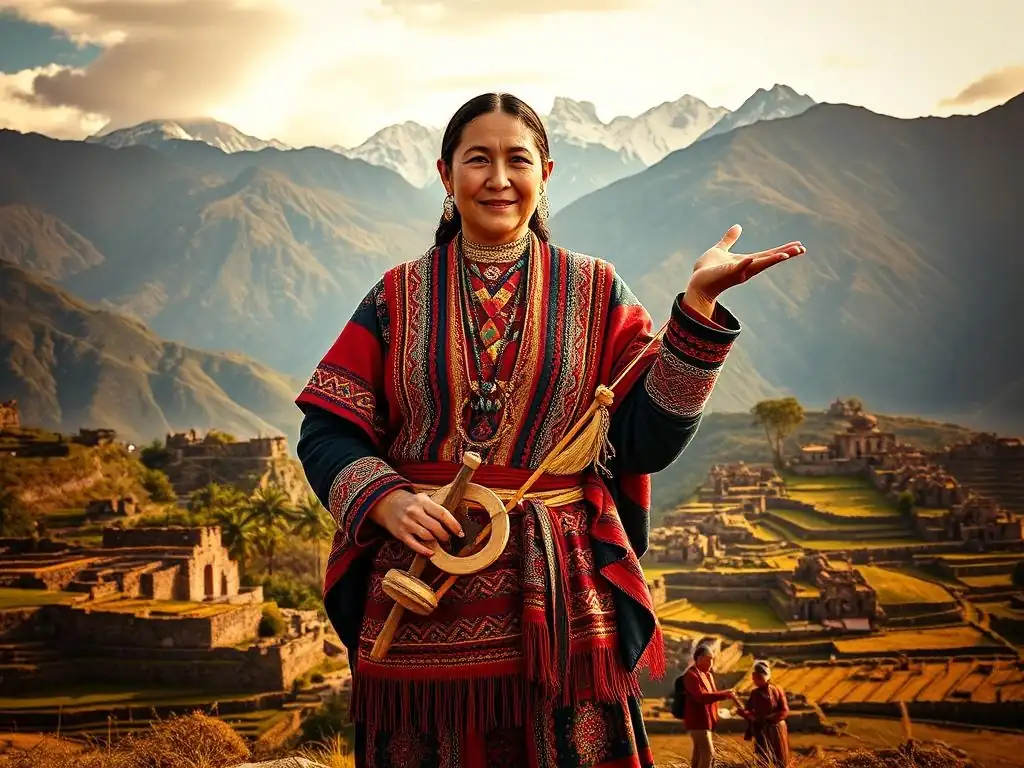
The social status of women in Inca society was complex and multifaceted, shaped by cultural, economic, and political factors. Women held significant roles within their communities, although their status was often subordinate to that of men. Understanding this status requires a closer examination of the hierarchical structure of Inca society and the specific roles women fulfilled in various aspects of community life.
Hierarchical Structure and Women's Position
In the Inca civilization, society was organized into a strict hierarchical structure, with the Sapa Inca (the emperor) at the top, followed by nobility, artisans, farmers, and laborers. Women were positioned within this hierarchy based on their social class and marital status.
- Noble Women: Women from the noble class, known as qolla, enjoyed privileges and received formal education. They were often involved in religious ceremonies and held positions of influence within the court. Their marriages were politically motivated, often used to forge alliances between powerful families.
- Common Women: Women of lower social classes engaged primarily in agricultural and domestic tasks. They were responsible for weaving, cooking, and maintaining the household. Despite their lower status, their contributions were vital to the economy and daily life of the community.
- Roles in Religion and Rituals: Women also played crucial roles in religious practices. The Virgins of the Sun (Acllas) were selected from noble families to serve in temples, where they were responsible for weaving garments for the Inca elite and performing rituals. Their selection marked them as sacred and elevated their status temporarily.
- Legal Rights: Inca women had certain legal rights, including the ability to own property and inherit land. However, these rights were often limited by their marital status; married women were typically under the authority of their husbands.
Roles of Women in Inca Community Life
Women in Inca society were integral to the functioning of their communities, contributing to economic stability, cultural continuity, and social cohesion.
- Agricultural Contributions: Women played a pivotal role in agriculture, often participating in planting, harvesting, and processing crops. This labor was essential for sustaining their families and the larger community. They also cultivated a variety of crops, including potatoes, maize, and quinoa, contributing to a diverse diet.
- Textile Production: Weaving was a highly respected skill in Inca culture, and women were the primary weavers. They produced textiles used for clothing, ceremonial purposes, and trade. The quality of textiles was a reflection of a woman's skill and, by extension, her family's status.
- Child Rearing and Education: Women were responsible for the upbringing and education of children. They transmitted cultural values, traditions, and practical skills, ensuring the continuity of Inca identity across generations.
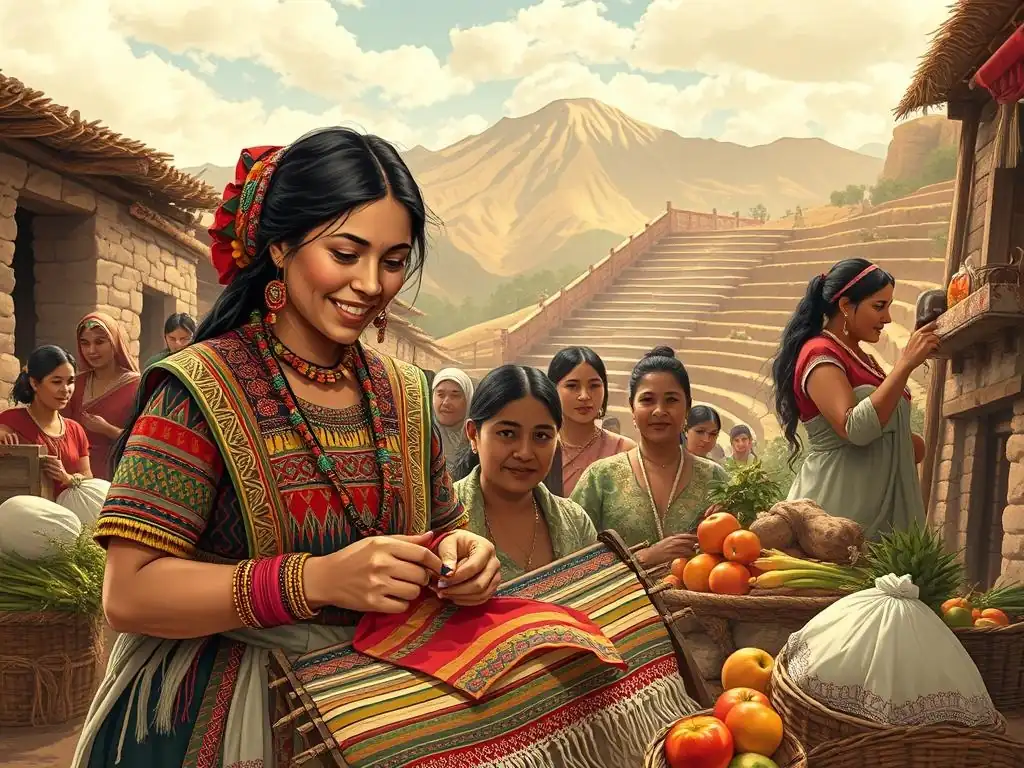
- Participating in Trade and Markets: While men typically dominated long-distance trade, women engaged in local markets, selling goods produced at home, such as textiles and food items. This participation in commerce provided them with a degree of economic independence and influence within the community.
- Community and Social Roles: Women often acted as mediators in community disputes, using their social skills to maintain harmony. Their roles extended beyond domestic spheres, as they participated in festivals, communal events, and decision-making processes at local levels.
While women in Inca society operated within a patriarchal framework, their roles were essential to the economic, social, and cultural fabric of their communities. Recent excavations continue to shed light on these roles, revealing the complexity and significance of women's contributions to Inca civilization. Understanding these dynamics enhances our appreciation of the diverse roles women played in shaping Inca society and its legacy.
Economic Contributions of Women in Inca Society
Agricultural Responsibilities and Practices
In the Inca Empire, women played a vital role in agricultural production, which was the backbone of the economy. Women in Inca society roles were multifaceted, particularly in the areas of farming and food production. They were primarily responsible for the cultivation of crops, especially staples such as potatoes, maize, and quinoa. Evidence from recent excavations in areas like Cusco and the Sacred Valley reveals that women not only participated in planting and harvesting but also in the intricate processes of food preservation and storage.
- Crop Selection and Planting: Women selected seeds for planting, prioritizing varieties that thrived in their specific microenvironments. This selection process was crucial for maximizing yields.
- Harvesting Techniques: Women employed unique harvesting techniques that ensured the sustainability of crops. They often used traditional tools such as the t'oqo, a type of digging stick, which allowed them to cultivate the land effectively.
Recent archaeological findings have uncovered evidence of women’s agricultural practices, such as storage facilities that were distinctively organized and often associated with female burial sites. These findings suggest that women not only contributed labor but also held a significant role in agricultural decision-making processes.
Craftsmanship and Trade Roles of Women
Women in Inca society were also integral to the craftsmanship and trade sectors, showcasing their skills in textile production, pottery, and metalwork. The recent excavations of Inca sites have revealed workshops where women were key figures in these artisanal trades.
-
Textile Production: Women were renowned for their weaving abilities, producing textiles that were not just functional but also held significant cultural value. The textiles often bore intricate designs that reflected social status and regional identity. The practice of weaving was so esteemed that it was considered a sacred duty, and the products were often used in ceremonial contexts.
Type of Textile Significance Production Location Q'ipi Daily wear for common folk Rural areas Lliclla Shawls worn by elite individuals Urban centers Chumpi Sashes symbolizing status Craft workshops -
Pottery and Metalwork: In addition to textiles, women were involved in producing pottery for domestic use and trade. Recent excavations have uncovered pottery that showcases a blend of aesthetic and practical functions, often decorated with geometric patterns and symbols significant to Inca culture. Additionally, women participated in metalwork, crafting jewelry and tools, which were vital for both daily life and trade.
The trade networks established by women allowed for the exchange of goods and resources within and beyond the Inca Empire. Their roles in local markets and trade routes were essential for the economic stability of their communities, as they facilitated the distribution of agricultural products and crafts.
The recent excavations highlight the economic contributions of women in Inca society, showcasing their roles in agriculture and craftsmanship as foundational to the Inca economy. These insights not only enrich our understanding of the societal structure of the Incas but also underscore the significance of women in their cultural and economic legacy.
Religious and Ceremonial Roles of Women
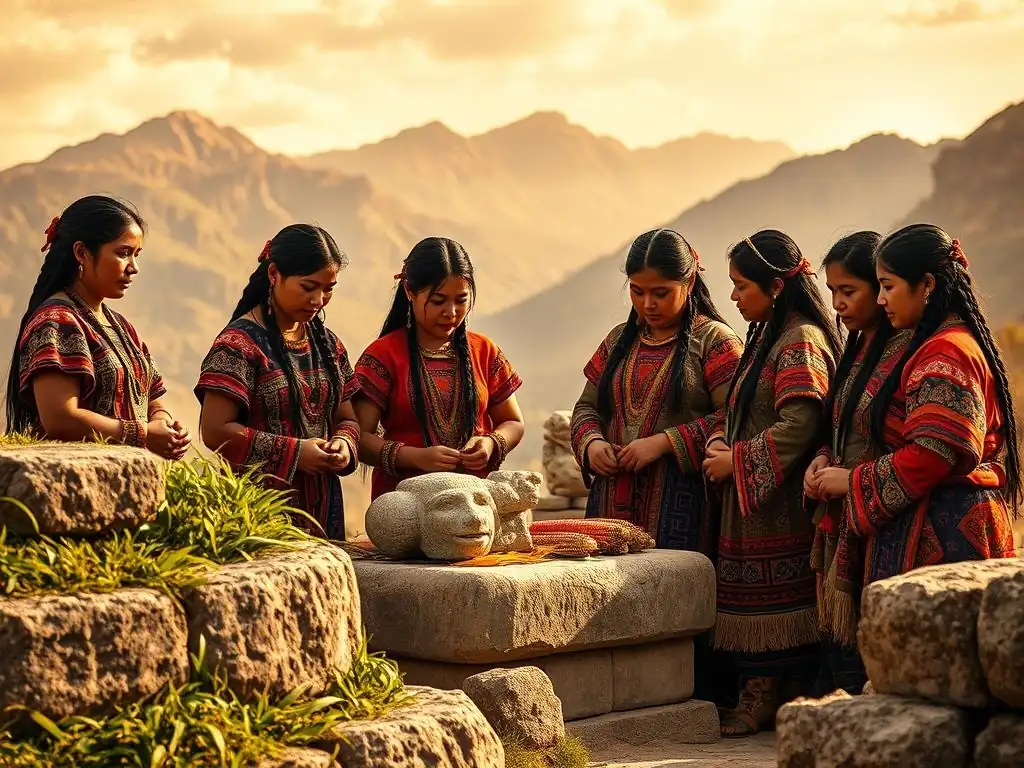
Women as Religious Figures in Inca Beliefs
In Inca society, women held significant religious roles that were fundamental to the spiritual life of their communities. The most prominent among these roles was that of the Virgins of the Sun, a group of women dedicated to the worship of Inti, the sun god. These women were not merely participants in religious practices; they were central figures who embodied the connection between the divine and the earthly realm.
The Virgins of the Sun were chosen from noble families at a young age and were brought to the Acllahuasi, a state-run institution where they underwent rigorous training in religious duties, weaving, and food preparation for sacred offerings. Their primary responsibility was to maintain the sacred fire of Inti, which was believed to be a direct link to the deity. This fire was of paramount importance, as it symbolized the sun's presence and was essential in various rituals, particularly during agricultural festivals.
Moreover, women in Inca society also played vital roles as priestesses in local temples. They were responsible for performing rituals, offering sacrifices, and ensuring the proper veneration of the deities. Recent excavations at sites like Qorikancha have revealed altars and ceremonial objects that suggest women actively participated in rituals that required their unique contributions, further highlighting their importance in religious contexts. The archaeological findings indicate that women's involvement in spiritual leadership was more widespread than previously understood, marking them as key figures in the maintenance of Inca religious traditions.
Participation in Ceremonies and Rituals
The participation of women in ceremonies and rituals was not limited to the confines of religious institutions; it extended into community life, where they played pivotal roles in various public and private ceremonies. Women were often the primary participants in agricultural festivals, which celebrated the cycles of planting and harvesting. These events were crucial for communal cohesion and involved rituals meant to ensure bountiful harvests.
The Inti Raymi festival, dedicated to the sun god, showcased women's roles in the rituals associated with the agricultural calendar. Women prepared offerings such as chicha (a traditional fermented beverage) and other foods to present to the deities. Excavations at ceremonial sites have uncovered evidence of large quantities of pottery and food remnants, indicating that women were responsible for the preparation and presentation of these ceremonial offerings.
Furthermore, women participated in life-cycle ceremonies, including weddings and funerals, which were essential for maintaining social and familial ties. During weddings, women were often involved in rituals that symbolized the union of families and their roles in the continuation of lineage. Their participation ensured that the traditions and customs of Inca society were upheld and transmitted across generations.
Recent discoveries, including intricate textiles and ceremonial artifacts associated with women's roles in these rituals, underscore their importance in preserving cultural identity and continuity. The evidence suggests that women's contributions were not merely supportive but were integral to the very fabric of Inca religious and social life, reinforcing the notion that women in Inca society roles extended well beyond domestic spheres, impacting both spiritual and societal frameworks.
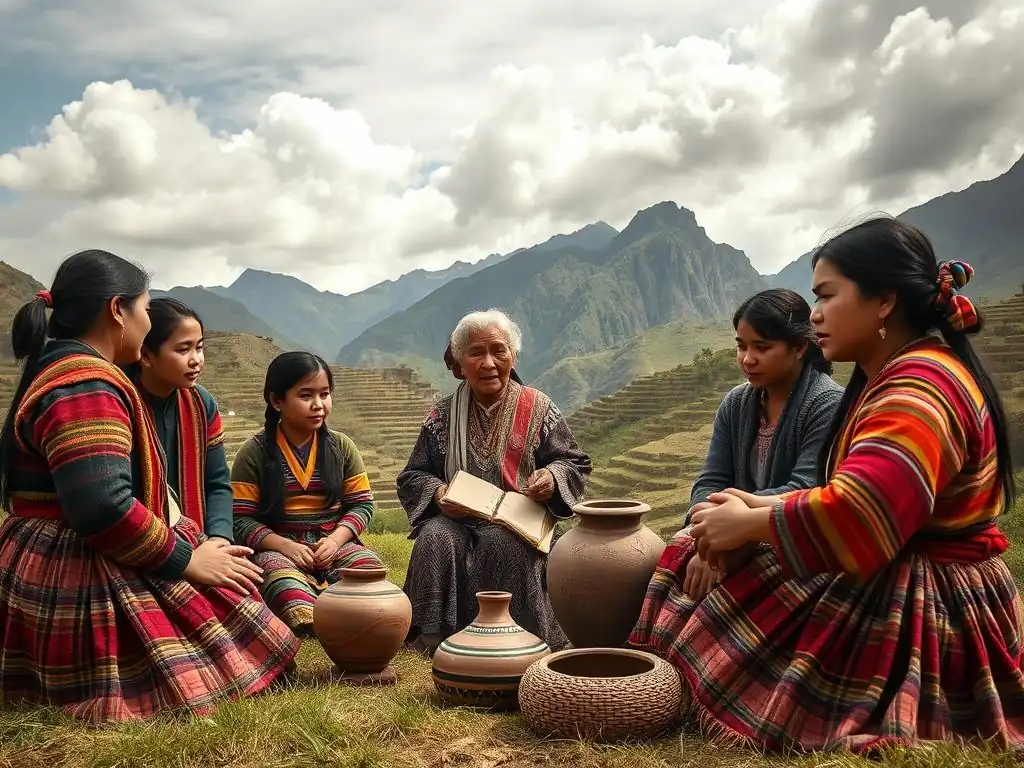
In Inca society, women played a pivotal role not only in the domestic sphere but also in the broader social and cultural landscape. Their education and socialization were integral to maintaining the cultural continuity and social fabric of the Inca civilization. The transmission of knowledge and skills among women was often conducted through a structured system of training that blended daily life experiences with formal instruction.
Training and Knowledge Transfer for Women
Women in Inca society received training that was largely centered around their expected roles within the family and community. This training was not uniform; rather, it varied according to social class and the specific duties assigned to women.
- Domestic Skills: Young girls were taught essential domestic skills such as weaving, cooking, and pottery. These activities were not merely practical but also served as a means of cultural expression. Weaving, for instance, was a revered art form, and the textiles produced by women often reflected societal status and identity.
- Religious Education: In addition to domestic skills, girls were educated in religious practices. They learned about the worship of deities, particularly Pachamama (Mother Earth) and other important figures in Inca cosmology. This religious education was crucial for their roles in ritual practices and community ceremonies.
- Social Responsibility: Women were also instructed on their responsibilities within their communities. This included understanding social hierarchies, the importance of kinship ties, and the roles they would play in agricultural activities, communal labor, and other essential tasks.
- Specialized Roles: Some women were trained for specialized roles, such as the Acllas, or chosen women, who were selected to serve in temples and the Inca court. These women received higher education and were involved in significant religious and administrative functions, often influencing political and social decisions.
The knowledge transfer was predominantly oral, passed down through generations, ensuring that cultural practices and skills were preserved. This system of socialization not only empowered women but also reinforced their crucial role in sustaining Inca society.
Influence of Mothers and Female Elders
The influence of mothers and female elders in Inca society cannot be overstated. These figures were central to the education and socialization of younger generations, imparting both practical skills and cultural values.
- Maternal Guidance: Mothers were the primary educators of their daughters. Through daily interactions, they taught them everything from household management to social etiquette. This maternal bond fostered a sense of identity and belonging, ensuring that cultural traditions were upheld.
- Role of Grandmothers and Aunts: Female elders, including grandmothers and aunts, played significant roles as repositories of knowledge and tradition. They shared stories, myths, and historical accounts that helped instill a sense of cultural pride and continuity. Their wisdom was often sought in matters of family and community, reinforcing their status as key figures within the social hierarchy.
- Community Influencers: Inca women, particularly those from noble families, often wielded considerable influence in their communities. They were involved in decision-making processes and played pivotal roles in community events. The teachings and examples set by mothers and elders inspired younger women to engage actively in societal affairs, thereby enhancing their roles beyond mere domesticity.
- Cultural Preservation: Through their teachings, mothers and female elders ensured that the cultural practices, spiritual beliefs, and skills that defined Inca identity were preserved. This transmission of knowledge created a resilient societal structure, allowing Inca culture to thrive despite external pressures, including those posed by European colonization.
The education and socialization of women in Inca society were fundamental to their roles as custodians of culture and tradition. The training they received and the influence of maternal figures shaped the fabric of Inca civilization, ensuring its continuity and resilience in the face of challenges.
Comparative Analysis: Women in Inca Society vs. Other Indigenous Civilizations
Similarities with Other Pre-Columbian Cultures
Inca society, like many other pre-Columbian cultures across the Americas, exhibited a complex understanding of gender roles that significantly influenced social structure and daily life. One notable similarity is the recognition of women's contributions to agriculture and household economies. For example, the Maya civilization also placed a high value on women's roles in farming, where women were responsible for planting and harvesting essential crops such as maize and beans. This agricultural labor was critical for sustaining communities and was often intertwined with spiritual and cultural practices.
Additionally, many indigenous cultures, including the Aztecs, acknowledged women’s roles in trade and commerce. Inca women engaged in weaving and trading textiles, similar to how Aztec women participated in market activities. This economic involvement not only provided women with a degree of autonomy but also underscored their importance within the broader social framework.
Moreover, women in both Inca and other indigenous societies often played pivotal roles in ritual and religious practices. For instance, priestesses in various cultures, including the Inca, held significant spiritual authority, participating in ceremonies that were essential to the community's well-being and agricultural success.
Unique Aspects of Women's Roles in Inca Society
While many pre-Columbian cultures shared common themes regarding women's roles, the Inca civilization presented unique aspects that differentiated their societal structure. One of the most remarkable features was the Ayllu system, where women had specific roles within extended family units. Women in the Inca society were not only central to domestic life, but they also had defined responsibilities in the community, such as managing communal lands and participating in communal labor.
Another unique aspect was the Willaq Uma, or "head priestess," who held a position of considerable influence in Inca religion. This role was particularly significant because it allowed women to attain a level of power typically not seen in many other indigenous societies. The Willaq Uma was responsible for overseeing rituals and maintaining the spiritual health of the community, showcasing that women in Inca society could ascend to leadership roles.
Furthermore, the Qhapaq Ñan, the extensive road system of the Inca, facilitated trade and communication across the empire, and women played a vital role in this network. They were often responsible for the production and distribution of goods, which was essential for sustaining the empire's economy. This level of involvement in trade and logistics highlighted the integral role women held in the functioning of Inca society.
While women in Inca society shared similarities with their counterparts in other pre-Columbian cultures regarding agricultural and economic contributions, they also enjoyed distinct roles that allowed them to influence spiritual, economic, and social spheres in ways that were uniquely their own. As excavations continue to reveal more about these roles, our understanding of the importance of women in Inca society deepens, challenging previous narratives about gender in ancient civilizations.
Implications of Recent Findings on Understanding Women in Inca Society
Recent excavations in Inca sites have unearthed a wealth of artifacts and structures that significantly enhance our understanding of the roles of women in Inca society. Traditionally, historical narratives have often marginalized women's contributions, focusing primarily on male figures and their achievements. However, new archaeological evidence is reshaping this perspective, revealing the multifaceted roles women played in both daily life and the broader socio-political landscape of the Inca Empire.
How New Discoveries Change Historical Perspectives
The recent findings at sites such as Qullawaya and Kuelap have provided critical insights into the status and influence of women in the Inca civilization. For instance, the discovery of burial sites containing elaborate grave goods alongside the remains of women suggests that they held significant status and possibly even authority in their communities. These items include finely crafted textiles, ceramics, and jewelry, indicating that women were not only participants in the economy but were also valued for their skills and contributions.
Archaeologists have also identified residential structures that appear to have been predominantly occupied by women. The presence of weaving tools and cooking implements in these sites indicates that women played crucial roles in domestic production, which was vital for sustaining both families and the state. Furthermore, inscriptions and iconography recovered from these excavations hint at the spiritual and religious significance of women, suggesting their involvement in rituals and ceremonies that were central to Inca culture.
The findings challenge the longstanding notion that women's roles were limited to the domestic sphere, revealing a more complex social structure where women could exert influence in various contexts, including politics, religion, and economic activities.
Future Research Directions in Inca Studies
The recent discoveries highlight the need for further research that focuses on the nuanced roles of women in Inca society. Future excavations should aim to:
- Investigate additional sites: Targeting less explored areas may yield more artifacts and structures that can provide insight into women's roles across different regions of the Inca Empire.
- Conduct interdisciplinary studies: Collaborating with experts in anthropology, gender studies, and history could foster a deeper understanding of the social dynamics at play.
- Utilize advanced technologies: Implementing techniques such as ground-penetrating radar (GPR) and 3D modeling can help uncover buried structures and artifacts that traditional excavation methods might miss.
- Focus on comparative analyses: Examining the roles of women in contemporary cultures and other ancient civilizations could provide context and highlight unique aspects of Inca society.
- Engage with indigenous communities: Involving descendants of the Inca people in research and interpretation will ensure that their perspectives and knowledge contribute to the understanding of their ancestors’ lives.
Conclusion: The Evolving Understanding of Women's Roles in Inca Society
The implications of recent excavations are profound, indicating a significant shift in how we view women's roles in Inca society. As evidence mounts, it becomes increasingly clear that women were active participants in shaping their communities and the Inca Empire as a whole. These findings not only enrich our understanding of the past but also challenge the narrative that women were relegated to passive roles.
The ongoing research into these aspects promises to reveal even more about the complexities of Inca society. As archaeologists continue to uncover evidence that highlights the influence of women, our comprehension of gender dynamics in ancient civilizations will evolve, paving the way for a more inclusive historical narrative. This evolving understanding not only honors the legacy of women in Inca society but also provides a broader framework for examining the roles of women in other indigenous cultures across the Americas.
References and Further Reading on Women in Inca Society Roles
To gain a deeper understanding of the roles of women in Inca society, recent excavations have provided valuable insights that are documented in various scholarly works. Here are some essential references and resources that delve into this subject:
Books
-
"Women in the Inca Empire: A Study of Gender Roles" by Sarah C. H. Harlow
This book explores the multifaceted roles of women in Inca society, including their contributions to agriculture, textiles, and religious practices.
-
"The Inca: A Very Short Introduction" by Brian S. Bauer
A concise overview of Inca civilization that highlights social structures, including the significance of women's roles within the empire.
-
"Gender and Archaeology: A Social Perspective" edited by Rita Lucarelli and David A. Drennan
This anthology discusses gender roles in various ancient societies, with sections dedicated to the Inca and archaeological findings related to women.
Journal Articles
-
"Excavations at the Inca Site of Chinchero: New Evidence of Gender Roles"
This article presents findings from recent excavations that shed light on the economic and social contributions of women in Chinchero, revealing their influence in both domestic and public spheres.
-
"Machu Picchu’s Women: The Role of Gender in Inca Society"
An in-depth analysis of the archaeological evidence from Machu Picchu illustrating the roles women played in religion and ritual practices.
-
"Revisiting Gender in the Inca Empire: The Evidence from Recent Excavations"
This study examines new archaeological data that challenge traditional perceptions of women’s roles in Inca society, highlighting their status and agency.
Online Resources
-
The Inca Project
An informative website that provides resources on Inca archaeology, including articles that discuss the roles of women based on recent findings.
-
Archaeology Magazine
Features articles on new discoveries in Inca sites, often highlighting the contributions of women in various societal roles.
-
The Society for American Archaeology
Their publications often include research on gender dynamics within ancient civilizations, including the Inca.
Documentaries
-
"Secrets of the Inca: Women of the Empire"
This documentary focuses on the lives of women in the Inca Empire and discusses their roles in society, economy, and religion.
-
"Inca Women: Guardians of Tradition"
A visual exploration of how women contributed to the cultural heritage of the Inca and their enduring legacy in modern Andean societies.
These references serve as a valuable starting point for anyone interested in exploring the nuanced and often overlooked roles of women in Inca society. As ongoing excavations continue to reveal more about this ancient civilization, the understanding of gender dynamics within the Inca Empire is also evolving, providing fresh perspectives on their contributions and significance.
Frequently Asked Questions
What roles did women play in Inca society?
Women in Inca society held important roles, including managing household duties, weaving textiles, and participating in agricultural activities, which were vital to the economic stability of their communities.
How did recent excavations contribute to our understanding of women in Inca society?
Recent excavations have revealed artifacts and burial sites that provide insights into the social status and contributions of women, highlighting their influence in both domestic and public spheres.
Were women in Inca society involved in religion?
Yes, women played a significant role in religious practices, often serving as priestesses and participating in rituals that were crucial to the spiritual life of the Inca civilization.
What was the significance of textile production for women in the Inca Empire?
Textile production was a key aspect of women's roles in Inca society, as it not only showcased their skill and creativity but also contributed to the economic and cultural identity of the Inca civilization.
How did the status of women in Inca society compare to that in other indigenous cultures?
Women in Inca society generally enjoyed a higher status compared to their counterparts in other indigenous cultures, with greater rights in property ownership and a visible presence in various societal roles.
Final Reflection: Unveiling the Strength of Women in Inca Society
The exploration of women's roles in Inca society reveals a profound truth about their influence and significance that resonates even today. As new excavations shed light on the multifaceted contributions of women, we are reminded that their stories have often been overlooked in historical narratives. This ongoing research not only enriches our understanding of the past but also challenges us to recognize the vital roles women play in shaping societies throughout history.
Clearly, the revelations from these excavations are reshaping our cultural and social landscape, emphasizing the importance of women's contributions across time. The insights gained from these findings encourage us to reevaluate the narratives we accept and to appreciate the diverse roles women have held. As historian Karen Armstrong once said, History is a story we tell ourselves about ourselves.
This quote underscores the necessity of including women's voices in our historical accounts, as their experiences and contributions are integral to a complete understanding of any society.
As we reflect on the lessons from the Inca society, let us carry forward the understanding that every woman's story matters. I invite you to consider how you can amplify women's voices in your own life and community. Whether through education, advocacy, or simply sharing stories, we all have the power to contribute to a more inclusive narrative. Embrace the opportunity to learn from the past and to honor the roles women have played, not just in Inca society but in shaping the world as we know it today.
Uncover the Honor of Inca Women – Take Action Now!
Thank you for diving into the fascinating world of Inca society and the pivotal role women played within it! We hope you found new insights that elevate your understanding and appreciation of this remarkable culture. Now, let’s transform your curiosity into action.
Here are some exciting ways you can further explore and engage with this topic:
- Join a local archaeology group or online community focused on Indigenous history to connect with like-minded enthusiasts and experts.
- Share your thoughts about the role of women in the Inca civilization on social media or through a personal blog – your insights could inspire others!
- Visit archaeological sites or museums dedicated to the Inca culture and learn firsthand about the incredible contributions of women to ancient societies.
As you reflect on the information from our article, consider: What do you think is the most surprising aspect of women's roles in the Inca civilization, and how can it reshape our contemporary understanding of gender in history?