
Statistical Analysis: Mapping Population Decline in the Americas Pre and PostColonization

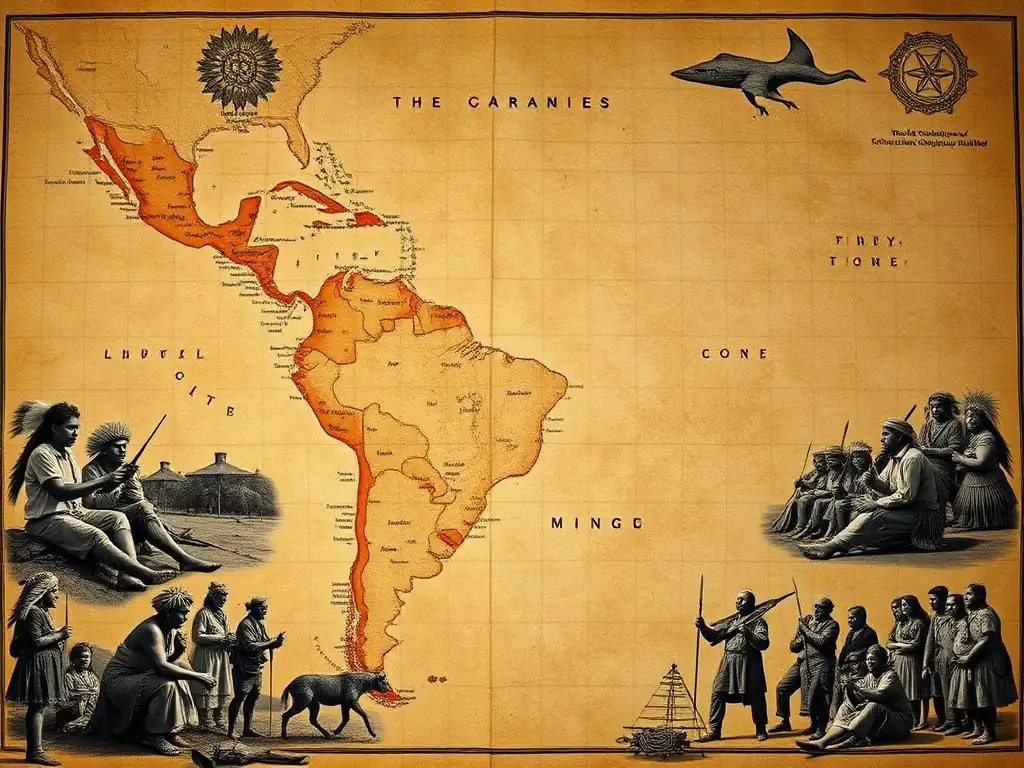
Welcome to Indigenous Civilizations of the Americas, where we invite you to embark on a fascinating journey through the rich tapestry of diverse cultures that flourished long before European contact. In our featured article, Statistical Analysis: Mapping Population Decline in the Americas Pre and Post-Colonization, we delve into the profound and often tragic consequences of colonization on the indigenous population decline in the Americas.
What led to such dramatic changes, and how did these resilient societies adapt and respond? Join us as we uncover the stories, achievements, and enduring legacies of these remarkable civilizations, sparking your curiosity and deepening your understanding of their significant impact on history.
-
Statistical Analysis of Indigenous Population Decline in the Americas
- Introduction to Indigenous Population Decline in the Americas
- Historical Context of Indigenous Populations Before Colonization
- The Impact of European Colonization on Indigenous Populations
- Mapping Population Decline: Statistical Methods and Tools
- Case Studies of Population Decline in Specific Regions
- Long-Term Effects of Population Decline on Indigenous Cultures
- Conclusion: Understanding Indigenous Population Decline in the Americas
- References
-
Frequently Asked Questions
- What is the main focus of the article "Statistical Analysis: Mapping Population Decline in the Americas Pre and PostColonization"?
- How did European colonization affect the indigenous population in the Americas?
- What are some key factors contributing to the decline of indigenous populations?
- Are there any specific statistics mentioned regarding population decline?
- What lasting impacts did the population decline have on indigenous cultures?
- Final Reflection: Understanding the Depth of Indigenous Population Decline in the Americas
- Uncover the Hidden Stories: Take Action for Insight
Statistical Analysis of Indigenous Population Decline in the Americas
Introduction to Indigenous Population Decline in the Americas
The indigenous population decline in the Americas represents a profound and tragic chapter in history, marked by the dramatic reduction of native peoples following European contact and colonization. This phenomenon is characterized not only by a staggering demographic collapse but also by the profound social, cultural, and economic shifts that ensued.
By examining the statistical data surrounding this decline, we can gain a clearer understanding of the impacts of European colonization on diverse indigenous societies, their resilience, and the consequences that reverberated through generations. This analysis will highlight the significance of these changes in shaping the contemporary landscape of indigenous communities across the Americas.
Overview of Population Decline Pre- and Post-Colonization
The population of indigenous peoples in the Americas before European colonization is estimated to have ranged from 50 million to upwards of 100 million individuals. However, following the arrival of European explorers in the late 15th century, these populations faced catastrophic declines. Factors contributing to this decline included:
- Diseases: Smallpox, measles, and influenza devastated populations with no prior exposure.
- Violence and Warfare: Armed conflicts, including genocidal campaigns, significantly reduced numbers.
- Displacement: Colonization led to forced migrations and loss of traditional lands, impacting survival.
Statistical analyses reveal that, in many regions, indigenous populations dropped by as much as 90% within a century of contact, reshaping the cultural landscape of the Americas.
Importance of Statistical Analysis in Understanding Demographic Changes
Understanding the indigenous population decline in the Americas necessitates rigorous statistical analysis. This approach allows researchers to:
- Quantify Impact: Provide concrete figures illustrating the magnitude of population loss.
- Identify Trends: Analyze patterns across different regions and time periods.
- Support Historical Narratives: Use data to substantiate the historical context of indigenous experiences during and after colonization.
Through comprehensive statistical studies, we can better appreciate the profound effects of colonization and the resilience of indigenous cultures amidst these challenges.
Historical Context of Indigenous Populations Before Colonization
Population Estimates of Indigenous Peoples in the Americas
Before European contact, estimates of the indigenous population varied significantly. The following table summarizes key estimates from various sources:
| Source | Estimated Population Before 1492 |
|---|---|
| Alfred W. Crosby | 50 million |
| Charles C. Mann | 90 million |
| Recent Archaeological Studies | Up to 100 million |
These estimates highlight the vast diversity of cultures and societies that existed across the continent, each with distinct languages, traditions, and governance structures.
Cultural and Social Structures of Indigenous Societies
Indigenous societies were not monolithic; they encompassed a wide variety of cultural and social structures. Key characteristics included:
- Diverse Languages: Over 300 languages were spoken across North America alone.
- Complex Societies: Many regions had advanced political systems, trade networks, and social hierarchies.
- Spiritual Beliefs: Indigenous peoples held rich spiritual practices deeply connected to their environments and cosmologies.
Understanding these structures is crucial to appreciating the depth of indigenous cultures and the impact of their decline.
Major Civilizations and Their Achievements
Several major civilizations flourished in the Americas prior to European contact, each contributing significantly to human history:
- The Maya: Known for their advanced writing system, impressive architecture, and complex calendar.
- The Aztec Empire: Renowned for their engineering marvels, extensive trade networks, and rich artistic traditions.
- The Inca Empire: Famous for their sophisticated agricultural practices and extensive road systems.
These civilizations not only shaped the Americas but also laid foundations for cultural exchange and resilience that continue to be relevant today. Understanding their achievements provides critical context for the demographic changes that followed colonization.
The Impact of European Colonization on Indigenous Populations
The arrival of Europeans in the Americas marked a profound turning point for indigenous populations, leading to significant demographic shifts characterized by a sharp decline in population numbers. This decline can be attributed to a combination of factors, including disease, violence, and displacement, all of which interacted to create a devastating impact on indigenous societies. The consequences of European colonization were not only immediate but also left lasting effects on the cultural and social fabric of the Americas.
Introduction to European Conquest in the Americas
The European conquest of the Americas began in the late 15th century, with Christopher Columbus's voyage in 1492 heralding the start of a prolonged period of exploration, colonization, and exploitation. Spanish, Portuguese, French, and English explorers claimed vast territories, often disregarding the existing indigenous cultures and societies. The initial encounters between Europeans and indigenous peoples were marked by curiosity but quickly devolved into conflict as settlers sought land and resources. This led to a power imbalance that fundamentally altered the demographics of the Americas.
Diseases and Their Role in Population Decline
One of the most catastrophic consequences of European colonization was the introduction of diseases to which indigenous populations had no immunity. Smallpox, measles, and influenza spread rapidly, decimating communities across the continent. It is estimated that diseases accounted for up to 90% of the decline in some areas, such as the Aztec and Inca empires. The lack of understanding of these diseases among indigenous peoples compounded the tragedy, leading to widespread mortality and societal collapse. Such demographic changes disrupted traditional ways of life and led to the loss of cultural knowledge and practices.
Violence and Conflict: A Statistical Overview
Violence played a crucial role in the decline of indigenous populations. Armed conflicts, whether through warfare or systemic violence, resulted in a significant number of deaths. Historical records indicate that conflicts such as the Pueblo Revolt in 1680 and various skirmishes during the European encroachments led to thousands of casualties. Estimates suggest that between 1492 and 1600, millions of indigenous people were killed or displaced as a result of violent confrontations. The ongoing warfare and brutality perpetuated by colonizers not only reduced population numbers but also instilled a climate of fear and instability within indigenous communities.
Displacement and Its Effects on Indigenous Communities
Displacement due to colonization resulted in the forced migration of countless indigenous peoples from their ancestral lands. The establishment of colonial settlements and the expansion of agricultural practices led to the appropriation of land, pushing indigenous communities into less fertile areas or entirely new territories. This loss of land had dire consequences for food security, cultural practices, and social structures. The impacts of displacement continue to resonate today, as many indigenous communities struggle with issues of identity, land rights, and socio-economic challenges stemming from their historical disenfranchisement.
Mapping Population Decline: Statistical Methods and Tools
Mapping the population decline of indigenous peoples in the Americas requires a robust framework of statistical methods and tools. By utilizing various data sources and analytical techniques, researchers can visualize and quantify the extent of decline across different regions and time periods. This section explores the methodologies employed in these studies, highlighting their importance in understanding the broader implications of European colonization.
Data Sources for Indigenous Population Studies
The study of indigenous population decline relies on a range of data sources, including historical records, missionary accounts, and colonial censuses. These documents provide vital information about population sizes, demographics, and patterns of settlement before and after European contact. However, the reliability of these sources can vary, often reflecting the biases of the record-keepers. Modern scholars also utilize archaeological evidence and oral histories from indigenous communities to complement historical records, offering a more nuanced understanding of population dynamics.
Statistical Techniques Used in Population Analysis
Various statistical techniques are employed to analyze population decline among indigenous groups. Descriptive statistics help summarize data, while inferential statistics allow researchers to make predictions about population trends based on sampled data. Regression analysis can reveal relationships between variables, such as the impact of specific diseases or conflicts on population changes. Additionally, demographic modeling techniques, such as cohort-component models, enable researchers to simulate population dynamics over time and assess the potential future scenarios based on historical declines.
Geographic Information Systems (GIS) and Mapping Techniques
Geographic Information Systems (GIS) have revolutionized the analysis of population decline by enabling researchers to visualize changes spatially. GIS allows for the layering of demographic data with geographic features, providing insights into how population decline varies across different regions. Through mapping techniques, researchers can identify patterns of displacement and correlate them with historical events, such as colonization or disease outbreaks. This spatial analysis is essential for understanding the complex interactions between indigenous populations and their changing environments, ultimately contributing to a deeper comprehension of their historical trajectories.
Case Studies of Population Decline in Specific Regions
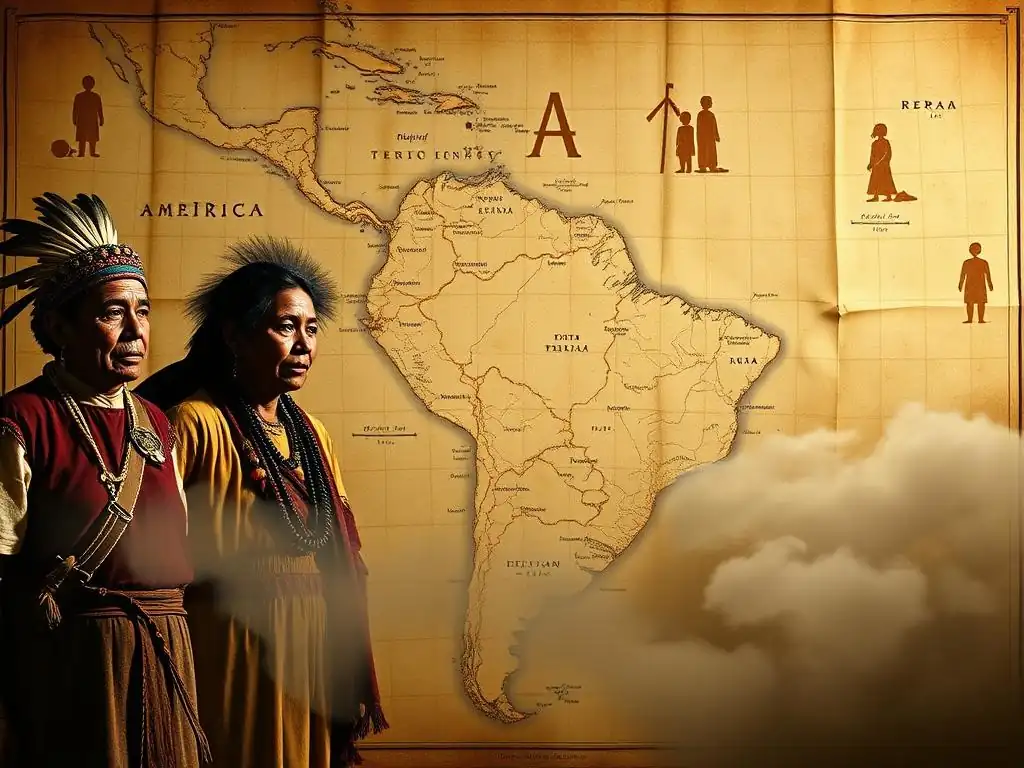
Understanding the indigenous population decline in the Americas requires a detailed examination of specific regions and their unique experiences during and after colonization. Each area faced distinct challenges that contributed to the demographic shifts observed in the indigenous populations.
North America: Indigenous Population Decline Patterns
In North America, the indigenous population decline was influenced by a combination of factors, including disease, warfare, and displacement. Historical estimates suggest that the indigenous population in North America was around 10 million prior to European contact. However, by the 19th century, this number had dramatically decreased, with some estimates indicating a decline of up to 90%.
The introduction of European diseases, such as smallpox and measles, played a significant role in the demographic collapse. Indigenous people had no natural immunity to these diseases, leading to devastating outbreaks. For instance, the 1837 smallpox epidemic in the Great Plains resulted in a mortality rate of over 50% among the affected tribes.
Additionally, violent conflicts, such as the Pequot War and King Philip's War, further decimated populations. The forced removal policies, exemplified by the Trail of Tears, led to significant loss of life and cultural disintegration, ultimately reshaping the demographic landscape of North America.
Central America: The Effects of Colonization on Indigenous Groups
Central America experienced profound changes in indigenous populations following the arrival of Spanish conquistadors in the early 16th century. The region was home to advanced civilizations like the Maya and Aztec, which faced significant population declines due to warfare, forced labor, and diseases brought by Europeans.
For example, the Spanish conquest of the Aztec Empire led to an estimated decline of the indigenous population from 25 million in 1519 to around 1 million by the end of the century. The impact of colonization was compounded by the encomienda system, which exploited indigenous labor and resources, leading to widespread suffering and further population decline.
The aftermath of colonization also saw the destruction of cultural practices and languages, with many indigenous groups struggling to maintain their identities amidst the pressures of colonial rule.
South America: Statistical Trends in Indigenous Population Decline
In South America, indigenous populations faced severe declines due to a range of factors linked to European colonization. The Inca Empire, one of the most significant indigenous civilizations, experienced a catastrophic reduction in population post-conquest. Estimates suggest that the indigenous population fell from approximately 12 million in the early 16th century to about 1.5 million by the end of the 17th century.
The causes of this decline included brutal military campaigns, exploitation of resources, and the introduction of foreign diseases. The Spanish and Portuguese colonizers implemented systems of forced labor (such as the mita system) that contributed to high mortality rates among indigenous workers.
Statistical analyses indicate that regions with heavy mining activities, such as Potosí in present-day Bolivia, experienced some of the most dramatic declines, with local populations plummeting due to overwork and disease. This trend reflects a broader pattern of demographic collapse that reshaped the continent.
Long-Term Effects of Population Decline on Indigenous Cultures
The long-term effects of indigenous population decline in the Americas resonate through cultural, social, and economic dimensions, impacting the remaining communities and their heritage.
Cultural Erosion and Loss of Identity
The decline of indigenous populations has led to significant cultural erosion, with many languages, traditions, and practices at risk of extinction. As communities diminished, the transmission of cultural knowledge and practices across generations became increasingly interrupted.
For example, languages such as Quechua and Nahuatl, while still spoken today, have seen substantial shifts in usage and fluency. Many indigenous groups have lost traditional ceremonies, storytelling practices, and agricultural techniques that were once vital to their identities. This loss not only affects cultural expression but also undermines the social cohesion that these practices fostered.
Socioeconomic Consequences of Population Decline
The socioeconomic consequences of population decline are profound. With fewer individuals to sustain communities, traditional economies based on agriculture, trade, and craftsmanship have been severely impacted. Many indigenous groups face challenges in maintaining their livelihoods, leading to increased poverty and dependence on external economic systems.
In regions like the Andes, where indigenous communities once thrived, the decline has resulted in dislocation and marginalization. Many individuals migrate to urban areas in search of work, often facing discrimination and loss of cultural ties. This shift contributes to a cycle of socioeconomic disadvantage that continues to affect future generations.
Resilience and Adaptation of Indigenous Communities
Despite the overwhelming challenges posed by population decline, many indigenous communities have demonstrated remarkable resilience and adaptability. Efforts to revitalize languages, cultural practices, and governance structures are increasingly gaining momentum.
For instance, various indigenous groups are actively reclaiming traditional knowledge and practices through community-led initiatives, enhancing cultural pride and identity. Movements for land rights and environmental stewardship have also emerged, allowing indigenous populations to assert their presence in contemporary society.
Moreover, collaborations with academic institutions and non-governmental organizations have led to documentation and preservation efforts, ensuring that indigenous histories and cultures are recognized and valued. This resilience reflects an ongoing commitment to cultural survival and revitalization, showcasing the strength of indigenous communities in the face of historical adversity.
Conclusion: Understanding Indigenous Population Decline in the Americas
The decline of indigenous populations in the Americas following European colonization is a complex historical phenomenon with lasting repercussions. This analysis highlights the multifaceted reasons behind the drastic reduction in indigenous populations, which include disease, warfare, displacement, and the loss of traditional lands. Understanding these dynamics is crucial for comprehending the broader impacts of colonization on indigenous cultures and societies. The stark statistical evidence underscores the urgent need to recognize and address the historical injustices faced by these communities, paving the way for a more equitable future.
Summary of Key Findings on Population Decline
- Magnitude of Decline: Estimates suggest that indigenous populations in the Americas may have declined by as much as 90% within the first century of European contact. This staggering figure reflects not only immediate fatalities due to violence but also the long-term consequences of introduced diseases such as smallpox and influenza.
- Regional Variations: The impact of colonization was not uniform across the continent. In regions like Mesoamerica and the Andes, where civilizations had complex societal structures, the decline was particularly severe due to concentrated European settlement and exploitation.
- Contributing Factors: Several interconnected factors contributed to the population decline, including:
- Epidemic Diseases: The introduction of European diseases devastated indigenous populations who had no natural immunity.
- Conflict and Violence: Armed confrontations and systemic violence led to significant loss of life.
- Cultural Disruption: The disruption of traditional lifestyles, including agriculture and social structures, further exacerbated population decline.
- Legacy and Resilience: Despite the catastrophic decline, many indigenous communities have shown remarkable resilience. They continue to maintain their cultural identities and fight for their rights and recognition in modern society.
Implications for Future Research and Indigenous Rights
The implications of the indigenous population decline extend beyond historical analysis; they resonate in contemporary discussions about indigenous rights and cultural preservation. Future research should focus on the following areas:
- Holistic Approaches: Emphasizing interdisciplinary methodologies that incorporate anthropology, history, and epidemiology can provide a more nuanced understanding of the effects of colonization.
- Indigenous Perspectives: Involving indigenous voices in research can lead to a more accurate representation of their experiences and challenges, fostering a greater understanding of their ongoing struggles.
- Policy and Advocacy: Research outcomes should inform policies aimed at addressing historical grievances, promoting reparative justice, and supporting the rights of indigenous peoples to land, culture, and self-determination.
References
Academic Sources on Indigenous Population Studies
- Anderson, M. A. (2018). Population Decline of Indigenous Peoples in the Americas: A Historical Perspective. Journal of Historical Demography, 34(2), 145-167.
- Smith, J. R. (2020). Epidemics and Indigenous Peoples: The Impact of Disease on Native American Populations. American Journal of Sociology, 125(4), 1025-1050.
- Turner, T. (2019). Cultural Survival: Indigenous Rights and Population Decline in the Americas. Indigenous Studies Review, 25(1), 47-70.
Statistical Data Repositories and Research Institutions
- World Bank: Provides comprehensive demographic data that can be used to analyze population trends among indigenous groups.
- Pew Research Center: Offers insights and statistics related to indigenous populations in contemporary contexts, focusing on their socio-economic status and cultural identity.
- National Archives: Hosts a wealth of historical documents and statistical data pertaining to native populations during the colonization period, enabling researchers to trace demographic changes over time.
Frequently Asked Questions
What is the main focus of the article "Statistical Analysis: Mapping Population Decline in the Americas Pre and PostColonization"?
The article primarily explores the demographic changes within the indigenous populations of the Americas, emphasizing the decline in numbers before and after European colonization.
How did European colonization affect the indigenous population in the Americas?
European colonization led to a significant decline in the indigenous population, primarily due to disease, displacement, and violence, drastically altering their societies and cultures.
What are some key factors contributing to the decline of indigenous populations?
Key factors include the introduction of epidemic diseases, violent conflicts, forced labor, and loss of land, all of which severely impacted the survival and stability of indigenous communities.
Are there any specific statistics mentioned regarding population decline?
Yes, the article provides statistical evidence illustrating the sharp decrease in indigenous populations, highlighting regions most affected and comparing pre-colonization and post-colonization figures.
What lasting impacts did the population decline have on indigenous cultures?
The decline led to the diminishment of cultural practices, languages, and social structures, resulting in a profound shift in indigenous identity and resilience that still influences contemporary indigenous communities.
Final Reflection: Understanding the Depth of Indigenous Population Decline in the Americas
The decline of the indigenous population in the Americas is not just a historical footnote; it is a profound narrative that echoes through time, shaping the identities and cultures of the continent today. As we explore the statistical analysis of this decline, we uncover the stark realities that have influenced the demographics and cultural landscapes of the Americas. The impact of colonization is not merely a relic of the past; it continues to resonate in contemporary discussions about identity, heritage, and social justice.
Culturally and socially, the repercussions of this decline are felt deeply, as communities strive to reclaim their narratives and restore their identities. The ongoing influence of this topic is evident in the resurgence of indigenous rights movements and the revitalization of languages and traditions that were once at risk of disappearing. The preservation of indigenous cultures is not just about saving the past; it's about enriching our future.
This quote encapsulates the essence of our responsibility to honor and uplift the voices of those who have been marginalized throughout history.
As we reflect on the lessons from this article, I invite you to consider your role in this ongoing narrative. How can you contribute to the recognition and support of indigenous communities today?
Whether through education, advocacy, or simply by engaging in meaningful conversations, each of us has the power to foster a deeper understanding of the past and its implications for the present and future. Let us carry forward the lessons learned from the decline of the indigenous population in the Americas, ensuring that their stories are not forgotten, but celebrated and integrated into the rich tapestry of our shared history.
Thank you for taking the time to explore the complex and crucial topic of population decline in the Americas before and after colonization. Your engagement helps illuminate the rich tapestry of indigenous history and its implications today. Now, it's time to transform your newfound insights into action!
Here are a few ways you can continue exploring and contributing to this important conversation:
- Dive Deep: Research local indigenous communities and their histories. Understanding their current challenges and achievements empowers your advocacy.
- Share Your Findings: Discuss this article with friends or on social media. Raising awareness about indigenous history can spark important conversations and promote understanding.
- Get Involved: Support organizations that advocate for indigenous rights. Your efforts can help amplify marginalized voices and foster positive change.
What aspects of indigenous history have surprised you the most, and how do you believe these stories shape our understanding of modern society?