
The Intersection of Technology and Tradition: Imaging Indigenous Heritage

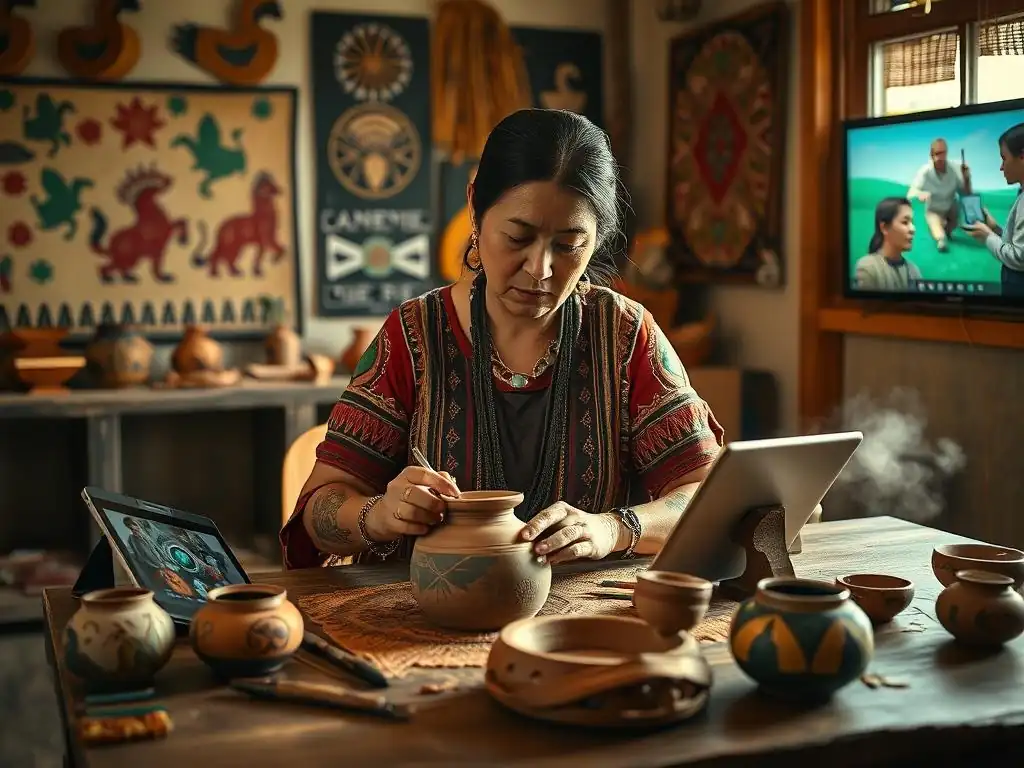
Welcome to Indigenous Civilizations of the Americas! Here, we embark on a fascinating journey through the rich tapestry of indigenous heritage and technology, illuminating the remarkable achievements and innovations of the diverse cultures that flourished long before European contact. Dive into our latest article, "The Intersection of Technology and Tradition: Imaging Indigenous Heritage," where we unravel the profound ways these ancient societies harmonized their technological prowess with traditional practices.
Prepare to be captivated as you explore the archaeological discoveries that continue to unveil the enduring legacy of indigenous peoples throughout the Americas. Join us in uncovering the past and its relevance to our present!
Introduction to Indigenous Heritage and Technology
Indigenous heritage encompasses the rich tapestry of cultures, traditions, and histories that have flourished across the Americas long before European contact. This heritage is not merely a relic of the past; it embodies the values, beliefs, and practices that continue to resonate within Indigenous communities today.
As we delve into the intersection of technology and tradition, we explore how modern imaging technologies are not only preserving this invaluable heritage but also enhancing our understanding of Indigenous cultures. The synergy between Indigenous heritage and technology offers profound insights into the achievements of these societies, illuminating their lasting impact on the world.
Defining Indigenous Heritage in the Americas
Indigenous heritage in the Americas is characterized by diverse cultural expressions, including languages, spiritual beliefs, artistic practices, and traditional ecological knowledge. Each Indigenous group, from the Inuit of the Arctic to the Maya of Mesoamerica, possesses a unique heritage that reflects its environment, history, and worldview.
Key components of Indigenous heritage include:
- Languages: An estimated 300 languages are still spoken by Indigenous peoples across the Americas, each carrying unique cultural narratives.
- Art and Craftsmanship: From intricate beadwork to monumental architecture, Indigenous art reflects both aesthetic values and cultural storytelling.
- Traditional Ecological Knowledge: Indigenous communities have developed sustainable practices rooted in deep ecological understanding, which are increasingly recognized for their relevance in contemporary environmental challenges.
The Role of Technology in Preserving Heritage
The advent of modern technology has transformed how we document, preserve, and engage with Indigenous heritage. Imaging technologies, in particular, play a pivotal role in this preservation process.
Key Technologies in Heritage Preservation:
- 3D Scanning: This technology allows for the creation of detailed digital replicas of artifacts and sites, enabling preservation without physical contact.
- Virtual Reality (VR): VR offers immersive experiences that can transport users into historical contexts, providing an engaging way to experience Indigenous cultural sites.
- Geographic Information Systems (GIS): GIS technology aids researchers in mapping and analyzing archaeological findings, linking them to modern landscapes and communities.
Historical Context of Indigenous Technologies
Understanding the historical context of Indigenous technologies is essential to appreciating their contributions to cultural heritage. Indigenous peoples have long been innovators, developing tools and techniques that reflect their adaptation to diverse environments.
Traditional Technologies Used by Indigenous Cultures
Indigenous cultures employed a variety of traditional technologies that were deeply intertwined with their daily lives and spiritual beliefs. Examples include:
- Agricultural Systems: Techniques like terracing and polyculture were developed to enhance crop yields in challenging environments.
- Hunting and Fishing Tools: The creation of tools such as atlatls (spear-throwers) and fish traps exemplifies the ingenuity of Indigenous peoples in resource management.
- Textile Production: Methods of weaving and dyeing, often using natural materials, illustrate a sophisticated understanding of local resources.
Evolution of Imaging Technologies in Archaeology
The evolution of imaging technologies has revolutionized the field of archaeology, offering new methods for documenting and analyzing Indigenous heritage. The shift from traditional excavation techniques to advanced imaging has provided a more holistic view of archaeological sites and artifacts.
Key advancements include:
- Aerial Imaging: Drones and satellite imagery facilitate the discovery of sites that might be hidden from ground view.
- Photogrammetry: This technique captures multiple photographic images to create detailed 3D models of archaeological sites, allowing researchers to study them without physical disturbance.
- Digital Repositories: Online databases and archives are increasingly being used to share Indigenous heritage with a broader audience, ensuring that these cultures are represented accurately and respectfully.
In exploring these intersections of technology and tradition, we uncover not only the resilience of Indigenous cultures but also the innovative ways they continue to shape their narratives in the modern world.
Modern Imaging Technologies and Indigenous Heritage
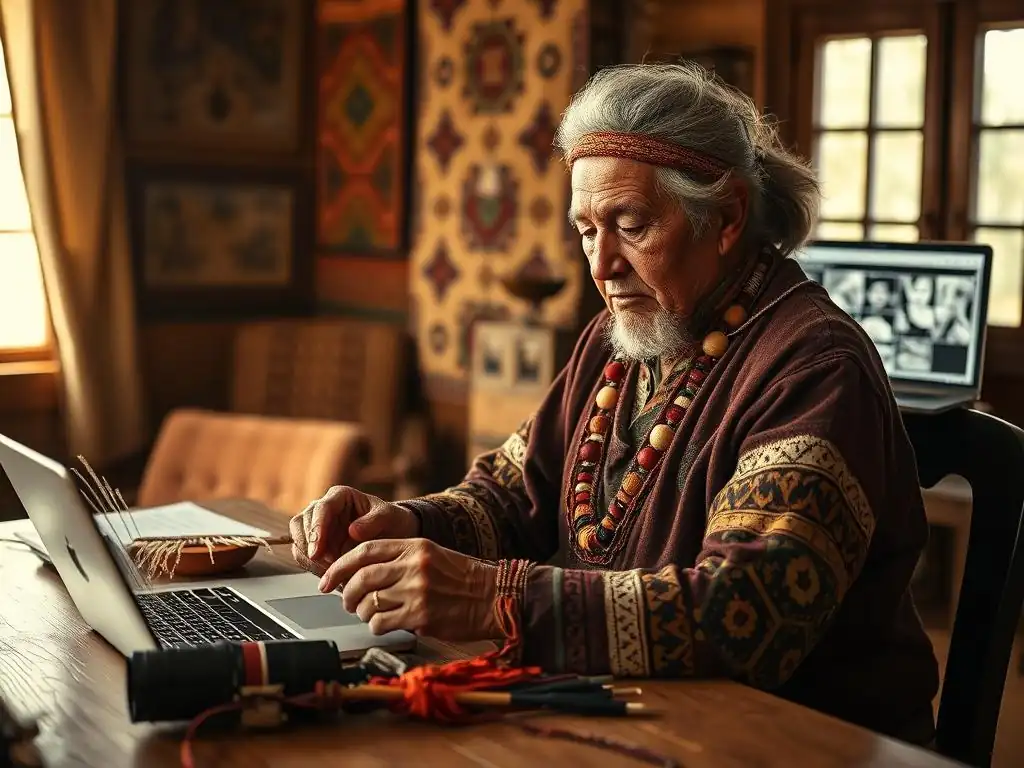
The integration of modern imaging technologies has significantly transformed the study and preservation of Indigenous heritage. These technologies not only enhance our understanding of ancient cultures but also provide innovative ways for Indigenous communities to reconnect with their ancestral histories. By utilizing advanced imaging techniques, researchers can capture intricate details of artifacts, sites, and landscapes that were previously difficult to analyze. This intersection of technology and tradition fosters a deeper appreciation for Indigenous heritage while ensuring its preservation for future generations.
Overview of Current Imaging Technologies
Today's imaging technologies encompass a variety of tools and methods that have revolutionized archaeological practices. Some of the most impactful technologies include:
- 3D Scanning: This technique captures the shape and appearance of objects or environments through laser or structured light, creating highly detailed digital models. These models can be manipulated and analyzed from various angles, allowing for comprehensive study without physical handling.
- Photogrammetry: Utilizing photographs taken from multiple angles, photogrammetry reconstructs three-dimensional models of artifacts and sites. This method is particularly valuable for documenting sites that are fragile or at risk of deterioration.
- Ground Penetrating Radar (GPR): GPR employs radar pulses to image the subsurface, revealing structures, features, and artifacts buried beneath the ground. This non-invasive method is essential for mapping archaeological sites without disturbing the soil.
- Drones: Equipped with high-resolution cameras, drones allow for aerial surveys of vast areas. They can capture images and data from hard-to-reach places, transforming how archaeologists document and analyze landscapes.
These technologies provide archaeologists and Indigenous communities with powerful tools to visualize and interpret cultural heritage, promoting a more nuanced understanding of Indigenous histories.
Applications of Imaging Technologies in Indigenous Archaeology
Imaging technologies play a pivotal role in various aspects of Indigenous archaeology, including:
- Site Documentation: Advanced imaging enables detailed documentation of archaeological sites, preserving them digitally for study and analysis. This is crucial for sites that may be threatened by natural disasters or human activity.
- Artifact Preservation: By creating digital replicas of artifacts, researchers can reduce the need for physical handling, minimizing wear and tear on these invaluable cultural items. Digital models can also be shared globally, enhancing educational opportunities.
- Cultural Revitalization: Indigenous communities can use imaging technologies to reclaim and share their heritage. By digitizing cultural practices, languages, and traditions, these communities can foster a sense of identity and continuity in the face of modern challenges.
- Public Engagement: Virtual reality (VR) and augmented reality (AR) applications allow the public to engage with Indigenous heritage in immersive ways. These technologies provide interactive experiences that educate users about the rich histories and cultures of Indigenous peoples.
Through these applications, imaging technologies not only aid in archaeological research but also empower Indigenous communities to maintain and celebrate their heritage.
Case Studies of Technology in Indigenous Heritage
Case Study 1: The Hopi Tribe and Digital Imaging
The Hopi Tribe, located in northeastern Arizona, has embraced digital imaging to preserve its cultural heritage. Using 3D scanning technology, the Hopi have documented traditional pottery and kachina dolls, creating digital archives that serve both educational and preservation purposes.
This initiative allows for the sharing of Hopi culture with younger generations and the wider public, fostering appreciation and understanding of their artistic practices. Additionally, the digital models serve as resources for artists, enabling them to reference traditional designs while creating contemporary pieces. By integrating technology into their cultural practices, the Hopi Tribe exemplifies how digital tools can enhance the transmission of Indigenous knowledge and artistry.
Case Study 2: Chaco Canyon and 3D Reconstruction
Chaco Canyon, a UNESCO World Heritage site in New Mexico, is a prime example of how 3D reconstruction is used to study Indigenous heritage. Advanced imaging techniques have allowed researchers to create detailed digital models of the canyon's complex architectural features, including its great houses and ceremonial structures.
These 3D reconstructions provide invaluable insights into the social and cultural dynamics of the Ancestral Puebloans who inhabited the area between AD 900 and 1150. By visualizing the site in three dimensions, archaeologists can analyze spatial relationships and architectural styles, contributing to a deeper understanding of Chacoan society.
Moreover, these models serve as educational tools for both scholars and the public, promoting greater awareness and appreciation of the cultural significance of Chaco Canyon. The successful application of 3D reconstruction in this context demonstrates the powerful impact of technology on the preservation and interpretation of Indigenous heritage sites.
Benefits of Technology in Documenting Indigenous Heritage
The integration of technology into the documentation and preservation of Indigenous heritage has revolutionized the way these cultures are understood and appreciated. From advanced imaging techniques to digital archiving, the benefits are manifold, allowing for a deeper connection to the past while supporting contemporary Indigenous communities.
One of the most significant advantages is the enhancement of preservation efforts. Technology offers tools that can capture intricate details of artifacts and sites that may be difficult to observe with the naked eye. For example, 3D scanning and photogrammetry can create accurate digital replicas of ancient structures and artifacts, ensuring that they can be studied and appreciated without the risk of physical degradation. This digital preservation also allows for replicas to be shared globally, increasing awareness and appreciation for Indigenous cultures.
Additionally, technology facilitates wider access to knowledge. Virtual reality (VR) experiences and online archives make it possible for individuals around the world to engage with Indigenous heritage without needing to travel to specific locations. This democratization of information helps foster a greater understanding of Indigenous histories and traditions.
Enhancing Preservation Efforts Through Technology
Modern imaging technologies are pivotal in improving how Indigenous heritage is preserved. Techniques such as high-resolution photography, laser scanning, and 3D modeling provide unprecedented detail and accuracy in documenting sites and artifacts. These technologies allow researchers to create comprehensive records, capturing not only the physical attributes of objects but also contextual information about their cultural significance.
Moreover, remote sensing technologies can identify archaeological sites that are otherwise hidden from view, such as those obscured by vegetation or other natural elements. By utilizing aerial drones and satellite imagery, archaeologists can map large areas and uncover sites that may have been lost over time. This proactive approach not only aids in preservation but also enables the planning of excavations and conservation efforts in a more informed manner.
Additionally, the digitization of archival materials, including texts, photographs, and oral histories, serves to safeguard Indigenous knowledge. These efforts help counteract the risk of cultural erasure by ensuring that language, stories, and traditions can be maintained and passed down through generations. As a result, technology acts as a bridge connecting the past with the present and future.
Educating the Public About Indigenous Cultures
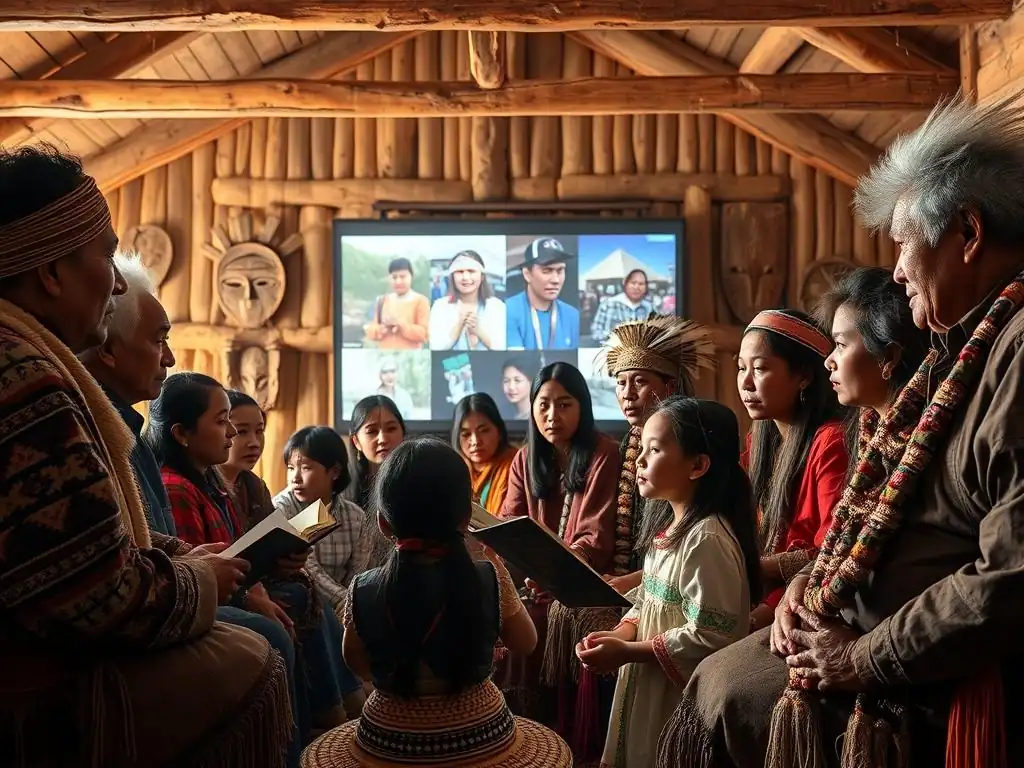
Technology plays a critical role in educating the public about Indigenous cultures. Digital platforms provide opportunities for interactive learning experiences, enabling users to engage with Indigenous heritage in meaningful ways. For instance, online exhibitions and mobile apps can offer immersive experiences that teach users about the customs, art, and history of Indigenous peoples.
Social media has also emerged as a powerful tool for Indigenous communities to share their narratives and connect with broader audiences. By utilizing platforms to showcase cultural events, traditions, and achievements, Indigenous voices are amplified, fostering a greater understanding of their rich heritage. This engagement encourages respect and appreciation for Indigenous cultures, helping to counteract stereotypes and misinformation.
Moreover, educational institutions are increasingly incorporating technology into their curricula to teach students about Indigenous histories. Digital storytelling and e-learning modules allow for the inclusion of Indigenous perspectives, creating a more holistic educational framework that acknowledges the contributions of these cultures.
Challenges and Considerations
While technology offers numerous benefits for documenting Indigenous heritage, it also presents challenges that must be navigated carefully. It's essential to address these challenges to ensure that the use of technology respects Indigenous rights and traditions.
Ethical Implications of Technology in Indigenous Heritage
The application of technology in documenting Indigenous heritage raises several ethical considerations. One of the primary concerns is the ownership of cultural knowledge. Many Indigenous communities possess deep-rooted traditions and practices that have been passed down through generations. When technology is used to document these aspects, it is crucial to involve Indigenous voices in the process to ensure that their perspectives and rights are honored.
Additionally, the potential for cultural appropriation is a significant issue. Technologies that capture and disseminate Indigenous heritage must be employed with care to prevent the commodification of culture. It is vital for researchers and technologists to collaborate with Indigenous communities, following their guidelines and respecting their wishes regarding how their heritage is represented and shared.
Balancing Tradition with Modern Approaches
Finding a balance between traditional practices and modern technological approaches presents another challenge. Indigenous cultures are often rooted in specific practices and ways of knowing that may not align neatly with contemporary technological frameworks. It is essential to approach this intersection with sensitivity, recognizing that not all aspects of Indigenous heritage can or should be documented through technology.
Engaging in dialogues with Indigenous elders and community members can provide valuable insights on how to honor traditions while integrating technology. This collaborative approach fosters mutual respect and understanding, ensuring that technology serves as a tool for empowerment rather than a means of erasure.
While the intersection of technology and Indigenous heritage holds immense potential for preservation and education, it is imperative to navigate the associated challenges thoughtfully. By prioritizing ethical considerations and community involvement, a harmonious relationship can be established that respects the richness of Indigenous cultures while embracing the benefits of technological advancements.
Future Directions in Imaging Indigenous Heritage
The future of imaging technologies in the exploration and preservation of Indigenous heritage is bright and filled with potential. As advancements in technology continue to emerge, new methodologies and tools are being developed that allow for deeper insights into the rich tapestries of Indigenous cultures. These innovations not only enhance archaeological research but also empower Indigenous communities to take an active role in preserving and sharing their heritage.
Emerging technologies such as 3D imaging, augmented reality (AR), and virtual reality (VR) are paving the way for more immersive and interactive experiences. These techniques enable researchers and the public to visualize and engage with artifacts and sites in ways that were previously unimaginable. Additionally, advancements in remote sensing and drone technology facilitate the documentation of expansive archaeological landscapes, making it possible to identify and analyze structures that might have otherwise gone unnoticed.
Innovations on the Horizon for Indigenous Archaeology
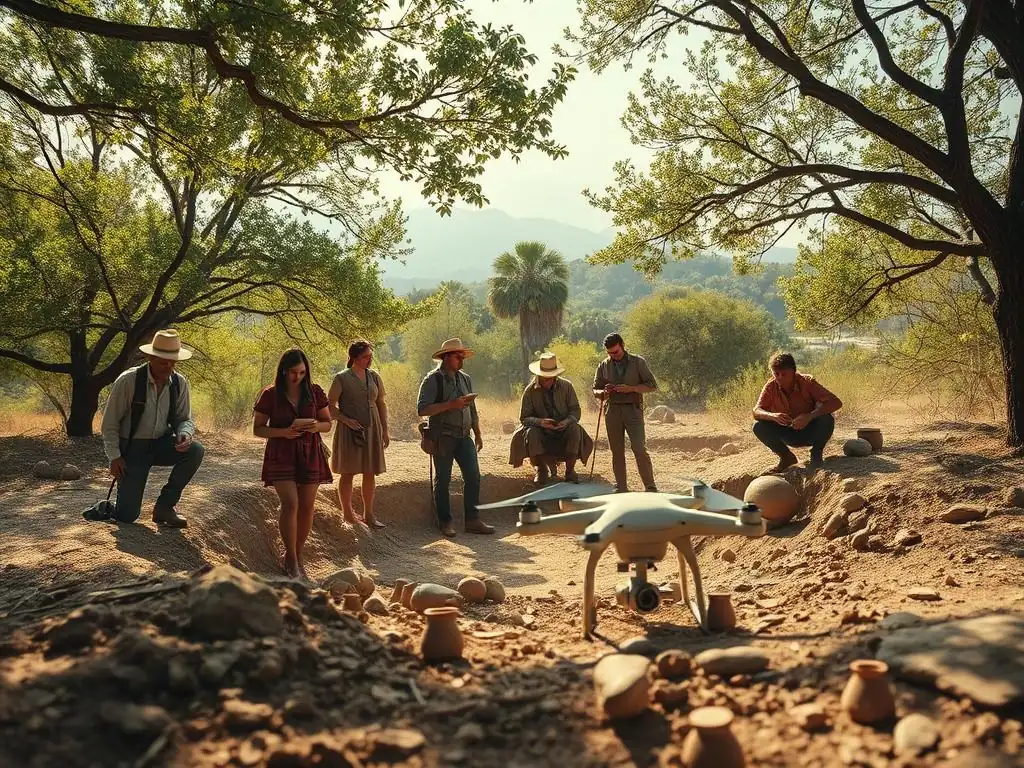
Several promising innovations are on the horizon that stand to revolutionize Indigenous archaeology. One such innovation is the use of machine learning and artificial intelligence (AI) in data analysis, which can help identify patterns in large datasets related to Indigenous sites and artifacts. This could lead to significant discoveries that enhance our understanding of Indigenous societies and their interactions with the environment.
Moreover, the development of portable imaging devices allows researchers to conduct on-site analyses without the need for extensive laboratory setups. This not only reduces the time and costs associated with traditional archaeological methods but also minimizes the disturbance to sacred sites, aligning with the values of many Indigenous communities.
The integration of Geographic Information Systems (GIS) with traditional Indigenous knowledge is another exciting avenue. By combining spatial analysis with Indigenous narratives, researchers can create more holistic and culturally sensitive interpretations of archaeological data.
Collaborative Efforts Between Indigenous Communities and Technologists
Collaboration is key to the successful integration of technology and Indigenous heritage. Many Indigenous communities are actively partnering with technologists and archaeologists to create projects that reflect their cultural values and perspectives. These partnerships foster mutual respect and understanding, ensuring that the technologies developed are not only scientifically sound but also culturally relevant.
For example, co-design initiatives have emerged, where Indigenous peoples are involved in the creation and implementation of imaging technologies. This participatory approach ensures that the resulting tools and methodologies respect Indigenous protocols and protect sacred knowledge. Furthermore, these collaborations often lead to educational programs that help both Indigenous youth and technologists understand the importance of cultural heritage preservation.
By leveraging each other's strengths, Indigenous communities and technologists can create innovative solutions that enhance the documentation, preservation, and presentation of Indigenous heritage. This synergy enriches the narrative of Indigenous cultures while providing new opportunities for research and education.
Conclusion
The Importance of Integrating Technology and Tradition
The integration of technology into the study and preservation of Indigenous heritage is essential for a multitude of reasons. Firstly, it enhances the ability to document and analyze artifacts and sites, which can lead to new discoveries and a deeper understanding of Indigenous cultures. Secondly, by employing modern imaging technologies, researchers can create more engaging educational experiences that help disseminate knowledge about Indigenous histories and contributions.
Moreover, integrating technology into Indigenous heritage initiatives allows for the preservation of cultural practices that may be at risk of fading. By documenting traditional techniques and stories through digital mediums, these technologies can serve as a bridge between generations, ensuring that Indigenous knowledge is not lost but rather transformed and adapted for future contexts.
Final Thoughts on Preserving Indigenous Heritage Through Innovation
As we look towards the future, it is clear that the intersection of technology and Indigenous heritage presents a unique opportunity for preservation and education. By embracing innovative imaging technologies while honoring traditional practices, we can create a more inclusive narrative that respects and celebrates the diversity of Indigenous cultures.
Ultimately, the collaborative efforts between Indigenous communities and technologists will be pivotal in shaping how we understand and preserve Indigenous heritage moving forward. By valuing both technological advancements and traditional knowledge, we can forge a path that not only honors the past but also inspires future generations to appreciate and protect the rich cultural legacies of Indigenous peoples across the Americas.
- Introduction to Indigenous Heritage and Technology
- Defining Indigenous Heritage in the Americas
- The Role of Technology in Preserving Heritage
- Historical Context of Indigenous Technologies
- Modern Imaging Technologies and Indigenous Heritage
- Case Studies of Technology in Indigenous Heritage
- Benefits of Technology in Documenting Indigenous Heritage
- Enhancing Preservation Efforts Through Technology
- Educating the Public About Indigenous Cultures
- Challenges and Considerations
- Future Directions in Imaging Indigenous Heritage
- Innovations on the Horizon for Indigenous Archaeology
- Collaborative Efforts Between Indigenous Communities and Technologists
- Conclusion
- What is the focus of the article "The Intersection of Technology and Tradition: Imaging Indigenous Heritage"?
- How did indigenous civilizations incorporate technology into their daily lives?
- What are some key achievements of indigenous cultures mentioned in the article?
- How does the article address the concept of indigenous heritage?
- What is the significance of understanding indigenous heritage and technology today?
Frequently Asked Questions
What is the focus of the article "The Intersection of Technology and Tradition: Imaging Indigenous Heritage"?
The article explores the relationship between technology and tradition in indigenous cultures of the Americas, highlighting how these societies utilized innovation alongside their cultural practices.
How did indigenous civilizations incorporate technology into their daily lives?
Indigenous civilizations employed advanced technologies such as agricultural techniques, tool-making, and architectural innovations that were tailored to their environments, demonstrating a sophisticated understanding of their natural surroundings.
What are some key achievements of indigenous cultures mentioned in the article?
The article emphasizes achievements in areas like agriculture, art, and social organization, showcasing how these cultures developed complex systems that were deeply rooted in their heritage and tradition.
How does the article address the concept of indigenous heritage?
Indigenous heritage is portrayed as a dynamic amalgamation of traditions, languages, and technologies that have shaped the identities of indigenous peoples, and the article discusses its importance in contemporary society.
What is the significance of understanding indigenous heritage and technology today?
Understanding indigenous heritage and technology is crucial for appreciating the diversity and resilience of these cultures, as well as for promoting cultural preservation and fostering respect for indigenous knowledge systems in modern contexts.
Final Reflection: Embracing the Future of Indigenous Heritage through Technology
The intersection of technology and tradition is more relevant today than ever, as it offers a unique opportunity to preserve and celebrate Indigenous heritage. In an age where digital advancements can either overshadow or enhance cultural narratives, it is crucial to recognize how technology can serve as a bridge, connecting generations and fostering a deeper understanding of Indigenous histories and practices. The potential for technology to empower Indigenous communities and amplify their voices is a powerful testament to the resilience of these cultures.
The ongoing dialogue surrounding Indigenous heritage and technology is reshaping our cultural landscape, inviting us to reflect on the significance of these narratives in our contemporary society. By integrating modern tools with traditional practices, we can witness a revival of Indigenous stories that have long been marginalized. As the renowned Indigenous scholar Linda Tuhiwai Smith once said, Research is a way of knowing, and it is a way of being.
This highlights the importance of Indigenous perspectives in the technological realm, emphasizing that the stories we tell and the methods we use to tell them matter deeply.
As we move forward, I invite you to reflect on your own relationship with Indigenous heritage and technology. Consider how you can engage with these narratives in your daily life, whether through supporting Indigenous creators, participating in cultural events, or advocating for the preservation of these vital stories. The future of Indigenous heritage lies in our collective hands, and by embracing technology as a tool for empowerment, we can ensure that these rich traditions continue to thrive for generations to come.
Embrace and Celebrate Indigenous Heritage Today!
Thank you for joining us on this enlightening exploration of the intersection between technology and tradition in Indigenous heritage. We hope this article has inspired you to appreciate and engage with the rich cultures of the Americas, blending the past with the present in meaningful ways.
Now, it's time to take action and deepen your connection to this vibrant heritage. Here’s how you can continue the journey:
- Join a local Indigenous cultural event or workshop to experience these traditions firsthand and support the communities in your area.
- Share your newfound knowledge on social media using the hashtag #IndigenousHeritage to inspire others and foster a broader conversation.
- Explore online resources that celebrate Indigenous art, stories, and traditions, and consider donating to organizations dedicated to preserving these cultural legacies.
Which aspect of Indigenous heritage resonates the most with you, and how will you incorporate it into your life or community?