
The Legacy of Mayan Religion: How Ancient Beliefs Persist Today

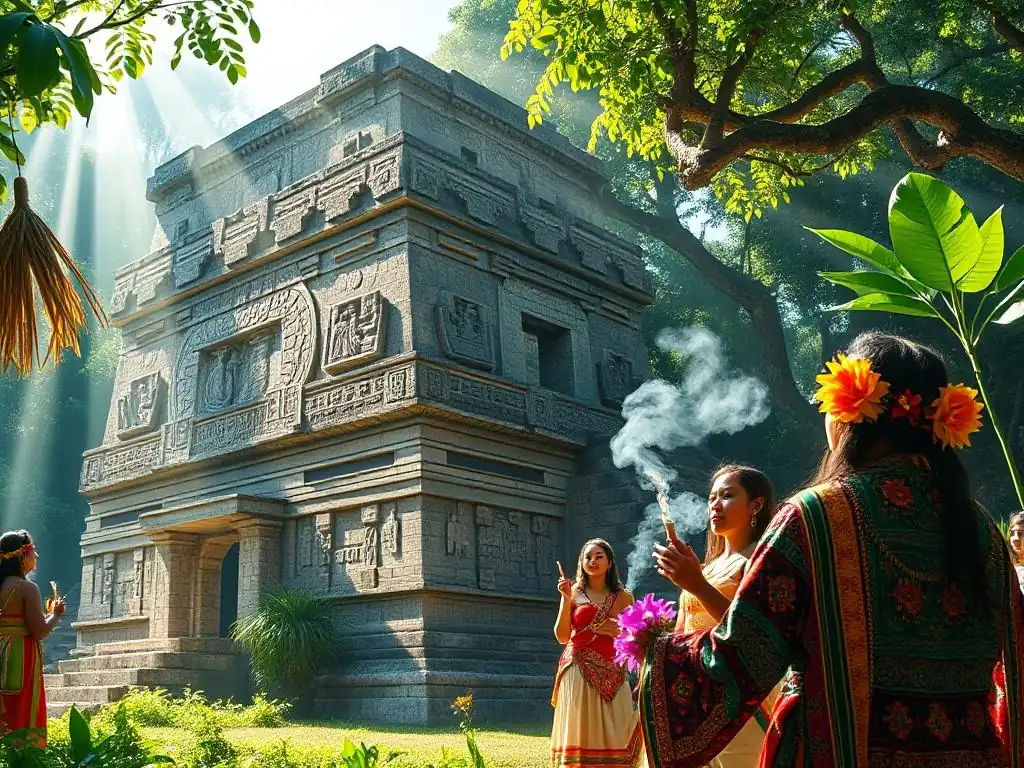
Welcome to Indigenous Civilizations of the Americas, where we invite you to journey through the rich tapestry of indigenous cultures that flourished long before European contact. In our featured article, "The Legacy of Mayan Religion: How Ancient Beliefs Persist Today," we delve into the profound and enduring impact of Mayan religion on contemporary spiritual practices. Discover how ancient rituals and philosophies continue to shape modern beliefs, igniting curiosity about the remarkable resilience of these vibrant cultures. Join us as we uncover the secrets of the past and their echoes in the present—your exploration begins here!
Introduction to Mayan Religion and Modern Beliefs
The exploration of Mayan religion and modern beliefs unveils a rich tapestry of spiritual traditions that have significantly influenced contemporary practices among indigenous communities in the Americas. The ancient Mayans, known for their sophisticated understanding of astronomy, mathematics, and agriculture, also possessed a complex religious system that intertwined daily life with the divine.
This article delves into the enduring legacy of Mayan religion, highlighting how ancient beliefs continue to resonate in modern spiritual practices, rituals, and cultural expressions. By examining the historical context and the key elements of Mayan beliefs, we aim to shed light on their lasting impact and the ways they are preserved and adapted today.
The Historical Context of Mayan Religion
To understand the persistence of Mayan religion in modern times, it is essential to consider the historical context in which these beliefs developed. The ancient Maya civilization, which flourished from approximately 2000 BC to 1500 AD, was characterized by city-states that engaged in intricate social, political, and economic interactions. Religion was central to Mayan society, influencing everything from governance to agriculture.
- Geographical Diversity: The Mayan civilization spanned present-day Mexico, Guatemala, Belize, Honduras, and El Salvador, leading to a rich diversity of religious practices.
- Colonial Disruption: The arrival of Spanish colonizers in the 16th century brought significant disruption to Mayan religious practices. However, many aspects were preserved, adapted, and syncretized with Christianity over the centuries.
Key Characteristics of Ancient Mayan Beliefs
Ancient Mayan beliefs were rooted in a profound connection to nature and the cosmos. Central to their worldview were several key characteristics:
- Polytheism: The Mayans worshipped multiple deities, each representing different aspects of life, nature, and the cosmos.
- Cosmic Cycles: They believed in cyclical time, which influenced their agricultural practices and religious ceremonies.
- Rituals and Offerings: Rituals were performed to appease the gods, including offerings of food, blood, and incense.
These characteristics laid the foundation for a deeply ingrained spiritual identity that continues to influence modern practices.
The Role of Deities in Mayan Society
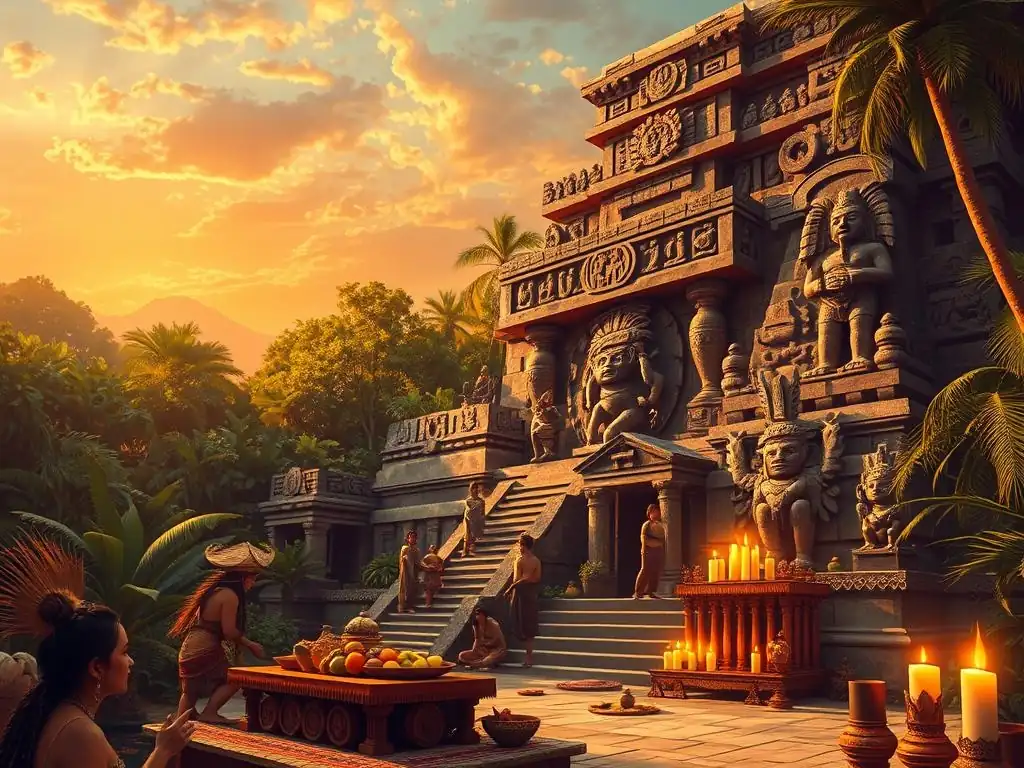
Deities played a pivotal role in Mayan society, acting as intermediaries between the human realm and the divine. Key aspects include:
- Major Deities: Important gods such as Itzamna (the creator god), Kukulkan (the feathered serpent), and Ix Chel (the goddess of fertility) held significant influence over various aspects of life.
- Cultural Significance: Each deity was associated with specific natural elements, agricultural cycles, and societal events, reinforcing the connection between the divine and everyday life.
- Modern Reverence: Today, many indigenous communities continue to honor these ancient deities, integrating them into their spiritual practices and community rituals.
Sacred Texts and Ritual Practices
The ancient Mayans produced a wealth of sacred texts, many of which provide insights into their religious beliefs and practices:
- Popol Vuh: This sacred narrative outlines the creation story, the adventures of the Hero Twins, and the origins of the Mayan people, serving as a cornerstone of Mayan mythology.
- Ritual Practices: Rituals, including ceremonies for agricultural fertility, rites of passage, and seasonal festivals, are integral to maintaining spiritual connections.
- Contemporary Adaptations: Many of these rituals have evolved but remain central to the cultural identity of indigenous groups, demonstrating the resilience of Mayan religion.
The legacy of Mayan religion is a testament to the enduring nature of ancient beliefs and their ability to adapt and persist through generations. Understanding this legacy provides valuable insights into the modern spiritual landscape shaped by these rich traditions.
The Transition from Ancient to Modern Beliefs
The transition from ancient Mayan religion to modern beliefs is a complex process that illustrates the resilience of indigenous cultures in the face of external pressures. The Mayan civilization, known for its rich pantheon of gods, elaborate rituals, and deep connection to nature, faced significant disruptions with the arrival of European colonizers in the 16th century. Despite these disruptions, many elements of the ancient belief system have been preserved and adapted within modern Mayan communities.
Factors such as cultural retention, oral traditions, and the adaptability of spiritual practices have contributed to the continuity of Mayan religious beliefs. As communities sought to navigate the challenges posed by colonization and cultural assimilation, they often integrated aspects of their ancestral spirituality into new frameworks. This blending has allowed for a unique evolution of beliefs that reflect both ancient traditions and contemporary realities.
The Impact of European Colonization on Mayan Religion
European colonization had a profound impact on Mayan religion, leading to the suppression of indigenous practices and the imposition of Christianity. Missionaries often viewed Mayan spiritual beliefs as pagan and sought to eradicate them through conversion efforts. This resulted in the destruction of sacred sites, the banning of traditional rituals, and the persecution of spiritual leaders.
Despite these challenges, many Mayans resisted complete assimilation. They often covertly maintained their rituals and traditional practices, sometimes incorporating Christian elements into their ceremonies. This resistance has allowed for the survival of core aspects of Mayan spirituality, which continue to influence modern beliefs and practices.
Preservation of Mayan Spiritual Practices
The preservation of Mayan spiritual practices is evident in various aspects of contemporary life among indigenous communities. Elders play a crucial role in passing down knowledge of ancient rituals, myths, and practices, ensuring that these elements remain vital to the cultural identity of the Mayan people.
Community gatherings and celebrations often feature traditional ceremonies that honor the gods, ancestors, and natural elements. The use of sacred plants, such as copal for incense and maize in offerings, reflects the enduring connection to ancient customs. Additionally, oral traditions serve as a repository of wisdom, with stories and teachings being shared through generations, thus preserving the essence of Mayan spirituality.
Syncretism: Blending Ancient and Modern Faiths
Syncretism has emerged as a defining feature of Mayan religion in the modern era. This blending of ancient beliefs with Catholicism has created a dynamic spiritual landscape where both sets of practices coexist. For instance, many Mayans celebrate Catholic holidays alongside traditional ceremonies, incorporating elements from both faiths into communal rituals.
This syncretic approach allows for flexibility and adaptability in the practice of spirituality. While some community members may identify primarily with Catholicism, they often retain connections to traditional rituals, viewing them as complementary rather than contradictory. This duality enriches the spiritual experience and fosters a sense of cultural identity rooted in both ancestral and contemporary influences.
Contemporary Expressions of Mayan Religion
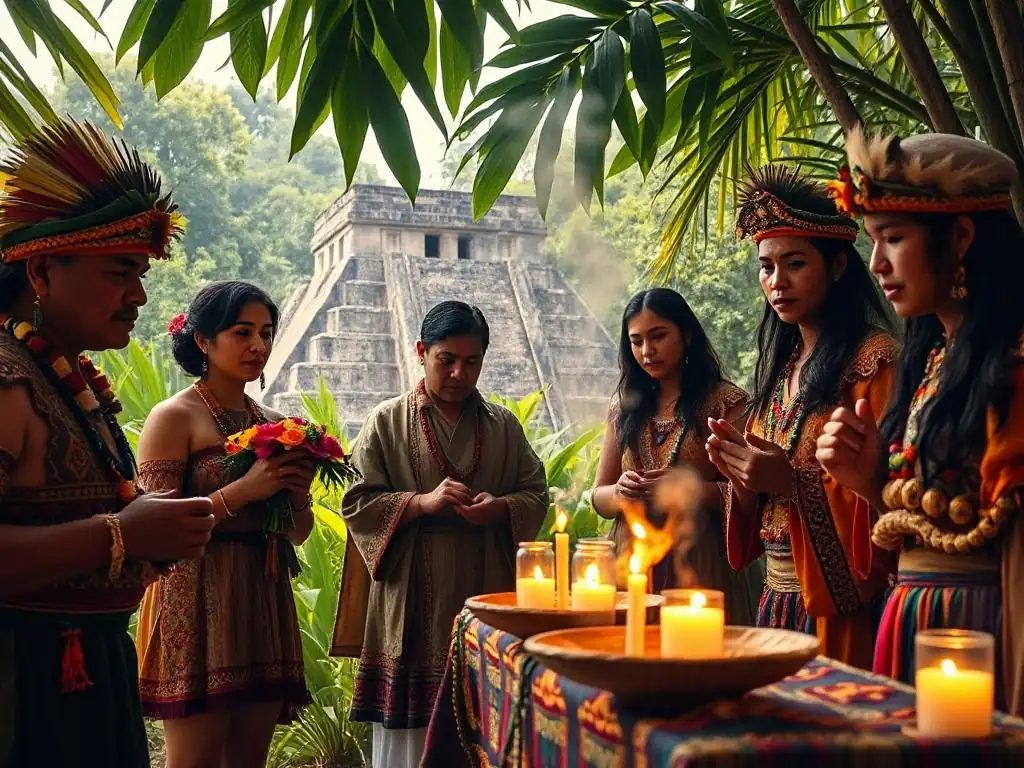
Contemporary expressions of Mayan religion reflect the ongoing evolution of spiritual practices among modern Mayan communities. These expressions serve not only as a means of cultural identity but also as a way to address contemporary challenges and foster community cohesion.
Rituals and Ceremonies in Modern Mayan Communities
Rituals and ceremonies in modern Mayan communities are vibrant and multifaceted, often incorporating ancient traditions with contemporary social issues. Key ceremonies, such as the Day of the Dead and harvest festivals, exemplify the fusion of ancestral practices with modern life. During these events, rituals honor ancestors and express gratitude for the earth's bounty, reinforcing community bonds.
In addition to traditional ceremonies, many communities have begun to adapt rituals to address issues like environmental degradation and social justice. This integration of ancient beliefs into modern contexts demonstrates the resilience of Mayan spirituality and its relevance in addressing contemporary challenges.
The Influence of Mayan Religion on Local Cultures and Practices
Mayan religion has had a significant influence on local cultures and practices, extending beyond the Mayan community itself. Elements of Mayan spirituality have permeated the broader cultural landscape, influencing art, music, and festivals throughout the region. The use of traditional motifs and symbols in modern artwork highlights the enduring legacy of Mayan beliefs.
Moreover, many non-Mayan communities in Central America have adopted aspects of Mayan spirituality, reflecting the rich tapestry of cultural exchange that characterizes the region. This cross-cultural influence illustrates the power of Mayan religion to resonate with diverse audiences and contribute to a shared cultural heritage.
Revival Movements: Reclaiming Ancient Beliefs
Revival movements aimed at reclaiming ancient Mayan beliefs have gained momentum in recent decades. These movements seek to revitalize traditional practices, languages, and cultural expressions that were suppressed during colonization. Community leaders and activists work to educate younger generations about their heritage, fostering pride in their identity as descendants of the ancient Maya.
These revival efforts often include the reintegration of traditional rituals, the teaching of indigenous languages, and the celebration of ancestral knowledge. By reclaiming their spiritual heritage, modern Mayans are not only preserving their cultural identity but also asserting their place within the broader context of contemporary society. This resurgence of interest in ancient beliefs serves as a powerful testament to the enduring legacy of Mayan religion.
The Significance of Mayan Religion in Today's Society
Mayan religion, rich in symbolism and tradition, continues to hold significant relevance in contemporary society, particularly among indigenous communities in Central America. The ancient belief systems, which encompassed a deep connection to nature, celestial bodies, and ancestral spirits, have shaped cultural practices and social structures even in modern times. Many Mayan descendants still engage in rituals that honor their gods and the Earth, reflecting an enduring legacy that connects past and present.
In today's globalized world, the resurgence of interest in indigenous practices has led to a greater appreciation of Mayan spirituality. This interest often manifests in cultural festivals, educational programs, and community gatherings where traditional ceremonies are performed, allowing younger generations to reconnect with their heritage. These practices not only reinforce identity but also promote resilience in the face of external pressures from modernization and globalization.
Understanding Identity Through Mayan Spirituality
Mayan spirituality serves as a pillar of identity for many individuals within the community. It is a means of expressing cultural heritage and a shared history that transcends generations. The cosmology of the Mayans, which includes a complex pantheon of gods and goddesses, continues to influence personal and communal identities. Rituals, such as the sacred fire ceremony or the Day of the Dead observances, are integral to maintaining this spiritual connection.
Moreover, Mayan beliefs emphasize the importance of community and collective identity. By participating in traditional practices, individuals not only affirm their own identities but also contribute to the preservation of their collective cultural memory. This sense of belonging is particularly vital for younger generations, who may feel disconnected from their ancestral roots due to urbanization and modern influences.
Mayan Religion and Environmental Stewardship
An essential aspect of Mayan religion is its intrinsic link to environmental stewardship. The ancient Mayans revered the Earth and its resources, understanding that their survival depended on a harmonious relationship with nature. Today, this perspective remains critical as contemporary Mayan communities advocate for sustainable practices and environmental conservation.
Mayan spirituality promotes the idea of living in balance with the natural world, which resonates strongly amid modern environmental challenges. Many communities lead initiatives aimed at protecting local ecosystems, drawing on traditional ecological knowledge passed down through generations. These efforts not only honor their ancestors but also address pressing issues like deforestation and climate change, showcasing how ancient beliefs can guide modern environmental actions.
The Role of Mayan Elders in Teaching Modern Beliefs
Mayan elders play a vital role in the transmission of religious and cultural knowledge to younger generations. These respected figures are often seen as custodians of tradition, responsible for teaching the younger members of the community about rituals, customs, and the significance of their spiritual beliefs. Through storytelling, mentorship, and participation in rituals, elders instill a sense of pride and continuity in Mayan religion.
The teachings of these elders are particularly important in navigating the complexities of modern life. By blending ancient beliefs with contemporary challenges, they help youth find relevance in their cultural practices. This intergenerational dialogue ensures that Mayan religious beliefs remain vibrant and adaptable, fostering resilience and a deeper understanding of identity in the face of societal change.
Conclusion: The Enduring Legacy of Mayan Religion
The legacy of Mayan religion is profound, influencing not only the cultural landscape of Central America but also offering insights into the resilience of indigenous practices globally. As communities strive to preserve their spiritual heritage, the values embedded in Mayan beliefs continue to resonate, encouraging a deeper connection with identity, community, and the environment.
Reflections on the Future of Mayan Beliefs
Looking ahead, the future of Mayan beliefs appears promising yet challenging. As younger generations become increasingly engaged with their cultural heritage, there is hope for a revitalization of ancient practices. However, the threat of cultural dilution through globalization and modernization persists. It will be crucial for communities to strike a balance between embracing modernity and preserving their spiritual roots.
The Importance of Preserving Indigenous Spiritual Heritage
Preserving indigenous spiritual heritage is vital not only for maintaining cultural diversity but also for fostering respect for the wisdom of ancient civilizations. The lessons learned from Mayan religion—such as sustainability, communal responsibility, and reverence for nature—are increasingly relevant in our contemporary world. By recognizing and honoring these teachings, society can benefit from the rich tapestry of knowledge that indigenous cultures provide, ensuring that the legacy of Mayan religion continues to thrive for generations to come.
- Introduction to Mayan Religion and Modern Beliefs
- The Historical Context of Mayan Religion
- Key Characteristics of Ancient Mayan Beliefs
- The Role of Deities in Mayan Society
- Sacred Texts and Ritual Practices
- The Transition from Ancient to Modern Beliefs
- Contemporary Expressions of Mayan Religion
- The Significance of Mayan Religion in Today's Society
- Conclusion: The Enduring Legacy of Mayan Religion
Frequently Asked Questions
What are the main beliefs of Mayan religion?
Mayan religion is characterized by a polytheistic belief system that includes gods of nature, rituals, and the importance of sacred calendars. These beliefs were deeply intertwined with their daily life and agriculture.
How has Mayan religion influenced modern beliefs?
Many aspects of Mayan religion have persisted, influencing modern beliefs through the integration of traditional practices and spirituality in contemporary indigenous communities, particularly in ceremonies and festivals.
What role did rituals play in Mayan society?
Rituals were central to Mayan society, serving to connect the physical and spiritual worlds. They were conducted for various purposes, including agriculture, healing, and honoring deities.
Are there any modern movements that reflect ancient Mayan beliefs?
Yes, there are revival movements among indigenous peoples that aim to preserve and promote Mayan traditions, including their religious practices and cosmology, often blending them with modern spiritual practices.
How can studying Mayan religion impact our understanding of indigenous cultures?
Studying Mayan religion provides insight into the complex social structures, values, and worldview of ancient civilizations, enriching our understanding of their cultural legacy and its ongoing relevance today.
Final Reflection: The Enduring Echoes of Mayan Religion in Modern Beliefs
The legacy of Mayan religion continues to resonate profoundly in today's world, highlighting the intricate tapestry of cultural beliefs that shape our identities. As we navigate an increasingly globalized society, the ancient wisdom and practices of the Mayans remind us of the importance of honoring our roots and understanding the spiritual connections that transcend time. The persistence of these beliefs serves as a testament to the resilience of culture and the human spirit.
Mayan religion has not only survived but thrived, influencing contemporary practices and spiritual journeys across the globe. This enduring presence invites us to explore how ancient traditions can coexist with modern beliefs, enriching our understanding of spirituality. The past is not dead; it is not even past.
— William Faulkner. This quote encapsulates the idea that the echoes of ancient religions, like that of the Mayans, continue to shape our cultural landscape, offering guidance and insight in our daily lives.
As you reflect on the teachings and practices of Mayan religion, consider how these ancient beliefs can inspire your own spiritual journey. Embrace the wisdom of the past and allow it to inform your present and future. Whether through rituals, community gatherings, or personal reflection, let the legacy of the Mayans encourage you to seek deeper connections with yourself and the world around you. The journey of understanding and integrating these beliefs is not just a tribute to history; it is a pathway to a more enriched and meaningful life.
Embrace the Spirit of the Ancients!
Thank you for journeying with us through the fascinating legacy of Mayan religion! Your interest has uncovered the profound ways these ancient beliefs continue to shape our world today. Now, let’s carry that curiosity forward and take meaningful steps to honor this incredible heritage.
- Discover a local cultural event or workshop centered around Indigenous traditions—experience the vibrancy of Mayan culture firsthand.
- Share your newfound knowledge with friends and family; start a conversation about the importance of preserving and respecting Indigenous beliefs.
- Engage with online communities dedicated to Indigenous cultures—join discussions, share stories, and broaden your understanding.
How can exploring the beliefs of past civilizations inspire you to shape a more culturally aware future?