
The Future of Indigenous Demographics: Lessons from History and Paths Forward

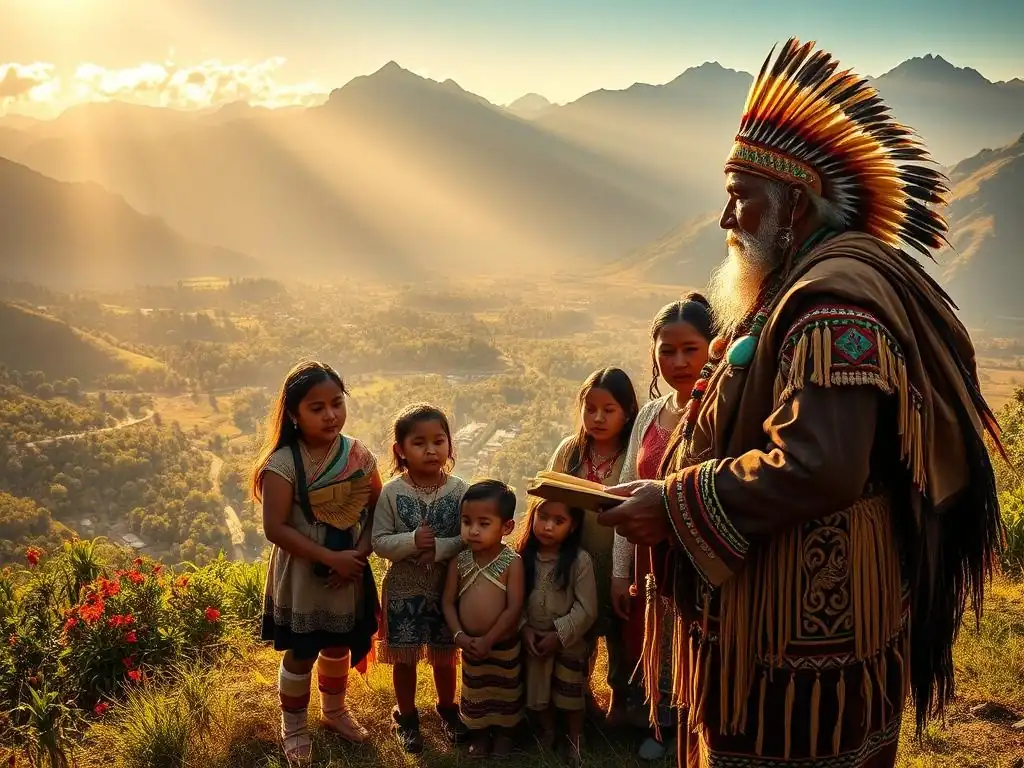
Welcome to Indigenous Civilizations of the Americas, where we delve into the rich tapestry of indigenous cultures that flourished across the continent long before European contact. As we embark on this journey, we invite you to explore our featured article, "The Future of Indigenous Demographics: Lessons from History and Paths Forward," which examines the profound impact of colonial encounters on indigenous populations and the lessons we can learn for their future.
What insights can history provide us as we navigate the complexities of identity, resilience, and renewal? Join us as we uncover the past and envision a promising future for Indigenous communities.
- The Future of Indigenous Populations: Lessons from History and Paths Forward
-
Frequently Asked Questions
- What does the article discuss regarding the future of Indigenous populations?
- Why is it important to study the history of Indigenous civilizations?
- How can historical insights shape the future of Indigenous populations?
- What role do contemporary challenges play in the demographics of Indigenous peoples?
- Are there positive developments for the future of Indigenous populations?
- Final Reflection: Embracing the Future of Indigenous Populations
- Embrace the Future: Engage with Indigenous Wisdom
The Future of Indigenous Populations: Lessons from History and Paths Forward
Introduction to Indigenous Demographics
Understanding the future of indigenous populations requires a deep dive into their historical context, societal structures, and demographic trends. The indigenous cultures of the Americas, with their rich legacies and diverse communities, have faced significant challenges over the centuries, particularly due to European colonization. This article aims to explore the demographic shifts experienced by these populations, drawing lessons from history that can inform future policies and initiatives. By examining the trajectories of indigenous demographics, we can better appreciate their resilience and the vital importance of preserving their cultures and identities in a rapidly changing world.
Overview of Indigenous Populations in the Americas
Indigenous populations in the Americas encompass a wide variety of cultures, languages, and histories. Before the arrival of Europeans, it is estimated that there were between 50 to 100 million indigenous people living across the continents, organized into complex societies ranging from nomadic tribes to advanced civilizations like the Aztec and Inca empires. These communities had their unique social structures, belief systems, and ecological knowledge, which played a crucial role in their identities.
- Key Indigenous Groups:
- North America: Navajo, Sioux, Iroquois
- Central America: Maya, Aztec
- South America: Quechua, Guarani, Mapuche
The demographic landscape of these groups has been altered dramatically over time, yet their influences persist in contemporary society.
Importance of Studying Indigenous Demographic Changes
Studying indigenous demographic changes is essential for several reasons:
- Cultural Preservation: Understanding historical population dynamics can help in preserving languages and traditions at risk of extinction.
- Policy Development: Insights from demographic studies inform policymakers about the needs and rights of indigenous communities.
- Social Justice: Recognizing past injustices and their long-term impacts is crucial for addressing current socio-economic disparities faced by indigenous populations.
Historical Context of Indigenous Populations
To grasp the current state of indigenous populations, one must first consider the historical context that shaped their demographics.
Pre-Colonization Demographics
Before European contact, indigenous populations thrived and adapted to diverse environments. This period was marked by:
- Population Density: Some regions, like the Mississippi River Valley, had high population densities due to agriculture.
- Societal Complexity: Many indigenous societies exhibited complex political structures, trade networks, and cultural practices that influenced their resilience and adaptability.
Impact of European Colonization on Indigenous Populations
The arrival of Europeans in the late 15th century marked a turning point, leading to dramatic shifts in indigenous demographics. The key impacts included:
- Disease: European diseases such as smallpox devastated indigenous populations, with estimates suggesting that up to 90% of some communities perished.
- Displacement: Colonization often resulted in forced removal from ancestral lands, disrupting traditional ways of life and social structures.
- Cultural Erasure: The imposition of foreign systems of governance and culture led to significant loss of identity and heritage among indigenous peoples.
Understanding these historical factors is vital for recognizing the contemporary challenges faced by indigenous populations and considering pathways for their future.
Lessons from History
The history of Indigenous populations in the Americas provides invaluable lessons that can inform the future of these communities. Throughout the centuries, Indigenous peoples have faced significant challenges, including colonization, forced assimilation, and cultural erasure. Despite these hardships, many Indigenous cultures have demonstrated remarkable resilience and adaptability. Understanding these historical contexts allows us to appreciate the strength of Indigenous identities and societies, framing a pathway for future advocacy and support.
Resilience of Indigenous Cultures
Indigenous cultures have shown an extraordinary capacity to resist and adapt to external pressures. For instance, many tribes have preserved their languages, traditions, and spiritual practices despite centuries of colonization. The revitalization of languages such as Navajo and Quechua illustrates this resilience, as younger generations seek to reclaim their cultural heritage.
Moreover, Indigenous peoples have successfully employed modern technology and platforms to share their stories and advocate for their rights. Social media campaigns, for example, have become powerful tools for raising awareness about issues affecting Indigenous communities, from land rights to environmental justice. This ability to blend traditional practices with contemporary means of expression highlights the ongoing relevance of Indigenous cultures in today's world.
Historical Demographic Patterns
Historically, Indigenous populations experienced drastic demographic shifts due to European contact, warfare, and disease. Initially, the pre-Columbian population of the Americas is estimated to have been between 50 to 100 million, with sophisticated societies spread across diverse environments. However, by the early 20th century, these numbers plummeted dramatically due to factors such as smallpox and other diseases brought by Europeans, alongside violent conflicts and displacement.
Despite these historical tragedies, certain regions have seen a resurgence in Indigenous populations. For instance, the 21st century has marked a significant increase in the recognition and rights of Indigenous peoples, allowing communities to flourish once again. Understanding these past trends is crucial for recognizing the potential for growth and sustainability within Indigenous populations today.
The Future of Indigenous Populations
Looking ahead, the future of Indigenous populations is shaped by a combination of current trends, cultural revitalization, and ongoing challenges. As Indigenous communities continue to advocate for their rights and autonomy, their demographic landscapes will evolve dynamically.
Current Demographic Trends
Recent census data reveals encouraging trends among Indigenous populations in various regions. Notably, there has been a consistent rise in birth rates among Indigenous communities compared to national averages in countries like Canada and the United States. Additionally, urbanization trends show that more Indigenous individuals are moving to cities, seeking educational and economic opportunities while still maintaining their cultural identities.
Furthermore, many Indigenous communities are experiencing an increase in political representation and participation, contributing to a growing visibility within broader societal frameworks. This trend is crucial for influencing policies that directly affect Indigenous populations and ensuring that their voices are heard in discussions about their future.
Challenges Facing Indigenous Communities
Despite these positive trends, Indigenous populations face numerous challenges that threaten their cultural and demographic sustainability. Access to healthcare, education, and economic opportunities remains disproportionately limited for many Indigenous communities. Systemic inequalities and historical injustices continue to impact their development and wellbeing.
Additionally, environmental issues, such as the loss of traditional lands and resources due to industrialization and climate change, pose significant threats. Indigenous peoples often rely on their land for cultural practices and sustenance, making the preservation of their environments critical for their future.
Addressing these challenges requires a concerted effort from governments, organizations, and society at large to ensure that Indigenous voices are prioritized in policy-making. By learning from the past and acknowledging the resilience of Indigenous cultures, we can work towards a more equitable and sustainable future for Indigenous populations in the Americas.
Pathways Forward for Indigenous Populations
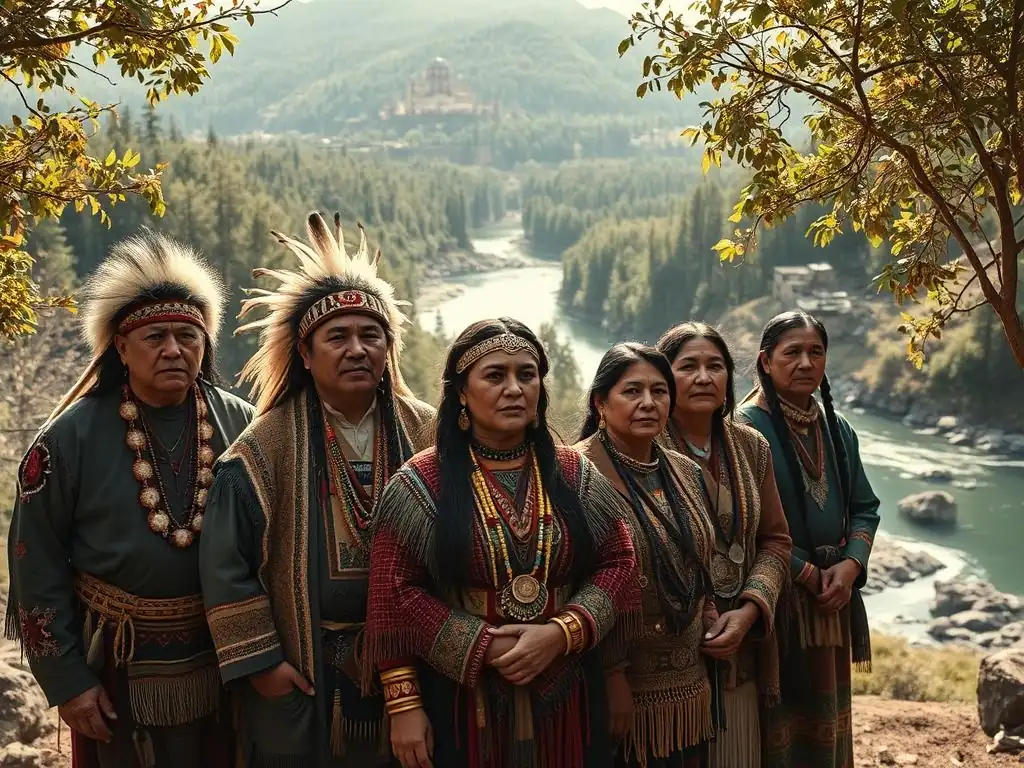
The future of Indigenous populations hinges on a multifaceted approach that embraces cultural preservation, economic empowerment, and political advocacy. Acknowledging the historical and ongoing challenges faced by Indigenous peoples is essential in crafting effective pathways forward. Sustainable development must prioritize the intrinsic connections that Indigenous communities have with their land, culture, and identity. By leveraging traditional knowledge alongside modern practices, Indigenous populations can foster resilience and adaptability in an ever-changing world.
Additionally, collaboration between Indigenous communities and external stakeholders, including governments and non-governmental organizations, can yield significant benefits. This collaboration must be rooted in mutual respect, ensuring that Indigenous voices are not only heard but are integral to decision-making processes. Ultimately, the future of Indigenous populations will be shaped by their agency and the recognition of their rights, allowing for the flourishing of diverse cultures that contribute to the broader tapestry of society.
Empowerment through Education
Education plays a pivotal role in shaping the future of Indigenous populations. It serves as a tool for empowerment, enabling individuals to gain knowledge and skills that enhance their socio-economic standing. However, the approach to education must be culturally relevant and inclusive of Indigenous perspectives. Bilingual education programs that incorporate Indigenous languages and histories can strengthen cultural identity while promoting academic success.
Furthermore, educational institutions should partner with Indigenous communities to create curricula that reflect their values and traditions. By fostering environments that respect and celebrate Indigenous knowledge systems, students can develop a sense of pride in their heritage, which is vital for the continuity of their cultures. Scholarships and mentorship programs tailored for Indigenous youth can also facilitate access to higher education, opening doors to a myriad of opportunities that contribute to community development.
Economic Development Strategies
Economic development strategies that prioritize Indigenous populations must be rooted in sustainability and respect for traditional practices. Indigenous entrepreneurship is gaining momentum, with community-led businesses that emphasize local resources and cultural heritage. Supporting these initiatives through training, funding, and access to markets can lead to job creation and economic independence.
Moreover, land-based resource management, such as sustainable agriculture and eco-tourism, can provide both economic benefits and environmental stewardship. By utilizing traditional ecological knowledge, Indigenous communities can manage resources in ways that ensure their long-term sustainability while generating income.
Investment in infrastructure, technology, and capacity-building initiatives is essential to empower Indigenous populations economically. Such efforts not only enhance their economic prospects but also strengthen their autonomy and resilience in the face of external pressures.
The Role of Policy in Shaping Indigenous Futures
Policies at local, national, and international levels significantly impact the trajectory of Indigenous populations. The future of these communities is often dictated by frameworks that either support or hinder their rights and aspirations. Engaging in policy advocacy and reform is crucial to ensuring that Indigenous needs are met and that their voices are represented in decision-making processes.
Government Policies Affecting Indigenous Demographics
Government policies have historically shaped Indigenous demographics through various means, including land dispossession, assimilation practices, and insufficient recognition of tribal sovereignty. Current policies must address these past injustices while promoting self-determination and cultural revitalization.
A crucial aspect of effective policy is the recognition of Indigenous land rights, which are foundational to cultural identity and community well-being. Additionally, healthcare, education, and housing policies should be designed with input from Indigenous communities to ensure they address specific needs and challenges faced by these populations.
By creating an inclusive policy environment that respects Indigenous rights, governments can facilitate an empowering framework that supports the growth and sustainability of Indigenous populations.
Advocacy and Indigenous Rights Movements
Advocacy and Indigenous rights movements play a vital role in shaping the future of Indigenous populations. Grassroots organizations and leaders are at the forefront of pushing for policy changes that foster equity and justice. These movements emphasize the importance of reclaiming Indigenous voices in political discourse and decision-making processes.
Through activism, Indigenous communities have successfully raised awareness of issues such as land rights, environmental protection, and cultural preservation, influencing public perception and policy shifts. International frameworks, such as the United Nations Declaration on the Rights of Indigenous Peoples (UNDRIP), provide a platform for advocating for the rights of Indigenous populations on a global scale.
The collaboration between Indigenous rights movements and allied organizations enhances the impact of advocacy efforts. By building coalitions and engaging in transnational dialogues, Indigenous populations can amplify their voices and work towards a future that honors their rights, cultures, and contributions to society.
Conclusion
The future of Indigenous populations is deeply intertwined with their historical experiences, resilience, and adaptability. As we reflect on the demographic changes that have occurred over centuries, it becomes clear that understanding these patterns is crucial for supporting the continued growth and flourishing of Indigenous communities. Although challenges persist, such as socio-economic disparities and cultural erosion, there are also significant opportunities for revitalization and empowerment. By recognizing the strengths derived from their rich histories and fostering collaborative efforts, we can pave the way for a more inclusive future that honors the rights and contributions of Indigenous peoples.
Reflecting on the Future of Indigenous Populations
Looking forward, it is essential to adopt a multifaceted approach that encompasses education, policy advocacy, and community engagement. Indigenous populations hold invaluable knowledge about sustainable practices, environmental stewardship, and cultural heritage that can lead to innovative solutions for contemporary issues. By integrating Indigenous perspectives into national and local discussions, we can promote a more nuanced understanding of demographic trends and their implications. Moreover, the preservation of languages, traditions, and social structures will be pivotal in maintaining cultural integrity and identity for future generations.
Call to Action for Supporting Indigenous Communities
To effectively support Indigenous communities, it is vital to advocate for policy changes that prioritize their rights and needs. This includes:
- Land Rights: Acknowledging and restoring land ownership to Indigenous peoples, allowing them to manage resources in ways that align with their cultural practices.
- Education: Creating educational programs that incorporate Indigenous history and knowledge, thus empowering the younger generations.
- Health Services: Expanding access to healthcare and mental health resources tailored to the unique challenges faced by Indigenous populations.
- Economic Opportunities: Supporting initiatives that foster economic development within Indigenous communities while respecting traditional ways of life.
Engagement with Indigenous leaders and organizations is crucial in crafting these initiatives, ensuring that they are not only effective but also culturally relevant.
References
Suggested Readings on Indigenous Demographics
- "The Indigenous World" - A yearly publication that provides insights into the demographic changes and challenges faced by Indigenous peoples globally.
- "Indigenous Peoples and Demographic Change: A Global Perspective": - This book examines the demographic trends affecting Indigenous populations and offers historical context.
- "Cultural Survival Quarterly" - A journal that explores various aspects of Indigenous life, including demographics and social issues.
Key Studies on Historical and Future Trends
- "Demographic Trends of Indigenous Peoples in the Americas" - This study explores historical population dynamics and their implications for future trends.
- "The Resilience of Indigenous Populations: Historical Lessons and Future Directions": - An academic paper discussing how historical resilience can inform future demographic strategies.
- "Indigenous Youth and Population Change" - A research report focusing on the youth demographics within Indigenous communities and their potential impact on future population trends.
Frequently Asked Questions
What does the article discuss regarding the future of Indigenous populations?
The article explores historical lessons from Indigenous cultures and how these insights can inform their demographic futures and socio-economic development.
Why is it important to study the history of Indigenous civilizations?
Understanding the achievements and societies of Indigenous peoples helps to recognize their lasting impact and informs current discussions about their rights and cultural preservation.
How can historical insights shape the future of Indigenous populations?
Historical insights can guide policies and initiatives aimed at promoting sustainability, cultural identity, and community empowerment among Indigenous groups.
What role do contemporary challenges play in the demographics of Indigenous peoples?
Contemporary challenges, such as displacement and cultural erosion, significantly affect the population dynamics of Indigenous communities and their ability to maintain their heritage.
Are there positive developments for the future of Indigenous populations?
Yes, there are emerging movements focusing on land rights, cultural revitalization, and self-determination that offer hope for a more sustainable and equitable future for Indigenous populations.
Final Reflection: Embracing the Future of Indigenous Populations
The lessons drawn from the past are not merely echoes of history; they are the guiding lights for the future of Indigenous populations. As we navigate the complexities of modern society, understanding the historical context of Indigenous demographics is crucial. The resilience and adaptability of these communities in the face of adversity remind us that their future is not just a continuation of their past, but a vibrant tapestry woven from their rich heritage and contemporary aspirations.
The ongoing influence of Indigenous cultures on our social landscape is profound and undeniable. From art and language to governance and environmental stewardship, Indigenous populations are reshaping our understanding of community and sustainability. As we witness a resurgence of Indigenous voices in various spheres, it becomes clear that their contributions are essential to a holistic view of our collective future. Indigenous peoples are not just historical subjects; they are active agents of change in today's world.
As we reflect on the insights shared in this article, I invite you to consider your role in this evolving narrative. How can you support the recognition and empowerment of Indigenous populations in your community? Whether through advocacy, education, or simply by listening to their stories, every action counts. The future of Indigenous populations is intertwined with our shared humanity, and it is our responsibility to ensure that their voices are amplified and their rights respected. Together, let us forge a path forward that honors the past while embracing the promise of a diverse and inclusive future.
Embrace the Future: Engage with Indigenous Wisdom
Thank you for dedicating your time to explore the vital insights on Indigenous demographics throughout history. Your curiosity is the first step toward understanding and supporting Indigenous communities today. Now, it’s time to take action and carry these lessons forward into the future.
Here are some meaningful ways you can contribute:
- Join the Conversation: Connect with local Indigenous groups to learn directly from their experiences and perspectives. Attend community events or educational sessions to deepen your understanding.
- Share Your Insights: Engage in discussions with friends and family. Spark a dialogue about the importance of Indigenous history and its ongoing influence on demographics and culture today.
- Support Indigenous Voices: Advocate for Indigenous creators and leaders by sharing their work on social media or donating to organizations dedicated to advancing Indigenous rights and education.
How will you use your newfound knowledge to influence change in your community? Share your thoughts and inspire others!