
Syncretic Practices in Daily Life: Blending Traditions for Survival

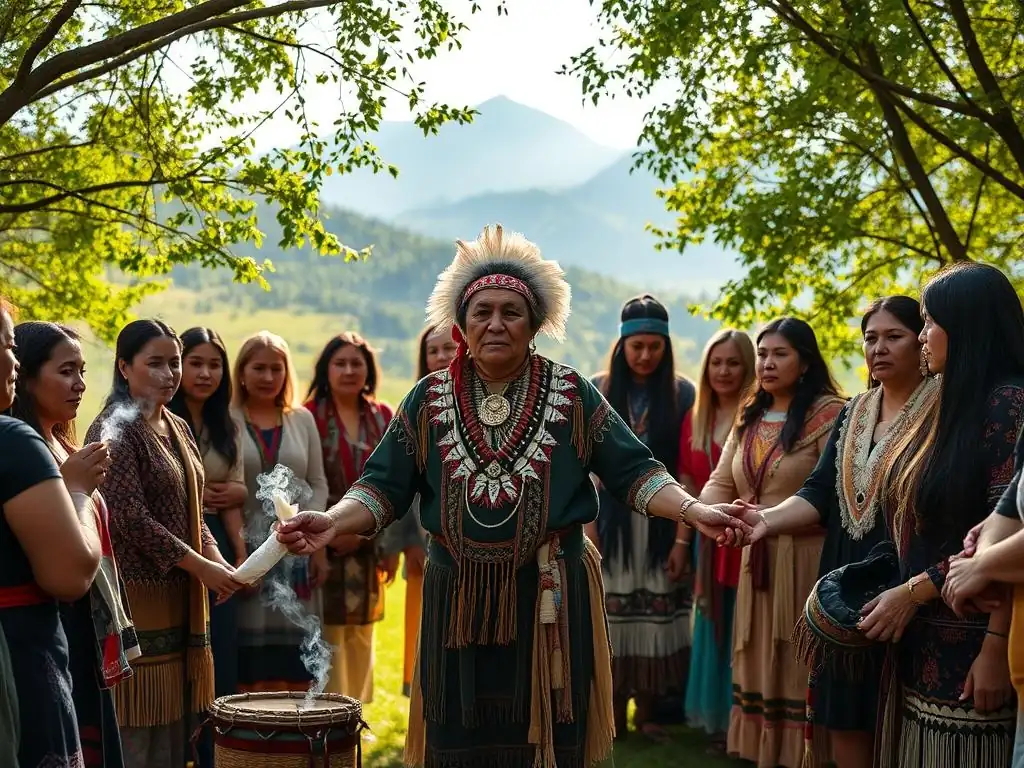
Welcome to Indigenous Civilizations of the Americas, where we invite you to embark on a fascinating journey through the rich tapestry of indigenous cultures that flourished long before European colonization. Our exploration delves deep into the indigenous syncretic practices in America, revealing how these vibrant communities blended traditions to navigate the complexities of survival in a changing world.
Discover the innovative ways in which these practices shaped daily life and left a profound legacy that still resonates today. Join us as we unravel the stories of resilience and creativity, and prepare to be captivated by the enduring impact of these remarkable civilizations.
- Introduction to Indigenous Syncretic Practices in America
- The Roots of Indigenous Syncretic Practices in America
- Types of Indigenous Syncretic Practices in Daily Life
- The Role of Syncretic Practices in Community Resilience
- Contemporary Examples of Indigenous Syncretic Practices
- Challenges and Critiques of Indigenous Syncretic Practices
- Conclusion: The Future of Indigenous Syncretic Practices in America
-
Frequently Asked Questions
- What are indigenous syncretic practices in America?
- How did syncretic practices develop among indigenous cultures?
- Can you provide examples of syncretic practices in indigenous daily life?
- What role did syncretic practices play in indigenous societies?
- Why is understanding syncretic practices important today?
- Final Reflection: Embracing Indigenous Syncretic Practices for a Resilient Future
- Embrace and Elevate: Transform Your Daily Practices!
Introduction to Indigenous Syncretic Practices in America
The exploration of indigenous syncretic practices in America reveals a rich tapestry of cultural blending that emerged as a response to the profound changes initiated by European colonization. These practices illustrate how diverse indigenous communities adapted their traditions, beliefs, and rituals in order to navigate the challenges posed by foreign influences while maintaining their cultural identities.
By examining these syncretic practices, we gain insight into the resilience and creativity of indigenous peoples, showcasing their ability to merge old and new elements into their daily lives. This article delves into the definition, historical context, and significance of these practices, ultimately highlighting their role in the survival and continuity of indigenous cultures across the Americas.
Definition of Syncretic Practices
Syncretism refers to the process of blending different beliefs, customs, and practices from various cultural traditions. In the context of indigenous cultures in America, syncretic practices often emerged as a result of contact with European colonizers, leading to a fusion of native and introduced elements.
- Key Characteristics of Syncretic Practices:
- Cultural Adaptation: Indigenous peoples incorporated European influences into their traditional practices while preserving core aspects of their heritage.
- Religious Fusion: Many communities blended their spiritual beliefs with Christian elements, creating unique religious expressions.
- Artistic Expression: Visual arts, music, and dance often reflect a mixture of indigenous and European styles, showcasing the creativity of syncretic practices.
By understanding the definition of syncretic practices, we can appreciate how these cultural adaptations served as a vital tool for indigenous communities in their ongoing struggle for identity and continuity.
Historical Context of Syncretism in Indigenous Cultures
The historical backdrop of syncretism in indigenous cultures is marked by the arrival of European explorers and settlers from the late 15th century onward. This period brought significant upheaval, resulting in profound changes to social structures, religious beliefs, and everyday life among indigenous peoples.
- Impact of European Colonization:
- Diseases and Demographic Collapse: The introduction of diseases like smallpox decimated indigenous populations, leading to the loss of cultural knowledge and practices.
- Forced Conversion: Missionaries aimed to convert indigenous peoples to Christianity, often suppressing traditional beliefs and practices.
- Cultural Exchange: Despite the challenges, interactions between indigenous and European cultures led to the exchange of ideas, technologies, and artistic influences.
The historical context highlights how syncretism was not merely a passive response but an active engagement with changing realities. Indigenous communities navigated these transformations by integrating new elements into their existing cultural frameworks.
Importance of Blending Traditions for Survival
The blending of traditions through syncretic practices played a critical role in the survival of indigenous cultures in America. This cultural resilience can be understood through several key aspects:
- Cultural Preservation: By incorporating elements of European culture, indigenous peoples were able to maintain relevance and adapt to their changing environments while retaining essential aspects of their identity.
- Community Cohesion: Syncretic practices often strengthened community bonds, fostering unity among diverse groups within indigenous communities as they navigated the challenges of colonization together.
- Adaptive Strategies: The ability to blend traditions allowed indigenous peoples to develop innovative survival strategies, both socially and economically, ensuring their cultural practices could thrive in a new context.
The importance of blending traditions for survival underscores the dynamic nature of indigenous cultures in America. By embracing syncretic practices, these communities demonstrated remarkable adaptability, ensuring the continuity of their rich cultural heritage in the face of significant adversity.
The Roots of Indigenous Syncretic Practices in America
Pre-Colonial Indigenous Beliefs and Practices
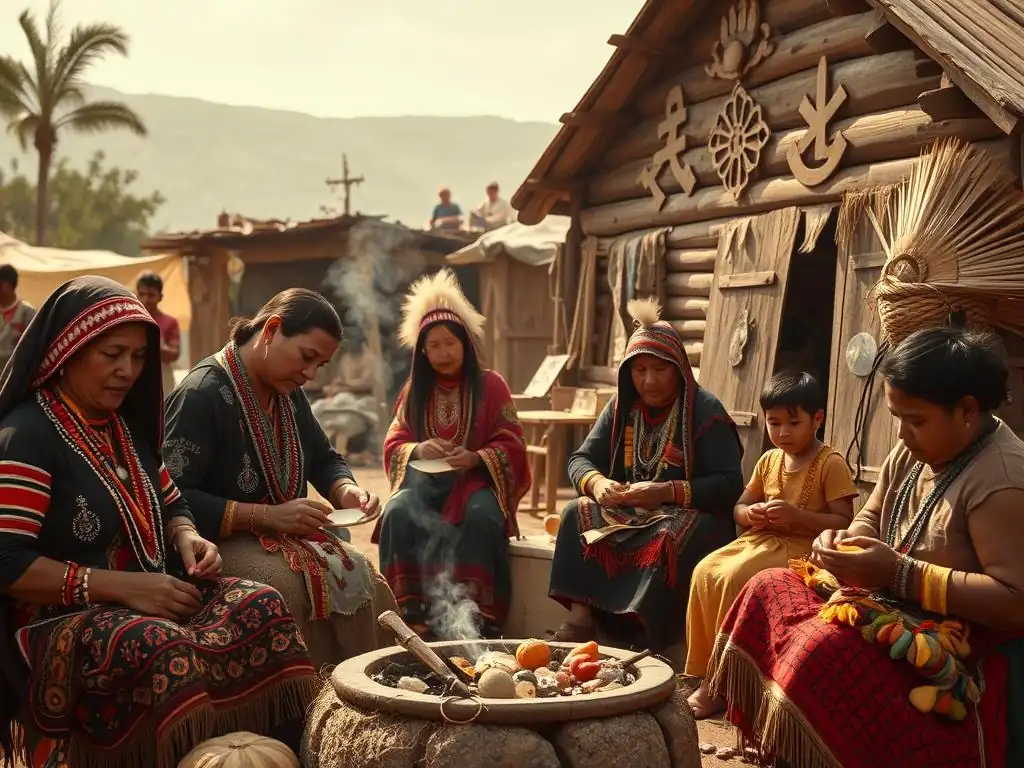
Before the arrival of European colonizers, the indigenous peoples of America had rich and diverse belief systems that were deeply intertwined with their daily lives. Each culture developed unique spiritual practices, cosmologies, and rituals that reflected their relationship with nature, the cosmos, and the community.
The indigenous belief systems were often animistic, meaning that many tribes believed in the spiritual essence of all living beings and natural phenomena. This worldview fostered a deep respect for the environment, leading to sustainable agricultural practices, such as the "Three Sisters" method utilized by various tribes, which involved planting corn, beans, and squash together to enhance growth and soil fertility.
Additionally, oral traditions played a crucial role in preserving and transmitting sacred knowledge and cultural practices. Storytelling, songs, and rituals were essential for educating younger generations about their identity, values, and historical events.
Key Elements of Pre-Colonial Practices:
- Animism: Belief in the spiritual essence of nature.
- Sustainable Agriculture: Methods like the "Three Sisters" for ecosystem harmony.
- Oral Traditions: Transmission of culture and values through storytelling.
The Impact of European Colonization on Indigenous Traditions
The arrival of European colonizers in the late 15th century marked a significant turning point for indigenous cultures across the Americas. Colonization brought about not only the imposition of foreign religions, particularly Christianity, but also new social, economic, and political structures that disrupted traditional ways of life.
European settlers often viewed indigenous practices as primitive or pagan, leading to efforts to suppress these beliefs. Many indigenous peoples were coerced into adopting Christianity, which resulted in a complex interplay between traditional indigenous beliefs and new Christian doctrines. Some communities creatively blended elements of their ancestral traditions with Christian practices to adapt and survive in the face of oppression.
The syncretic practices that emerged during this period were not mere adaptations but rather a profound negotiation of identity. For instance, many indigenous groups incorporated Catholic saints into their pantheon of deities, attributing similar qualities and roles to these figures, thus allowing them to maintain aspects of their spiritual heritage while appearing to conform to colonial expectations.
Consequences of Colonization:
- Religious Suppression: Traditional practices faced significant challenges.
- Cultural Blending: Emergence of hybrid beliefs combining indigenous and Christian elements.
- Identity Negotiation: A means for communities to assert their identity despite external pressures.
Examples of Early Syncretic Practices
The melding of indigenous beliefs with European influences led to a variety of syncretic practices across the Americas. These practices not only illustrate the resilience of indigenous cultures but also highlight their creativity in assimilating new elements while preserving their identity.
- Day of the Dead (Día de los Muertos):
- Originating from pre-Columbian traditions, this celebration blends indigenous beliefs about death with Catholic elements. Families honor their deceased loved ones by creating altars adorned with flowers, candles, and offerings, reflecting both the reverence for ancestral spirits and the Christian belief in the afterlife.
- Veneration of Saints:
- Many indigenous communities adopted Catholic saints, associating them with traditional deities. For example, in some regions, Saint Isidore, the patron saint of farmers, is honored alongside traditional agricultural spirits, creating a dual reverence that honors both indigenous and Christian agricultural practices.
- Healing Practices:
- Indigenous healing rituals often integrated Christian prayers and elements. For instance, herbal remedies and traditional healing ceremonies may include the invocation of saints or the recitation of prayers, creating a holistic approach to health that respects both traditions.
These examples illustrate how indigenous syncretic practices in America were not simply reactions to colonial influence but rather dynamic expressions of cultural resilience and adaptation. By blending traditions, indigenous peoples navigated the challenges of colonization while preserving their cultural identity in a rapidly changing world.
Types of Indigenous Syncretic Practices in Daily Life
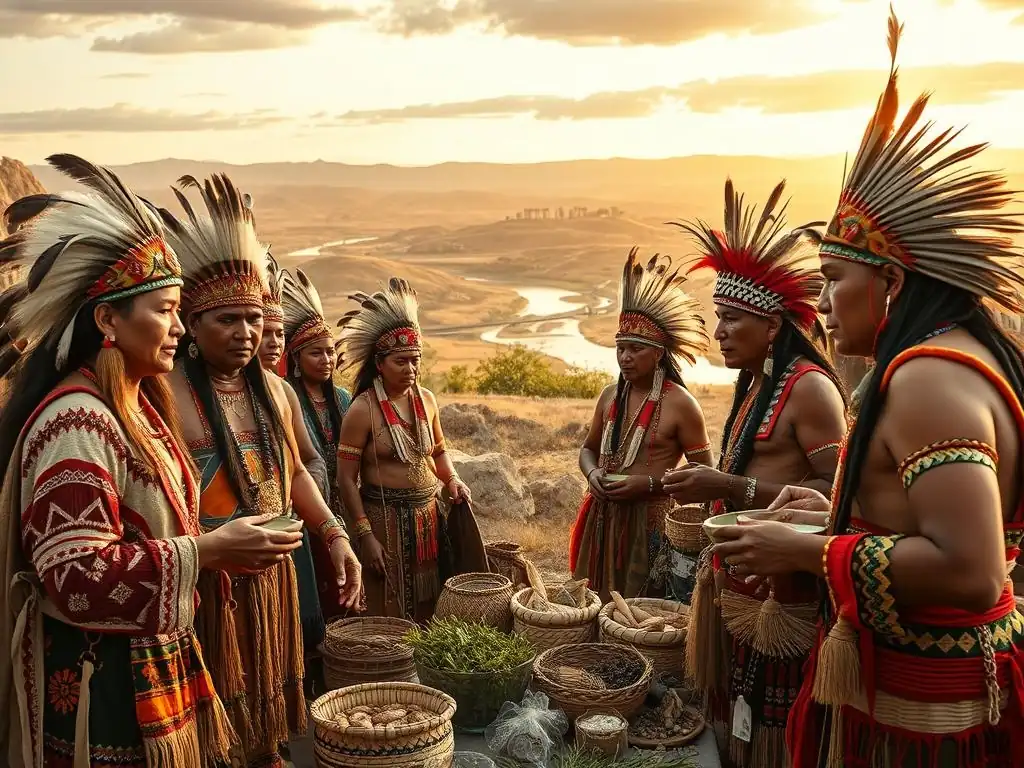
Indigenous syncretic practices in America manifest in various forms, reflecting the resilience and adaptability of indigenous cultures. These practices often arise from the intersection of traditional indigenous beliefs and European influences, particularly after the arrival of colonizers. The blending of these traditions has allowed indigenous communities to maintain their cultural identity while also navigating the challenges posed by external forces. Below, we explore two main types of syncretic practices: religious syncretism and cultural syncretism.
Religious Syncretism: Fusing Spiritual Beliefs
Religious syncretism among indigenous peoples in the Americas is characterized by the incorporation of elements from both traditional indigenous beliefs and European religions, particularly Christianity. This fusion often serves as a means of preserving indigenous spirituality while adapting to new religious frameworks imposed by colonizers.
Case Studies of Syncretic Religious Practices
- The Virgin of Guadalupe: One of the most prominent examples of religious syncretism in Mexico is the veneration of the Virgin of Guadalupe. Indigenous peoples integrated their existing reverence for the goddess Tonantzin with Catholic beliefs surrounding the Virgin Mary. This fusion not only made Christianity more relatable to indigenous populations but also allowed for the continuity of traditional practices, such as pilgrimage and offerings.
- Mayan Spirituality and Catholicism: In Guatemala, many Maya communities blend their ancient cosmology and rituals with Catholic observances. For instance, the celebration of Semana Santa (Holy Week) often includes traditional Mayan ceremonies, such as the use of incense and offerings to ancestors alongside Catholic processions. This syncretism exemplifies how indigenous beliefs can coexist with and enrich Christian practices.
- Andean Syncretism: In the Andes, indigenous groups often honor Pachamama (Mother Earth) alongside Catholic saints. Rituals may include offerings of food and drink to Pachamama during Catholic holidays, illustrating a blend of agricultural and religious traditions. This practice reflects a deep respect for nature, which remains central to Andean identity.
Cultural Syncretism: Blending Art, Music, and Language
Cultural syncretism is evident in the art, music, and language of indigenous communities, where traditional styles are interwoven with influences from European cultures. This blending has resulted in unique expressions that reflect the complex histories of these communities.
Examples of Artistic Fusion in Indigenous Cultures
- Textiles and Weaving: Indigenous artisans have historically incorporated European motifs into traditional weaving techniques. For example, the use of bright colors and intricate patterns in textiles from the Andes often showcases a blend of pre-Columbian designs with European influences, creating vibrant tapestries that tell the story of cultural fusion.
- Music Fusion: The incorporation of European instruments, such as the guitar and violin, into traditional indigenous music has led to the emergence of hybrid musical styles. In regions like the Andes and the southwestern United States, indigenous musicians blend traditional chants and rhythms with European melodies, creating a rich tapestry of sound that reflects their dual heritage.
- Language: The influence of European languages on indigenous tongues has resulted in the development of pidgins and creoles, which feature elements from both linguistic traditions. For instance, many indigenous languages in the Americas today include loanwords from Spanish or English, illustrating the ongoing process of linguistic syncretism.
The exploration of indigenous syncretic practices in daily life reveals the dynamic nature of cultural exchange and adaptation. These practices not only highlight the resilience of indigenous communities but also serve as a testament to their ability to navigate and integrate diverse influences into their cultural fabric. Through religious and cultural syncretism, indigenous peoples continue to celebrate their heritage while engaging with the complexities of a post-colonial world.
Agricultural Syncretism: Combining Traditional Farming Techniques
Agricultural syncretism refers to the blending of indigenous farming practices with those introduced by Europeans during and after the conquest. This fusion was not purely a passive assimilation; rather, it was a dynamic process that allowed indigenous communities to adapt and thrive in changing environments. Indigenous peoples across the Americas had developed sophisticated agricultural systems long before European contact, utilizing a variety of crops, cultivation methods, and ecological knowledge suited to their regional conditions.
With the arrival of European settlers, new crops such as wheat, barley, and various fruits were introduced. Indigenous farmers began to integrate these new elements into their pre-existing agricultural frameworks. This incorporation was often characterized by the adaptation of land use practices, crop rotation methods, and irrigation techniques, which led to diversified agricultural systems. For instance, the combination of maize, beans, and squash (often referred to as the "Three Sisters") with European crops enhanced soil fertility and food security.
Moreover, the exchange of agricultural knowledge was mutual. Indigenous peoples taught Europeans about the benefits of companion planting and the importance of biodiversity, leading to more sustainable farming practices. This cross-cultural exchange not only enriched the agricultural landscape but also fostered resilience among indigenous communities, allowing them to sustain their livelihoods amidst the challenges posed by colonization.
Impact of Cross-Cultural Agricultural Practices
The impact of cross-cultural agricultural practices is profound, influencing both indigenous societies and the broader ecological landscape of the Americas. One significant outcome of these syncretic practices was increased agricultural productivity. By blending indigenous and European crops, farmers were able to produce a wider variety of food, which contributed to improved nutrition and food security. This diversification was particularly crucial during periods of drought or crop failure, as it provided a buffer against potential food shortages.
Additionally, the exchange of agricultural practices facilitated the development of hybrid farming techniques that were more resilient to pests and diseases. For example, the integration of indigenous pest management strategies with European agricultural methods resulted in more sustainable practices that minimized reliance on chemical interventions. This blend of knowledge has had lasting effects on modern agricultural practices, as many sustainable farming techniques used today have roots in these early syncretic practices.
Furthermore, these agricultural adaptations played a key role in the social and cultural resilience of indigenous communities. The ability to cultivate a diverse range of crops not only supported economic stability but also reinforced cultural identity through the preservation of traditional agricultural knowledge and practices. This blending of traditions fostered a sense of community and continuity, allowing indigenous peoples to maintain their cultural heritage even in the face of external pressures.
The impact of agricultural syncretism extends beyond mere survival; it represents a profound cultural exchange that has shaped the agricultural practices and identities of indigenous peoples across the Americas. The legacy of these practices continues to influence contemporary agricultural systems and cultural expressions today.
The Role of Syncretic Practices in Community Resilience
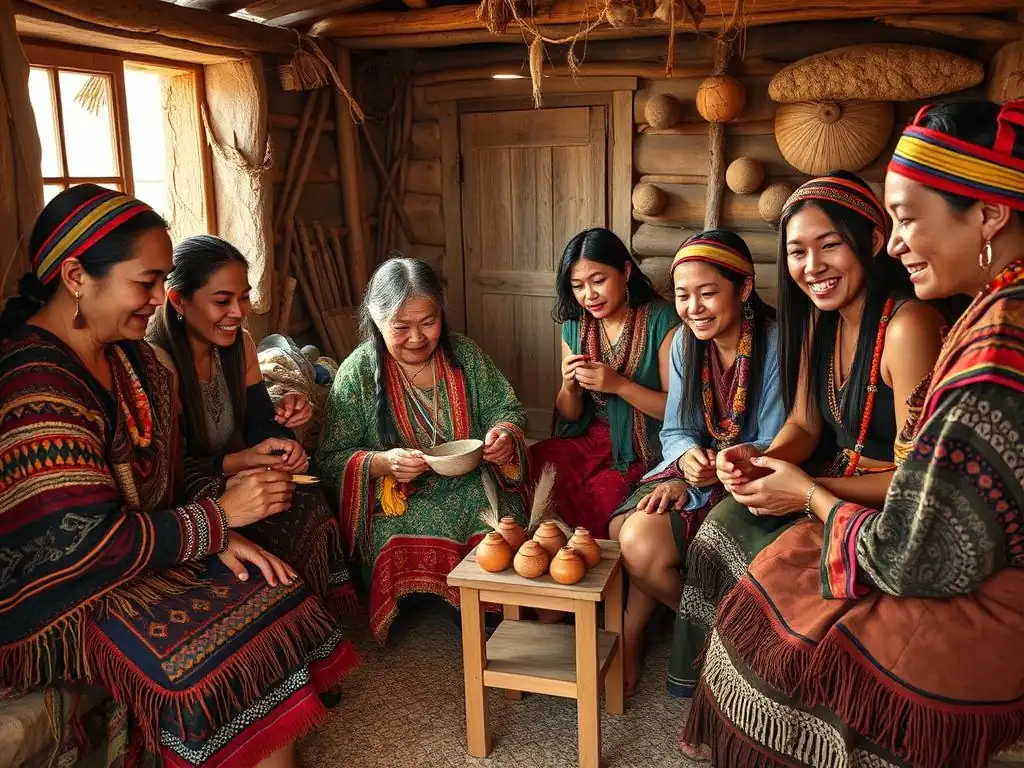
Syncretic practices among indigenous communities in America represent a vital means of adapting to changing circumstances, particularly in the face of European colonization. These practices reveal the resilience of indigenous cultures, showcasing how traditions can evolve while retaining core elements that define community identity. By merging various cultural influences, indigenous peoples not only survived but also enriched their cultural landscapes. This blending often serves as a mechanism for preserving core values and fostering social cohesion.
Strengthening Identity Through Blended Traditions
Indigenous syncretic practices often emerge from the necessity to adapt to new realities while maintaining a sense of identity. For instance, many Native American communities adopted elements of European spiritual practices, integrating them with traditional beliefs. This blending creates a unique cultural tapestry that strengthens community identity.
- Cultural Festivals: Events such as powwows serve as platforms for showcasing blended traditions. Here, indigenous peoples might incorporate European music and dance styles while retaining their traditional regalia and rituals. The result is a vibrant celebration that honors both heritage and adaptation.
- Artistic Expressions: Artistic practices, including pottery and weaving, often reflect syncretic influences. For example, the introduction of new materials by European traders led to innovative designs that fused indigenous motifs with European aesthetics. This not only preserves traditional craftsmanship but also allows for contemporary expressions of identity.
Through these blended traditions, communities reinforce their unique identities while responding to external pressures, illustrating the dynamic nature of cultural resilience.
Preserving Languages and Oral Histories
Language preservation is a critical aspect of indigenous syncretic practices. Many communities have developed innovative methods to keep their languages alive amidst the dominance of European languages. This preservation often involves the incorporation of new vocabulary and phrases into indigenous languages.
- Bilingual Education: Programs that promote bilingual education help integrate indigenous languages with Spanish or English, ensuring that younger generations can communicate in both languages. This approach not only enhances linguistic skills but also deepens cultural understanding.
- Storytelling Practices: Oral histories are central to indigenous cultures. The blending of narratives from both indigenous and European sources enriches the storytelling tradition. For instance, tales may include European characters or settings while retaining indigenous morals and teachings. This syncretic storytelling preserves the essence of indigenous knowledge and values for future generations.
By weaving together languages and stories from diverse influences, indigenous communities not only maintain their linguistic heritage but also foster a sense of continuity and belonging.
Fostering Unity Among Diverse Indigenous Groups
The process of syncretism has also played a crucial role in fostering unity among different indigenous groups. As communities faced external challenges, collaboration became essential for survival. Syncretic practices facilitate this cooperation by highlighting shared values and common goals.
- Intertribal Alliances: Many indigenous groups have historically formed alliances based on shared syncretic practices. For example, the adoption of similar agricultural techniques or spiritual rituals can lead to stronger ties among tribes, creating a united front against external pressures.
- Shared Cultural Spaces: Events that celebrate blended traditions often attract participants from various indigenous backgrounds. These gatherings foster dialogue and understanding, allowing individuals to share their practices and learn from one another.
Through these collaborative efforts, indigenous communities not only enhance their resilience but also create a more inclusive cultural landscape that honors diverse heritages.
Indigenous syncretic practices in America are vital components of community resilience, serving to strengthen identity, preserve languages and oral histories, and foster unity among diverse groups. These practices illustrate how indigenous peoples have skillfully navigated the complexities of cultural exchange, ensuring that their rich traditions continue to thrive in a modern context.
Contemporary Examples of Indigenous Syncretic Practices
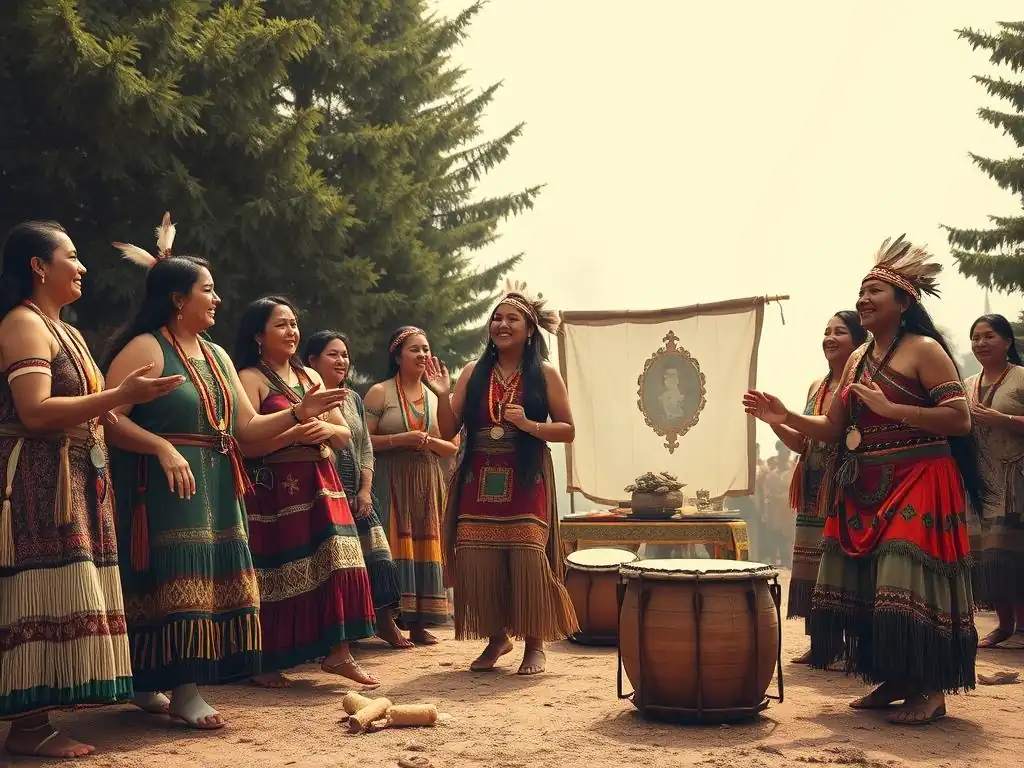
Revival of Traditional Practices in Modern Contexts
Indigenous syncretic practices in America have seen a remarkable revival in contemporary settings, reflecting a resilient connection to ancestral traditions while adapting to modern realities. Many indigenous communities are reclaiming rituals, languages, and practices that were suppressed during colonial times, leading to a vibrant resurgence of identity and cultural expression.
One poignant example is the revitalization of traditional dance and music. Events like powwows have become pivotal spaces for indigenous individuals to celebrate their heritage, showcasing a blend of traditional forms with contemporary influences. Such gatherings not only preserve cultural practices but also foster inter-community connections.
Moreover, traditional healing practices are experiencing a renaissance as many indigenous healers integrate ancestral knowledge with modern health paradigms. This syncretism is evident in the use of herbal remedies alongside conventional medicine, catering to both physical and spiritual well-being.
The revival of traditional crafts, such as weaving and pottery, also illustrates this blending of old and new. Artisans often incorporate modern materials and techniques while adhering to ancestral designs, ensuring that these crafts remain relevant in today’s market.
Syncretism in Urban Indigenous Communities
Urban indigenous communities in America exhibit unique forms of syncretism, blending traditional practices with urban lifestyles. As indigenous populations migrate to cities, they face the challenge of maintaining their cultural identity amidst the pressures of urbanization. This has led to the emergence of distinctive cultural expressions that reflect both their roots and contemporary life.
For example, in cities like Los Angeles and New York, indigenous youth are forming collectives that celebrate and reinterpret their cultural heritage through art, music, and activism. These groups often organize events that feature a mix of traditional storytelling, dance, and modern artistic expressions such as hip-hop and graffiti art. This fusion not only preserves cultural narratives but also engages a broader audience, creating dialogues about identity and social justice.
Additionally, urban indigenous communities often engage in land reclamation projects, where they establish gardens and communal spaces that reflect traditional agricultural practices. These initiatives serve as reminders of their connection to the land, while also addressing issues like food sovereignty and sustainability.
Influence of Indigenous Syncretic Practices on Contemporary Culture
The influence of indigenous syncretic practices extends beyond individual communities, shaping broader contemporary culture in America. This intersection of cultures has led to a rich tapestry of artistic expressions, culinary innovations, and social movements that challenge dominant narratives.
In the realm of art, many contemporary indigenous artists draw inspiration from traditional motifs and techniques, creating works that resonate with both indigenous and non-indigenous audiences. This can be seen in the rise of indigenous literature, where authors weave in traditional storytelling elements with modern themes, contributing significantly to the American literary landscape.
Culinary practices also reflect this syncretism, with chefs incorporating indigenous ingredients and cooking methods into mainstream cuisine. Dishes that combine traditional ingredients like corn, beans, and wild game with contemporary cooking styles have gained popularity, highlighting the importance of indigenous food systems in modern diets.
Furthermore, social movements advocating for indigenous rights often utilize syncretic practices to unify diverse groups. The incorporation of traditional wisdom and ceremonies into protests not only empowers indigenous voices but also educates the public on historical injustices and cultural appreciation.
The resilience and adaptability of indigenous syncretic practices in America demonstrate their vital role in shaping contemporary culture. As these practices continue to thrive, they provide a rich source of identity, community, and resistance against the backdrop of a rapidly changing world.
Challenges and Critiques of Indigenous Syncretic Practices
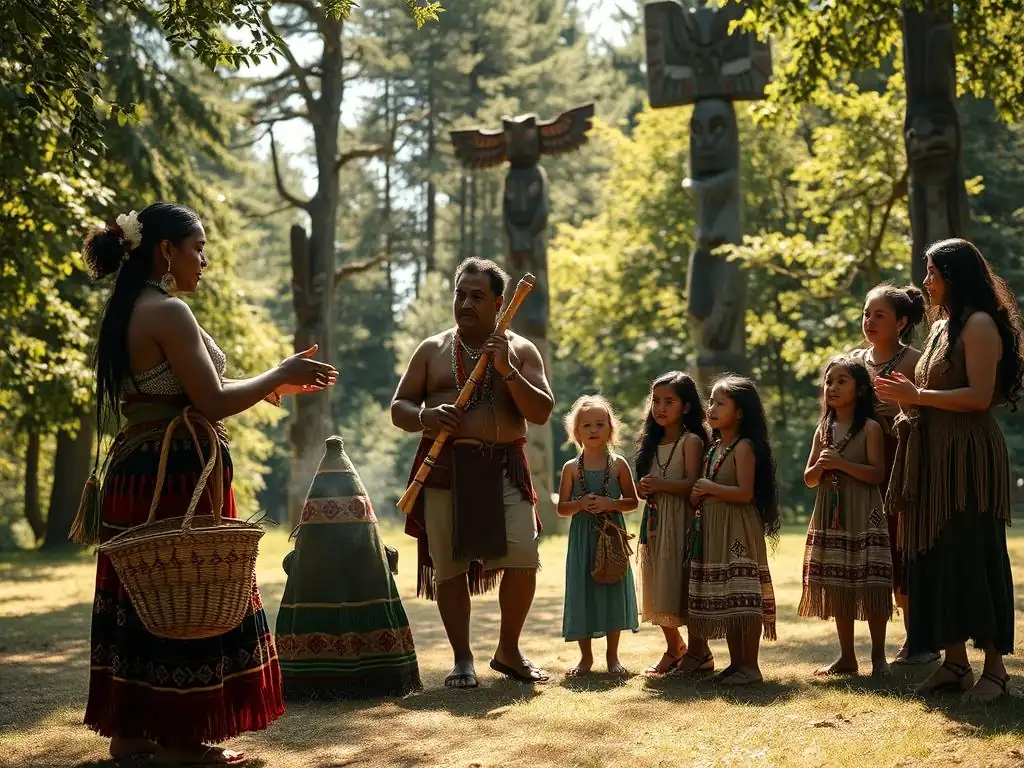
Cultural Appropriation vs. Cultural Exchange
The concepts of cultural appropriation and cultural exchange are pivotal in understanding the dynamics of indigenous syncretic practices in America. Cultural appropriation refers to the unacknowledged or inappropriate adoption of elements of one culture by members of another culture, often where there is a power imbalance. In contrast, cultural exchange implies a mutual sharing where both cultures benefit and respect each other's heritage.
Indigenous communities in America have faced challenges where their sacred symbols, rituals, and practices have been appropriated by popular culture, leading to a commodification that strips these elements of their original meaning. For example, traditional garments, such as the Navajo blanket or the feathered headdresses of Plains tribes, are often used in fashion without understanding their cultural significance. This can lead to misrepresentation and perpetuation of stereotypes, which can harm the very cultures from which these practices are derived.
Conversely, cultural exchange can foster understanding and appreciation between indigenous peoples and other communities. Instances where indigenous artists collaborate with non-indigenous counterparts to create new forms of art that honor traditional practices while incorporating contemporary elements can be seen as a positive form of syncretism. These collaborations highlight the importance of dialogue and respect, allowing for shared experiences that enrich both cultures while preserving their integrity.
The Risk of Losing Authenticity in Syncretism
As indigenous communities adapt their practices to include elements from other cultures, there is a significant concern regarding the authenticity of these syncretic practices. This blending of traditions can lead to innovative expressions of identity; however, it also raises questions about what is considered "authentic" in indigenous cultures.
For instance, the incorporation of Christian elements into indigenous rituals, such as the celebration of the Day of the Dead in Mexico, showcases how syncretism has led to rich cultural expressions. Yet, critics argue that this mixing can dilute traditional practices, leading to a loss of their original significance. Some indigenous leaders emphasize the need to maintain a balance between embracing new influences and preserving core cultural values.
Moreover, when younger generations adopt syncretic practices without a full understanding of their roots, there is a risk of losing the historical context and significance associated with those traditions. This phenomenon can create generational divides within communities, where older members feel a disconnect from practices that have evolved or changed significantly.
In today's globalized world, indigenous communities face the complex challenge of navigating their identities amidst the pressures of modernization and external influences. The blending of traditions can serve as a survival strategy, allowing indigenous peoples to adapt to changing environments while retaining elements of their cultural heritage.
For many, this adaptation involves a conscious decision to integrate new practices that enhance their daily lives. For example, the use of social media platforms by indigenous groups to share traditional knowledge and practices has become a vital tool for cultural preservation and promotion. These platforms allow for a redefinition of identity that resonates with both local and global audiences.
However, the challenge lies in ensuring that these adaptations do not compromise the core values and teachings of indigenous cultures. As communities engage with global norms and practices, it becomes essential to foster a sense of pride and understanding of their heritage. This can be achieved through educational initiatives that emphasize the importance of historical context and the richness of indigenous syncretic practices.
While indigenous syncretic practices in America represent a dynamic blend of traditions that have evolved over time, the challenges of cultural appropriation, authenticity, and identity in a globalized context remain significant. Addressing these issues requires a thoughtful approach that honors the past while embracing the future.
Conclusion: The Future of Indigenous Syncretic Practices in America
As we examine the landscape of indigenous syncretic practices in America, it becomes clear that these traditions are not merely remnants of the past but are vibrant, living expressions of identity and resilience. The blending of diverse cultural elements reflects the adaptive strategies of indigenous communities in response to colonial influences, global changes, and contemporary challenges. Recognizing the significance of these practices is crucial for fostering a deeper understanding of indigenous histories and cultures, ultimately paving the way for more inclusive narratives.
The Importance of Recognizing and Valuing Syncretic Traditions
The recognition of indigenous syncretic practices is essential for several reasons:
- Cultural Identity: These traditions serve as a foundation for cultural identity among indigenous peoples. They encapsulate the fusion of ancestral wisdom with newer influences, reinforcing community bonds and cultural continuity.
- Educational Opportunities: By valuing syncretic traditions, we create opportunities for education about the complexities of indigenous cultures. This understanding can combat stereotypes and promote respect for diverse worldviews.
- Preservation of Heritage: Acknowledging the importance of syncretism helps in the preservation of heritage practices that might otherwise fade. This includes language, art, and ceremonial practices that blend traditional and contemporary elements.
- Empowerment: Valuing these practices empowers indigenous communities, allowing them to reclaim their narratives and assert their rights. This recognition can also enhance their social and political standing within broader society.
In essence, valuing syncretic traditions fosters a climate of respect and appreciation, which is vital for the survival of these cultural expressions.
Potential for Syncretism in Healing and Reconciliation
The potential for indigenous syncretic practices extends into areas such as healing and reconciliation. Here’s how these practices can play a transformative role:
- Holistic Healing Approaches: Indigenous healers often incorporate syncretic practices that blend traditional medicinal knowledge with contemporary health care methods. This integration can enhance the effectiveness of treatment and promote a more holistic approach to health.
- Community Rebuilding: In the aftermath of colonial trauma, syncretic practices can serve as a means of rebuilding community ties. Ceremonies that blend various cultural elements can foster inclusivity and healing among diverse groups.
- Cultural Revitalization: Engaging with syncretic traditions can lead to a revitalization of cultural practices that have been eroded over time. This revitalization not only strengthens community identity but also promotes psychological well-being.
- Intercultural Dialogue: Syncretic practices can act as a bridge between cultures, facilitating dialogue and understanding. By sharing these blended traditions, indigenous communities can educate others about their histories and values, promoting reconciliation.
The incorporation of indigenous syncretic practices in healing and reconciliation efforts can yield profound benefits, not just for indigenous communities, but for society as a whole.
Call to Action: Supporting Indigenous Communities and Their Practices
To ensure the future of indigenous syncretic practices in America, collective action is needed. Here are some practical steps that can be taken:
- Support Indigenous Artists and Artisans: Purchase and promote the work of indigenous creators who incorporate syncretic elements in their art and crafts. This not only provides economic support but also highlights their cultural significance.
- Participate in Cultural Events: Attend events, ceremonies, and festivals that celebrate indigenous syncretic traditions. Engaging with these practices helps to foster greater appreciation and understanding.
- Advocate for Indigenous Rights: Support policies that protect the rights of indigenous communities to practice their traditions freely. This advocacy is crucial for the continuation of syncretic practices.
- Educate Others: Share knowledge about indigenous syncretic practices with friends, family, and your community. Raising awareness can help combat stereotypes and promote respect for indigenous cultures.
By taking these steps, we can contribute to the preservation and flourishing of indigenous syncretic practices, ensuring that they continue to be celebrated and respected for generations to come.
Frequently Asked Questions
What are indigenous syncretic practices in America?
Indigenous syncretic practices refer to the blending of traditional beliefs and customs with external influences, particularly those introduced by European colonization. These practices often emerged as a means of cultural survival and adaptation.
How did syncretic practices develop among indigenous cultures?
The development of syncretic practices occurred as indigenous communities interacted with European settlers, leading to a fusion of traditions. These practices allowed for the preservation of cultural identity while accommodating new ideas and technologies.
Can you provide examples of syncretic practices in indigenous daily life?
Common examples include the integration of Christian rituals with indigenous spiritual beliefs, or the adaptation of traditional foods and agriculture techniques to include European crops and farming methods, showcasing a dynamic cultural exchange.
What role did syncretic practices play in indigenous societies?
Syncretic practices played a crucial role in maintaining social cohesion and identity among indigenous groups. They facilitated the continuation of traditions while also embracing new elements that enhanced their resilience and adaptability.
Why is understanding syncretic practices important today?
Understanding syncretic practices helps in appreciating the complexity of indigenous cultures and their responses to external pressures. It highlights the creativity and resourcefulness of these communities in preserving their heritage while navigating change.
Final Reflection: Embracing Indigenous Syncretic Practices for a Resilient Future
The blending of traditions through indigenous syncretic practices is not just a historical phenomenon; it is a vital lifeline for cultural survival in today's world. As we navigate an increasingly homogenized global landscape, the resilience found in these practices serves as a powerful reminder of the strength that comes from diversity. The ability to adapt and merge different cultural elements is essential for fostering understanding and unity in our communities.
Cultural syncretism continues to shape our social fabric, influencing everything from art and music to spirituality and community rituals. The ongoing relevance of these practices highlights the importance of honoring and preserving indigenous knowledge systems. As noted by cultural anthropologist Dr. Amara Solari, In the act of blending traditions, we find not only survival but a pathway to innovation and renewal.
This observation underscores the transformative power of syncretism, allowing us to create new meanings and connections that resonate across generations.
As you reflect on the themes presented in this article, consider how you can incorporate elements of indigenous syncretic practices into your own life. Embrace the richness of diverse traditions, and seek out opportunities to learn from and engage with different cultures. By doing so, you not only honor the legacy of those who came before us but also contribute to a more inclusive and vibrant future. Let us celebrate the beauty of blending traditions, recognizing that in our shared humanity lies the potential for growth, understanding, and resilience.
Embrace and Elevate: Transform Your Daily Practices!
Thank you for diving into the fascinating world of syncretic practices in daily life! You've gained valuable insights into how blending traditions can enrich your experiences and foster resilience. Now, let’s take those ideas a step further and make them part of your everyday routine.
Here are some impactful ways you can bring the spirit of syncreticism into your life:
- Integrate a daily ritual that combines elements from different traditions—perhaps start your morning with meditation, incorporating techniques from various cultural backgrounds.
- Join or create a community group focused on exploring and sharing diverse cultural practices, discussions, or activities that honor both your heritage and those of others.
- Document your experiences and insights through journaling or blogging, and share a unique blend of recipes or spiritual practices that you’ve discovered with your friends and family.
How will you weave together traditions in your daily life to create something new and meaningful?