
Educators as Allies: Supporting Indigenous Perspectives in the Classroom

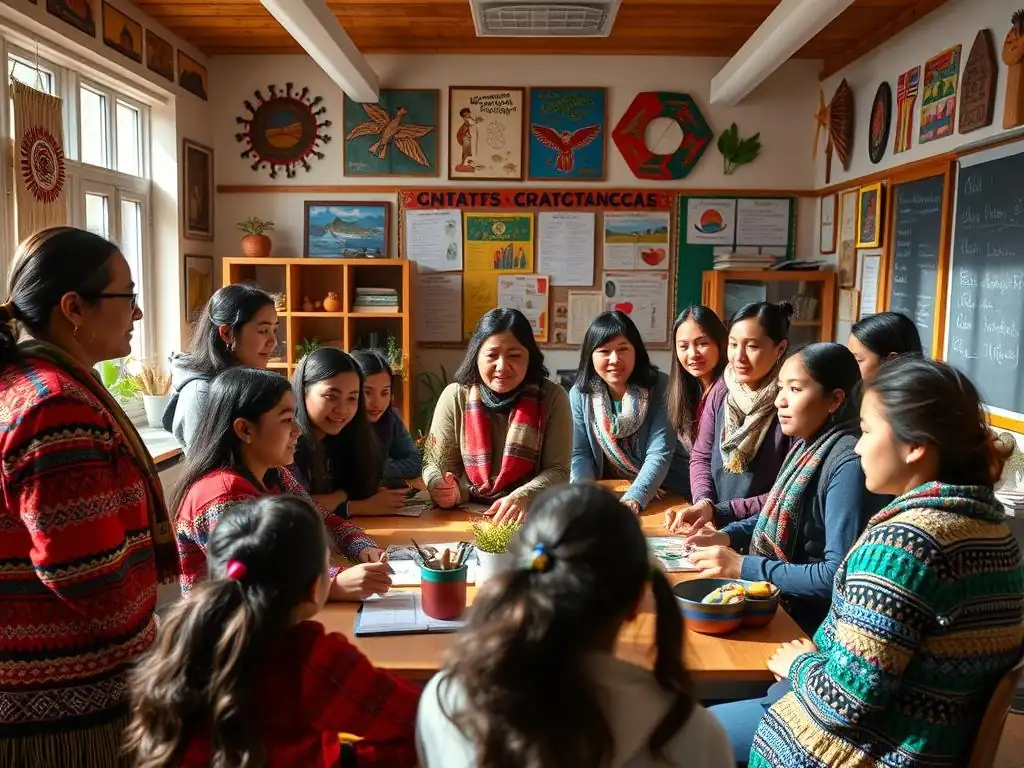
Welcome to Indigenous Civilizations of the Americas, where we invite you to embark on a journey through the rich tapestry of indigenous cultures that flourished long before European contact. This site is dedicated to unveiling the profound achievements and vibrant societies that shaped the Americas. In our featured article, "Educators as Allies: Supporting Indigenous Perspectives in the Classroom," we delve into the crucial role of education in honoring and integrating these diverse perspectives.
Discover how fostering an inclusive learning environment can not only enrich the educational experience but also empower future generations. Join us as we explore the legacies that continue to inspire and inform our understanding of the world today.
Introduction to Indigenous Perspectives in Education
Understanding and integrating indigenous perspectives in education is essential for fostering a more inclusive and representative learning environment. This article aims to explore the role educators can play as allies in supporting these perspectives, which have historically been marginalized in mainstream curricula. By examining the rich tapestry of indigenous cultures that thrived across the Americas before European colonization, we can appreciate the profound wisdom and knowledge they offer. This is not merely an academic pursuit; it is a vital step towards reconciliation, respect, and recognition of the diverse narratives that shape our shared history.
Importance of Indigenous Knowledge in Modern Education
Indigenous knowledge encompasses a wealth of insights regarding ecology, community, spirituality, and governance. Integrating this knowledge into educational frameworks provides numerous benefits:
- Cultural Relevance: It ensures that students from indigenous backgrounds see their cultures reflected in the curriculum.
- Critical Thinking: Engaging with diverse perspectives fosters critical thinking and a broader understanding of global issues.
- Community Engagement: Involving indigenous communities in education encourages collaboration and mutual respect.
Overview of Indigenous Civilizations and Their Contributions
Before European colonization, diverse civilizations flourished across the Americas, each contributing uniquely to the world's cultural heritage. Some notable indigenous civilizations include:
- The Maya: Known for their advancements in astronomy, mathematics, and writing.
- The Inca: Renowned for their sophisticated agricultural practices and extensive road systems.
- The Mississippian Culture: Famous for their complex mound-building and trade networks.
These civilizations not only shaped their local environments but also influenced broader historical developments. Recognizing their achievements is crucial in establishing a more comprehensive understanding of history.
Understanding Indigenous Perspectives
Defining Indigenous Perspectives in Education
Indigenous perspectives in education refer to the ways in which indigenous knowledge systems, cultural practices, and worldviews inform teaching and learning. This includes:
- Holistic Learning: Emphasizing interconnectedness among all elements of life.
- Cultural Heritage: Valuing oral traditions, storytelling, and community practices as vital educational tools.
- Land-Based Education: Understanding the significance of land and place in indigenous cultures, fostering a connection to nature.
The Role of Indigenous Cultures in Shaping Educational Frameworks
Indigenous cultures have a profound influence on educational frameworks, promoting values such as respect, reciprocity, and community involvement. By incorporating these principles into modern education, we not only honor the past but also create a more equitable future. This approach encourages educators to become allies in advocating for indigenous rights and perspectives, ultimately enriching the educational experience for all students.
Supporting indigenous perspectives in education is not just about inclusion; it's about recognizing and valuing the diverse histories and contributions of indigenous peoples in shaping our collective understanding of the world.
Challenges in Integrating Indigenous Perspectives
Integrating indigenous perspectives into educational settings poses various challenges that educators must navigate. Understanding these challenges is crucial for developing effective strategies that not only promote inclusivity but also enhance the educational experience for all students.
Historical Context: Colonization and Its Impact on Education
The impact of colonization on indigenous education has been profound and lasting. Historically, indigenous peoples faced systematic oppression, which included the dismantling of their traditional educational systems. Colonial education often aimed to assimilate indigenous children into Western culture, disregarding their languages, histories, and worldviews. The legacy of this practice has created a disconnect between indigenous knowledge and contemporary education systems. Many indigenous students today face a curriculum that does not reflect their cultural heritage, leading to feelings of alienation and disconnection from their identity.
The historical trauma stemming from these educational practices has long-term effects on both indigenous communities and the broader educational landscape. It has resulted in a lack of trust in educational institutions and has fostered a perception that indigenous perspectives are not valued in academic discourse. Acknowledging this historical context is essential for educators who wish to create a more inclusive and supportive environment for indigenous students.
Current Barriers to Inclusion of Indigenous Knowledge
Despite growing awareness of the importance of integrating indigenous perspectives, several barriers persist in contemporary education. One significant barrier is the lack of training and resources for educators. Many teachers may not feel adequately prepared to address indigenous knowledge and perspectives, leading to a hesitance to incorporate these elements into their teaching.
Additionally, there can be resistance from educational institutions and curricula that prioritize standardized testing and uniformity over diverse perspectives. This often results in indigenous knowledge being marginalized or omitted altogether. Furthermore, the absence of indigenous representation among educators can perpetuate the cycle of exclusion, as the voices and experiences of indigenous peoples are vital in informing and enriching the educational discourse.
Strategies for Educators to Support Indigenous Perspectives
To effectively support indigenous perspectives in the classroom, educators can adopt various strategies that foster inclusivity and respect for indigenous knowledge.
Culturally Responsive Teaching Methods
Culturally responsive teaching methods are essential for creating an inclusive classroom environment. This approach involves recognizing and valuing the cultural backgrounds of all students, including their indigenous heritage. Educators can implement strategies such as:
- Integrating indigenous knowledge and perspectives into lesson plans and discussions. For instance, when teaching history, educators can include indigenous viewpoints and experiences alongside European narratives.
- Encouraging student voice by allowing students to share their cultural experiences and perspectives in class discussions, thereby validating their identities and fostering a sense of belonging.
- Utilizing diverse teaching materials that reflect indigenous cultures, languages, and histories, which can help students see themselves represented in their education.
Collaboration with Indigenous Communities and Leaders
Building strong relationships with indigenous communities and leaders is crucial for enriching the educational experience. Educators can take the following steps:
- Engaging with indigenous elders and knowledge keepers to gain insight into the cultural significance of various topics. Their firsthand experiences and wisdom can greatly enhance the curriculum.
- Inviting indigenous speakers to share their stories and perspectives with students, providing a platform for authentic voices and lived experiences.
- Participating in community events and initiatives, which helps foster trust, understanding, and collaboration between schools and indigenous communities.
Incorporating Indigenous Literature and Resources into Curriculum
Incorporating indigenous literature and educational resources is another effective strategy for supporting indigenous perspectives in the classroom. Educators can:
- Select literature written by indigenous authors that reflects indigenous experiences, values, and narratives. This not only enriches the curriculum but also provides students with diverse viewpoints.
- Utilize multimedia resources, such as documentaries and art, that highlight indigenous cultures and histories. This can engage students in a more dynamic and relatable way.
- Create a resource hub that includes books, articles, and online resources focused on indigenous perspectives. This can serve as a go-to guide for both educators and students as they explore these themes further.
By implementing these strategies, educators can create a more inclusive and supportive educational environment that values and uplifts indigenous perspectives, ultimately enriching the learning experience for all students.
Benefits of Supporting Indigenous Perspectives in the Classroom
Integrating indigenous perspectives in education offers a multitude of benefits that enrich the learning environment for all students. By embracing these perspectives, educators can foster a deeper understanding of history, culture, and social dynamics. Here are some of the key benefits:
- Holistic Learning: Indigenous perspectives often emphasize interconnectedness and the relationship between people and their environment, promoting a more holistic approach to education.
- Critical Thinking: Exposure to diverse ways of knowing and understanding the world encourages students to think critically and question dominant narratives.
- Empathy and Understanding: Learning about indigenous cultures enhances students' empathy towards different communities, fostering a sense of global citizenship.
Enhancing Student Engagement and Inclusivity
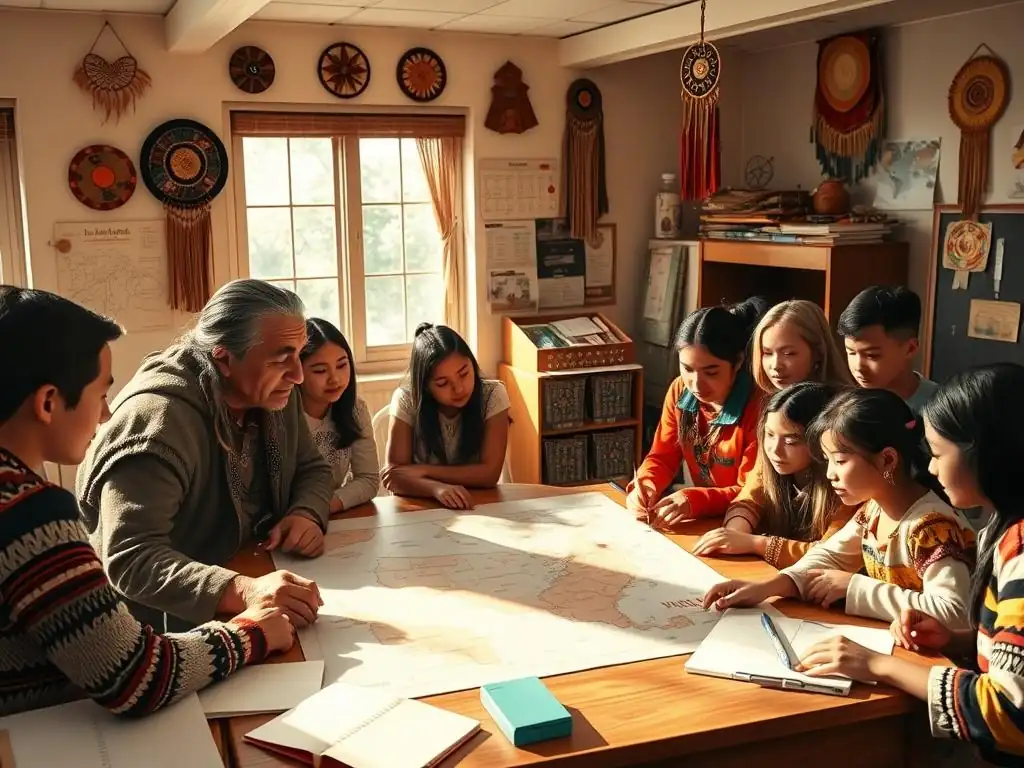
When indigenous perspectives are included in the curriculum, students often feel more engaged and represented. This inclusivity has several important implications:
- Cultural Relevance: By designing curricula that reflect the experiences and histories of indigenous peoples, educators can make learning more relevant to students from these communities. This relevance can lead to increased motivation and interest in school.
- Active Participation: Students are more likely to participate actively in discussions and projects when they see their cultures and experiences validated in the classroom. This active engagement can lead to better academic outcomes.
- Safe Learning Environment: Supporting indigenous perspectives creates a classroom environment where all students feel safe to express their identities and learn about others, promoting a sense of belonging.
Fostering Respect for Cultural Diversity
Incorporating indigenous perspectives into education fosters respect for cultural diversity among students. This respect is vital for creating a harmonious society and has several benefits:
- Appreciation of Different Cultures: Educators can help students appreciate the richness of indigenous cultures, traditions, and histories, cultivating a more nuanced understanding of global diversity.
- Challenging Stereotypes: By providing factual information and personal narratives from indigenous peoples, students can challenge and dismantle stereotypes, leading to greater acceptance and understanding.
- Civic Responsibility: Teaching about indigenous cultures encourages students to become more aware of social justice issues, including the rights and struggles faced by indigenous communities today.
Preparing Students for a Globalized Society
In today's interconnected world, understanding and respecting diverse cultures is essential for success. Supporting indigenous perspectives in education prepares students for a globalized society in several ways:
- Cultural Competence: Students who learn about indigenous perspectives develop cultural competence, enabling them to navigate diverse social settings with sensitivity and respect.
- Global Awareness: Knowledge of indigenous histories and contemporary issues fosters a broader understanding of global challenges, encouraging students to think critically about their roles as global citizens.
- Collaborative Skills: As students engage with different perspectives, they learn to collaborate and communicate effectively with individuals from various backgrounds, a crucial skill in a multicultural world.
Case Studies: Successful Implementation of Indigenous Perspectives
Examining real-world examples of successful integration of indigenous perspectives in educational settings can provide valuable insights into best practices and outcomes. Here are two notable case studies:
Case Study 1: School Program in British Columbia
A school district in British Columbia has developed a curriculum that integrates indigenous knowledge and perspectives across subjects. The program includes:
- Elders in the Classroom: Indigenous elders are invited to share their stories and teachings, providing students with first-hand accounts of cultural practices and historical contexts.
- Land-Based Learning: Students participate in land-based learning activities that connect them to the natural environment, reinforcing the indigenous understanding of sustainability and stewardship.
- Interdisciplinary Approach: The curriculum blends indigenous perspectives with subjects such as science, art, and history, encouraging students to make connections across disciplines.
The results have shown increased student engagement and a positive shift in attitudes toward indigenous cultures.
Case Study 2: Community Partnership in New Zealand
In New Zealand, a partnership between local schools and indigenous Māori communities has led to a culturally responsive educational framework. Key components include:
- Māori Language Integration: The curriculum incorporates the Māori language, promoting linguistic diversity and cultural pride among students.
- Cultural Celebrations: Schools host events that celebrate Māori culture, allowing students to participate in traditional practices such as haka and weaving, fostering a sense of community and belonging.
- Collaborative Curriculum Development: Educators work closely with Māori leaders to develop curriculum materials that reflect indigenous knowledge and perspectives, ensuring authenticity and relevance.
This approach has resulted in improved academic performance among Māori students and strengthened community ties.
By examining these case studies, educators can glean valuable insights into effective strategies for integrating indigenous perspectives in their own classrooms.
Resources for Educators on Indigenous Perspectives
Educators looking to integrate indigenous perspectives into their curriculum have a wealth of resources available to them. These resources span various formats, including literature, online platforms, workshops, and organizations dedicated to enhancing indigenous education initiatives. By utilizing these materials, educators can foster a deeper understanding of indigenous cultures and histories, as well as support the voices of indigenous peoples in the classroom.
Recommended Readings and Literature
A solid foundation for understanding indigenous perspectives can be established through recommended readings. Here are some notable titles that provide insights into the rich tapestry of indigenous cultures:
- "Braiding Sweetgrass" by Robin Wall Kimmerer: This book intertwines indigenous wisdom with scientific knowledge, offering a unique perspective on ecology and sustainability.
- "The Heartbeat of Wounded Knee" by David Treuer: Treuer's work challenges the narrative of indigenous decline, presenting a vibrant picture of contemporary Native American life.
- "An Indigenous Peoples' History of the United States" by Roxanne Dunbar-Ortiz: This work offers a critical perspective on American history, highlighting the experiences and resistance of indigenous peoples.
- "The Absolutely True Diary of a Part-Time Indian" by Sherman Alexie: A semi-autobiographical novel that addresses the complexities of growing up on a reservation and the challenges faced by indigenous youth.
Incorporating these readings into classroom discussions can help students engage with and understand indigenous perspectives more profoundly.
Online Platforms and Workshops for Educators
Several online platforms and workshops are designed to support educators in incorporating indigenous perspectives into their teaching. These resources often include lesson plans, multimedia content, and professional development opportunities. Some valuable platforms include:
- Teaching Tolerance: This platform offers a range of resources, including lesson plans that highlight indigenous histories and cultures.
- Indigenous Education Coalition: Provides workshops and training sessions aimed at equipping educators with the knowledge and skills to teach indigenous perspectives effectively.
- PBS LearningMedia: An online resource with a variety of videos, articles, and lesson plans focused on indigenous topics, suitable for diverse educational levels.
Engaging in workshops not only enhances educators' understanding but also empowers them to create a more inclusive learning environment.
Organizations Supporting Indigenous Education Initiatives
Numerous organizations are dedicated to advancing indigenous education initiatives and providing resources for educators. Some noteworthy organizations include:
- National Indian Education Association (NIEA): This organization focuses on improving educational opportunities for Native students and promoting indigenous education policies.
- American Indian Science and Engineering Society (AISES): AISES supports Native students in STEM fields and promotes indigenous perspectives in science education.
- First Nations Development Institute: This organization provides resources and training for educators looking to integrate indigenous knowledge into their curricula.
By collaborating with these organizations, educators can access a wealth of knowledge and resources to enrich their teaching practices.
Conclusion: The Future of Indigenous Perspectives in Education
As we look to the future, the integration of indigenous perspectives in education is essential for fostering a more equitable and inclusive learning environment. By embracing the histories, cultures, and contributions of indigenous peoples, educators can help create a more comprehensive understanding of the world.
Call to Action for Educators and Institutions
Educators and educational institutions are urged to actively seek out and incorporate indigenous perspectives into their curricula. This can be achieved through:
- Professional Development: Engaging in training and workshops focused on indigenous education.
- Curriculum Development: Designing or revising curricula to include indigenous histories, cultures, and perspectives.
- Community Engagement: Building relationships with local indigenous communities to foster collaboration and mutual understanding.
Taking these steps can lead to meaningful change in the educational landscape.
Vision for a More Inclusive Educational Landscape
The vision for a more inclusive educational landscape involves recognizing and valuing the diverse perspectives of all students. By prioritizing indigenous perspectives in education, we can:
- Empower Indigenous Voices: Ensure that indigenous students feel represented and valued in their educational experiences.
- Promote Cultural Competence: Equip all students with a deeper understanding of indigenous cultures, fostering respect and appreciation for diversity.
- Support Reconciliation Efforts: Contribute to broader social justice initiatives aimed at reconciliation and healing between indigenous and non-indigenous communities.
Ultimately, embracing indigenous perspectives in education not only enriches the learning experience but also contributes to a more just and equitable society.
- Introduction to Indigenous Perspectives in Education
- Importance of Indigenous Knowledge in Modern Education
- Overview of Indigenous Civilizations and Their Contributions
- Understanding Indigenous Perspectives
- Challenges in Integrating Indigenous Perspectives
- Strategies for Educators to Support Indigenous Perspectives
- Benefits of Supporting Indigenous Perspectives in the Classroom
- Enhancing Student Engagement and Inclusivity
- Fostering Respect for Cultural Diversity
- Preparing Students for a Globalized Society
- Case Studies: Successful Implementation of Indigenous Perspectives
- Resources for Educators on Indigenous Perspectives
- Conclusion: The Future of Indigenous Perspectives in Education
- What are indigenous perspectives in education?
- Why is it important for educators to support indigenous perspectives?
- How can educators effectively incorporate indigenous perspectives in their teaching?
- What challenges do educators face in implementing indigenous perspectives?
- What resources are available for educators seeking to support indigenous perspectives?
Frequently Asked Questions
What are indigenous perspectives in education?
Indigenous perspectives in education refer to the integration of cultural knowledge, values, and practices of Indigenous peoples into educational curricula, promoting understanding and respect for their unique worldviews.
Why is it important for educators to support indigenous perspectives?
Supporting indigenous perspectives helps to create a more inclusive and equitable learning environment, fostering respect for cultural diversity and addressing historical injustices faced by Indigenous communities.
How can educators effectively incorporate indigenous perspectives in their teaching?
Educators can incorporate indigenous perspectives by using authentic resources, collaborating with Indigenous community members, and integrating Indigenous literature, history, and arts into their lessons.
What challenges do educators face in implementing indigenous perspectives?
Challenges include a lack of resources, limited training on Indigenous issues, and potential biases within the curriculum that may not adequately represent Indigenous cultures and histories.
What resources are available for educators seeking to support indigenous perspectives?
Various resources include curriculum guides, professional development programs, and community partnerships that focus on Indigenous education, often provided by Indigenous organizations and educational institutions.
Final Reflection: Embracing Indigenous Perspectives for a Transformative Education
The integration of indigenous perspectives in education is not just a trend; it is a vital necessity for fostering understanding and respect in our increasingly diverse society. As we navigate the complexities of modern education, it becomes clear that recognizing and valuing indigenous knowledge systems enriches the learning experience for all students. This commitment to inclusivity and representation is essential in creating a more equitable educational landscape.
The influence of indigenous perspectives in education extends far beyond the classroom; it shapes our cultural and social fabric. By embracing these perspectives, we not only honor the rich histories and traditions of indigenous peoples but also cultivate a deeper sense of empathy and awareness among students. As author and educator Dr. Marie Battiste eloquently stated, Indigenous knowledge is not only a way of knowing but also a way of being.
This recognition of diverse ways of knowing invites us to rethink our educational practices and encourages a more holistic approach to learning that benefits everyone.
As we reflect on the importance of indigenous perspectives in education, I invite you to consider your role in this transformative journey. How can you become an ally in supporting and integrating these perspectives within your own educational practices? Whether you are an educator, a student, or a community member, your actions can contribute to a more inclusive and respectful learning environment. Let us commit to listening, learning, and advocating for indigenous voices, ensuring that they are not only heard but celebrated in our classrooms and beyond.
Empower Change: Advocate for Indigenous Perspectives Today!
Thank you for dedicating your time to explore the vital role of educators in supporting Indigenous perspectives. Your commitment to understanding and integrating these viewpoints in the classroom is crucial for fostering a more inclusive and respectful educational environment. Now, let’s take some impactful steps together!
- Start by integrating an Indigenous perspective or a local story into your curriculum this week. Consider using histories that reflect Indigenous voices and experiences.
- Join or create a community group with fellow educators to share insights and resources related to Indigenous education. Collaboration can break down barriers and foster innovative ideas!
- Explore literature authored by Indigenous writers and share these resources with your students or colleagues on social media to inspire others to engage and support Indigenous narratives.
How do you plan to incorporate Indigenous perspectives into your teaching next? We’d love to hear your thoughts and ideas!