
The Role of Water Management in the Sustainability of Teotihuacan's Urban Environment

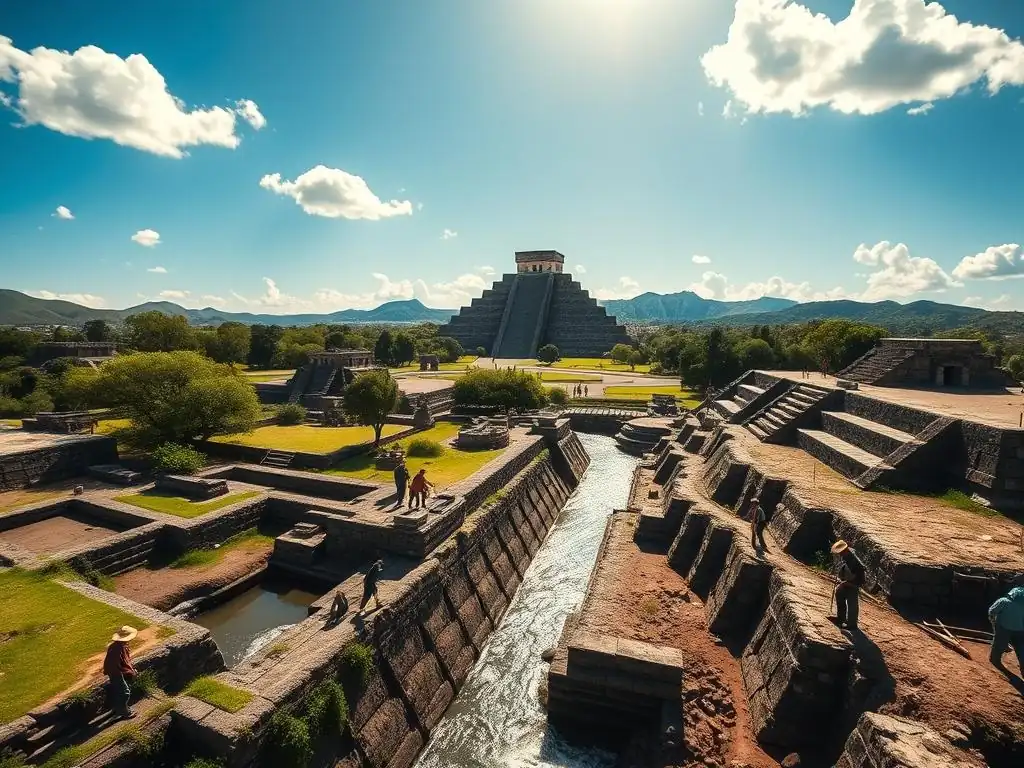
Welcome to "Indigenous Civilizations of the Americas," where we invite you to embark on a fascinating journey through the rich tapestry of indigenous cultures that flourished long before European contact. Our exploration begins with a deep dive into the remarkable water management systems of Teotihuacan, a marvel of engineering that played a crucial role in sustaining one of the most influential urban environments of its time.
As you navigate through our content, prepare to uncover the ingenuity and resilience of these civilizations, whose achievements continue to inspire and inform our understanding of history. Dive in to learn how the mastery of water shaped the very fabric of life in Teotihuacan and beyond!
Water management is a crucial aspect of urban sustainability, particularly in ancient civilizations where access to clean water directly influenced the health, economy, and overall quality of life of its inhabitants. Teotihuacan, one of the most significant and influential cities in pre-Columbian America, is a prime example of how innovative water management systems facilitated the flourishing of a complex urban society.
This article delves into the intricate water management systems of Teotihuacan, examining their design, implementation, and the critical role they played in supporting the city's vast population and its monumental architecture. By exploring these systems, we can gain insight into the ingenuity of Teotihuacan's inhabitants and the lasting impact of their environmental practices.
Introduction to Teotihuacan Water Management Systems
The ancient city of Teotihuacan, located in the Basin of Mexico, was the largest urban center in the Americas before the arrival of Europeans. Renowned for its impressive architecture, including the Pyramid of the Sun and the Pyramid of the Moon, Teotihuacan thrived between 100 CE and 650 CE, at a time when it was home to a diverse population estimated to be over 100,000 people. Central to this thriving civilization was its sophisticated approach to water management, which not only supported daily life but also contributed to the city's economic and cultural vitality.
Overview of Teotihuacan's Urban Environment
Teotihuacan’s urban environment was characterized by a complex grid layout, with impressive avenues, residential compounds, and ceremonial centers. The city was strategically built in a region with both advantages and challenges regarding water supply. The surrounding mountains provided seasonal rainfall, while the volcanic soil supported agriculture. However, the rapid urbanization and growing population posed significant challenges to water availability and distribution.
To address these challenges, Teotihuacan’s inhabitants developed an extensive system of water management that included:
- Aqueducts: Ingenious conduits that transported water from nearby springs to the urban center.
- Cisterns: Large underground reservoirs that stored water for periods of drought.
- Canals: A network of channels that facilitated irrigation for agriculture and controlled flooding.
Importance of Water Management in Ancient Civilizations
Water management was not merely a practical necessity; it was a cornerstone of urban planning and development in ancient civilizations. For Teotihuacan, effective water management systems were integral to:
- Sustaining Agriculture: Reliable access to water allowed for the cultivation of crops, which was essential for feeding the population and sustaining trade.
- Public Health: Clean water contributed to improved hygiene and sanitation, reducing the spread of disease.
- Economic Prosperity: Efficient water systems supported various industries, including pottery and textiles, by providing the necessary resources for production.
Historical Context of Water Management in Teotihuacan
Understanding the historical context of Teotihuacan's water management systems requires an exploration of their development and the innovations that emerged from this ancient city.
The Development of Water Management Systems
The evolution of water management in Teotihuacan can be traced back to its early settlements, where the efficient use of water resources became essential. As the city expanded, the need for more sophisticated systems became apparent. Archaeological studies suggest that the inhabitants engaged in:
- Terracing and Flood Control: Adapting the landscape to prevent soil erosion and manage seasonal floods.
- Community-Based Management: Establishing communal efforts to maintain and operate water systems, ensuring equitable access for all residents.
Key Innovations in Teotihuacan Water Management
Teotihuacan's water management systems featured remarkable innovations that distinguished them from those of other ancient civilizations. Notable examples include:
- Gravity-Fed Aqueducts: Designed to transport water over long distances without the need for complex pumping systems.
- Advanced Filtration Techniques: Employing natural materials to filter water, ensuring it was clean for consumption.
- Integration of Water Management with Urban Planning: Designing streets and public spaces with drainage systems to prevent flooding and enhance water circulation.
Through these systems, Teotihuacan not only managed its water resources effectively but also set a precedent for future civilizations in the Americas, illustrating the profound relationship between environmental management and urban sustainability.
Components of Teotihuacan's Water Management Systems
Teotihuacan, one of the most significant urban centers of Mesoamerica, developed an intricate system of water management that was crucial for its sustainability. The city's location in a semi-arid region necessitated innovative solutions to manage water resources effectively. The components of Teotihuacan's water management systems included aqueducts, storage systems like cisterns and reservoirs, and sophisticated irrigation techniques. Each component played a vital role in ensuring that the population had access to the water needed for daily life, agriculture, and urban infrastructure.
Aqueducts and Their Role in Urban Sustainability
Aqueducts were fundamental to Teotihuacan's water management system. These engineered structures transported water from nearby springs and rivers into the city, facilitating a reliable supply for its inhabitants. The aqueducts featured a combination of open channels and subterranean conduits, showcasing advanced engineering skills. They were designed to minimize water loss through evaporation and seepage, ensuring that the maximum amount of water reached its intended destinations.
The aqueducts also contributed to urban sustainability by supporting various activities, including drinking water supply, bathing, and sanitation. By centralizing water distribution, Teotihuacan could maintain a cleaner urban environment, which was essential for public health. The availability of water through aqueducts allowed the city to flourish, supporting a population that may have reached over 100,000 at its peak.
Storage Systems: Cisterns and Reservoirs
In addition to aqueducts, Teotihuacan utilized storage systems such as cisterns and reservoirs to manage water supply effectively. Cisterns were often built beneath residential complexes and public buildings, allowing for the collection and storage of rainwater and runoff. This practice was particularly important given the seasonal nature of rainfall in the region.
Reservoirs served as larger storage facilities that could hold significant volumes of water, ensuring a steady supply during dry periods. The strategic placement of these storage systems allowed for efficient water distribution throughout the city. The combination of cisterns and reservoirs enabled Teotihuacan to buffer against water shortages, which were critical for sustaining agriculture and other economic activities.
Irrigation Techniques and Agricultural Impact
Teotihuacan's agricultural success was significantly bolstered by its innovative irrigation techniques. The city's inhabitants employed various methods to maximize crop yields, including the construction of terraces and chinampas (floating gardens) that allowed for efficient water use. These techniques not only increased the amount of arable land but also improved soil fertility by managing water flow effectively.
The integration of water management with agricultural practices had a profound impact on food production in Teotihuacan. By ensuring a consistent water supply, the city could support a diverse range of crops, including maize, beans, and squash, which were staples of the Mesoamerican diet. This agricultural productivity not only sustained the local population but also allowed for trade and economic expansion, contributing to the city's prominence in the region.
The Impact of Water Management on Teotihuacan Society
The sophisticated water management systems in Teotihuacan had far-reaching implications for the society. They influenced social structures, economic vitality, and cultural practices, creating a complex interrelationship between water resources and daily life in the city.
Social Structure and Water Distribution
Water management in Teotihuacan played a critical role in shaping its social structure. Access to water resources was likely a defining factor in social stratification. Those who managed and controlled water distribution may have held significant power within the community. The presence of communal water storage and distribution systems indicates a collective approach to resource management, suggesting that community cooperation was essential for the system's effectiveness.
Moreover, the equitable distribution of water could have fostered social cohesion, as it was vital for daily activities and agricultural practices. This communal reliance on water resources may have contributed to a shared identity among the city's inhabitants, reinforcing the importance of collaboration for survival.
Economic Implications of Efficient Water Management
Efficient water management systems had significant economic implications for Teotihuacan. By ensuring a reliable water supply, the city could support extensive agricultural production, leading to surplus food availability. This surplus not only fed the local population but also facilitated trade with neighboring regions, promoting economic growth.
The ability to maintain a stable water supply also encouraged craft production and commercial activities. As a result, Teotihuacan became a vibrant economic hub, attracting artisans and traders from far and wide. The economic prosperity derived from effective water management contributed to the city's status as one of the largest urban centers in the ancient Americas.
Cultural Significance of Water in Teotihuacan
Water held profound cultural significance in Teotihuacan, influencing religious practices and social rituals. The presence of reservoirs and water features in ceremonial spaces indicates that water was likely associated with fertility, life, and renewal. Rituals surrounding water may have played a role in agricultural cycles, emphasizing the connection between natural resources and spiritual beliefs.
Additionally, the careful engineering and management of water resources reflected the values of the Teotihuacan society, highlighting their advanced understanding of the environment and their commitment to sustainable practices. The reverence for water is evident in the archaeological remnants of temples and public spaces that incorporated water elements, illustrating the integral role of water in both daily life and spiritual expression.
The water management systems of Teotihuacan were not only essential for sustaining the urban environment but also shaped the social, economic, and cultural fabric of this remarkable civilization.
Challenges Faced by Teotihuacan's Water Management Systems
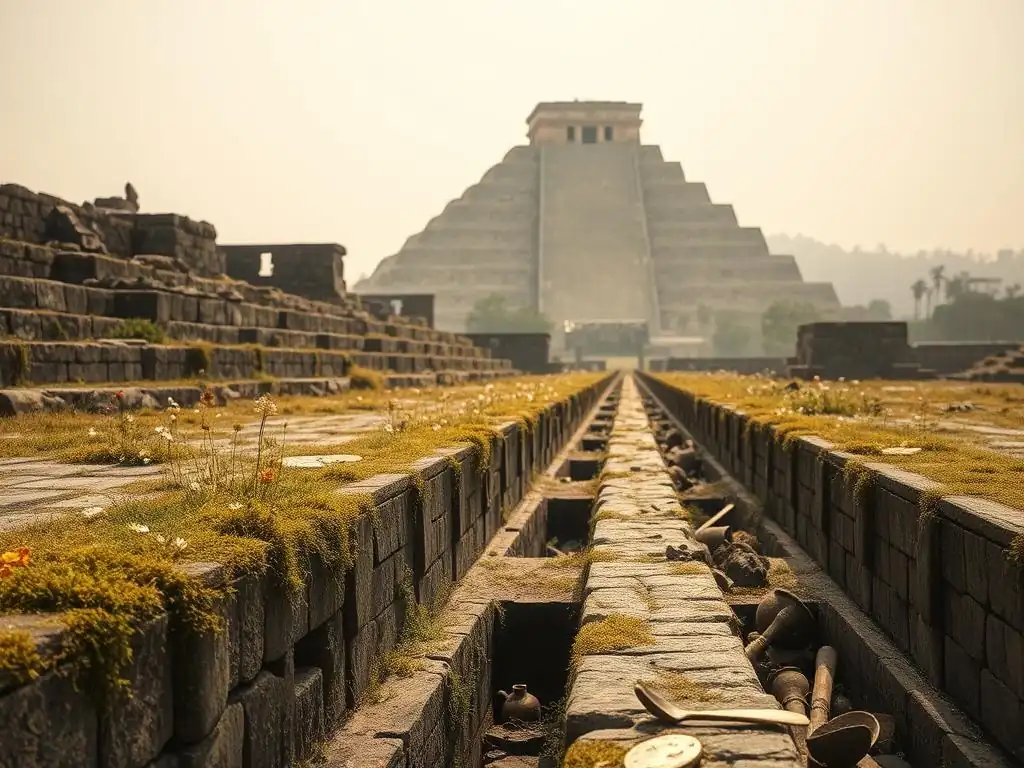
Teotihuacan, a monumental city that flourished in Mesoamerica, faced a myriad of challenges in its water management systems, which were critical to sustaining its large urban population. The city's location, environmental factors, and technological limitations all contributed to the complexities of managing water resources effectively. Understanding these challenges provides valuable insights into the ancient civilization's adaptability and resilience, as well as its eventual decline.
Environmental Factors Affecting Water Supply
Teotihuacan was situated in a semi-arid region of central Mexico, characterized by fluctuating precipitation patterns and periods of drought. These environmental factors created significant challenges for the water management systems employed by the inhabitants. The reliance on seasonal rains for water supply meant that the city had to develop strategies to capture and store water effectively.
Additionally, the surrounding landscape included mountains and valleys that influenced water flow and availability. The inhabitants faced the challenge of harnessing water from these varied topographies, which required innovative engineering solutions. The seasonal variability of water sources necessitated the construction of extensive aqueducts, reservoirs, and channels to ensure a consistent water supply throughout the year.
Technological Limitations and Their Consequences
While Teotihuacan's water management systems were advanced for their time, they were not without limitations. The technology available to the ancient inhabitants constrained their ability to manage water resources optimally. For instance, the use of simple tools and techniques limited the scale and efficiency of water capture and distribution systems.
The reliance on gravity-fed systems to transport water from distant sources meant that any disruption, such as sediment buildup or structural damage, could severely impact the water supply. Furthermore, the construction of large-scale infrastructure, such as the impressive drainage systems, required significant labor and resources, which could become strained during periods of political or social upheaval.
Lessons from Teotihuacan's Water Management for Modern Sustainability
Teotihuacan's approach to water management offers valuable lessons for contemporary sustainability practices. The intricate systems developed by this ancient civilization demonstrate the importance of holistic water management that considers environmental conditions, technological capabilities, and community needs.
Relevance of Ancient Practices in Contemporary Water Management
The principles underlying Teotihuacan's water management systems, such as the integration of rainwater harvesting and the use of natural landscapes for drainage, remain relevant today. Modern urban areas facing water scarcity and environmental degradation can draw inspiration from these ancient practices. By adopting similar sustainable techniques, cities can enhance their resilience against climate change and ensure a reliable water supply.
Furthermore, the emphasis on communal efforts in managing water resources, seen in Teotihuacan's society, highlights the need for collaborative approaches in contemporary water management. Engaging local communities in decision-making processes fosters a sense of stewardship and accountability, which is essential for effective resource management.
Integrating Indigenous Knowledge in Current Practices
Incorporating indigenous knowledge and practices into modern water management strategies can lead to more sustainable outcomes. The traditional ecological knowledge held by Indigenous communities often encompasses a deep understanding of local ecosystems and water cycles, cultivated over generations.
By integrating this knowledge with contemporary scientific methods, policymakers can develop more effective and culturally appropriate water management solutions. This collaboration not only enhances environmental sustainability but also empowers Indigenous communities, honoring their contributions to water stewardship and resource conservation.
The challenges and solutions faced by Teotihuacan's water management systems provide a rich framework for addressing contemporary water issues. By learning from ancient practices and valuing indigenous knowledge, modern societies can work towards achieving sustainable water management that benefits both people and the planet.
Conclusion: The Legacy of Teotihuacan's Water Management Systems
Teotihuacan's innovative water management systems played a crucial role in the sustainability of its urban environment, showcasing the civilization's advanced understanding of hydrology and urban planning. The integration of canals, reservoirs, and aqueducts allowed the city to flourish in a challenging arid climate, supporting a large population and diverse agricultural practices. By effectively controlling and distributing water, Teotihuacan not only ensured the daily needs of its inhabitants were met but also facilitated trade and cultural exchange, reinforcing the city's status as a significant Mesoamerican center.
The legacy of these water management systems extends beyond the ancient city itself, influencing water management practices in subsequent civilizations throughout the Americas. The techniques developed and implemented by Teotihuacan's engineers serve as a testament to the ingenuity and adaptability of indigenous cultures in the face of environmental challenges.
Summary of Key Points
- Innovative Infrastructure: Teotihuacan's water management systems included an extensive network of canals, aqueducts, and reservoirs that were engineered to optimize water flow and storage.
- Sustainability: These systems enabled the city to thrive in a semi-arid environment, supporting a large urban population and diverse agricultural activities.
- Cultural Impact: Water management facilitated trade and cultural interactions, enhancing Teotihuacan's role as a major hub in Mesoamerica.
- Technological Ingenuity: The methods used for water management reflect advanced engineering skills and a profound understanding of the local environment.
- Enduring Legacy: The principles of water management established by Teotihuacan influenced later civilizations and continue to inform modern practices.
The Lasting Influence of Teotihuacan on Modern Urban Water Management
Teotihuacan's sophisticated approach to water management has left an indelible mark on contemporary urban planning and water management strategies. Today, cities facing similar challenges of water scarcity and urbanization can draw valuable lessons from the ancient practices of Teotihuacan.
Modern urban planners and environmental engineers study the city's historical systems to develop sustainable solutions that consider both environmental impact and human needs. The importance of integrated water resource management, as demonstrated in Teotihuacan, emphasizes the necessity of collaboration among various stakeholders, including governments, communities, and environmental organizations.
Moreover, the archaeological findings related to Teotihuacan's water management systems have sparked interest in sustainable development practices that prioritize conservation and efficiency. By understanding how ancient civilizations successfully adapted to their environments, modern urban centers can implement strategies that promote resilience against climate change and urban sprawl.
In essence, the water management systems of Teotihuacan not only highlight the achievements of an ancient civilization but also serve as a guiding framework for sustainable urban development today. The legacy of these practices continues to inspire efforts to create sustainable water systems that honor both historical knowledge and modern technological advancements.
- Introduction to Teotihuacan Water Management Systems
- Historical Context of Water Management in Teotihuacan
- Components of Teotihuacan's Water Management Systems
- The Impact of Water Management on Teotihuacan Society
- Challenges Faced by Teotihuacan's Water Management Systems
- Lessons from Teotihuacan's Water Management for Modern Sustainability
- Conclusion: The Legacy of Teotihuacan's Water Management Systems
- What was the significance of the water management systems in Teotihuacan?
- How did Teotihuacan's water management contribute to its population?
- What techniques were used in Teotihuacan's water management systems?
- How did the water management practices in Teotihuacan influence other cultures?
- What can we learn from Teotihuacan's approach to water management today?
Frequently Asked Questions
What was the significance of the water management systems in Teotihuacan?
The water management systems played a crucial role in supporting the city's urban sustainability by efficiently distributing water for agriculture, domestic use, and ceremonial purposes.
How did Teotihuacan's water management contribute to its population?
Teotihuacan's advanced water management allowed the city to support a large population by ensuring a consistent supply of water, which was vital for agriculture and daily life.
What techniques were used in Teotihuacan's water management systems?
The water management systems in Teotihuacan included canals, dams, and cisterns, which helped to capture and distribute rainwater effectively throughout the urban area.
How did the water management practices in Teotihuacan influence other cultures?
Teotihuacan's innovative water management systems served as a model for other Mesoamerican civilizations, showcasing the importance of sustainable practices in urban planning.
What can we learn from Teotihuacan's approach to water management today?
Teotihuacan's strategies highlight the importance of integrated water management in urban environments, providing valuable lessons for modern cities facing water scarcity challenges.
Final Reflection: The Enduring Legacy of Teotihuacan's Water Management Systems
The intricate water management systems of Teotihuacan serve as a powerful reminder of the vital role sustainable practices play in urban environments today. As we grapple with the challenges of climate change and urbanization, the lessons from Teotihuacan's innovative approaches to water management resonate more than ever. The ancient city's ability to harness and distribute water effectively not only supported its population but also laid the groundwork for a thriving civilization, illustrating that sustainable water practices are not merely a modern concern but a timeless necessity.
The influence of Teotihuacan's water management systems extends far beyond its historical context; it continues to inspire contemporary discussions on sustainability and urban planning. The principles of efficient resource use and environmental stewardship exemplified by the Teotihuacanos remind us that our modern cities can learn from the past. As architect and urban planner Jan Gehl once said, “First life, then spaces. The other way around never works.” This quote encapsulates the importance of prioritizing the needs of people and the environment in our urban designs, echoing the ethos of Teotihuacan's water management.
As we reflect on the lessons of Teotihuacan, let us consider how we can apply these insights to our own lives and communities. How can we integrate sustainable water practices into our daily routines and urban planning efforts? I invite you to take a moment to think about your relationship with water and the environment. Embrace the challenge of becoming an advocate for sustainable practices in your community, ensuring that the legacy of Teotihuacan's water management systems continues to inspire future generations. Together, we can cultivate a more sustainable and resilient world.
Unveil the Secrets of Sustainable Water Practices!
Thank you for diving into the fascinating world of Teotihuacan's urban water management. By exploring how these ancient civilizations perfected their sustainability techniques, you've taken the first step toward understanding the crucial role of water in our environment today. Now, let’s transform that knowledge into action!
Here are some impactful ways you can contribute to sustainable water management in your own community:
- Implement water conservation practices in your home by using rain barrels or selecting drought-resistant plants that require less water.
- Share your newfound insights with friends or local organizations to inspire collective action toward sustainability.
- Engage with local water resources by volunteering for clean-up efforts or participating in community workshops focused on water preservation.
What innovative strategies have you considered to improve water usage in your life or community?